BETA nonprofit public democratic european moderated

Search

#SPEC

Il governo Meloni propone un emendamento al decreto Giustizia che prevede la possibilità di trattenere i migranti fino a quattro mesi, estendendo così la durata massima del trattenimento da 28 giorni a 16 settimane, in caso di pericolo di fuga, sempre sotto il controllo di un giudice specializzato in immigrazione. #Migranti #GovernoMeloni #DecretoGiustizia

Migranti, la nuova stretta del governo: potranno essere trattenuti fino a quattro mesi

PSD refuză să aibă orice gram de decență și are impresia că suferim toți de boala amneziei politice. Ne spunea ieri Sorin Grindeanu că ei nu pot vota Legea salarizării, că pregătesc amendamente și că proiectul trebuie schimbat din temelii. Hai să ne uităm puțin în urmă. Poate îi ajutăm să-și recapete memoria. Mai 2023. România era în plină grevă a profesorilor, iar PSD și PNL erau ocupați cu rotativa guvernamentală a lui Nicu și Marcel. Ca să stingă protestele, Guvernul le-a promis profesorilor o nouă lege a salarizării: proiectul urma să fie gata până la 15 iulie 2023 și trimis în Parlament la 1 septembrie 2023. Sunt declarațiile lor, da? N-a fost gata. Și ghiciți cine a condus Ministerul Muncii în toți acești trei ani? Nu o să vă vină să credeți, dar chiar PSD. Mai întâi Marius Budăi. Apoi Simona Bucura-Oprescu. Apoi Florin Manole. Trei miniștri. Trei ani. Nicio lege finalizată. Ba chiar Marcel Ciolacu a explicat singur de ce reforma nu se face. În 2024 spunea că „doar un om politic inconștient” ar adopta Legea salarizării într-un an electoral. Cu alte cuvinte, au ales să o amâne DELIBERAT. Din calcul politic. Acum vine partea cu adevărat spectaculoasă. În 2026, același Marcel Ciolacu îi acuză pe alții că Legea salarizării a fost tergiversată și că România riscă să piardă bani din PNRR. Păi cine a tergiversat-o? Cine a condus Ministerul Muncii în toată această perioadă? Cine a împins reforma de la un termen la altul până am ajuns în ultimele săptămâni ale PNRR? De ce nu au făcut legea asta atât de bună până acum timp de 3 ani? Cum de acum au idei și amendamente, dar până acum nu au putut să se ocupe de ea? Absolut incredibil cum încearcă ei să ne ducă cu zăhărelul din ,,opoziție". #Romania #politica #salarii

| JULY 2026 | The Guard State How the largest Arab nation became a security contractor at the gates of its own people By Adham Hasanin Egyptian journalist and political writer, based in the Netherlands In June 2025, hundreds of activists from forty countries landed at Cairo airport. Doctors from France, lawyers from Australia, students from the United States, pensioners from the Netherlands. They carried no weapons and no banned slogans; they carried backpacks, walking shoes, and a single intention: to march from Arish to the Rafah crossing — entirely on Egyptian soil — to demand that food be allowed through to a people starving behind the gate. Not one of them reached Rafah. More than two hundred were detained before the march could begin. Around five hundred foreign nationals were deported from airports, hotels, and checkpoints. Passports were confiscated, activists were pulled out of downtown Cairo cafés, and the Global March to Gaza was cancelled on 16 June without taking its first step. And the world watched. This was no secret operation in a dark basement; it happened in the open, documented by the deportees’ own phone cameras, carried by every international news agency. The world watched an Arab state arrest Europeans, Americans, and Africans for wanting to walk towards Palestine. A state guarding the gate of a siege — from the side that was supposed to be the side of rescue. Hold that image, because it is the key to everything that follows. This was not an aberration in Egyptian policy, nor an isolated security decision. It is the function — the complete function around which the Egyptian state has been redefined over the past decade, and which it is time to call by its proper name: the Guard State. I. The Name — What Do We Mean by the Guard State? Political economy has long described states that live off the rent of their location rather than the production of their people. But what has crystallised in Egypt over the past decade goes beyond traditional geographic rent — the Suez Canal, say — into something far graver: the conversion of sovereignty itself into a commodity for hire. The Guard State does not sell its location; it sells its function. It collects its wages not for what it produces, but for what it prevents: it prevents the refugee from reaching Europe, the activist from reaching Gaza, its own people from reaching politics, and the resistance’s weapons from reaching their destination. Four gates, guarded by a single machine, whose wages are paid in loans, deposits, and perpetually renewed rescue packages. This is not a rhetorical metaphor; it is an economic structure with numbers attached. When the Egyptian economy collapsed in 2024, it was rescued not by productive reform but by a single deal whose subject was location: Ras el-Hekma — thirty-five billion dollars for a stretch of coastline. And whenever negotiations with the IMF stall, the tranches are unlocked by explicit European pressure whose subject is migration: nine billion euros from the European Union in the 2024 “Strategic Partnership,” whose own documents place “migration management” at its core. Europe does not pay Egypt to prosper. It pays Egypt to guard. Thus the model is complete: income in exchange for prevention, external legitimacy in exchange for guarding, and international silence about domestic tyranny in exchange for keeping the gates controlled. To see how the model works on the ground, consider the bloodiest gate of all: the gate of Gaza. II. The Gaza Gate — The Guard Who Is Himself Searched The first paradox must be nailed down with facts: Egypt is not a sovereign guard of its own crossing; it is a searched guard. Egyptian relief trucks — ninety-two thousand food parcels in a single convoy this month — are subject to Israeli inspection before entering the Strip: from Egyptian soil, through a crossing that bears an Egyptian name. The state that guards the gate does not hold its key. It owns the threshold, but not the door. Then the October 2025 truce added a new layer to the function. Under the fifteen-point roadmap sponsored by the international envoy together with the “guarantor states” — Egypt foremost among them — Cairo is to train the civilian police force that will replace Hamas in administering the Strip, under the slogan of “one authority, one law, one weapon.” Let us call things by their names: the state that could not — or would not — deliver a loaf of bread without Israeli permission is now qualifying to graduate the security apparatus that will oversee the disarming of the resistance. From guarding the siege to administering what comes after the siege — a promotion within the same project. And meanwhile, what is happening behind the guarded gate? Since the truce, more than one thousand one hundred Palestinians have been killed by Israeli fire — the latest, just two days ago, a ten-year-old boy named Motaz Abu Shaar, carried to his grave in Khan Younis by his mother, Warda. A United Nations commission of inquiry has concluded that Israel is “deliberately targeting children in an ongoing genocide.” This is what the guarantors’ official language calls a “ceasefire.” What meaning is left in the word “guarantor”? A guarantor that the gate stays firmly shut — however high the dead pile up behind it. III. The Mediterranean Gate — The Guard Europe Pays For The second gate faces north. Since 2016, Cairo has boasted — through its officials at every European forum — that “not a single irregular migration boat has departed from Egyptian shores.” This is very nearly true. But the forbidden question is: at what political price has this “efficiency” become an instrument of mutual blackmail? Europe — which condemns Egypt’s human rights record in its parliamentary resolutions — is the same Europe that signed the nine-billion-euro partnership, and the same Europe that stays silent about sixty thousand political prisoners because the alternative, in its calculations, is boats that never stop. And Cairo understands the game and has mastered it: whenever human rights pressure intensifies, the official discourse turns up the volume on “Egypt hosts millions of refugees” and “the last line of defence.” The result is a perfect structure of mutual blackmail: Europe buys its conscience’s silence, the regime sells its location, and the people — Egyptian and refugee alike — are the commodity in the transaction. The democracies that lecture on values are financing the guard who keeps the victims from knocking on their doors. This is not passing hypocrisy; it is a structural partnership in the Guard State model — one that makes Brussels and Berlin shareholders in everything this state produces, from domestic repression to external siege. IV. The Interior Gate — Guarding the People Against Politics But the most dangerous gate is not on any border; it is inside. The Guard State cannot perform its external function unless it first guards an internal gate: the people’s gate to politics. The function requires a people that does not ask: why are we guarding the siege of our brothers? Why are our trucks searched on our own soil? Why are guests deported for coming to walk in peace? To guarantee the question is never asked, the largest silencing machine in the country’s history was built: sixty thousand prisoners of opinion, a press ranked 166th out of 180 worldwide, and a state security case number waiting for anyone who writes. I write these lines from experience, not from reading reports. When I continued writing from my Dutch exile, the machine reached me across continents: accounts shut down by coordinated mass-reporting campaigns, documented threats, a family harassed inside Egypt as leverage — and my name entered into Case 1282 of 2024, not for any act I committed, but for opinions written from free European soil. This is not a personal complaint; it is a job description: the Guard State guards even beyond its borders, because the free word — wherever it is written — threatens the entire contract of guardianship. The logic is perfectly self-consistent: a regime that sells “stability” abroad cannot tolerate a voice revealing that the stability on offer is the stillness of graveyards. This is why the arrest of the foreign activists in June 2025 was inevitable, not incidental: a peaceful march reaching Rafah would have revealed, before the world’s cameras, that the gate opens when it is wanted open — and that the one keeping it shut is a partner, not a mediator. V. What Has Egypt Lost? — The Guard’s Bill An apologist might argue: what is the harm? A state monetising its location as Norway monetises its oil. The answer lies in the essential difference: Norway sells a resource; Egypt leases its will. And the difference between the two is the difference between trade and bondage. Let us tally what Egypt has paid for this model, in bare facts. It lost its water sovereignty: the Renaissance Dam was completed and filled without the state — owner of “the largest defence headquarters in the world” — daring anything beyond statements of concern; for the guard does not make trouble for the international order that employs him. It lost its regional standing: in the Iran–America war halted just weeks ago, Cairo was neither party nor mediator nor even consultant — Pakistan brokered the deal, while Egypt absorbed the economic shrapnel of Hormuz’s closure like a bystander caught in a battle whose parties it does not know. It lost its place in the conscience of its nation: the state that liberated its land in 1973 and led the Arab world for a century has become, in the eyes of the Arab street from the Atlantic to the Gulf, the gatekeeper of the siege. This loss, specifically, no loan or deposit can repay — because it is the only capital that cannot be printed. And it lost — here is the crux — the very national security in whose name the guarding is justified. The model proved its fragility at the moment of testing: when Israel feared an Iranian response last year, it cut off Egypt’s gas by unilateral decision within hours. The guard who believed himself a partner discovered he was merely a hireling whose wages stop the moment danger arrives. VI. The Alternative Is Not a Slogan — It Is the Recovery of the Original Function I will not close with an essay on “the solution lies in Arab unity”; worn-out words kill more surely than silence. The alternative is specific, and it begins with redefining the function. The state is not a guard; the state is the agent of its people’s will. Every foreign policy not derived from that will is — by definition — functional servitude, however it is wrapped in the language of wisdom and moderation. And the Egyptian will is known and needs no referendum: no people in this region accepts that its country serve as warden of the siege of Gaza, or as Europe’s border post. Practically, the recovery begins with three measurable steps. Open the Rafah crossing fully and sovereignly, by purely Egyptian decision — that alone would overturn the equation of the siege. Break the negotiating bondage by linking any cooperation on migration to concrete European positions on Palestine, not statements of concern. And open the interior gate — release the prisoners and lift the hand from the written word — because a state that fears an article will never dare face an occupier. I know the current regime will do none of this; guarding is its founding contract and its financial artery. But this article is not written for the regime. It is written for memory, and for the generation that will inherit the gates — so that it knows that what is presented to it today as “the fate of geography” is no fate at all. It is an employment contract, signed by a regime without a mandate from its people. And contracts, however long they run, end when one of their parties does. And the world — I return to where I began — is a witness that requires no further proof. It watched the deportees at Cairo airport; it watched the searched trucks; it watched Warda Abu Shaar carry her son to his grave behind a firmly guarded gate. The question is no longer: what is happening? The only question left is: who dares to name it? This article is a naming. Adham Hasanin is an Egyptian journalist and political writer based in the Netherlands, covering Arab and European political affairs.

Digi24 1h

Fraudele online, în special cele legate de criptomonede și escrocheriile romantice, au generat pierderi record estimative între 88,3 și 114,1 miliarde de dolari în Asia-Pacific în 2024, conform unui raport al ONU, evidențiind creșterea dramatică a activităților criminale în regiune. #fraudă #escrocherie #criptomonede

Fraudele cu criptomonede și escrocheriile romantice au generat pierderi uriașe în Asia-Pacific, avertizează ONU

Lietuvoje per vieną savaitę Vilniaus universiteto ligoninėse Santaros klinikose buvo atliktos trys širdies transplantacijos, kas yra itin retas ir išskirtinis medicinos įvykis, reikalaujantis didžiulio medicinos specialistų komandos bendradarbiavimo ir pasiaukojimo. #ŠirdiesTransplantacija #SantarosKlinikos #MedicinosNaujienos

Išskirtinis įvykis: per vieną savaitę – net trys širdies transplantacijos

La victoire de l'équipe espagnole à la Coupe du monde a été célébrée par un défilé spectaculaire à Madrid, attirant plus d'un million de personnes. #CoupeDuMonde #LaRoja #Madrid

Coupe du monde : les images folles du défilé de la Roja devant plus d’un million de personnes à Madrid
Onet.pl 3h

W PiS powołano specjalny zespół do tropienia przypadków nepotyzmu i nadużyć wśród działaczy partyjnych w regionach, z obawą, że tłuste koty mogą zaszkodzić partii w nadchodzących wyborach. #PiS #JarosławKaczyński #wybory2027

Ujawniamy: PiS tropi własne "tłuste koty". Kaczyński robi jeden wyjątek

este probabil că vom organiza și o reuniune specială pe acest subiect; va trebui să adoptăm o poziție comună și, până acum, nu am putut s-o definim

Urmează o reuniune de criză a Consiliului miniștrilor de externe din UE pe tema boicotării produselor din coloniile israeliene ilegale?
adevarul.ro

Jen aby se nezapomnělo, jak nám lánský pučista z @SpravedlnostCZ Tejc @JTejc teď poškozuje pověst ÚS @usoud_official Specialista na potichu odstranění B. Sobotky při tajné schůzce s dalším šíbrem Haškem u Miloše Zemana. Užitečný idiot na špinavou práci pro @AndrejBabis, že? https://t.co/M9xPLR9NfI #politika #korupce #Česko

Podle článku z Rus.Postimees během 1609. dne války Rusko ztratilo v Ukrajině více území, než kolik dokázalo obsadit, přičemž prezident Vladimir Putin označil agresi jako speciální vojenskou operaci na ochranu lidí trpících gentoicidem, což bylo opakovaně vyvráceno mezinárodními institucemi. #война #Украина #Путин

СМИ: Россия за неделю потеряла в Украине больше территорий, чем смогла захватить

@SeydinaOfficial Arrêtez de publier ce genre de merde. Laissez le mec vivre sa ptn de vie. L’harcèlement, le racisme, le fait de sortir avec une nana spécialiste en opération esthétique etc ça a donné ce ptn de résultats. C’est un choix personnel de vie. #Respect #Liberté #VivreSaVie

Articolul discută despre tensiunile dintre liderii europeni, în special dintre Franța și Germania, care acuză președintele Consiliului European, Antonio Costa, de avansarea negocierilor cu Rusia fără mandat, în contextul în care aceștia din urmă duc deja discuții secrete cu Moscova, subliniind riscurile de securitate pentru România și Europa de Est, cauzate de interesele economice ale marilor puteri europene. #RelațiiInternaționale #NegocieriRusia #SecuritateEuropeană

România și Estul Europei, trădate? Cine vrea, de fapt, să fure startul negocierilor cu Putin
Digi24 6h

Un fragment de patru tone dintr-o rachetă SpaceX ar putea lovi Luna pe 5 august 2026, conform estimărilor NASA, fără a reprezenta un pericol pentru Pământ, iar specialiștii discută despre posibilitatea de a observa impactul de pe Terra. #NASA #Luna #SpaceX

Un fragment de patru tone dintr-o rachetă SpaceX ar putea lovi Luna în august. Ce spune NASA despre impactul neplanificat

Gruparea religioasă „God the Mother”, originară din Coreea de Sud, își desfășoară activități de recrutare în România, îngrijorând publicul prin metodele lor insistente de abordare, în special în zone frecventate de tineri, cum ar fi facultățile și stațiile de metrou, cu scopul de a atrage noi adepți la întâlniri și studii biblice. #GodTheMother #culturi #religie

„God the Mother” - gruparea religioasă care „vânează” adepți în România: „Am fost băgată într-o cadă și mi s-a turnat apă în cap”

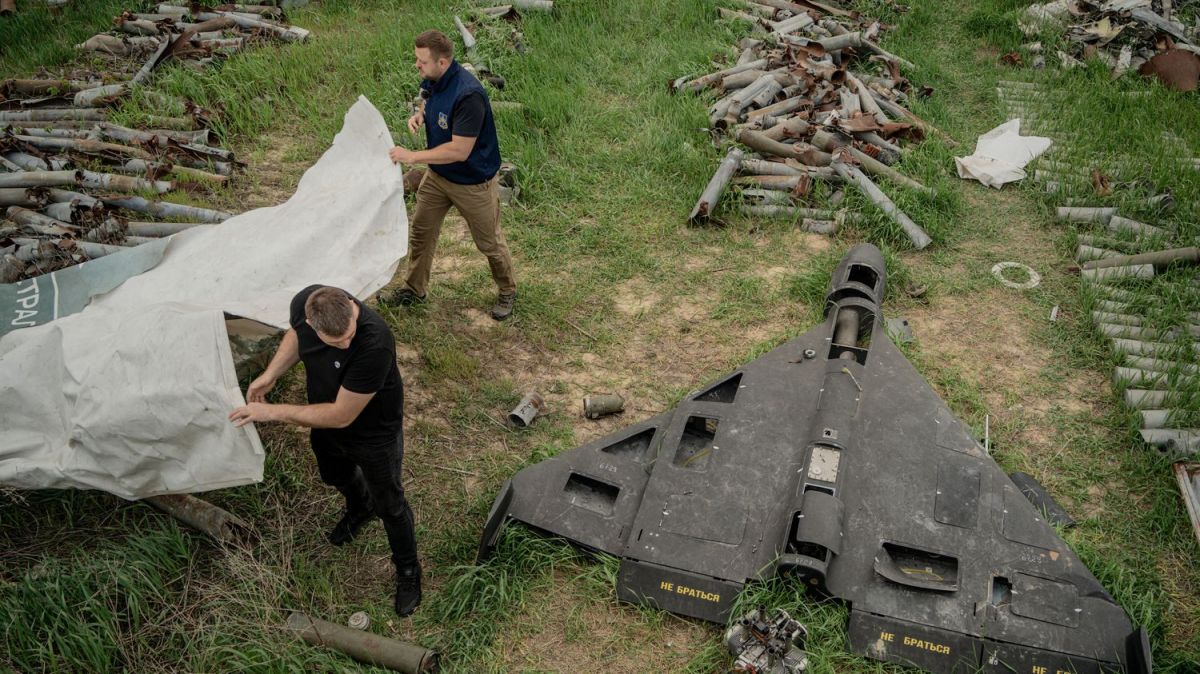
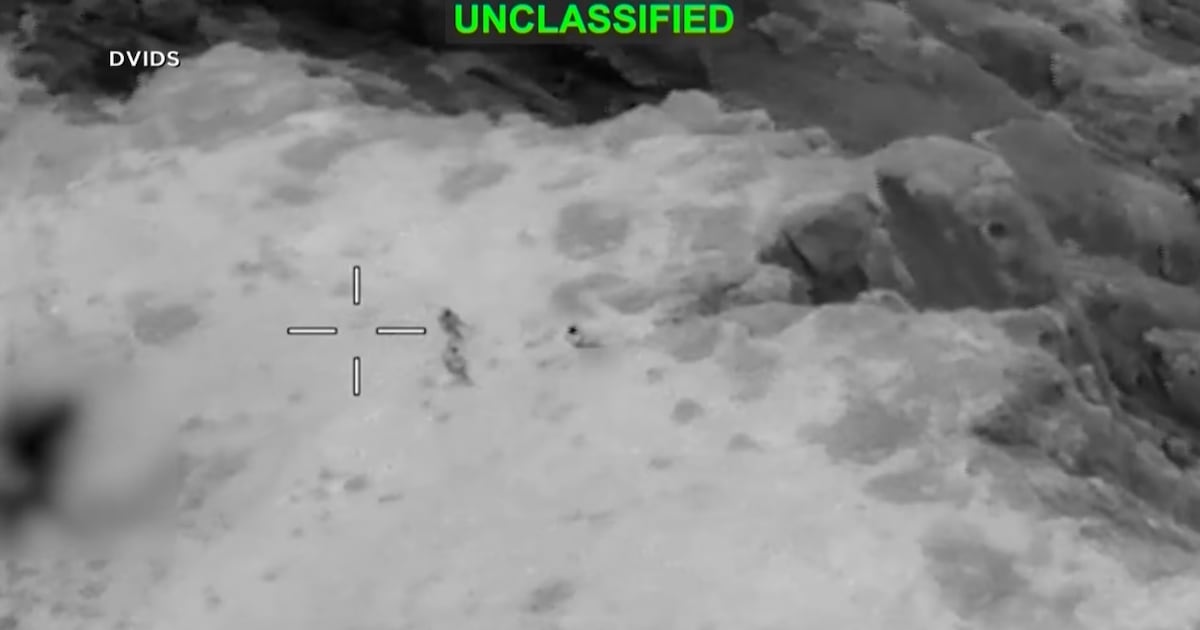
forțele speciale ucrainene își adaptează permanent tacticile de luptă prin integrarea strategiilor de monitorizare a dronelor și exerciții specifice pentru a face față amenințărilor aeriene, în contextul unei lupte intensificate pentru controlul tranșeelor. #razboiInUcraina #dronedrone #forteSpeciale

Cum schimbă dronele regulile războiului: forțele speciale ucrainene își adaptează permanent tacticile de luptă în tranșee

Onze selectie telt voor elk denkbaar scenario een specialist

Dit WK breekt met de gedachte dat je een toernooi speelt met 15 á 16 man
www.ad.nl

"Cześć. Mam na imię Paulina i nie mam nosa." Tak zaczyna się siedmiominutowy film, który przed chwilą obejrzałem. I powiem Wam szczerze... dawno żaden materiał nie poruszył mnie tak bardzo...💔 Proszę o RT Szukamy specjalistów, którzy podejmą się zabiegu dla Pauliny🙏 To nie jest zwykie nagranie. To jest wołanie o pomoc młodej dziewczyny, która każdego dnia walczy nie tylko z chorobą, ale również z okrucieństwem ludzi. Kiedy Paulina opowiada o swoim życiu, widać ból, cierpienie i bezsilność. Tego nie da się ukryć. Mówi o tym, że ludzie pokazują ją palcami. Wyzywają. Słyszy, że jest „brzydka”, „straszna”, że z taką twarzą nie powinna wychodzić z domu. Nie potrafię zrozumieć, jak można powiedzieć coś takiego drugiemu człowiekowi. Czy naprawdę tak trudno mieć odrobinę empatii? Czy naprawdę nie wystarczy świadomość, że ktoś i tak każdego dnia mierzy się z ogromnym cierpieniem? Paulina... Chcę, żebyś wiedziała jedno. Nie jesteś żadnym „dziwadłem”. Jesteś człowiekiem. Widzę piękną, zadbaną, niezwykle wrażliwą, ciepłą i bardzo odważną kobietę. Taką, od której bije dobro. I jestem przekonany, że tysiące osób zobaczą dokładnie to samo. Ogromnie Cię podziwiam za odwagę. Nie każdy potrafiłby stanąć przed kamerą i opowiedzieć o czymś tak bolesnym. Za chwilę pod tym postem przeczytasz tysiące wiadomości od ludzi, którzy będą chcieli dodać Ci siły. A do Was mam ogromną prośbę. Zostawcie Paulinie kilka słów otuchy w komentarzu. Pokażmy jej, że dobro jest głośniejsze od nienawiści. Prosze Was o pilne reakcje pod postem i podanie dalej. Szukamy lekarzy lub zespół specjalistów, którzy będą mogli pomóc Paulinie, zrobimy wszystko, aby wspólnie zebrać środki na leczenie. Nikt nie powinien walczyć z chorobą i ludzkim okrucieństwem jednocześnie! Jesteśmy z Toba Paulina! #Pomoc #Wsparcie #Empatia

Lazz Lazz 15h

Rusko selhalo při náboru personálu pro bezpilotní systémy Za první pololetí roku 2026 prošlo výcvikem něco málo přes 8 tisíc osob, ačkoli podle plánu jich mělo být kolem 34 tisíc. Do konce roku Rusko počítalo s náborem téměř 79 tisíc specialistů. Hlavní důraz byl kladen na studenty, absolventy DOSAAF a bývalé vojáky. Podle údajů Conflict Intelligence Team je tento neúspěch spojen s celkovým poklesem tempa náboru do armády a neúspěšnou kampaní mezi studenty. Mnozí odmítají podepsat smlouvy z obavy, že by je po výcviku mohli poslat do útočných jednotek nebo je nechat sloužit na dobu neurčitou. #Rusko #BezpilotníSystémy #Nábor

E
EL MUNDO 15h

V článku se analyzuje různorodost světů spojených s fotbalovým mistrovstvím, zdůrazňuje se jak kulturní, tak politický rozměr fotbalu, a autor reflektuje na krásu hry, technické výkony hráčů a vliv veřejnosti na vznik specifické populární kultury kolem tohoto sportu. #Mundial2026 #Fútbol #CulturaPopular

Los mundos del Mundial
Tim Pang 15h

Förväntar mig en hårtork i halvtid. Otroligt stillastående, speciellt på mittfältet. Högerkanten obefintligt, likaså vårt press och passningsspel. #fotboll #sport #analys