BETA nonprofit public democratic european moderated

Search

#Transportation

According to a study by the International Council on Clean Transportation (ICCT), plug-in hybrids often emit up to 4.6 times more CO₂ in real-world operation than stated by the manufacturers, which necessitates an adjustment of the EU regulations starting in 2027. (translated)

Studie: CO₂-Bilanz von Plug-in-Hybriden schlechter als Hersteller angeben

We believe that the organisation can play a role not only in ensuring peace and stability, but also in establishing uninterrupted and secure transportation corridors, which are vital for the prosperity of our peoples, and in areas such as energy supply security. As Türkiye, we are taking responsibility for resolving conflicts around us through dialogue and diplomacy.

SCO challenges West as diverse group of nations pursues multipolar future
www.euronews.com

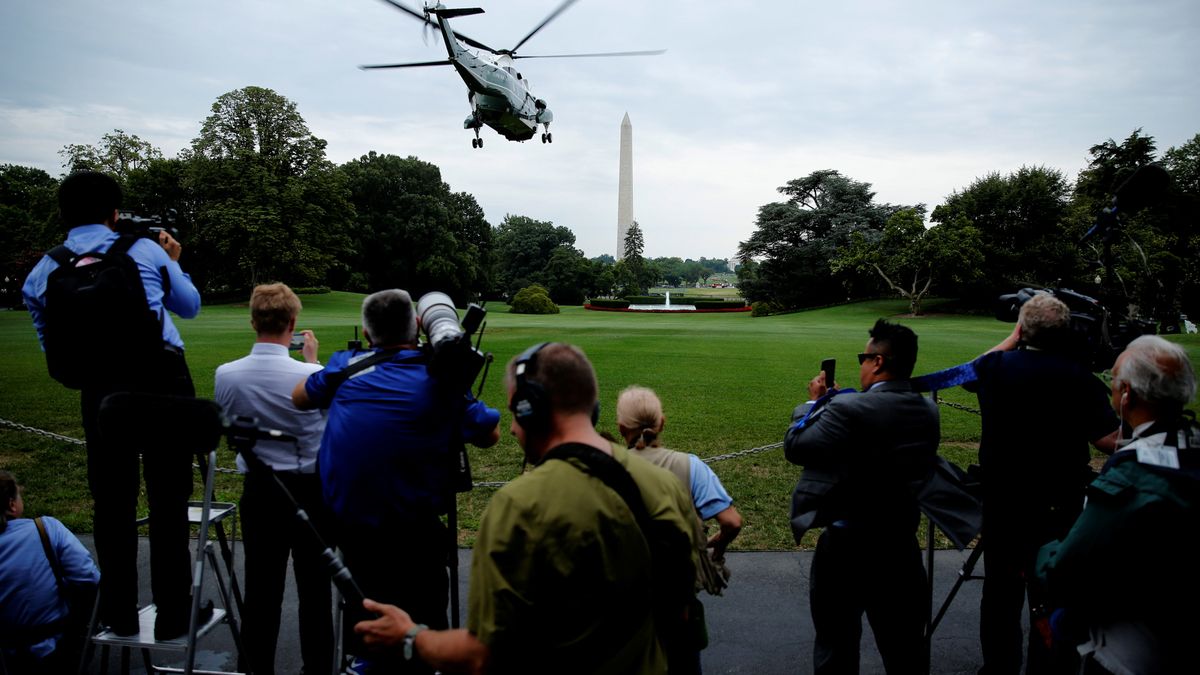
A preliminary report from the National Transportation Safety Board shows that communication problems due to construction work at the White House resulted in the presidential helicopter “Marine One” getting dangerously close to a commercial aircraft. (translated)

Washington: Donald Trumps Baustelle sorgte offenbar für »schwerwiegende« Panne bei Helikopterflug

.@sama is right, and the window is shorter than most people think. And a lot of damage can be caused to our societies. Hospitals, water, power, transportation and defense networks are all exposed. Sovereign defensive capability has to be built now, not after the first real #DefensiveCapability #Infrastructure #CrisisManagement #Thetweetdoesnotmentionanyspecificcountries.Therefore #therearenocountrycodestoreturn.

Connectivity remains central to reducing security risks, safeguarding vital trade routes, and ensuring reliable, resilient transportation networks. Yesterday, I spoke to @mtv3suomi about the Tallinn–Helsinki tunnel project that, together with Rail Baltic, would connect Northern https://t.co/SlPVzPsWRY #Connectivity #SecurityRisks #Transportation #EE #FI #LV

Novinky 2w

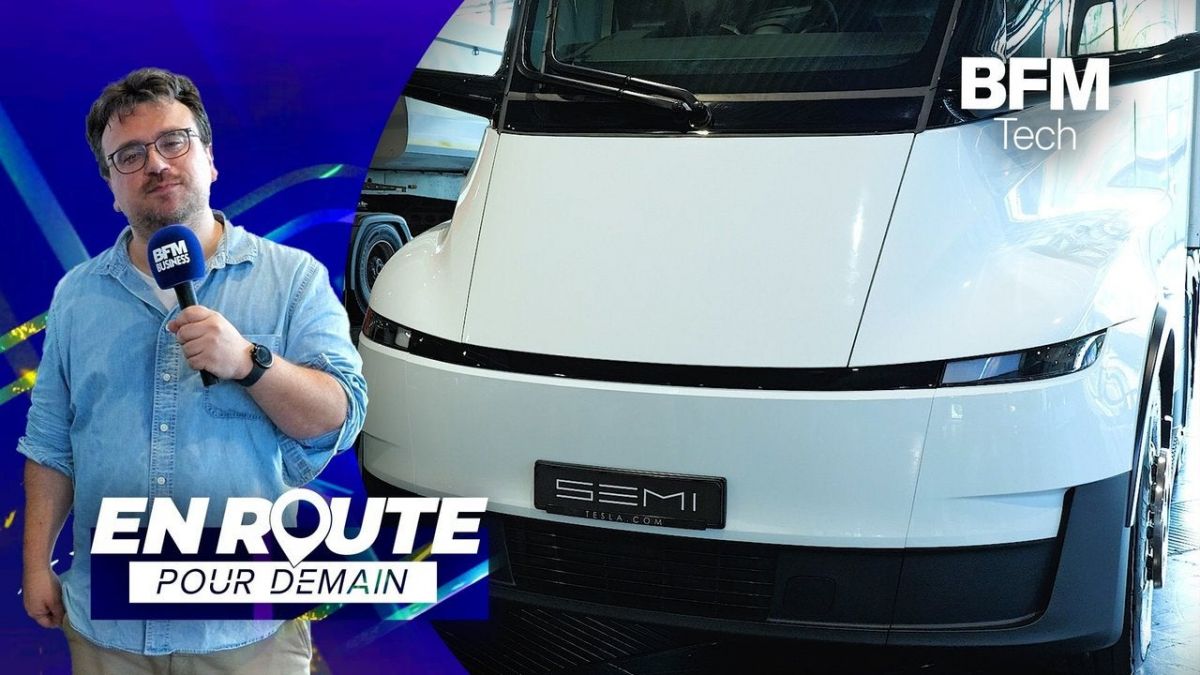
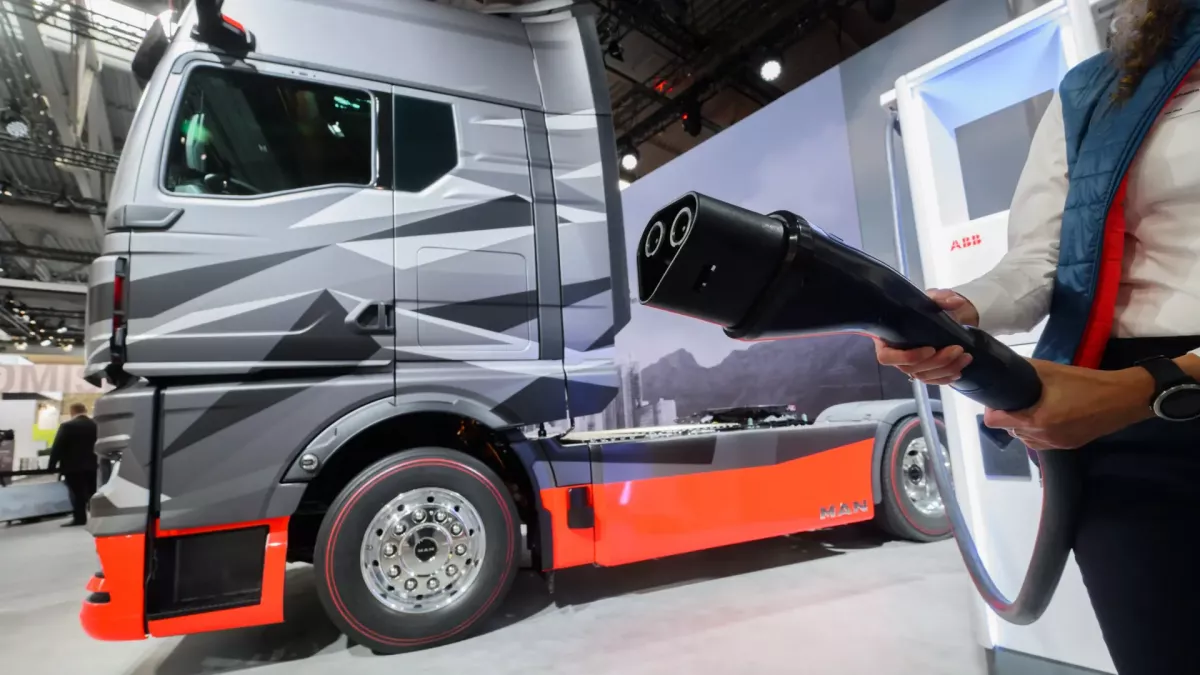
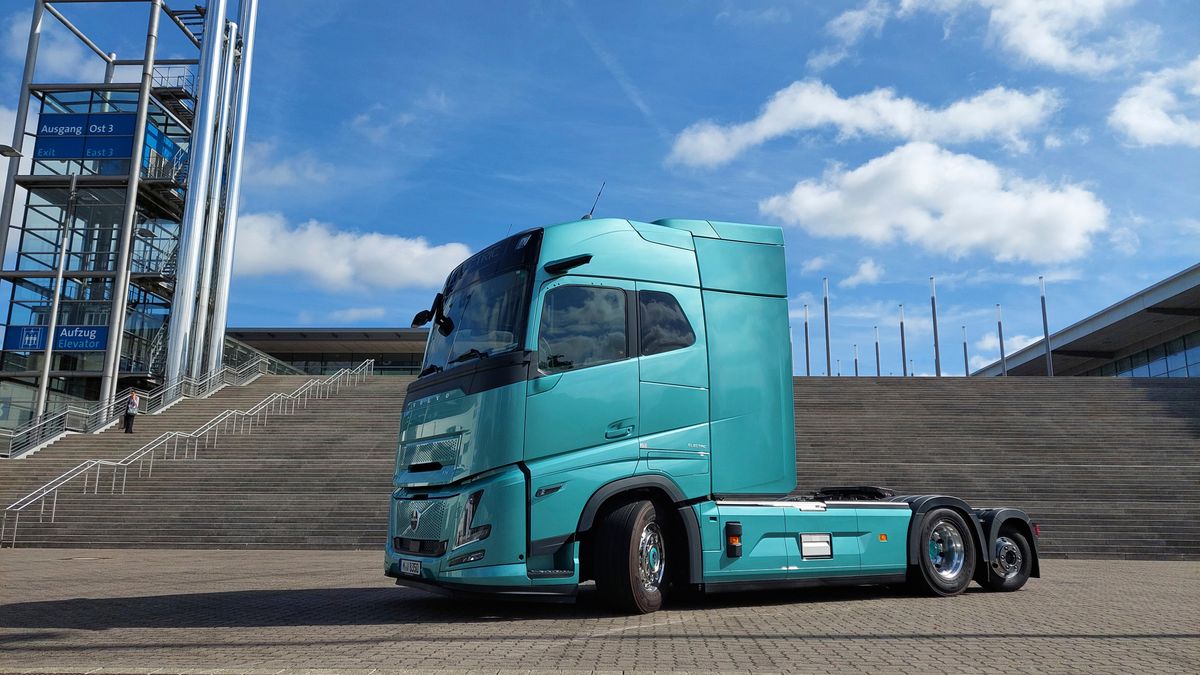
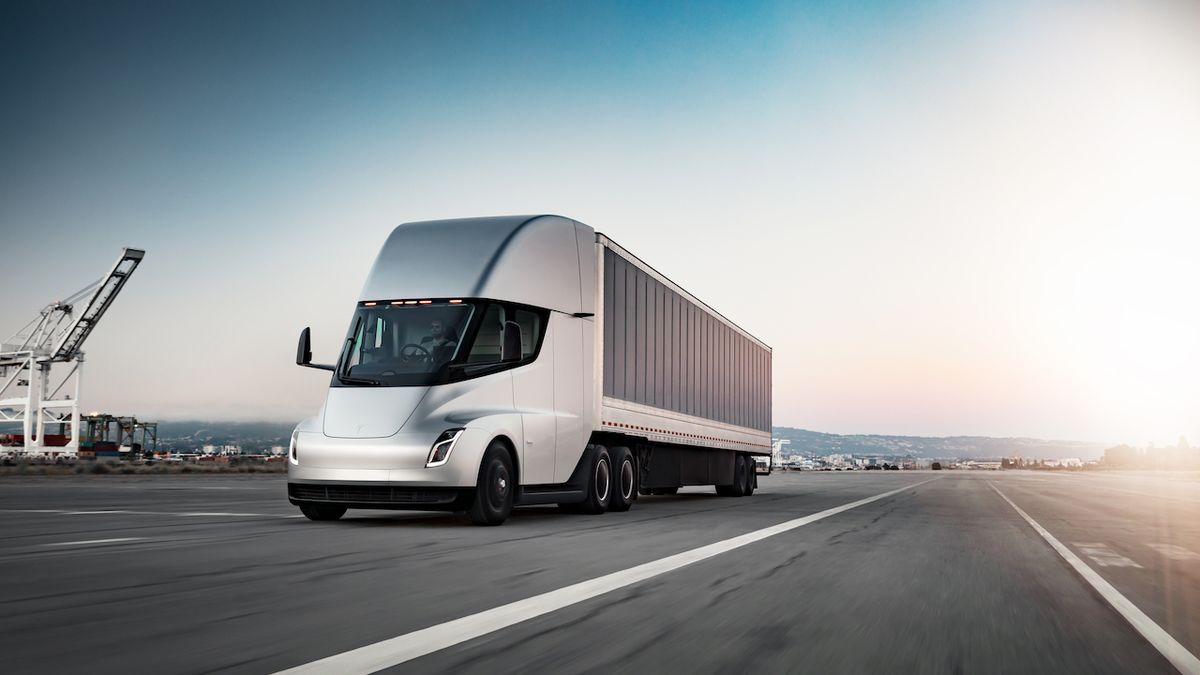
Tesla plans to unveil the European specification of its electric truck Semi during the IAA Transportation fair in Hanover, with serial production of this vehicle, which started at the end of April 2026, expected to reach a capacity of up to 50,000 units per year and will offer two versions with a range of up to 800 kilometers. (translated)

Elektrický tahač Tesla Semi míří do Evropy
EFIEBER 2w

Tesla Semi kommt offiziell nach Europa! 🇪🇺 Tesla kündigt gerade an, auf der IAA TRANSPORTATION 2026 in Hannover die technischen Daten und konkreten Launch-Details für Europa vorzustellen. 📅 15. bis 20. September 2026 🇩🇪 Hannover, Deutschland Damit nimmt Tesla jetzt auch den europäischen Lkw-Sektor ins Visier. Erst elektrisch, langfristig dürfte aber auch hier autonomes Fahren eine zentrale Rolle spielen. #Tesla #Semi #IAA2026

Cold Beer and Hot Showers - Not Kilowatt-Hours All That Consumers Want The energy sector spends an extraordinary amount of time talking about generation, transmission, storage, flexibility, markets, tariffs, balancing, ancillary services, carbon emissions, batteries, hydrogen, demand response, electrification pathways, system costs, capacity mechanisms, investment signals, market design and regulation. All of these things matter. Some of them matter enormously. But there is a simple question that often disappears somewhere between the conference room, the policy paper and the technical model: What does the customer actually want? The answer is surprisingly simple. Most people do not wake up in the morning thinking about kilowatt-hours. They do not dream about capacity markets. They do not worry about frequency stability. They do not spend their evenings comparing balancing mechanisms. They want cold beer and hot showers. They want a warm home in winter and a cool home in summer. They want the lights to turn on when they press the switch. They want their phone charged, their food refrigerated and their car ready when they need it. In other words, they do not want energy. They want what energy allows them to do. That distinction may sound trivial, but it changes almost everything. For more than a century, the energy industry has been organized around the production, transportation and sale of energy itself. Electricity became measured in kilowatt-hours. Gas became measured in cubic meters. Fuel became measured in litres or tonnes. Markets, regulations and business models were built around those units. The customer, however, never experienced life in kilowatt-hours. The customer experienced comfort. Convenience. Mobility. Reliability. Security. The units used by the industry and the outcomes desired by the customer were never the same thing. For a long time, this mismatch was not particularly important. Energy was relatively scarce, flexibility was limited, and the dominant challenge was supplying enough fuel to satisfy demand. The system could afford to focus on production because production was the central problem. Today the situation is changing. Electrification is transforming energy systems around the world. Renewable generation is increasing rapidly. Batteries are appearing in homes, businesses and vehicles. Buildings are becoming smarter. Heat pumps are replacing boilers. Electric vehicles are becoming mobile storage assets. Customers are increasingly able not only to consume energy but also to store it, shift it, manage it and sometimes even sell it. As this happens, the most valuable question is no longer simply how much energy is produced. The more important question becomes: How well is energy aligned with what people actually need? A family does not care whether its water heater operates at noon or at two in the afternoon if hot water is available when someone steps into the shower. A homeowner does not care whether a battery charges at 1 p.m. or 3 p.m. if electricity costs less and reliability improves. An electric vehicle owner does not care when charging occurs as long as the vehicle is ready when needed. The objective is not the kilowatt-hour. The objective is the service. This is why many of the most important developments in modern energy systems are not really about producing more energy. They are about matching energy to the service required, at the right time, in the right place and in the right form. The technical term for this is often hidden behind complicated language. Experts discuss flexibility, demand management, dynamic pricing, distributed energy resources and system optimization. Consumers experience something much simpler. They experience agency. They experience the ability to save money without sacrificing comfort. They experience the ability to make choices. They experience the ability to benefit from technologies that work for them rather than asking them to work for the technology. This is where many debates become confused. Consumers do not want to be coordinated. They want agency. Good energy systems do not force people to behave differently. They make beneficial behaviour easier, more natural and more rewarding. The best systems do not rely on control. They rely on alignment. When the customer’s interest aligns with the system’s interest, remarkable things become possible. Demand shifts naturally. Storage becomes useful. Flexibility appears. Costs decline. Reliability improves. The customer does not need to understand the complexity underneath. Just as nobody needs to understand how the internet routes packets around the globe in order to send a message, nobody should need to understand wholesale electricity markets in order to enjoy affordable energy services. Success is not measured by how much complexity consumers are asked to absorb. Success is measured by how much complexity the system absorbs on their behalf. The future energy system will undoubtedly involve more digital technology, more electrification, more storage, more automation and more coordination. But none of those are the destination. They are merely tools. The destination remains exactly what it has always been. Cold beer. Hot showers. Comfortable homes. Reliable mobility. Affordable bills. Everything else is infrastructure. And perhaps that is the simplest way to understand the energy transition. People do not want kilowatt-hours. They want the life that kilowatt-hours make possible.


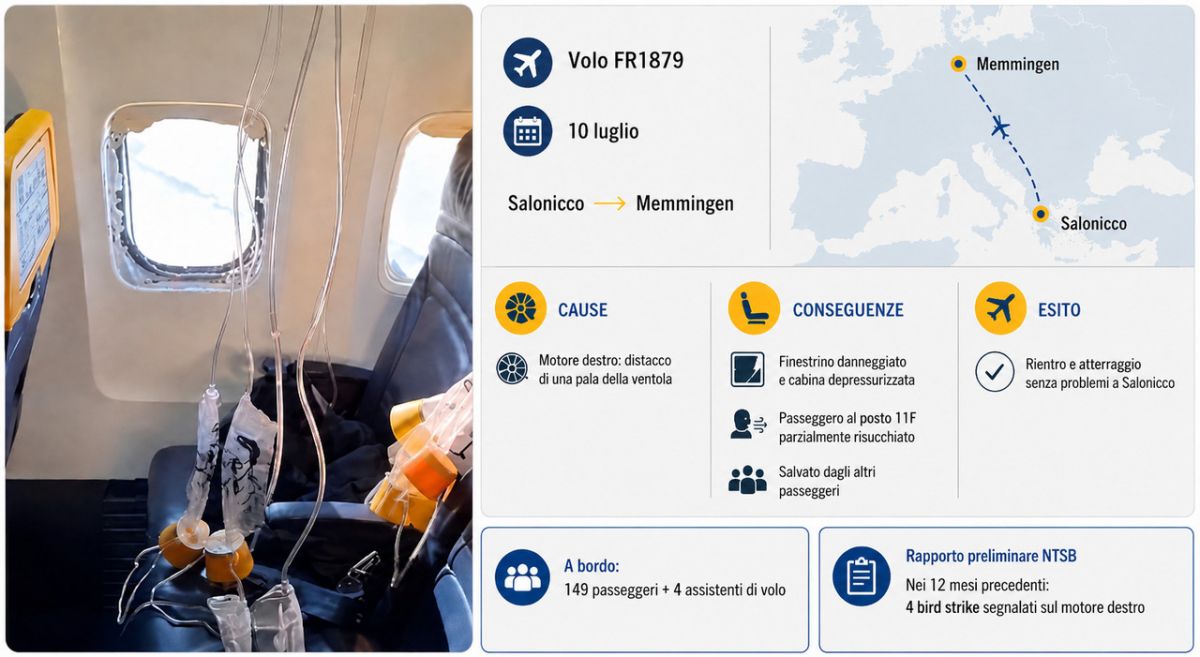
A preliminary investigation by the National Transportation Safety Board revealed that a piece of engine detached from a Ryanair plane, causing a window to break and seriously injuring Ljubisa Karović, a passenger who was partially sucked out of the plane during the flight. (translated)

«Il finestrino del Boeing fu colpito da frammenti del motore». Incidente Ryanair, la verità dall'indagine
HotNews.ro Jul 20

Ryanair a asigurat pasagerii că aeronavele sale sunt sigure după ce un incident grav a avut loc în timpul unui zbor, când un pasager a fost pe punctul de a fi aspirat printr-un geam datorită unei defecțiuni, iar compania a anunțat că investighează situația alături de National Transportation Safety Board (NTSB). #Ryanair #siguranță #avion

Ryanair, prima reacție pe larg după ce un pasager era să fie aspirat pe geam în zbor dintr-un avion al său

Micro-, small & medium-sized enterprises lift up communities & drive economic progress. In a world of increasing uncertainty, we must ensure efficient, safe markets & transportation systems, so these businesses remain engines of prosperity & opportunity. #SmallBusiness #EconomicGrowth #CommunitySupport #Nospecificcountrycodesarementionedinthetweet.

My top five bad arguments from this anti-robotaxi piece in @TheAtlantic: 🚫 Sure, 1.2 million die in car crashes each year, but "90% are in low- and middle-income countries, which are not in Waymo's expansion plans." By that logic, why bother inventing vaccines? Most child #Robotaxi #Transportation #Debate #LM #IN #US

Bild Jun 5

Eine neue Studie des International Council on Clean Transportation zeigt, dass Plug-in-Hybride im alltäglichen Gebrauch bis zu fünfmal mehr CO₂ ausstoßen als offiziell angegeben, wobei die Diskrepanz zwischen labortechnisch ermittelten und realen Emissionswerten von 265 Prozent im Jahr 2021 auf 400 Prozent im Jahr 2023 angestiegen ist. #PlugInHybrid #CO2Emissionen #ICCT

Studie enthüllt Emissionslücke - Plug-in-Hybride viel schmutziger als angegeben
Bild Jun 5

Eine neue Studie des International Council on Clean Transportation zeigt, dass Plug-in-Hybride im alltäglichen Gebrauch bis zu fünfmal mehr CO₂ ausstoßen als offiziell angegeben, wobei die Diskrepanz zwischen labortechnisch ermittelten und realen Emissionswerten von 265 Prozent im Jahr 2021 auf 400 Prozent im Jahr 2023 angestiegen ist. #PlugInHybrid #CO2Emissionen #ICCT

Dünner, schöner, erfolgreicher? Solidarität statt Zickenkrieg [premium]

A truck breakdown in Niger left 49 passengers dead due to dehydration after they were stranded for days in the Sahara Desert while returning from a religious festival in Mali, with only two survivors managing to reach water and alert authorities. #NigerTragedy #SaharaDesert #TransportationSafety

Truck breakdown in Niger strands passengers and leaves 49 dead in Sahara Desert
BBC Jun 3

Two Pakistani nationals have been arrested in Italy for the alleged murder of four migrant farm workers who died in a minivan fire, following a dispute over transportation fees and ongoing tensions related to arson incidents targeting migrant vehicles in the Calabria region. #MigrantWorkers #Italy #ArsonAttack

Two arrested after four migrant farm workers killed in Italy minivan fire
BBC Jun 2

Two Pakistani nationals have been arrested in Italy for allegedly murdering four migrant farm workers, who were found dead in a burnt minivan at a petrol station in Calabria, following a dispute over transportation money and unpaid wages, with a fifth Afghan survivor escaping the fire. #MigrantRights #ArsonAttack #ItalyNews

Two arrested after four migrant farm workers killed in Italy minivan fire

What happens when the global #fossilfuel system is disrupted? ⚠ In Kenya, rising fuel prices have triggered protests, transportation strikes, & growing economic hardship. Read our article on the harsh reality of fossil fuel dependence on @WeDontHaveTime 👇https://t.co/SbKc7vLKpC https://t.co/rODcA9l5lD #FossilFuels #FuelPrices #Protests #KE

RT @IhabHassane: Not only Itamar Ben-Gvir — Israel’s Minister of Transportation, Miri Regev, also took part in the abuse and humiliation of… #Israel #MiriRegev #BenGvir #IL