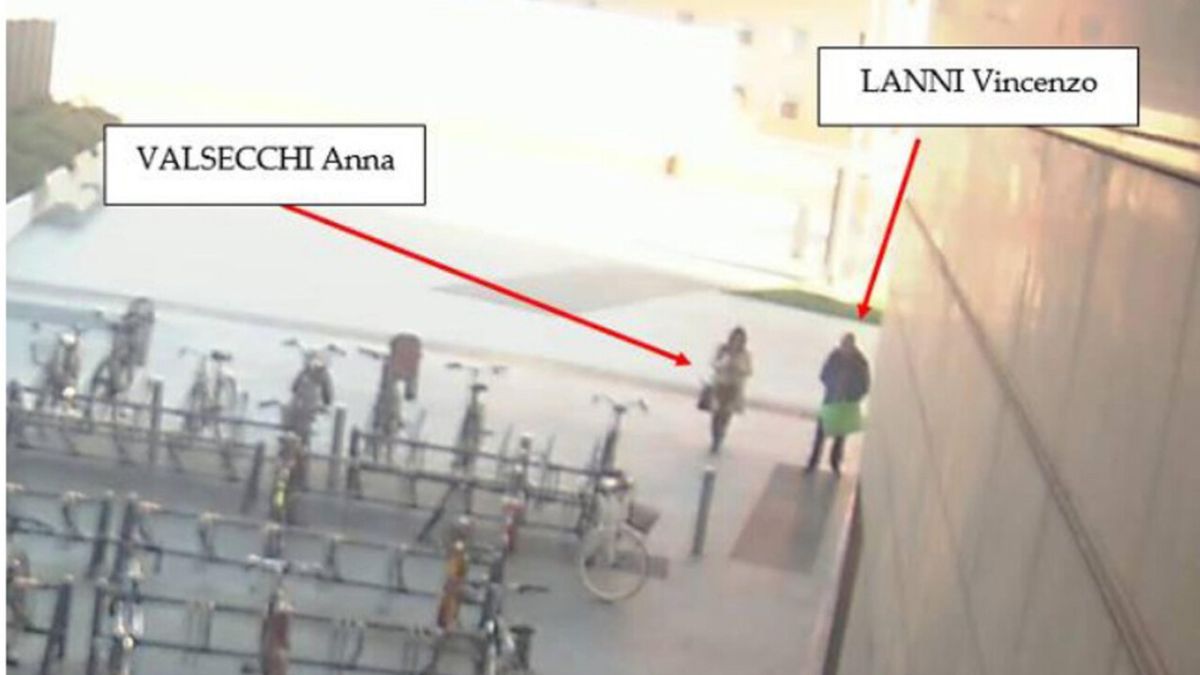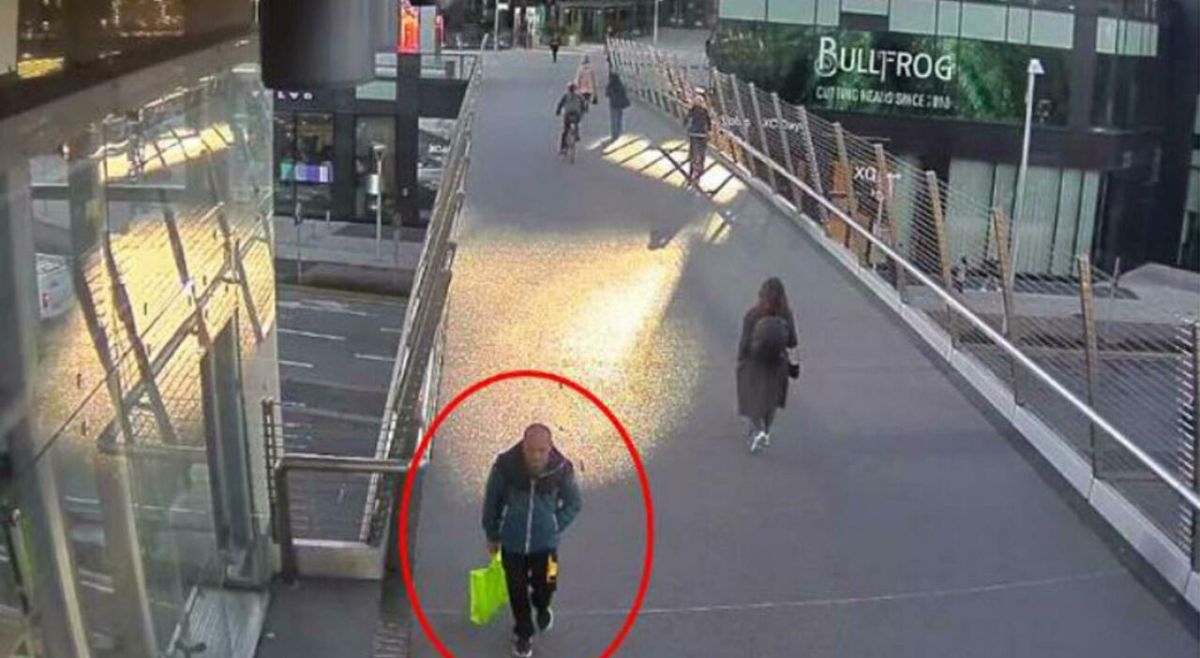
Vincenzo Lanni was sentenced to 10 years in prison for stabbing a random manager in Piazza Gae Aulenti in Milan, charged with attempted murder aggravated by premeditation. #Milano #TentatoOmicidio #Giustizia (translated)
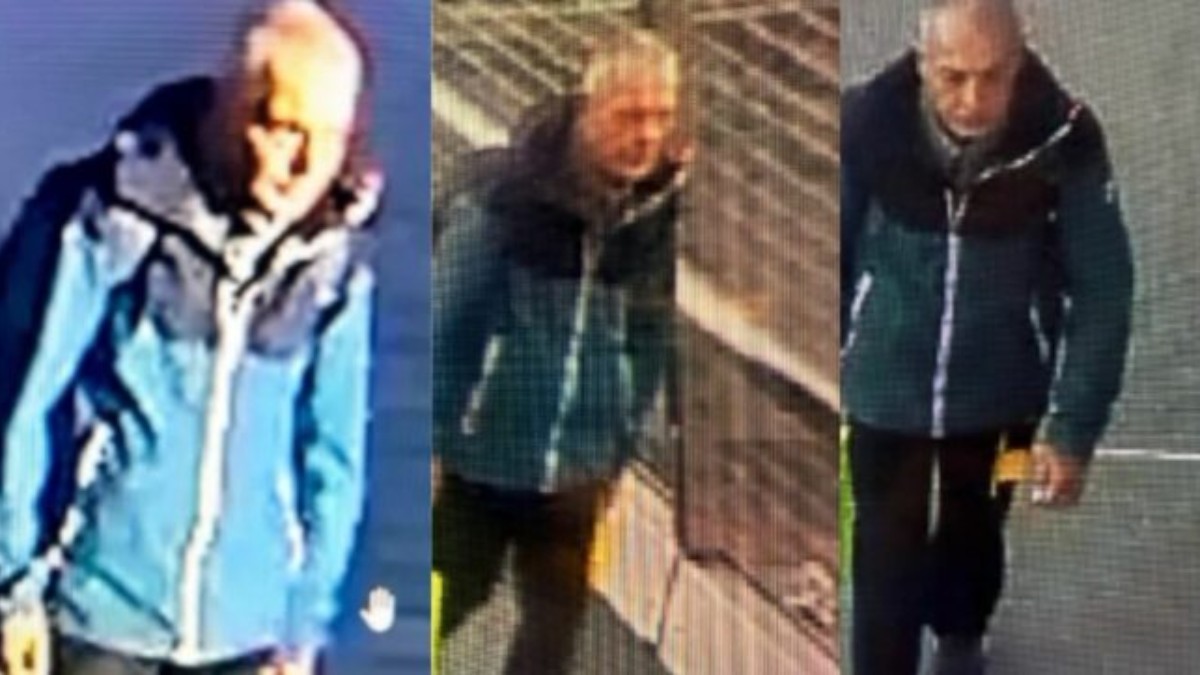
Vincenzo Lanni was sentenced to 10 years in prison for stabbing a random manager in Piazza Gae Aulenti in Milan, charged with attempted murder aggravated by premeditation. #Milano #TentatoOmicidio #Giustizia (translated)

The judges upheld the testimony of a petty thief, Vincenzo Scarantino, who testified about the murder of Borsellino, a testimony that proved to be false and extracted through torture. #mafia #Italia #scandal (translated)
Vincenzo Fiore, after 23 years of investigations, has been arrested for the femicide of Maria Rita Valerio, which occurred in 2003, and there are fears that he could potentially repeat violent acts. #Femminicidio #Giustizia #ColdCase (translated)

After 23 years since the murder of Maria Rita Valerio, her ex-boyfriend Vincenzo Fiore has been arrested on charges of aggravated murder, following new investigations that revealed threats against his current partner as well. #Omicidio #Femminicidio #Bari (translated)

In Bari, the police arrested Vincenzo Fiore, a 51-year-old man suspected of the murder of his ex-partner Maria Rita Valerio, who was found dead in 2003, after reopening the investigation due to new evidence that emerged from diaries and testimonies. #Bari #omicidio #MariaRitaValerio (translated)

Vincenzo Lanni was sentenced to 10 years in prison for having stabbed, without apparent motive, a woman in Milan on November 3, 2025. #Giustizia #Milano #TentatoOmicidio (translated)

Vincenzo Lanni was sentenced to 10 years in prison for attempted murder after stabbing a randomly chosen woman in Milan. #TentatoOmicidio #Milano #Giustizia (translated)

The director of the Revenue Agency, Vincenzo Carbone, said this during the presentation of the final document of the exploratory investigation 'Measures to combat tax evasion, security of the databases of the tax registry and protection of taxpayer data confidentiality' in the Chamber, emphasizing that "to analyze 12 million communications without the use of IT tools, it would have been necessary to engage all the personnel of the Revenue Agency and all the personnel of the Financial Police for many years." #EvasioneFiscale #CreditiEdilizi #AgenziaEntrate (translated)
The judge rejected the request to dismiss the case regarding the murder of Pietro Sanua, ordering new investigations and confirming the status of Vincenzo Ferraro and Antonio Mancuso as suspects for aggravated murder with a mafia method. #Omicidio #Mafia #Giustizia (translated)

In Salerno, searches are underway to locate the Carabinieri officer Vincenzo Santoro, who went missing on Friday afternoon, with operations involving Carabinieri, firefighters, and the Harbor Master, focusing on the beach of Torrione. #VincenzoSantoro #Salerno #Carabinieri (translated)

The mayor of Salerno, Vincenzo De Luca, insulted Youssef Siher in a video on social media, calling him a "celery head," "foolish face," and "mouse-tail mustache," after the clashes in Milan, while the founder of the October 17 Movement, released after an unvalidated detention, is accused of inciting criminal behavior for terrorist purposes. #VincenzoDeLuca #YoussefSiher #ScontriMilano (translated)

In Sorrento, four people have been investigated for criminal conspiracy and defamation after orchestrating a campaign to discredit journalist Vincenzo Iurillo from Il Fatto, related to investigations into mafia infiltrations in the municipality. #Sorrento #Diffamazione #Giornalismo (translated)

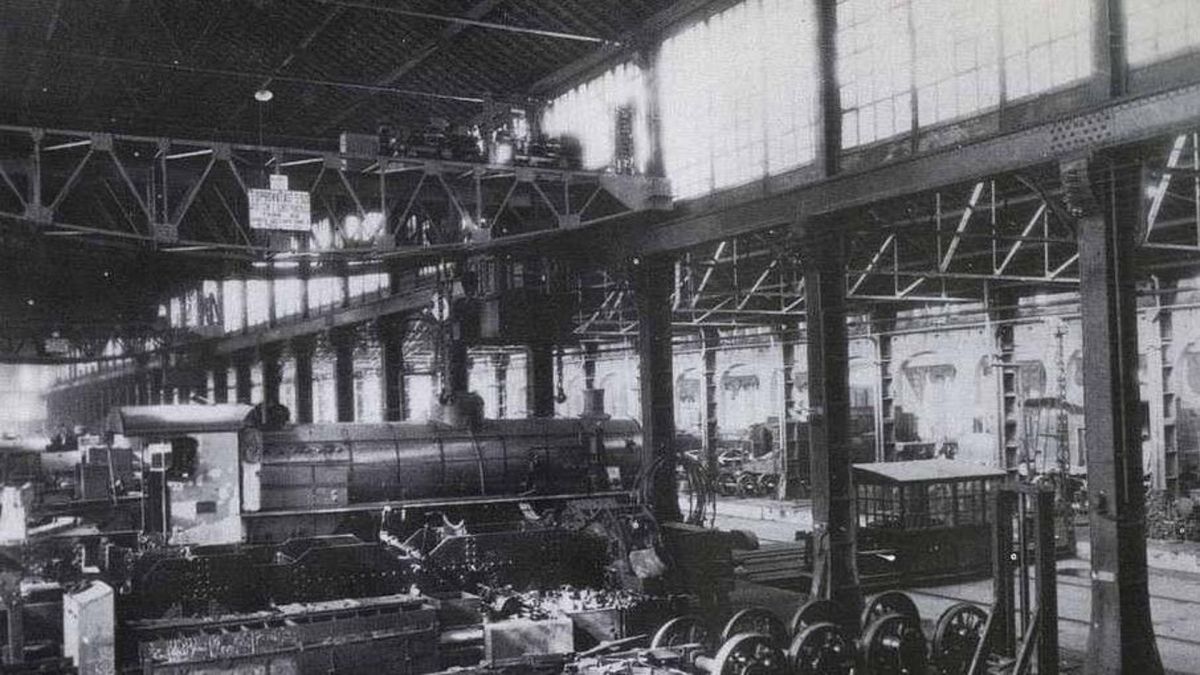
After fifty years, 85-year-old former railway doctor, Vincenzo Santoro, has been acquitted on appeal in Turin for the death of workers exposed to asbestos at the large repair workshops, a trial that has seen the number of victims and defendants deteriorate over the years. #Amianto #Giustizia #Torino (translated)

THE "BATTLE OF CERIGNOLA (1503)" ON "POPULAR ARCHAEOLOGY USA" (by LUCIANO MAGALDI SARDELLA) SOURCE 1: https://popular-archaeology.com/author/sardella/ SOURCE 2: https://popular-archaeology.com/article/the-2026-battlefield-archaeology-of-the-battle-of-cerignola-1503/ -------------------------------------------------------------------- CERIGNOLA (FG) — On April 28, 1503, at sunset, a shallow trench cut between the vineyards outside Cerignola rendered heavy cavalry obsolete. For five centuries, its exact location has only been conjectured, its archaeology ignored, its most important sources never translated into English. We are on the Tavoliere of Puglia, a corridor of battles for two thousand years: from Cannae in 216 BC to the falcon hunt of Frederick II from Torre Alemanna. Cerignola, at that time, was not a city but a rural village of 350 families at 120 meters above sea level, custodian of the Mena della Dogana delle Pecore, the great pastoral system of transhumance that financed the Kingdom of Naples. Its possession was fiercely contested. Facing each other were two worlds. Louis d’Armagnac, Duke of Nemours, Viceroy of Naples for Louis XII, in his thirties, splendidly armored, confident of victory. On the other side was Gonzalo Fernández de Córdoba, the Gran Capitán, who on April 27-28 marched from Barletta with about 9,000 exhausted men and decided to settle on a low ridge. He deepened what was already there: not an invention, but an agricultural ditch. The French gendarmes, the last heirs of the medieval knight, lowered their lances and never reached the line. From behind a parapet reinforced with vine stakes, over 1,000 Spanish arquebusiers opened fire. Nemours fell, almost certainly the first European army commander to die from a portable firearm. With him, the charge of cavalry as a dominant tactic died. And here is the scandal denounced by the article: no cartographer of the 17th-18th centuries ever mapped the battlefield. No monument commemorates it. It is not protected as a cultural landscape under the Code of Cultural Heritage. Every deep plowing of the Tavoliere, standard practice since the Bourbon reforms, destroys an archaeology never recorded. Yet the perimeter can be reconstructed. By cross-referencing the 16th-century descriptions of "vine-covered slopes fifteen miles north of the Ofanto" with the Via Traiana, the engagement area is a rectangle of 3-4 square kilometers northeast of the current settlement. With the 1m LiDAR DTM from ISPRA, it could reveal anomalous linear depressions, and the lower filling of a ditch 2-3 meters deep, under the plowed layer, is still readable with magnetometry and ground radar. Why did we arrive late? Not for lack of sources, but for lack of translation. The Municipality of Cerignola and the Torre Alemanna Research and Study Center of Prof. Matteo Stuppiello, who in 1978 obtained the first monumental protection for Torre Alemanna, have digitized a corpus that has never entered Anglophone historiography. Here are the 3 pillars: 1. The letter that still smells of gunpowder. The “Letter from Consalvo de Córdoba to the Spanish royals dated April 29, 1503,” edited by Stuppiello in 2003 and updated to 2025 on comune.cerignola.fg.it/biblioteche-digitali. A handwritten page written in Cerignola the day after the battle, “rich in flashes, twilight lights, and gunfire.” Not a polished chronicle like that of Giovio, but a field dispatch: the fatigue of the night march, the decision to entrench upon arrival, the recovery and honorable burial of Nemours, the intact capture of the French artillery. 2. The graffiti, a monument inside the monument. In the 14th-century church of Santa Maria delle Grazie, known as the Incoronatella, on the Via Trinitapoli Vecchia, where tradition holds that the body of Nemours was brought. On the triumphal arch, a 1503 graffiti gives, in almost notarized form, the date, sixth indiction, Friday at the hour XXIII-XXIIII. It was indeed Friday, as confirmed by the perpetual calendar of Cappelli. Decoded in 1995 by Prof. Francesco Magistrale, Latin paleographer at the University of Bari, in *The Battle of Cerignola (1993)* and in the municipal monograph *S.M. delle Grazie (1999)*. Today it is fading due to humidity and neglect. 3. The land registry that explains the ditch. The Survey of 1672 preserved at the State Archive of Naples, Pignatelli Aragona Cortes fund, Scanzia 63, fasc.1: “At the time of the battle, thick vineyards covered the hill reaching to the plain, and were distinctly separated from the rest of the countryside by a not very deep ditch.” Córdoba did not improvise; he adapted. This is confirmed by the catasti of the Giustiniani: 277 households in 1532, 699 in 1595. The landscape of 1503 was intensely horticultural, not the deeply plowed monoculture of today. In addition to these, there is the first monograph by Vincenzo Buonassisi, *The Battle of Cerignola* (1908, died in Via Fanfulla 10 on June 27, 1928), and the first modern military analysis by Piero Pieri, “Consalvo de Córdoba and the Battle of Cerignola,” Archivio Storico Pugliese 1952, which 30 years before the Anglophone rediscovery of the “pike-and-shot” defined Cerignola as an engineered killing ground. While Cerignola forgot, others remembered. The “Regimiento de Infantería Cerinola n.42”, later “Fuerteventura n.56”, carried the name of Cerignola until the 20th century. The coat of arms, described in *Heraldica e Historiales del Ejercito, Tomo V” (Madrid, 1981): silver field, dying white swan entangled in a hedge, golden wall crown, with the scroll “Cerignola.” Dossier officially transmitted on April 30, 1986, prot. 4565/509, from the Servicio Histórico Militar of Madrid to the Torre Alemanna Center thanks to Col. Alessio Antonutti and Gen. José Cifuentes. And in Amsterdam, at the Rijksmuseum, the anonymous bronze commemorative medal: Hercules with lion skin and club and Janus with the keys next to an eagle-armed coat of arms, legend “Consalvus Agidarius… Janum clausit,” on the reverse a battle scene “Consalvi Agidari Victoria de Gallis ad Cannas,” an artist's mistake that confuses Cerignola with Cannae. It belonged to Mrs. J.M. van Gelder-Nijhoff, donated in 1885. The author's conclusion is clear: Gonzalo's ditch is the most consequential earthwork in European military history. It inaugurates the infantry armed with firearm and conditions the Mediterranean for 160 years. It may still be there, filled, plowed, invisible to the naked eye but accessible to a magnetometer. It is not a matter of medieval archaeology but of the will to protect. (translated)
THE “BATTLE OF CERIGNOLA (1503)” ON “POPULAR ARCHAEOLOGY USA” (by LUCIANO MAGALDI SARDELLA) SOURCE 1: https://popular-archaeology.com/author/sardella/ SOURCE 2: https://popular-archaeology.com/article/the-2026-battlefield-archaeology-of-the-battle-of-cerignola-1503/ __________________________________________________________________ CERIGNOLA (FG) — On 28 April 1503, at sunset, a shallow trench cut through the vineyards outside Cerignola rendered heavy cavalry obsolete. For five centuries its exact position has been merely conjectured, its archaeology ignored, its most important sources never translated into English. We are on the Puglian Tablelanda, a corridor of battles for two thousand years: from Cannae in 216 BC to Frederick II’s falconry from Torre Alemanna. Cerignola, at that time, was not a town but a rural hamlet of 350 families at 120 metres above sea level, guardian of the Mena of the Dogana delle Pecore, the great customs system of transhumance that financed the Kingdom of Naples. It was for its possession that the battle was fought. Opposed, two worlds. Louis d’Armagnac, Duke of Nemours, Viceroy of Naples for Louis XII, thirty years old, splendidly armed, certain of victory. On the other side, Gonzalo Fernández de Córdoba, the Great Captain, who on 27–28 April marches from Barletta with some 9,000 exhausted men and decides to entrench himself upon a low ridge. In front of it he has deepened what was already there: not an invention, but an agrarian ditch. The French gendarmes, the last heirs of the mediaeval knight, lower their lances and never reach the line. From behind an embankment reinforced with vine stakes, more than 1,000 Spanish arquebusiers open fire. Nemours falls, almost certainly the first European army commander to die by a portable firearm. With him dies the cavalry charge as a dominant tactic. And here lies the scandal denounced by the article: no cartographer of the seventeenth or eighteenth century ever mapped the field. No memorial stone recalls it. It is not protected as a cultural landscape under the Code of Cultural Heritage. Every deep ploughing of the Tavoliere, standard practice since the Bourbon reforms, destroys an archaeology never recorded. Yet the perimeter is reconstructable. By cross-referencing sixteenth-century descriptions of “slopes covered with vineyards fifteen miles north of the Ofanto” with the Via Traiana, the engagement zone is a rectangle of 3–4 sq km to the north-east of the present settlement. With ISPRA’s 1m DTM LiDAR, anomalous linear depressions could be revealed, and the lower fill of a 2–3 metre ditch, beneath the ploughed layer, is still legible by magnetometry and ground-penetrating radar. Why have we arrived so late? Not for lack of sources, but for lack of translation. The Comune di Cerignola and the Centro Studi e Ricerche Torre Alemanna of Prof. Matteo Stuppiello, who in 1978 obtained the first monumental protection for Torre Alemanna, have digitised a corpus that has never entered Anglophone historiography. Here are the 3 pillars: 1. The letter that still smells of powder. The “Letter of Consalvo da Cordova to the Sovereigns of Spain of 29 April 1503,” edited by Stuppiello in 2003 and updated in 2025 on comune.cerignola.fg.it/biblioteche-digitali. A manuscript page written at Cerignola the day after the battle, “rich in flashes, twilight gleams, and gunfire.” Not a polished chronicle à la Giovio, but a field dispatch: the exhaustion of the night march, the decision to entrench upon arrival, the recovery and honourable burial of Nemours, the intact capture of the French artillery. 2. The graffito, a monument within the monument. In the fourteenth-century church of Santa Maria delle Grazie, known as the Incoronatella, on the Via Trinitapoli Vecchia, where tradition holds the body of Nemours was taken. On the triumphal arch, a graffito of 1503 gives in quasi-notarial form the date, sixth indiction, Friday at the twenty-third to twenty-fourth hour. It truly was a Friday, as confirmed by Cappelli’s perpetual calendar. Deciphered in 1995 by Prof. Francesco Magistrale, Latin palaeographer at the University of Bari, in La Battaglia di Cerignola (1993) and in the municipal monograph S.M. delle Grazie (1999). It is now fading through damp and neglect. 3. The cadastre that explains the ditch. The Apprezzo of 1672 preserved in the Archivio di Stato di Napoli, fondo Pignatelli Aragona Cortes, Scanzia 63, fasc.1: “At the time of the battle, dense vineyards covered the hill reaching down to the plain, and were clearly separated from the rest of the countryside by a not very deep ditch”. Córdoba did not improvise; he adapted. This is confirmed by the Giustiniani cadastres: 277 hearths in 1532, 699 in 1595. The landscape of 1503 was one of intensive horticulture, not the deep-ploughed cereal monoculture of today. To these are added the first monograph by Vincenzo Buonassisi, La Battaglia di Cerignola (1908, died at Via Fanfulla 10 on 27 June 1928), and the first modern military analysis by Piero Pieri, “Consalvo di Cordova e la battaglia di Cerignola”, Archivio Storico Pugliese 1952, which 30 years before the Anglophone rediscovery of “pike-and-shot” defined Cerignola as an engineered killing ground. While Cerignola forgot, others remembered. The “Regimiento de Infantería Cerinola n.42”, later “Fuerteventura n.56”, bore the name of Cerignola until the twentieth century. Its coat of arms, described in Heráldica e Historiales del Ejército, Tomo V (Madrid, 1981): argent field, a dying white swan entangled in a hedge, a gold mural crown, with scroll “Cerignola”. Dossier officially transmitted on 30 April 1986, prot. 4565/509, by the Servicio Histórico Militar in Madrid to the Centro Torre Alemanna through Col. Alessio Antonutti and Gen. José Cifuentes. And in Amsterdam, in the Rijksmuseum, the anonymous commemorative bronze medal: Hercules with lion-skin and club and Janus with keys beside an eagled coat of arms, legend “Consalvus Agidarius… Janum clausit”, on the reverse a battle scene “Consalvi Agidari Victoria de Gallis ad Cannas” — an error by the artist who confuses Cerignola with Cannae. It belonged to Mrs J.M. van Gelder-Nijhoff, donated in 1885. The author’s conclusion is unequivocal: Gonzalo’s ditch is the most consequential earthwork in European military history. It inaugurates the infantryman armed with a firearm and conditions the Mediterranean for 160 years. It may still be there, infilled, ploughed over, invisible to the naked eye but accessible to a magnetometer. It is not a question of mediaeval archaeology but of the will to protect.
Vincenzo De Luca, mayor of Salerno, supports a tough stance against street violence, stating that the use of repression by law enforcement against the violent can have an educational effect, in light of the new protests in Milan. #VincenzoDeLuca #Milano #Repressione (translated)

Instant Foot reported, citing Sky Sport Germany and Bild, that Vincent Kompany had lost consciousness after Bayern's training and was urgently transported to the hospital. The account added that the coach had contracted a virus the previous week and was struggling to recover. #Vincenzo #Bayern #Urgence (translated)
Sergen Yalçın will be the new head coach of the Turkish national football team and has received a four-year contract after Vincenzo Montella was fired. #SergenYalcin #Türkei #Nationaltrainer (translated)
The Italian government expresses concerns about possible Russian influences in the recent unrest, with the honorary consul of Moscow, Vincenzo Schiavo, present at the table on the protests. #Politica #Proteste #Russia (translated)

Pasquale wrote that, while they were discussing the table in the studio, the farmer Vincenzo had intervened calling it a failure. https://t.co/qz7UHqLNmo #Agricoltura #Tavolo #Fallimento (translated)