Stefano wrote that that pomegranate was not cultivated by anyone and that he was surprised by the abundance of fruits it produced. https://t.co/Ax8u57DrRR #Agricoltura #Alimenti #Natura (translated)
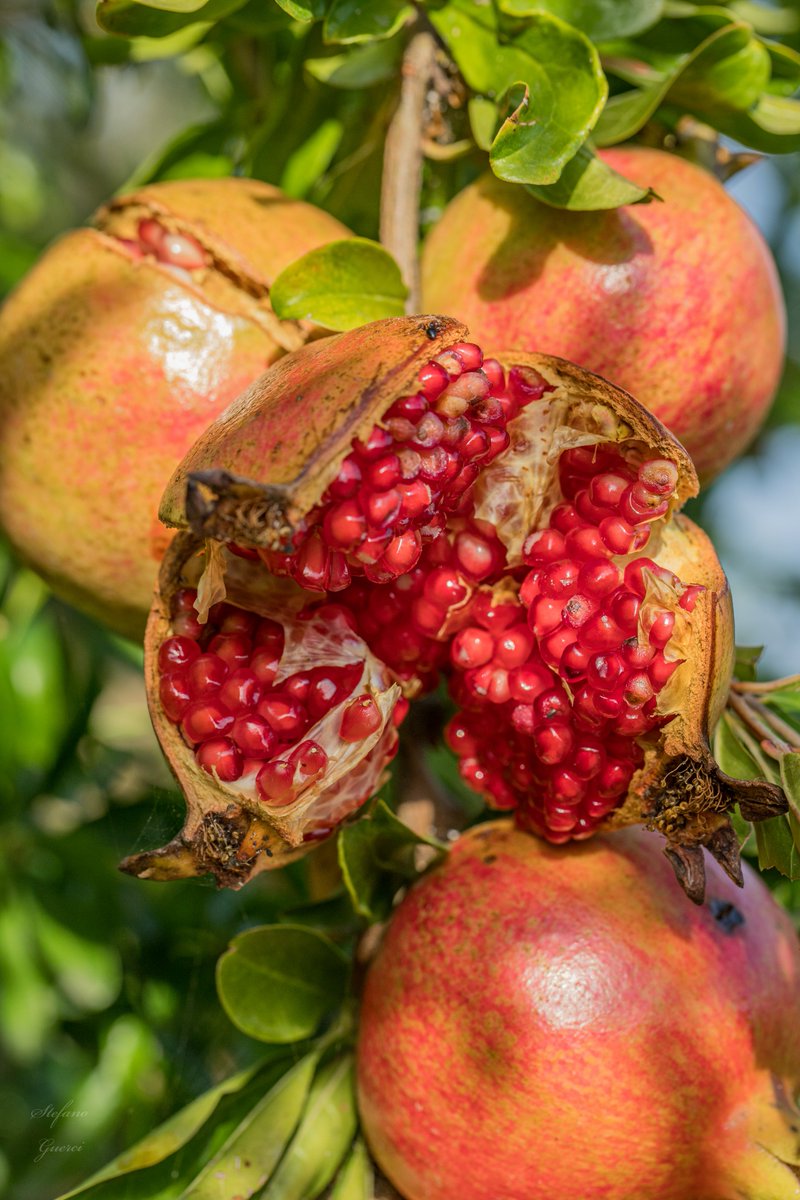
Stefano wrote that that pomegranate was not cultivated by anyone and that he was surprised by the abundance of fruits it produced. https://t.co/Ax8u57DrRR #Agricoltura #Alimenti #Natura (translated)
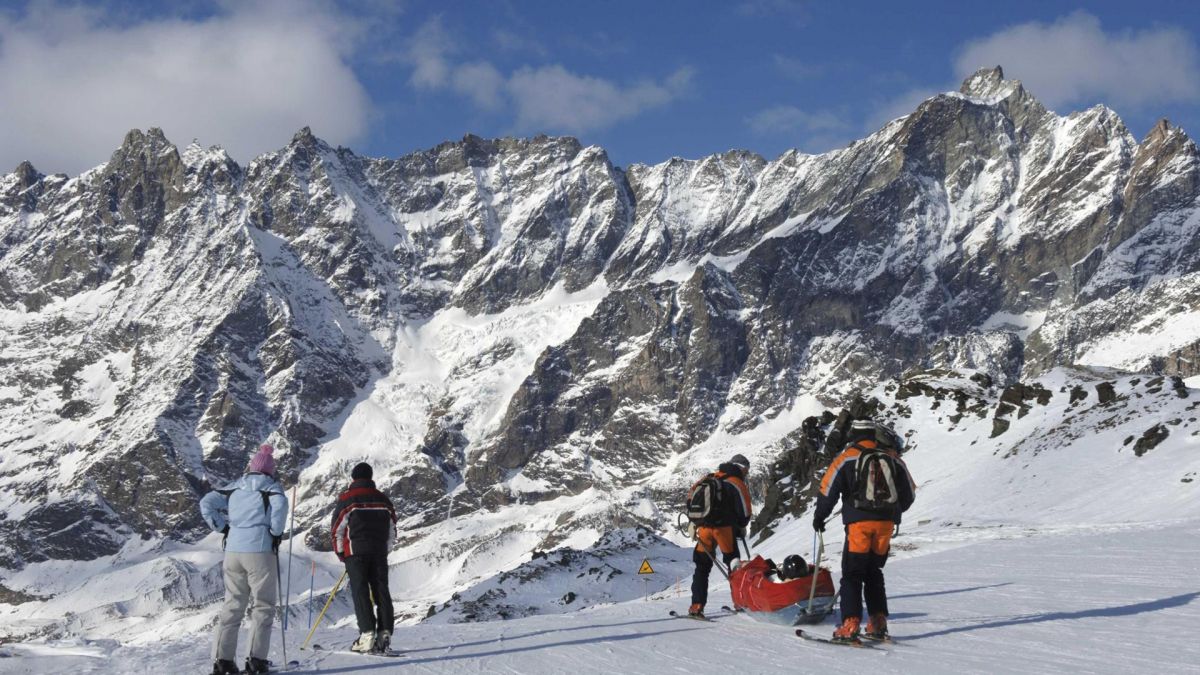
An article warns that by 2070, below 2000 meters in Italy, the amount of snow could be reduced by 50%, compromising the water reserves essential for agriculture and water resource management, with the Apennines and the Aosta Valley among the most affected areas. #cambiamentoclimatico #neve #risorseidriche (translated)

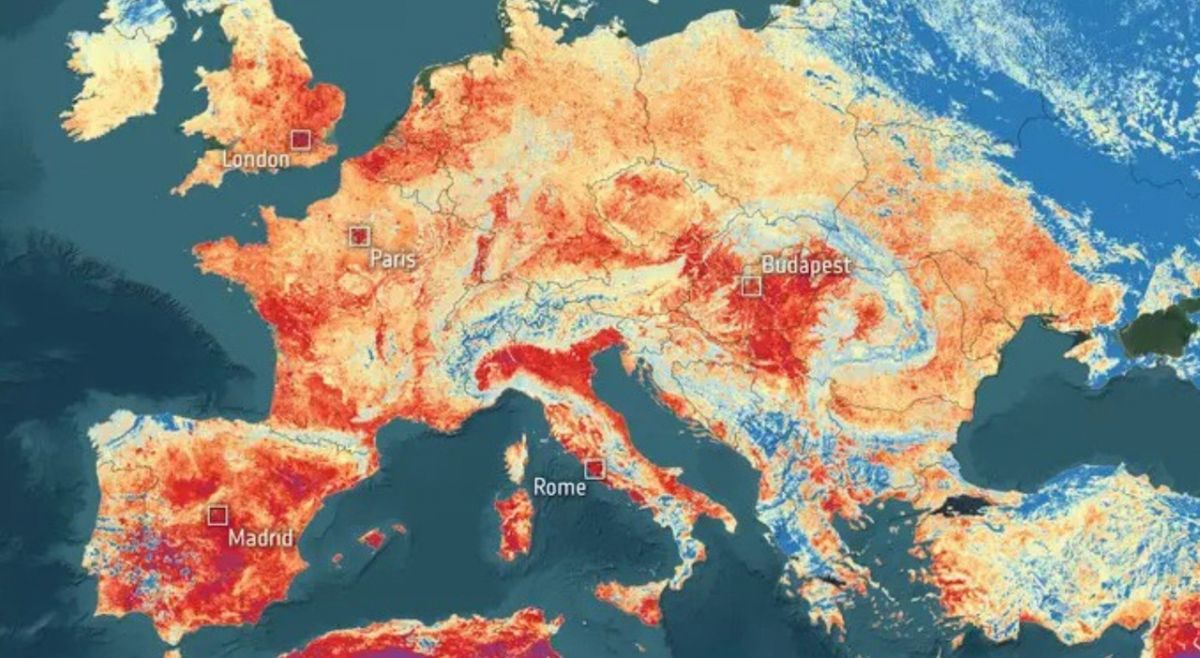
In 2026, Europe experienced a record summer characterized by heatwaves, devastating wildfires, and exceptionally high sea temperatures, with serious and interconnected consequences on public health, agriculture, water resources, and energy systems, according to Copernicus data. #Clima #Incendi #Siccità (translated)

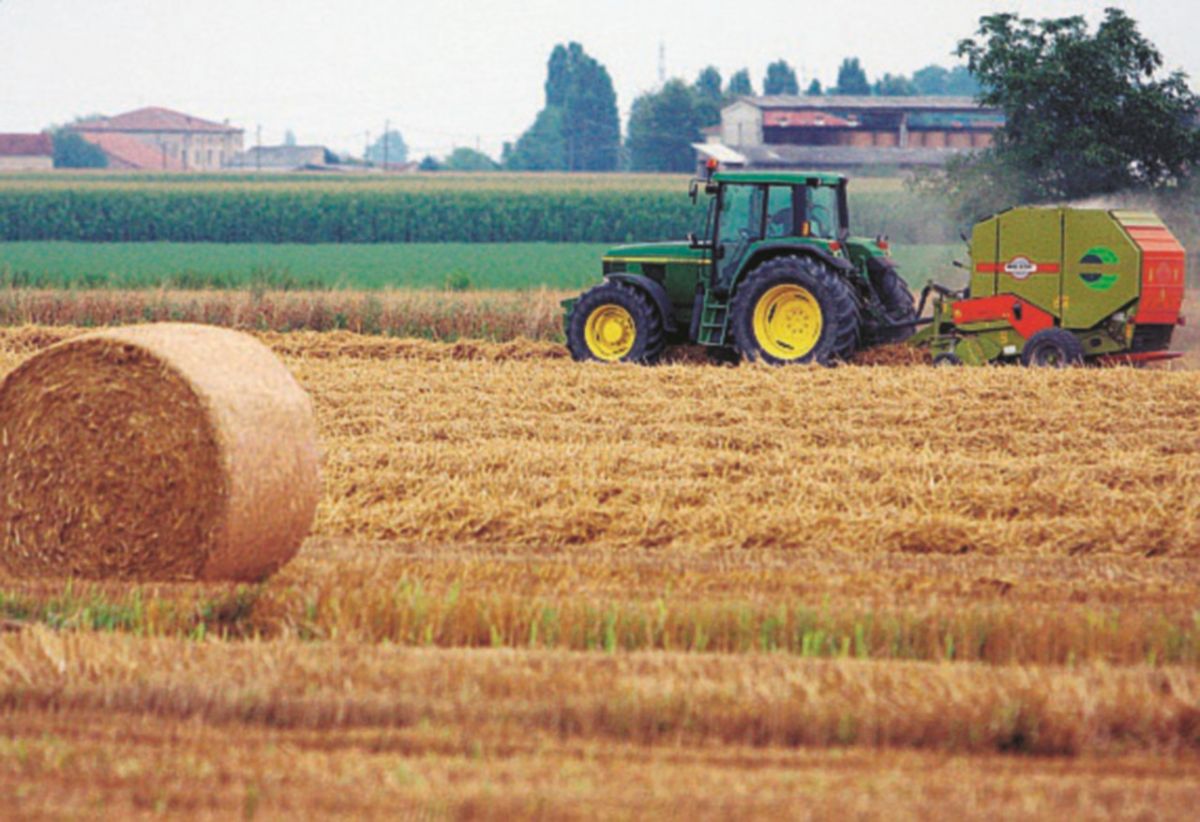
From Sicily to Calabria, up to Lazio, farmers and truckers are on the streets. Tractors, protests, blockades, and slowdowns. They are protesting against the high fuel prices, rising costs, and prices that, they claim, no longer allow many companies to stay afloat. #Agricoltura #Proteste #Carburante #IT #SI #LA (translated)

The peaceful Russia in 2027 will further increase military spending while cutting school, pensions, and healthcare. While we are abundant with pseudo-intellectual politicians and "openly biased" journalists shouting against war-mongering Europe, solely responsible for the war that, according to them, Russia has suffered rather than declared, Moscow shows its willingness to dialogue by increasing military spending by an additional 27% year on year. This is reported by Reuters, which has seen a draft of the budget that will be presented to the Duma in the coming days. Defense spending is expected to rise to 17.1 trillion rubles (202 billion dollars) compared to the 13.5 trillion planned for 2026, an impressive figure in itself but even more chilling when considering the gap between projected and actual investments. This year, despite forecasts, the final defense budget could come close to 18 trillion, and the count may even be partial, as some expenses are classified and others are included in other chapters. In contrast, funding for social policies, which includes items such as pensions, payments to war veterans, and maternity allowances, will decrease by 7% in 2027. Education funding will decrease by 6% and healthcare by 6.8%, compared to the initial plan. Spending allocated to the "national economy" section, which includes road construction and other infrastructure projects as well as subsidies for agriculture and other sectors, will be reduced by 7.4%. Significant increases in taxes and public utility rates are also expected. The drastic worsening of the financial situation in recent years has forced the Kremlin to drain its financial reserves, increase the deficit, and raise public debt, which in 2027 will continue to grow to 21.7% of GDP - according to Moscow's optimistic forecasts - surpassing the 20% threshold considered "safe" for economic and financial stability. Debt poses a systemic danger given the crazy interest rates the Russian central bank has had to impose to curb runaway inflation. Indeed, 9.4% of the 2027 budget will be spent on debt service, rising to 10.6% by 2029. When someone tells us that peace is not being made because "Europe has not yet appointed its representative for negotiations" or that "Zelensky has banned talks by decree," instead of saying that Russia has so far rejected all ceasefire and truce proposals, that it spends on weapons, in purchasing power terms, as much as our entire continent, and that it already teaches young generations to hate us and how to fight us, we know they are mainly trying to hide from us that to the east there are those who see us and treat us as an enemy and have dedicated their entire economy to our destruction instead of the well-being of their people. (translated)
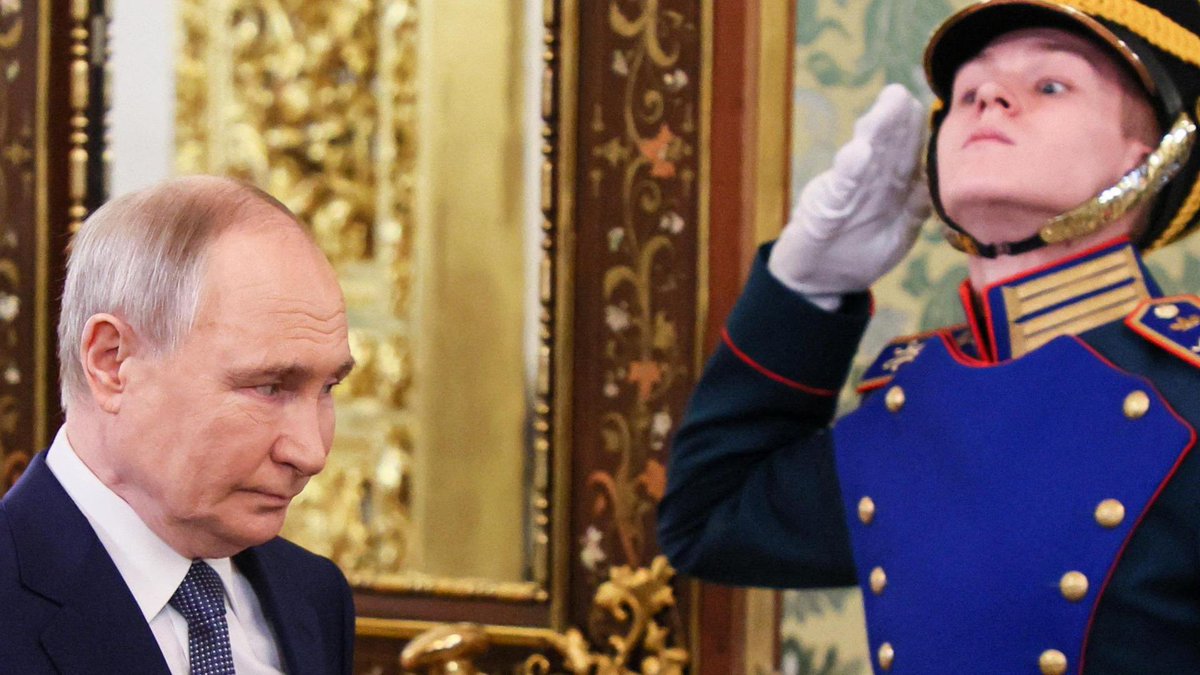

L'articolo evidenzia come gli chef italiani e internazionali siano costretti ad adattare i loro menu e gli orari delle attività a causa degli effetti del caldo prolungato e di El Niño, che provocano danni all'agricoltura e aumentano i prezzi degli ingredienti, mentre i clienti disdicono le prenotazioni a causa delle allerte meteo. #cambiamenticlimatici #ristorazione #giornatamondialedelturismo
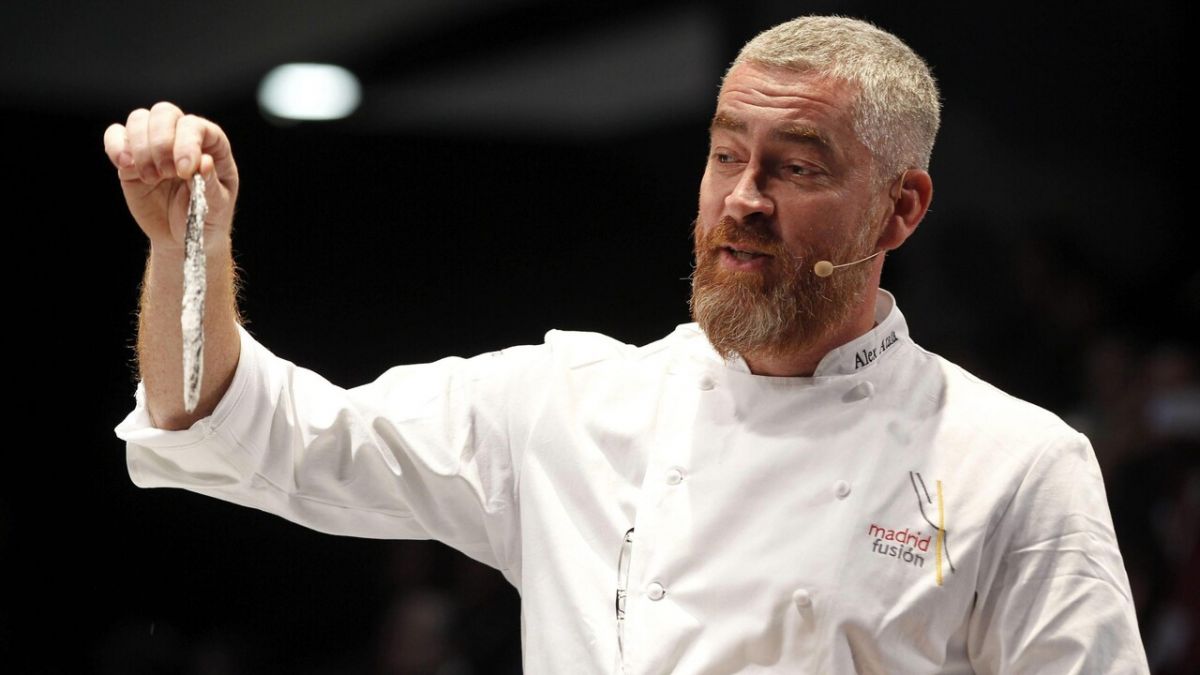
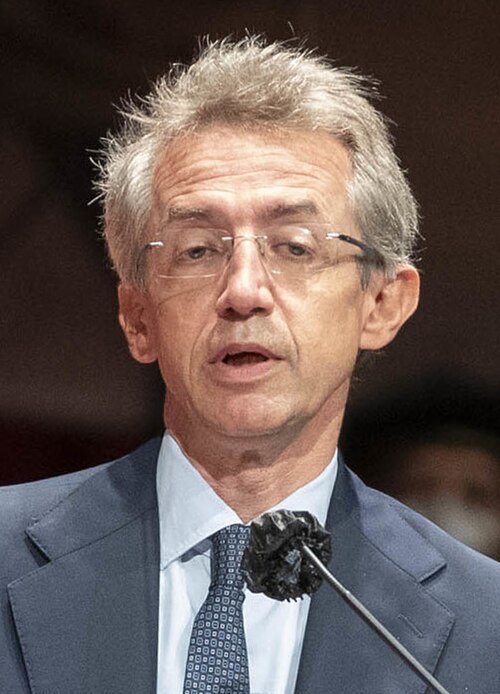
"quando si trattano temi così delicati, bisogna muoversi sempre con grande prudenza e attenzione anche guardando alla complessità del Paese perché in Italia abbiamo aree in cui la presenza di comunità immigrate, presenti da decenni, è molto ampia e anche noi lo vediamo nei nostri territori dove nella zona vesuviana ci sono tantissimi lavoratori impegnati nel tessile e nell'agricoltura, e dunque c'è una concentrazione naturale"Anche il presidente dell'Anci e sindaco di Napoli, Gaetano Manfredi, ha fatto notare che "quando si trattano temi così delicati, bisogna muoversi sempre con grande prudenza e attenzione anche guardando alla complessità del Paese perché in Italia abbiamo aree in cui la presenza di comunità immigrate, presenti da decenni, è molto ampia e anche noi lo vediamo nei nostri territori dove nella zona vesuviana ci sono tantissimi lavoratori impegnati nel tessile e nell'agricoltura, e dunque c'è una concentrazione naturale". #DecretoScuola #Integrazione #PoliticaEducativa
Tuttavia, il segretario all’Energia Chris Wright e il senatore Alan Armstrong si oppongono, definendo controproducente la mossa. #Agricoltura #Gasolio #Energia

Tuttavia, il segretario all’Energia Chris Wright e il senatore Alan Armstrong si oppongono, definendo controproducente la mossa. #Agricoltura #Gasolio #Energia
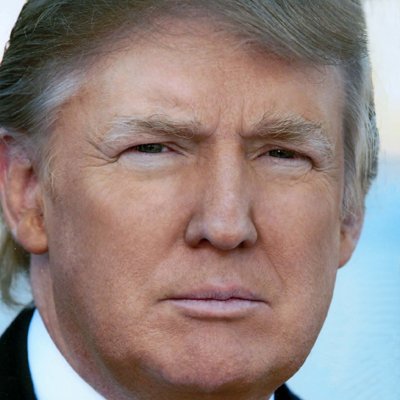
“da qui non deve più uscire gasolio”Di fronte alle ansie degli elettori e con sondaggi ai minimi storici in vista delle elezioni di metà mandato del 3 novembre, il presidente Donald Trump ha ipotizzato un divieto d’esportazione di diesel Usa per almeno 90 giorni, affermando che “da qui non deve più uscire gasolio”. #Agricoltura #Gasolio #Energia

L'impennata dei prezzi del gasolio, raddoppiati a causa della guerra nel Golfo, sta mettendo in ginocchio l'agricoltura italiana, causando proteste tra gli agricoltori nel Lazio e preoccupazioni per un possibile blocco dell'export di diesel americano da parte di Trump. #Agricoltura #Gasolio #Energia
Quando gli agricoltori italiani affrontano momenti difficili, l’Europa non si tira indietro. Oltre €73milioni di fondi UE per sostenere chi è stato colpito da influenza aviaria e peste suina africana È questa l’Europa che sta al fianco dei suoi agricoltori🇪🇺🤝🇮🇹@FrancescoLollo1 https://t.co/FYnWzMtY0i #Agricoltura #FondiUE #SostegnoAgricolo #IT #EU
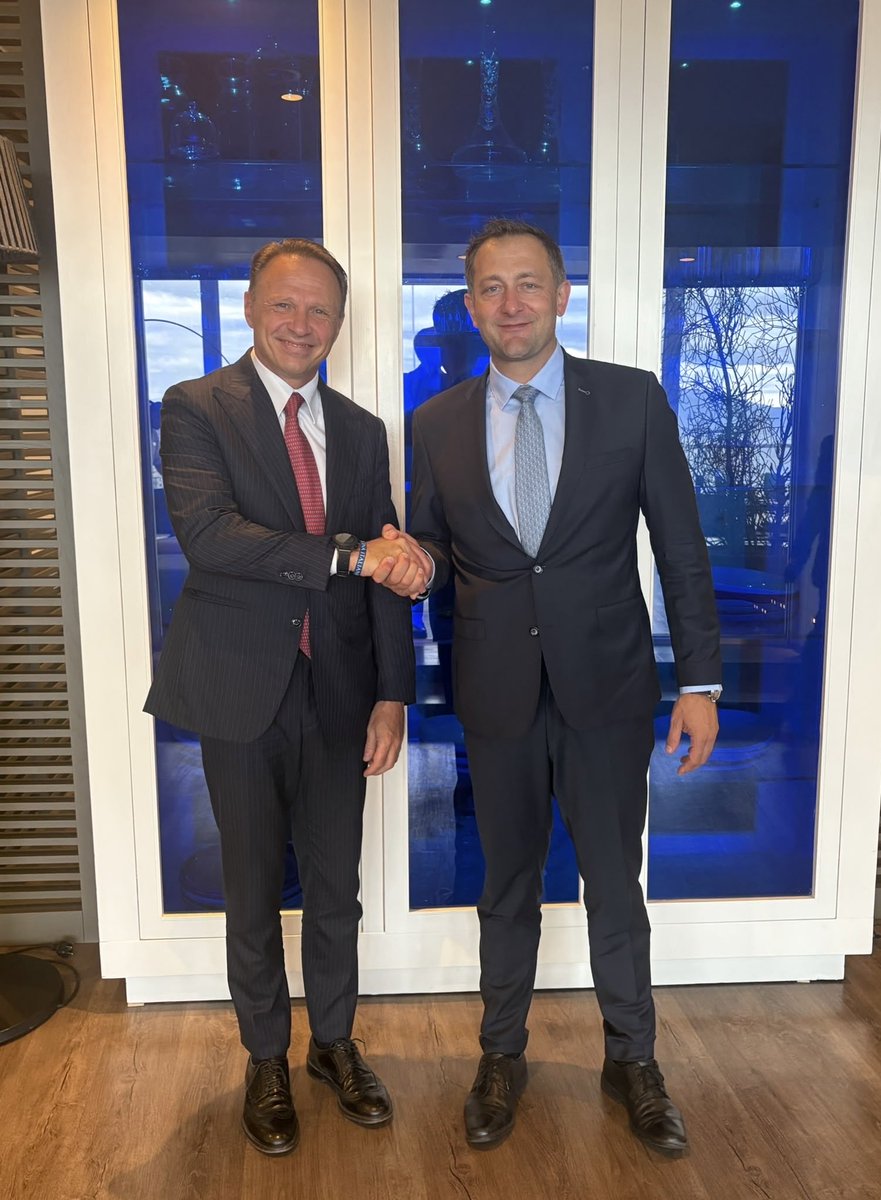
Migliaia di suoi elettori remigrati nei campi di pomodori. Sarebbe bellissimo da vedere se non fosse una sciagura per il resto del Paese. #migrazione #agricoltura #Italia #IT
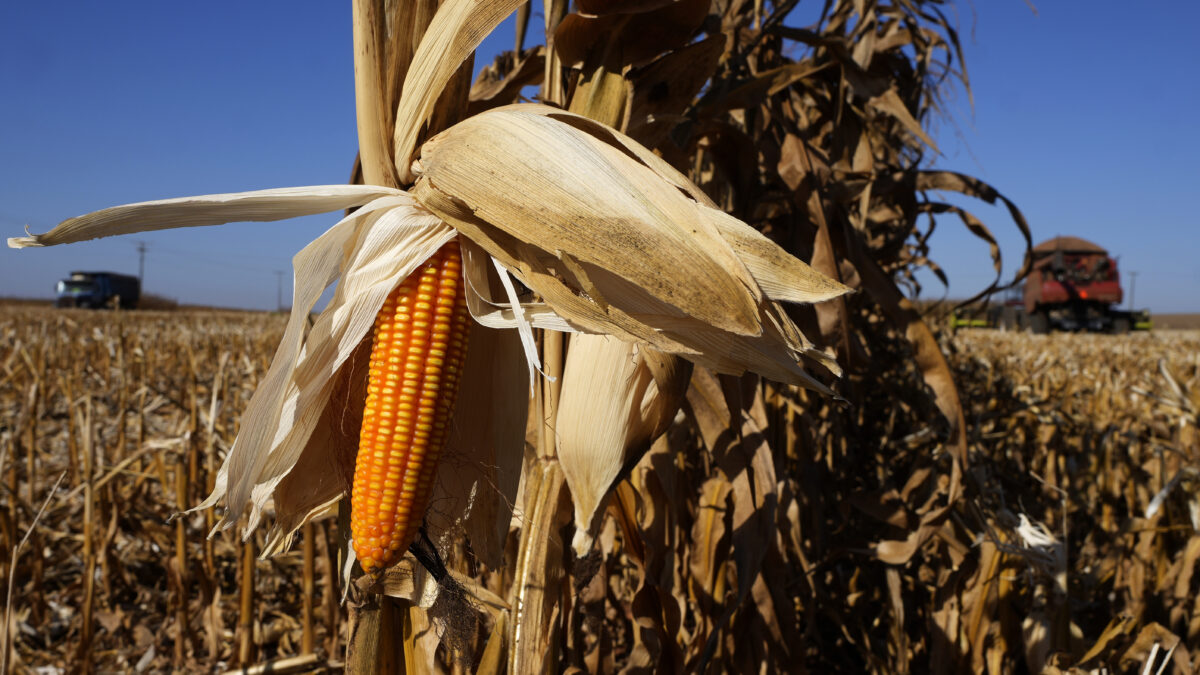
La siccità del 2026 ha causato perdite economiche di circa 3 miliardi di euro per l'agricoltura italiana, colpendo gravemente il Nord Ovest, in particolare il Piemonte e la Valle d'Aosta, con perdite fino all'80% per alcune coltivazioni e richieste di investimenti strutturali nella gestione delle risorse idriche. #Siccità #Agricoltura #Piemonte
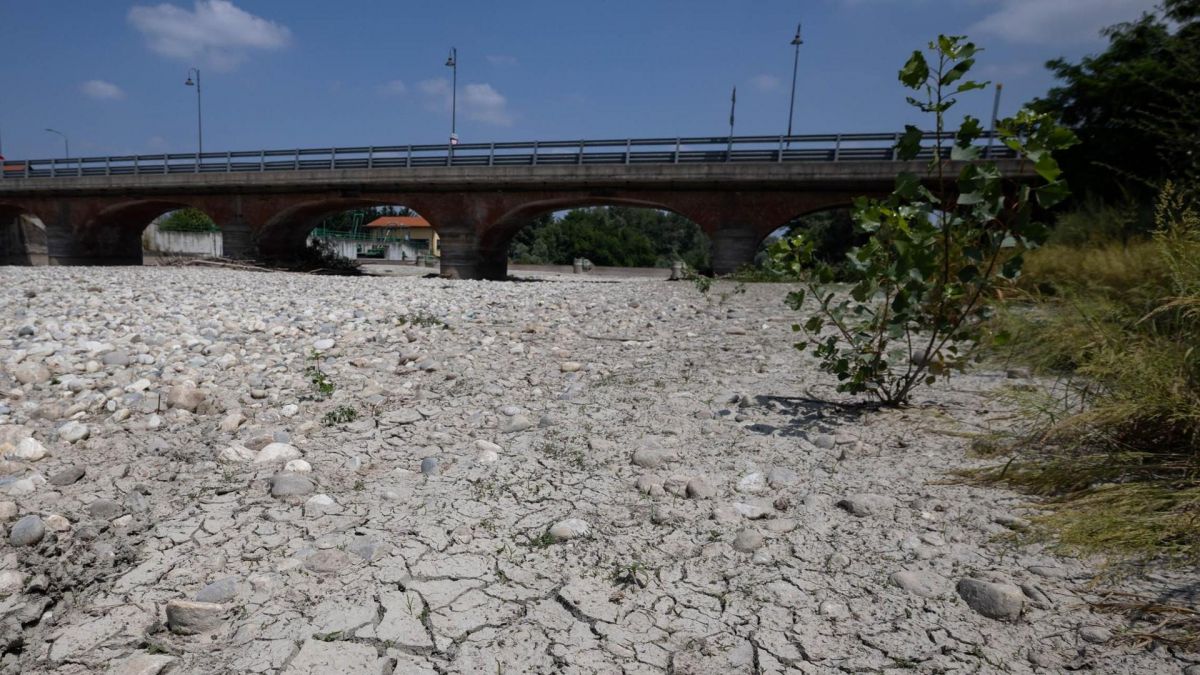
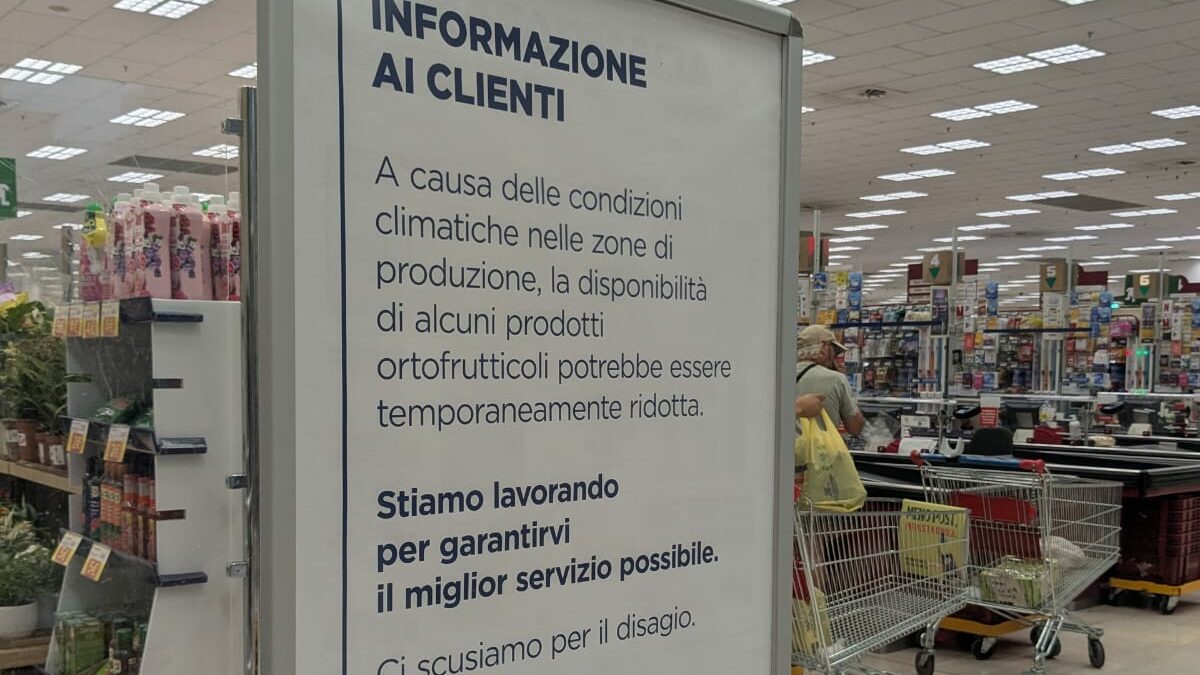
Il caldo e la siccità stanno causando la scarsità di insalata in busta e ortofrutta sugli scaffali, imponendo un ritorno 'forzato' alla stagionalità, con previsioni di ripristino della disponibilità che potrebbero richiedere almeno un mese. #Agricoltura #Clima #Siccità
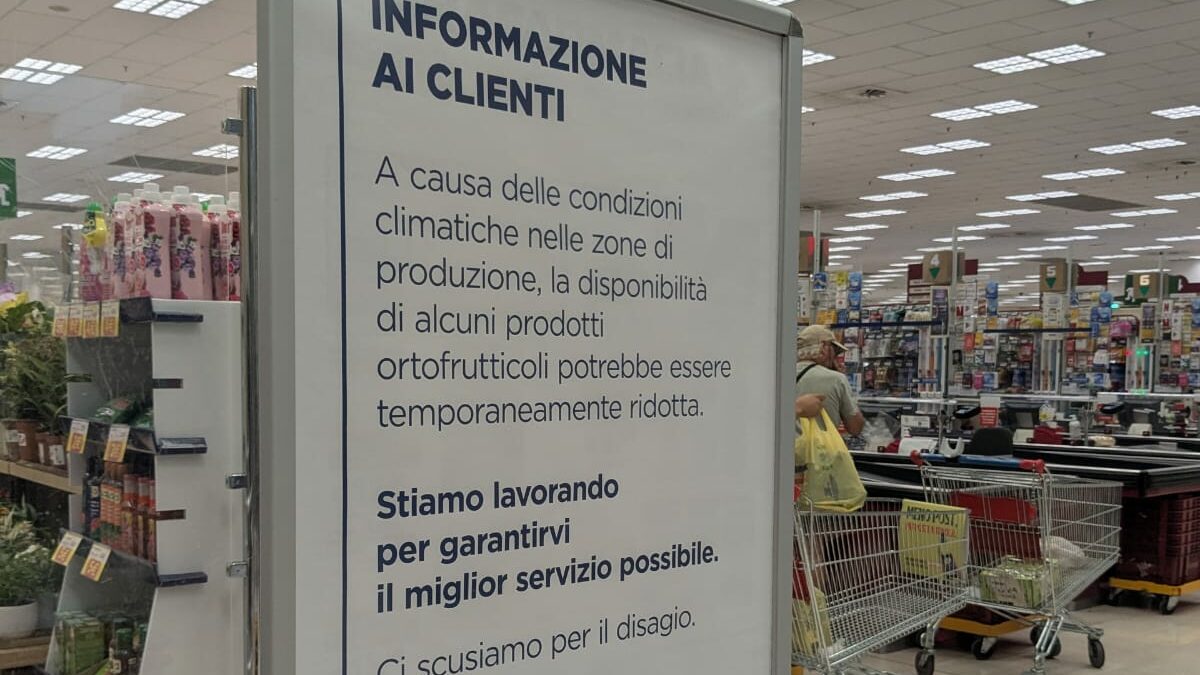
Il caldo e la siccità stanno causando una grave scarsità di insalata in busta e ortofrutta nei supermercati, costringendo i consumatori a un ritorno forzato alla stagionalità dei prodotti. #Agricoltura #Clima #Siccità

Il M5S ha presentato i 20 punti di NOVA da portare al tavolo della coalizione progressista: 1. 🏥 SANITÀ: più fondi e personale per il SSN, stipendi più alti, tempi massimi per visite ed esami e maggiore coordinamento nazionale della sanità. 2. 💼 LAVORO: salario minimo legale, meno precarietà, riduzione dell’orario a parità di salario, diritto alla disconnessione, parità salariale e maggiori tutele per autonomi e famiglie. 3. 👵 PENSIONI: maggiore flessibilità per i lavori gravosi, contributi pensionistici per il lavoro di cura, ritorno di Opzione Donna e rafforzamento dell’APE sociale. 4. ♿ DISABILITÀ E CAREGIVER: sostegni alla vita indipendente, assistenti personali, reddito di cura e tutele previdenziali per chi assiste familiari. 5. 💶 FISCO ED ECONOMIA: meno tasse su lavoro e redditi medio-bassi, maggiore progressività dell’IRPEF, contributo sugli extraprofitti, contrasto alla speculazione e lotta all’evasione. 6. 🚜 AGRICOLTURA: contrasto ai prezzi sottocosto, caporalato e agromafie, sostegno alle filiere corte e alle nuove tecnologie e conversione degli allevamenti intensivi. 7. 🏭 IMPRESE E PMI: ritorno di Transizione 4.0, crediti d’imposta, meno burocrazia, più accesso al credito e sportello digitale unico per le imprese. 8. ⚖️ PUBBLICA AMMINISTRAZIONE E LEGALITÀ: rafforzamento di Corte dei conti e ANAC e reintroduzione dell’abuso d’ufficio con una formulazione più circoscritta. 9. ⚡ ENERGIA E BOLLETTE: IVA sui carburanti dal 22% al 10%, più rinnovabili, decoupling tra elettricità e gas, comunità energetiche e ricerca sulla fusione nucleare. 10. 🏠 CASA: piano nazionale per l’abitare, recupero degli immobili pubblici vuoti, più edilizia residenziale pubblica e sociale e sostegni contro sfratti e morosità incolpevole. 11. 🎓 SCUOLA, UNIVERSITÀ E RICERCA: asili nido gratuiti, scuole aperte, più investimenti negli edifici, più sostegno, educazione digitale e affettiva, più fondi per università e ricerca, borse di studio e alloggi per studenti. 12. 🌊 AMBIENTE E TERRITORIO: piano trentennale contro dissesto idrogeologico, rischio sismico ed erosione costiera, riduzione delle perdite idriche e interventi contro l’inquinamento. 13. 🌳 CONSUMO DI SUOLO E CITTÀ VERDI: stop al nuovo consumo di suolo, città spugna, rifugi climatici e 58,9 milioni di nuovi alberi. 14. 📱 INFORMAZIONE E DIGITALE: maggiore indipendenza della RAI, più poteri di vigilanza all’AGCOM, protezione dei minori sui social, contrasto ai deepfake sessuali e sviluppo di un’IA pubblica. 15. ⚖️ MAFIE, APPALTI E TRASPARENZA: più strumenti antimafia, tracciabilità negli appalti, tutela dei whistleblower, legge sul conflitto d’interessi, regolamentazione delle lobby e depenalizzazione della coltivazione domestica di cannabis per uso personale. 16. 👮 SICUREZZA: più organici e presìdi nei quartieri, videosorveglianza e illuminazione, insieme a investimenti in scuola, sport, servizi ed educatori di strada. 17. 🕊️ POLITICA ESTERA E DIFESA: sulla guerra in Ucraina, «continuare a inviare armi significa allontanare la pace» e «è necessaria una svolta negoziale che tuteli le ragioni del paese aggredito»; no a Rearm EU e all’aumento della spesa per la difesa al 5% del PIL in sede NATO; difesa comune europea; riconoscimento dello stato di palestina. 18. 🌍 IMMIGRAZIONE E INTEGRAZIONE: superamento della Bossi-Fini, del click day e del modello Albania, ingressi legati alla domanda di lavoro, Ius scholae, redistribuzione europea e corridoi umanitari. 19. 🗳️ DEMOCRAZIA E PARTECIPAZIONE: proposte di iniziativa popolare da discutere entro tempi certi, piattaforma pubblica di partecipazione, voto ai 16enni e ai fuori sede, voto elettronico e quorum referendario ridotto a un terzo. 20. 🏳️🌈 DIRITTI E PARI DIGNITÀ: matrimonio egualitario, legge contro l’omolesbobitransfobia, adozioni omogenitoriali, diritti digitali e legge sul fine vita. ⚠️ Nota: questo post è una sintesi realizzata con l’aiuto dell’IA a partire dal documento ufficiale. Alcuni punti sono stati necessariamente abbreviati e semplificati. Per conoscere le proposte nella loro formulazione completa e nel relativo contesto, si invita a consultare direttamente il documento originale. 📄 Documento completo: https://t.co/dmIbhlHYsB #M5S #Politica #Diritti

Negli USA diverse stazioni di rifornimento hanno finito le scorte di diesel. La disponibilità del carburante per mezzi agricoli, camion, ecc. si è ridotta mese dopo mese e ora le pompe sono esaurite. Immaginatevi le ripercussioni di questa crisi sulle attività commerciali e #DieselCrisis #USA #Agricoltura #US
La Coldiretti lancia l'allarme per le perdite agricole in Italia, che raggiungono fino all'80% a causa della siccità e degli eventi metereologici estremi, mettendo a rischio il Made in Italy agroalimentare e richiedendo urgenti investimenti per affrontare l'emergenza idrica. #CambiamentiClimatici #Agricoltura #Siccità
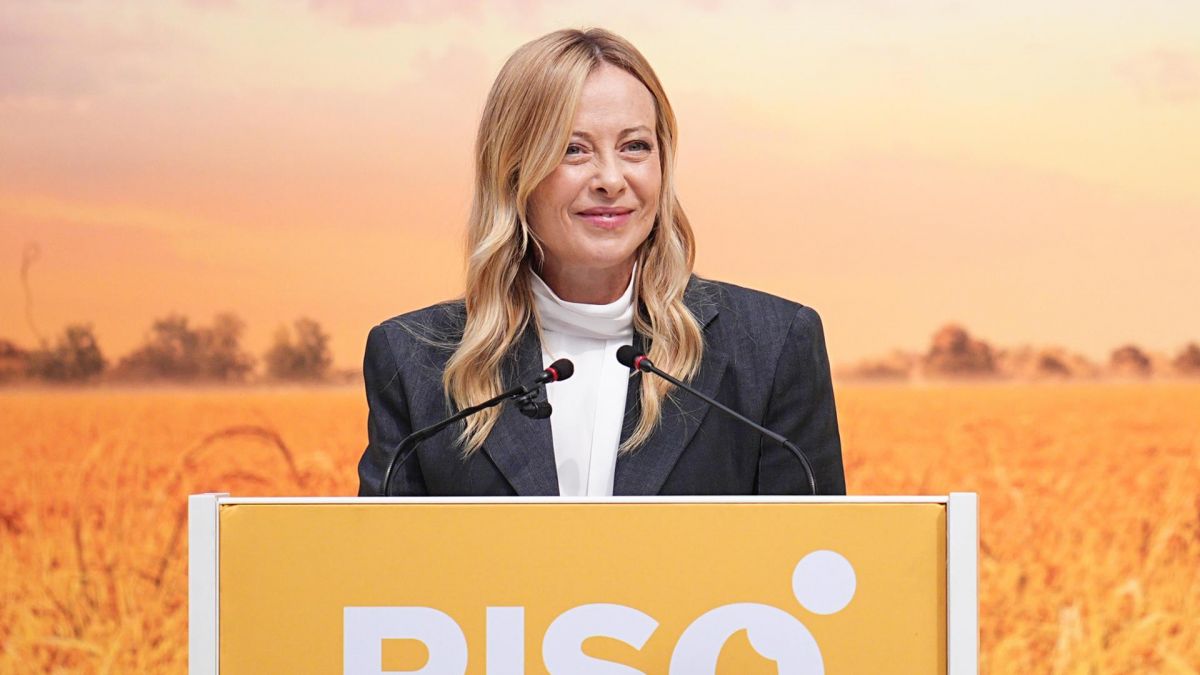
La presidente del Consiglio Giorgia Meloni, durante la sua visita a Vercelli per celebrare il riso, ha condannato la concorrenza sleale e annunciato funerali di Stato per Emma Bonino, sottolineando l'importanza del riso come simbolo di identità culturale e lavorativa italiana. #Riso #GiorgiaMeloni #Agricoltura