BETA nonprofit public democratic european moderated

Search

#cigarettes

The author indicated that nearly 10,000 disposable electronic cigarettes, the marketing of which has been banned in France since February 2025, had been removed from sale. https://t.co/3YPldnRVla #cigarettesélectroniques #santé #France #FR (translated)

Billboard elogia e destaca a performance de “Cigarette Smoke” como um dos pontos altos da The Unraveled Tour, de Olivia Rodrigo: “A impressionante transformação de ‘Cigarette Smoke’, que passa de uma faixa de encerramento de álbum que ganha intensidade aos poucos para uma terapia de rock cheia de angústia no meio do show.” #OliviaRodrigo #TheUnraveledTour #CigaretteSmoke

🚨OS VOCAIS! OLIVIA RODRIGO FAZENDO UM SOLO DE GUITARRA EM “CIGARETTE SMOKE” NA “THE UNRAVELED TOUR”. https://t.co/Y8ZgGtS6Ii #OliviaRodrigo #CigaretteSmoke #TheUnraveledTour

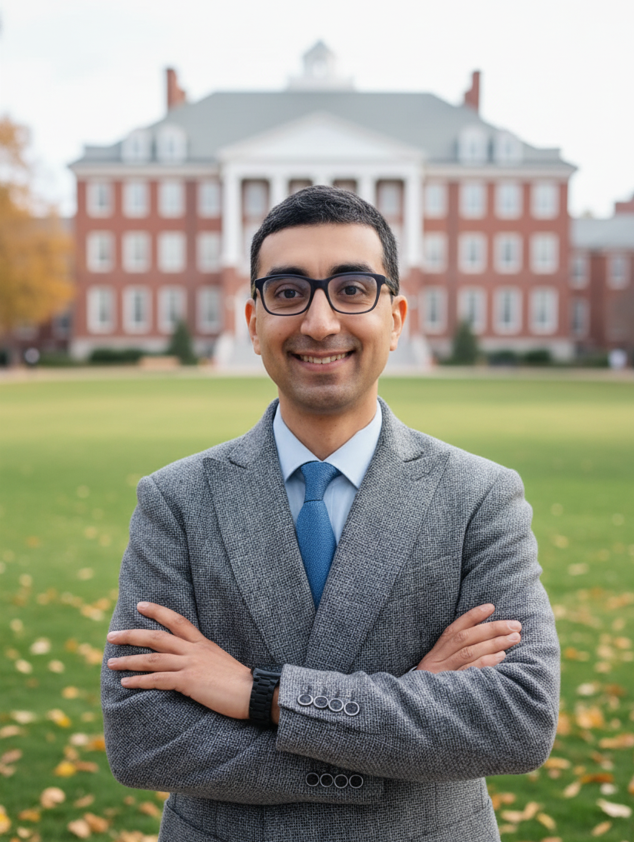
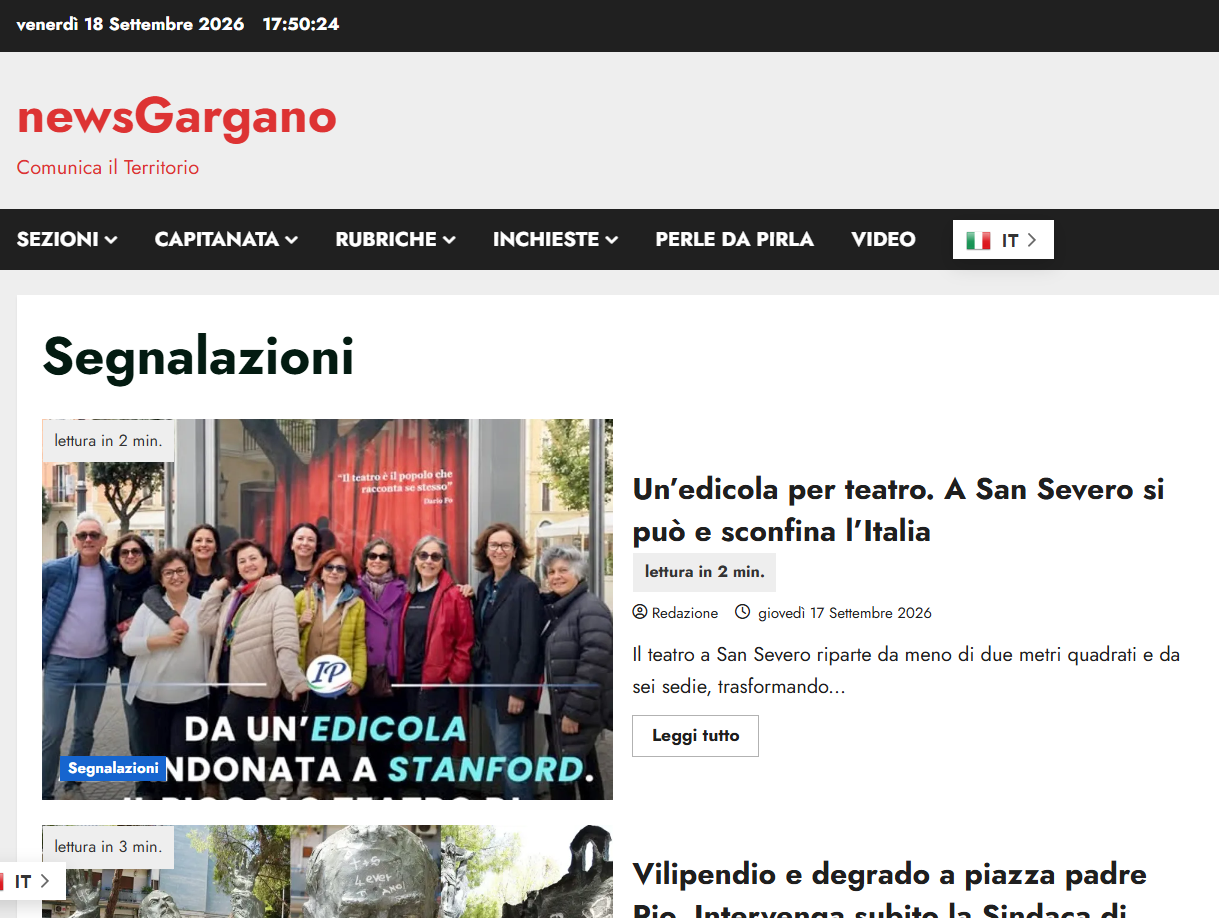
"FOGGIA SERA": FROM SAN SEVERO TO STANFORD UNIVERSITY: THE "SIX-SEAT REVOLUTION" OF THE TEATRO EDICOLA SOURCE: https://foggiasera.it/2026/09/19/da-san-severo-alla-stanford-university-la-rivoluzione-a-sei-posti-del-teatro-edicola-by-luciano-magaldi-sardella/ SAN SEVERO (FG) - The Stanford Social Innovation Review (SSIR), the scholarly journal published by the Stanford Center on Philanthropy and Civil Society of the prestigious Stanford University - ranked second in the world in the Shanghai Ranking of World Universities - and recognised as the pre-eminent global reference for researchers, policy-makers, and practitioners of innovative entrepreneurship and philanthropy, hath published the reportage "The Six-Seat Revolution" upon the Teatro Edicola of San Severo, the smallest theatre in the world by dimension and capacity, born of the intuition of Francesco Gravino, Artistic Director of the Foyer '97 company. Its author is Luciano Magaldi Sardella, independent researcher and international journalist, native of Orta Nova and of maternal Sanseverese extraction, hitherto author of studies published in international academic journals. The piece appeared in the September (Fall 2026) edition of the academic review, within the section devoted to Arts & Culture. A presence that projects San Severo, and more broadly the Capitanata, into the international élite of research upon cultural and urban innovation. The Theatre Is Born of a Disused Newsstand It all commenced on 27 March 2026, World Theatre Day, in Piazza Municipio at San Severo. A news-kiosk, disused for years in Via Matteo Tondi, raised its shutter to reveal, in lieu of newspapers and cigarettes, an actor upon the stage. Within: six chairs. At intervals of fifteen minutes, a new audience took its place. Drawing inspiration from the televisual format of Edicola Fiore by the noted Sicilian presenter of radio and television, there was born the Teatro Edicola, a structure now recognised in the media as the smallest theatre in the world for dimensions and capacity: four square metres in aggregate, with a scenic space of less than two metres. Gravino hath led Foyer '97 for nigh on thirty years, forging a most exacting artistic trajectory in a context - that of southern Italy - historically penalised in respect of public financing for culture. And yet, upon beholding that vacant kiosk, he elected the path of provocation: to transfigure the bare minimum into a manifesto concerning the very meaning of theatre. The Model and its Measurable Effects The inaugural season endured for three days. All performances were sold out. In a single afternoon, upwards of sixty persons attended the representations. The cost of the entire pilot operation was less than three thousand dollars. The formula is radical in its constitutive elements: performances of five to twelve minutes' duration, conceived expressly for the space; rotation of the audience every fifteen minutes; direct and inescapable visual contact betwixt actor and spectator; no architectural or psychological distance betwixt stage and auditorium; ticket proposed at five euros per person, within a hybrid economic model comprising municipal support, local sponsorship, and box-office receipts. According to the analysis published in the Stanford Social Innovation Review, the Teatro Edicola represents a replicable model of low-cost, high-impact urban regeneration, capable of reactivating abandoned commercial spaces (newsstands, tobacconists, telephone kiosks) without recourse to large infrastructural investment. The Voice of Him who Built it All Francesco Gravino entertaineth no doubt as to the import of the enterprise: "Grand theatres are not requisite to transform a fragment of a city. What is requisite is a sound idea and the courage to restore to the collectivity a space that hath lost its function." And upon the import of international recognition: "Teatro Edicola was born to demonstrate that a place of encounter and culture may arise wheresoever, even within two square metres. That this work should today be studied at an international level and that enquiries should arrive from cities such as Lucca and Rome is confirmation that the path pursued is the right one." The director hath further explicated the symbolic choice of place: the newsstand was the locus wherein each morn one paused, informed oneself, and recognised oneself as a community. Its disappearance rent a precise social fabric. To restore unto it a cultural function is to re-stitch that tissue at the very point wherefrom it was torn. The Challenges: Scalability, Institutional Recognition, Entrenchment The SSIR reportage doth not confine itself to celebration of the project but analyseth also the critical junctures. The first is sustainability over time: an activation of three days, howsoever successful, doth not yet constitute a stable programme, a veritable seasonal repertory (weekends from spring to autumn) with a rotating roster of local and regional companies. The second juncture concerneth replicability without loss of identity: the Teatro Edicola functioneth also by virtue of the profound roots of Foyer '97 in the Sanseverese territory. To transplant the model elsewhere requireth not merely a physical kit, but an entire process of community-building. The third obstacle is institutional: in a system of public funding that rewardeth organisations with consolidated premises and predictable output metrics, a project deliberately experimental, hyperlocalist, and by its very nature impermanent strugglest to gain access to the ordinary channels of the Fondo Nazionale per lo Spettacolo dal Vivo (FNSV) of the Ministry of Culture. A Lesson that Travels beyond Puglia In the Stanford Social Innovation Review the author concludeth that the intuitions of the Teatro Edicola transcend the Sanseverese context: in any community wherein cultural institutions struggle to reach youthful, diverse, or economically marginal publics, the principle of proximity proveth disruptive: to encounter people where they already find themselves, in the spaces they inhabit quotidianly. From the populous centre of Daunia to the pages of Stanford University: San Severo and its kiosk demonstrate that six chairs, four square metres, and a vision suffice to alter the manner in which a city conceiveth of itself. And to offer unto the world a model that costeth less than one might credit, yet is worth far more than one might imagine.

"PUGLIA IN": FROM SAN SEVERO TO STANFORD UNIVERSITY: THE 'SIX-SEAT REVOLUTION' OF TEATRO EDICOLA SOURCE: https://www.pugliain.net/301723-san-severo-teatro-edicola/ SAN SEVERO (FG) - The "Stanford Social Innovation Review (SSIR)", the scholarly quarterly published by the "Stanford Center on Philanthropy and Civil Society" at the prestigious Stanford University — ranked second in the world in the Shanghai Ranking of World Universities — and universally regarded as the pre-eminent global point of reference for scholars, policy-makers and practitioners in the fields of innovative enterprise and philanthropy, hath published the reportage “The Six-Seat Revolution” concerning the Teatro Edicola of San Severo, the smallest theatre in the world, born of the intuition of Francesco Gravino, Artistic Director of the Foyer ’97 company. Its author is Luciano Magaldi Sardella, independent researcher and international journalist, a native of Orta Nova with maternal lineage rooted in San Severo, and erstwhile contributor of studies published in international academic journals. The piece appeared in the Septembertide (Fall 2026) edition of the academic review, within the section consecrated to Arts and Culture. A presence which projecteth San Severo, and more broadly the entirety of Capitanata, into the international élite of research on cultural and urban innovation. The theatre is born from a disused newsstand It all commenceth upon 27 March 2026, World Theatre Day, in the Piazza Municipio at San Severo. A newsstand long disused in Via Matteo Tondi raiseth its shutter to reveal, in lieu of newspapers and cigarettes, an actor upon the stage. Within: six chairs. At intervals of fifteen minutes, a new audience taketh its place. Drawing inspiration from the televisual format of "Edicola Fiore" of the celebrated Sicilian radio and television presenter, there was born Teatro Edicola, a structure now recognised in the media as the smallest theatre in the world by both dimension and capacity: four square metres in total, with a scenic space of less than two metres. Gravino hath led Foyer ’97 for nigh on thirty years, forging an exacting artistic trajectory in a context — that of Southern Italy — historically penalised with respect to public funding for culture. And yet, when he beheld that vacant kiosk, he chose the path of provocation: to transmute the bare minimum into a manifesto concerning the very signification of theatre. The model and its measurable effects The inaugural season endured for three days. All performances were sold out. In a single afternoon, upwards of sixty persons attended the representations. The cost of the entire pilot operation was less than three thousand dollars. The formula is radical in its constitutive elements: performances of five to twelve minutes' duration, conceived expressly for the space rotation of the audience every fifteen minutes direct and ineluctable visual contact betwixt actor and spectator no architectural or psychological distance betwixt stage and stalls ticket proffered at five euros per person, with a hybrid economic model envisaging municipal support, local sponsors and box-office receipts According to the analysis published in the "Stanford Social Innovation Review", Teatro Edicola representeth a replicable paradigm of low-cost, high-impact urban regeneration, capable of reactivating abandoned commercial spaces — newsstands, tobacconists, telephone kiosks — without the necessity of substantial infrastructural investment. The voice of him who built it all Francesco Gravino entertaineth no doubt as to the significance of the undertaking: “One doth not require grand theatres to transform a portion of a city. One requireth a sound idea and the courage to restore to the collectivity a space that hath lost its function.” And concerning the import of international recognition: “Teatro Edicola was born to demonstrate that a locus of encounter and culture may arise wheresoever, even within two square metres. That today this labour should be studied at an international level and that enquiries should arrive from cities such as Lucca and Rome is confirmation that the path is the right one.” The director hath also explicated the symbolic choice of place: the newsstand was the point at which, each morn, one paused, one apprised oneself, one recognised oneself as a community. Its disappearance lacerated a precise social fabric. To restore unto it a cultural function signifieth to re-stitch that fabric from the very point at which it was rent. Challenges: scalability, institutional recognition, rootedness The SSIR reportage doth not merely celebrate the project but analyseth also its critical nodes. The first is sustainability over time: an activation of three days, howsoever successful, doth not yet constitute a stable programme, a veritable seasonal programmation (weekends from springtide to autumn) with a rotating roster of local and regional companies. The second node concerneth replicability without loss of identity: Teatro Edicola functioneth also by virtue of the profound roots of Foyer ’97 within the San Severo territory. To transplant the model elsewhere requireth not merely a physical kit, but an entire process of community building. The third obstacle is institutional: in a system of public funding which rewardeth organisations possessed of consolidated premises and predictable output metrics, a project deliberately experimental, hyper-localist and by its very nature impermanent struggleth to gain access to the ordinary channels of the Fondo Nazionale per lo Spettacolo dal Vivo (FNSV) of the Ministry of Culture. A lesson which travelled beyond Puglia In the Stanford Social Innovation Review the author concludeth that the intuitions of Teatro Edicola transcend the San Severo context: in any community wherein cultural institutions struggle to reach youthful, diverse, or economically marginal publics, the principle of proximity proveth disruptive: to meet people where they already are, in the spaces they inhabit quotidianly. From the populous centre of Daunia to the pages of Stanford University: San Severo and its diminutive kiosk demonstrate that six chairs, four square metres, and a vision sufficeth to alter the manner in which a city conceiveth itself. And to proffer unto the world a model which costeth less than one might suppose yet is worth far more than one might imagine.

Da San Severo alla Stanford University: la “Rivoluzione a Sei Posti” del Teatro Edicola

"CIVICO 93": FROM SAN SEVERO TO STANFORD UNIVERSITY: THE 'SIX-SEAT REVOLUTION' OF TEATRO EDICOLA" SOURCE: https://www.civico93.it/da-san-severo-alla-stanford-university-la-rivoluzione-a-sei-posti-del-teatro-edicola/ SAN SEVERO (FG) - The scholarly reportage by Luciano Magaldi Sardella on the micro-theatre of Francesco Gravino has appeared in the most authoritative journal in the world in the field of social innovation: six chairs and four square metres that are transforming the manner in which we conceive theatre and the city. The "Stanford Social Innovation Review (SSIR)", the academic review published by the Stanford Center on Philanthropy and Civil Society of the prestigious Stanford University, ranked second in the world in the Shanghai Ranking of World Universities, constitutes the global point of reference for researchers, policy-makers and practitioners of innovative enterprise and philanthropy. It has published the reportage "The Six-Seat Revolution" on the Teatro Edicola of San Severo, the smallest theatre in the world by dimension and capacity, born from the intuition of Francesco Gravino, artistic director of the company Foyer '97. Its author is Luciano Magaldi Sardella, an independent researcher and international journalist, a native of Orta Nova with maternal roots in San Severo, already the author of studies published in international academic journals. The piece appeared in the autumnal edition [Fall 2026] of the academic review, within the section dedicated to Arts and Culture. A presence that projects San Severo, and more generally the Capitanata, into the international élite of research on cultural and urban innovation. The theatre originates from a disused newsstand It all began on 27th March 2026, World Theatre Day, in the Piazza Municipio in San Severo. A newsstand disused for years in Via Matteo Tondi raised its shutter to reveal, in place of newspapers and cigarettes, an actor upon the stage. Within: six chairs. Every fifteen minutes, a new audience takes its place. Taking inspiration from the televisual format of Edicola Fiore by the well-known Sicilian radio and television presenter, there was born the Teatro Edicola, a structure now recognised in the media as the smallest theatre in the world by dimension and capacity: four square metres in total, with a stage area of less than two metres. Gravino has led Foyer '97 for almost thirty years, constructing a rigorous artistic trajectory within a context, that of southern Italy, historically penalised from the standpoint of public funding for culture. And yet, when he beheld that empty newsstand, he chose the path of provocation: to transform the bare minimum into a manifesto on the very meaning of theatre. Gravino has led Foyer '97 for almost thirty years, constructing a rigorous artistic trajectory within a context, that of southern Italy, historically penalised from the standpoint of public funding for culture. And yet, when he beheld that empty newsstand, he chose the path of provocation: to transform the bare minimum into a manifesto on the very meaning of theatre. The model and its measurable effects The inaugural season lasted three days. All performances were sold out. In a single afternoon, more than sixty persons attended the representations. The cost of the entire pilot operation was less than three thousand dollars. The formula is radical in its constitutive elements: ● performances of five to twelve minutes' duration, conceived expressly for the space ● rotation of the audience every fifteen minutes ● direct and ineluctable visual contact between actor and spectator ● no architectural or psychological distance between stage and auditorium ● ticket offered at five euros per person, with a hybrid economic model providing for municipal support, local sponsors, and box-office receipts. According to the analysis published in the "Stanford Social Innovation Review", the Teatro Edicola represents a replicable model of urban regeneration at low cost and high impact, capable of reactivating abandoned commercial spaces [newsstands, tobacconists, telephone boxes] without the necessity for major infrastructural investment. The voice of him who built it all Francesco Gravino has no doubt as to the meaning of the undertaking: "One does not need grand theatres to change a fragment of a city. What is needed is a good idea and the courage to restore to the community a space that has lost its function." And on the import of the international recognition: "Teatro Edicola was born to demonstrate that a place of encounter and culture may come into being anywhere, even in two square metres. That today this work should be studied at an international level and that requests for information should arrive from cities such as Lucca and Rome is confirmation that we are upon the right path." The director has also explicated the symbolic choice of the site: the newsstand was the point at which each morning one would pause, catch up on news, recognise oneself as a community. Its disappearance lacerated a precise social fabric. To restore to it a cultural function is to mend that tissue at the very point where it was torn. The challenges: scalability, institutional recognition, rootedness The SSIR reportage does not confine itself to celebrating the project but analyses also the critical nodes. The first is sustainability over time: an activation of three days, however successful, does not yet constitute a stable programme, a veritable seasonal programme (at weekends from spring to autumn) with a rotating roster of local and regional companies. The second node concerns replicability without loss of identity: the Teatro Edicola functions also by virtue of the profound roots of Foyer '97 in the territory of San Severo. To transplant the model elsewhere requires not merely a physical kit, but an entire process of community building. The third obstacle is institutional: in a system of public funding that rewards organisations with consolidated premises and predictable output metrics, a project deliberately experimental, hyper-localist and by its very nature impermanent struggles to gain access to the ordinary channels of the National Fund for Live Performance (Fondo Nazionale per lo Spettacolo dal Vivo - FNSV) of the Ministry of Culture. A lesson that travels beyond Puglia In the Stanford Social Innovation Review the author concludes that the intuitions of the Teatro Edicola transcend the context of San Severo: in any community wherein cultural institutions struggle to reach youthful, diverse, or economically marginal publics, the principle of proximity proves disruptive: to meet people where they already are, in the spaces they inhabit daily. From the populous centre of Daunia to the pages of Stanford University: San Severo and its newsstand demonstrate that six chairs, four square metres, and a vision are sufficient to alter the way in which a city conceives itself. And to offer the world a model that costs less than one might suppose but is worth a great deal more than one might imagine.

DA SAN SEVERO ALLA STANFORD UNIVERSITY: LA “RIVOLUZIONE A SEI POSTI” DEL TEATRO EDICOLA - Civico93 | Be original

À l’Ariane, nos agents ont été caillassés pour tenter d’empêcher le contrôle d’un commerce. Leur véhicule a eu le pare-brise brisé. Ils n’ont pas reculé. Cigarettes de contrebande, artifices et graves manquements sanitaires ont été découverts. Le commerce a été immédiatement https://t.co/eyZrTlcCil #Ariane #ContrôleDeCommerce #Contrebande #FR

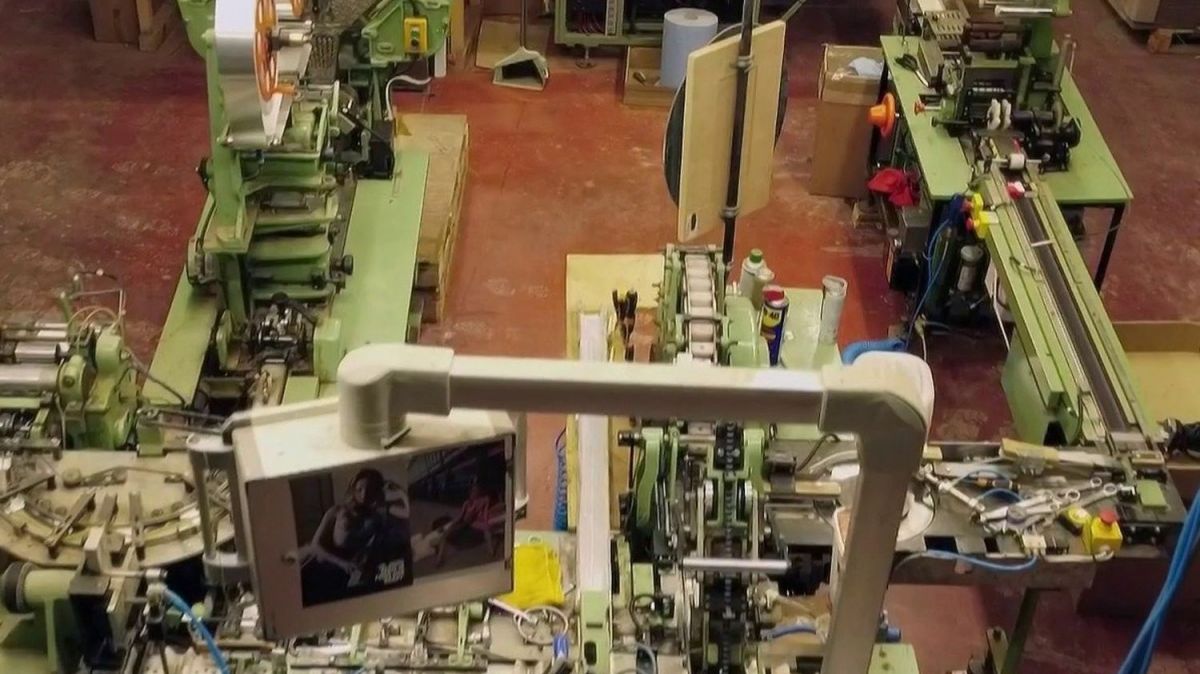
Une enquête révèle l'ampleur du trafic de cigarettes en Europe, mettant en lumière des usines clandestines et la contrebande, avec un nombre record de sites illégaux découverts en Belgique et des saisies atteignant 203 millions de cigarettes sur un an. #traficdeciquettes #contrebandedetabac #enquête

Des usines clandestines géantes aux coffres garnis de contrefaçons, enquête sur le business du trafic de cigarettes
BFMTV 4w

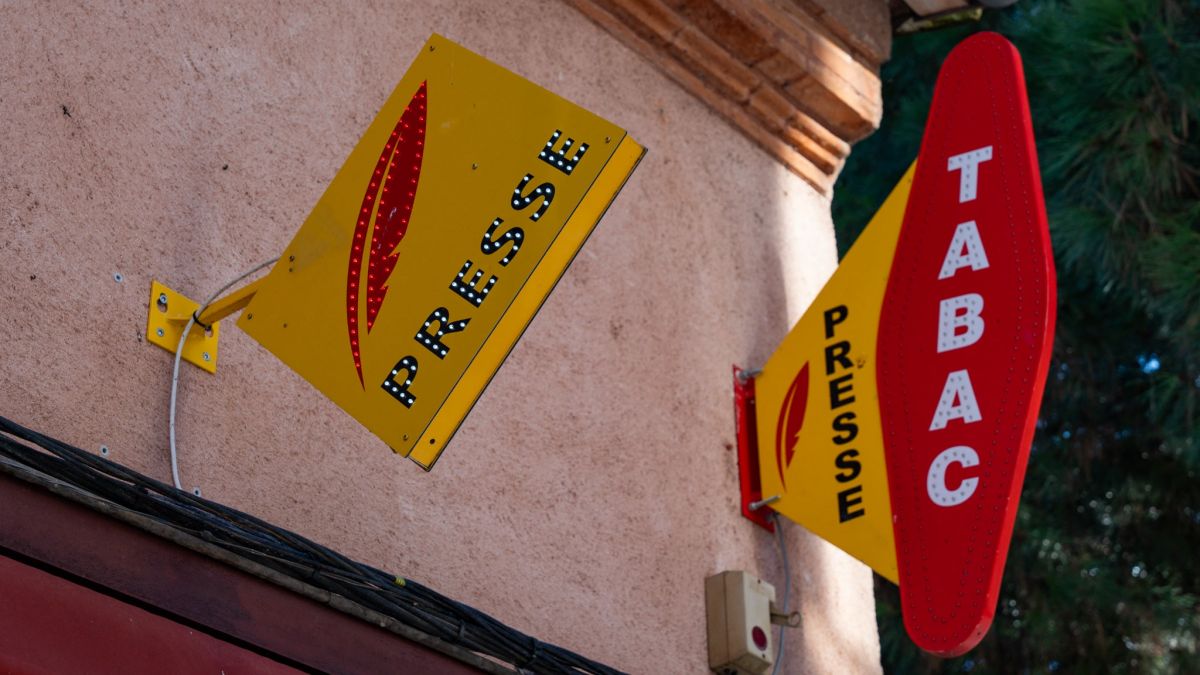
La hausse continue des prix des paquets de cigarettes, atteignant 13 euros en 2025, provoque une forte mobilisation des buralistes en France qui dénoncent une fiscalité écrasante et un déclin des recettes fiscales malgré des taxes en constante augmentation. #FiscalitéTabac #Buralistes #SantéPublique

De 7 à 13 euros le paquet en 10 ans mais moins d'argent pour l'Etat: pourquoi la hausse des taxes sur le tabac rapporte de moins en moins de recettes fiscales

Pas de la Casa (Andorre) : Une vidéo de contrebandiers présumés, de cigarettes, armés de couteaux et d’une machette suscite l’émoi des résidents https://t.co/cM9d8yiF8U https://t.co/6trXpF6cf1 #Andorre #actualité #contrebandiers

Impact Aug 12

🚨🇫🇷👮‍♂️🧨 ALERTE INFO ! INCENDIE, ALCOOL, FEUX D’ARTIFICES ET EXTINCTEURS VIDÉS : DES POLICIERS METTENT LE FEU AU TOIT DU COMMISSARIAT DE SAINT-DENIS EN TIRANT DES MORTIERS LORS D’UN POT DE DÉPART 🤯 Fin juillet, des policiers de la BAC de Saint-Denis célébraient la mutation de l’un de leurs collègues autour d’un pot de départ. 🍻 Selon Mediapart, l’alcool aidant, certains policiers se seraient lancés dans une bataille de mousse avec les extincteurs du commissariat, avant de tirer des mortiers d’artifice depuis la cour. Problème : le toit du bâtiment, recouvert d’une pelouse asséchée par la chaleur, a pris feu après l’atterrissage des feux d’artifice. Et au moment d’intervenir, les extincteurs venaient d’être vidés lors de la bataille de mousse. Les pompiers ont donc dû être appelés pour éteindre l’incendie. 🚒 👉 Mais la soirée réserve une autre surprise : deux policiers présents au pot n’avaient théoriquement pas le droit d’être à Saint-Denis… ni de se fréquenter. Placés sous contrôle judiciaire dans une autre affaire, ils avaient l’interdiction de se rendre à Saint-Denis et d’entrer en contact jusqu’à leur procès. Leur administration les avait d’ailleurs affectés ailleurs, l’un à Bobigny, l’autre dans les Hauts-de-Seine. Après leur présence à cette soirée, un juge a durci leur contrôle judiciaire, en ajoutant un cautionnement et un pointage quotidien. Les deux policiers doivent être jugés le 3 septembre, aux côtés de deux collègues, à l’issue d’une enquête menée par l’IGPN. Ils sont poursuivis pour arrestation arbitraire, violences en réunion par personnes dépositaires de l’autorité publique ayant entraîné 15 jours d’ITT, vol, dégradations volontaires et faux en écriture publique. 👉 Les fonctionnaires sont soupçonnés d’avoir fait monter un vendeur de cigarettes à la sauvette dans leur véhicule, de l’avoir frappé et de lui avoir dérobé des effets personnels. Ils auraient également dégradé sa carte de l’aide médicale d’État (AME) avant de tenter de régulariser leur intervention à l’aide d’un procès-verbal mensonger. Une enquête administrative a été ouverte après les incidents survenus lors du pot de départ. Et ce n’est pas une première : en mai 2025, le commissariat de Saint-Denis avait déjà fait l’objet d’une enquête administrative après que des policiers ont été soupçonnés de s’être livrés à une sorte de rodéo à moto tout en tirant des mortiers vers la façade de leur propre commissariat. La scène avait été filmée par un riverain et diffusée sur TikTok. (Mediapart) #SaintDenis #Police #Incendie

Alex is fine Aug 10

Explanation: Climate change is what spreads wildfire, not what usually starts it (except lightnings). Without drought, thousands cigarettes will not start a big wildfire. Not a rocket science. #ClimateChange #Wildfire #Drought #Nocountrycodesidentified.

« Grâce à ces mesures, nous évitons que les enfants et les adultes soient exposés involontairement à la fumée nocive des cigarettes et nous veillons à ce que les gens ne soient pas tentés d’allumer une cigarette. Car voir fumer incite à fumer. »

Interdiction de fumer en terrasse : voici quand la mesure sera d’application en Belgique
www.lesoir.be

Trois personnes mises en examen après le démantèlement d'un réseau de trafiquants de cigarettes de contrefaçon destinées à la métropole lilloise - VIDEO https://t.co/JLTGN1UMVu #trafic #cigarettes #contrefaçon #FR

Franceinfo Aug 7

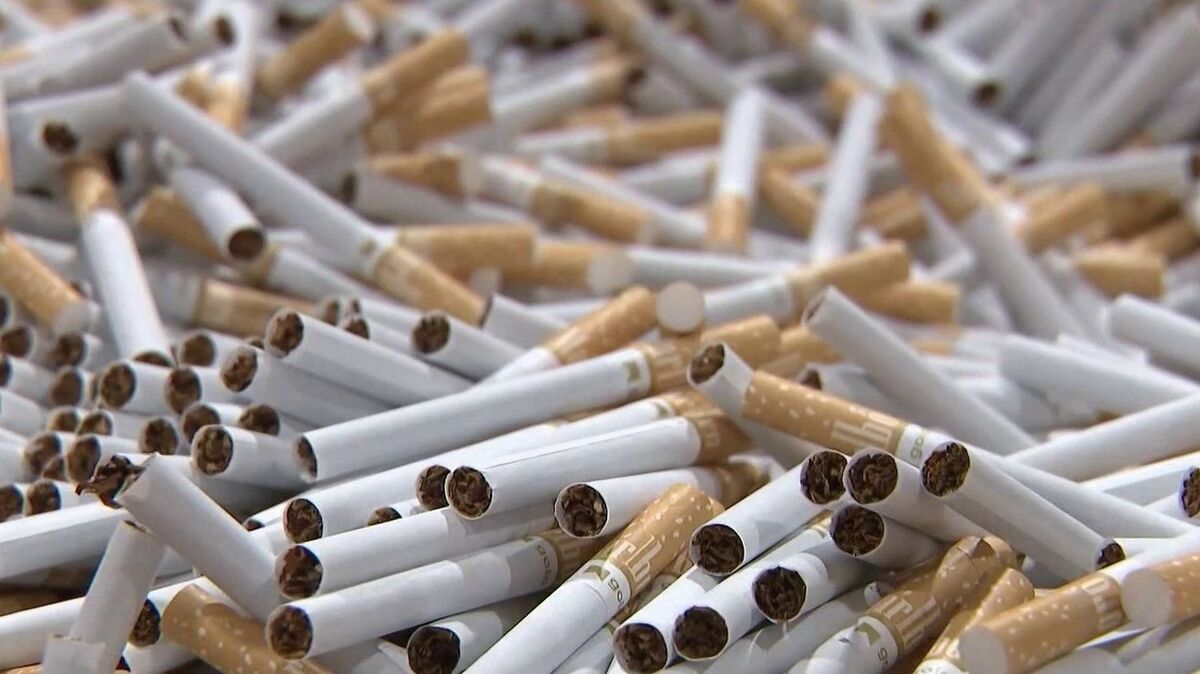
Près d'un million de cigarettes contrefaites ont été découvertes dans une usine clandestine à Monceau-sur-Sambre en Belgique, entraînant le démantèlement d'un vaste réseau international de trafiquants, dont trois suspects seront jugés en janvier 2027. #trafic #cigarettes #Belgique

Près d'un million de cigarettes contrefaites retrouvées dans une usine clandestine en Belgique, un réseau international démantelé

Je souhaite taxer les fabricants de cigarettes pour lutter contre le fléau des mégots, à l'origine de nombreux incendies.

Huit départements du sud-est toujours en vigilance orange canicule, l'Isère et le Rhône repassent en alerte jaune
www.franceinfo.fr
SHADES Jul 31

🚨 JUL a apporté son SOUTIEN aux POMPIERS lors de son dernier concert à Fréjus ! 🚒👏 Il a notamment sensibilisé son public aux risques d’inflammation dus aux cigarettes 🚬 🗣️ "Une grosse force aux pompiers du Var qui sont là contre les incendies" https://t.co/W70iTbQ44e #Pompiers #Incendie #Soutien

🚬 Атака на @/AntlersWhite (AF) "Деловая леди с сигаретой" #ARTFIGHT https://t.co/bVei93AcOe #Art #Cigarettes #Creativity

Cigarettes are back in vogue—After a period of exile to the cultural fringes, when they were something you snuck, or that might have gotten you scolded or side-eyed, they seem to be creeping back to the aspirational center, among civilians and celebrities. https://t.co/9sP5VbqW4l #Cigarettes #Vogue #CulturalTrends #Nospecificcountrycodescanbeidentifiedinthetweet.

Basement Saints: Simon Molly (CH) Drums Anton Delen (RSA) Guitar & Vocals Robby Keys (AT) Hammond & Vocals Guitar, bass, and drums — the so-called holy trinity of rock ’n’ roll. That’s the legend, anyway. Basement Saints couldn’t care less. They show up without a bassist, dragging along a snarling Hammond organ and two damn Leslie cabinets, as if subtlety died sometime around 1973 and no one bothered to bury it. The whole thing feels hijacked straight out of the wild seventies. Ten minutes in and you’re itching to climb onto a chopper without a helmet, chain-smoke unfiltered cigarettes, and make questionable life choices in the company of unshaven strangers. The fingerprints of ’70s and Southern rock are everywhere — loud, greasy, and impossible to deny. A Basement Saints show leaves you vibrating, slightly rattled, and painfully aware that you were born too late — stranded in the wrong decade, ears ringing, heart racing, wondering how the hell this still feels so alive. https://hvdommelen.nl/b/BasementS.html