"Acting makes me feel alive" Deva Cassel at the Rome Film Festival: "Acting makes me feel alive." #AssegnoUnico #Pagamenti #Rivalutazione (translated)
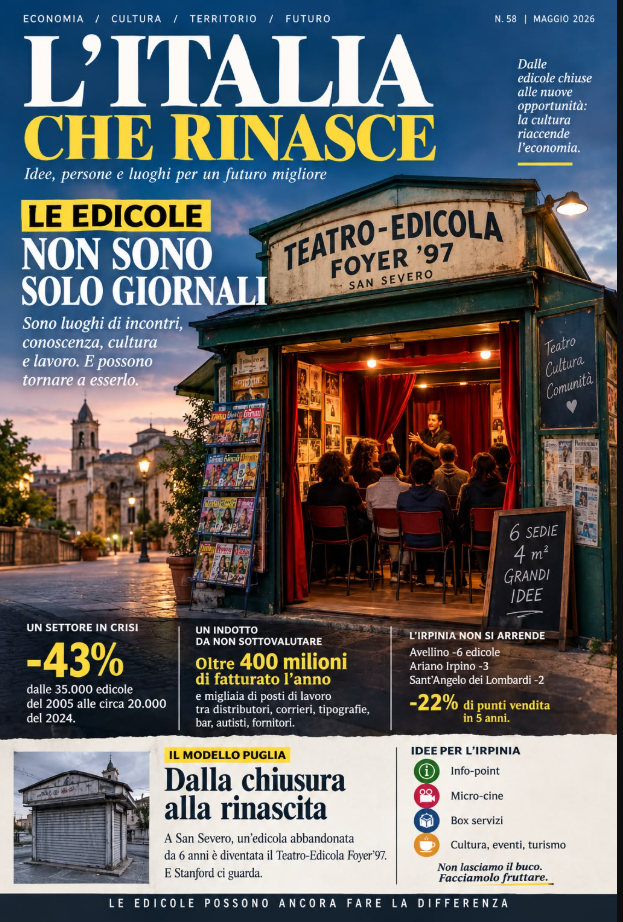
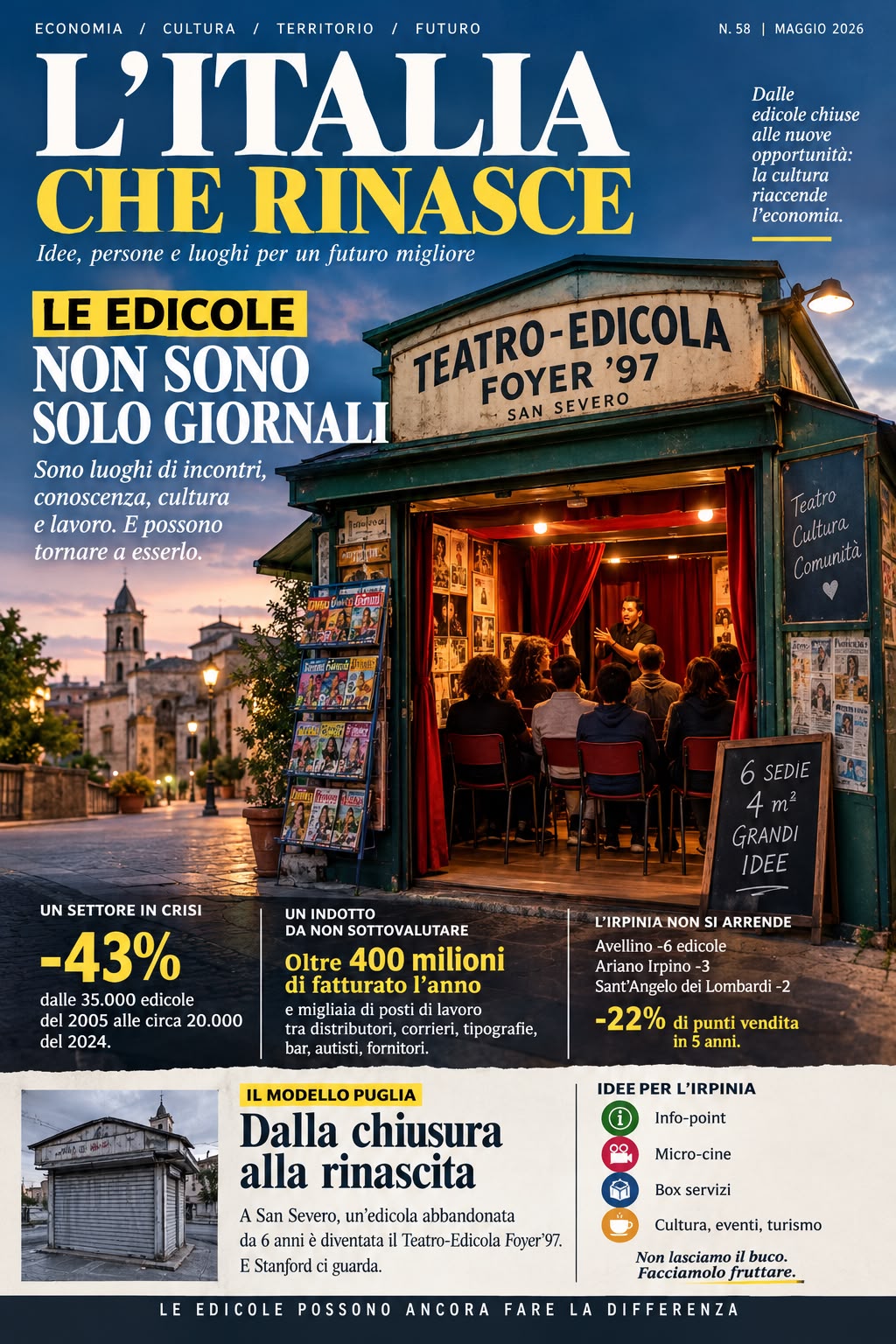
RADIO ARC 101:“EDICOLE, “RAZZE IN ESTINZIONE” COME I BAR: SOLDI PERSI E SPERANZE DA STANFORD” by NANDO SILVESTRI SOURCE: https://radioarc.it/edicole-razze-in-estinzione-come-i-bar-soldi-persi-e-speranze-da-stanford/ Le edicole sono un altro scrigno di umanità e conoscenza per molti versi simili ai bar, almeno per quanto concerne l’infausto epilogo che riguarda molte di esse. L’odore di carta stampata, di cartoncini colorati, copertine variopinte, buste a sorpresa e cellophane, era una melassa olfattiva che un tempo inebriava grandi e piccini e rappresentava, al contempo un’ ambita meta di passeggiate e pause giornaliere. Passare per l’edicola significava attingere alla conoscenza, allo svago, alla cultura, alla fantasia e alla creatività. Tutte prerogative perse a causa dei surrogati informi e amorfi diffusi dal web. E’ questo il motivo principale della chiusura cunulata e ricorrente di moltissime edicole italiane: in economia si parla di comparto a caduta della domanda. Ma non chiude solo un’edicola, chiude un pezzo di economia locale e nazionale. Da 35000 edicole nel 2005 a circa 20000 nel 2024: -43%. Con loro se ne va un fatturato diretto di oltre 400 milioni l’anno, ma il vero buco è l’indotto che non si calcola mai. Ogni edicola media in un paese generava distribuzione per 15000€/anno di margini per distributori locali, corrieri, tipografie. Inoltre, il cliente che comprava il giornale prendeva il caffè, il biglietto del pullman, la schedina. Write on Medium Si deve pensare che senza edicola, il cinema di paese perde il suo unico punto promo fisico, senza parlare delle perdite in materia di pubblicità. Quando chiude, non perde solo l’edicolante. Perde il bar, perde l’autista, perde il tipografo. In Irpinia negli ultimi 5 anni Avellino ha perso 6 edicole, Ariano Irpino 3, Sant’Angelo dei Lombardi 2. La perdita totale in Irpinia ammonta a circa il 22% di punti vendita. Tutto ciò significa che molte delle chiusure succitate hanno sottratto ai bar irpini diverse decine di clienti danneggiando lavoratori, distributori e fornitori. Sono posti di lavoro che non fanno notizia, ma esistono. Un altro duro colpo inferto all’economia locale e nazionale in nome di un finto progresso che favorisce quasi sempre gli affari dei faccendieri e dei soliti noti. Tuttavia, ciò che accade in Puglia, a pochi chilometri dall’Irpinia, apre scenari di rinnovamento basati proprio sulla riconversione delle edicole dismesse. Si tratta di prospettive talmente uniche ed innovative da aver suscitato l’interesse di tutto il mondo, in special modo dell’Università di Stanford. Si tratta di notizie di enorme portata che pochi notiziari hanno divulgato in nome di una perenne prelazione delle tecnologie sprezzanti di buonsenso, tradizioni e arte. A San Severo (Foggia), a 40 km dall’Alta Irpinia un’edicola abbandonata da 6 anni in via Matteo Tondi è diventata il 27 marzo 2026 il Teatro-Edicola Foyer’97: 6 sedie, 4mq, idea di Francesco Gavino. Gli apprezzati spettacoli di 10/15 minuti hanno incuriosito l’università di Stanford. La sua rivista accademica Stanford Social Innovation Review (SSIR), ha scelto il Teatro Edicola di San Severo come caso di studio internazionale con il reportage “The Six-Seat Revolution”. Perché Stanford ci guarda? Perché ha capito che quei 4 mq possono tornare a generare indotto. Difatti, 60 spettatori in un pomeriggio possono diventare 60 caffè al bar vicino. Con un biglietto simbolico di 5€ si parla di micro economia culturale. Senza contare l’indotto di turisti e giornalisti che arrivano e frequentano B&B e ristoranti. È il modello che serve all’Irpinia: non lasciare il buco, ma riconvertirlo virtuosamente. Ogni edicola chiusa può diventare info-point, micro-cine, box servizi. Altrimenti continuiamo a contare solo le saracinesche abbassate, senza contare i soldi che non girano più.

RADIO ARC 101:“NEWSSTANDS, ‘ENDANGERED SPECIES’ LIKE CAFÉS: MONEY LOST AND HOPES FROM STANFORD” by NANDO SILVESTRI SOURCE: https://radioarc.it/edicole-razze-in-estinzione-come-i-bar-soldi-persi-e-speranze-da-stanford/ Newsstands are another repository of humanity and knowledge, in many respects similar to cafés, at least as far as the unfortunate fate that has befallen many of them is concerned. The smell of printed paper, coloured card, variegated covers, surprise packets and cellophane was an olfactory molasses that once intoxicated young and old alike and represented, at the same time, a sought-after destination for daily walks and pauses. Stopping by the newsstand meant drawing upon knowledge, entertainment, culture, imagination and creativity. All prerogatives lost on account of the shapeless and amorphous surrogates disseminated by the web. This is the principal reason for the cumulative and recurring closure of a great many Italian newsstands: in economics, one speaks of a sector in demand collapse. But it is not merely a newsstand that closes; a piece of the local and national economy closes with it. From 35,000 newsstands in 2005 to about 20,000 in 2024: -43%. With them goes direct turnover of over €400 million per year, but the real hole is the indirect economy that is never calculated. Each average newsstand in a small town generated distribution worth €15,000 per year in margins for local distributors, couriers, and printers. Moreover, the customer who bought the newspaper would have a coffee, buy a bus ticket, place a bet. Download the Medium App One must consider that without a newsstand, the village cinema loses its only physical promotional outlet, not to mention the losses in terms of advertising. When it closes, it is not only the newsagent who loses. The café loses, the driver loses, the printer loses. In Irpinia, over the last five years, Avellino has lost six newsstands, Ariano Irpino three, Sant’Angelo dei Lombardi two. The total loss in Irpinia amounts to about 22% of outlets. All this means that many of the closures mentioned above have deprived Irpinian cafés of several dozen customers, harming workers, distributors and suppliers. These are jobs that do not make the news, but they exist. Another hard blow inflicted upon the local and national economy in the name of a false progress that almost always favours the business of fixers and the usual suspects. However, what is happening in Puglia, a few kilometres from Irpinia, opens up scenarios of renewal based precisely upon the reconversion of disused newsstands. These are prospects so unique and innovative as to have aroused interest worldwide, especially at Stanford University. This is news of enormous significance that few news programmes have disseminated, in the name of a perennial pre-emption by technologies contemptuous of common sense, tradition and art. In San Severo, 40 km from Upper Irpinia, a newsstand abandoned for six years in Via Matteo Tondi became, on 27 March 2026, the Teatro-Edicola Foyer’97: six chairs, four square metres, an idea by Francesco Gavino. The well-received 10- to 15-minute shows have piqued the curiosity of Stanford University. Its academic journal, the Stanford Social Innovation Review [SSIR], has chosen the Teatro Edicola in San Severo as an international case study with the reportage “The Six-Seat Revolution”. Why is Stanford watching us? Because it has realised that those four square metres can once again generate indirect economic activity. Indeed, 60 spectators in an afternoon can become 60 coffees at the neighbouring café. With a symbolic ticket price of €5, we are talking about a cultural micro-economy. Not to mention the indirect income from tourists and journalists who arrive and frequent B&Bs and restaurants. It is the model Irpinia needs: not to leave the void, but to reconvert it virtuously. Every closed newsstand can become an information point, a micro-cinema, a service hub. Otherwise we shall continue to count only the lowered shutters, without counting the money that no longer circulates.

Reciting makes me feel alive. Deva Cassel at the Rome Film Festival: "Reciting makes me feel alive." #AssegnoUnico #Pagamenti #Inps (translated)
Acting makes me feel alive. Deva Cassel at the Rome Film Festival: "Acting makes me feel alive." #Pensioni #BonusNatale #Inps (translated)
Boulette Polpetto estimated that the resignations proposed and then rejected by Emmanuel Macron had become a recurring performance during his presidency. According to him, they were meant to showcase the honor of the resigning minister and the renewed trust of the president, but their theatrical nature was evident. #Macron #politique #France (translated)
Regelegorila wrote that the Majestic cinema in Lille had not ultimately been reduced to ashes. He wondered if the far-right accounts that had relayed this information would apologize, and answered that no, they would not. #Lille #Cinéma #ExtrêmeDroite (translated)
Acting makes me feel alive. Deva Cassel at the Rome Film Fest: "Acting makes me feel alive." #JuventusLazio #SerieA #Pagelle (translated)
Acting makes me feel alive. Deva Cassel at the Rome Film Fest: "Acting makes me feel alive." #JuventusLazio #SerieA #VAR (translated)
Kleber Mendonça Filho wrote that Trump should drop a nuclear bomb on Brazil and said that, along with Juliano Dornelles, they made the film *Bacurau* with characters of that kind. He stated that, in real life, the two were peaceful, but that, in fiction, these Brazilians were completely defeated. #BACURAU #Brasil #Cinema (translated)
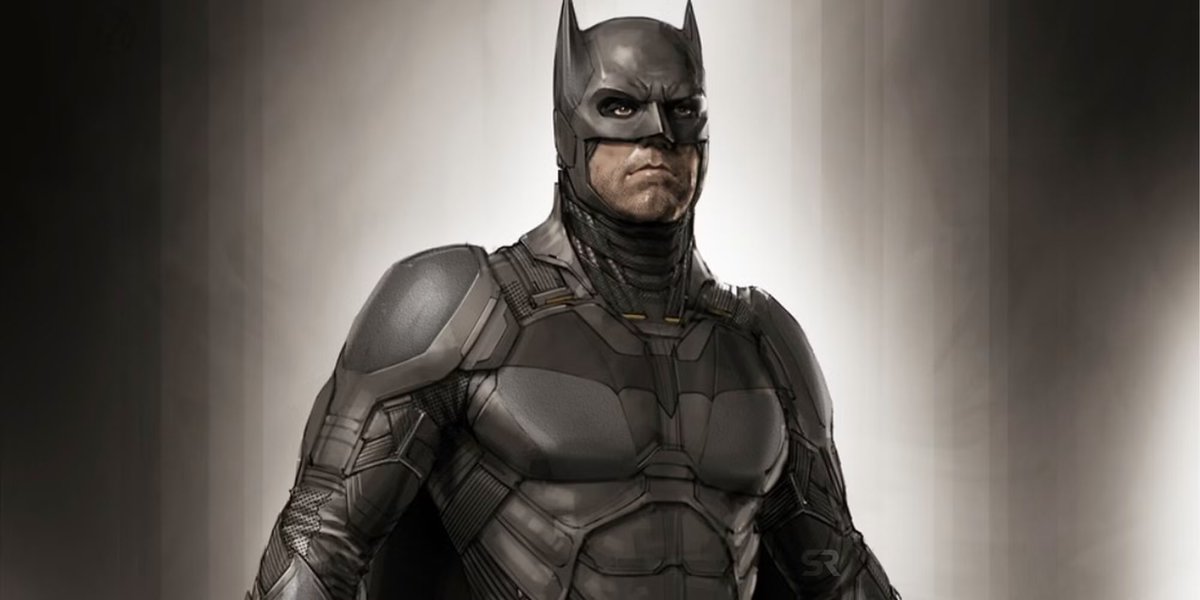
The Top Comics published details about what the solo Batman movie starring and directed by Ben Affleck would have been like, which was canceled. According to the account, Deathstroke would have been the main villain and would have blamed Bruce Wayne for the death of his son, with the goal of destroying his life. He would also have killed Commissioner Gordon and taken Alfred hostage. Barbara Gordon would have appeared severely injured alongside Batman in a key scene, and the final confrontation between Batman and Deathstroke would have been inspired by the combat cinematics of *Batman: Arkham Origins*. #TheBatman #BenAffleck #DCComics (translated)
LIFE IN THE REICH by historian Mike Walsh: The standard of living in Hitler’s Third Reich surpassed that of the developed world. Workers enjoyed a lifestyle comparable to movie stars. Germany led the world in fashion, medicine, cinema, lifestyle, manufacturing, transport infrastructure, public facilities, cutting-edge science, healthcare and education. https://barnesreview.org/product/life-in-the-reich-hitlers-germany-1933-1945/
Acting makes me feel alive. Deva Cassel at the Rome Film Fest: "Acting makes me feel alive." Her first leading role. #SocialCard #SostegnoFamiglie #CartaDedicataATe (translated)
Acting makes me feel alive. Deva Cassel at the Rome Film Festival: "Acting makes me feel alive." #MilanAtalanta #SerieA #Calcio (translated)
Acting makes me feel alive. Deva Cassel at the Rome Film Festival: "Acting makes me feel alive." #JuventusLazio #SerieA #Calcio (translated)
"We are friends, we were doing sports this morning, we were running, we had Nadège who told us 'they're calling us to come help', so we stopped everything we were supposed to do, we were supposed to go eat, go to the movies, we left everything, and we came, because it's normal actually," explains Laurence, 56 years old, teacher. #Lyon #Solidarité #Émeutes (translated)
Acting makes me feel alive. Deva Cassel at the Rome Film Festival: "Acting makes me feel alive." Her first leading role. #Legge104 #Permessi #Riforma2027 (translated)
Fabiola🍓 criticized the authors of #gfvip, claiming that they should have shown a clip capable, in her opinion, of initiating the first authentic dynamic. Instead, she stated that they were preparing a clip of a kiss to present in a romantic key and questioned their sincerity. #gfvip https://t.co/5tIJAPzP4j #gfVIP #realityshow #cinema (translated)
Acting makes me feel alive. DEva Cassel at the Rome Film Festival: "Acting makes me feel alive." #MilanAtalanta #SerieA #Calcio (translated)
The author presented Costa-Gavras as a storyteller of the century marked by Nazism, Stalinism, and imperialism, who would not have missed any major political issue of his time. He wrote that the series dedicated to his cinema explored what it said about history, hopes, and resistances. https://t.co/nu3BG3rp5D #Cinéma #Histoire #Résistance #FR #DE #RU (translated)