WRLD

Search

#comune
L
lastampa.it 5h

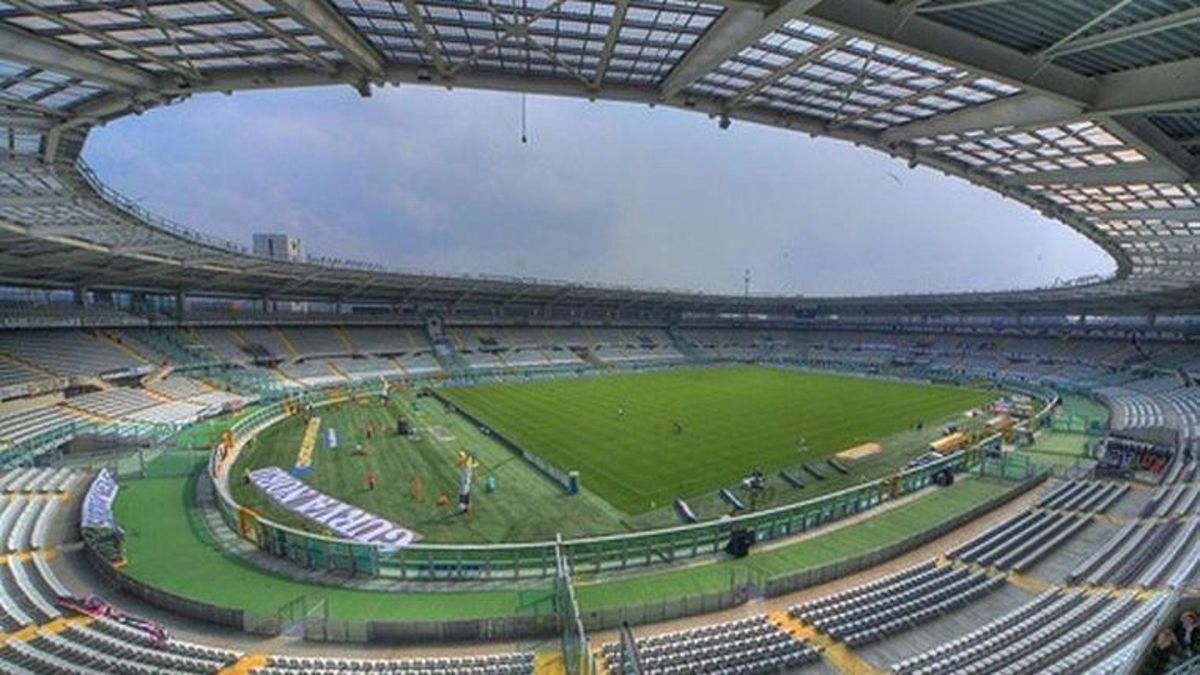
The Municipality of Turin has received a public-private partnership proposal from Torino FC for the management of the Grande Torino, marking the beginning of a new phase after twenty years of waiting. #Torino #GrandeTorino #partenariato_pubblico_privato (translated)

www.lastampa.it
Il Toro avrà il suo stadio, arrivata in Comune la proposta del club granata
1599
Giulio Cavalli 6h
Italian actor, writer and director (1977-)

The author had written that it took a legal authorization and a year of paperwork to find a name, while it only took a broken satellite phone to lose it. He wondered why the Municipality of Lampedusa and Linosa had remained silent since May 27. #Lampedusa #ASGI https://t.co/3GhYTlhXqJ #Lampedusa #dirittiumani #immigrazione #IT (translated)

1696
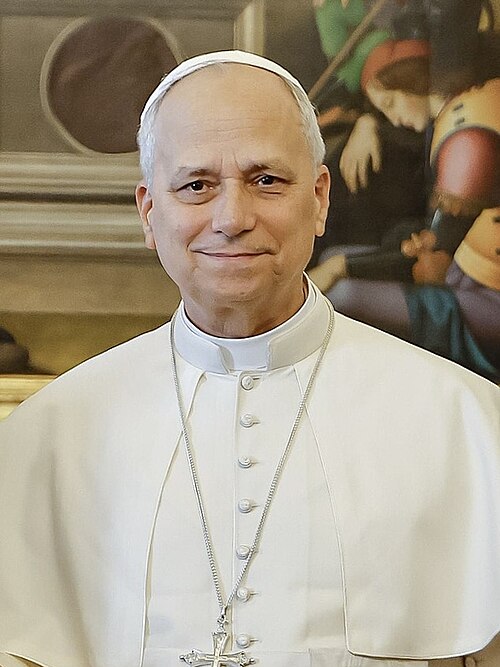
Leo XIV 8h
267th Pope of the Catholic Church (2025–)

Entrepreneurial vocation is a noble task if it is oriented toward the principle of the social function of property and capital. When economic profit is absolutized as the only criterion of success, the enterprise becomes dehumanized and turns into a structure of sin that generates exclusion. Entrepreneurs are called to subvert this technocratic logic through an ethical investment that prioritizes environmental sustainability and the dignity of work, starting from the assumption that financial success should be measured in terms of the common good. #PapaLeoneXIV #DignitàDelLavoro #EconomiaEtica (translated)

2124
Mediafax.ro 8h

The Parliament meets on Tuesday to decide on the leadership of TVR, the Public Radio, and the Court of Auditors, during a joint session with important appointments taking place in specialized committees. #Politic #Parlament #TVR (translated)

www.mediafax.ro
Ziua marilor numiri în Parlament. Deputații și senatorii decid conducerea TVR, a Radioului Public și a Curții de Conturi. Schimbări și la comisia de control al SRI
1864
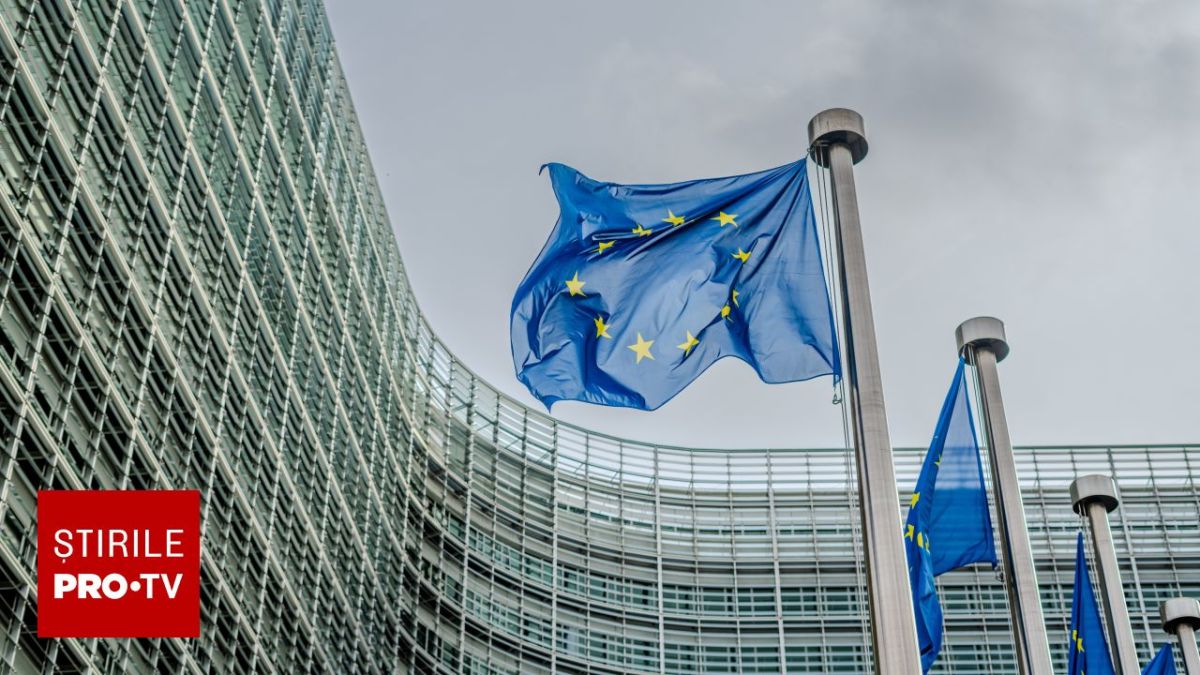
Stirile ProTV 10h

The European Union is facing an emergency to arm itself to defend its sovereignty, despite increasing financial difficulties, following discussions about common procurement of weapons and military equipment. #UniuneaEuropeana #Armament #Securitate (translated)

stirileprotv.ro
Uniunea Europeană are nevoie urgentă să se înarmeze pentru a-și apăra suveranitatea, dar banii sunt tot mai greu de găsit
1797
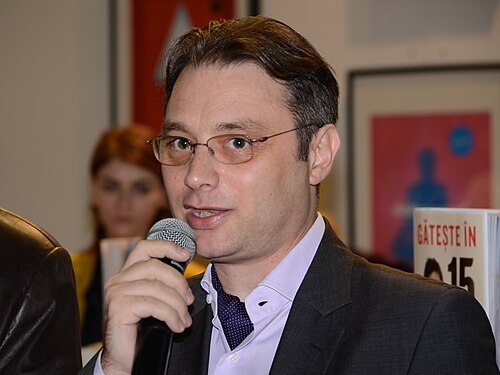
Luca Niculescu 21h
Romanian journalist and diplomat

"Our priorities focus on strengthening the Eastern Flank of the EU and security in the Black Sea," Niculescu communicated. "In a context marked by increasingly greater challenges in economic and security matters, I reaffirmed my Government's commitment to promoting the European project and closely collaborating with our European partners for a stronger, safer, and more competitive Europe," wrote Prime Minister Luca Niculescu on X on Monday evening after receiving Ursula von der Leyen at the Victoria Palace. "We appreciate the political and financial support provided by the Commission for the operationalization of the maritime security center in the Black Sea, as well as for Romania's search and rescue operations. We particularly value the close cooperation with the European Commission. This visit represents a new testament to our shared determination to strengthen Europe's collective response to the challenges we face," Luca Niculescu further communicated. #SecuritateMaritimă #MareaNeagră #ComisiaEuropeană (translated)

2521
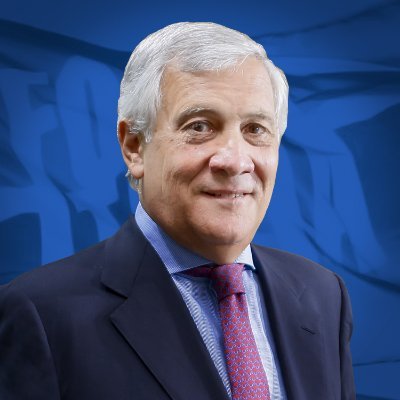
Antonio Tajani 23h
Italian politician (born 1953)

He reported being in Paris with German Foreign Minister Johann Wadephul and wrote that Italy and Germany shared a vision on major international challenges, starting with the war in Ukraine. He also argued that it was necessary to support the diplomatic efforts of the United States to pave the way. https://t.co/sbwm8uFMDn #Ucraina #Italia #Germania #IT #DE #UA #US (translated)

2329
ANSA.it 24h

In Milan, although the percentage of working women exceeds the national and Lombard average, a significant income gap compared to men persists, highlighted in the Municipality's Gender Budget which reflects both employment progress and the challenges still to be faced in wage equality. #ParitàDiGenere #OccupazioneFemminile #Milano (translated)

www.ansa.it
A Milano più donne al lavoro che nel resto d'Italia, ma pesa il divario di reddito
2334
Dragoș Benea 24h

"Over 55% of cities no longer meet the legal threshold of 10,000 inhabitants but have city administration. They are practically communes. It is possible. Right here in my county is the city of Slănic Moldova, which has a small population, bordering the city of Târgu-Ocna. It is possible that a city Târgu-Ocna will result in the end. It would also be natural; I know the area well," explained Dragoș Benea during the conference. #Politic #PSD #ReformaAdministrativa (translated)

2433
Il Post 1d

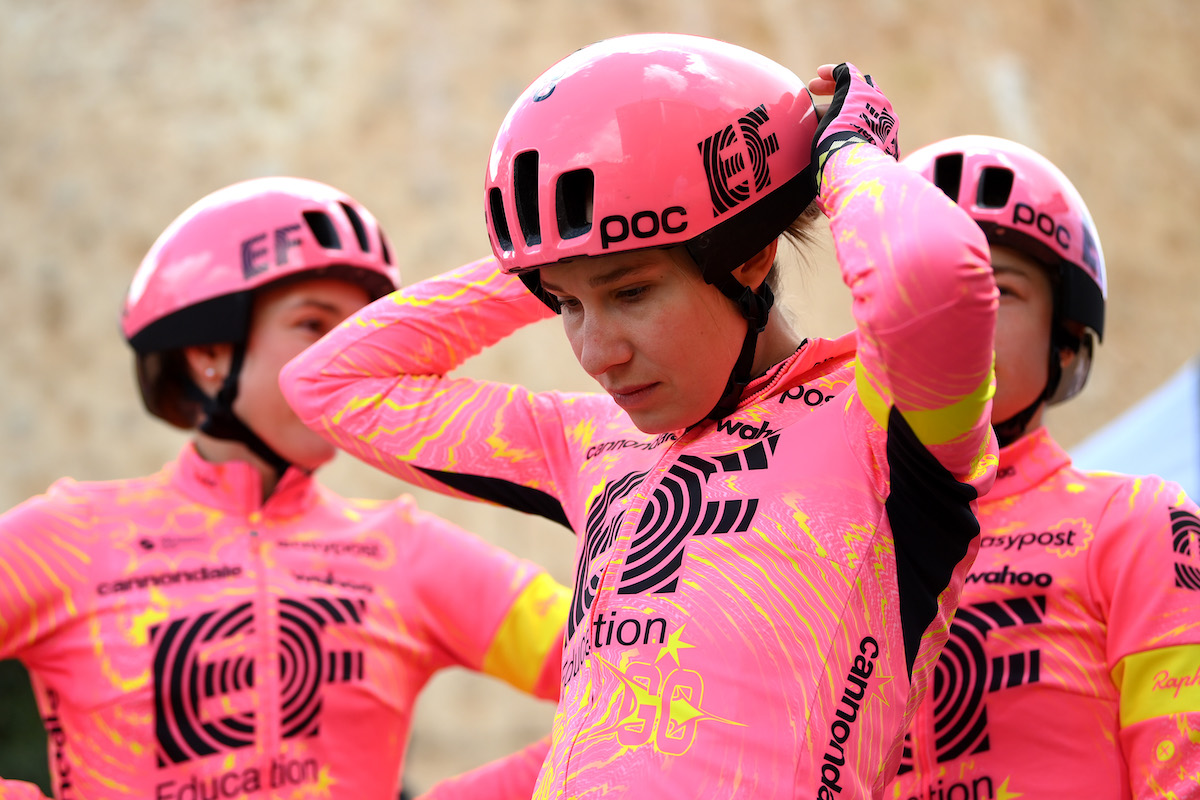
For many athletes, the absence of menstruation is common and can result from a lack of energy caused by insufficient nutrition, with serious consequences for physical and mental health. #Amenorrea #Atlete #SaluteFemminile (translated)

www.ilpost.it
Per molte atlete non avere le mestruazioni è normale
2490
Leo XIV 2d
267th Pope of the Catholic Church (2025–)

The common good, starting from a special attention to the last, must always be at the center of every policy. This was reiterated by Pope Leo XIV during the mass in Florida, where Our Lady of the Thirty-Three is venerated, a symbol of faith but above all tied to the patriotic history of Uruguay, a secular and somewhat un-Catholic country. #BeneComune #PapaLeoneXIV #Uruguay (translated)

3082
Pino Rotta 2d

Coordinated solitude, author Claudio Aloisio Written by Pino Rotta, November 8, 2026 Claudio Aloisio is a communication and marketing professional, a field in which he has worked for many years. When his first essay "Coordinated Solitude" (Ed. Ideacoop Media Service, 2026) was released, sharing the same field of activity and interests (albeit with different directions and experiences), I found it interesting to read it, especially since we share the same city but have not met, which was already a good reason to find the essay interesting and its title stimulating. "Coordinated solitude" is an essay that analyzes, with a wealth of documentation and bibliography, the phenomena of the formation of convergences or exclusions among groups and individuals through the study of media languages and, in particular, those of the digital domain. A field that has already been widely investigated for several years. My first approach to these new linguistic proposals dates back, among other readings, to a 1994 essay "Collective Intelligence" by Pierre Levy. In that essay, Levy, at the dawn of the web era, launched the idea that the network, which collected the contributions of millions of users, contained them all without controlling their paths, interactions, or effects. Stimulating concepts that today help us understand how much conflict can arise between theory and its application considering time and technological development. However, Aloisio surprises the reader with suggestions from the very first pages of the essay. In fact, despite addressing the analysis of digital languages with an epistemological line rooted in Anglo-Saxon studies, particularly American ones, from the outset the author seems to suggest that this is not a “technical” essay but is entirely political in the higher sense of the term. The first reference is found in the citation of an author who was among the fathers of European sociology in the early years of the last century: Emile Durkheim, one of the first sociologists and philosophers who analyzed social phenomena with enormous meticulousness and rigor, linking religion with social structure. This opening will be found in the subsequent pages of "Coordinated Solitude," but it will not be the only surprise in Aloisio's analytical developments. In the essay, the author describes how people who may share spaces, interests, and common values, by finding them in the digital world, can at a certain point recognize themselves in different affiliations and even come to see in others a “us” that makes them akin to their own story or a “them” that indicates a distance, exclusion, and even a threat in relation to it. The causes of these dynamics are very well structured in the essay, as is the well-structured context in which individual stories are born, meet, and ultimately find different outcomes. Outcomes that can lead to reinforcing one's affiliations, which, however, are discovered at the end of the interaction process and that, throughout the journey, rarely reach a state of awareness. Outcomes that are influenced by pre-existing value structures that do not necessarily coincide with those of the members of the groups with which one identifies or clashes. This path is analyzed by Aloisio by considering the social dynamics of the West, examining and contrasting similar but not necessarily overlapping social realities, such as American and Italian society. In the identification processes that coexist in these social realities, the belonging to social class, religious group, ethnicity, sexual orientation, and sense of nation enters strongly. Everyone has their own experiences, but at the end of a journey of interaction, now almost exclusively digital, one finds oneself sharing a sense of belonging with other multitudes of people who have completely different experiences. And in this sense of belonging, fears of the future, frustrations of the past and present are downloaded, and one is enveloped by fears and anger that must find an enemy to blame. An enemy that is often suggested by the discovery of affinities among the groups that are created, much more often than not created, on digital platforms. Addressing the current nature of the algorithms governed by Artificial Intelligence, the author suggests the method through which these affiliations arise, which can be irrational but are entirely real and influence individual and social daily life. The individual in the digital dimension, which becomes the everyday reality of social action, is called to take responsibility for maintaining their conviction and belonging or risk feeling excluded, isolated, alone. The weight of a choice that often becomes distressing and paralyzing. But how is it possible to read and interpret these “Coordinated Solitudes”? Aloisio's essay provides a reading and suggests a methodology to identify the path that sometimes, but not always, leads to the awareness of how certain choices are made and what elements need to be questioned to verify if the reading of these languages withstands the law of contradiction and thus can be used to ascribe scientific value to it. But at the end of this journey of understanding languages, forms of aggregation, and the proof of the compatibility of individual choices, Aloisio presents us with another surprise that speaks volumes about his educational journey. The discourse of education and the reading of digital languages is ultimately a discourse on democracy, on social structure, and these factors cannot be disregarded without risking losing the ability to give meaning to one’s social action as well as one’s communicative action. It is my view that the surprise that is the coherence of the entire analysis of the essay comes with the reference that the author makes at the end to the work of Jürgen Habermas. The most important philosopher, sociologist of language, heir of the Frankfurt School who passed away at the age of 97 in March 2026, is the foremost interpreter of the theory of democracy and of the criticism of oppressive authority, which does not exclude conflict but determines its progressive outcome through the mediation of communicative action. Communicative action that questions institutions not to destroy them but to avoid remaining subjected to authoritarianism and, in the form of linguistic mediation, to be active subjects, not subdued by a system that, due to the nature of formal institutions, can always degenerate into authoritarianism. Coordinated solitudes thus find themselves with a positive perspective, with outcomes that are never guaranteed or predetermined, but feasible for reconstructing trust in the future realized through the recognition of the other as part of a common living and not as a threat to be feared, excluded, or even suppressed. Lastly, it should be noted that, although not explicitly considered, Aloisio does not prioritize simplification in the reading of contexts, evading complexity as a fundamental element of contemporary society's reality (perhaps it would have been useful to refer to Edgard Morin's theories), but it is evident that complexity must be confronted with different analytical methodologies and that the appeal to the work of Zygmunt Bauman leads us to presume this. https://www.heliosmag.it/?p=1659 (translated)

222
Leo XIV 3d
267th Pope of the Catholic Church (2025–)

"A child from this country, so rich in resources, should not go to sleep without having eaten, nor should he forgo receiving an education and a dignified future because of the insecurity that prevails on the streets. Much less should he suffer violence to the point of losing his life," said Leone. "We must work together: the Church, civil society, and the State. We must shake off inertia and commit ourselves to the common good," Leone said, citing "the numerous cases of insecurity and violence that unfortunately threaten the peace of our neighborhoods, and even the lives of our loved ones, to which society so often responds with indifference." #Casavalle #PapaLeoneXIV #Povertà (translated)

3238
Leo XIV 3d
267th Pope of the Catholic Church (2025–)

"We need to reflect on these symbols that are common to us, that give us identity and a sense of belonging, that speak to us of our origins and project us into the future," stated León XIV. #LeónXIV #Uruguay #FeCristiana (translated)

3130
eldiario.es 3d

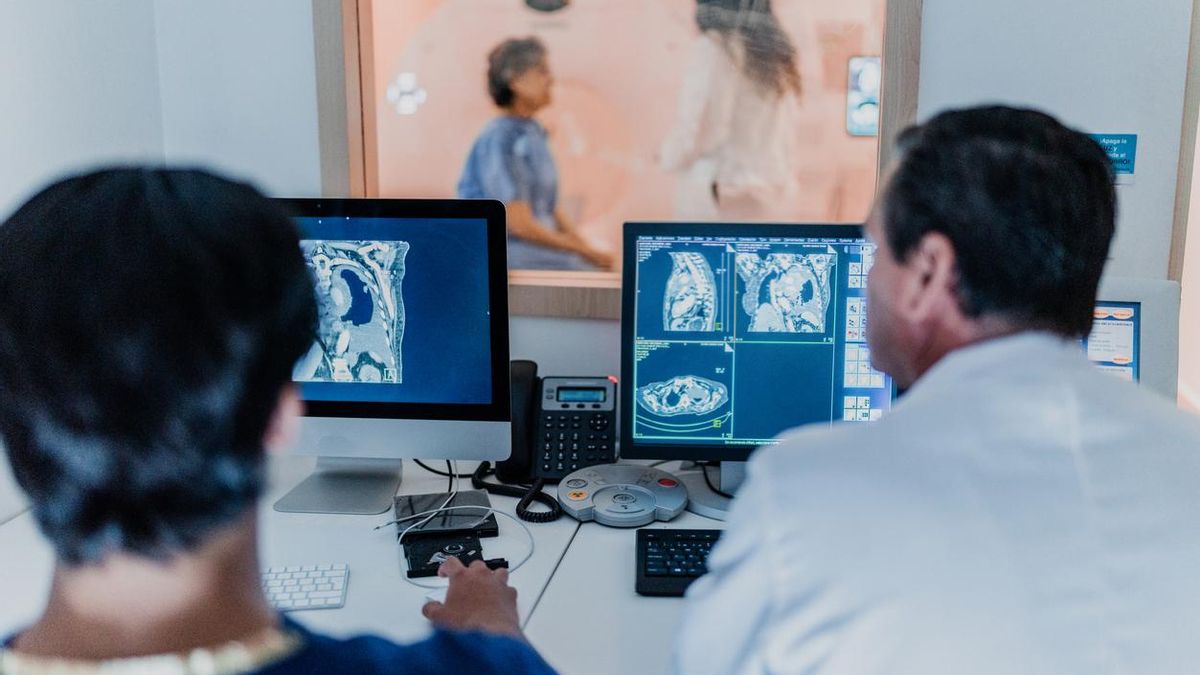
Hospitals are adopting artificial intelligence as a support tool, but its implementation lacks common standards to ensure the protection of patient data and accountability for potential errors. #InteligenciaArtificial #Salud #ProtecciónDatos (translated)

www.eldiario.es
Los hospitales avanzan en el uso de la IA sin reglas comunes para proteger los datos de los pacientes
3026
Luciano Magaldi Sardella (PhD) 4d

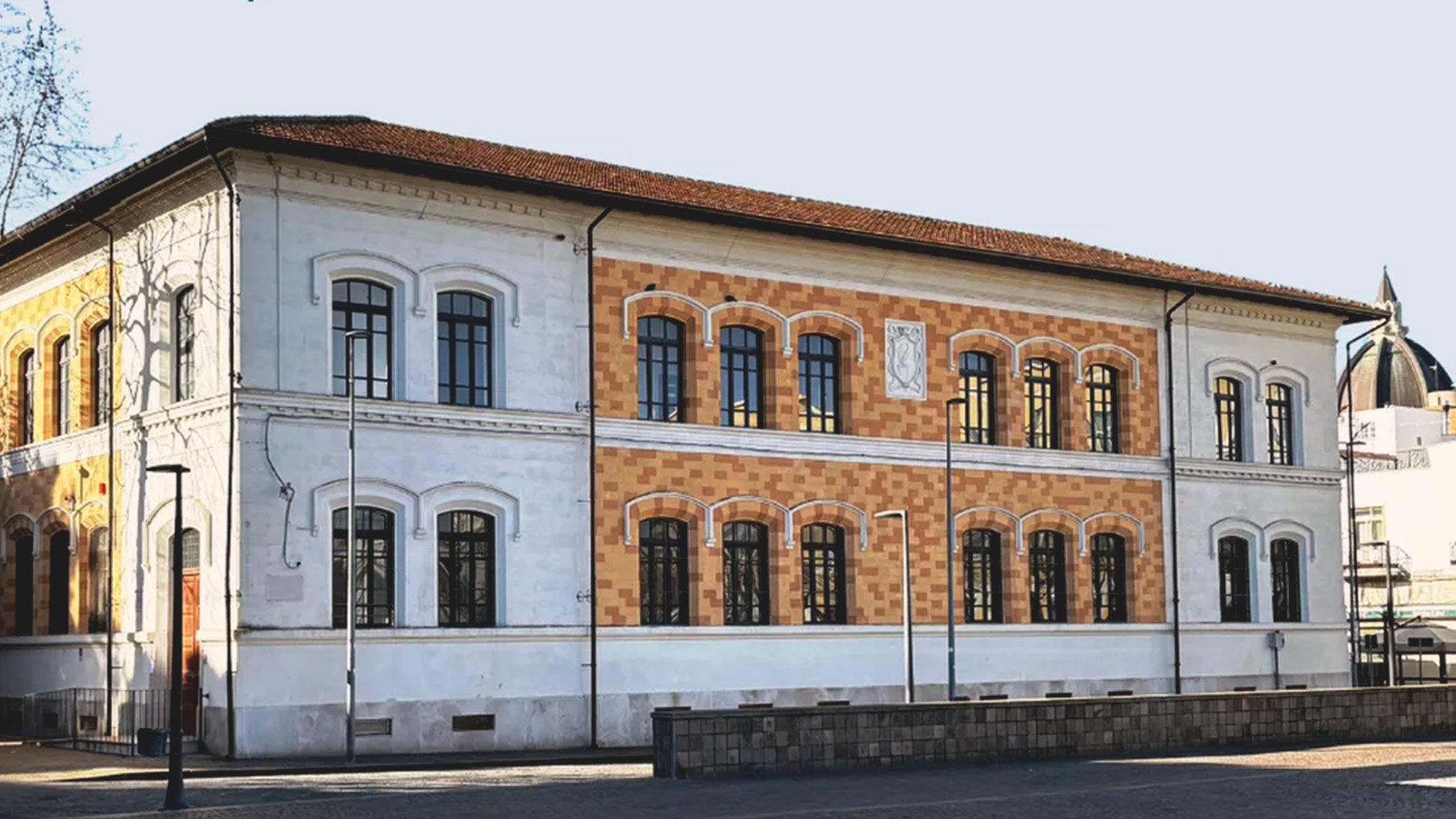
THE COMMUNITY LIBRARY AND DICTIONARY "NICOLA ZINGARELLI" ON THE PRESTIGIOUS "GLOBAL CAMPUS OF HUMAN RIGHTS" And if the health of a community began not in a clinic, but among the shelves of a library? Cerignola, March 13, 2026. A chain of hands crosses the city. From the old municipal library to the new home, built in the renovated schools, books pass from hand to hand. A man hands a volume, a little girl receives it, an elderly person passes it on. It’s not a move but a declaration. The new Community Library, in a city of 57,700 inhabitants in the heart of Puglia, bears the name of Nicola Zingarelli, the founder of one of Italy's most beloved dictionaries. And to every user, it offers the use of that very dictionary. As the “Community Dictionary”. Here lies the point that questions us, as jurists and as citizens. In Italy, many elderly people in the South and many migrants live daily in another language: dialect, mother tongue, Romance varieties. Law 482/1999 protects historical linguistic minorities, not these varieties. When a leaflet, an informed consent, a prescription remains only partially understood, the quality and safety of care are compromised. Not due to negligence. Due to linguistic distance. The dictionary of the great philologist and purist Nicola Zingarelli does not translate dialects and does not replace interpreters and cultural mediators. Let it be clear: it is a monolingual dictionary of standard Italian. Its strength, in terms of human rights, lies elsewhere. It removes economic and symbolic barriers to access to standard language and creates what we have called a “linguistic common resource”: a common space where anyone, regardless of income and education, can check the meaning of a diagnosis, a prescription, an administrative form. This is what we mean by “public bibliotherapy”. The right to health, as interpreted by the Committee on Economic, Social and Cultural Rights in General Comment No. 14, includes the right to health information. General Comment No. 21 recalls that libraries are cultural institutions whose accessibility is a priority. Article 32 of the Constitution protects health as a fundamental right and collective interest. Article 12 of the International Covenant on Economic, Social and Cultural Rights obliges states to ensure services that are available, accessible, acceptable, and of good quality, with accessibility expressly including information. Yet almost half of Europeans, according to a 2024 Council of Europe report, have limited health literacy. In Chisinau, on March 26, 2026, it was reiterated that this is a major obstacle to the implementation of Article 11 of the European Social Charter. Reading, understanding, choosing: without these abilities, the right to health remains an abstract promise. Cerignola responds concretely. And the first three months tell this story with numbers, not slogans: more than 7,500 new visitors, 526 new members, 1,293 participants in workshops. A study from Yale University in 2016, on 3,635 participants over 50 followed for 12 years, observed that those who read books died on average 20 percent less frequently than those who did not read. It is not proof that reading extends life but a strong hint that reading contributes to health. Not every library is a clinic, nor do we want it to become one. But a boxed collection, in transit, cannot be borrowed, consulted, shared. And an inaccessible collection does not benefit anyone's health. The human chain in Cerignola has restored availability and accessibility, transforming a stored inventory into a vibrant public service. England has integrated social prescribing into its National Health Service since 2019. The UNESCO Manifesto for Public Libraries promotes them as social and health hubs. When a library is forced to close, the issue is not just the cost. It is the legitimacy of a regressive measure, for which the state must bear the burden of proof. From here, four steps to ensure Cerignola is not an exception. First: integrate health literacy into national planning, with information in clear language and, where appropriate, in dialects and migrant languages, disseminated through libraries. Second: recognize public libraries as relevant infrastructure for the right to health, with stable funding and a human rights impact assessment before any closure. Third: support the Coalition for Health Literacy and Human Rights and the Rome Declaration, which the Council of Europe will discuss in Rome on December 4, 2026, and measure health literacy with ISTAT data disaggregated by language and age. Fourth: rigorously assess community libraries, not for attendance but for health literacy and access to services. Rights, like the books of Cerignola, if left boxed do not heal anyone. They must come out of boxes, pass from hand to hand, become comprehensible words. If you believe that a library can also be a health hub, spread this story. Cerignola has shown the way. Now it is up to the institutions to follow it. (translated)

www.gchumanrights.org
Claiming a community library under the right to health of linguistically marginalised communities in South Italy
225
Il Sole 24 ORE 4d

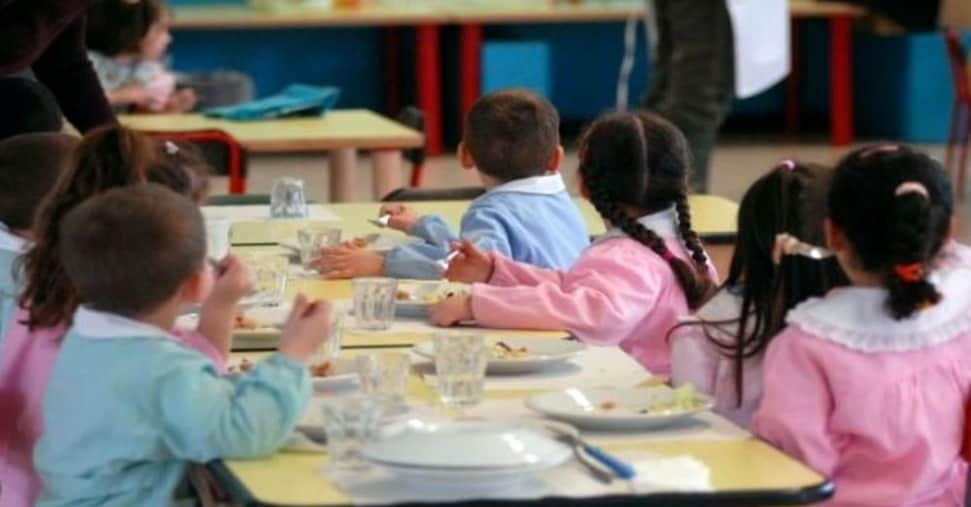
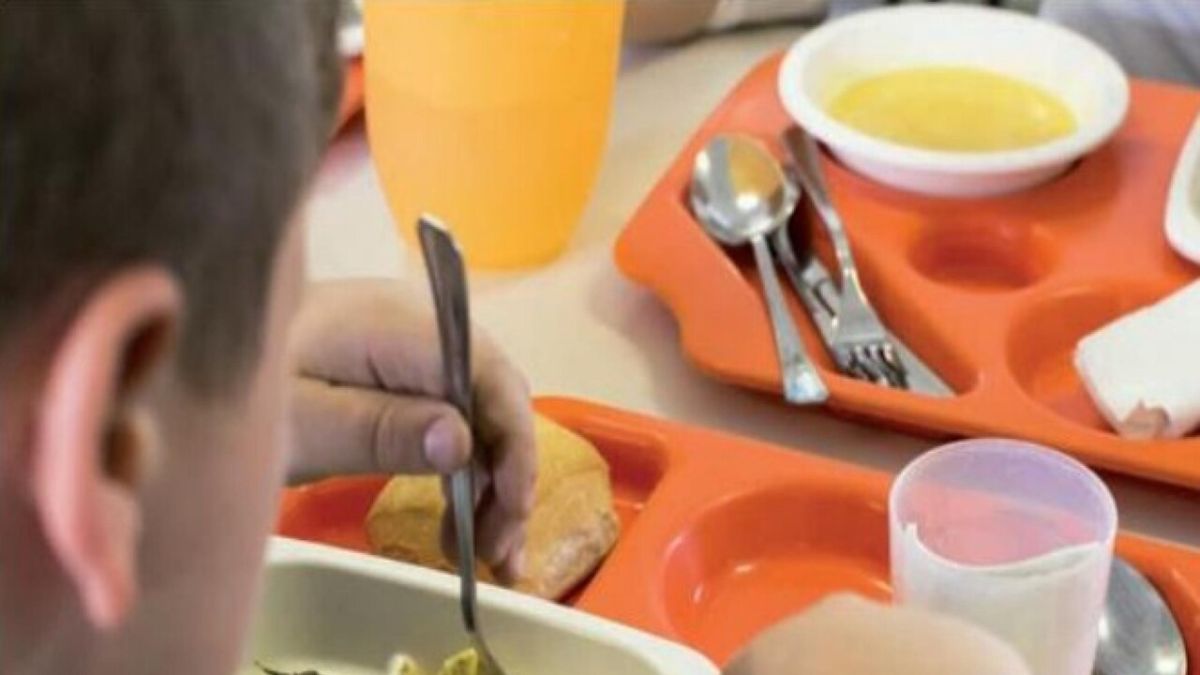
A parent reports that their 9-year-old daughter was excluded from the school canteen due to a debt of 12 euros, sparking a controversy with the Municipality of Taranto, which claims to have informed the family of the arrears. #Scuola #DirittiDelloStudente #Mensascolastica (translated)

www.ilsole24ore.com
Genitore denuncia: “Mia figlia esclusa dalla mensa per 12 euro”
2247
ANSA.it 4d

A parent from Taranto reports that their 9-year-old daughter was excluded from the school cafeteria due to an alleged debt of 12 euros, while the municipality claims to have informed the family about the overdue payment and states that the girl was picked up before lunch. #MensaScolastica #Taranto #DirittiDellaBambina (translated)

www.ansa.it
Un genitore denuncia: 'Mia figlia esclusa dalla mensa per 12 euro'
2247
ANSA.it 4d

A father reports that his nine-year-old daughter has been excluded from the school cafeteria due to an alleged debt of 12 euros, which was never communicated previously, and he has sent a formal notice to the Municipality of Taranto requesting her immediate readmission to the service. #DirittiInfanzia #MensaScolastica #Discriminazione (translated)

www.ansa.it
Un genitore denuncia: 'Mia figlia esclusa dalla mensa per 12 euro'
2473
Il Sole 24 ORE 4d

The article discusses the ethical challenges and the search for meaning in new business development models, highlighting the importance of governance in the impact of artificial intelligence and the need for innovation in the service of the common good. #CulturaImpresa #EticaTecnologica #InnovazioneResponsabile (translated)

www.ilsole24ore.com
Etica e ricerca di senso nei nuovi modelli di sviluppo
2812