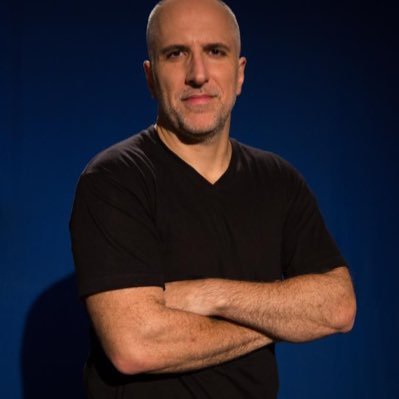
Antonio Tabet asked if that was the "mass communication" his interlocutors wanted, described the situation as a "good monkey" and said goodbye. https://t.co/NUc3QGfecN #Comunicação #Mídia #Cultura (translated)

Antonio Tabet asked if that was the "mass communication" his interlocutors wanted, described the situation as a "good monkey" and said goodbye. https://t.co/NUc3QGfecN #Comunicação #Mídia #Cultura (translated)

In response to the protests that erupted in several French cities, President Emmanuel Macron called an emergency meeting with the government, which will include the Prime Minister and ministers of Education and Interior, with a communication to the country scheduled after the meeting. #França #Protestos #EmmanuelMacron (translated)

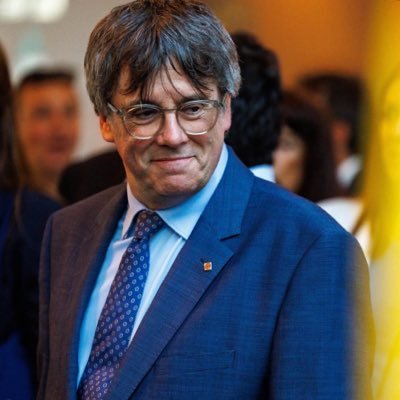
"defeat of the strategy of various Spanish public powers that prevented and delayed the application of the amnesty for strictly political reasons" In a statement from Belgium transmitted by Spanish media, Puigdemont considered that the decisions of the Spanish justice this Tuesday are the "defeat of the strategy of various Spanish public powers that prevented and delayed the application of the amnesty for strictly political reasons." #Puigdemont #Amnistia #Catalunha (translated)
The Workers' Commission of Lusa denounced the agency's management for alleged interference in the editorial line by proposing names for the delegation in Brussels, expressing concern about the lack of transparency in the contracts of international delegates. #ComunicaçãoSocial #LiberdadeDeImprensa #Transparência (translated)

POPTime reported that Ana Elisa had arrived in Brasília and would meet with Lula later that day. According to the profile, she would work in the president's communication team during the second round. https://t.co/EmSvaqaimq #AnaElisa #Lula #Comunicação (translated)
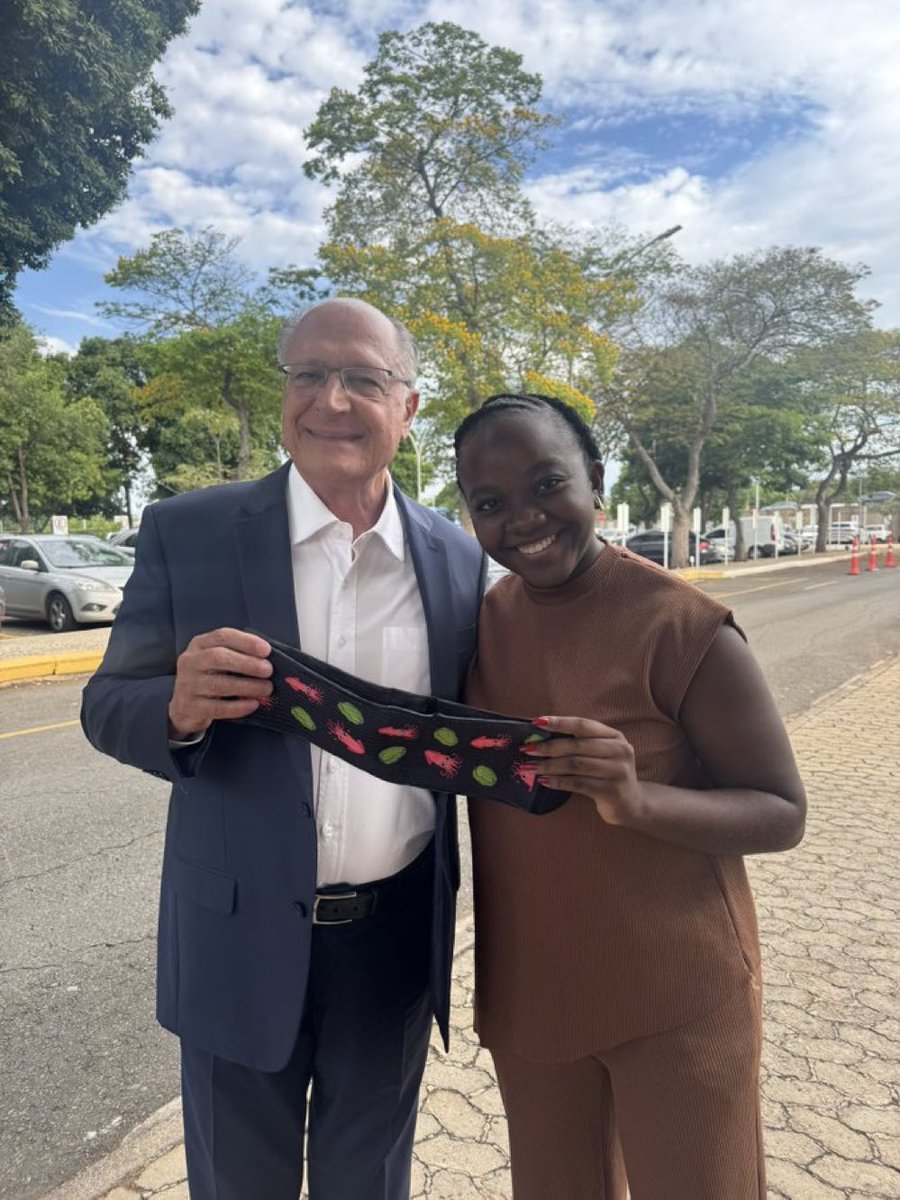

The Political Axis reported that Ana Elisa (PT-MG), elected federal deputy at 21 years old with 524 thousand votes, was arriving in Brasília to strengthen the digital communication of Lula's (PT) campaign in the second round. According to the profile, she had over 2 million followers on social media, had demanded changes in the campaign's language, and would meet that day with the president. #DeputadaFederal #Lula #Eleições2022 (translated)
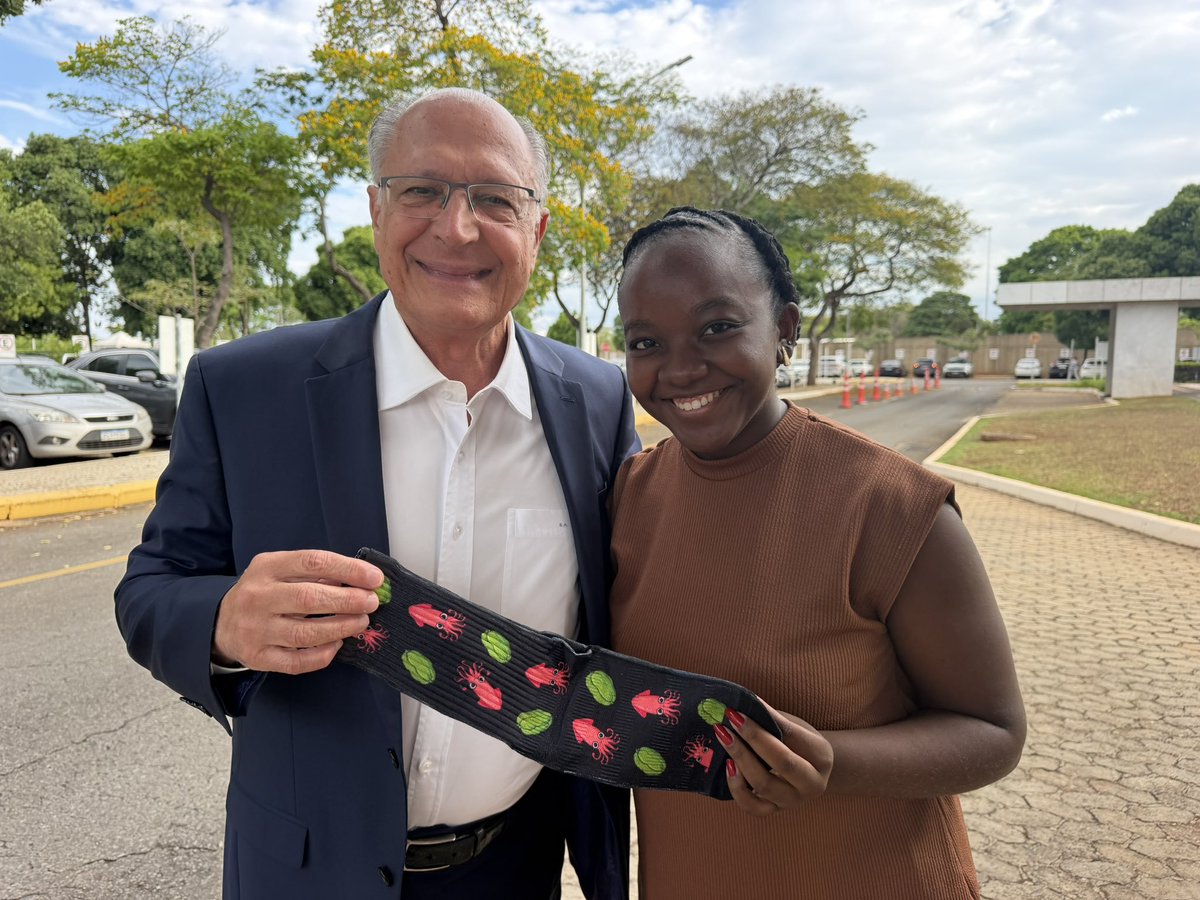

Renato Souza stated that Luciana Barreto was among the best journalists of today and said he perceived truth and conviction in her speeches. He wrote that she had decided to dedicate her talent and effort to public communication. https://t.co/6vKjH4uncD #Jornalismo #Comunicação #Talento (translated)


Jones Manoel stated that he had already sought representatives of the PT in Pernambuco and at the national level to offer himself for the campaign. He said he would participate in street activities and also made himself available to help with digital communication strategy and actions across Brazil. He added that he wanted to contribute. #PT #Pernambuco #Eleicoes2024 (translated)

Matheus stated that Belle Daltro used direct communication, which, in his assessment, was necessary for Lula's campaign in the second round. https://t.co/AkzvQqzVgs #Lula2022 #Campanha #Comunicação (translated)


DJ GAYBI criticized the comments, saying that she was referring to the fact that Tata had posted only a star in her story and left people to guess the meaning. She also considered her positioning to be very weak. #comunicacao #opiniao #novelas (translated)
POPTime reported that Ana Elisa stated that without learning to communicate over the internet, the left would have a lot of difficulty winning the second round. https://t.co/bicZR9vzke #esquerda #comunicação #eleições (translated)

Jones Manoel reported that he prepared a link on Drive with critical communication materials regarding the Bolsonaro family, intended for circulation in WhatsApp groups and on platforms like Instagram, TikTok, and Kwai. He said that he used many of the videos in his campaign and that all reached audiences in the millions. https://t.co/jvnXAFuAS9 #Bolsonaro #Comunicação #Campanha (translated)

The fan account Sabrina Carpenter Brasil reported that their mobilization was confirmed for the Student Protest on 07/10 and that its members intended to attend. According to the post, an exclusive group was created to organize the meeting point and the distribution of stickers. The account stated that, for security reasons, entry into the group would depend on sending the last four digits of the cell phone number via private message. https://t.co/m9VD84k1MU #ProtestoEstudantil #Mobilização #CarpinteirosCariocas (translated)

Jones Manoel said that Lula's campaign should act quickly, instead of spending weeks with self-criticism. He stated that the first decision should be to change the communication and hand it over to people who had good results at the polls. https://t.co/nN3CmAF3vb #Lula #Comunicação #Campanha (translated)


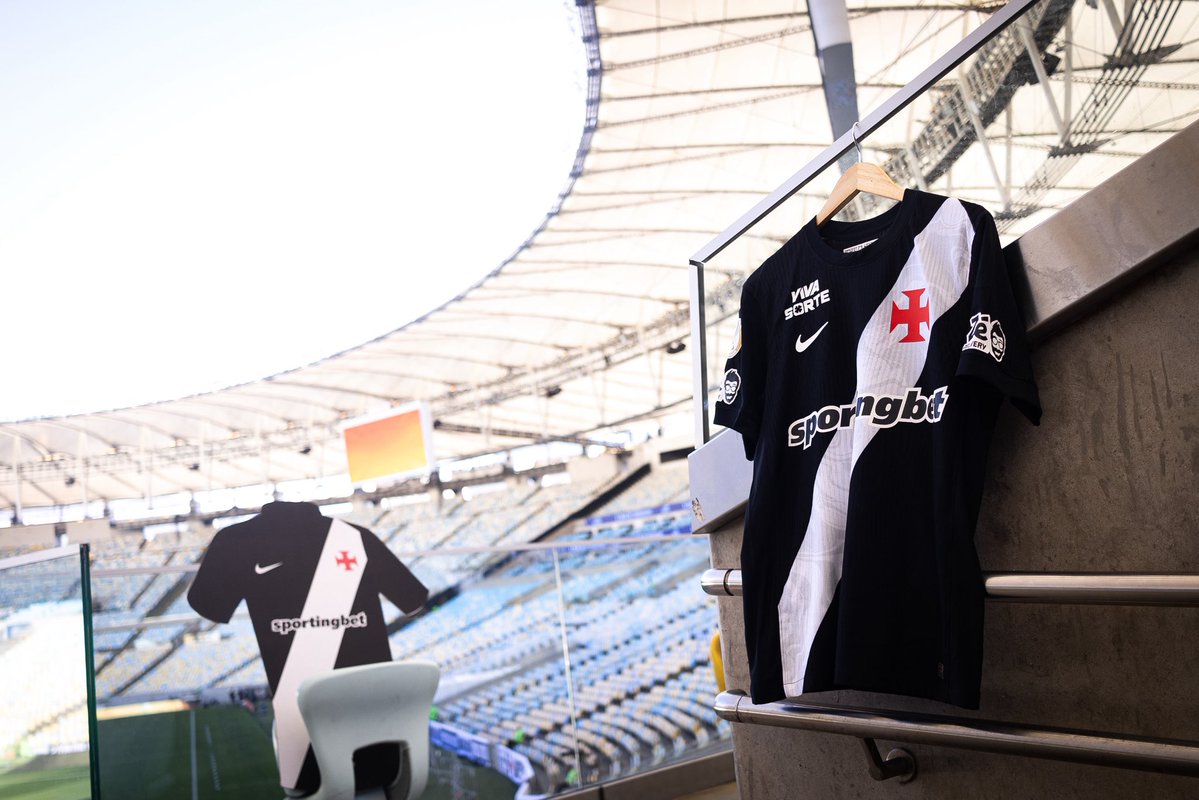
newscolina reported that the Public Prosecutor's Office of Rio de Janeiro strongly recommended to the Consortium the release of the Maracanã for Vasco x Boca Juniors, which, according to the publication, increased the pressure surrounding the Fla-Flu. The page stated that the MP argued that the stadium was a public asset and cited a recommendation from the Military Police of the State of Rio de Janeiro for the match to be held at the venue. According to newscolina, the document also warned that a refusal could lead to extrajudicial and judicial measures, including a public civil action and a communication to the Grantor Authority to investigate possible contractual non-compliance. The publication stated that Vasco's request had the support of the Military Police and the Public Prosecutor's Office. The information was credited to Gustavo Tutinha, and the photo to Matheus Lima. #Maracanã #Vasco #BocaJuniors (translated)

Orlando Calheiros said he was intrigued by analyses about who was to blame, as he believed they often spared those who received a lot of money to coordinate campaigns, held strategic positions in communication, and did work that he characterized in harsh terms. #Análise #Comunicação #Responsabilidade (translated)
The Regulatory Entity for Social Communication (ERC) and the Professional Journalist Card Commission (CCPJ) are investigating suspicions of irregularities at CentroTV, which started covering the Coimbra region for TVI/CNN Portugal, raising questions about incompatibilities in the functions of the station's news director. #Jornalismo #CentroTV #Coimbra (translated)

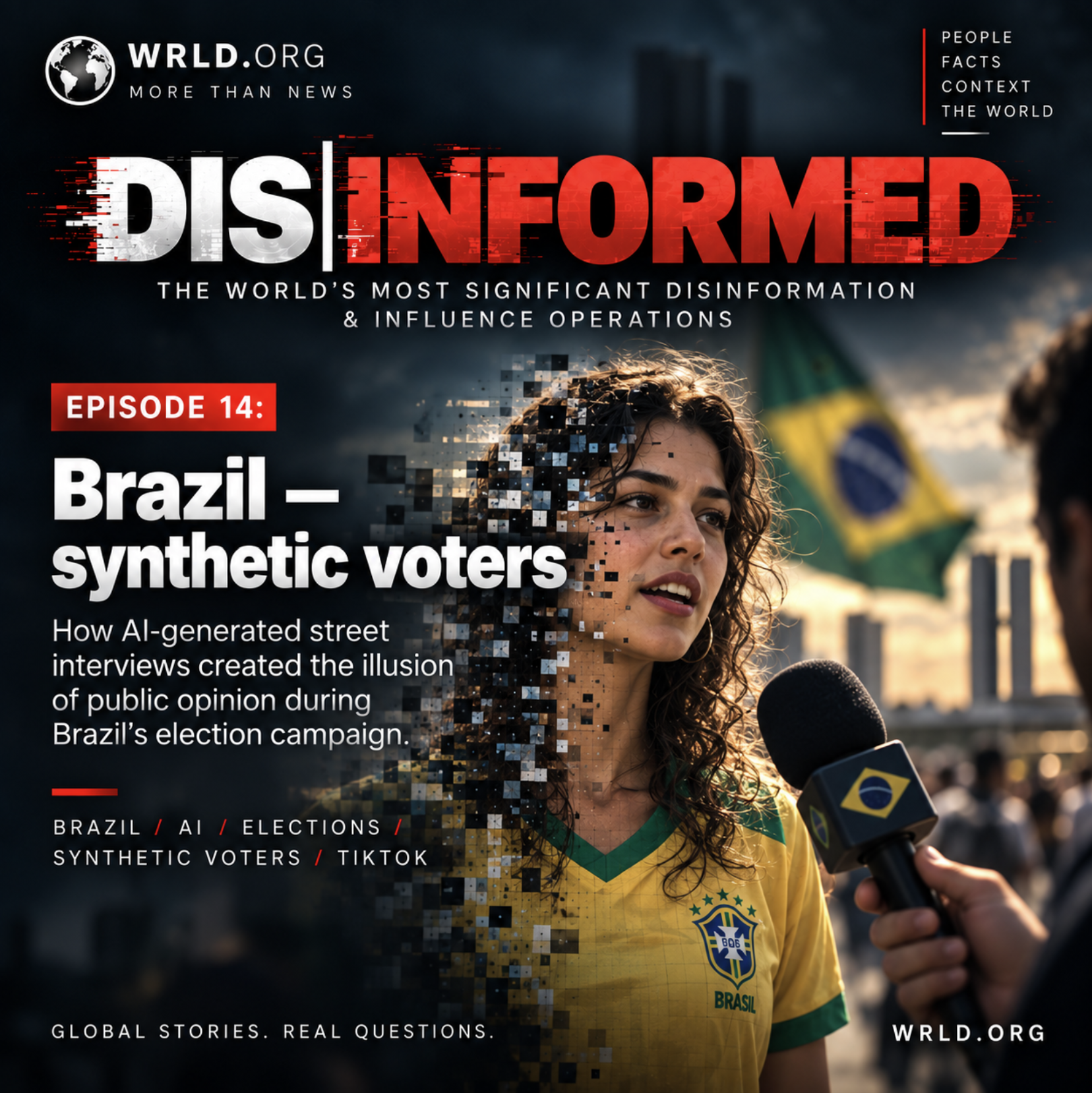
Brazil’s synthetic voters – when AI manufactures public opinion They look like ordinary street interviews. A reporter approaches a passer-by in a Brazilian square and asks a simple question: who will you vote for? A young voter explains why Luiz Inácio Lula da Silva deserves another term. An elderly woman says Brazil needs Flávio Bolsonaro because he represents political renewal and greater security. The locations look plausible, the microphones are visible and the answers sound much like the brief political opinions heard in television vox pops around the world. None of the people are real. Ahead of Brazil’s presidential election on 4 October, fact-checking organisation Aos Fatos identified at least 50 TikTok videos in which artificial intelligence was used to manufacture voters, reporters and apparently spontaneous political interviews. Together, the videos had accumulated around 7.4 million views by mid-August. Some promoted Lula, others Flávio Bolsonaro, while another group used synthetic characters to ridicule or stereotype supporters of one side. Aos Fatos found no apparent evidence linking the accounts producing the videos to either presidential campaign. The opinion poll that never took place The format is important. These were not conventional deepfakes in which a recognisable politician is made to say something he never said. Instead, the creators reproduced the visual language of the vox pop – the short street interview used by broadcasters and social-media creators to illustrate what ordinary people supposedly think. In pro-Lula videos, synthetic voters described themselves as beneficiaries of social programmes or credited the president with improving their lives. In videos supporting Flávio Bolsonaro, artificial interviewees associated him with political renewal, public security and fighting corruption. Other clips were openly hostile: AI-generated characters presented as poor or living in parts of Brazil’s north-east were shown in dirty clothes or run-down surroundings, declaring support for Lula because they supposedly preferred welfare payments to work. The deception is therefore subtler than fabricating a candidate’s statement. It manufactures something that political communication normally treats as evidence of public sentiment. A real vox pop may be unscientific, but the people interviewed at least exist. These videos created the appearance that identifiable social groups – young people, pensioners, welfare recipients or residents of particular regions – were spontaneously expressing political preferences when no such encounters had taken place. An electoral-law specialist interviewed by Aos Fatos described the technique as the fabrication of a “social fact that never occurred”. That captures the central innovation: AI is being used not merely to falsify political speech, but to manufacture the impression of grassroots opinion. Fifty videos, but not one proven network The available evidence does not support describing the 50 posts as a centrally controlled influence operation. Aos Fatos located them through TikTok searches and recommendations produced by the platform itself, then examined the accounts responsible for publication. Most had relatively small individual audiences, although their combined reach was substantial. The first examples identified by the investigation appeared as early as March 2026. Activity increased in June and was concentrated particularly in July and the first half of August as Brazil’s election calendar intensified. Some accounts specialised in AI-generated videos generally, including fabricated podcast-style material. Others were explicitly political or supportive of a candidate, but Aos Fatos found no apparent links between those profiles and the official Lula or Bolsonaro campaigns. That distinction is essential. The evidence demonstrates a common technique and a shared political environment, not a single command structure. Some creators may have been motivated by ideology, others by engagement or monetisation. Publicly available evidence does not establish who commissioned the individual videos or whether any coordination existed between the accounts. This decentralised model also creates a different enforcement problem from a traditional bot network. There may be no headquarters to expose and no infrastructure whose removal disables the entire operation. The format itself can be copied by anyone with access to inexpensive generative-video tools. When the algorithm mixes real and synthetic citizens Aos Fatos documented another important feature of the phenomenon: TikTok’s recommendation system placed AI-generated interviews alongside genuine street interviews. For a user scrolling quickly through the platform, the transition between an authentic citizen and an entirely fabricated one could therefore be almost invisible. In 18 per cent of the 50 videos analysed, there was no indication that the people shown had been generated using AI. After Aos Fatos provided TikTok with the videos, the company said it had removed all of them for violating its rules on edited and AI-generated media. TikTok said its policies require creators to identify synthetic content and prohibit manipulated media capable of misleading users about matters of public importance or impersonating genuine journalistic material. The issue extends beyond one platform. Factchequeado’s review of Brazil’s 2026 election campaign found that synthetic endorsements and other deepfakes had become one of the most visible forms of AI-assisted electoral misinformation, alongside fabricated candidate statements and invented scenes. Brazil already had rules for synthetic politics Brazil entered the campaign with unusually detailed electoral rules governing artificial intelligence. The Superior Electoral Court, the TSE, requires electoral propaganda using synthetic multimedia to disclose clearly that AI was used. More importantly for the fake-voter videos, its rules prohibit synthetic audio or video used to favour or harm a candidacy when it creates or alters the image or voice of a living, deceased or fictitious person. The difficulty is attribution and enforcement. When a synthetic video is published by an official campaign, responsibility can be relatively straightforward to investigate. When it comes from an apparently independent account with no demonstrated relationship to a candidate, lawyers interviewed by Aos Fatos said responsibility is more likely to fall on the individual creator, while imposing electoral sanctions on a campaign would require evidence of a connection. For the final 72 hours before the election and the 24 hours following it, the TSE has imposed additional restrictions on newly published or republished synthetic material involving candidates or public figures, reflecting the particular difficulty of correcting fabricated content immediately before voting. From deepfake politicians to synthetic electorates The Brazilian case illustrates a broader change in political manipulation. The first generation of electoral deepfakes concentrated on famous people: make a politician appear to say something damaging, or fabricate an endorsement from a celebrity. Synthetic vox pops reverse the perspective. The politician can remain completely authentic; it is the electorate around the politician that is fabricated. That changes the psychological proposition of the message. Instead of saying the candidate believes this, the video suggests people like you believe this. Age, clothing, accent, neighbourhood and social class can all be generated to construct an artificial constituency around almost any political claim. There is no evidence that the 50 Brazilian videos identified by Aos Fatos constitute a single centrally directed campaign, nor evidence that they changed voting intentions. What they demonstrate is a technique whose barrier to entry has become extremely low. AI no longer needs to forge the politician. #DISINFORMED #Episode14 #Brazil #BrazilElection2026 #Elections #ElectionDisinformation #ArtificialIntelligence #AI #GenerativeAI #SyntheticVoters #SyntheticMedia #AIAvatars #AIGeneratedVideo #VoxPop #FakeInterviews #Astroturfing #AIPropaganda #PoliticalDisinformation #InfluenceOperations #InformationWarfare #SocialMediaManipulation #TikTok #PublicOpinion #ManufacturedConsent #SyntheticPublicOpinion #DigitalInfluence #Deepfakes #ElectionIntegrity #TSE #AosFatos #FactChecking #OSINT #MediaManipulation #WRLD (translated)

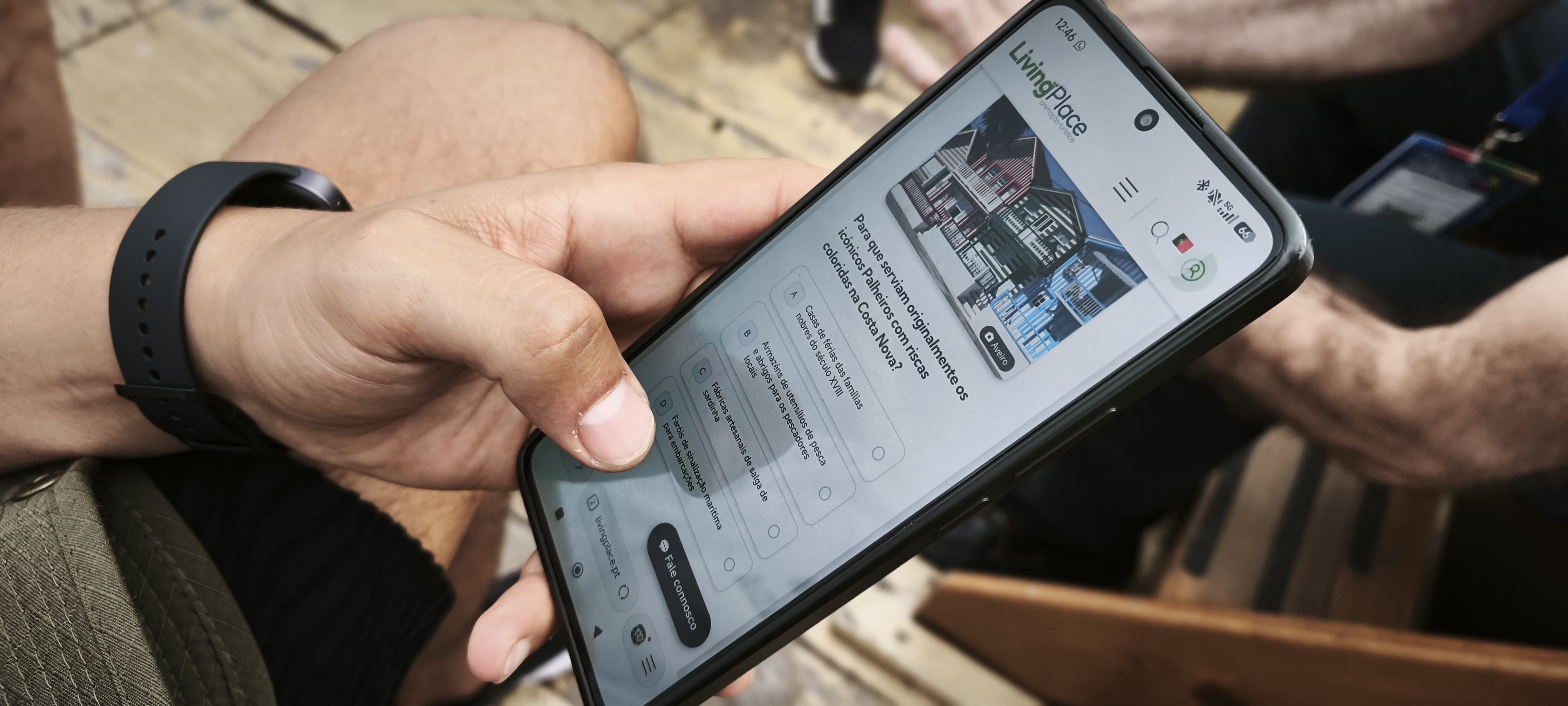
Corporate Team Building in Aveiro 🗺️ Dynamic corporate team building activity for the company FEPSA on 05/10/2026, in the city of Aveiro, in partnership with Aveiro com Paixão. An immersive program designed to develop communication, leadership, strategic thinking, and motivation through teamwork. The experience included routes through the Ria canals and salt pans, combining imagination dynamics and group focus with environmental awareness, discovery of historical culture, and active support for the local economy and gastronomy (notably the promotion of Aveiro salt). Learn more about our corporate solutions for companies and teams at: https://livingplace.pt/ https://livingplace.pt/ (translated)


The treasurers' profile stated that a real-time post summarizing what the president had just said surpassed 50,000 shares. According to the profile, this showed that the message had worked and was circulating. It also reported that several people complained about the post not being a vertical video, edited, and subtitled — a format that, according to treasurers, had already been published on Instagram. The profile added that edited videos were important, but that first-hand information was also valuable, and said that the text had circulated more than the video. #Informação #MídiasSociais #Comunicação (translated)





