
The AI diversity deficit - Royal Society of Arts https://t.co/BGkGhWPrhb great piece on AI and humanity by Albhy Galuten #AI #Diversity #Humanity #Thetweetdoesnotmentionanyspecificcountries #sotherearenocountrycodestoreturn.
The AI diversity deficit - Royal Society of Arts https://t.co/BGkGhWPrhb great piece on AI and humanity by Albhy Galuten #AI #Diversity #Humanity #Thetweetdoesnotmentionanyspecificcountries #sotherearenocountrycodestoreturn.
Forget ‘superintelligence’: error-prone AI nearly sparked worldwar 3? Timnit Gebru Emily Bender https://t.co/sgvxhzScJF “The first loss of control will not look like a machine seizing power, it will look like humans quietly surrendering judgment to a system that sounds certain” #AI #Superintelligence #Technology #Nospecificcountriesarementionedinthetweet.
AI Is Getting Smarter. Is Humanity Getting Wiser? | Gerd Leonhard https://t.co/p8dFJmyiQ7 great chat with bill halal !! On AI and human consciousness:))) must watch #techvshuman #thegoodfuture #AI #consciousness #technology #Thetweetdoesnotmentionanyspecificcountries.Therefore #therearenocountrycodestoreturn.

To be more precise: there will be a massive ideological fight between "exclusive humanism" defining humanity in opposition to AIs and "inclusive humanism" attempting to include AIs in the project of humanity as participants. This has already started: the "exclusive humanism" #Humanismo #IA #Filosofía #Nospecificcountriesarementionedinthetweet.
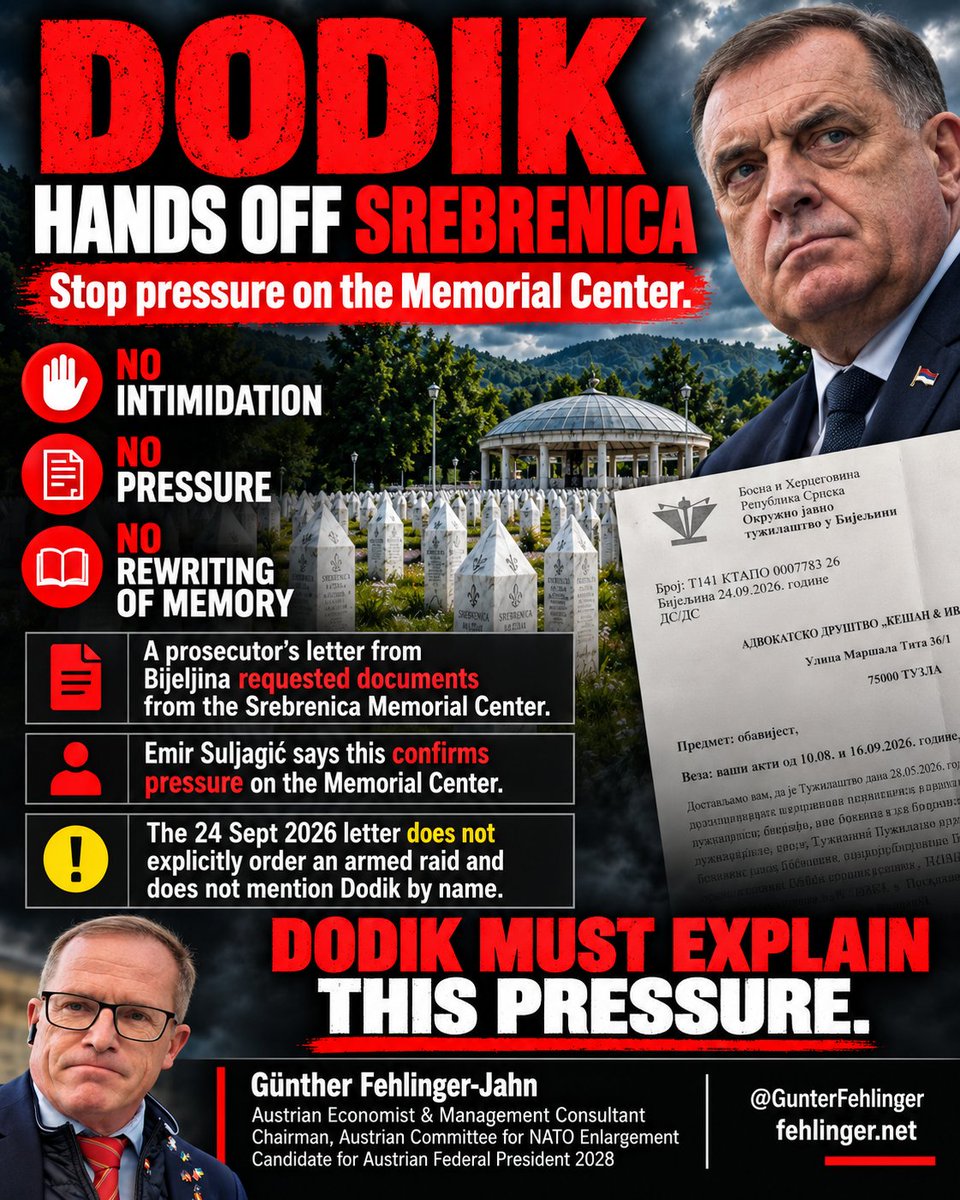
SREBRENICA MEMORIAL CENTER MUST NOT BECOME A POLITICAL BATTLEGROUND. A letter dated 24 September 2026 confirms that the Bijeljina prosecutor asked Zvornik police to obtain financial/material documentation from the Srebrenica Memorial Center. Emir Suljagić says this confirms his https://t.co/V1QWq4aop9 #Srebrenica #Memorial #HumanRights #BA

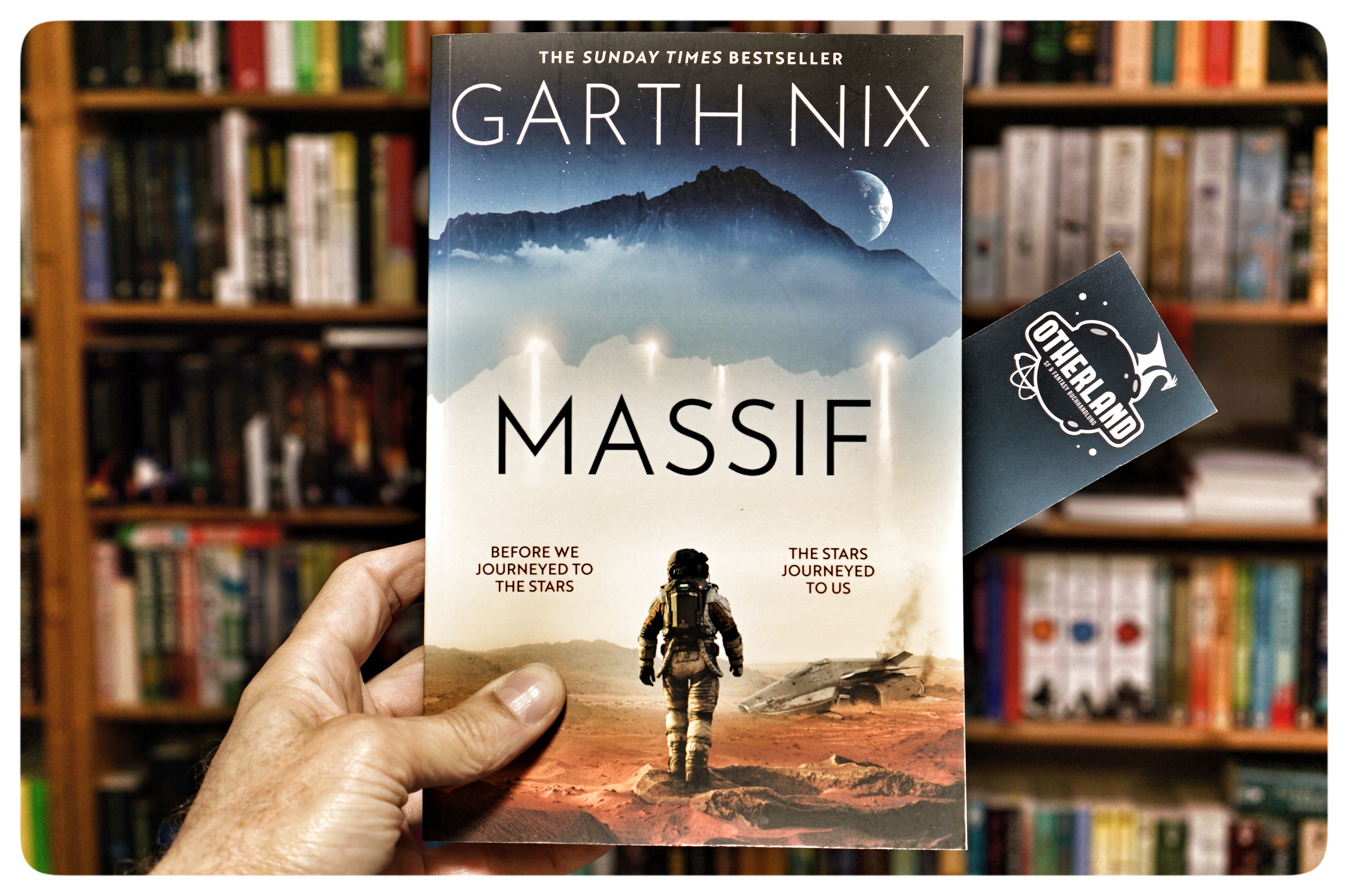
Massif by Garth Nix It's business as usual for Ship Leader Parnell Shi-Sawahla and the crew of the corvette Sassafras. Ride a Massif to a new system, fight the enemy, repeat. For more than two hundred years humans have been hitching rides on these sentient, starfaring mountain ranges, colonising planets and exporting an on and off again war between Earth and Mars. But the big questions are always there, behind every battle, every new colony, every new star system discovery. Why do the Massifs carry humans to the stars? Why do they help us export our wars? What's in it for the Massifs? Ship crews aren't supposed to ask these questions, they aren't supposed to think about these questions, and they definitely aren't supposed to go deep and talk to Massif avatars. But now Parnell and his tight-knit crew must try to find the answers, to save not only themselves but the future of humanity.

Putin is bombing schools, universities, and hospitals. And he is kidnapping children from Ukraine who also want to make music in peace. Shame on you!!! (translated)

I don't even understand why Bardella lied. To buy time? I hear you. Gaining 48 hours? No interest. Persisting makes it pitiful. To err is human, to persist is diabolical. Deserved end of career. (translated)

Knafo destroys Bruno Le Maire on the money of the French that he has squandered greedily. "Stop squandering the money of the French in Togo, Benin or elsewhere, when France is twice as indebted as the 54 African countries combined: that is humanistic." (translated)

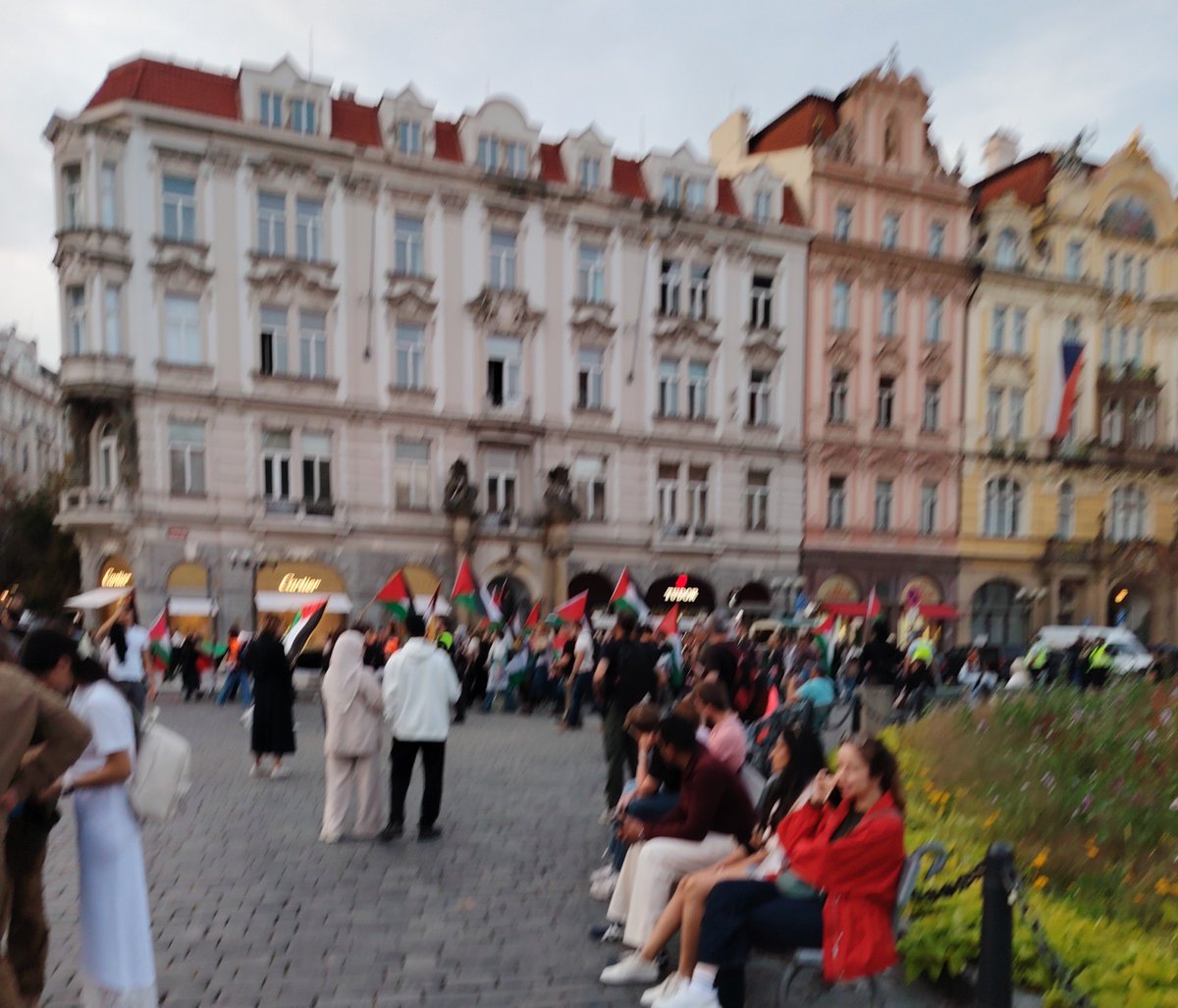
Today, a group with Palestinian flags marched through Old Town Square, calling "glory to Iran." Can I ask how Iran helps Palestine? Does it accept refugees or send humanitarian aid? No - the only thing it does is bomb Israel. These people do not want to save the Palestinians, but to destroy the Jews. 🤷 (translated)
"The ICC [International Criminal Court] speaks of 'crimes against humanity' and 'war crimes' [...] and, most importantly, it is not the qualification used but the action taken that matters." (translated)
The execution of Christa Pike in Tennessee failed due to issues with lethal injection, highlighting the dysfunctions and incompetence of the correctional staff at a time when the method is increasingly being questioned for its apparent humanity in the face of a often brutal reality. (translated)

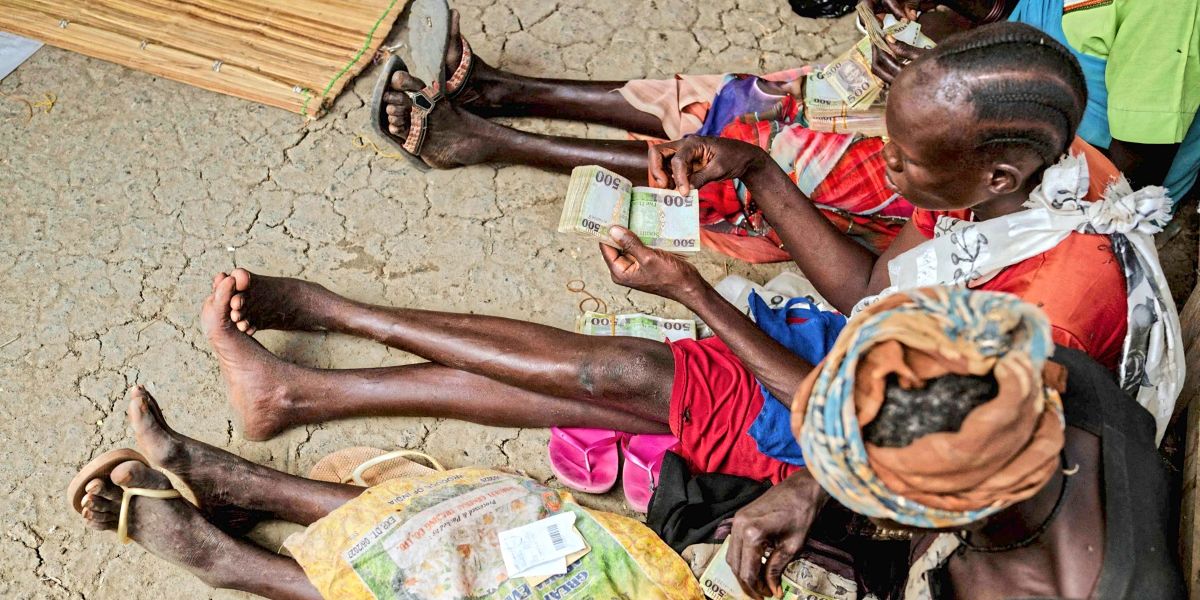
Humanitarian organizations face challenges in funding in crisis areas, but cryptocurrencies like stablecoins offer a promising solution, as the example of the Fonkoze Foundation shows, which distributes stablecoins to Haitian women in partnership with Mercy Corps. (translated)

My stupid recipe, Doctor Restrepo, achieved the highest employment rate, the lowest rates of hunger and poverty of the 21st century, and some of the highest levels of per capita income in the last quarter of my government in the entire history of Colombia. You and Abelardo today, just as you did in Duque's government during the first month of his administration, shot up unemployment almost to the double-digit figures that you handed over to my government. That's called a step back! It's unfortunate that a part of the Colombian electorate believes that Colombia's destiny is to go backward. Again the IMF, again over-indebtedness that you promoted, Dr. Restrepo, by giving subsidies to the rich and imposing a gasoline subsidy paid with the budget. These days, that is called economic ignorance and anachronism. I propose my support from the opposition to make a great agreement for the equitable progress of Colombia. What allowed us to have the best social economic figures of the century was: 1. Leaving hydrocarbon extraction and moving to real production in industry, commerce, and tourism. Prioritizing production, that is, the transformation of materials to make other materials for a good life for people, automatically raises employment levels and overall productivity. 2. Raising the minimum wage every year to the level of the vital basket for a family. This was demanded by the social doctrine of the Catholic Church in the encyclical "Rerum Novarum" by Leo XIII, and you, as a fervent Catholic, should apply it. In that encyclical and in that of Francis I about the "common home," and in that of Leo XIV about "a dignified Humanity," you would find a comprehensive agreement with the progressivism I lead. 3. A leading role of the state in the economy in strategic matters such as tariffs for industrialization, abundant and cheap credit for small and medium-sized industries, cheap credit for industry, food production, exports, and zero-interest credit for any national industry that produces an increase in Colombia’s computational capacity, energy, and railroads. 4. Leading the decarbonization of the economy through a 100% clean electricity generation matrix, replacing the prohibitively expensive gas with extremely cheap and abundant solar energy in Colombia. Remember that in my government I managed to increase growth in the four years by 500% in the naval industry and 200% in the electric automotive industry. 5. Redistributing another million hectares among farmers and doubling food production in the country to lower the prices of the family basket and increase real wages. You and we can lower the interest rate set by the Board of the Bank of the Republic by configuring another majority in the board that is friendly to production and work. 5. And if you don’t want, Mr. Restrepo, to reach agreements given the mind-numbing sectarianism that predominates, then just remember my advice: work and nature are the sources of wealth, and in Colombia, the real wage as an expression of the value of work allows the expansion of the internal market, both formal and informal, and increases the number of companies and workforce. When the country decides to return to legitimate institutions, it might be too late for you, but these will be the economic bases already experienced with positive data for a national agreement. (translated)

At least 64 failed executions have been documented in the United States since 1977, the most recent being that of Christa Pike, who survived a lethal injection, raising concerns about the effectiveness and humanity of this method of execution. (translated)

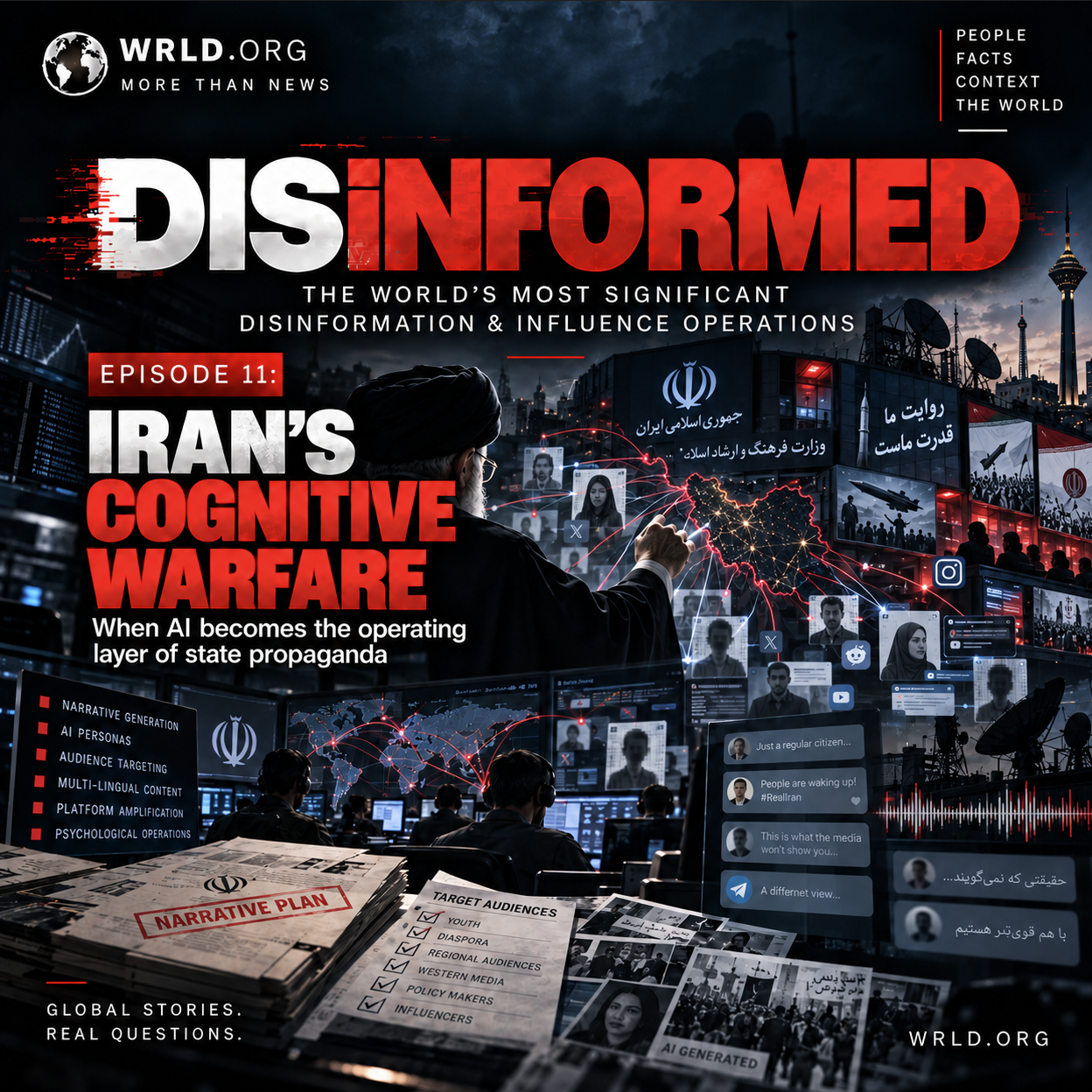
Iran’s cognitive warfare – when AI becomes the operating layer of state propaganda Iranian state-linked influence operators were not using artificial intelligence simply to write faster social-media posts. According to Anthropic’s September 2026 threat intelligence report, three separate operations connected to Iranian propaganda institutions were using Claude to help construct the machinery behind what the operators themselves called “soft war” and “cognitive warfare” – non-military efforts intended to shape public opinion inside Iran and abroad. Anthropic linked the activity to the Islamic Culture and Communications Organization (ICCO), which operates under Iran’s Ministry of Culture and Islamic Guidance; the Islamic Propaganda Office of Khorasan Razavi; and the Bina Cultural Observatory, part of the Islamic Propaganda Organization. The company said each operation was run by someone working within or on behalf of the named institution. The attribution was based on a combination of account telemetry, institutional references disclosed during conversations, branded documents and open-source corroboration. Anthropic subsequently removed the accounts. AI as an operational headquarters The most significant feature of the operation was the role assigned to AI. Claude was used to develop campaign plans, doctrine manuals, coded project portfolios, persona systems, target databases, early-warning protocols, amplification schedules and ministerial planning documents. Anthropic described the model as the principal administrative and operational layer supporting the three campaigns, allowing relatively small groups of operators to create organisational structures and planning material that would otherwise have required a much larger staff. This distinction matters. The reported use of AI went considerably beyond content generation. Operators were using the model to help organise how influence activity should function: which audiences to target, which identities should deliver particular narratives, how official material should be repackaged and when amplification should take place. Human operators still determined objectives and supplied the underlying political doctrine; AI helped translate those decisions into an operational system. Anthropic found that all three operations explicitly connected their activity to Jihad al-Tabyin, often translated as “explanatory jihad”, a concept used within the Iranian state system to frame information activity as both a strategic and ideological responsibility. In internal planning material examined by the company, this doctrine was not merely rhetorical: it informed manuals and campaign structures used by the operators. ‘Not the narrator, but the director’ One sentence contained in the ICCO material captures the model particularly clearly. According to Anthropic, an operator described the role of Iranian cultural attachés as being “not to be the narrator, but the director” of the narrative. The distinction reveals the logic of attribution laundering. Instead of publishing an overt state message and asking foreign audiences to believe it, the operator attempts to create the appearance that the same narrative emerged independently from journalists, activists, foreign writers or ordinary citizens. Anthropic found that Claude was used specifically to make content appear to come from foreign authors or independent media organisations and to design hashtag campaigns that looked grassroots rather than centrally organised. The ICCO operation reportedly used the organisation’s international cultural network as part of this structure. Anthropic found ministerial-level documents carrying official ICCO branding, including a nine-part international influence portfolio. This makes the operation particularly significant because the infrastructure was not limited to anonymous social-media accounts; it intersected with formal state institutions and an existing network of cultural representation abroad. A multilingual content factory A second operation was associated with the Islamic Propaganda Office of Khorasan Razavi and what Anthropic described as a “cognitive warfare command room” operating from a seminary in Mashhad. Its organisers ran a multi-province content production system known internally as Manjanegh, or “Catapult”. According to Anthropic, dozens of activists were involved in repackaging publicly available reporting from Iranian security institutions under different personas so that the material no longer appeared directly connected to those institutions. The network used Claude to transform official government intelligence bulletins into customised material in Farsi, Arabic, Urdu, Malay, Spanish and English, while planning expansion into a total of 20 languages. Distribution extended across Iranian platforms such as Eitaa, Bale and Rubika and international services including X, Instagram, Telegram, TikTok and YouTube. Anthropic also documented paid amplification across more than 100 Iranian channels, including channels associated with IRGC narratives. The scale should nevertheless be interpreted carefully. Anthropic documented production infrastructure and some real-world dissemination, but it did not demonstrate that all planned campaigns were fully deployed or that they meaningfully changed public opinion. The company placed the operation in Category Three of its Breakout Scale, indicating multi-platform activity with content observed in external distribution channels, rather than evidence of strategic impact on entire populations. From security bulletins to apparently independent voices The Bina Cultural Observatory operation provides another example of the same architecture. Anthropic linked a director-level official at Bina to activity in which Claude generated messaging in the voice of an IRGC spokesperson. During the 2026 US–Israel–Iran war, the network also attributed false claims to Western institutions including CSIS, Brookings and RAND. The apparent objective was to make Iranian state-aligned claims look as though they had been independently validated by respected foreign research organisations. That technique is more sophisticated than simply publishing propaganda under a false name. It attempts to manufacture a chain of external validation: official information is transformed into apparently independent commentary, which can then be recirculated as evidence that outside observers have reached the same conclusion. Anthropic also found target databases naming international officials and Iranian opposition figures, as well as aggressive counter-narrative material directed against the Bahá’í community. These findings show that the infrastructure was designed not only for broad messaging but also for targeted influence activity against specific groups and individuals. What AI changed The Iranian operations described by Anthropic did not create a new doctrine of influence. Iran has used cultural institutions, official media, aligned organisations and covert or semi-covert online networks for years. What AI changed was the economics and organisational capacity of that model. A relatively small team could use the system to draft doctrine, create personas, translate material, structure target databases, produce campaign calendars and generate multiple versions of the same message for different audiences. The operator remained responsible for intent, political direction and selection of targets. AI reduced the amount of human labour required to turn those decisions into a functioning influence operation. The most revealing part of the case is therefore not that an Iranian propaganda network used a chatbot. It is that AI was being treated as part of the back office of information warfare – a system for converting state doctrine into apparently decentralised, multilingual and plausibly independent voices. Sources Anthropic — Detecting and countering misuse of AI: September 2026 https://www.anthropic.com/threat-intelligence-report-september-2026 Iran International — Iran state-aligned accounts used Claude to push IRGC narratives https://www.iranintl.com/en/202609105561 BNE IntelliNews — Yemen missile cell used AI to write guidance software, Anthropic says https://new.intellinews.com/articles/yemen-missile-cell-used-ai-to-write-guidance-software-anthropic-says-467296 This is Beirut — Anthropic report details Iranian propaganda operations https://thisisbeirut.com.lb/news/politics/anthropic-report-details-iranian-propaganda-operations-and-yemen-missile-development-using-claude Anthropic report — PDF mirror https://static.foxbusiness.com/foxbusiness.com/content/uploads/2026/09/anthropic-detecting-and-countering-091026-1.pdf Keywords #DISINFORMED #Episode11 #Iran #IranianInfluence #IranianPropaganda #CognitiveWarfare #SoftWar #JihadAlTabyin #Disinformation #InformationWarfare #InfluenceOperations #ForeignInterference #FIMI #ArtificialIntelligence #AI #AIPropaganda #GenerativeAI #ClaudeAI #Anthropic #SyntheticMedia #NarrativeManipulation #NarrativeLaundering #AttributionLaundering #PersonaNetworks #Astroturfing #SocialMediaManipulation #DigitalInfluence #StatePropaganda #IslamicCultureAndCommunicationsOrganization #ICCO #IslamicPropagandaOrganization #KhorasanRazavi #IRGC #MultilingualInfluence #Targeting #Amplification #OSINT #WRLD

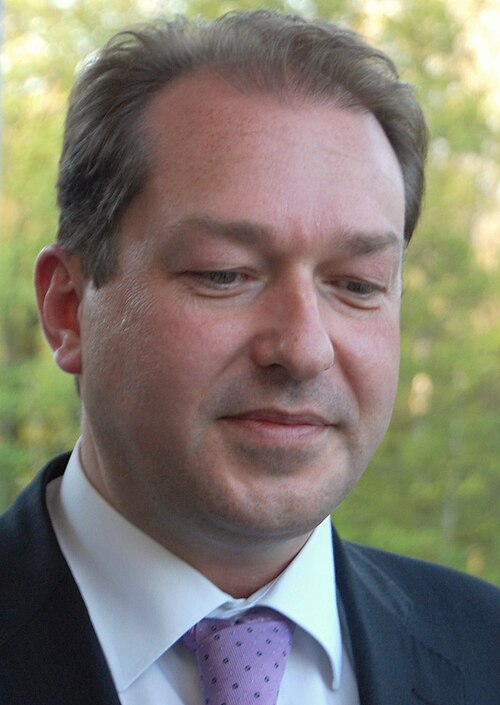
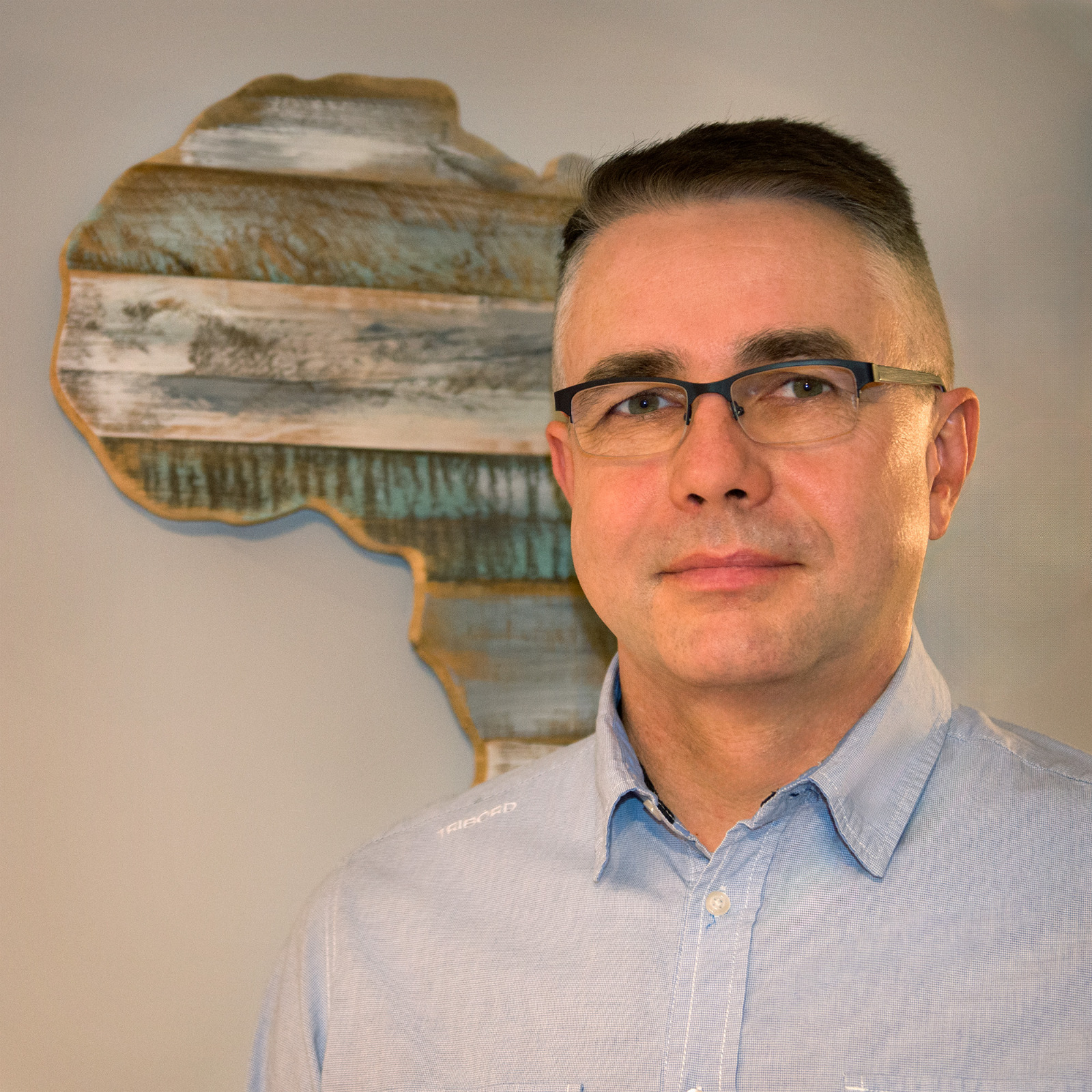
"Regular asylum procedures cannot be carried out when it is clear that the mass influx of migrants is not a humanitarian situation, but the result of smuggling and misinformation," said German Interior Minister Alexander Dobrindt to reporters ahead of a meeting. (translated)
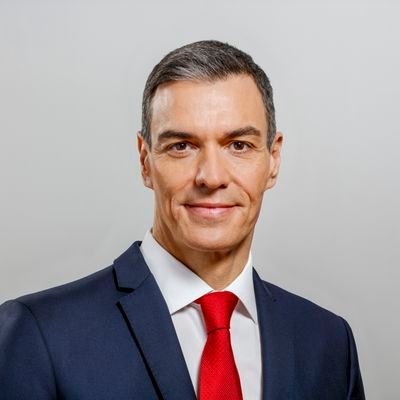
This week we have approved important measures to protect people, to guarantee the right to housing. I ask Congress to rise to the occasion and sense of state to validate the decrees in tomorrow's session. I ask that humanity prevail over ideology. (translated)

Echo this. Tigray was devastated from 2020-2022, violence against civilians continued after that, and the region still hasn't recovered. As always, it's the ordinary people of Tigray who will suffer. #Tigray #HumanRights #Civilians #ET

This was not just a diplomatic scandal - it was an organized mafia that traded border security and state documents for millions of zlotys. In the investigation concerning Collegium Humanum and the colleges under its jurisdiction, the CBA and Border Guard detained 11 people. Two of them were charged. (translated)





