The article An Inflation about Nothing discusses how inflation in the eurozone is linked to the increase in the money supply and criticizes the economic approach of governments, using Argentina as an extreme example of poor inflation management. #Inflação #Economia #Argentina (translated)
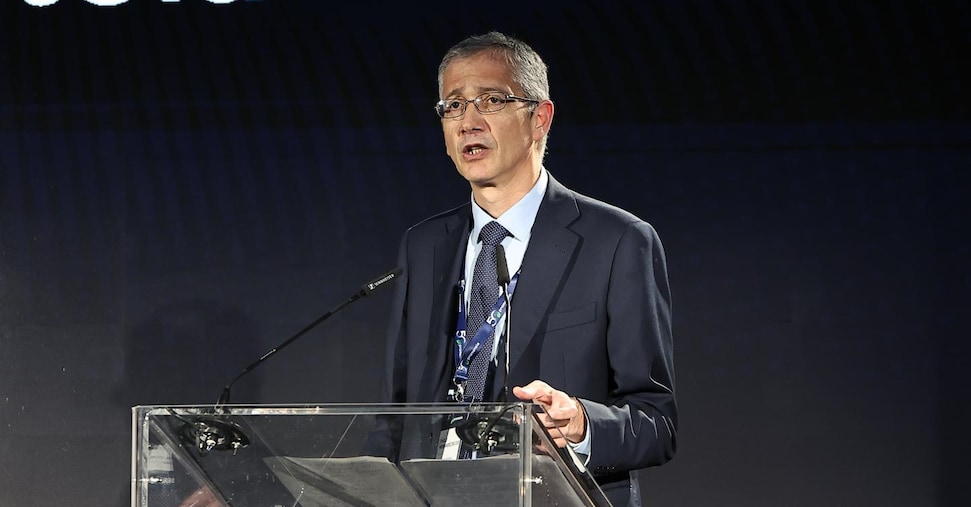
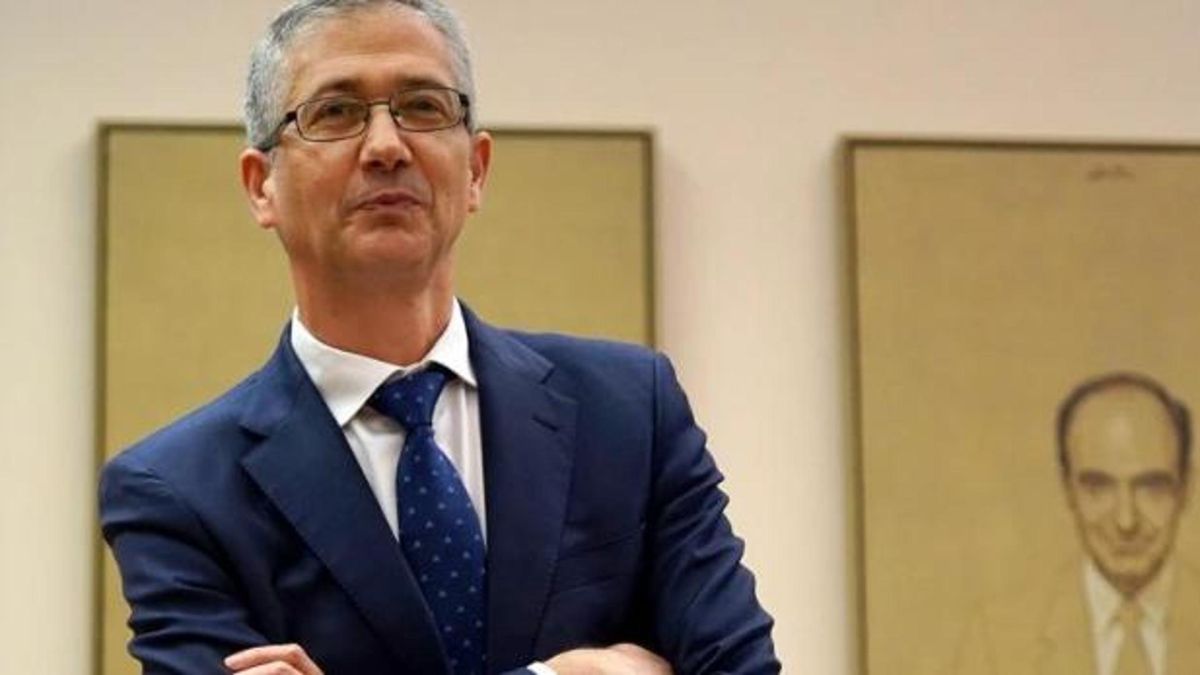
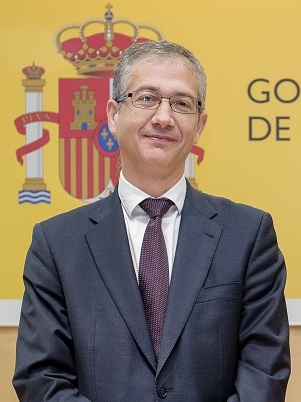
The European Central Bank initiates a leadership change with the appointment of Pablo Hernández de Cos as president, accompanied by Markus K. Brunnermeier and Laurence Boone in key roles, to address current macroeconomic and climate challenges. #BCE #economia #monetaria (translated)

The minutes of the Federal Reserve indicate that further interest rate hikes are likely, even above 25 basis points, if high inflation persists, which would require a more restrictive monetary policy. #ReservaFederal #Economía #Inflación (translated)

Italy officially supports Pablo Hernández de Cos for the presidency of the European Central Bank, following a meeting with Prime Minister Giorgia Meloni, marking a convergence among the major economies of the Eurozone and a significant change in European monetary leadership. #BCE #PabloHernándezdeCos #GiorgiaMeloni (translated)

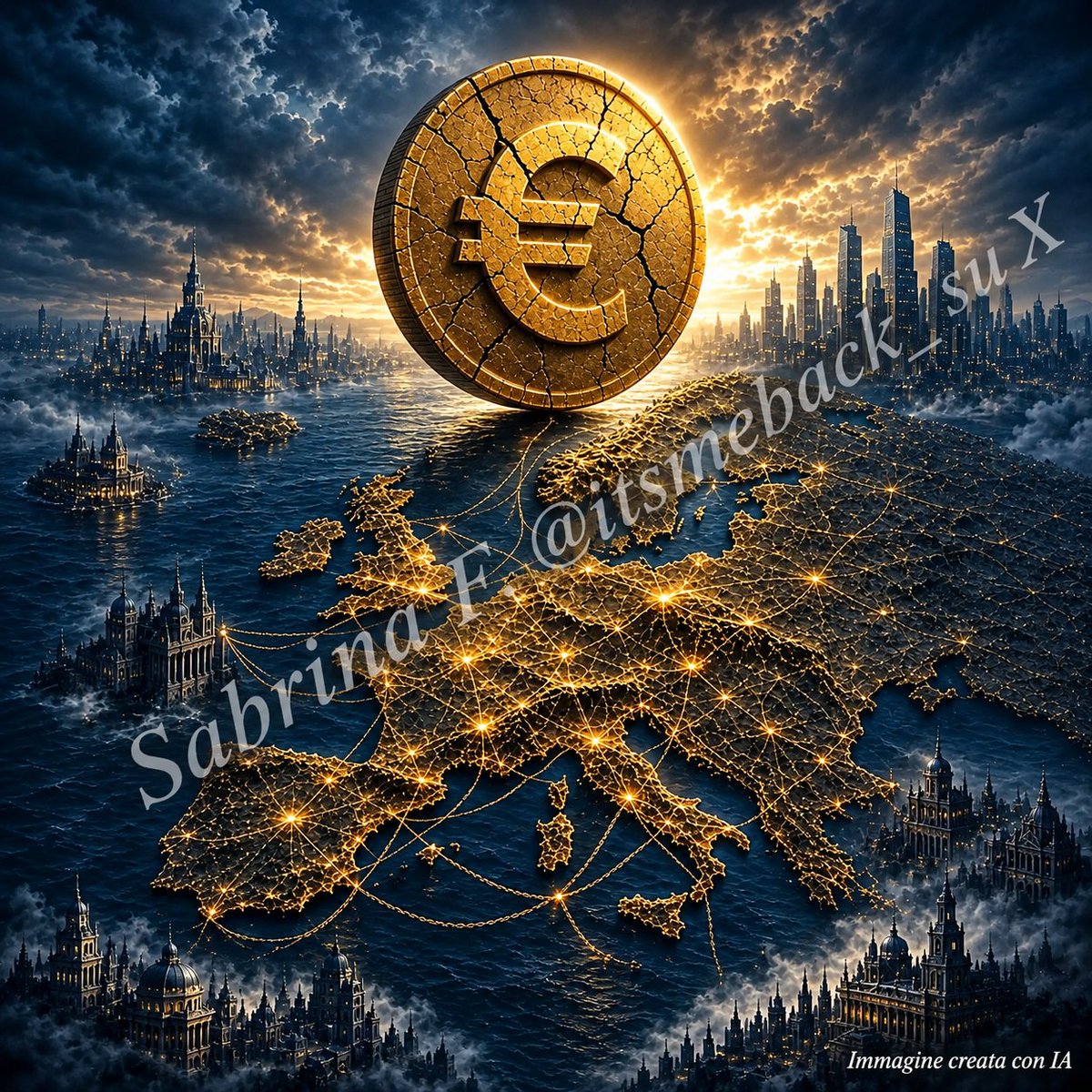
Sabrina F. argued on X that the euro has stripped sovereignty from European states in favor of Anglo-American financial markets, rejecting the idea that it was a project of peace and shared prosperity. She stated that Nazi Germany had planned a European monetary integration, the Europäische Wirtschaftsgesellschaft, in 1942, and that after the war, the United States had resumed that project to maintain control over Europe, through NATO on a military level and monetary union on a political level. To support her thesis, Sabrina F. referenced statements she attributed to various political and economic figures. She reported that Lelio Basso in 1949 connected European integration to subordination to American financial capital; that Spaventa and Napolitano in 1978 warned of the risks of the European Monetary System (EMS) for Italy; and that Galloni in the 1990s associated Italian deindustrialization with the entry into the euro. She also attributed to Chirac in 1996 the idea that the single currency served to control the lira, to Craxi in 1997 a negative forecast about the euro, and to Brzezinski, in the same year, the description of a united Europe as a tool of American colonization. Among others, she cited Juncker and Padoa Schioppa in 1999, Prodi in 2001 and in 2013, Amato in 2007, Monti in 2011, Waigel in 2015, Barbero in 2019, and Fabbri in 2021. She also attributed to Barroso and Attali critical judgments regarding the democratic nature of the Union and the monetary union. Sabrina F. claimed that from 1944 to 1971 the United States exercised control through the Bretton Woods dollar and that in 1971 Nixon ended the convertibility into gold, causing currencies to become fiat. She stated that a sovereign fiat currency would have allowed a state not to incur debt in its own currency if the central bank had purchased government bonds as a lender of last resort. She pointed to the Bancor proposed by Keynes in 1944 as the democratic alternative that, according to her, the United States had obstructed. She finally argued that France and Germany benefited from monetary union at the expense of Italy, maintaining banks and strategic assets while Italy privatized them, and that the system imposed reforms capable of reducing popular sovereignty and favoring financial markets. #Euro #Sovranità #UnioneEuropea (translated)
The government created a pilot project that offers monetary rewards to hunters who hunt wild boars, in an attempt to control the growing population of these animals that have become a plague in various regions of Portugal. #javalis #caça #biodiversidade (translated)

The struggle for the presidency of the European Central Bank between Pablo Hernández de Cos, considered a 'dove' for his flexible approach to inflation, and Klaas Knot, classified as a 'hawk' for his stricter stance, reflects the tensions between different visions of monetary policy in a context of high inflation and political complexity in the eurozone. #BCE #PabloHernándezDeCos #Inflación (translated)

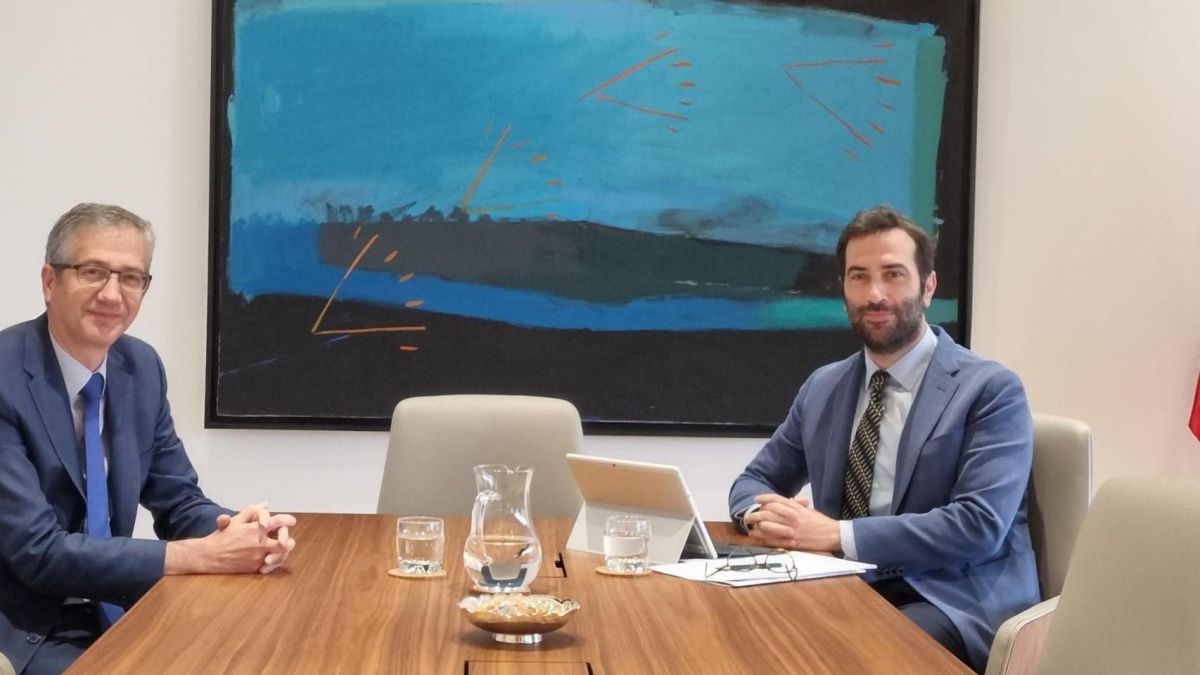
De Cos has been described by Spanish Minister of Economy Carlos Cuerpo as the union of extraordinary knowledge of economic, fiscal, and monetary policy and extensive expertise in the international banking sector and financial stability. #BCE #Lagarde #PoliticaMonetaria (translated)
Precisely, in his latest intervention at the International Banking Conference organized by Santander last Tuesday, De Cos warned that artificial intelligence could complicate the task of central banks in understanding the economy, both in terms of monetary policy and financial stability. #BCE #PabloHernándezDeCos #PolíticaMonetaria (translated)
The author had argued that Poland was seriously at risk of a civil war, linking the danger to the attempt to impose the adoption of the euro, the abandonment of the zloty, and the loss of monetary sovereignty. He had also stated that the Polish Constitution prohibited such a transition and that a constitutional reform was therefore necessary. #Polonia #GuerraCivile #Euro #PL (translated)
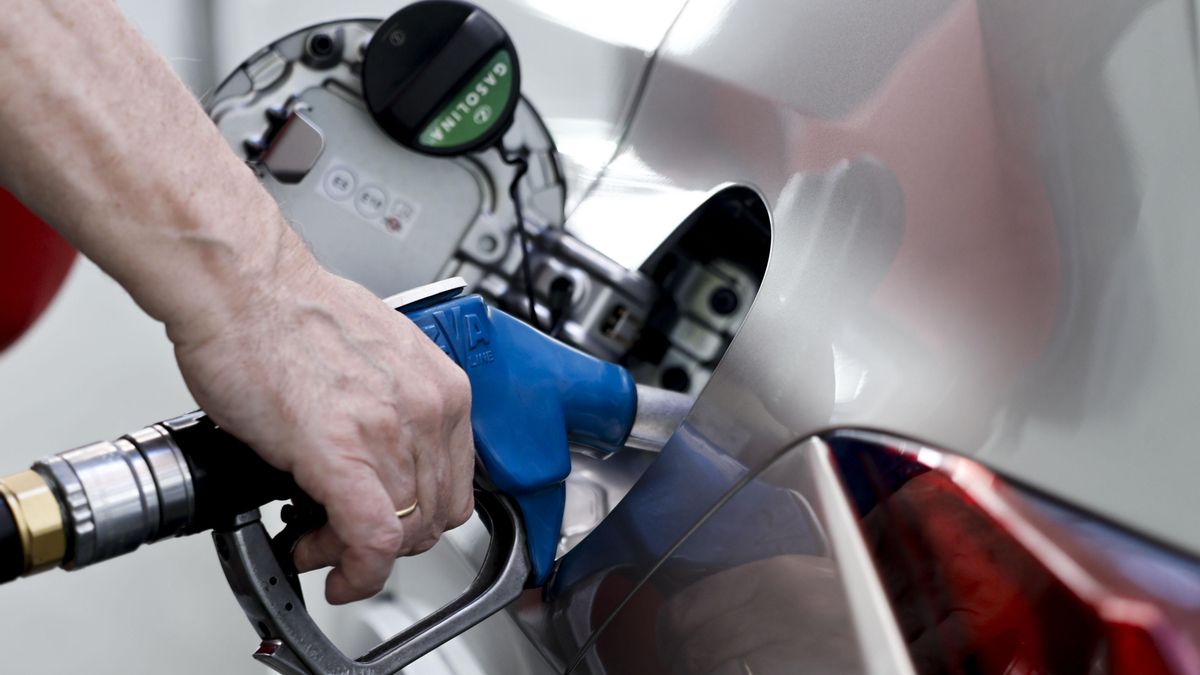
Inflation in the euro area reached 4% in October 2026, driven by a 20.8% increase in energy prices, which poses a complex dilemma for the monetary policy of the European Central Bank amidst weak economic growth. #Inflación #BCE #Energía (translated)

Trump's lost war against the central bank explores the former US president's failed attempts to influence the Federal Reserve's monetary policy. #JavaScript #AdBlocker #WebAccessibility (translated)
The article by Vítor Raposo argues that the increase in house prices in Portugal is not due to a true increase in real estate value, but rather to the devaluation of the euro caused by monetary policies of the European Central Bank, which make housing look more expensive in euros, while in terms of gold the price has fallen significantly. #Economia #Habitação #Inflação (translated)
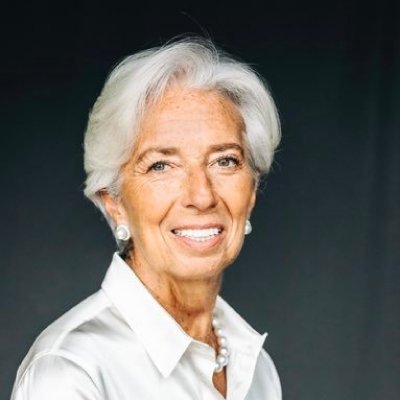
The early departure of Christine Lagarde as president of the ECB has unleashed intense competition among euro countries, with Spain and its candidate Pablo Hernández de Cos positioning themselves as strong contenders to lead European monetary policy in a delicate economic context. #BCE #PabloHernandezdeCos #EconomíaEuropea (translated)

The author pointed out that the public pension system in Spain protected 8.1 million people, equivalent to 16.5% of the population, and reduced the monetary poverty risk rate by more than 16 percentage points. He added that it was the main instrument of the State to reduce poverty. #Pensiones #España #Pobreza #ES (translated)
Maintaining a restrictive stance to combat inflation could exacerbate fiscal pressures, while easing it could undermine the credibility of monetary policy. The rise in yields threatens to create a "vicious circle," where higher financing costs deteriorate fiscal prospects and require increasingly important adjustments, says Marco Giordano, director of investments at Wellington Management. #Francia #CrisisDeuda #Disturbios (translated)
The inflation outlook indicates higher inflation in the future, especially in the short term, given the recent developments in energy markets. However, at this stage, we do not see evidence of a significant pass-through of energy prices to other prices and wages, beyond what is already included in our projections. Lagarde explained that the ECB's 'reaction function' is based on three criteria: the assessment of inflation prospects and the risks surrounding them; the dynamics of core inflation; and the strength of the transmission of monetary policy. #BCE #inflazione #politicamonetaria (translated)
José Luis Cava, a financial analyst, warns that the lack of education about monetary degradation can lead savers to lose purchasing power, highlighting the importance of gold as a store of value and differentiating it from Bitcoin, whose value depends on market liquidity. #DegradaciónMonetaria #Inversiones #Oro (translated)

Alejandro Alvarez opened his post with an insult and claimed that German hyperinflation was controlled in 1923, ten years before Adolf Hitler came to power. He stated that that year, during the Weimar Republic and the government of Gustav Stresemann, Hjalmar Schacht played a key role in monetary stabilization and that the introduction of the Rentenmark in November ended uncontrolled issuance. He added that stabilization was consolidated in 1924 and the Dawes Plan was implemented to reorganize war reparations, and that Hitler was appointed Chancellor of Germany on January 30, 1933. #historia #Alemania #hiperinflación (translated)
"All the benchmarks of today's monetary policy are based on the theoretical model of [Michael] Woodford. The model, for whose creation he contributed, is at the base of our understanding of how monetary policy works," says Ricardo Reis, a Portuguese academic specialized precisely in issues related to monetary policy, to Observador. #Economia #PrémioNobel #PolíticaMonetária (translated)