WRLD

Search

#ricerche
ANSA.it 3d

This year's Black Friday on November 27 is enhanced by the support of artificial intelligence, which helps consumers navigate through the countless offers, while the shopping habits of Italians evolve towards products related to health and wellness, surpassing traditional searches for electronics. #BlackFriday #IntelligenzaArtificiale #ShoppingSostenibile (translated)

www.ansa.it
Black Friday, tra sirene di sconto e il nuovo alleato: l'intelligenza artificiale
2458
L
lastampa.it 3d

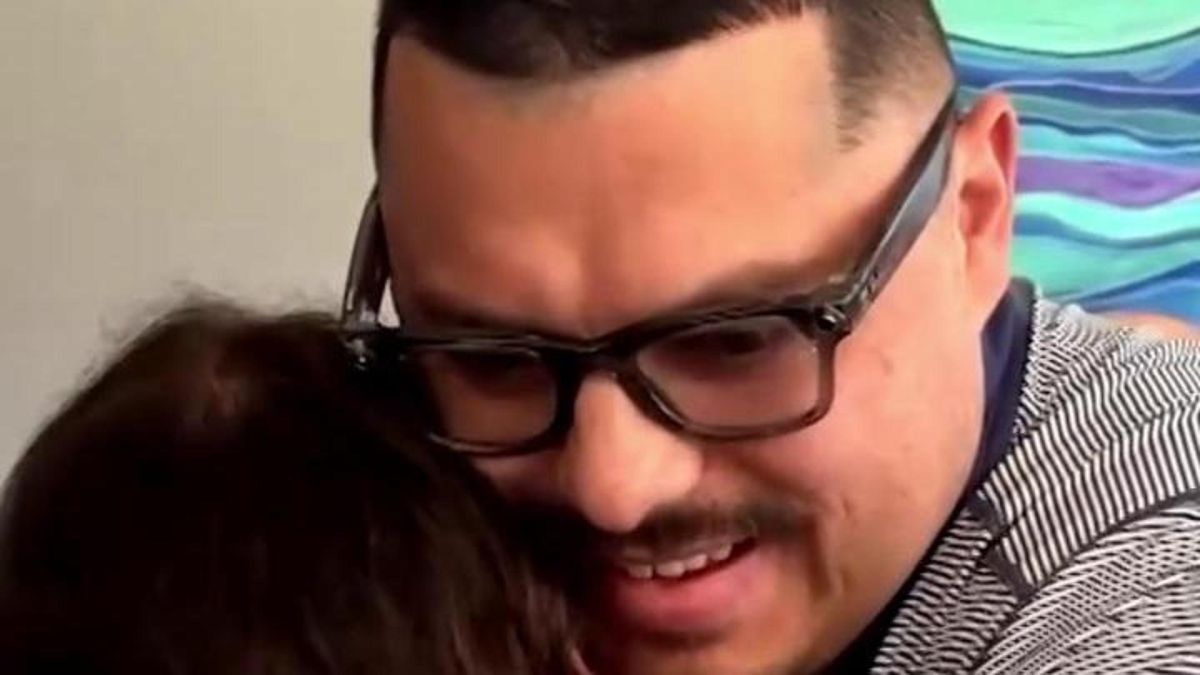
Teresita Padilla reunites with her sons Tim and Travis after 40 years, who were taken during Pinochet's dictatorship, thanks to genealogical research and DNA tests, while her eldest son Alberto, who had searched for them, tragically passed away before being able to meet them. #AdozioniForzate #Cile #Dittatura (translated)

www.lastampa.it
Adozioni forzate, Teresita riabbraccia 40 anni dopo i figli che le furono rubati: la storia
2906
ANSA.it 7d

A research team from the University of Washington has developed a virtual Earth to identify the signature of life on other planets, simulating geochemical systems and atmospheric evolution in the absence of life, in order to guide future research on exoplanets. #TerraVirtuale #Esopianeti #RicercaScientifica (translated)

www.ansa.it
Una Terra virtuale per trovare la firma della vita su altri pianeti
3291
Il Messaggero 1w

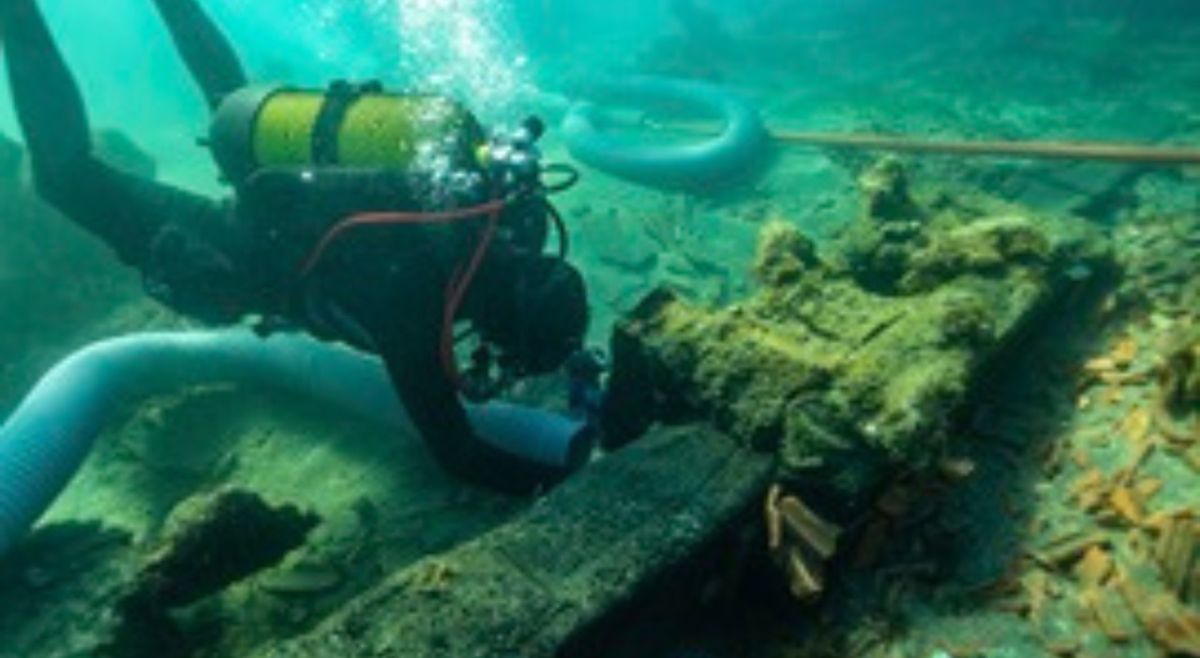
An Italian wreck dated 1887 has been discovered off the coast of Marbella, which could be the Garigliano that sank during a voyage from Marseille to Buenos Aires, with further research scheduled for 2027. #Garigliano #relitto #archeologia (translated)

www.ilmessaggero.it
Marbella, scoperto un relitto italiano del 1887: potrebbe essere il Garigliano naufragato sulla rotta per Buenos Aires
2621
Il Fatto Quotidiano 1w

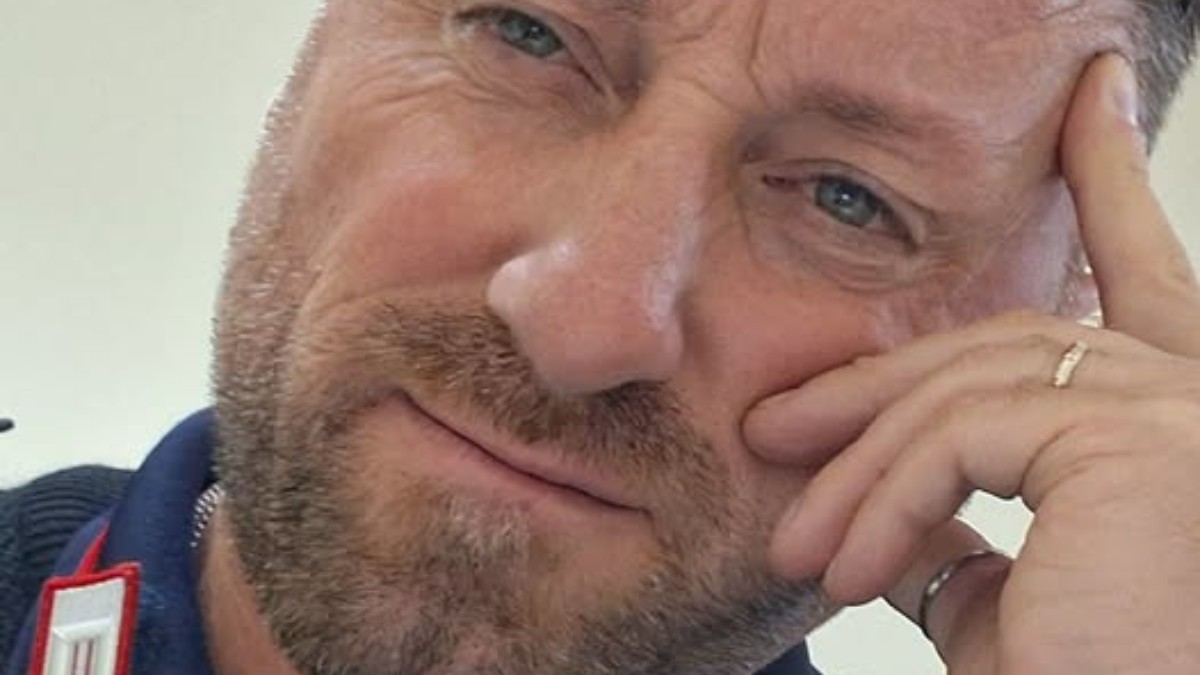
In Salerno, searches are underway to locate the Carabinieri officer Vincenzo Santoro, who went missing on Friday afternoon, with operations involving Carabinieri, firefighters, and the Harbor Master, focusing on the beach of Torrione. #VincenzoSantoro #Salerno #Carabinieri (translated)

www.ilfattoquotidiano.it
Salerno, scomparso il carabiniere Vincenzo Santoro: ricerche in corso
2165
L
lastampa.it 1w

A Cessna Centurion aircraft has disappeared in the woods of Mount Canto, in the province of Bergamo, necessitating searches by firefighters and civil protection, complicated by bad weather. #CessnaCenturion #IncidenteAereo #Bergamo (translated)

www.lastampa.it
Bergamo, aereo scompare nei boschi del monte Canto: ricerche in corso
2055
FOTOVOLTAICI.INFO 2w

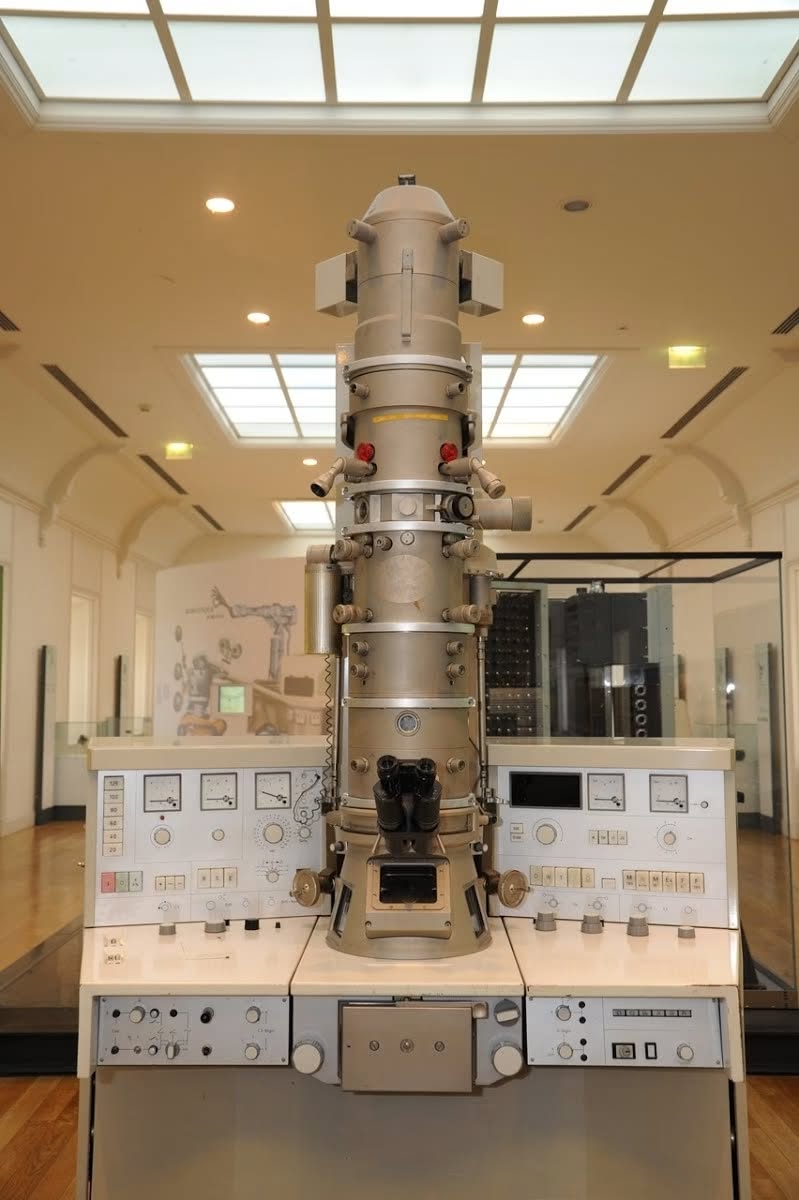
57 YEARS OF #PHOTOVOLTAICS IN ITALY I hope I will be forgiven a small indulgence, but this is one of those events that happen only once in a lifetime, and since it's about MY life, I want to celebrate it and, in this social media age, what better celebration than to share it with my online friends? To make a long story short, exactly 57 years ago, in September 1969, I started working at the Transmission Electron Microscopy Laboratory of the Physics Institute in Bologna. The laboratory director was Prof. Ugo Valdrè, the undisputed father of electron microscopy in Italy. Under his direction, I began working on the preparation of silicon samples to enable the first high-definition observations of the lattice structure of silicon and its related defects. Then many years went by, during which I moved to the CNR, I saw new models of transmission and scanning electron microscopes being developed, always continuing to work on the characterization of materials for the production of photovoltaic cells. In that laboratory, we produced the first solar cells made in Italy and the first photovoltaic panel with an incredibly high efficiency at that time of 12%. These were exciting years, full of beautiful experiences, many small discoveries, and above all, a lot of tedious routine work that allows all those who work with silicon today to deeply understand this material and create increasingly perfect and high-performance products. Well, that's just it, but 57 years have passed, and since at my age, migrating from earthly life to the cloud is instantaneous, I will bore you annually and will stop (for reasons beyond my control) only after I have (reluctantly) completed my migration to the cloud. 😉 ------------------------------------ The larger photo above was taken with a scanning electron microscope and depicts the anti-reflective surface of a monocrystalline silicon photovoltaic cell. These pyramids were obtained through a chemical treatment with a solution of nitric acid and hydrofluoric acid. For decades, this method had been abandoned in favor of screen-printed films, but it is making a comeback in high-efficiency and bifacial cells. ------------------------------------ The smaller photo at the bottom left is the electron microscope image of a dislocation on a silicon crystal. The "dislocation" is a defect in the lattice structure of silicon due to a shift of the atoms. A practical example is a stack of books where some planes overlap others with a small lateral displacement. Lattice defects reduce the efficiency of cells which, to achieve high efficiency, must be made from silicon with a perfect crystal lattice structure. In this specific case, the lattice shift was also used as a resolution test for the electron microscope that could distinguish two objects spaced just 2.5 Angstroms apart. ------------------------------------ The central photo at the bottom is a reconstruction of the first electron microscope invented and made by the Germans Ernst Ruska and Max Knoll in 1931. It is based on the fact that the resolving power is inversely proportional to the wavelength of the radiation used, which is smaller for an electron beam compared to a photon beam, allowing for several orders of magnitude increase. Anyone working in photovoltaics should know that it is thanks to the electron microscope that it is now possible to produce huge silicon wafers free of defects in the atomic lattice structure, which would greatly reduce the efficiency of the cells. I worked for 11 years with one of these machines first at the Physics Institute of Bologna and then at the LAMEL Laboratory of the National Research Council. ------------------------------------ I worked for 11 years with one of these machines first at the Physics Institute of Bologna and then at the LAMEL Laboratory of the National Research Council; in fact, the last photo at the bottom right is of "my" microscope which I cleaned, polished, and maintained more than a new car. Although it was 1969, as you can see, it was a bit fancier and more efficient than the one in the museum and was equipped with X-ray microanalysis for precise characterization of the chemical composition of materials. It operated at 100 kV, 200,000 magnifications with a resolution of 2.5 Angstroms. It was exactly the model in the photo, SIEMENS Elmiskop 102 #photovoltaics #microscopy #historyofthephotovoltaics #electronmicroscope #LAMEL #SolarEnergy #CNR #photovoltaiccells www.fotovoltaici.info (translated)

1030
ANSA.it 2w

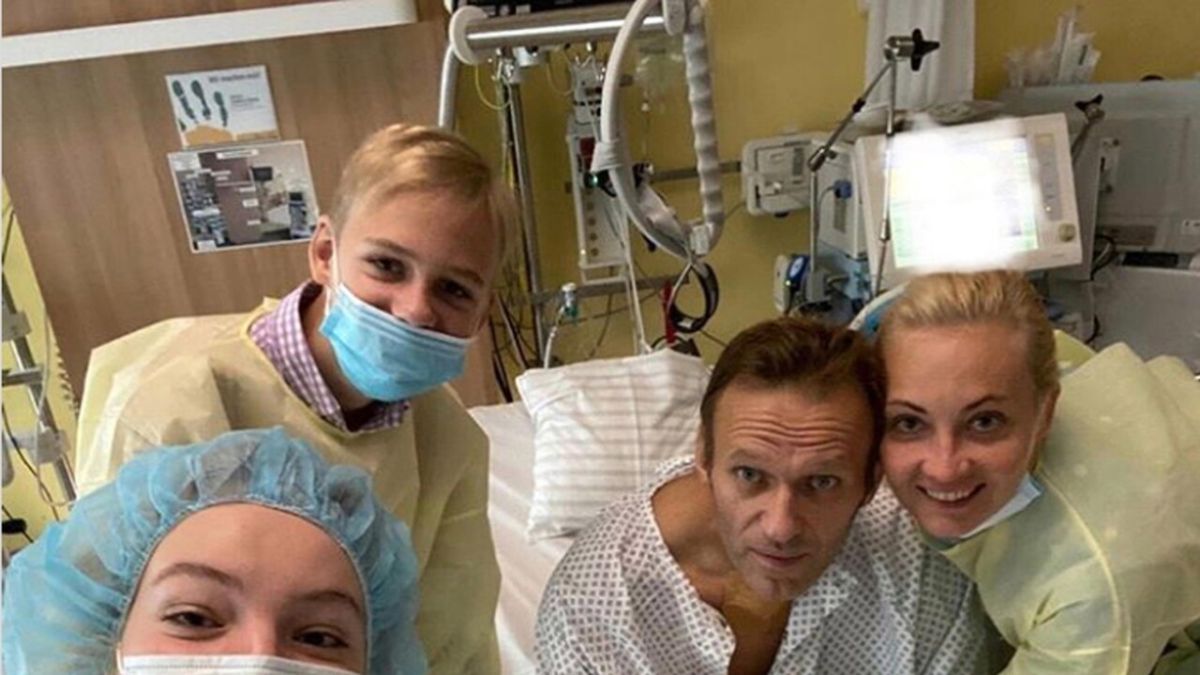
Vladimir Uglev has died at the age of 81, one of the creators of Novichok, known for his research on nerve agents and for collaborating with The Insider on the use of this substance by Russian intelligence services. #Novichok #VladimirUglev #avvelenamento (translated)

www.ansa.it
'E' morto Vladimir Uglev, uno dei creatori del Novichok'
2750
ANSA.it 2w

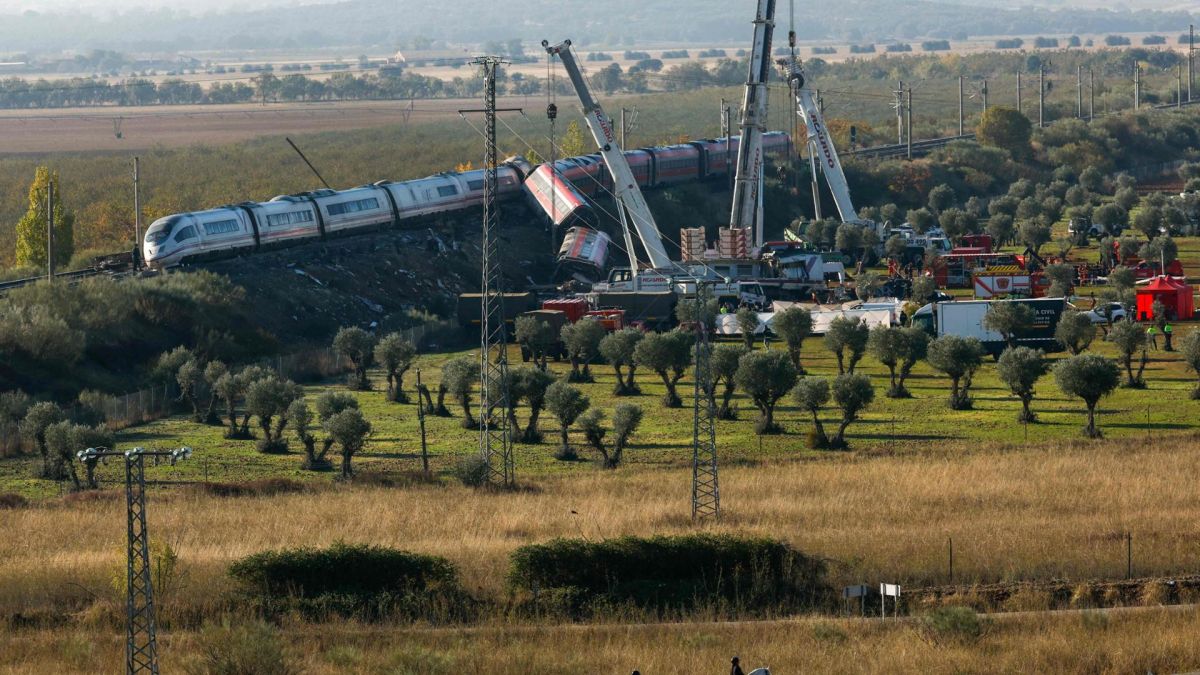
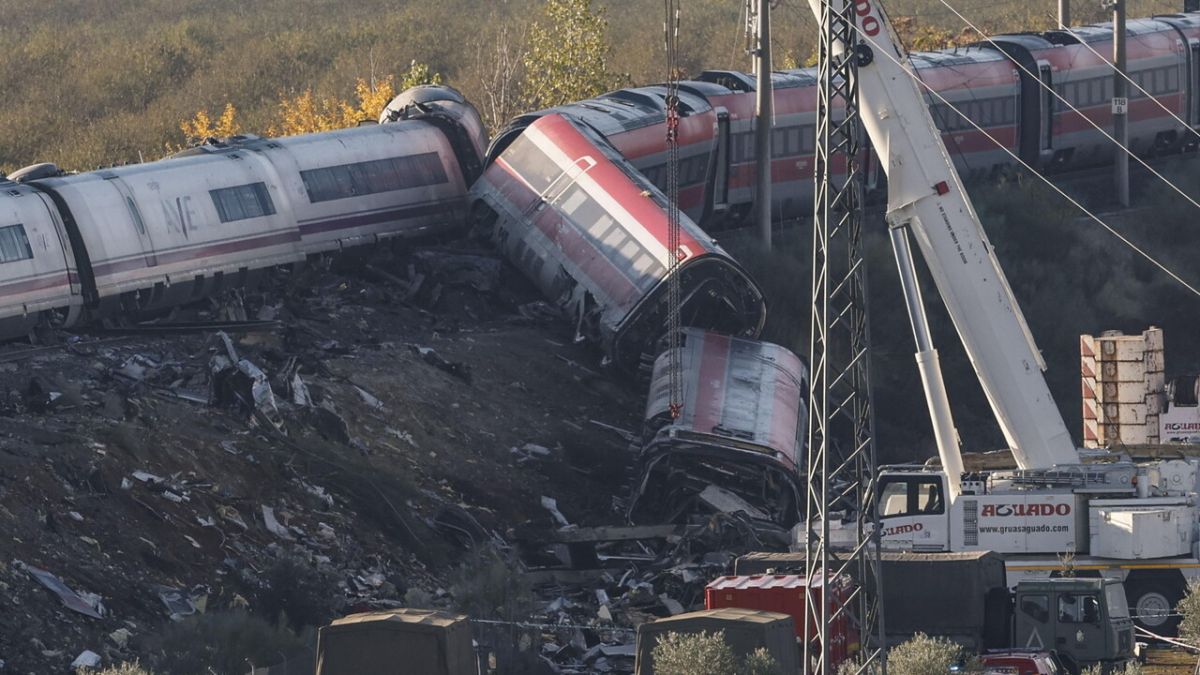
Following the train accident that occurred in Urda, in the province of Toledo, 56 of the 69 victims have been identified, with searches ongoing for the remaining 13, all of foreign nationality, while the number of injured still hospitalized has decreased to 34. #IncidenteFerroviario #Toledo #Vittime (translated)

www.ansa.it
Spagna, incidente ferroviario a Toledo: identificate 56 delle 69 vittime, proseguono le ricerche
2760
ANSA.it 2w

Meta extends parental warnings on Facebook regarding teens' searches on self-harm topics, after having already implemented similar measures on Instagram. #Meta #Facebook #Autolesionismo (translated)

www.ansa.it
Meta avviserà i genitori se il figlio fa ricerche Facebook sull'autolesionismo
3458
ANSA.it 3w

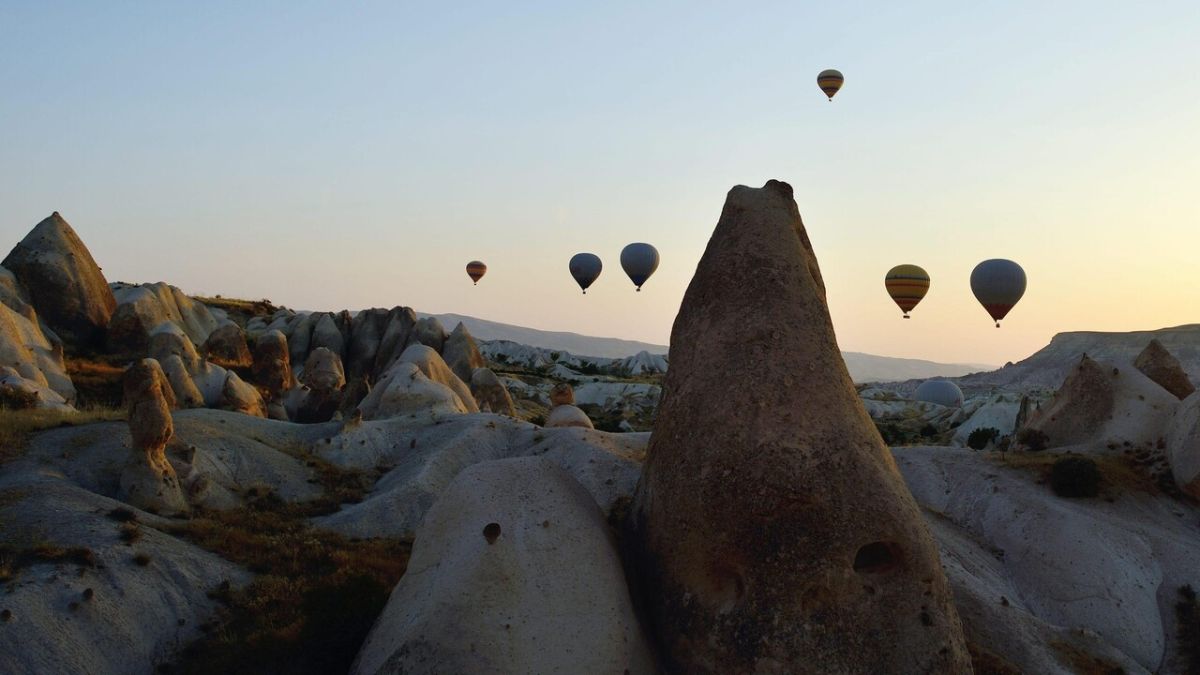
A 'fairy path' collapsed at the entrance of the Open Air Museum in Göreme, Cappadocia, causing three deaths and five injuries, while searches for potential missing persons continue. #Cappadocia #crollo #turismo (translated)

www.ansa.it
Crolla un 'camino delle fate' in Cappadocia, tre morti e 5 feriti
2307
L
lastampa.it 3w

Spain is in mourning after the tragic train accident that caused at least 68 deaths and three missing Italians, while authorities continue the search among the wreckage. #IncidenteFerroviario #Spagna #LuttoNazionale (translated)

www.lastampa.it
Spagna in lutto per la strage ferroviaria, 68 morti e tre italiane tra i dispersi: la diretta
2884
ANSA.it 3w

A train accident in Urda, Spain, has caused the death of at least 68 people and left 64 missing, including three Italians, while authorities continue the search among the wreckage and investigate the causes of the tragedy, with a possible failure of safety systems being the primary cause. #Urda #SciaguraFerroviaria #LuttoNazionale (translated)

www.ansa.it
Spagna, 64 denunce di persone scomparse nell'incidente. Tra loro anche tre italiane
2769
Luciano Magaldi Sardella (PhD) 3w

LIVING CERIGNOLA: THE MILITARY ARCHAEOLOGY OF THE BATTLE OF CERIGNOLA ARRIVES ON "POPULAR ARCHAEOLOGY USA" CERIGNOLA (FG) - The Battle of Cerignola on April 28, 1503, returns to the center of international debate. The prestigious American magazine Popular Archaeology has dedicated an extensive in-depth article to the battle that changed European military history: the first in which over 1,000 Spanish arquebusiers under Gonzalo Fernández de Córdoba, sheltered behind a trench reinforced with vineyard posts, stopped the charge of the elite heavy cavalry of the Duke of Nemours. A trench that, in fact, rendered cavalry obsolete and inaugurated the era of infantry armed with fire, determining control of the Mediterranean for the next 160 years. The article highlights the decades-long microhistorical research work of the Torre Alemanna Study and Research Center in Cerignola led by Dr. Matteo Stuppiello: from the letter of Consalvo de Cordoba to the Kings of Spain (April 29, 1503), to the graffiti of 1503 in the Church of Santa Maria delle Grazie, to the land registries of the State Archive of Naples that explain the agrarian origin of that trench. A battlefield still lacking a map and protection, but scientifically rediscoverable thanks to technologies such as LiDAR ISPRA, magnetometry, and ground-penetrating radar. An important recognition for Cerignola, for the Tavoliere, and for all historical research in Puglia, which today deserves a systematic project for the archaeology of battlefields. (translated)

578
Luciano Magaldi Sardella (PhD) 3w

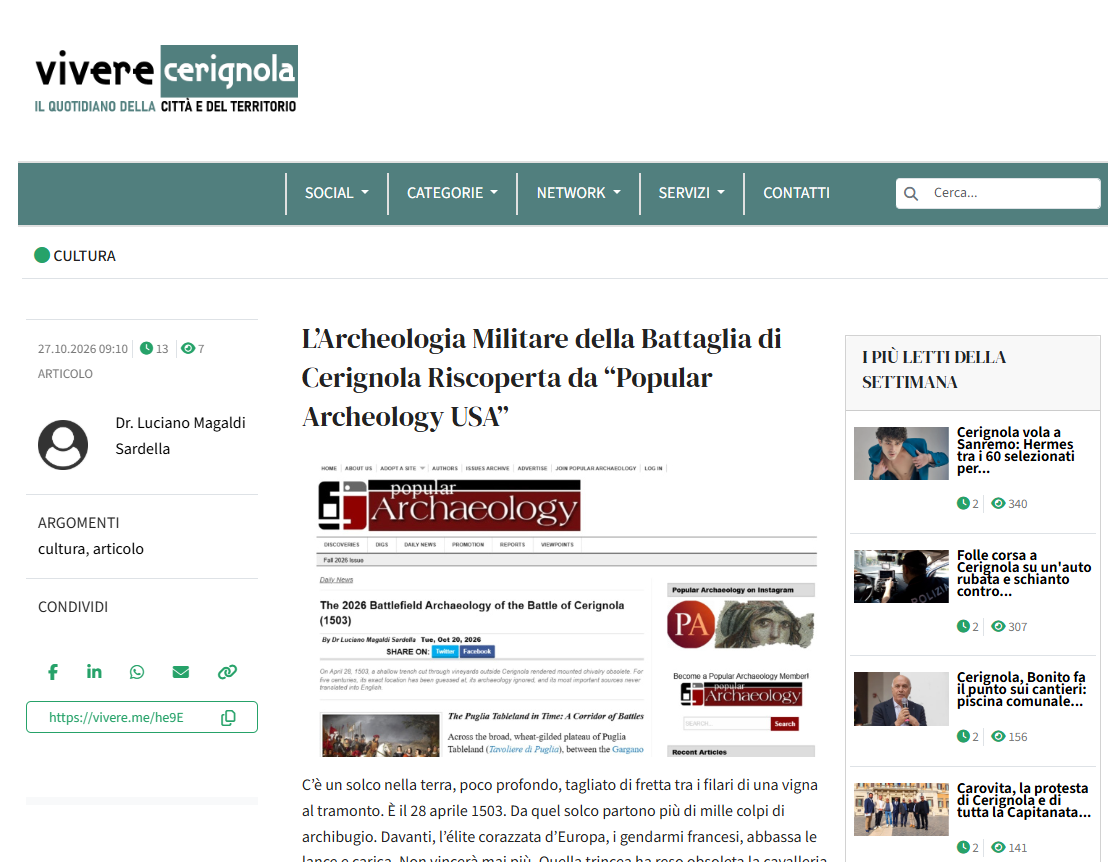
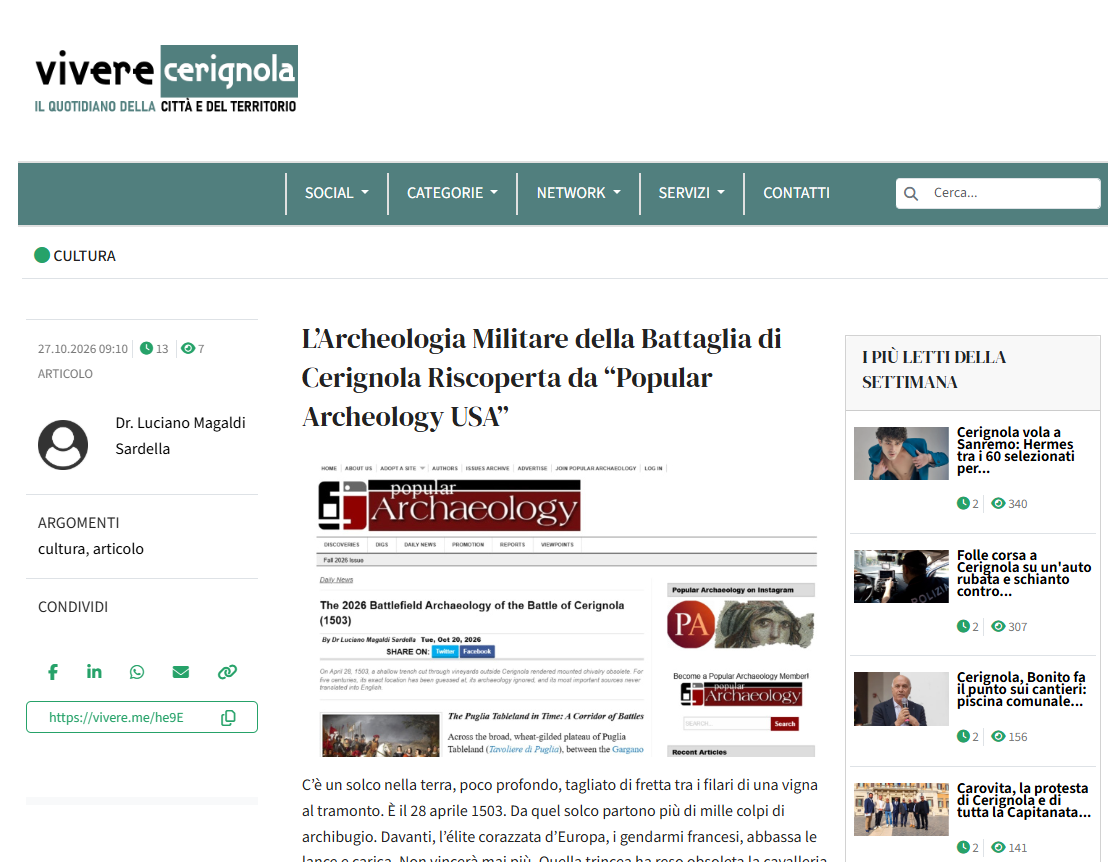
VIVERE CERIGNOLA: THE MILITARY ARCHAEOLOGY OF THE BATTLE OF CERIGNOLA FEATURED IN “POPULAR ARCHAEOLOGY USA” SOURCE: https://www.viverecerignola.it/2026/10/27/larcheologia-militare-della-battaglia-di-cerignola-riscoperta-da-popular-archeology-usa/194456/?utm_medium=Link&utm_campaign=Facebook&utm_source=Social __________________________________________________________________ CERIGNOLA (FG) - The Battle of Cerignola of 28 April 1503 has returned to the centre of the international debate. The prestigious American journal Popular Archeology has devoted an extensive in-depth analysis to the battle that changed the course of European military history: the first in which more than 1,000 Spanish arquebusiers under Gonzalo Fernández de Córdoba, entrenched behind a ditch reinforced with vine stakes, halted the charge of the élite of the French heavy cavalry led by the Duke of Nemours. A ditch that, in effect, rendered cavalry obsolete and inaugurated the era of infantry armed with firearms, determining control of the Mediterranean for the subsequent 160 years. The article highlights the decades-long micro-historical research undertaken by the Centro Studi e Ricerche Torre Alemanna of Cerignola, led by Dr Matteo Stuppiello: from Consalvo da Cordova’s letter to the Catholic Monarchs of Spain (29 April 1503), to the 1503 graffito in the Church of S. Maria delle Grazie, to the land registers of the State Archive of Naples which explain the agrarian origin of that trench. A battlefield still without a map and without legal protection, yet scientifically recoverable through technologies such as ISPRA LiDAR, magnetometry and ground-penetrating radar. An important recognition for Cerignola, for the Tavoliere and for all Apulian historical research, which today deserves a systematic battlefield archaeology project.

1271
Luciano Magaldi Sardella (PhD) 3w

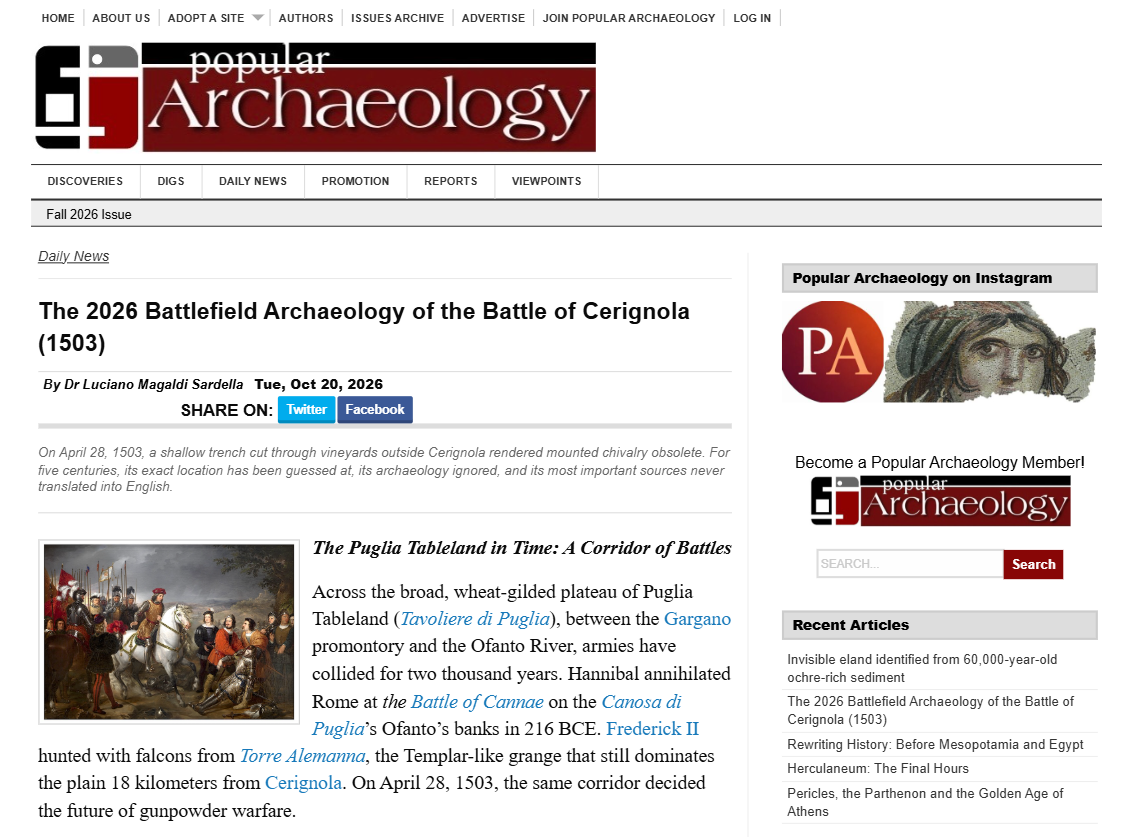
THE "BATTLE OF CERIGNOLA (1503)" ON "POPULAR ARCHAEOLOGY USA" (by LUCIANO MAGALDI SARDELLA) SOURCE 1: https://popular-archaeology.com/author/sardella/ SOURCE 2: https://popular-archaeology.com/article/the-2026-battlefield-archaeology-of-the-battle-of-cerignola-1503/ -------------------------------------------------------------------- CERIGNOLA (FG) — On April 28, 1503, at sunset, a shallow trench cut between the vineyards outside Cerignola rendered heavy cavalry obsolete. For five centuries, its exact location has only been conjectured, its archaeology ignored, its most important sources never translated into English. We are on the Tavoliere of Puglia, a corridor of battles for two thousand years: from Cannae in 216 BC to the falcon hunt of Frederick II from Torre Alemanna. Cerignola, at that time, was not a city but a rural village of 350 families at 120 meters above sea level, custodian of the Mena della Dogana delle Pecore, the great pastoral system of transhumance that financed the Kingdom of Naples. Its possession was fiercely contested. Facing each other were two worlds. Louis d’Armagnac, Duke of Nemours, Viceroy of Naples for Louis XII, in his thirties, splendidly armored, confident of victory. On the other side was Gonzalo Fernández de Córdoba, the Gran Capitán, who on April 27-28 marched from Barletta with about 9,000 exhausted men and decided to settle on a low ridge. He deepened what was already there: not an invention, but an agricultural ditch. The French gendarmes, the last heirs of the medieval knight, lowered their lances and never reached the line. From behind a parapet reinforced with vine stakes, over 1,000 Spanish arquebusiers opened fire. Nemours fell, almost certainly the first European army commander to die from a portable firearm. With him, the charge of cavalry as a dominant tactic died. And here is the scandal denounced by the article: no cartographer of the 17th-18th centuries ever mapped the battlefield. No monument commemorates it. It is not protected as a cultural landscape under the Code of Cultural Heritage. Every deep plowing of the Tavoliere, standard practice since the Bourbon reforms, destroys an archaeology never recorded. Yet the perimeter can be reconstructed. By cross-referencing the 16th-century descriptions of "vine-covered slopes fifteen miles north of the Ofanto" with the Via Traiana, the engagement area is a rectangle of 3-4 square kilometers northeast of the current settlement. With the 1m LiDAR DTM from ISPRA, it could reveal anomalous linear depressions, and the lower filling of a ditch 2-3 meters deep, under the plowed layer, is still readable with magnetometry and ground radar. Why did we arrive late? Not for lack of sources, but for lack of translation. The Municipality of Cerignola and the Torre Alemanna Research and Study Center of Prof. Matteo Stuppiello, who in 1978 obtained the first monumental protection for Torre Alemanna, have digitized a corpus that has never entered Anglophone historiography. Here are the 3 pillars: 1. The letter that still smells of gunpowder. The “Letter from Consalvo de Córdoba to the Spanish royals dated April 29, 1503,” edited by Stuppiello in 2003 and updated to 2025 on comune.cerignola.fg.it/biblioteche-digitali. A handwritten page written in Cerignola the day after the battle, “rich in flashes, twilight lights, and gunfire.” Not a polished chronicle like that of Giovio, but a field dispatch: the fatigue of the night march, the decision to entrench upon arrival, the recovery and honorable burial of Nemours, the intact capture of the French artillery. 2. The graffiti, a monument inside the monument. In the 14th-century church of Santa Maria delle Grazie, known as the Incoronatella, on the Via Trinitapoli Vecchia, where tradition holds that the body of Nemours was brought. On the triumphal arch, a 1503 graffiti gives, in almost notarized form, the date, sixth indiction, Friday at the hour XXIII-XXIIII. It was indeed Friday, as confirmed by the perpetual calendar of Cappelli. Decoded in 1995 by Prof. Francesco Magistrale, Latin paleographer at the University of Bari, in *The Battle of Cerignola (1993)* and in the municipal monograph *S.M. delle Grazie (1999)*. Today it is fading due to humidity and neglect. 3. The land registry that explains the ditch. The Survey of 1672 preserved at the State Archive of Naples, Pignatelli Aragona Cortes fund, Scanzia 63, fasc.1: “At the time of the battle, thick vineyards covered the hill reaching to the plain, and were distinctly separated from the rest of the countryside by a not very deep ditch.” Córdoba did not improvise; he adapted. This is confirmed by the catasti of the Giustiniani: 277 households in 1532, 699 in 1595. The landscape of 1503 was intensely horticultural, not the deeply plowed monoculture of today. In addition to these, there is the first monograph by Vincenzo Buonassisi, *The Battle of Cerignola* (1908, died in Via Fanfulla 10 on June 27, 1928), and the first modern military analysis by Piero Pieri, “Consalvo de Córdoba and the Battle of Cerignola,” Archivio Storico Pugliese 1952, which 30 years before the Anglophone rediscovery of the “pike-and-shot” defined Cerignola as an engineered killing ground. While Cerignola forgot, others remembered. The “Regimiento de Infantería Cerinola n.42”, later “Fuerteventura n.56”, carried the name of Cerignola until the 20th century. The coat of arms, described in *Heraldica e Historiales del Ejercito, Tomo V” (Madrid, 1981): silver field, dying white swan entangled in a hedge, golden wall crown, with the scroll “Cerignola.” Dossier officially transmitted on April 30, 1986, prot. 4565/509, from the Servicio Histórico Militar of Madrid to the Torre Alemanna Center thanks to Col. Alessio Antonutti and Gen. José Cifuentes. And in Amsterdam, at the Rijksmuseum, the anonymous bronze commemorative medal: Hercules with lion skin and club and Janus with the keys next to an eagle-armed coat of arms, legend “Consalvus Agidarius… Janum clausit,” on the reverse a battle scene “Consalvi Agidari Victoria de Gallis ad Cannas,” an artist's mistake that confuses Cerignola with Cannae. It belonged to Mrs. J.M. van Gelder-Nijhoff, donated in 1885. The author's conclusion is clear: Gonzalo's ditch is the most consequential earthwork in European military history. It inaugurates the infantry armed with firearm and conditions the Mediterranean for 160 years. It may still be there, filled, plowed, invisible to the naked eye but accessible to a magnetometer. It is not a matter of medieval archaeology but of the will to protect. (translated)

695
Luciano Magaldi Sardella (PhD) 3w

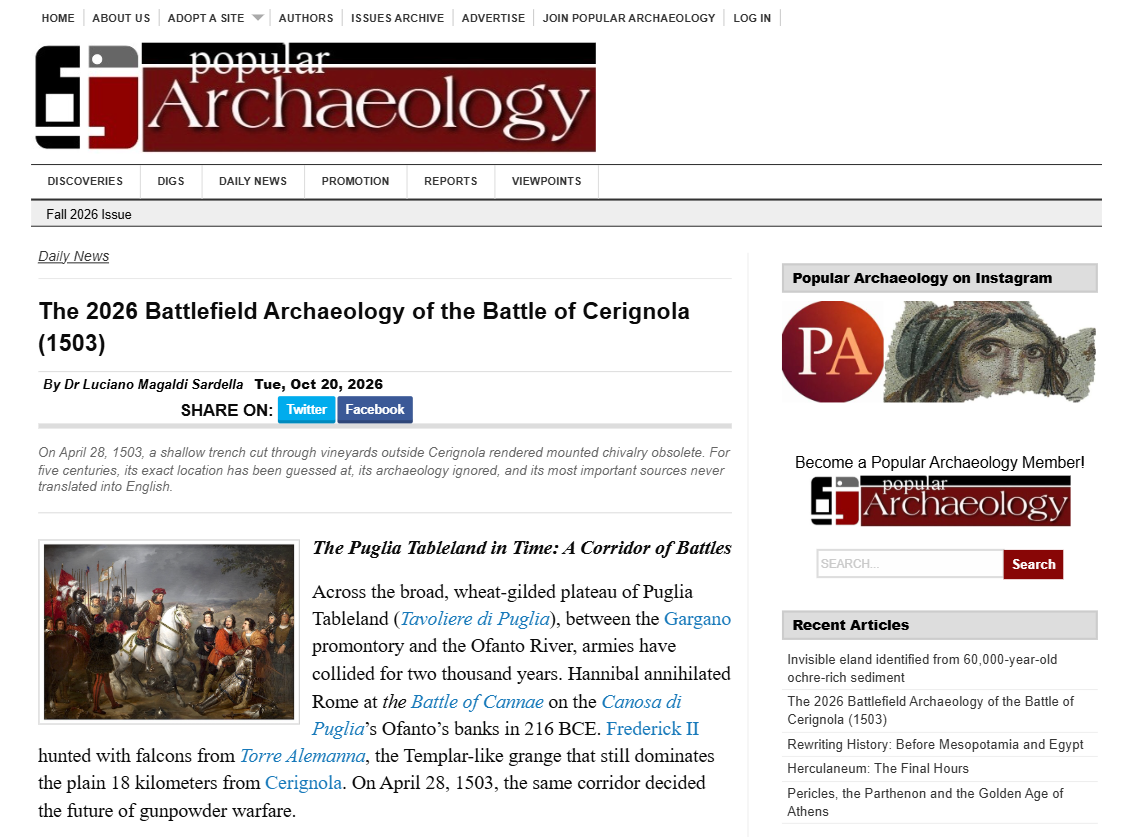
THE “BATTLE OF CERIGNOLA (1503)” ON “POPULAR ARCHAEOLOGY USA” (by LUCIANO MAGALDI SARDELLA) SOURCE 1: https://popular-archaeology.com/author/sardella/ SOURCE 2: https://popular-archaeology.com/article/the-2026-battlefield-archaeology-of-the-battle-of-cerignola-1503/ __________________________________________________________________ CERIGNOLA (FG) — On 28 April 1503, at sunset, a shallow trench cut through the vineyards outside Cerignola rendered heavy cavalry obsolete. For five centuries its exact position has been merely conjectured, its archaeology ignored, its most important sources never translated into English. We are on the Puglian Tablelanda, a corridor of battles for two thousand years: from Cannae in 216 BC to Frederick II’s falconry from Torre Alemanna. Cerignola, at that time, was not a town but a rural hamlet of 350 families at 120 metres above sea level, guardian of the Mena of the Dogana delle Pecore, the great customs system of transhumance that financed the Kingdom of Naples. It was for its possession that the battle was fought. Opposed, two worlds. Louis d’Armagnac, Duke of Nemours, Viceroy of Naples for Louis XII, thirty years old, splendidly armed, certain of victory. On the other side, Gonzalo Fernández de Córdoba, the Great Captain, who on 27–28 April marches from Barletta with some 9,000 exhausted men and decides to entrench himself upon a low ridge. In front of it he has deepened what was already there: not an invention, but an agrarian ditch. The French gendarmes, the last heirs of the mediaeval knight, lower their lances and never reach the line. From behind an embankment reinforced with vine stakes, more than 1,000 Spanish arquebusiers open fire. Nemours falls, almost certainly the first European army commander to die by a portable firearm. With him dies the cavalry charge as a dominant tactic. And here lies the scandal denounced by the article: no cartographer of the seventeenth or eighteenth century ever mapped the field. No memorial stone recalls it. It is not protected as a cultural landscape under the Code of Cultural Heritage. Every deep ploughing of the Tavoliere, standard practice since the Bourbon reforms, destroys an archaeology never recorded. Yet the perimeter is reconstructable. By cross-referencing sixteenth-century descriptions of “slopes covered with vineyards fifteen miles north of the Ofanto” with the Via Traiana, the engagement zone is a rectangle of 3–4 sq km to the north-east of the present settlement. With ISPRA’s 1m DTM LiDAR, anomalous linear depressions could be revealed, and the lower fill of a 2–3 metre ditch, beneath the ploughed layer, is still legible by magnetometry and ground-penetrating radar. Why have we arrived so late? Not for lack of sources, but for lack of translation. The Comune di Cerignola and the Centro Studi e Ricerche Torre Alemanna of Prof. Matteo Stuppiello, who in 1978 obtained the first monumental protection for Torre Alemanna, have digitised a corpus that has never entered Anglophone historiography. Here are the 3 pillars: 1. The letter that still smells of powder. The “Letter of Consalvo da Cordova to the Sovereigns of Spain of 29 April 1503,” edited by Stuppiello in 2003 and updated in 2025 on comune.cerignola.fg.it/biblioteche-digitali. A manuscript page written at Cerignola the day after the battle, “rich in flashes, twilight gleams, and gunfire.” Not a polished chronicle à la Giovio, but a field dispatch: the exhaustion of the night march, the decision to entrench upon arrival, the recovery and honourable burial of Nemours, the intact capture of the French artillery. 2. The graffito, a monument within the monument. In the fourteenth-century church of Santa Maria delle Grazie, known as the Incoronatella, on the Via Trinitapoli Vecchia, where tradition holds the body of Nemours was taken. On the triumphal arch, a graffito of 1503 gives in quasi-notarial form the date, sixth indiction, Friday at the twenty-third to twenty-fourth hour. It truly was a Friday, as confirmed by Cappelli’s perpetual calendar. Deciphered in 1995 by Prof. Francesco Magistrale, Latin palaeographer at the University of Bari, in La Battaglia di Cerignola (1993) and in the municipal monograph S.M. delle Grazie (1999). It is now fading through damp and neglect. 3. The cadastre that explains the ditch. The Apprezzo of 1672 preserved in the Archivio di Stato di Napoli, fondo Pignatelli Aragona Cortes, Scanzia 63, fasc.1: “At the time of the battle, dense vineyards covered the hill reaching down to the plain, and were clearly separated from the rest of the countryside by a not very deep ditch”. Córdoba did not improvise; he adapted. This is confirmed by the Giustiniani cadastres: 277 hearths in 1532, 699 in 1595. The landscape of 1503 was one of intensive horticulture, not the deep-ploughed cereal monoculture of today. To these are added the first monograph by Vincenzo Buonassisi, La Battaglia di Cerignola (1908, died at Via Fanfulla 10 on 27 June 1928), and the first modern military analysis by Piero Pieri, “Consalvo di Cordova e la battaglia di Cerignola”, Archivio Storico Pugliese 1952, which 30 years before the Anglophone rediscovery of “pike-and-shot” defined Cerignola as an engineered killing ground. While Cerignola forgot, others remembered. The “Regimiento de Infantería Cerinola n.42”, later “Fuerteventura n.56”, bore the name of Cerignola until the twentieth century. Its coat of arms, described in Heráldica e Historiales del Ejército, Tomo V (Madrid, 1981): argent field, a dying white swan entangled in a hedge, a gold mural crown, with scroll “Cerignola”. Dossier officially transmitted on 30 April 1986, prot. 4565/509, by the Servicio Histórico Militar in Madrid to the Centro Torre Alemanna through Col. Alessio Antonutti and Gen. José Cifuentes. And in Amsterdam, in the Rijksmuseum, the anonymous commemorative bronze medal: Hercules with lion-skin and club and Janus with keys beside an eagled coat of arms, legend “Consalvus Agidarius… Janum clausit”, on the reverse a battle scene “Consalvi Agidari Victoria de Gallis ad Cannas” — an error by the artist who confuses Cerignola with Cannae. It belonged to Mrs J.M. van Gelder-Nijhoff, donated in 1885. The author’s conclusion is unequivocal: Gonzalo’s ditch is the most consequential earthwork in European military history. It inaugurates the infantryman armed with a firearm and conditions the Mediterranean for 160 years. It may still be there, infilled, ploughed over, invisible to the naked eye but accessible to a magnetometer. It is not a question of mediaeval archaeology but of the will to protect.

926
L
lastampa.it 3w

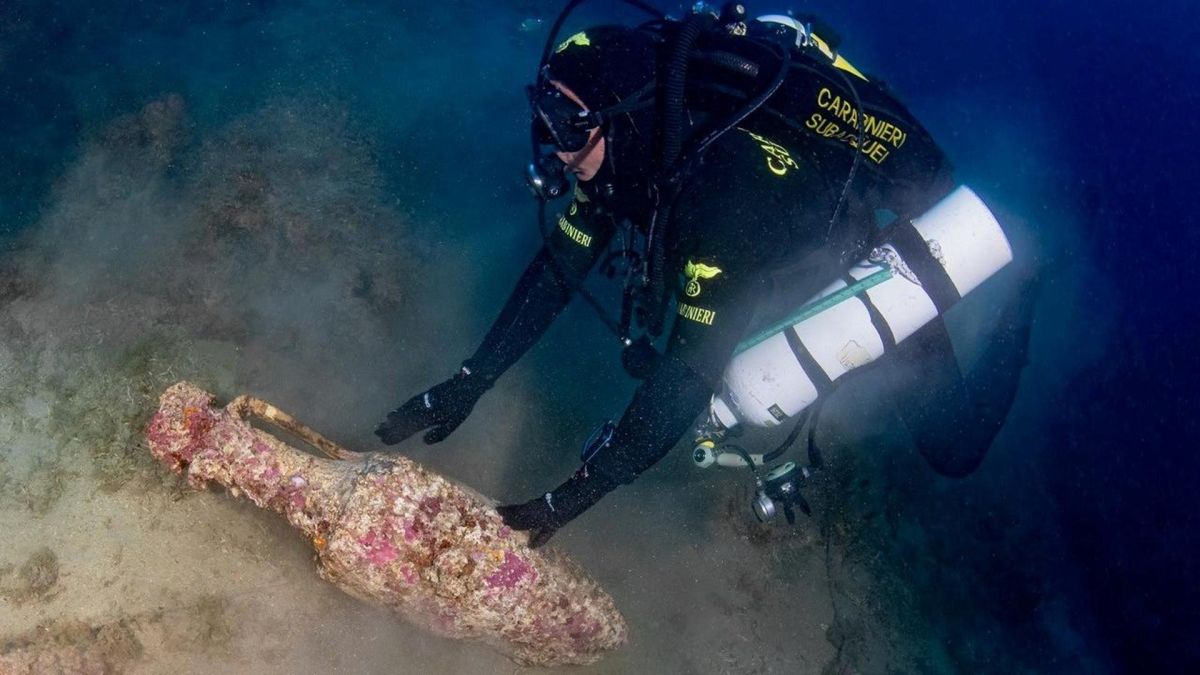
After 67 years of research, an important submerged archaeological site has been discovered off the coast of Camogli, containing Roman amphorae dating back to the first century BC. #ScopertaArcheologica #Portofino #AnforeRomane (translated)

www.lastampa.it
Un tesoro negli abissi: la scoperta al largo di Camogli dopo 67 anni di ricerche
3015
Il Messaggero 4w

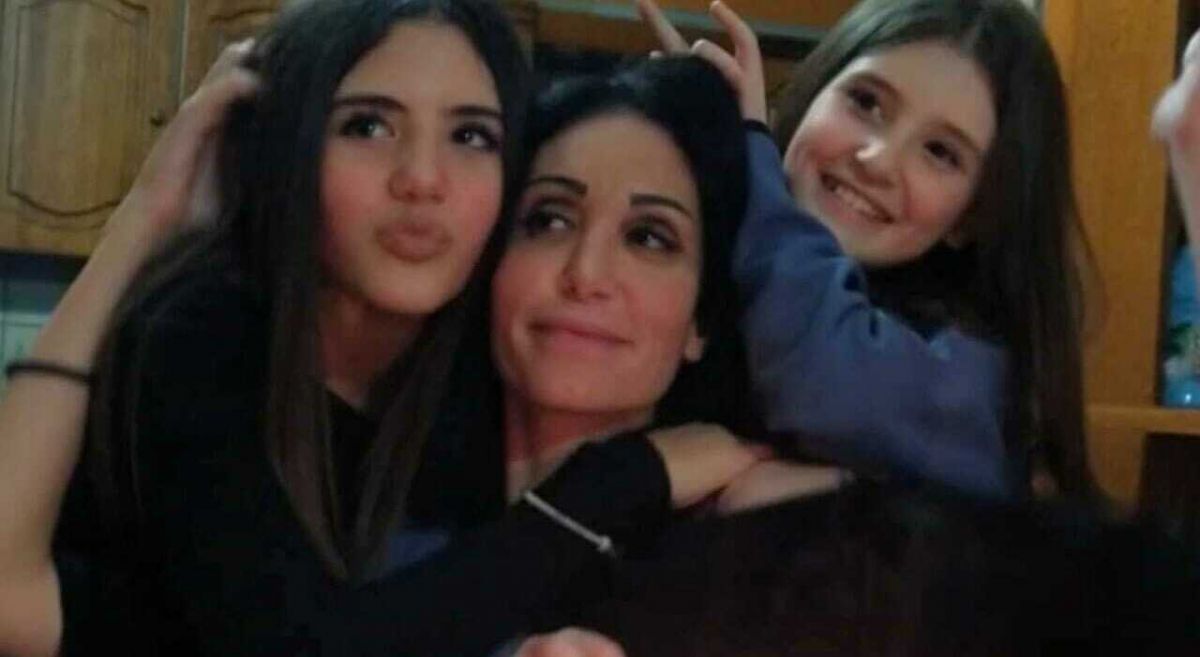
After four days of fruitless searches, the mother of the missing sisters Linda and Camilla Rondini in Viterbo makes a desperate appeal on television to try to locate them, highlighting the uncertainty regarding the circumstances of their escape from the foster home. #SorelleScomparse #Viterbo #AppelloAllaPopolazione (translated)

www.ilmessaggero.it
Linda e Camilla Rondini, sorelle scomparse a Viterbo. La mamma: «Sono disperata». La fuga dalla casa famiglia (tenuta segreta alla donna)
2324
Il Messaggero 4w

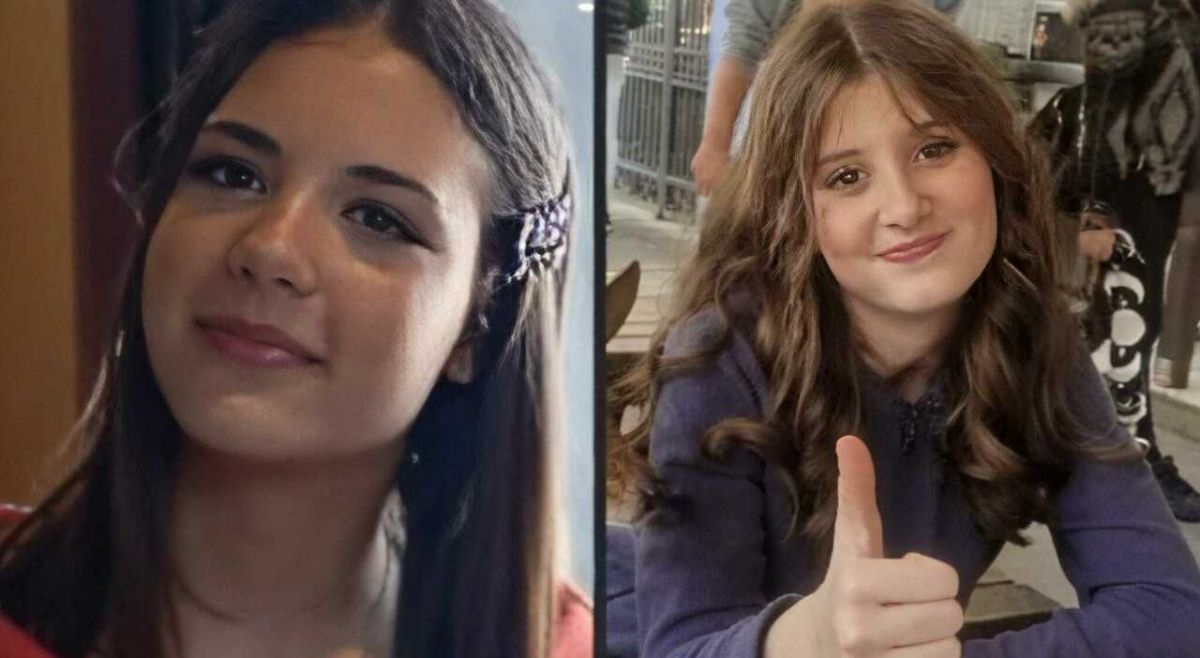
Two sisters, Linda and Camilla Rondini, aged 14 and 13 respectively, have been missing from a group home in Viterbo since October 16, and authorities have launched searches to locate them. #Scomparse #Viterbo #Ricerche (translated)

www.ilmessaggero.it
Linda e Camilla Rondini scomparse da Viterbo, hanno 14 e 13 anni. Le due sorelle erano in una casa famiglia
2209