BETA nonprofit public democratic european moderated

Search

#stock

The Moderates and the Sweden Democrats promise to implement cuts of 14 billion kronor in Stockholm's welfare, which threatens almost 1,400 teaching positions, while the Social Democrats propose a new funding principle to ensure resources in education, healthcare, and care services. (translated)
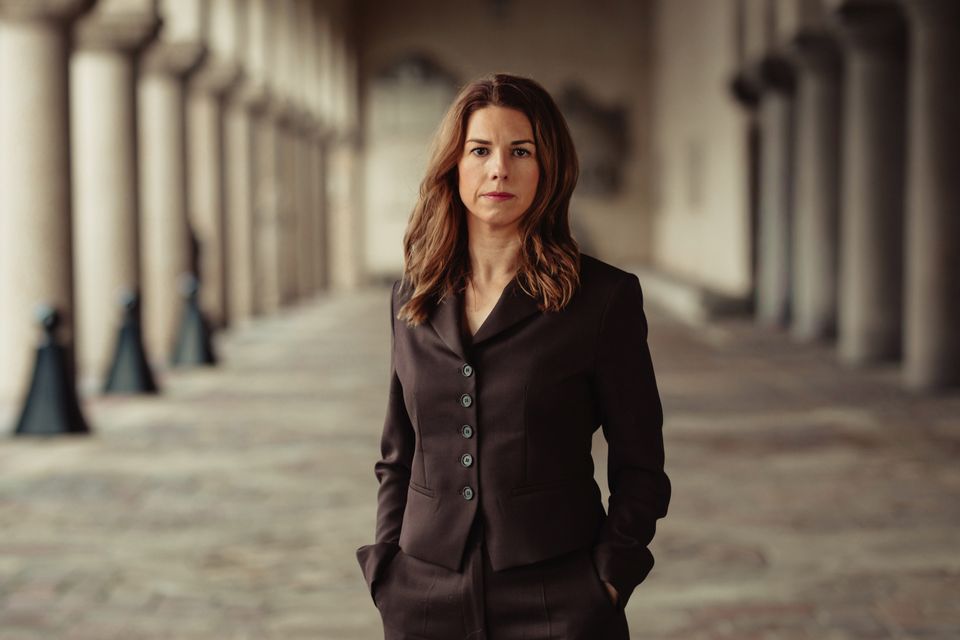
M och SD lovar att skära ned miljardbelopp på Stockholms välfärd
On September 8, women's organizations and political groups will gather at Sergels Torg in Stockholm to demand equal pay, focusing on highlighting that women work for free after 4:12 PM due to wage differences. (translated)

Alarm 16:12 – manifestation för jämställda löner

When I started working on public buffer stocks it was a total niche topic. Now it’s a key talking point of @JLMelenchon, possibly the next president of France. Economic disaster preparedness is no luxury. It’s the commitment that every life counts and ought to be protected. #PublicPolicy #EconomicPreparedness #France2022 #FR

Opartiska @SVT ger sig in i debatten och kommenterar – när Nike Örbrink, KD:s gruppledare i Stockholm – ger sin syn på Miljöpartiets besked om att öka bränslepriserna – Men när Lorentz Tovatt, fd riksdagsledamot för Miljöpartiet – skyller sommarens extremväder i Europa och väderfenomenet El Niño på Tidöpartierna – samtidigt som han hävdar att bensinpriset bara kommer öka med två kronor om MP får bestämma – då kommenterar @SVT inte detta uppenbart ologiska resonemang alls (dvs. att klimatet står och faller med en prisskillnad på två kronor litern) #Val2026 @SVTNyheter #journalistik SVT Morgonstudion 2026-09-07 #Miljöpolitik #Klimat #Val2026

The gas storage in France is at a "relatively reassuring" level ahead of winter, but prices are expected to rise, says the president of the Energy Regulatory Commission. (translated)

Vánice, která rozbila atom: Skutečný příběh Lise Meitner Vánoce roku 1938. Zatímco Evropa se propadá do stínu nacismu, v malém švédském městečku Kungälv kráčí hlubokým sněhem šedesátiletá žena v těžkém kabátě. Vedle ní na běžkách jede její čtyřiatřicetiletý synovec. Nepřijeli na dovolenou. Žena v červenci jen o vlásek unikla zatčení nacistickým režimem – po březnovém anšlusu Rakouska přišla o občanství i platný pas a kolega z institutu ji navíc udal na ministerstvu. Ze dne na den ztratila domov i vlastní laboratoř. Přesto má v kapse kabátu dopis z Berlína, který během několika následujících hodin změní dějiny moderní vědy. Jmenuje se Lise Meitner. A v tento mrazivý den, s kouskem tužky na útržku papíru opřeném o zasněžený kmen, právě přišla na to, jak funguje jaderné štěpení. O šest let později za tento objev převezme Nobelovu cenu za chemii její dlouholetý kolega Otto Hahn. Sám. Její klíčový teoretický přínos zůstane v oficiálním zdůvodnění ceny opomenut. Vítejte v dalším díle mého seriálu zaměřeném na opomíjené #ZenyVeVede. Jestli se vám líbí, prosím sdílejte jej svým sledujícím. Dívka, která nesměla ani na univerzitní toaletu Lise Meitner se narodila ve Vídni v listopadu 1878 do vzdělané rodiny židovského původu. Už od dětství ji fascinovala matematika a záření. V té době však dívky v Rakousku-Uhersku nesměly oficiálně studovat veřejná gymnázia. Všechno dohnala soukromým studiem a stala se teprve druhou ženou v historii, která na Vídeňské univerzitě získala doktorát z fyziky. Jejím mentorem a inspirací byl geniální Ludwig Boltzmann. V roce 1907 odešla do Berlína, aby se učila od Maxe Plancka. V Prusku byl přístup žen k vysokoškolskému vzdělání stále tabu. Když začala spolupracovat s mladým chemikem Ottou Hahnem v Ústavu Emila Fischera, slavný chemik jí povolil vstup pouze pod přísnou podmínkou: bude pracovat výhradně v bývalé truhlářské dílně v suterénu s vlastním vchodem z ulice a nesmí vstoupit do poslucháren ani horních pater. Do budovy neměla povolený vstup ani na toaletu – musela chodit do nedaleké restaurace. Zatímco Hahn dostával plat vědce, Lise pracovala celých pět let bez nároku na honorář a žila ze skromné podpory své rodiny. Teprve v roce 1912 se stala Planckovou asistentkou a získala své první placené místo. Byla to mimořádně silná dvojice: Otto Hahn byl precizní analytický chemik, mistr v izolování i stopových množství radioaktivních prvků. Lise Meitner byla teoretická i experimentální fyzička s pronikavou matematickou intuicí, která dokázala naměřeným datům vtisknout fyzikální smysl a řád. Společně objevili prvek protaktinium a zkoumali radioaktivní záření. Lise si postupně vydobyla takové renomé, že se v roce 1926 stala první ženou s řádnou profesurou fyziky v celém Německu. Albert Einstein jí s obdivem přezdíval „naše Marie Curie“. Pak ale přišel rok 1933. Útěk s diamantovým prstenem v kapse Po nástupu Adolfa Hitlera k moci byli židovští vědci hromadně zbavováni funkcí. Lise zpočátku chránilo rakouské občanství i práce v polozávislém Ústavu císaře Viléma. Věřila, že věda v Německu dokáže odolat politickému šílenství. V březnu 1938 však proběhl anšlus Rakouska. Přes noc se stala občankou Třetí říše a spadala pod norimberské rasové zákony. Hranice se pro osoby židovského původu uzavíraly, její pas byl neplatný a fanatický nacistický chemik Kurt Hess z téhož institutu ji nahlásil úřadům jako nežádoucí osobu. V červenci 1938 zorganizovali přátelé v čele s holandským fyzikem Dirkem Costerem tajnou záchrannou misi. Coster neohlášeně přijel do Berlína a doprovodil Lise do vlaku směr Nizozemsko. Na rozloučenou jí Otto Hahn vtiskl do ruky diamantový prsten po své matce – pro případ, že by bylo nutné podplatit pohraničníky. Nacistická hlídka na hranicích její neplatné doklady zkoumala, ale po napjatých minutách ji nechala projet. Lise vyvázla s deseti markami v peněžence a dvěma kufry. Přes Nizozemsko a Dánsko zamířila do švédského exilu. Ve Stockholmu získala místo v novém ústavu nobelisty Manneho Siegbahna. Ten však vůči ní zůstal rezervovaný – neposkytl jí téměř žádné vybavení, spolupracovníky ani odpovídající plat. Jediné spojení se špičkovou vědou tak představovala intenzivní korespondence s berlínskou laboratoří. Chemická záhada, která popírala fyzikální zákony V Berlíně Otto Hahn a mladý chemik Fritz Strassmann pokračovali v experimentech, které předtím naplánovali společně s Meitnerovou: ostřelovali těžké jádro uranu pomalými neutrony. Krátce před Vánocemi roku 1938 však narazili na výsledek, který nedával žádný smysl. V očekávaných rozpadových produktech nenašli těžší transurany, ale stopy barya. Baryum je však zhruba o polovinu lehčí než uran (uran má v jádře 92 protonů, baryum pouhých 56). Tehdejší fyzika považovala rozpad jádra na dva velké kusy za zhola nemožný. Předpokládalo se, že dopadající neutron může z jádra vyrazit nanejvýš malou částici (např. proton nebo jádro helia). Zmatený Hahn usedl v noci 19. prosince 1938 k psacímu stolu a poslal Lise dopis s přesným chemickým nálezem: „Naše izotopy radia se chovají jako baryum... Jako chemici bychom vlastně měli říci, že u těch nových látek nejde o radium, ale o baryum... Ale jako ‚jaderní fyzici‘ se k tomuto skoku, odporujícímu všem dosavadním poznatkům, zkrátka ještě nemůžeme odhodlat. Snad dokážeš navrhnout nějaké fantastické vysvětlení.“ Hahn věděl, že bez jejího teoretického posvěcení se chemický výsledek neodváží publikovat jako fakt. Průlom v zasněženém lese O několik dní později navštívil Lise v Kungälvu její synovec Otto Robert Frisch, talentovaný experimentální fyzik pracující v Kodani u Nielse Bohra. Během dopolední procházky mrazivou krajinou Frisch původně plánoval diskutovat o svém vlastním výzkumu, ale Lise odmítala mluvit o čemkoliv jiném než o Hahnově dopise. Znala Hahnovu analytickou pečlivost – pokud tvrdil, že chemicky prokázal baryum, nemohl to být omyl. Usedli na padlý kmen v lese a začali počítat. Lise si vybavila Bohrův kapkový model atomového jádra. Podle této představy se jádro nechová jako tuhá kulička, ale jako kapka kapaliny, jejíž tvar drží pohromadě povrchové napětí (způsobené silnou jadernou silou). Jádro uranu je však obrovské a natěsnané 92 kladně nabitými protony, které se navzájem mohutně elektrostaticky odpuzují. Povrchové napětí je u takto obřího jádra na samé hranici stability. Co když dopadající neutron kapku jen mírně rozkmitá? Jádro se protáhne do tvaru piškotu či činky. Uprostřed vznikne zaškrcení. V tu chvíli elektrické odpuzování na obou koncích převáží nad povrchovým napětím a jádro se roztrhne na dva menší fragmenty – například baryum a krypton: 56 + 36 = 92 Matematika seděla. Zůstávala však otázka: kde se vezme kinetická energie nově odmrštěných fragmentů? Lise spočítala, že elektrostatické odpuzování obou vzniklých jader musí uvolnit přibližně 200 MeV (megaelektronvoltů) na jedno jediné rozštěpené jádro. To bylo číslo v říši atomů nevídané – milionykrát převyšující jakoukoliv chemickou reakci. Odkud se tato energie vzala? Lise si z paměti vybavila hodnoty pro výpočet jaderných hmotností. Sečetla hmotnosti nově vzniklých jader a porovnala je s hmotností původního uranu. Výsledek ukázal nepatrný úbytek hmoty – nová jádra byla dohromady o zhruba pětinu hmotnosti protonu lehčí. Hmota se ztratila. Lise okamžitě použila nejslavnější rovnici světa, kterou zformuloval její přítel Albert Einstein: E = m c² Když do rovnice dosadila onen úbytek hmotnosti, vyšlo přesně: 200 MeV Vše do sebe beze zbytku zapadlo. Frisch termín pro tento děj převzal z biologie – nazval jej štěpení (nuclear fission), po vzoru dělení živé buňky. Zkreslený příběh a Matildin efekt Otto Hahn v lednu 1939 publikoval chemický nález barya v německém časopise Naturwissenschaften. Z politických důvodů v nacistickém Německu jméno Meitnerové uvést nemohl – článek s židovskou emigrantkou by byl okamžitě cenzurován. V únoru 1939 vyšla v britském časopise Nature teoretická práce Meitnerové a Frische, která celý proces poprvé fyzikálně vysvětlila, spočítala energii a pojmenovala štěpení. Světová fyzika byla v pozoru. Politická nutnost z roku 1939 se však po válce proměnila v pohodlnou legendu. Když v roce 1945 Královská švédská akademie věd udělila Nobelovu cenu za chemii za rok 1944, laureátem byl výhradně Otto Hahn. Ačkoliv Hahn jejich dlouholetou spolupráci před rokem 1938 v obecné rovině uznával, v otázce samotného štěpení po válce setrvale hájil narativ, že šlo o čistě chemický objev, na kterém fyzika neměla podíl a teoretici jej zprvu zpochybňovali. Historici vědy (zejména Ruth Lewin Sime a Elisabeth Crawford na základě odtajněných archivů Nobelovy nadace) prokázali, že švédský výbor pro chemii fyzikální rozměr objevu bagatelizoval a zásadní podíl Meitnerové ignoroval. Podle oficiálních záznamů byla Lise Meitner během svého života nominována na Nobelovu cenu celkem 49krát (30krát za fyziku, 19krát za chemii) – mimo jiné Maxem Planckem, Nielsem Bohrem či Arthurem Comptonem. Cenu nikdy nezískala. Jde o jeden z nejkřiklavějších projevů tzv. Matildina efektu v dějinách moderní vědy. „S bombou nebudu mít nic společného!“ Když spojenci zahájili přísně tajný projekt Manhattan na konstrukci atomové zbraně, Lise Meitner byla oficiálně vyzvána, aby se k vývoji v Los Alamos připojila. Její odpověď byla nekompromisní: „S bombou nebudu mít nic společného!“ Byla jednou z mála předních jaderných vědců, kteří účast na zbrani rezolutně odmítli z etických důvodů. Když po svržení bomb na Hirošimu a Nagasaki americký tisk senzacechtivě psal o „židovské matce atomové bomby“, která recept na zbraň vynesla z Berlína v kabelce, hluboce ji to zraňovalo. Celý zbytek života zasvětila obhajobě mírového využití jádra a etické odpovědnosti badatelů. Odkaz, který žádná cena nesmaže Lise Meitner se dočkala uznání, které je ještě vzácnější než Nobelova medaile. Zatímco nobelistů jsou stovky, stabilních i umělých chemických prvků zná periodická tabulka jen 118. V roce 1997 byl prvek s protonovým číslem 109 pojmenován na její počest: meitnerium (Mt). Je dodnes jedinou historickou ženou v dějinách, jejíž jméno nese chemický prvek zcela samostatně (Marie Curie jej v curiu sdílí s manželem Pierrem). Lise Meitner zemřela v anglické Cambridgi v říjnu 1968, krátce před svými 90. narozeninami. Její synovec Otto Frisch pro její náhrobek v Bramley vybral epitaf, který vystihuje celý její pohnutý osud: „Lise Meitner: fyzička, která nikdy neztratila své lidství.“ P.S.: Díky, že jste dočetli až sem, sdílejte prosím příběh svým sledujícím. Každý den sem píšu vedle vědeckých novinek příběh jedné opomíjené vědkyně, nezapomeňte dát sledovat @tkapler pro další. #ŽenyVeVědě #LiseMeitner #JadernáFyzika

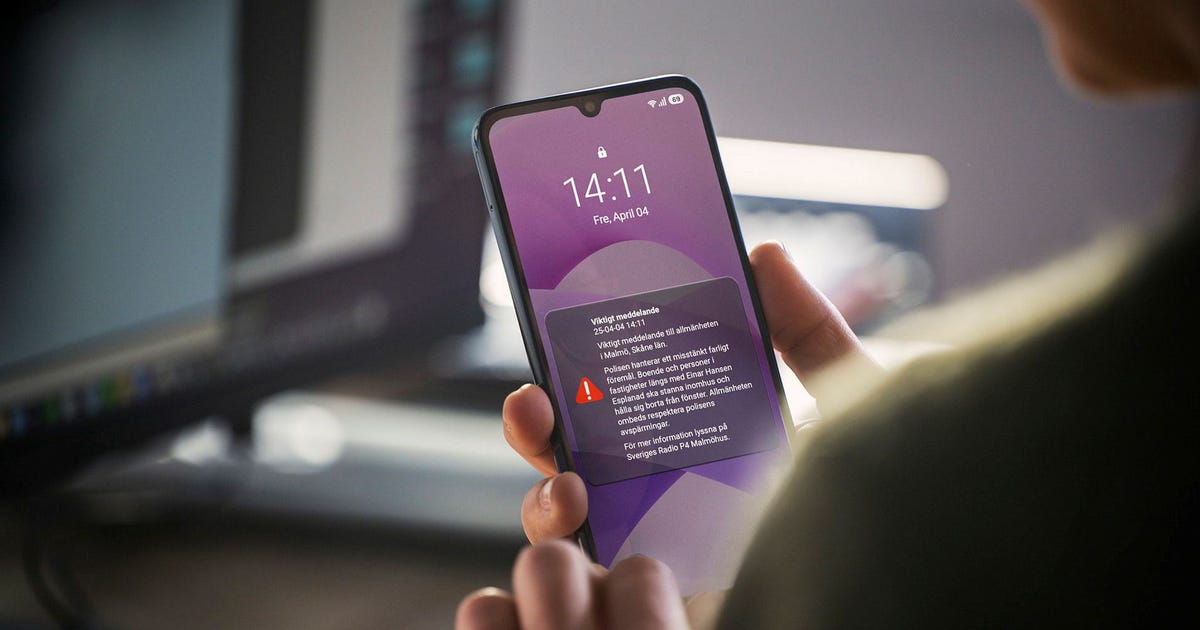
Today at 3 PM, mobile phones in Stockholm and Gotland counties will alarm as part of the first test of the new warning system SE-Alert, which affects about 2.6 million people. (translated)

I dag får miljoner svenskar en varning mobilen

”Polisen har på olika håll förberett listor med personer som skulle vara aktuella för en vandelsprövning men fått order från Migrationsverket att vänta med att agera. Vid sidan av bakslaget i Stockholm har försök gjorts i andra delar av landet. Gränspolisen i polisregion syd har lämnat över fyra vandelsärenden till Migrationsverket men resultatet är högst oklart och känslan är att det kommer ta tid. Och tyvärr går det inte att få några svar från Migrationsverket vad det är som händer.” Helt jävla sanslöst. #Migration #Polisen #Vandringsprövning

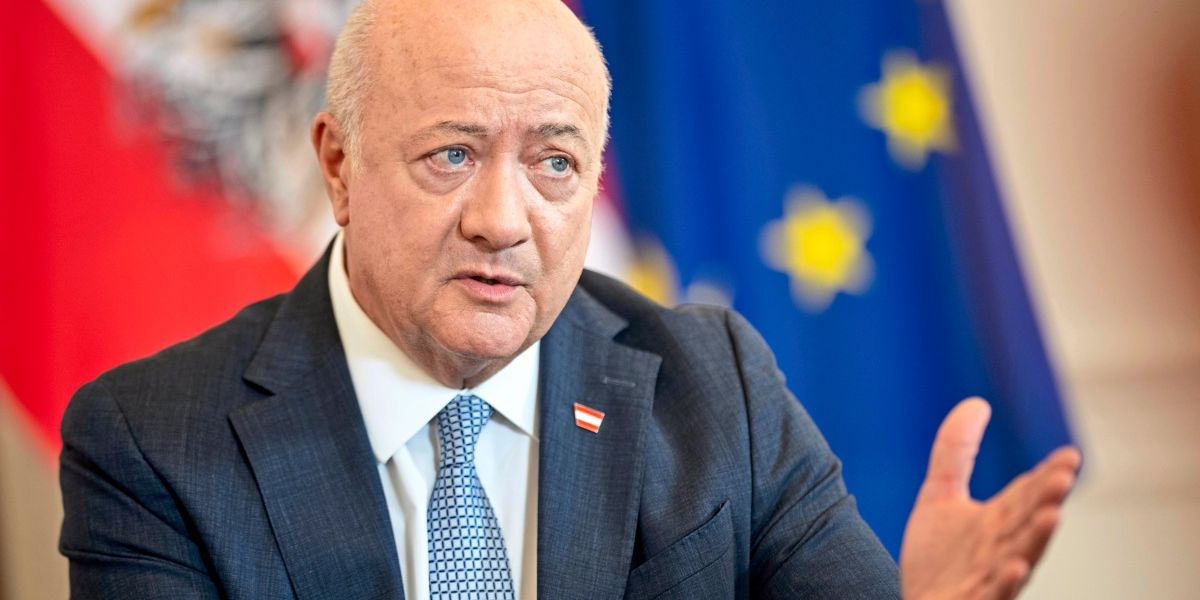
Austrian Chancellor Christian Stocker expressed concerns about the growing Islamism in the country and advocates for stricter asylum policies to ensure that his children and grandchildren do not grow up in an Islamic state. (translated)

Rakouský kancléř bije na poplach: „Nechci, aby naše děti vyrůstaly v islámském státě“
D

Chancellor Christian Stocker plans a ban on political Islam, which raises both concerns and approval in society and tests liberal principles. (translated)

Verbot des politischen Islam: Freiheit verteidigt sich nicht von selbst

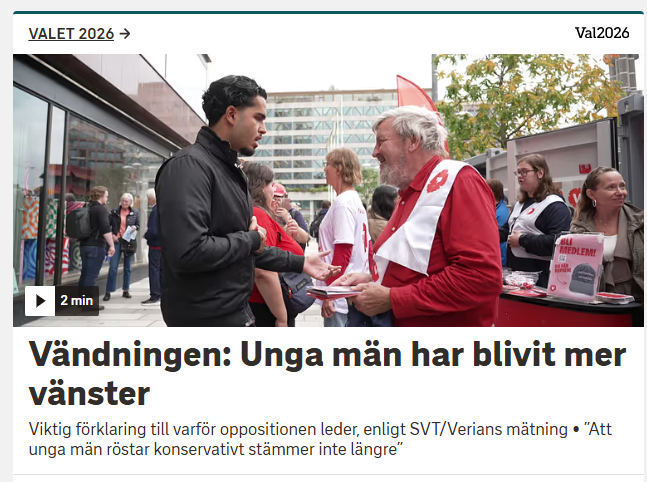
Nej, det var inte vad skolvalen visade. Det kan säkert stämma i Stockholm, och i invandrartäta områden, men knappast i övriga landet. "oberoende" SVT fortsätter att jobba för vänstern... Notera att svarsfrekvensen ligger på låga 40%. https://t.co/SRegPgfGqd #skolval #utbildning #politiktwitter

Ist das eigentlich zulässig & gängig, im Wahlkampf auch noch in dritte und vierte Stockwerke von Wohnhäusern einzudringen, um Wahlkampf-Material loszuwerden? 🧐 https://t.co/E3age9jIwK #Wahlkampf #Politik #Demokratie

Alltid hyllat Djurgårdsfestivalen för vilket otroligt event det är för hela familjen. Igår fick jag äntligen uppleva det med min egen. Otroligt fint att få kliva in på Stockholms Stadion med sin grabb i famnen 💙 https://t.co/NwSrslFalh #Djurgårdsfestivalen #Stockholm #Familjetid

BFMTV 2d

Donald Trump forced senior American military officials to undergo lie detector tests in order to uncover the source of a leak to the press regarding a decrease in army ammunition stocks, which he has always denied. (translated)

Des hauts-gradés américains contraints, par Donald Trump, de passer au détecteur de mensonges

🇨🇳 Traders Flock to Bullish Chinese Stock Bets for AI Alternative - Bloomberg https://t.co/hRmBZHY8S7 https://t.co/eXEdzwp9d1 #China #StockMarket #AI #CN

Tack Varberg, tack Kungsbacka – och tack till de tiotusentals som tittade på livesändningarna! 🇸🇪 Nästa vecka är det dags för sista turnévändan, som avslutas med den stora valfinalen i Stockholm vid Gustav III:s staty. Blir vi fyrsiffrigt antal åhörare? Jag tror det! Torsdag 10 september 12:00 Falun, Geislerska parken 14:00 Borlänge, Jussi Björlings torg 18:00 Eskilstuna, Fristadstorget Fredag 11 september 11:00 Motala, Kungsgatan (vid Stora torget) 14:00 Jönköping, Vindbron 17:00 Skövde, Hertig Johans torg Lördag 12 september 14:00 Stockholm, Gustav III:s staty vid Skeppsbrokajen Söndag 13 september Valdag! Rösta på Alternativ för Sverige! #Valfinal #AlternativförSverige #Sverige

Spotify-grundaren Martin Lorentzon har gett sig in i valrörelsen med en debatttext i Expressen. Vad vill han? Inte betala förmögenhetsskatt. Stor chock. Nåväl, texten ger en intressant inblick i hur de superrika tänker. För Lorentzon är hans privata förmögenhet samma sak som produktivt kapital. Dessutom tror han att Sveriges välstånd är beroende av att hans förmögenhet får fortsätta växa. Men inget av det där är ju sant. Om Stockholmsbörsen på måndag värderar Lorentzons aktier dubbelt så högt som i fredags så har hans förmögenhet måhända ökat med 100 miljoner. Men Spotify har inte fått 100 miljoner mer att använda i verksamheten. Det gäller för hela ekonomin. När en aktie stiger i värde på börsen betyder det att människor är beredda att betala mer för att äga en del av företaget. Det betyder inte att motsvarande summa pengar går in i företaget. Ingen nyanställning sker och ingen ny satsning görs bara därför att aktiekursen stiger. Om staten i stället beskattar en miljardär med 100 miljoner kronor betyder det inte heller att svenska företags investeringar minskar med 100 miljoner. Men visst, för ett växande svenskt välstånd behövs företag som bygger ut sin verksamhet. Det gör de när de tror att det finns pengar att tjäna på att producera mer. Då behövs kunder som har råd att konsumera, utbildad arbetskraft, energi, forskning och fungerande infrastruktur. Och hur skapar man ett sådant klimat? Jo, genom offentliga - skattefinansierade! - satsningar på skola, sjukvård, socialförsäkringar, forskningsanslag och vägar. Utan allt detta skulle Lorentzon varken ha några kunder eller anställda. En förmögenhetsskatt är på så sätt inte nödvändigtvis ett hot mot tillväxten utan kan tvärtom bidra till framtida tillväxt. Det märkligaste i texten är ändå hur Lorentzon försöker göra en poäng av att anhängare av förmögenhetsskatt tror att ekonomin är en kaka som varken kan växa eller krympa. Vad är det för trams? Alla vänsteranalyser värda namnet tar fasta på hur kapitalismen expanderar produktionen, höjer produktiviteten och skapar allt större rikedomar. Det är liksom grunden i marxismen. Konflikten handlar om något annat: vem kan göra anspråk på den växande kakan? Ska mer gå till löner eller vinster? Till välfärd eller privata förmögenheter? Ska den som arbetar få en större del av det som produceras eller ska ännu mer gå till den som äger? Det är motsättningen mellan arbete och kapital i sin enklaste form. Lorentzon vill få diskussionen att handla om huruvida Sverige ska bli rikare. Det vill alla. Den politiska konflikten handlar om vem som ska få del av den växande rikedomen och vem som ska ha makten över den. Det är därför vi över huvud taget diskuterar förmögenhetsskatt. #Förmögenhetsskatt #Ekonomi #Politik

The Psychologist – The British Psychological Society – Quando i Muri Diventano Benessere SOURCE: https://www.linkedin.com/pulse/psychologist-british-psychological-society-when-sardella-ph-d--jl9df/ Dr Luciano Magaldi Sardella e il Professor Matteo Mantuano parlano di come lo "Stramurales International Street Art Festival" e l'arte di strada partecipativa transforma la salute mentale urbana. Link: https://www.bps.org.uk/psychologist/when-walls-become-wellness The Psychologist, The British Psychological Society by esteemed Dr. Joe Sutton, Head of Science Communication at BPS. Contenuto dell’articolo In un torrido pomeriggio del giugno 2018, ci trovavamo nella piazza centrale di Stornara, una piccola città agricola della Puglia, nel Sud Italia, ad assistere a qualcosa di straordinario. L'artista locale Lino Lombardi stava facilitando un acceso dibattito tra i residenti su quali progetti murali avrebbero dovuto ornare i muri fatiscenti della loro città. Ciò che ci colpì non fu l'arte in sé, bensì la trasformazione che vedemmo negli occhi di persone che, solo pochi mesi prima, avevano descritto la loro città natale come un luogo da cui fuggire. Erano individui che reclamavano la propria narrazione, votavano sul proprio futuro, dipingendo letteralmente sopra decenni di declino. Siamo psicologi ambientali e di comunità che hanno trascorso oltre un decennio a studiare come gli ambienti costruiti plasmino i risultati in termini di salute mentale. La ricerca del Dottor Luciano Magaldi Sardella si concentra sugli interventi artistici partecipativi nelle comunità rurali in declino, mentre il Professor Matteo Mantuano è specializzato nei meccanismi psicologici dell'empowerment comunitario e dell'agentività collettiva. Quando venimmo a conoscenza del festival Stramurales all'inizio del 2018, riconoscemmo in esso una rara opportunità di osservare l'arte urbana partecipativa come potenziale strumento per affrontare la crisi della salute mentale che affligge le città in via di spopolamento del Sud Italia. Nel corso degli ultimi sette anni abbiamo condotto un'ampia ricerca sul campo a Stornara — intervistando i residenti, documentando l'evoluzione del festival e analizzando i suoi impatti psicologici e sociali. Ciò che abbiamo trovato a Stornara era qualcosa di ben più significativo di un'innovativa iniziativa artistica guidata dalla comunità. Era la psicologia ambientale in azione — che ridefiniva la nostra comprensione del rapporto tra ambienti costruiti, arti partecipative e salute mentale. La Crisi Nascosta alla Vista di Tutti Ricerche recenti rivelano un'allarmante convergenza di crisi ambientali e della salute mentale che rimane curiosamente poco esaminata nel discorso psicologico. La ricerca sulla salute mentale riceve appena il 2,3 per cento dei finanziamenti complessivi del National Institute of Health. Non possiamo sapere quanta parte di questi riguardi i nostri ambienti — sia naturali che costruiti — che plasmano in modo fondamentale il nostro benessere psicologico. Il campo di recente proposta denominato "EnvironMental Health" sottolinea che il deterioramento degli ambienti costruiti correla significativamente con stress elevato, isolamento sociale e peggioramento dei risultati in termini di salute mentale. Le comunità rurali del Sud Italia incarnano questa crisi. Tra il 2002 e il 2017, la regione del Sud Italia ha perso circa due milioni di residenti a causa della migrazione, prevalentemente giovani adulti tra i 15 e i 34 anni. Questo esodo ha creato ciò che Johan Galtung ha descritto come "violenza strutturale" — assetti sistematici che impediscono alle comunità di realizzare il proprio potenziale. Il tributo in termini di salute mentale si manifesta non solo in diagnosi individuali, ma nella disperazione collettiva, nell'erosione del capitale sociale e in comunità che guardano il proprio futuro emigrare letteralmente. Stornara esemplificava questa traiettoria. Nel 2017, questo comune di 6.000 abitanti affrontava la familiare spirale: la contrazione economica che precipitava l'emigrazione giovanile, accelerando il deterioramento delle infrastrutture e alimentando un ulteriore declino. I muri crollavano. Le attività commerciali chiudevano. La speranza evaporava. Poi qualcosa cambiò. La Rivoluzione Stramurales: Democrazia attraverso l'Arte Ciò che è emerso a Stornara trascende il convenzionale turismo culturale. Il Festival Internazionale di Street Art Stramurales opera attraverso tre meccanismi democratici fondamentali che lo distinguono dai superficiali progetti di abbellimento urbano. Organizzato attraverso Stornara Life APS — un'associazione a iscrizione aperta fondata dal Maestro Lino Lombardi — il festival previene la cattura elitaria attraverso la partecipazione volontaria dei proprietari degli immobili, garantendo l'assenza di coercizione; la selezione democratica dei contenuti attraverso la votazione annuale della comunità sui temi del festival e sulle proposte di murales; e una governance trasparente e inclusiva che dà a tutti i residenti voce in capitolo nella direzione del festival. Questa architettura partecipativa facilita ciò che l'Organizzazione Mondiale della Sanità descrive come "empowerment comunitario" — processi che consentono alle comunità di aumentare il controllo sui fattori determinanti che influenzano la loro salute. Recenti studi sul campo a Vienna dimostrano che gli interventi di arte urbana riducono stress e ansia migliorando al contempo gli stati d'umore, ma Stramurales va oltre, incorporando la creazione artistica all'interno di strutture decisionali democratiche. Quando i residenti offrono volontariamente i propri muri e votano sui contenuti, compiono atti di investimento materiale e psicologico. Questo ripristino dell'agentività collettiva — la convinzione che i residenti possano plasmare il futuro della propria città natale anziché limitarsi ad assistere al suo declino — affronta direttamente la violenza strutturale che erode la salute mentale. Tra il 2020 e il 2025, Stornara ha registrato un notevole incremento delle entrate turistiche nonostante le perturbazioni causate dalla pandemia. Nuove attività commerciali hanno aperto i battenti. Un emigrato originario di Stornara, tornato a malincuore nel 2017 per assistere i genitori anziani, lavora ora come guida turistica e descrive Stornara come "la città più bella d'Italia". Non si tratta semplicemente di indicatori economici. Sono risultati in termini di salute mentale. La Scienza alla Base della Trasformazione La ricerca contemporanea in molteplici discipline valida ciò che i residenti di Stornara sperimentano visceralmente. Una revisione sistematica del 2024, che ha esaminato 79 articoli sottoposti a revisione paritaria, ha identificato come i luoghi dell'arte — dai musei permanenti alle installazioni pubbliche temporanee — stimolino il coinvolgimento della comunità, rafforzino l'identità culturale e favoriscano la coesione sociale. I progetti murali guidati dalla comunità rafforzano specificamente l'identità e l'orgoglio locali, creando nuove routine che incoraggiano le persone a interagire e costruire relazioni. Una recente ricerca sperimentale condotta a Berlino ha rilevato che le mostre d'arte a livello del marciapiede hanno alterato significativamente il legame dei visitatori con il proprio quartiere e la loro soddisfazione nei suoi confronti, migliorando il benessere complessivo. Ciò si allinea con le teorie emergenti sull'impatto della fruizione artistica sulla salute mentale, che individua cinque meccanismi chiave: processi affettivi che regolano le emozioni e lo stress; processi cognitivi che forniscono stimolazione sensoriale e apprendimento; processi sociali che creano esperienze condivise; auto-trasformazione attraverso la riflessione; e costruzione della resilienza per affrontare le sfide. La ricerca in psicologia ambientale dimostra che gli ambienti costruiti operano come interventi terapeutici. Studi sulle strutture di degenza psichiatrica rivelano che gli elementi progettuali che influenzano privacy, controllo, accesso alla luce naturale e, in particolare, l'inclusione di opere d'arte hanno un impatto significativo sui risultati dei pazienti. Se i muri degli ospedali hanno importanza terapeutica, quanto più lo avranno i muri che incontriamo quotidianamente nelle nostre comunità? Il modello Stramurales sfrutta questi meccanismi attraverso il recente concetto di "visual health activism". Diversi murales affrontano esplicitamente temi legati alla salute e ai diritti umani: "Refuge for All Migrants" di Alaniz Niz rappresenta i lavoratori agricoli africani sfruttati; "Turning Our Backs on Migration" di Sabotaje al Montaje sfida le politiche escludenti; "African Child at Sunset" di Devil Art Design ritrae giovani migranti in cerca di un futuro dignitoso. Queste opere affrontano i determinanti sociali della salute attraverso la difesa dei diritti umani. Le politiche migratorie che negano i diritti fondamentali creano vulnerabilità sanitarie — tra cui accesso limitato all'assistenza sanitaria, condizioni di lavoro pericolose e trauma psicologico derivante dalla discriminazione. I murales svolgono una duplice funzione di salute pubblica: affrontano la salute mentale dei residenti, advocando al contempo per le popolazioni i cui diritti alla salute sono sistematicamente violati. Attaccamento alla Terra e Resilienza Comunitaria Il rapporto tra percezione ambientale, identità culturale e resilienza comunitaria ha ricevuto notevole attenzione accademica nel 2024-2025. Ricerche condotte nelle aree rurali della Cina dimostrano che la percezione ambientale degli spazi pubblici influenza la resilienza comunitaria attraverso gli effetti di mediazione concatenati dell'identità culturale e dell'attaccamento ai luoghi. Quando le comunità trasformano i propri ambienti fisici attraverso processi partecipativi, rafforzano simultaneamente i legami psicologici che costituiscono il fondamento della resilienza. Questo spiega perché Stramurales riesce laddove i tradizionali approcci allo sviluppo economico falliscono. Il festival non si limita a creare valore economico — sebbene oltre 150 murales di artisti internazionali attirino ormai migliaia di visitatori ogni anno. Ridefinisce fondamentalmente il rapporto dei residenti con il proprio ambiente, trasformando le narrative del declino in prove di vitalità. Ogni murale democraticamente selezionato diventa ciò che i ricercatori sulla resilienza chiamano un "ancora di speranza" — una prova tangibile che contraddice la disperazione. La teoria contemporanea della resilienza sottolinea che la forza risiede non soltanto nelle infrastrutture fisiche, ma nella coesione sociale. Una recente analisi del design urbano resiliente nei quartieri emarginati americani ha rilevato che il messaggio dei residenti — "Ci piacciono i nostri vicini, ci piace il carattere del luogo in cui viviamo" — rivelava che la resilienza riguarda fondamentalmente le persone e la comunità. Gli interventi progettuali hanno successo quando preservano e rafforzano questi legami sociali, anziché imporre visioni esterne. Stramurales incarna questo principio. I meccanismi di votazione democratica assicurano che l'arte rifletta i valori autentici della comunità, piuttosto che le preferenze degli artisti o dei curatori. Questo previene lo spostamento culturale che spesso accompagna la rigenerazione urbana, in cui i miglioramenti avvantaggiano i nuovi arrivati alienando al contempo i residenti preesistenti. Centrando l'agentività dei residenti, Stramurales costruisce quella che i ricercatori descrivono come "resilienza critica" — una capacità che affronta le disuguaglianze sottostanti anziché limitarsi ad adattarsi ad esse. Il Divario della Partecipazione e l'Accesso Universale Questi risultati risuonano profondamente con le preoccupazioni di lunga data riguardanti l'accessibilità alle arti. La Commissione Warwick del 2015 ha documentato che l'8 per cento più ricco e più istruito della popolazione britannica rappresentava il 44 per cento delle presenze ai concerti di musica dal vivo e il 28 per cento delle visite alle mostre di arte visiva. Questo divario nella partecipazione colpisce in modo particolare le comunità che trarrebbero il massimo beneficio dall'impegno artistico per la salute e il benessere. Ma Stramurales sfida questa narrativa. La street art come infrastruttura di salute pubblica non richiede biglietti d'ingresso, prenotazioni anticipate né capitale culturale per essere apprezzata. Esiste nei luoghi in cui le persone vivono, trasformando i tragitti quotidiani in incontri con la bellezza e il significato. Il processo di selezione democratica garantisce che l'accessibilità si estenda oltre la fruizione alla co-creazione — i residenti non si limitano a guardare l'arte, ma determinano ciò che appare sui propri muri. Ricerche recenti sulle arti partecipative e sulla coesione sociale sottolineano che gli interventi di successo condividono caratteristiche comuni: erogazione nelle comunità locali, approcci non stigmatizzanti, flessibilità, promozione del coinvolgimento sociale, coinvolgimento di mostre ed erogazione entro specifici archi temporali. Stramurales incorpora tutti questi elementi aggiungendo al contempo una genuine governance democratica. Questo è urgentemente rilevante. Le condizioni di salute mentale tra i giovani a livello mondiale sono in aumento, e i servizi tradizionali di salute mentale rimangono cronicamente sottofinanziati. Se non riusciamo a scalare gli interventi clinici per soddisfare la domanda, dobbiamo investire in approcci preventivi di salute pubblica che mirino ai determinanti sociali. Da Stornara al Mondo: Implicazioni per la Pratica Il modello Stramurales offre un modello replicabile che richiede un modesto investimento finanziario ma una sostanziale partecipazione comunitaria. Gli elementi essenziali includono: coinvolgimento volontario, processo decisionale democratico, uso strategico dei social media per il marketing e integrazione delle narrative locali con le pratiche artistiche globali. Diverse città hanno implementato varianti con risultati promettenti. La ricerca sugli interventi artistici negli spazi urbani in Europa e in Asia dimostra che i progetti d'arte partecipativa possono fungere da "social prescribing", migliorando la resilienza psicologica e potenziando il coinvolgimento pubblico. Gli approcci di "tactical urbanism" — interventi su piccola scala e a basso costo per migliorare gli spazi pubblici — incorporano sempre più l'arte come elemento centrale piuttosto che supplementare. Le implicazioni si estendono oltre le singole comunità. I quadri internazionali, tra cui il Patto Internazionale sui Diritti Economici, Sociali e Culturali, sanciscono i diritti alla salute e alla partecipazione culturale. Gli obblighi degli Stati di conservare, sviluppare e diffondere la cultura dovrebbero sostenere le iniziative culturali guidate dalla comunità che hanno un impatto dimostrabile sui risultati in termini di salute. Come sottolineano le analisi della governance pandemica, le future riforme della politica sanitaria devono affrontare non solo la preparazione biomedica, ma anche le vulnerabilità sottostanti nella resilienza comunitaria e nella coesione sociale. La street art che opera attraverso strutture partecipative rafforza direttamente queste dimensioni. Cosa gli Psicologi Possono Fare Abbiamo un ruolo da svolgere a molteplici livelli. In primo luogo, dobbiamo condurre ricerche che documentino gli impatti sulla salute mentale degli interventi artistici partecipativi. Sebbene esistano prove promettenti, studi metodologicamente rigorosi con campioni adeguati e follow-up a lungo termine rimangono scarsi. Abbiamo bisogno di disegni sperimentali, non solo di studi osservazionali, che esaminino i meccanismi attraverso i quali le trasformazioni ambientali influenzano i risultati psicologici. In secondo luogo, dovremmo sostenere politiche che riconoscano il coinvolgimento artistico come intervento sanitario. Ciò significa supportare il finanziamento della salute pubblica per le iniziative artistiche comunitarie, in particolare nelle aree economicamente depresse dove i tradizionali approcci allo sviluppo hanno fallito. Dovremmo collaborare con urbanisti, architetti e artisti per integrare le arti partecipative nella rigenerazione dei quartieri fin dall'inizio, non come ripensamenti successivi. In terzo luogo, dobbiamo garantire che gli interventi incarnino una partecipazione genuina piuttosto che una consultazione di facciata. Il modello Stramurales ha successo perché i residenti detengono un potere reale. Senza questo, gli interventi artistici rischiano di replicare le strutture di potere esistenti e di accelerare potenzialmente la gentrificazione che allontana le comunità che si propongono di servire. In quarto luogo, dovremmo adottare metodi di ricerca basati sulle arti che mettano al centro le voci della comunità. Approcci collaborativi come il teatro partecipativo, il photovoice e la poetica collaborativa permettono alle comunità di articolare le proprie esperienze e aspirazioni in modi che le tradizionali valutazioni psicologiche non riescono a cogliere. Questi metodi riconoscono che le comunità possiedono una competenza propria riguardo ai propri bisogni e alle potenziali soluzioni. Infine, dobbiamo collocare gli interventi artistici all'interno di quadri più ampi che affrontino la giustizia sociale. L'arte non dovrebbe funzionare come un "cerotto" che maschera le disuguaglianze sottostanti. Dovremmo invece sfruttare il potenziale dirompente delle arti per promuovere quella che i ricercatori definiscono "resilienza critica" — una capacità che sfida le ingiustizie sistemiche anziché limitarsi ad aiutare le persone ad adattarsi ad esse. Ciò significa affrontare non solo i sintomi (il disagio mentale) ma le cause (la violenza strutturale, l'abbandono economico, i fallimenti politici). Ripensare le Infrastrutture Sanitarie Pubbliche Il caso Stramurales impone una riconsiderazione fondamentale di cosa costituisca un'infrastruttura sanitaria. Immaginiamo tipicamente cliniche, ospedali, farmacie — istituzioni biomediche che erogano trattamenti per condizioni diagnosticate. Ma cosa succederebbe se l'intervento di salute mentale più efficace per una comunità in declino non fosse una nuova struttura psichiatrica, bensì processi democratici che consentano ai residenti di trasformare il proprio ambiente visivo? I muri ricoperti di arte selezionata democraticamente, creata attraverso una genuina partecipazione comunitaria, migliorano in modo dimostrabile la salute mentale della comunità operando al contempo i diritti culturali sanciti dal diritto internazionale. Il modesto investimento finanziario richiesto impallidisce di fronte ai costi dei servizi clinici che trattano il disagio prevenibile. Per le comunità che vivono il declino in cui i tradizionali approcci allo sviluppo economico hanno fallito, la street art partecipativa può offrire l'intervento di salute mentale più conveniente, accessibile e sostenibile disponibile. Non si tratta di romanticizzare l'arte o di sminuire le gravi malattie mentali che richiedono cure cliniche. Si tratta di riconoscere che la salute mentale della popolazione richiede di affrontare i determinanti sociali — e che le arti partecipative che prendono di mira gli ambienti costruiti, il capitale sociale e l'agentività collettiva affrontano direttamente questi determinanti. La domanda che la psicologia deve porsi non è se l'arte possa funzionare come intervento sanitario — Stramurales e le prove crescenti dimostrano che può farlo. Piuttosto, la domanda è se possediamo l'immaginazione per ripensare le infrastrutture sanitarie, riconoscendo che una promozione efficace della salute mentale può richiedere tanto il processo decisionale democratico e la partecipazione comunitaria quanto la competenza clinica. Mentre guardavamo i residenti di Stornara votare sui murales in quel pomeriggio di giugno, assistevamo a persone che esercitavano una capacità umana fondamentale troppo spesso negata nel nostro campo: il potere di plasmare il proprio ambiente e, attraverso quella creazione, di guarire. Forse questa è la lezione più vitale che Stramurales offre alla psicologia — che a volte l'intervento più terapeutico non è somministrato da professionisti, ma creato da comunità che reclamano la propria agentività… un muro selezionato democraticamente alla volta. Dr Luciano Magaldi Sardella holds a PhD in Cognitive Leadership at Aspire Institute, Harvard Business School. Professor Matteo Mantuano is Professor of Social Sciences and Psychoeducational Health, Unitré University of Milan, Italy. Photo: 'Kid trapped in a box' mural by Leticia Mandragora References: All-Party Parliamentary Group on Arts, Health and Wellbeing (2017). Creative Health: The Arts for Health and Wellbeing (2nd ed.). Belfiore, E. & Bennett, O. (2024). The social impact of the arts: An intellectual history. London: Palgrave Macmillan. Bone, J.K., Bu, F., Fluharty, M.E., Paul, E., Sonke, J.K. & Fancourt, D. (2024). Who engages in the arts in the United States? A comparison of several types of engagement using data from The General Social Survey. PLOS ONE, 19(1), e0296743. doi:10.1371/journal.pone.0296743 Chatterjee, H.J. & Noble, G. (2024). Museums, health and well-being: A preliminary report for Phase I. UCL Museums & Public Health Research Group. Cohen, G.D., Perlstein, S., Chapline, J., Kelly, J., Firth, K.M. & Simmens, S. (2006). The impact of professionally conducted cultural programs on the physical health, mental health, and social functioning of older adults. The Gerontologist, 46(6), 726–734. Daykin, N., Mansfield, L., Meads, C., Julier, G., Tomlinson, A., Payne, A., Grigsby Duffy, L., Lane, J., D'Innocenzo, G., Burnett, A., Kay, T., Dolan, P., Testoni, S. & Victor, C. (2024). What works for wellbeing? A systematic review of wellbeing outcomes for music and singing in adults. Perspectives in Public Health, 138(1), 39–46. doi:10.1177/1757913917740391 Fancourt, D. & Finn, S. (2019). What is the evidence on the role of the arts in improving health and well-being? A scoping review. World Health Organization, Health Evidence Network Synthesis Report 67. Flores González, L.M. & Rodríguez Sánchez, I. (2024). The transformative power of art in marginalized communities: Case studies from Latin America. International Journal of Community Well-Being, 7(2), 145–167. Galtung, J. (1969). Violence, peace, and peace research. Journal of Peace Research, 6(3), 167–191. Hart, A., Gagnon, E., Eryigit-Madzwamuse, S., Cameron, J., Aranda, K., Rathbone, A. & Heaver, B. (2016). Uniting resilience research and practice with an inequalities approach. Sage Open, 6(4), 1–13. Johnson, H., Carson-Apstein, E., Banderob, S. & Macualay-Rettino, X. (2017). 'You kind of have to listen to me': Researching discrimination through poetry. Forum Qualitative Sozialforschung/Forum Qualitative Social Research, 18(2). doi:10.17169/fqs-18.3.2864 Kaplan, S. (1995). The restorative benefits of nature: Toward an integrative framework. Journal of Environmental Psychology, 15(3), 169–182. Kim, J. (2017). Effects of community-based group music therapy for children exposed to ongoing child maltreatment and poverty in South Korea: A block randomized controlled trial. Arts Psychotherapy, 54, 69–77. doi:10.1016/j.aip.2017.01.001 Li, Y., Zhang, H. & Chen, T. (2024). Environmental perception, cultural identity and community resilience: Chain mediating effects of place attachment in rural China. Journal of Rural Studies, 98, 103– 115. Marmot, M., Atkinson, T., Bell, J., Black, C., Broadfoot, P., Cumberlege, J., Diamond, I., Gilmore, I., Ham, C., Meacher, M. & Mulgan, G. (2010). Fair society, healthy lives: The Marmot Review. Strategic Review of Health Inequalities in England Post-2010. Mulligan, M., Scanlon, C. & Welch, N. (2008). Renegotiating community life: Arts, agency, inclusion and wellbeing. Gateways: International Journal of Community Research and Engagement, 1, 99–115. doi:10.5130/ijcre.v1i0.591 Neelands, J., Belfiore, E., Firth, C., Hart, N., Perrin, L., Brock, S., Holdaway, D. & Woddis, J. (2015). Enriching Britain: Culture, creativity and growth. The 2015 Report by the Warwick Commission for the Future of Cultural Value. Packer, J. & Ballantyne, R. (2024). The role of museums and art galleries in promoting wellbeing: Insights from the United Kingdom and Australia. International Journal of Heritage Studies, 30(3), 234–251. Papies, E.K., Best, M., Gelibter, E. & Stroebe, W. (2024). The role of mental simulation in desire and motivation: A systematic review. Motivation Science, 10(1), 1–18. Pykett, A.A., Osborne, T., Resch, B., Nielek, R., Krukar, J. & Malleson, N. (2024). From smart to sustainable cities: The role of environmental psychology in urban transformation. Cities, 144, 104644. Roe, J. & Aspinall, P. (2024). The restorative benefits of walking in urban and rural settings in adults with good and poor mental health. Health & Place, 71, 102654. Stuckey, H.L. & Nobel, J. (2010). The connection between art, healing, and public health: A review of current literature. American Journal of Public Health, 100(2), 254–263. Theorell, T. (2024). Psychological health effects of musical experiences: Theories, studies and reflections in music health science. Stockholm: Springer Nature. Ulrich, R.S., Simons, R.F., Losito, B.D., Fiorito, E., Miles, M.A. & Zelson, M. (1991). Stress recovery during exposure to natural and urban environments. Journal of Environmental Psychology, 11(3), 201–230. Van den Berg, A.E., Wesselius, J.E., Maas, J. & Tanja-Dijkstra, K. (2024). Green space as a buffer between stressful life events and health: A longitudinal analysis. Social Science & Medicine, 310, 115270. WHO (2019). WHO housing and health guidelines. Geneva: World Health Organization. Zarobe, L. & Bungay, H. (2024). The role of arts activities in developing resilience and mental wellbeing in children and young people: A rapid review of the literature. Perspectives in Public Health, 137(6), 337–347. doi:10.1177/1757913917712283.

The Psychologist – The British Psychological Society – Quando i Muri Diventano Benessere

The Psychologist – The British Psychological Society – When Walls Become Wellness SOURCE: https://www.linkedin.com/pulse/psychologist-british-psychological-society-when-walls-sardella-ph-d--pu8sf/ Dr Luciano Magaldi Sardella and Professor Matteo Mantuano on how ‘Stramurales Participatory Street Art’ transforms urban mental health. Link: https://www.bps.org.uk/psychologist/when-walls-become-wellness The Psychologist, The British Psychological Society by esteemed Dr. Joe Sutton, Head of Science Communication at BPS Contenuto dell’articolo On a sweltering afternoon in June 2018, we stood in the central square of Stornara, a small agricultural town in Puglia, Southern Italy, watching something extraordinary unfold. Local artist Lino Lombardi was facilitating a heated discussion among residents about which mural designs should adorn their town's crumbling walls. What struck us wasn't the art itself, but the transformation we witnessed in the eyes of people who, just months before, had described their hometown as a place to escape. These were individuals reclaiming their narrative, voting on their future, literally painting over decades of decline. We are environmental and community psychologists who have spent over a decade studying how built environments shape mental health outcomes. Dr Luciano Magaldi Sardella's research focuses on participatory arts interventions in declining rural communities, while Professor Matteo Mantuano specialises in the psychological mechanisms of community empowerment and collective agency. When we first learned about the Stramurales festival in early 2018, we recognised it as a rare opportunity to observe participatory urban art as a potential tool for addressing the mental health crisis plaguing Southern Italy's depopulating towns. Over the past seven years, we have conducted extensive fieldwork in Stornara – interviewing residents, documenting the festival's evolution, and analysing its psychological and social impacts. What we found in Stornara was something far more significant than an innovative community-led arts initiative. It was environmental psychology in action – reshaping how we understand the relationship between built environments, participatory arts, and mental health. The Crisis Hiding in Plain Sight Recent research reveals an alarming convergence of environmental and mental health crises that remains curiously underexamined in psychological discourse. Mental health research receives a mere 2.3 per cent of overall National Institute of Health funding. We cannot know how much of that concerns our environments – both natural and built – which fundamentally shape our psychological wellbeing. The newly proposed field of 'EnvironMental Health' emphasises that deteriorating built environments correlate significantly with elevated stress, social isolation, and worsening mental health outcomes. Southern Italy's rural communities embody this crisis. Between 2002 and 2017, South Italy region lost approximately two million residents to migration, predominantly young adults aged 15-34. This exodus created what Johan Galtung described as 'structural violence' – systematic arrangements preventing communities from realising their potential. The mental health toll manifests not just in individual diagnoses, but in collective despair, eroded social capital, and communities watching their futures literally emigrate. Stornara exemplified this trajectory. By 2017, this municipality of 6,000 residents faced the familiar spiral: economic contraction precipitating youth emigration, accelerating infrastructure deterioration, driving further decline. Walls crumbled. Businesses shuttered. Hope evaporated. Then something changed. The Stramurales Revolution: Democracy through Design What emerged in Stornara transcends conventional cultural tourism. The Stramurales International Street Art Festivalworks through three foundational democratic mechanisms that distinguish it from superficial beautification projects. Organised through Stornara Life APS – an open-membership association founded by Maestro Lino Lombardi – the festival prevents elite capture through voluntary property owner participation ensuring no coercion; democratic content selection through annual community voting on festival themes and mural proposals; and transparent, inclusive governance that gives all residents a voice in the festival's direction. This participatory architecture facilitates what the World Health Organization describes as 'community empowerment' – processes enabling communities to increase control over determinants affecting their health. Recent field studies in Vienna demonstrate that urban art interventions reduce stress and anxiety while improving mood states, but Stramuralesgoes further by embedding art creation within democratic decision-making structures. When residents voluntarily offer walls and vote on content, they perform acts of material and psychological investment. This restoration of collective agency – the belief that residents can shape their hometown's future rather than merely witnessing decline – directly addresses the structural violence that erodes mental health. Between 2020 and 2025, Stornara experienced a huge increase in tourism revenue despite pandemic disruption. New businesses opened. A Stornara-born emigrant who returned reluctantly in 2017 to provide parental care, now works as a tour guide and describes Stornara as 'the coolest town in Italy'. These aren't just economic indicators. They're mental health outcomes. The Science behind the Transformation Contemporary research across multiple disciplines validates what Stornara residents experience viscerally. A 2024 systematic review examining 79 peer-reviewed articles identified how arts places – from permanent museums to temporary public installations – stimulate community engagement, enhance cultural identity, and foster social cohesion. Community-driven mural projects specifically strengthen local identity and pride, creating new routines for individuals to interact and build relationships. Recent experimental research in Berlin found that sidewalk-level art exhibitions significantly altered visitors' connection to and satisfaction with their neighbourhoods, improving overall wellbeing. This aligns with emerging theories on art viewing's impact on mental health, which identifies five key mechanisms: affective processes regulating emotions and stress; cognitive processes providing sensory stimulation and learning; social processes creating shared experiences; self-transformation through reflection; and resilience building for coping with challenges. Environmental psychology research demonstrates that built environments operate as therapeutic interventions. Studies on mental health inpatient facilities reveal that design elements affecting privacy, control, daylight access, and particularly the inclusion of artwork significantly impact patient outcomes. If hospital walls matter therapeutically, how much more do the walls we encounter daily in our communities? The Stramurales model harnesses these mechanisms through the recent concept of 'visual health activism'. Several murals explicitly engage health and human rights themes: Alaniz Niz's 'Refuge for All Migrants' represents exploited African agricultural workers; Sabotaje al Montaje's 'Turning Our Backs on Migration' challenges exclusionary policies; Devil Art Design's 'African Child at Sunset' portrays migrant youth seeking dignified futures. These works address social determinants of health through human rights advocacy. Migration policies denying basic rights create health vulnerabilities – including restricted healthcare access, hazardous working conditions, and psychological trauma from discrimination. The murals perform dual public health functions, in addressing residents' mental health while advocating for populations whose health rights face systematic violation. Place Attachment and Community Resilience The relationship between environmental perception, cultural identity, and community resilience has received substantial scholarly attention in 2024-2025. Research in rural China demonstrates that environmental perception of public spaces influences community resilience through chain mediating effects of cultural identity and place attachment. When communities transform their physical environments through participatory processes, they simultaneously strengthen the psychological bonds that underpin resilience. This explains why Stramurales succeeds where traditional economic development approaches falter. The festival doesn't just create economic value – though over 150 murals by international artists now attract thousands of visitors annually. It fundamentally reshapes residents' relationship with their environment, transforming narratives of decline into evidence of vitality. Each democratically selected mural becomes what resilience researchers call an 'anchor of hope' – tangible proof contradicting despair. Contemporary resilience theory emphasises that strength resides not merely in physical infrastructure but in social cohesion. A recent analysis of resilient urban design in marginalised American neighbourhoods found that residents' message – 'We like our neighbours, we like the character of where we live' – revealed that resilience is fundamentally about people and community. Design interventions succeed when they preserve and strengthen these social bonds, rather than imposing external visions. Stramurales embodies this principle. The democratic voting mechanisms ensure art reflects genuine community values rather than artist or curator preferences. This prevents the cultural displacement often accompanying urban regeneration, where improvements benefit newcomers while alienating existing residents. By centering resident agency, Stramuralesbuilds what researchers describe as 'critical resilience' – capacity addressing underlying inequalities rather than merely adapting to them. The Participation Gap and Universal Access These findings resonate profoundly with longstanding concerns about arts accessibility. The 2015 Warwick Commission documented that the wealthiest, most educated 8 per cent of the UK population accounted for 44 per cent of live music attendance and 28 per cent of visual art visits. This participation gap particularly affects communities that would benefit most from arts engagement for health and wellbeing. But Stramurales challenges this narrative. Street art as public health infrastructure requires no admission fees, no advance booking, no cultural capital to appreciate. It exists where people live, transforming daily commutes into encounters with beauty and meaning. The democratic selection process ensures accessibility extends beyond consumption to co-creation – residents don't just view art, they determine what appears on their walls. Recent research on participatory arts and social cohesion emphasises that successful interventions share common features: delivery in local communities, non-stigmatising approaches, flexibility, promoting social engagement, involvement of exhibitions, and delivery within specific timeframes. Stramurales incorporates all these elements while adding genuine democratic governance. This matters urgently. Mental health conditions among young people globally are rising, and traditional mental health services remain chronically underfunded. If we cannot scale clinical interventions to meet demand, we must invest in preventive public health approaches targeting social determinants. From Stornara to the World: Implications for Practice The Stramurales model offers a replicable template requiring modest financial investment but substantial community participation. Essential elements include voluntary engagement, democratic decision-making, strategic social media use for marketing, and integration of local narratives with global artistic practices. Several cities have implemented variations with promising results. Research on artistic interventions in urban spaces across Europe and Asia demonstrates that participatory art projects can serve as 'social prescribing', improving psychological resilience and enhancing public engagement. Tactical urbanism approaches – small-scale, low-cost interventions improving public spaces – increasingly incorporate art as core rather than supplementary elements. The implications extend beyond individual communities. International frameworks including the International Covenant on Economic, Social and Cultural Rights enshrine rights to health and cultural participation. State obligations to conserve, develop and diffuse culture should support community-driven cultural initiatives demonstrably impacting health outcomes. As pandemic governance analyses emphasise, future health policy reforms must address not only biomedical preparedness but underlying vulnerabilities in community resilience and social cohesion. Street art operating through participatory structures directly strengthens these dimensions. What Psychologists Can Do We have roles to play at multiple levels. First, we must conduct research documenting the mental health impacts of participatory arts interventions. While promising evidence exists, methodologically rigorous studies with adequate sample sizes and long-term follow-up remain scarce. We need experimental designs, not just observational studies, examining mechanisms through which environmental transformations affect psychological outcomes. Second, we should advocate for policy recognising arts engagement as health intervention. This means supporting public health funding for community arts initiatives, particularly in economically deprived areas where traditional development approaches have failed. We should work with urban planners, architects, and artists to integrate participatory arts into neighbourhood regeneration from inception, not as afterthoughts. Third, we must ensure interventions embody genuine participation rather than tokenistic consultation. The Stramuralesmodel succeeds because residents hold real power. Without this, arts interventions risk replicating existing power structures and potentially accelerating gentrification that displaces the communities they ostensibly serve. Fourth, we should employ arts-based research methods that centre community voices. Collaborative approaches like participatory theatre, photovoice, and collaborative poetics enable communities to articulate their experiences and aspirations in ways traditional psychological assessments cannot capture. These methods acknowledge that communities possess expertise about their own needs and potential solutions. Finally, we must situate arts interventions within broader frameworks addressing social justice. Art should not function as a 'sticking plaster' masking underlying inequalities. Instead, we should harness arts' disruptive potential to promote what researchers term 'critical resilience' – capacity challenging systemic injustices rather than merely helping people adapt to them. This means addressing not just symptoms (mental distress) but causes (structural violence, economic abandonment, policy failures). Reimagining Health Infrastructure The Stramurales case compels fundamental reconsideration of what constitutes health infrastructure. We typically envision clinics, hospitals, pharmacies – biomedical institutions delivering treatments for diagnosed conditions. But what if the most effective mental health intervention for a declining community isn't a new psychiatric facility, but democratic processes enabling residents to transform their visual environment? Walls covered with democratically selected art, created through genuine community participation, demonstrably improve community mental health while operationalising cultural rights described in international law. The modest financial investment required pales beside costs of clinical services treating preventable distress. For communities experiencing decline where traditional economic development has failed, participatory street art may offer the most cost-effective, accessible, and sustainable mental health intervention available. This isn't about romanticising art or dismissing serious mental illness requiring clinical care. It's about acknowledging that population mental health requires addressing social determinants – and that participatory arts targeting built environments, social capital, and collective agency directly address these determinants. The question facing psychology isn't whether art can function as health intervention – Stramurales and growing evidence demonstrate it can. Rather, the question is whether we possess imagination to rethink health infrastructure, recognising that effective mental health promotion may require democratic decision-making and community participation as much as clinical expertise. As we watched Stornara residents voting on murals that June afternoon, we witnessed people exercising a fundamental human capacity too often denied in our field: the power to shape their own environments and, through that shaping, to heal. Perhaps that's the most vital lesson Stramurales offers psychology – that sometimes the most therapeutic intervention isn't administered by professionals, but created by communities reclaiming their agency… one democratically selected wall at a time. Dr Luciano Magaldi Sardella holds a PhD in Cognitive Leadership at Aspire Institute, Harvard Business School. Professor Matteo Mantuano is Professor of Social Sciences and Psychoeducational Health, Unitré University of Milan, Italy. Photo: 'Kid trapped in a box' mural by Leticia Mandragora References: All-Party Parliamentary Group on Arts, Health and Wellbeing (2017). Creative Health: The Arts for Health and Wellbeing (2nd ed.). Belfiore, E. & Bennett, O. (2024). The social impact of the arts: An intellectual history. London: Palgrave Macmillan. Bone, J.K., Bu, F., Fluharty, M.E., Paul, E., Sonke, J.K. & Fancourt, D. (2024). Who engages in the arts in the United States? A comparison of several types of engagement using data from The General Social Survey. PLOS ONE, 19(1), e0296743. doi:10.1371/journal.pone.0296743 Chatterjee, H.J. & Noble, G. (2024). Museums, health and well-being: A preliminary report for Phase I. UCL Museums & Public Health Research Group. Cohen, G.D., Perlstein, S., Chapline, J., Kelly, J., Firth, K.M. & Simmens, S. (2006). The impact of professionally conducted cultural programs on the physical health, mental health, and social functioning of older adults. The Gerontologist, 46(6), 726–734. Daykin, N., Mansfield, L., Meads, C., Julier, G., Tomlinson, A., Payne, A., Grigsby Duffy, L., Lane, J., D'Innocenzo, G., Burnett, A., Kay, T., Dolan, P., Testoni, S. & Victor, C. (2024). What works for wellbeing? A systematic review of wellbeing outcomes for music and singing in adults. Perspectives in Public Health, 138(1), 39–46. doi:10.1177/1757913917740391 Fancourt, D. & Finn, S. (2019). What is the evidence on the role of the arts in improving health and well-being? A scoping review. World Health Organization, Health Evidence Network Synthesis Report 67. Flores González, L.M. & Rodríguez Sánchez, I. (2024). The transformative power of art in marginalized communities: Case studies from Latin America. International Journal of Community Well-Being, 7(2), 145–167. Galtung, J. (1969). Violence, peace, and peace research. Journal of Peace Research, 6(3), 167–191. Hart, A., Gagnon, E., Eryigit-Madzwamuse, S., Cameron, J., Aranda, K., Rathbone, A. & Heaver, B. (2016). Uniting resilience research and practice with an inequalities approach. Sage Open, 6(4), 1–13. Johnson, H., Carson-Apstein, E., Banderob, S. & Macualay-Rettino, X. (2017). 'You kind of have to listen to me': Researching discrimination through poetry. Forum Qualitative Sozialforschung/Forum Qualitative Social Research, 18(2). doi:10.17169/fqs-18.3.2864 Kaplan, S. (1995). The restorative benefits of nature: Toward an integrative framework. Journal of Environmental Psychology, 15(3), 169–182. Kim, J. (2017). Effects of community-based group music therapy for children exposed to ongoing child maltreatment and poverty in South Korea: A block randomized controlled trial. Arts Psychotherapy, 54, 69–77. doi:10.1016/j.aip.2017.01.001 Li, Y., Zhang, H. & Chen, T. (2024). Environmental perception, cultural identity and community resilience: Chain mediating effects of place attachment in rural China. Journal of Rural Studies, 98, 103– 115. Marmot, M., Atkinson, T., Bell, J., Black, C., Broadfoot, P., Cumberlege, J., Diamond, I., Gilmore, I., Ham, C., Meacher, M. & Mulgan, G. (2010). Fair society, healthy lives: The Marmot Review. Strategic Review of Health Inequalities in England Post-2010. Mulligan, M., Scanlon, C. & Welch, N. (2008). Renegotiating community life: Arts, agency, inclusion and wellbeing. Gateways: International Journal of Community Research and Engagement, 1, 99–115. doi:10.5130/ijcre.v1i0.591 Neelands, J., Belfiore, E., Firth, C., Hart, N., Perrin, L., Brock, S., Holdaway, D. & Woddis, J. (2015). Enriching Britain: Culture, creativity and growth. The 2015 Report by the Warwick Commission for the Future of Cultural Value. Packer, J. & Ballantyne, R. (2024). The role of museums and art galleries in promoting wellbeing: Insights from the United Kingdom and Australia. International Journal of Heritage Studies, 30(3), 234–251. Papies, E.K., Best, M., Gelibter, E. & Stroebe, W. (2024). The role of mental simulation in desire and motivation: A systematic review. Motivation Science, 10(1), 1–18. Pykett, A.A., Osborne, T., Resch, B., Nielek, R., Krukar, J. & Malleson, N. (2024). From smart to sustainable cities: The role of environmental psychology in urban transformation. Cities, 144, 104644. Roe, J. & Aspinall, P. (2024). The restorative benefits of walking in urban and rural settings in adults with good and poor mental health. Health & Place, 71, 102654. Stuckey, H.L. & Nobel, J. (2010). The connection between art, healing, and public health: A review of current literature. American Journal of Public Health, 100(2), 254–263. Theorell, T. (2024). Psychological health effects of musical experiences: Theories, studies and reflections in music health science. Stockholm: Springer Nature. Ulrich, R.S., Simons, R.F., Losito, B.D., Fiorito, E., Miles, M.A. & Zelson, M. (1991). Stress recovery during exposure to natural and urban environments. Journal of Environmental Psychology, 11(3), 201–230. Van den Berg, A.E., Wesselius, J.E., Maas, J. & Tanja-Dijkstra, K. (2024). Green space as a buffer between stressful life events and health: A longitudinal analysis. Social Science & Medicine, 310, 115270. WHO (2019). WHO housing and health guidelines. Geneva: World Health Organization. Zarobe, L. & Bungay, H. (2024). The role of arts activities in developing resilience and mental wellbeing in children and young people: A rapid review of the literature. Perspectives in Public Health, 137(6), 337–347. doi:10.1177/1757913917712283.

The Psychologist – The British Psychological Society – When Walls Become Wellness

Jimmie Åkesson var en hemlig gäst på den regimkritiska Iranmanifestationen i Stockholm https://t.co/2RnqBuKBXO #Iran #Demonstration #Stockholm