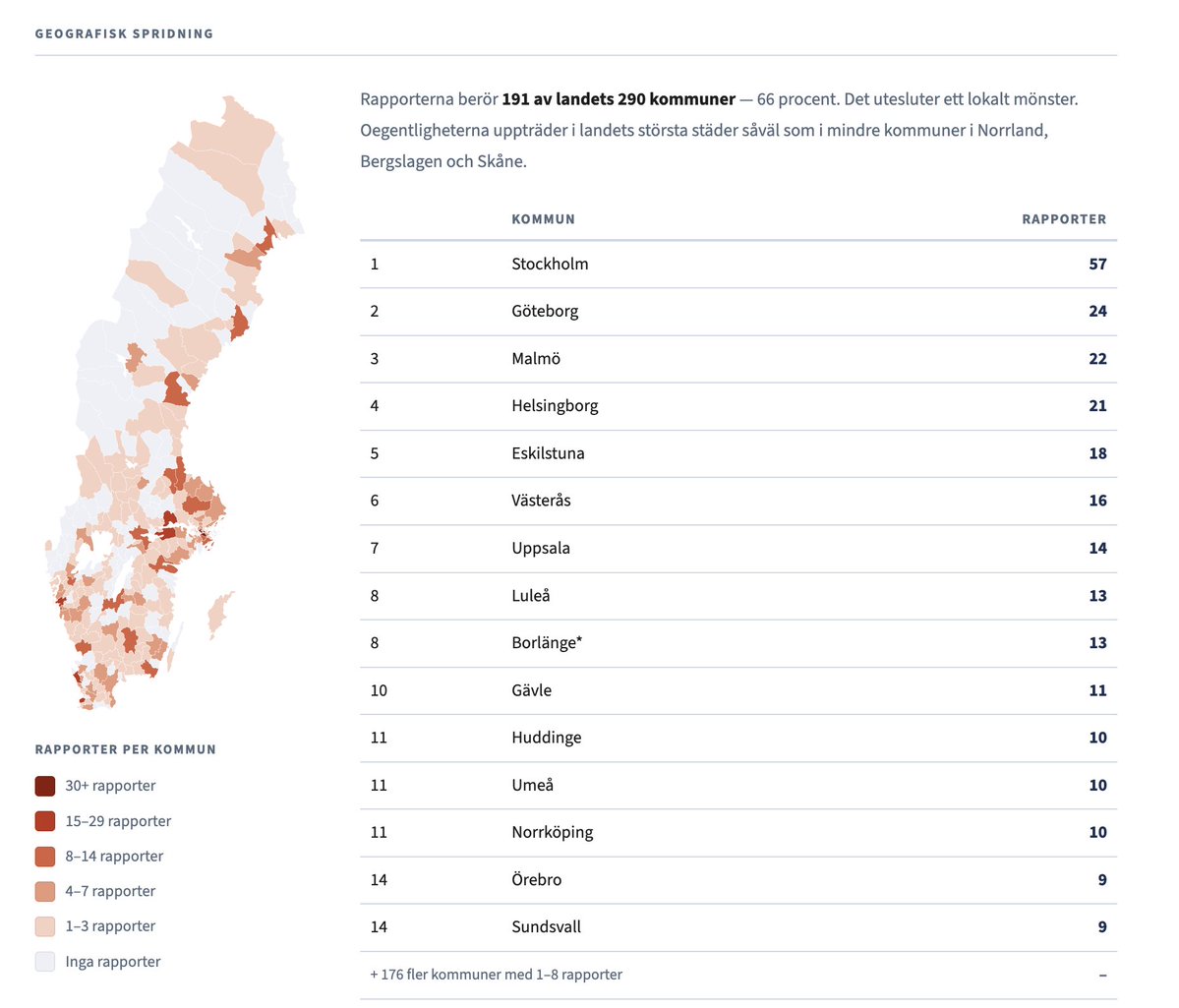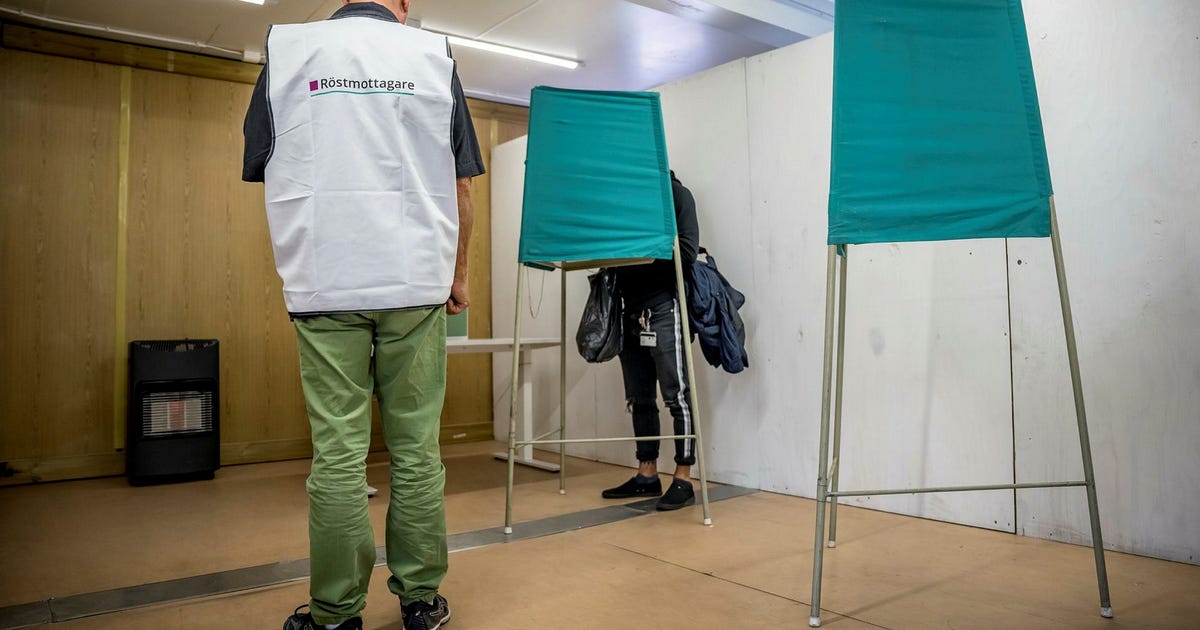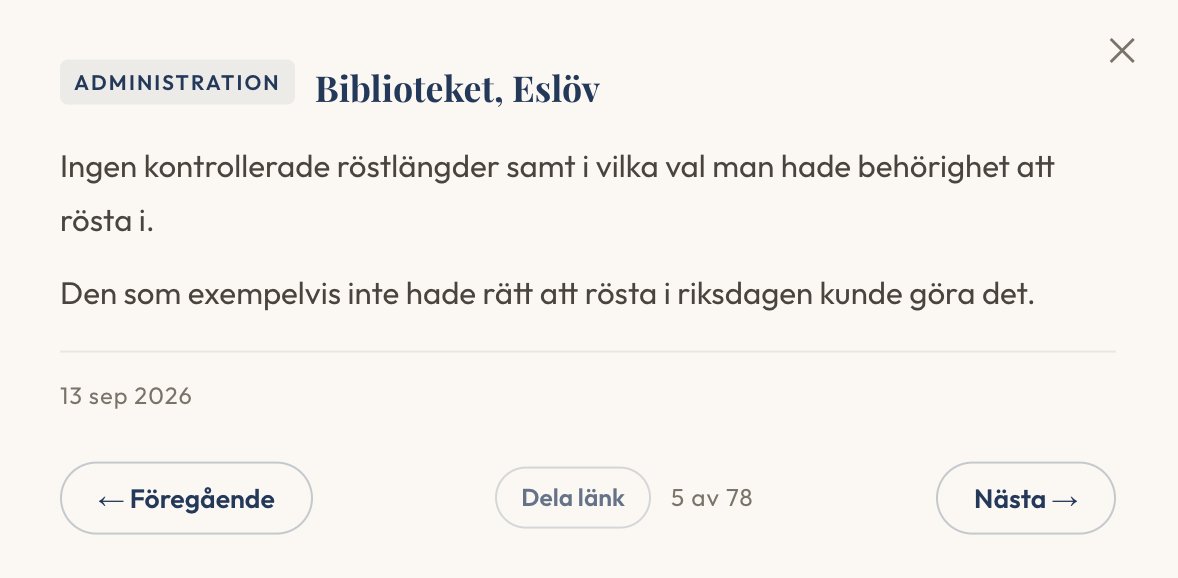
Today's (so far) most important article is written by Sven Otto Littorin. He argues that Sweden has been a highly trusting society and that the electoral system is built for that. I, who can be a bit less diplomatic at times in public discourse, would say that our society and our democracy are in decline. Luckily, the decline is happening from a relatively high altitude. From the article: "The election administration has reported over 4,000 incidents to the Electoral Authority this year, compared to 489 in 2022. Part of the increase is due to the fact that reporting is now mandatory, but behind the numbers, there is a pattern that cannot be dismissed: Up until 4 PM on election day, over 300 incidents in the category of unlawful influence had been reported, of which around 90 involved group voting. The police have received 58 reports of improper conduct during voting. The National Anti-Corruption Unit is investigating suspected electoral fraud in Dalarna with pre-marked ballots, driven voters, and possible payments. In Stockholm, at least four vote collectors with ties to gang crime have received ballots, and no law prevents this. In four municipalities, nearly 600 votes have been lost or rejected. The Election Review Board has received nearly 12,000 appeals. The previous record from 2018 was 723." Regardless of everything else one might say about this, I agree with the author of the article on the need for "a parliamentary electoral integrity commission to be appointed immediately, with the task of presenting legislative proposals in time for the 2030 election." You can read about a number of proposals in the article. I don't know myself if I would support all of them, but it is a starting point. Personally, I can also add that it is a major problem that the left is currently trying to meet all discussions about shortcomings in the election with a dismissive attitude and attempts to discredit those who raise criticism or constructive proposals. The way in which debaters and the media have treated Peter Wennblad after his very concerning article about irregularities in Järva is in itself a sign of weaknesses in democracy. It tends to become a form of circular reasoning. If someone writes and talks about what sources report from Järva, Borlänge, or Rosengård, the criticism and reporting are labeled as a threat to democracy because questioning whether the election was conducted well is itself seen as a threat to democracy, which has the decidedly undemocratic consequence that the election and democracy cannot be discussed without democracy being threatened. Somehow, we must get over this. And move forward. Because I believe it is correct that our electoral system is not made for the society that Sweden has become. (translated)