BETA nonprofit public democratic european moderated

Search

#ελληνες

U.S. Secretary of State Marco Rubio is meeting in Athens with Greek officials as part of the 6th Strategic Dialogue, focusing on defense, energy, and geopolitical developments, while also delivering a speech at Pnyx on the revival of the Western spirit. #Διπλωματία #ΕλλάδαΗΠΑ #ΣτρατηγικόςΔιάλογος (translated)
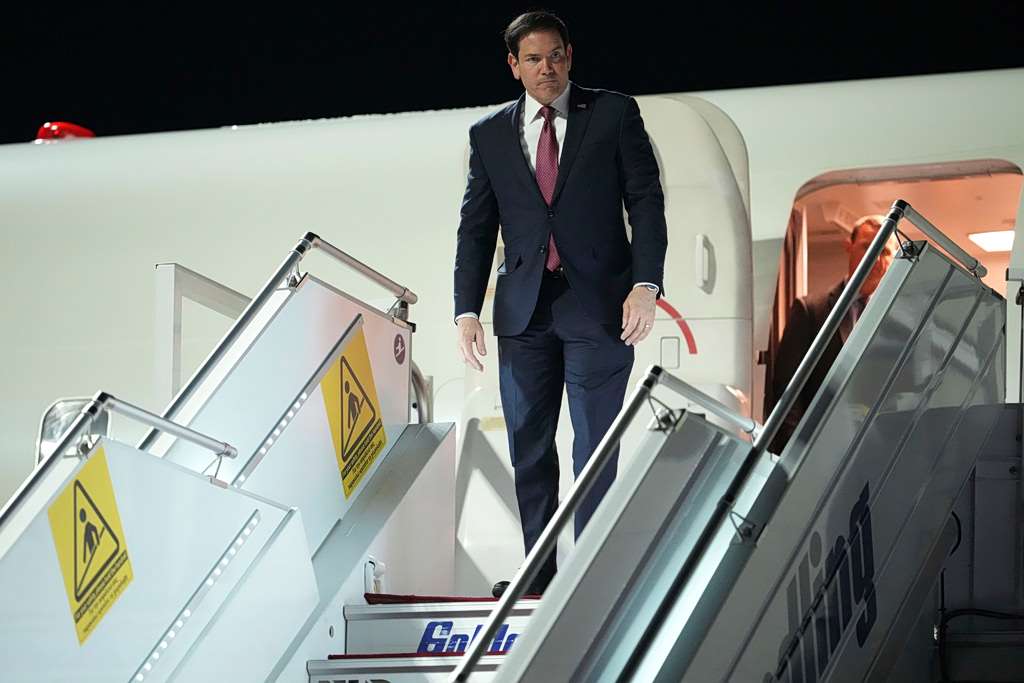
Ρούμπιο: Τι κομίζει στην Αθήνα – Τα deals σε άμυνα-ενέργεια, τα μηνύματα και η ομιλία στην Πνύκα

Gazzetta.gr reported that Nigel Hayes-Davis talked about his philanthropic work and the shouts of Željko Obradović. He said that Greek fans reminded him how much money he earned from basketball and that he wanted to use it to help those in need. He added that he considered basketball a game for children and described his job as going to the court, where this year Obradović yelled at him for two hours, and then returning home. #μπάσκετ #φιλανθρωπία #ΝάιτζελΧέιζΝτέιβις (translated)

Maira 12h

Maira wrote that young people in France had been protesting for a second week, demanding better conditions in education, without needing to pay for tutoring for university entrance or to learn additional foreign languages. She contrasted their stance with that of the Greeks, saying that they mocked them while paying people whom she described in derogatory terms. #Εκπαίδευση #Διαμαρτυρία #Γλώσσες (translated)

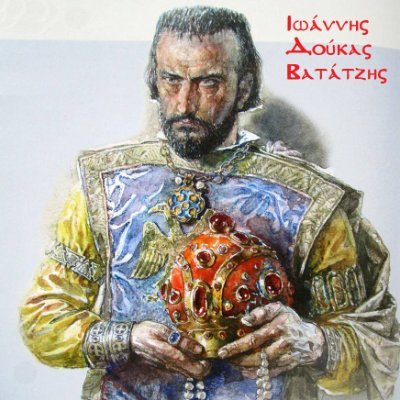
John Vatatzes criticized the "blue" people, stating that they believed Greeks invaded Bulgaria and stole the bones of Samuel. He wrote that it was shameful they had not surrendered earlier and described this perception as a sign of great ignorance. He added that the bones had been found in the church which, according to him, was built by Samuel in Saint Achilles, in Little Prespa, on Greek territory. https://t.co/bmYba6vEas #Ελλάδα #ιστορία #Βουλγαρία (translated)

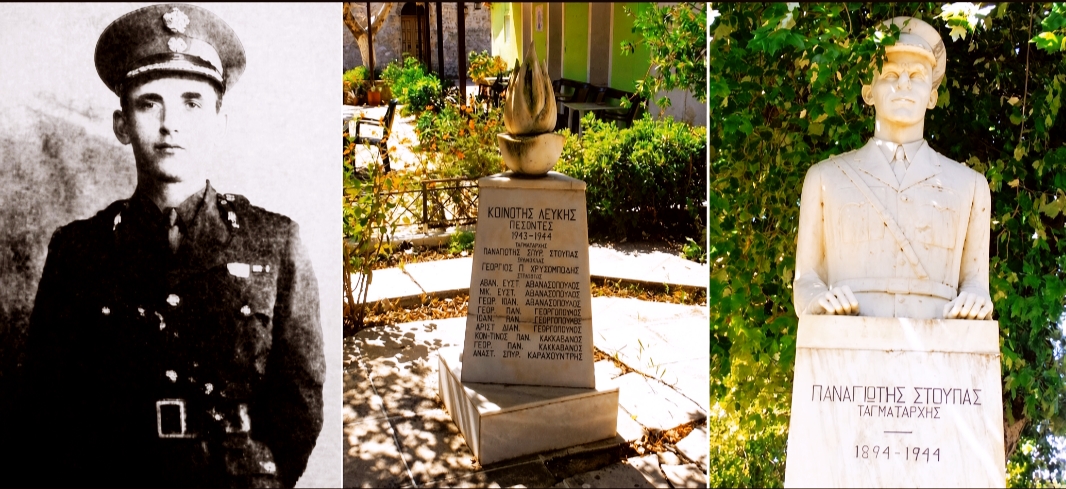
Amalia wrote that Major Panagiotis Stoupas, originally from Lefki Messinia, had participated in the Asia Minor Campaign and in the Greco-Italian War. According to her post, during the Occupation, he created a resistance group in mountainous Trifylia and later joined the national resistance organization "Greek Army" (ES). Amalia mentioned that, following attacks by ELAS and with the intervention of British Major Harrington, the leaders of the ES signed on August 29, 1943, the Dyrrachium Pact, which stipulated the dissolution of the organization and the integration of its members into ELAS. She argued that those who had joined national resistance organizations were at risk, if captured by ELAS, of being forced to join them or be killed. According to her, Stoupas disagreed with the agreement and returned to Lefki. On October 10, 1943, strong ELAS forces surrounded the village, burned his house, and believed he had died, but he had escaped. Amalia wrote that later Stoupas joined the Security Battalions, as, in her estimation, thousands of other Greeks did. The post stated that Colonel Dionysios Papadogkonas, Stoupas's former commander, appointed him commander of the Security Battalion of Meligalas in March 1944. Amalia noted that after the ELAS attack on Meligalas, Stoupas moved to Gargalianoi with 100 men and was not in the city during the days of the massacre. After the collapse of the defense in Gargalianoi, he and his men retreated to Pylos. According to Amalia, when ELAS surrounded Pylos on September 24, local authorities sought a surrender agreement, while ELAS promised that there would be no massacres. She wrote that Stoupas accepted the agreement and committed suicide with his pistol at the castle gate, after saying goodbye to his men. She also cited the post-war testimony of Chris Woodhouse, who, she reported, conveyed words from British journalist Richard Capell in favor of choosing the Security Battalions instead of ELAS. #ιστορία #Ελλάδα #πατριωτισμός (translated)

FLORENTIA wrote that, in anticipation of October 28, video content was expected on social media that, according to her, would reiterate arguments about Greek history from 1940. She predicted that their creators would attribute the Greek resistance to the use of pitch, would associate an 18th-century French card player with contemporary Greek identity, and would present Greece's victory as an accident. She also mentioned that they would argue that Italy had been provoked by Greece and would use footage of Greeks throwing flowers at German motorcyclists in 1941 as a sign of hospitality. FLORENTIA criticized the use of material from SS archives and argued that such narratives aimed, in her opinion, to overshadow agreements of friendship and non-aggression with Berlin and the shipment of chromium to the German war industry. She also referred to the Molotov-Ribbentrop Pact, the collapse of the front, and the sinking of the submarine Elli in Tinos. #Ιστορία #Γαστρονομία #Προπαγάνδα (translated)

Sportal reported that Klopp exchanged hugs and jokes with the Greek internationals after the end of the match in Toumba. #GREGER #Hellas #EthnikiOmada https://t.co/FHMpzBzQAT #Ελλάδα #ΕθνικήΟμάδα #Κλοπ (translated)

Cynaegeirus_Exp wrote that Greece did well to return the bones and expressed his sorrow over the delay, stating that he did not know they were in the possession of the country. He added that only Achilles had kept a dead body and that he returned it out of shame and with honors, while concluding that above all, they are Greeks. #Ελλάδα #Αχιλλέας #ιστορία (translated)

The Alliance of Greeks stated that it was a collective effort aimed at Greek patriots and nationalists, unlike most parties of the post-dictatorship era, which it characterized as personalist. It called for interested parties to become members. https://t.co/AN4ZAg7Wz7 #Ελλάδα #Εθνικισμός #Πατρίδα (translated)

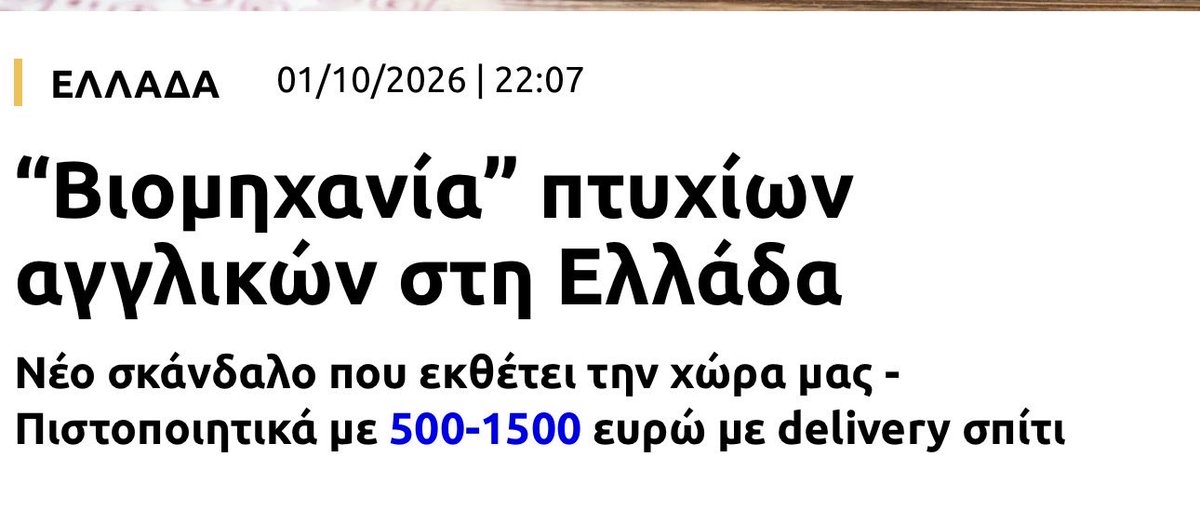
Leonidas Palaiodimos mentioned that last year a middle-aged acquaintance of his, who did not know any English and had no computer skills, had received an offer to pay a small amount to obtain certificates in English and computer science. He argued that there was a broader market for fake degrees, from which those who issued them, those who suggested them, and those who overlooked this activity benefited. He added that, in his estimation, many complaints would have been made to the authorities. He linked this market to the point system for academic degrees for appointments in the public sector, even when they were not necessary for the position. Palaiodimos wondered why a foreign language certificate was required for public positions unrelated to that subject, as well as ECDL certification for positions that only needed basic computer and internet use. He also questioned the point system for postgraduate and language certifications for a teacher who taught mathematics to junior high school students. Addressing Sofia Zacharaki, he asked why, as he argued, citizens were being asked to spend their savings and time to accumulate certifications that had no measurable impact on their work. #πτυχία #μυθολογία #εκπαίδευση (translated)

The author of the post mentioned that thousands of Greeks were in the center of Athens holding Greek flags and wrote that the Greek Youth had returned to the streets, stating that the National Resistance was present. https://t.co/otuANGa295 #Ελλάδα #Νεολαία #ΕθνικήΑντίσταση #GR (translated)

More than 21,000 gold pounds were liquidated by the Greeks in the first nine months of 2026, amid geopolitical uncertainty and an increase in sales compared to the markets, as gold remains a strategic asset. #ΧρυσέςΛίρες #Οικονομία #Επενδύσεις (translated)

Χρυσές λίρες: Οι Ελληνες τις πουλούν μαζικά – Πόσα κερδίζουν
Venetia 4d

Venice made a series of statements about the tragedy of the Tempi, attributing them to political figures, executives, and journalists. According to her post, Karamanlis had stated that he ensured safety, while Florinis had insulted those who spoke about "filling in." Triantopoulos, as she wrote, had used dehumanizing language regarding the victims, while a voter of Mitsotakis had used a vulgar term for the train in a discussion on Space with AML and Portosalte. Venice noted that Mitsotakis had said he did not know and was not obliged to know about the issue, had attributed the drama mainly to a tragic human error, and had characterized the best justification for the sacrifice of the children as ensuring that something similar would not happen again. Romanos had said that they found themselves expressing condolences, while Giogakos had stated that, for better or worse, people were dead. Government officials and civil protection executives had invoked the obligation to clean the area, while Kyriakos had rejected the term "filling in" and had spoken of rehabilitation. According to the same post, Georgiadis had argued that no one in society was interested in the investigation for Tempi and, in another statement, that Greeks were not interested in either the investigation or the pre-investigation. Analysts and executives, in discussions after the national elections of May and June 2023, had estimated that the political cost from Tempi was negligible. Voultepsi had described the issue as stale, Markopoulos had referred to the "cursed" committee and had said he was having fun, while Tamilos had stated that not all Trikala would cry. Venice also attributed to Voridis the position that the accident would have happened even if there had been remote control, as well as the assessment that it was a minor issue compared to what was happening on the planet. Mitsotakis had said that everyone was to blame, while Voridis had argued that names should not be recorded in the Constitution because not all places were the same. Finally, journalist Zacharos of New Democracy had raised the possibility that Eritheta was not on the train and had referred to earlier reports of missing persons at the Polytechnic, which, as he said, did not exist. #Τεμπη #Τέμπη #ασφάλεια #Ελλάδα (translated)

You talk, you provoke, you are being discredited, and now you see the results of your policies. Your system is starting to implode. And no matter how hard you try to hide behind polls and communication tricks, reality is there. The Greeks evaluate it daily. https://t.co/cJlW5jUo1I #πολιτική #Ελλάδα #δημοσκοπήσεις #GR (translated)

Eyagg 6d

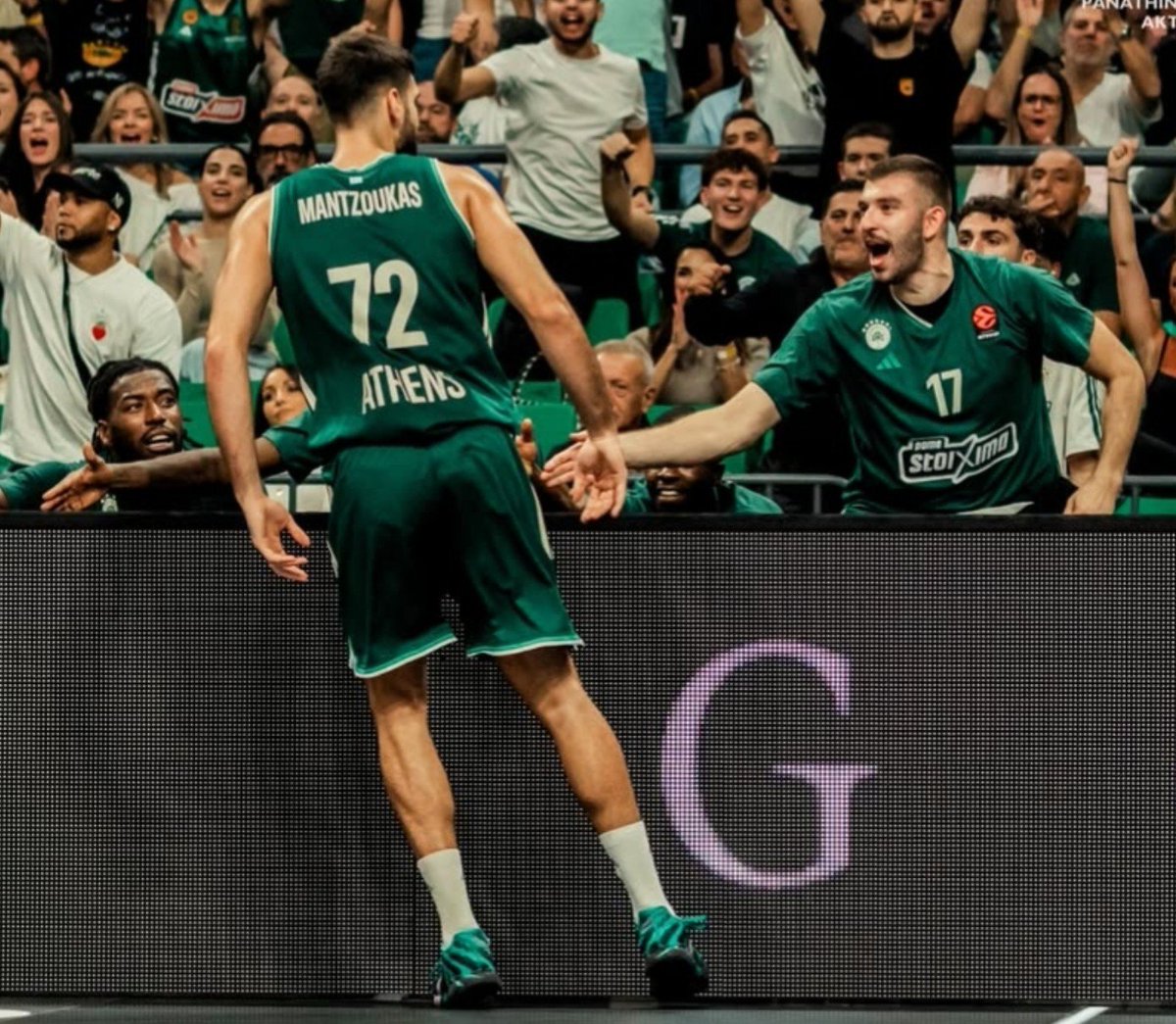
The best Greek shooters and the best upcoming players, in the hands of the huge ☘️ #paobc https://t.co/9Y4lUQyPAk #καλαθοσφαίριση #Ελλάδα #μπάσκετ (translated)

I envision a new Greece with: - 20 million Greeks - Unified Exclusive Economic Zone with Cyprus - Control of the seas from the Bosporus to the Middle East - Oil and natural gas drilling. Listen to my entire interview on the excellent channel of Konstantinos Roditis on YouTube. https://t.co/KnPRYEobC7 #Ελλάδα #ΑΟΖ #Ενέργεια (translated)

Με το Ταμείο Ανάκαμψης καταφέραμε να εξασφαλίσουμε 36 δισ. ευρώ που κατευθύνθηκαν στην οικονομία, σε επενδύσεις, στο ψηφιακό κράτος, στην υγεία, στην παιδεία. Οι μεγάλοι ωφελημένοι είναι όλες οι Ελληνίδες και όλοι οι Έλληνες, οι οποίοι βλέπουν ότι τελικά δεν χάθηκε ούτε ένα ευρώ. https://t.co/HEEcwlOlAJ #ΤαμείοΑνάκαμψης #Ελλάδα #Οικονομία

Πανηγύρισα τη νίκη της Εθνικής στο Πανευρωπαϊκό, στο κέντρο της Φρανκφούρτης, μαζί με χιλιάδες Έλληνες — και όχι μόνο. Είχαμε ξημερώσει χορεύοντας και τραγουδώντας όλη νύχτα. Και για να μας «διαλύσουν»; Οι αστυνομικοί αναγκάστηκαν να παίξουν από το περιπολικό τον Εθνικό Ύμνο στο μεγάφωνο. Για όλες αυτές τις στιγμές εθνικής περηφάνειας που μας χάρισες, σ’ ευχαριστούμε, Ότο. 🇬🇷 #Εθνική #Πανευρωπαϊκό #Φρανκφούρτη

Δύο εκατομμύρια μορφωμένοι Έλληνες έφυγαν στο εξωτερικό τα τελευταία δεκαπέντε χρόνια Κι εμείς μείναμε εδώ με τους πιθήκους και τις γριές που πιστεύουν στα μαγιά Καμία ελπίδα…. https://t.co/2pHHQrZwOP #Ελλάδα #Μυαλά #Μετανάστευση

Βρισκόμαστε στο Scriptorium (το γραφείο αντιγραφής) της Μονής Στουδίου, στην Κωνσταντινούπολη του 834 μ.Χ. Αδελφός Ιλαρίων, ένας νεαρός μοναχός και αντιγραφέας, αισθάνεται εξαντλημένος από την ορθοστασία και την προσπάθεια. Όμως δεν μπορεί να σταματήσει. Κάθε λίγο και λιγάκι σταματά από πάνω του ο Μάγιστρος Θεόδωρος, ο αυστηρός επιβλέπων (βασικά ο Βιβλιοφύλακας) του μοναστηριού. Το φως των κεριών τρεμοπαίζει. Ο Ιλαρίων έχει μπροστά του έναν αρχαίο, φθαρμένο πάπυρο του 4ου αιώνα π.Χ. γραμμένο σε συνεχή μεγαλογράμματη γραφή χωρίς κανένα κενό. Η αποστολή του είναι ιστορική: πρέπει να μεταφέρει το κείμενο σε μια νέα περγαμηνή, χρησιμοποιώντας τη νέα, γρήγορη μικρογράμματη γραφή και τοποθετώντας, για πρώτη φορά συστηματικά, τόνους και πνεύματα. Τα μάτια του είναι κόκκινα από την κούραση. Διαβάζει τη γεμάτη κεφαλαία σειρά: "...ΟΥΚΕΣΤΙΝΑΝΘΡΩΠΟΣ..." Το μυαλό του θολώνει. Πρέπει να πάρει μια απόφαση. Σκέφτεται το νόημα του κειμένου του Αριστοτέλη. Βουτάει την πένα στο μελάνι και γράφει στη νέα περγαμηνή: "οὐκ ἐστὶν ἄνθρωπος"... Ο Μάγιστρος Θεόδωρος στέκεται από πάνω του, παρατηρώντας τη σελίδα με ένα μικρό κερί. Ξαφνικά, το βλέμμα του παγώνει στο σημείο που μόλις χαράχτηκε. Κοιτάζει τον Ιλαρίωνα στα μάτια με αυστηρότητα, δείχνει με το δάχτυλό του τη λέξη και μένει σιωπηλός, περιμένοντας από τον νεαρό μοναχό να καταλάβει μόνος του τι έκανε. ---------------------- Ίσως να καταλάβατε τι λάθος έκανε ο κουρασμένος μοναχός που μόλις δυο μέρες πριν είχε γράψει απελπισμένος στην άκρη της περγαμηνής που δούλευε : "Ἡ γραφὴ αὕτη ἐστὶ βάσανος τῷ ἀναγινώσκοντι, ἀλλὰ τριπλή βάσανος τῷ γράφοντι· τό μελάνι κακό, τό πετσί σκληρό, κι ο τόνος πήγε στραβά. Ἐλέησόν με, Κύριε..." Στην κλασική αρχαιότητα, οι Έλληνες δεν χρησιμοποιούσαν τόνους. Η γραφή ήταν αποκλειστικά μεγαλογράμματη και συνεχής. Οι φυσικοί ομιλητές δεν χρειάζονταν σημάδια, διότι η αρχαία ελληνική δεν ήταν μια γλώσσα έντασης (όπως η σημερινή για παράδειγμα), αλλά μια μουσική γλώσσα. Όταν ένας αρχαίος Έλληνας διάβαζε ένα κείμενο, αυτό δεν λειτουργούσε απλώς ως γραφή, αλλά ως μια ιδιότυπη μουσική παρτιτούρα. Τα σημάδια που εφευρέθηκαν αργότερα δεν ήταν γραμματικοί κανόνες, αλλά μουσικές νότες που καθοδηγούσαν το ύψος της φωνής: - Η Οξεία ( ΄ ) ήταν μια ψηλή νότα, που ανέβαζε τη φωνή κατά ένα μουσικό διάστημα μιας πέμπτης καθαρής. - Η Βαρεία ( ̀ ) ήταν η βασική νότα, που κρατούσε τη φωνή στο χαμηλό, φυσικό της επίπεδο. - Η Περισπωμένη ( ͂ ) ήταν ένα μουσικό legato, ένας κυματισμός όπου η φωνή ξεκινούσε από ψηλή νότα και γλιστρούσε προς τα κάτω στην ίδια συλλαβή (γι' αυτό και έμπαινε μόνο σε μακρά φωνήεντα που είχαν τη χρονική διάρκεια να υποστηρίξουν αυτό το ηχητικό κύμα). Για να καταλάβουμε πώς λειτουργούσε η γλώσσα, αρκεί να δούμε τη λέξη που χρησιμοποιούσαν οι ίδιοι οι αρχαίοι για τον τονισμό: "Προσωδία" (από τις λέξεις προς + ᾠδή, που σημαίνει τραγούδι). Για τους αρχαίους Έλληνες, η προσωδία ήταν κυριολεκτικά "το τραγούδι που συνοδεύει τον λόγο". Αυτή η λεκτική μελωδία δεν ήταν ίδια σε όλη την Ελλάδα. Κάθε διάλεκτος είχε τη δική της "παρτιτούρα". Η διάλεκτος των Σπαρτιατών (η Δωρική) ακουγόταν στους υπόλοιπους Έλληνες ως η πιο βαριά και τραχιά. Οι Σπαρτιάτες είχαν την τάση να κρατούν τη φωνή τους χαμηλά και να "σπρώχνουν" τη μουσική τους νότα προς το τέλος της λέξης (π.χ. έλεγαν ανθρώποι αντί για άνθρωποι ή πατερώ̃ν αντί για πατέρων), δίνοντας στην ομιλία τους έναν ρυθμό που έμοιαζε με στρατιωτικό εμβατήριο. Όταν λοιπόν οι λόγιοι μιλούσαν για τους κανόνες της προσωδίας, δεν αναφέρονταν σε ξερούς γραμματικούς κανόνες, αλλά στους κανόνες της λεκτικής μελωδίας. Με τις κατακτήσεις του Μεγάλου Αλεξάνδρου, η Ελληνική έγινε η διεθνής γλώσσα (Lingua Franca δηλαδή). Εκατομμύρια ξένοι έπρεπε να τη μάθουν, αλλά αδυνατούσαν να "τραγουδήσουν" τις λέξεις χωρίς οδηγό. Γύρω στο 200 π.Χ., ο Αριστοφάνης ο Βυζάντιος, διευθυντής της Βιβλιοθήκης της Αλεξάνδρειας, σχεδίασε για πρώτη φορά αυτές τις "νότες" πάνω στο χαρτί. Στόχος του ήταν να δώσει στους ξένους μια οπτική παρτιτούρα για να μην καταστρέφουν τη μελωδία της γλώσσας, αλλά και να διασώσει την απαγγελία των ομηρικών επών, καθώς η γλώσσα είχε αρχίσει ήδη να χάνει τη μουσικότητά της. Οι Ρωμαίοι αριστοκράτες μάθαιναν τα Ελληνικά ως σύμβολο ανώτερης μόρφωσης. Στη δική τους γλώσσα (τα Λατινικά) δεν είχαν τόνους, καθώς είχαν δυναμικό τόνο. Τι εννοώ; Χτυπούσαν κατά κάποιο τρόπο τη συλλαβή με την ένταση, περίπου όπως κάνουμε και εμείς σήμερα. Για να καταφέρουν να διαβάσουν τα ελληνικά κείμενα, βασίζονταν απόλυτα στην παρτιτούρα των τόνων του Αριστοφάνη. Ωστόσο, η δυσκολία τους να πετύχουν το ελληνικό τόνο ήταν παροιμιώδης, και συχνά οι Έλληνες λόγιοι σχολίαζαν τη "βαριά" λατινική τους προφορά. Κατά τον 9ο αιώνα, οι Βυζαντινοί μοναχοί προχώρησαν στον μεταχαρακτηρισμό, δηλαδή τη μεταφορά όλων των αρχαίων κειμένων από τα κεφαλαία στα μικρά γράμματα (μικρογράμματη γραφή). Αυτό έγινε για λόγους οικονομίας χώρου (η περγαμηνή ήταν πανάκριβη τότε) αλλά και ταχύτητας.Σε αυτή τη φάση, οι τόνοι και τα πνεύματα ενσωματώθηκαν υποχρεωτικά σε κάθε λέξη. Η διαδικασία αυτή οδήγησε σε συχνά λάθη: - Λέξεις που χωρίς τόνους έμοιαζαν ίδιες, αλλά άλλαζαν νόημα ανάλογα με τον τονισμό σαν το παράδειγμα που σας έδωσα στην αρχή, ή σαν το ὅρος = κανόνας / ὄρος = βουνό. Λέξεις δηλαδή που ήταν "Ομόγραφες". - Λόγω της κούρασης από τη συνεχή ανάγνωση των κολλημένων γραμμάτων, οι γραφείς μπέρδευαν γραμμές που τελείωναν με την ίδια λέξη, παραλείποντας ολόκληρες παραγράφους. "Ομοιοτέλευτο" όπως λέει και η ίδια η λέξη! Παρά το γεγονός ότι η ελληνική γλώσσα είχε χάσει τη μουσικότητά της και είχε γίνει "δυναμική" ήδη από την ύστερη αρχαιότητα, το πολυτονικό σύστημα επιβίωσε για πάνω από 1.000 χρόνια. Αυτό συνέβη επειδή η τυπογραφία του 15ου αιώνα αντέγραψε πιστά τα βυζαντινά χειρόγραφα, αλλά και επειδή το πολυτονικό θεωρήθηκε το οπτικό "DNA" της ιστορικής συνέχειας του ελληνισμού. Το σύστημα καταργήθηκε οριστικά τον Ιανουάριο του 1982 με την ψήφιση του μονοτονικού, κυρίως για την απλοποίηση της σχολικής εκπαίδευσης και τις τεχνικές ανάγκες της σύγχρονης τυπογραφίας και των υπολογιστών. ---------------------- Ορμώμενη από τη συζήτηση που συμμετείχα χθες (στην οποία ομολογουμένως πήγα τελείως απροετοίμαστη για το ύφος της και είπα τα "δικά μου" και εντυπωσιάστηκα από τα αρχεία του κ.Κεχρή - συγγνώμη, δεν έχω αναζητήσεις για να τον προσθέσω - και τον μεστό λόγο του διοργανωτή) είπα να σας δώσω σήμερα αυτό το κορυφαίο επίτευγμα εφαρμοσμένης γλωσσολογίας, που θα το χαρακτήριζα ως "κοσμοϊστορική πολιτισμική κιβωτό"... Καλημέρα σε όλους! #Γλωσσολογία #ΑρχαίαΕλλάδα #Πολιτισμός