WRLD

Search

#1956
LaVanguardia 5d

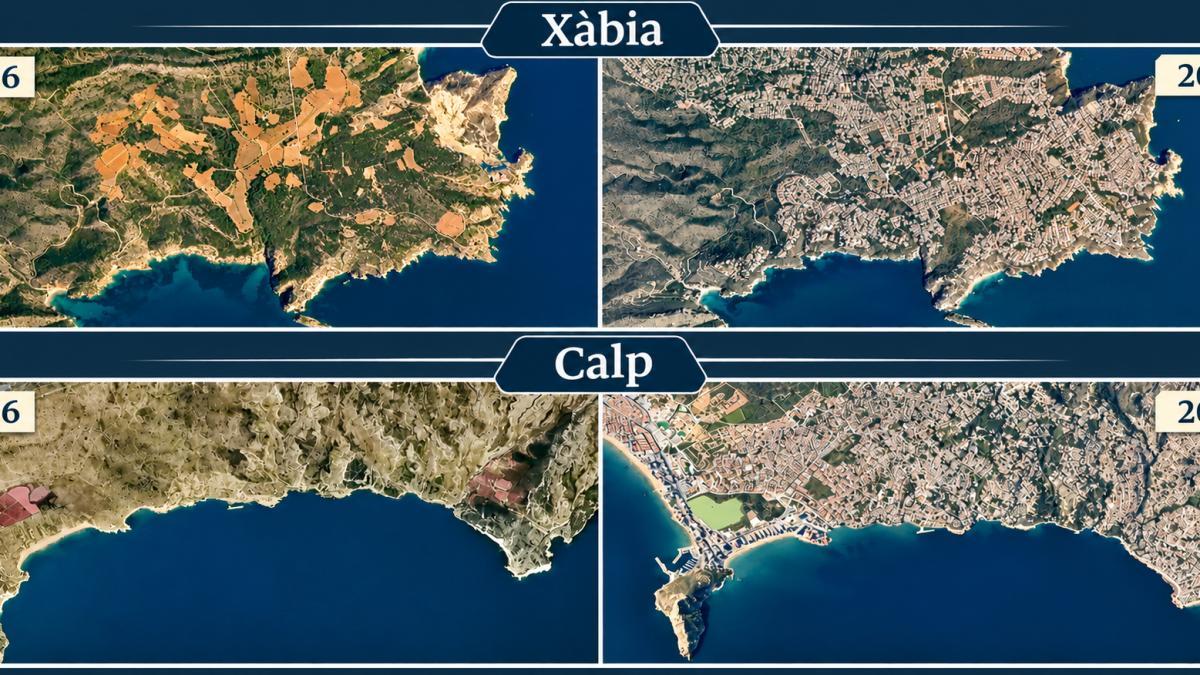
It is proposed to use aerial images from 1956 to guide the future urban development of Alicante, analyzing the past and the changes in the territory to address current issues such as global warming and the housing crisis. #UrbanismoAlicante #PlanificaciónUrbana #HistoriaCartográfica (translated)
www.lavanguardia.com
Una mirada aérea al pasado para planificar el futuro urbanístico de Alicante
2817
MΛRC VIDΛL Wrld summary 2w
economic analyst and technology communicator

The author recalled that in 1956 Danilo Dolci and about 200 unemployed people repaired an abandoned road in Sicily for free to demand work. As he wrote, the initiative was called "reverse strike" and the police arrested its participants for working. https://t.co/0WEZV1heKL #Huelga #Trabajo #Solidaridad #IT (translated)

3451
ישראל כ”ץ Israel Katz Wrld summary 3w
Minister of Defense of Israel (born 1955)

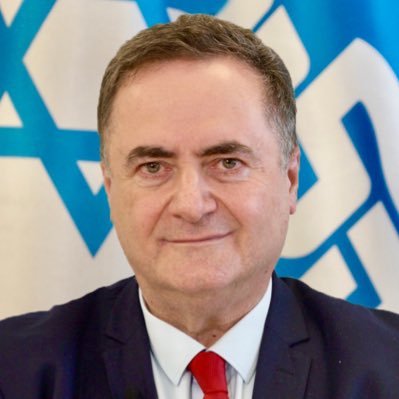
"As for Iran, the mission is not over yet," said Kac during a memorial service for fallen soldiers in the Suez War of 1956, which took place on Mount Herzl in Jerusalem. #Írán #Izrael #jadernézbraně (translated)

2539
L
lastampa.it 3w

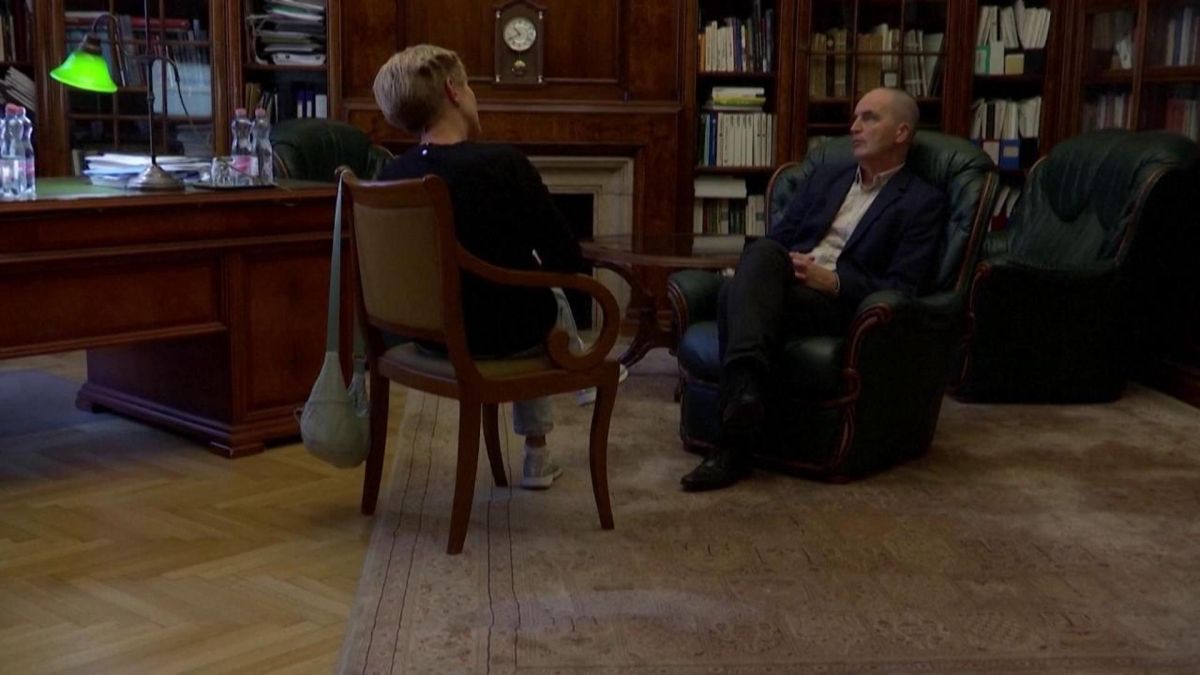
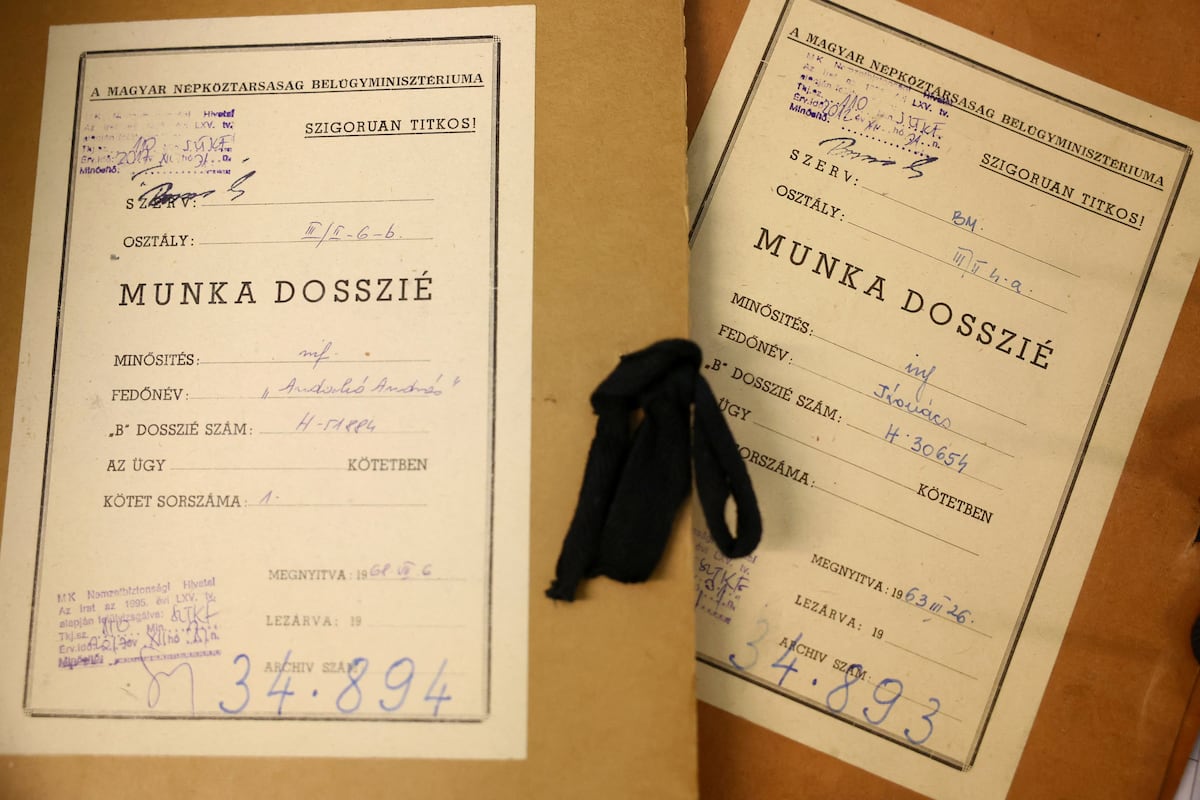
Hungary has made available online tens of thousands of documents from the communist secret police, revealing the names of informants and surveillance records on about 55,000 people between 1956 and 1989, while musician Péter Müller Sziami criticizes the possibility of using this information to humiliate the people involved. #Ungheria #ArchiviSegreti #PoliziaComunista (translated)

www.lastampa.it
L'Ungheria svela i documenti della polizia segreta comunista: dentro gli archivi delle spie
3463
Index.hu 3w

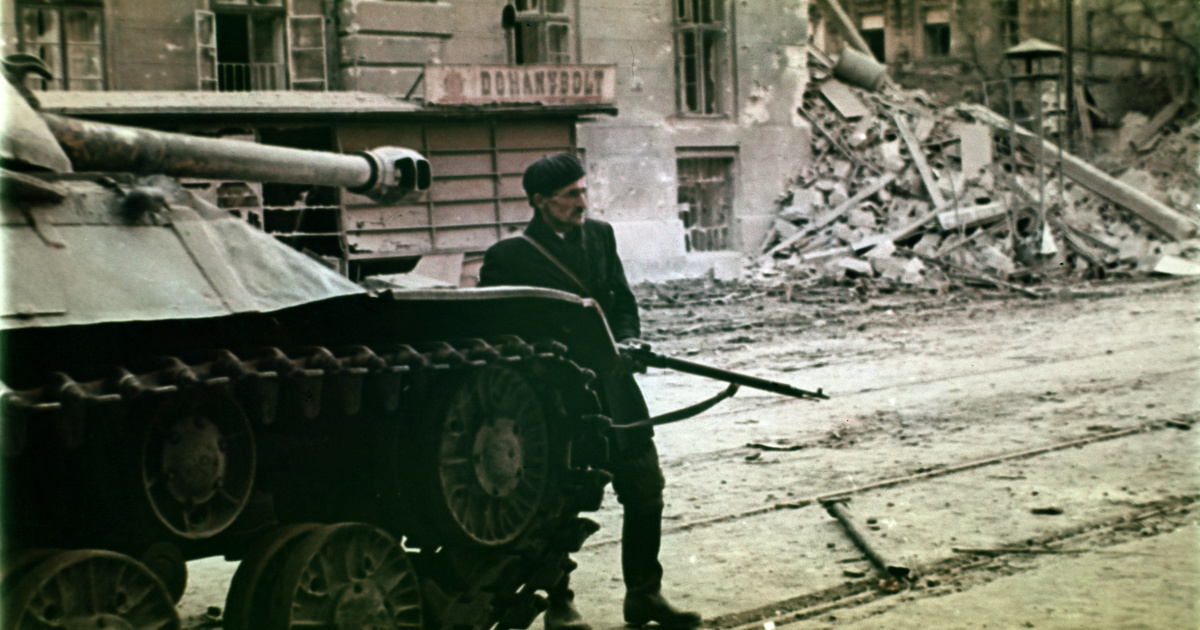
Exactly seventy years ago, on November 4, 1956, the second Soviet military intervention began, but the resistance in Budapest and the countryside continued with the fiercest battles, during which many young freedom fighters lost their lives. #1956 #ellenállás #szabadságharc (translated)

index.hu
Éppen hetven évvel ezelőtt dúltak a legsúlyosabb harcok Budapesten
2542
Leandro Carranza Wrld summary 3w

Leandro Carranza explained that the MVP award of the NBA regular season has been awarded annually since the 1956 season to the most valuable player in the league. https://t.co/kR6HO37re7 #NBA #MVP #Deporte (translated)

3005
Observador 3w

On the 70th anniversary of the Hungarian uprising of 1956, Jaime Nogueira Pinto's article reflects on the historical significance of this antifascist journey and the current repetition of its rhetoric in a context of growing disillusionment with promises of social transformation. #Hungria1956 #Antifascismo #História (translated)

observador.pt
Budapeste 1956: os 70 anos de uma velha jornada antifascista
2431
EL PAÍS 3w

Hungary has opened the secret files on the informants of the communist regime, allowing citizens to access the identity and activities of about 60,000 people who collaborated with the repressive system, coinciding with the 70th anniversary of the Hungarian Revolution of 1956. #Hungría #Historia #ArchivosSecretos (translated)

elpais.com
Hungría abre los archivos secretos de los informantes del régimen comunista
3590
Gunther Fehlinger-Jahn Wrld summary 3w
Austrian economist

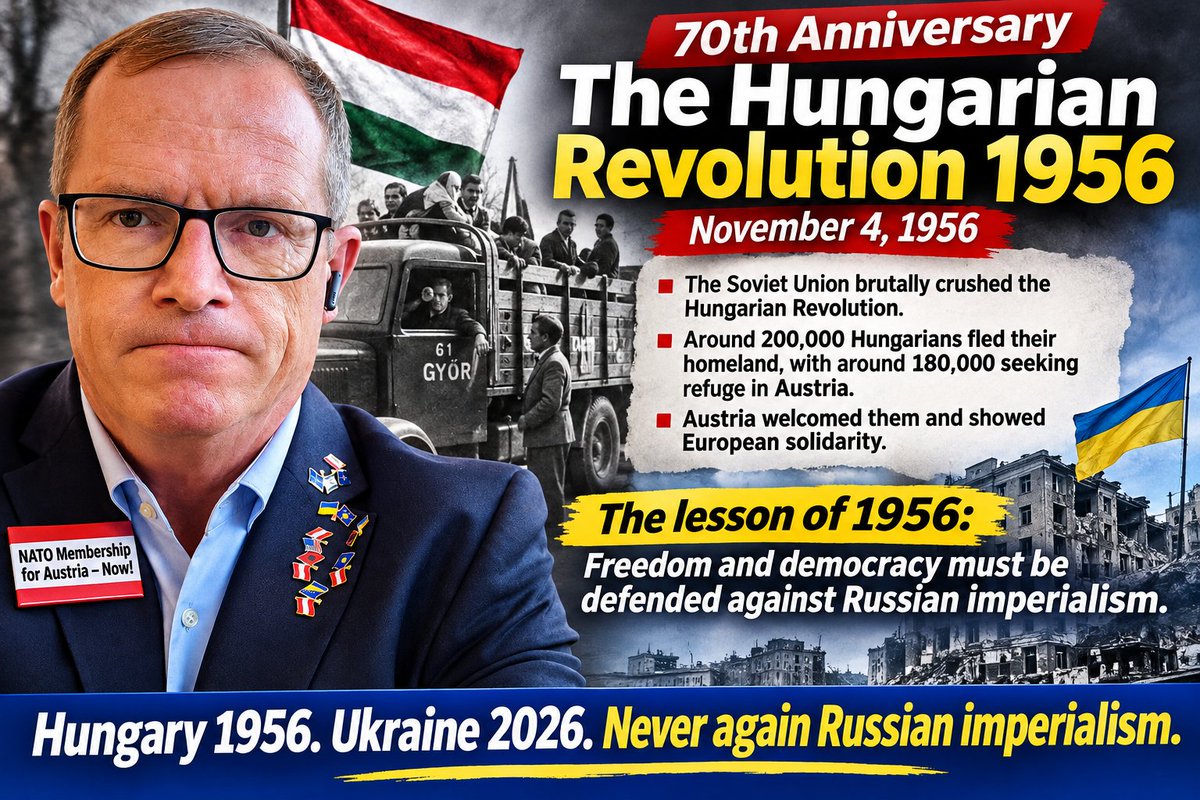
The author compared Hungary in 1956 with Ukraine in 2026 and called for “never again” Russian imperialism. They said November 4, 2026, marked the 70th anniversary of the Soviet suppression of the Hungarian Revolution, and wrote that Hungarians had risen for freedom, democracy and independence from Moscow in 1956. https://t.co/7iDiPO9r1H #Hungary #Ukraine #NeverAgain #HU #UA #EU #AT

3475
newsORF.at 3w

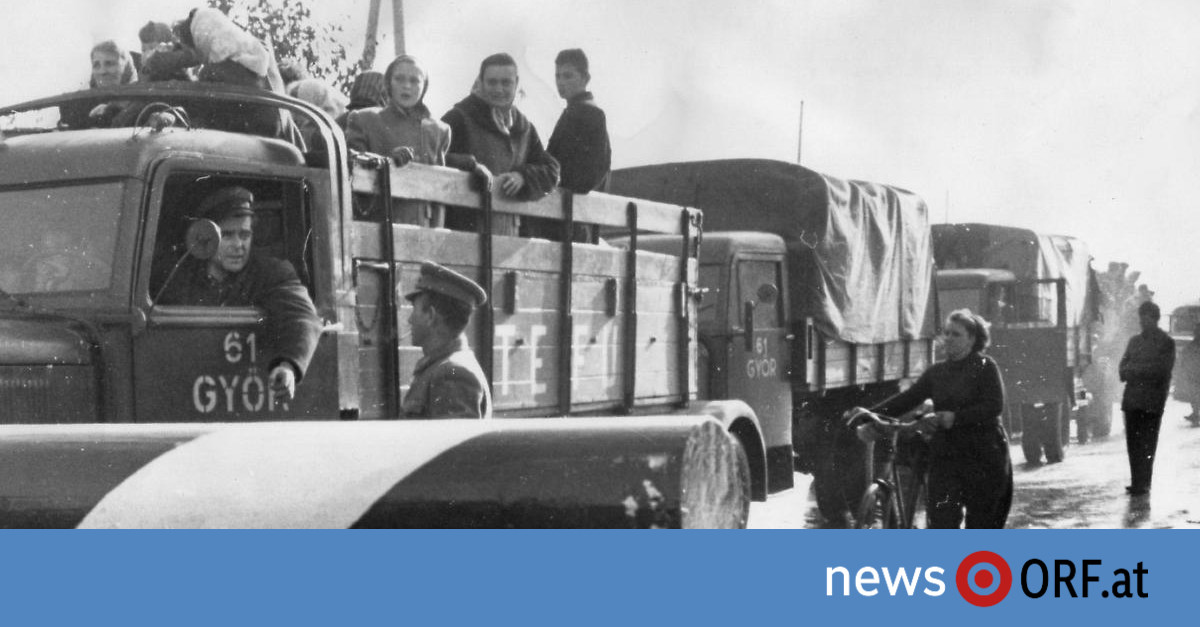
After the bloody defeat of the Hungarian uprising on November 4, 1956, about 180,000 Hungarians fled across the green border to Austria, where the mass flight presented the country with challenges and opportunities, while many refugees, especially unaccompanied minors, lived under difficult conditions in camps. #Ungarn1956 #Flucht #Österreich (translated)

orf.at
Die Massenflucht nach Österreich
2549
LaVanguardia 3w

Czech archaeologists have begun the first investigation of an ancient Soviet gulag in the Hunger Steppe, Kazakhstan, revealing remnants that document the brutal history of this forced labor camp that housed over 20,000 prisoners between 1948 and 1956. #Gulag #Arqueología #HistoriaSoviética (translated)

www.lavanguardia.com
Arqueólogos checos estudian por primera vez la brutal historia de un antiguo gulag soviético ubicado en la Meseta del Hambre
2900
Observador 3w

The article discusses the celebration of communism at the recent encampments in Lisbon and Porto, 70 years after the repression of the Hungarian Revolution of 1956, questioning the implications of this glorification and what it reveals about collective memory regarding communism. #Comunismo #Revolução #História (translated)

observador.pt
Comunismo anda a ser celebrado nas acampadas? — Debate
2668
Observador 4w

The article discusses the celebration of communism at contemporary camps, reflecting on the forgetting of the tragic history of the communist regime, especially the massacre of the Hungarian Revolution of 1956, and questions the responsibility of the educational and cultural system in shaping collective memory. #Comunismo #Hungria1956 #Manifestações (translated)

observador.pt
Alguém explica por que se celebra o comunismo nas acampadas?
2552
Wilma 4w

Today marks the 88th anniversary of the birth of: Maricarmen Abascal. She was evicted from her home where she had lived since 1956. The eviction led to protests in various cities and a subsequent protest camp at Puerta del Sol, followed by others spread throughout the Spanish territory. (translated)

2320
Guillaume Herblot 🎖️ Wrld summary 4w

Guillaume Herblot compared the Polish political situation in 2026 to the Soviet interventions in Hungary in 1956 and Czechoslovakia in 1968. He recalled that, in his view, the Soviet intervention in Hungary had caused thousands of deaths and led to the exile of hundreds of thousands of people, while the invasion of Czechoslovakia had ended the Prague Spring and denied national sovereignty. For Poland, Herblot stated that the Constitutional Tribunal was paralyzed, that its president had been suspended, and that the police had been deployed around the building. He mentioned accusations of "coup d'état" and argued that Brussels was applying pressure through legal, budgetary, and institutional means, notably through rulings by the CJEU, the conditionality of European funds, and rule of law related procedures. He estimated that these mechanisms aimed to bend a national majority opposed to the absolute primacy of European law. Comparing European integration after 1989 to the Soviet bloc, he described the former as a more subtle and effective imposed order in the long term, which, according to him, "dilutes" the sovereignty of nations. He finally predicted that this pressure could extend to other countries if an election resulted in an outcome deemed incompatible with Brussels' orthodoxy. #Pologne #Histoire #Souveraineté (translated)

3369
Aktuálně.cz - Víte, co se právě děje 4w

Seventy years ago, due to the Hungarian Revolution in 1956, the Czechoslovak leadership called up reservists to the army, often without their families knowing where their men had gone or whether they would return. #MaďarskéPovstání #1956 #PaměťNároda (translated)

zpravy.aktualne.cz
„Kde je ten můj chlap?“ Před 70 lety se kvůli maďarské revoluci povolávali záložníci
2207
Toiu Oana Wrld summary 4w
Romanian politician

The author wrote that exactly 70 years ago, the streets of Timișoara were filled with tanks and troops from the army, the militia, and the Securitate. According to him, students leaving a gathering organized at the Politehnica canteen were arrested one by one and loaded into trucks, amidst the echoes of the Budapest uprising of 1956. https://t.co/AAhIKd2BiL #Timișoara #Revoluție #Istorie #RO #HU (translated)

2905
Novinky 4w

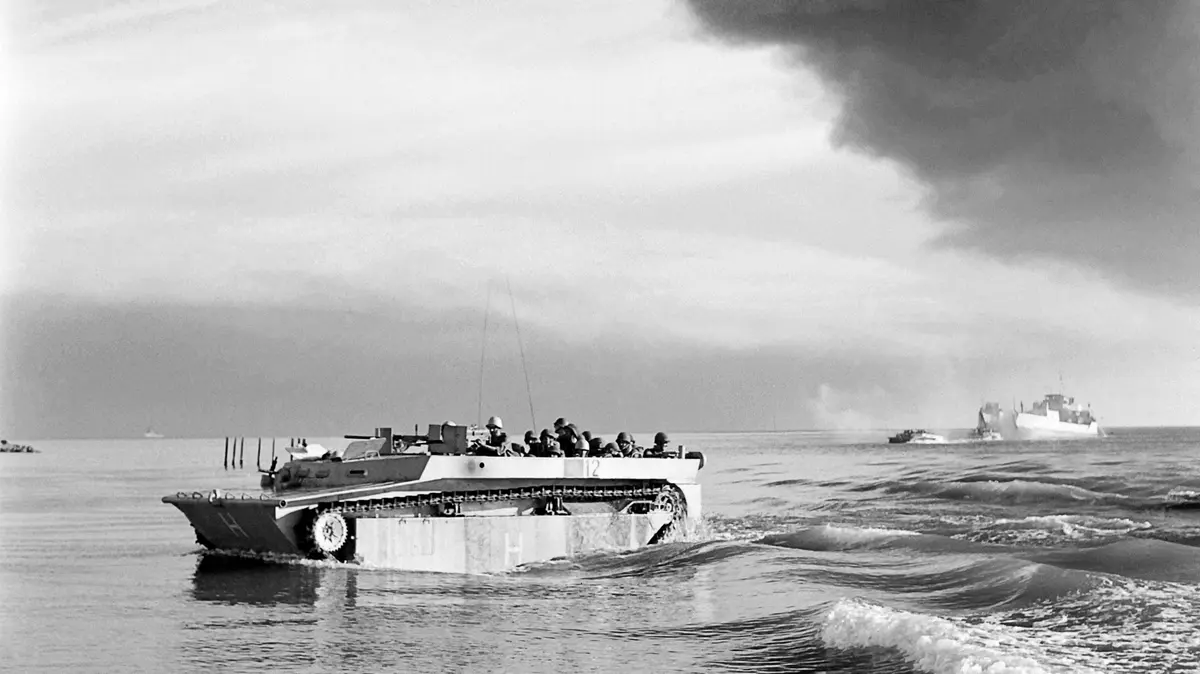
During the Suez crisis in 1956, Czechoslovakia also played an important role by supplying weapons to Egypt, contributing to the strengthening of its army and provoking tensions between Western powers and the national movement of Gamal Abdel Nasser. #Československo (translated)

www.novinky.cz
V suezské krizi před sedmdesáti lety hrálo významnou roli i Československo
2325
La Libre.be 4w

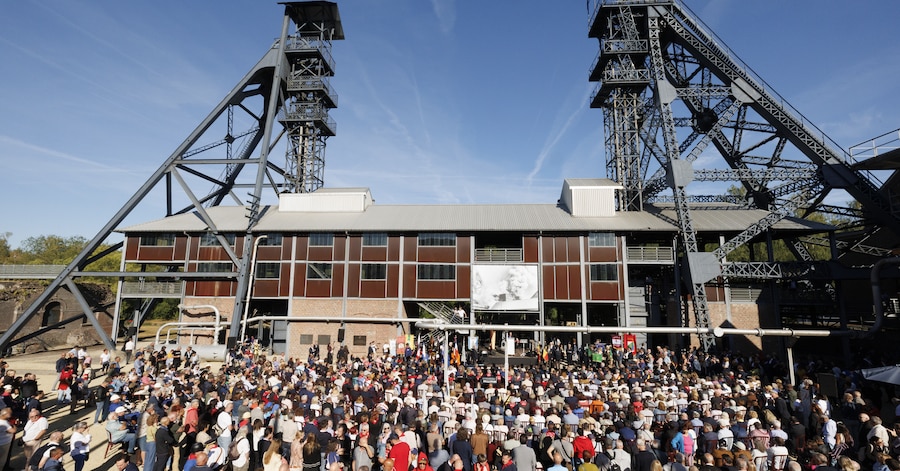
Seventy years after the disaster at Bois du Cazier, the identity of a new miner has been revealed: he was named Pompeo Bruno, who died in the disaster on August 8, 1956. #BoisDuCazier #Histoire #Mémoire (translated)

www.lalibre.be
70 ans après le Bois du Cazier, l'identité d'un nouveau mineur révélée : il s'appelait Pompeo Bruno
2907
L
Leif Rasmussen 4w

It seems reasonable that both Finland and Norway have contacted Putin and are trying to find a solution to the war that Putin started against Ukraine through dialogue. But before criticizing Mette Frederiksen for the contact made by Finland and Norway, one must understand the history. Just as one cannot reason with a mad dog, one cannot reason with Putin; politicians tried that with economic cooperation until 2014, and history clearly shows that the regime in Russia does not seek peace and dialogue. A little historical fact: The Soviet Union (then Russia) joined the Allies' side on June 22, 1941, when Nazi Germany (under Adolf Hitler's leadership) invaded the country. Until then, the Soviet Union and Germany had a non-aggression pact, which meant they were not fighting on the same side but had divided Eastern Europe between them, leading to the mass extermination of Polish officers. November 1939. The Soviet Union (under Joseph Stalin) attacked Finland. The war ended with the Moscow Peace Treaty on March 13, 1940. Finland preserved its independence but had to give up about 13% of its territory. After World War II, the Soviet Union (where Russia was the dominant power) took over and occupied several countries in Europe. These included directly annexed areas and states that were made into communist vassal states behind the Iron Curtain. The following countries and territories were directly or indirectly under Soviet control and occupation: Countries directly annexed/subjugated: Estonia, Latvia, and Lithuania. These were incorporated into the Soviet Union as Soviet republics (the Baltic states). Vassal states (the Eastern Bloc): Poland, Czechoslovakia, Hungary, Romania, Bulgaria, Albania, and the Soviet occupation zone in Germany (later East Germany). Other European countries: The eastern part of Austria was also occupied by Soviet forces until 1955, after which the country became neutral. Other wars/attacks started by Russia/Soviet Union: The most notable wars and attacks include: The Hungarian Revolution (1956): Soviet forces invaded Hungary to brutally quell a popular and political uprising. Prague Spring in Czechoslovakia (1968): The Soviet Union and Warsaw Pact allies invaded Czechoslovakia to stop political reforms. The Soviet-Afghan War (1979-1989): The Soviet Union invaded Afghanistan to support the communist government against Islamic insurgents. The First Chechen War (1994-1996): Russia invaded the breakaway republic of Chechnya to prevent its secession, resulting in significant civilian casualties. The Second Chechen War (1999-2009): Renewed Russian invasion and extensive military operations in Chechnya, leading to the region coming under Russian control again. The War in Georgia (2008): After prolonged tensions, Russia carried out a military attack and invasion in Georgia following unrest in the Russian-backed breakaway regions of South Ossetia and Abkhazia. The annexation of Crimea (2014): Russian special forces and military (without identifiable insignia) moved in and occupied the Ukrainian peninsula of Crimea, which subsequently led to an illegal annexation. The Russian-Ukrainian War (2022-present): On February 24, Russia launched a comprehensive and unprovoked invasion attack on Ukraine, a war that escalated an ongoing conflict. Additionally, Russian forces and mercenaries (such as the Wagner group) have carried out smaller military interventions and support operations, including in the Syrian civil war (since 2015) and in Transnistria (Moldova) in the early 1990s. The war must of course be stopped with a fair agreement for Ukraine and Europe. This is likely only achievable if the resistance against Putin, due to poor living conditions in Russia and loss of Russian lives, becomes sufficiently large to force the criminal Putin to make concessions to the Russian populace. (translated)

698