BETA nonprofit public democratic european moderated

Search

#27

Μου αρέσει που οι γείτονες ζητούν αποδείξεις για την Σφαγή στη Χίο... Οι πηγές (εκτός από δεκάδες πρωτογενείς, σύγχρονες πηγές της εποχής,οθωμανικές, ευρωπαϊκές και διπλωματικές, οι οποίες προκάλεσαν το τεράστιο κύμα του Φιλελληνισμού στην Ευρώπη), βρίσκονται στα ίδια τα λογιστικά βιβλία των προγόνων τους που μετρούσαν τις ψυχές των Χιωτών ως φορολογήσιμα εμπορεύματα και εξέδιδαν αποδείξεις για τις γυναίκες και τα παιδιά που πουλούσαν στα σκλαβοπάζαρα. Τα ίδια τα οθωμανικά αρχεία αποδεικνύουν ότι το κράτος αντιμετώπισε τη σφαγή και την υποδούλωση των Χιωτών ως μια εξαιρετικά κερδοφόρα εμπορική δραστηριότητα, φορολογώντας το σκλαβοπάζαρο κεφαλή προς κεφαλή! Στο οθωμανικό δίκαιο υπήρχε ο επίσημος φόρος Pencik (από το περσικό penc-yek, που σημαίνει το ένα πέμπτο). Για κάθε αιχμάλωτο που πιανόταν στη Χίο και μεταφερόταν στα σκλαβοπάζαρα (για παράδειγμα το Avret Pazarı, το παζάρι γυναικών της Κωνσταντινούπολης), ο έμπορος ή ο στρατιώτης έπρεπε να πληρώσει φόρο στο οθωμανικό θησαυροφυλάκιο.Ο έλεγχος γινόταν από τον κρατικό αξιωματούχο, τον Επόπτης των Σκλαβοπάζαρων δηλαδή. Μόλις πληρωνόταν ο φόρος ανά κεφαλή, το κράτος εξέδιδε ένα επίσημο πιστοποιητικό ιδιοκτησίας, το Tezkere (ένα είδος "απόδειξης" για τον σκλάβο). Σύμφωνα με τις αναφορές των ξένων διπλωματών, όπως του Άγγλου κληρικού Robert Walsh που βρισκόταν στην Κωνσταντινούπολη, μέχρι την 1η Μαΐου 1822 είχαν εκδοθεί 41.000 επίσημα teskeres μόνο για τους σκλάβους που προέρχονταν από τη Χίο! Το οθωμανικό κράτος εισέπραττε κανονικά το ποσοστό του (συνήθως το 1/40 της αξίας του σκλάβου για τοπικές αγοραπωλησίες ή το 20% για λάφυρα πολέμου), βγάζοντας τεράστια κέρδη από την καταστροφή του νησιού. Οι Χιώτισσες πουλιόνταν στους δρόμους για 100 γρόσια το κεφάλι, και το κράτος κρατούσε το μερίδιό του... Απόδειξη; Το Οθωμανικό Κατάστιχο D330, το οποίο φυλάσσεται σήμερα στην Εθνική Βιβλιοθήκη της Βουλγαρίας...και είναι απογραφή των περιουσιών που δημεύτηκαν από τους Χιώτες οι οποίοι συμμετείχαν ή θεωρήθηκε ότι συμμετείχαν στην εξέγερση του 1822. Συγκεκριμένα για κάθε ιδιοκτησία σημειώνει:την κατάσταση του ακινήτου (καμένο, γκρεμισμένο, ισοπεδωμένο ή άθικτο), το όνομα του ιδιοκτήτη, την τύχη του (με κόκκινη μελάνι: νεκρός, εκτελεσμένος, φυγάς, αιχμάλωτος, αγνοούμενος ή παρών). Το έγγραφο αποτυπώνει δηλαδή, με την ψυχρή γραφειοκρατική ματιά του κατακτητή, τις άμεσες συνέπειες της σφαγής: μαζική φυσική εξόντωση, φυγή, αιχμαλωσία, ολοκληρωτική καταστροφή του οικιστικού ιστού και δήμευση των περιουσιών που πέρασαν στο οθωμανικό δημόσιο. Αποτελεί μία από τις σημαντικότερες πρωτογενείς πηγές για το μέγεθος της καταστροφής στην πόλη και τα γύρω χωριά. Το πρωτότυπο εντοπίστηκε το 1981 από τον Αναστάσιο Ιορδάνογλου στη Εθνική Βιβλιοθήκη "Άγιοι Κύριλλος και Μεθόδιος" της Σόφιας και εκδόθηκε μεταφρασμένο και σχολιασμένο το 2025.Καταγράφηκαν 2.275 οικίες, από τις οποίες μόνο 72 παρέμειναν αβλαβείς (περίπου 3%). Καταγράφηκαν δεκάδες εκκλησίες (περί τις 66 στις συγκεκριμένες περιοχές), οι περισσότερες κατεστραμμένες ή καμένες. Στο σύνολο του νησιού διασώθηκαν μόλις 72 εκκλησίες από εκατοντάδες που υπήρχαν πριν. Καταγράφονται επίσης καταστήματα, φούρνοι, ανεμόμυλοι, χωράφια, αμπέλια, δέντρα και άλλα περιουσιακά στοιχεία, με την ίδια εικόνα εκτεταμένης λεηλασίας και πυρπόλησης.Από την τύχη των ιδιοκτητών που σημειώνεται στο κατάστιχο οι μελετητές συνάγουν ότι στις απογραφείσες περιοχές περίπου το 1% του πληθυσμού παρέμεινε εν ζωή, το 41% ήταν νεκροί και το 58% αγνοούμενοι (φυγάδες ή αιχμάλωτοι). Η σφαγή δεν έγινε στο κρυφό, έγινε με κρατική σφραγίδα και φορολογικές δηλώσεις! #ΣφαγήτηςΧίου #Ιστορία #ΟθωμανικήΙστορία
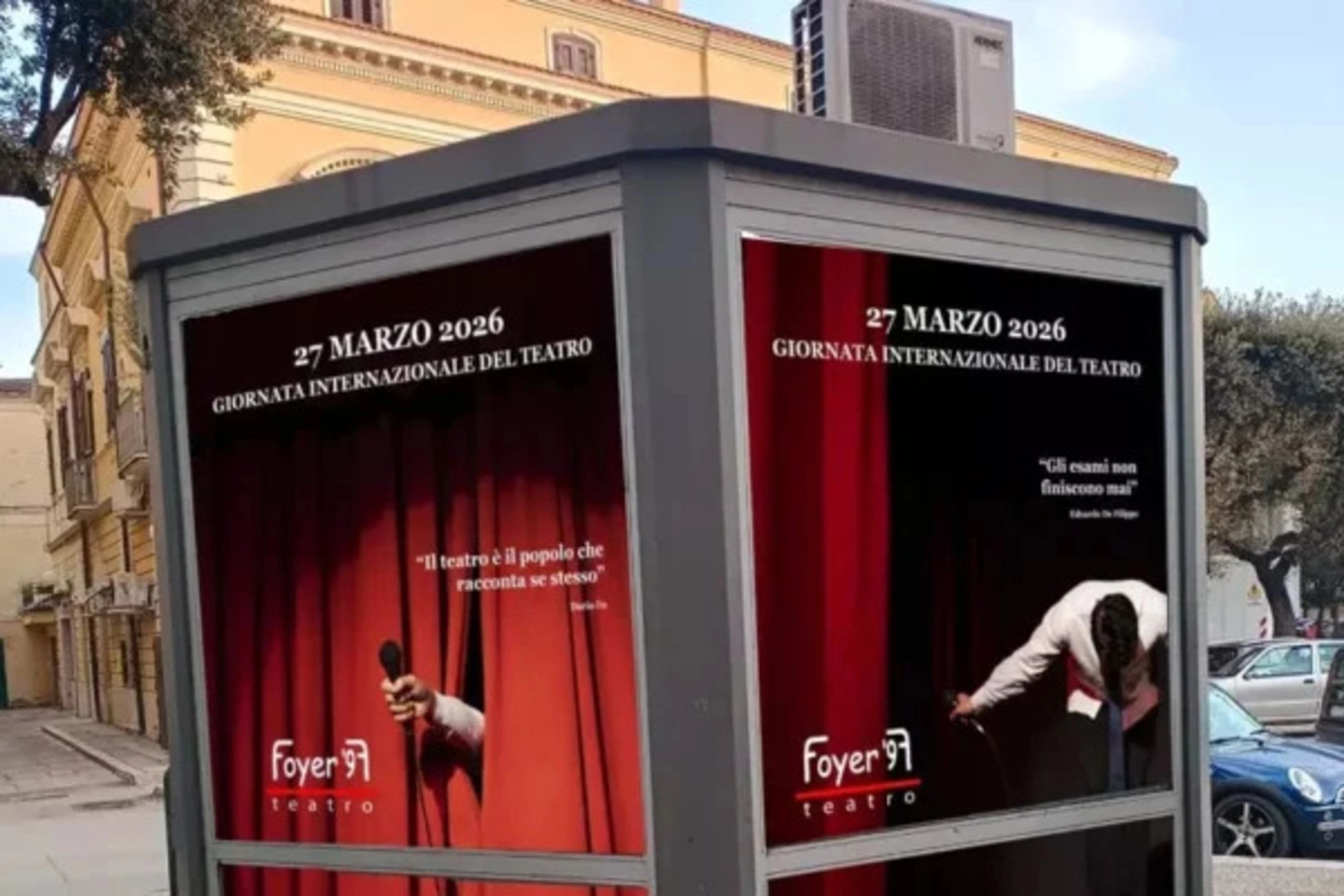
"CIVICO 93": FROM SAN SEVERO TO STANFORD UNIVERSITY: THE 'SIX-SEAT REVOLUTION' OF TEATRO EDICOLA" SOURCE: https://www.civico93.it/da-san-severo-alla-stanford-university-la-rivoluzione-a-sei-posti-del-teatro-edicola/ SAN SEVERO (FG) - The scholarly reportage by Luciano Magaldi Sardella on the micro-theatre of Francesco Gravino has appeared in the most authoritative journal in the world in the field of social innovation: six chairs and four square metres that are transforming the manner in which we conceive theatre and the city. The "Stanford Social Innovation Review (SSIR)", the academic review published by the Stanford Center on Philanthropy and Civil Society of the prestigious Stanford University, ranked second in the world in the Shanghai Ranking of World Universities, constitutes the global point of reference for researchers, policy-makers and practitioners of innovative enterprise and philanthropy. It has published the reportage "The Six-Seat Revolution" on the Teatro Edicola of San Severo, the smallest theatre in the world by dimension and capacity, born from the intuition of Francesco Gravino, artistic director of the company Foyer '97. Its author is Luciano Magaldi Sardella, an independent researcher and international journalist, a native of Orta Nova with maternal roots in San Severo, already the author of studies published in international academic journals. The piece appeared in the autumnal edition [Fall 2026] of the academic review, within the section dedicated to Arts and Culture. A presence that projects San Severo, and more generally the Capitanata, into the international élite of research on cultural and urban innovation. The theatre originates from a disused newsstand It all began on 27th March 2026, World Theatre Day, in the Piazza Municipio in San Severo. A newsstand disused for years in Via Matteo Tondi raised its shutter to reveal, in place of newspapers and cigarettes, an actor upon the stage. Within: six chairs. Every fifteen minutes, a new audience takes its place. Taking inspiration from the televisual format of Edicola Fiore by the well-known Sicilian radio and television presenter, there was born the Teatro Edicola, a structure now recognised in the media as the smallest theatre in the world by dimension and capacity: four square metres in total, with a stage area of less than two metres. Gravino has led Foyer '97 for almost thirty years, constructing a rigorous artistic trajectory within a context, that of southern Italy, historically penalised from the standpoint of public funding for culture. And yet, when he beheld that empty newsstand, he chose the path of provocation: to transform the bare minimum into a manifesto on the very meaning of theatre. Gravino has led Foyer '97 for almost thirty years, constructing a rigorous artistic trajectory within a context, that of southern Italy, historically penalised from the standpoint of public funding for culture. And yet, when he beheld that empty newsstand, he chose the path of provocation: to transform the bare minimum into a manifesto on the very meaning of theatre. The model and its measurable effects The inaugural season lasted three days. All performances were sold out. In a single afternoon, more than sixty persons attended the representations. The cost of the entire pilot operation was less than three thousand dollars. The formula is radical in its constitutive elements: ● performances of five to twelve minutes' duration, conceived expressly for the space ● rotation of the audience every fifteen minutes ● direct and ineluctable visual contact between actor and spectator ● no architectural or psychological distance between stage and auditorium ● ticket offered at five euros per person, with a hybrid economic model providing for municipal support, local sponsors, and box-office receipts. According to the analysis published in the "Stanford Social Innovation Review", the Teatro Edicola represents a replicable model of urban regeneration at low cost and high impact, capable of reactivating abandoned commercial spaces [newsstands, tobacconists, telephone boxes] without the necessity for major infrastructural investment. The voice of him who built it all Francesco Gravino has no doubt as to the meaning of the undertaking: "One does not need grand theatres to change a fragment of a city. What is needed is a good idea and the courage to restore to the community a space that has lost its function." And on the import of the international recognition: "Teatro Edicola was born to demonstrate that a place of encounter and culture may come into being anywhere, even in two square metres. That today this work should be studied at an international level and that requests for information should arrive from cities such as Lucca and Rome is confirmation that we are upon the right path." The director has also explicated the symbolic choice of the site: the newsstand was the point at which each morning one would pause, catch up on news, recognise oneself as a community. Its disappearance lacerated a precise social fabric. To restore to it a cultural function is to mend that tissue at the very point where it was torn. The challenges: scalability, institutional recognition, rootedness The SSIR reportage does not confine itself to celebrating the project but analyses also the critical nodes. The first is sustainability over time: an activation of three days, however successful, does not yet constitute a stable programme, a veritable seasonal programme (at weekends from spring to autumn) with a rotating roster of local and regional companies. The second node concerns replicability without loss of identity: the Teatro Edicola functions also by virtue of the profound roots of Foyer '97 in the territory of San Severo. To transplant the model elsewhere requires not merely a physical kit, but an entire process of community building. The third obstacle is institutional: in a system of public funding that rewards organisations with consolidated premises and predictable output metrics, a project deliberately experimental, hyper-localist and by its very nature impermanent struggles to gain access to the ordinary channels of the National Fund for Live Performance (Fondo Nazionale per lo Spettacolo dal Vivo - FNSV) of the Ministry of Culture. A lesson that travels beyond Puglia In the Stanford Social Innovation Review the author concludes that the intuitions of the Teatro Edicola transcend the context of San Severo: in any community wherein cultural institutions struggle to reach youthful, diverse, or economically marginal publics, the principle of proximity proves disruptive: to meet people where they already are, in the spaces they inhabit daily. From the populous centre of Daunia to the pages of Stanford University: San Severo and its newsstand demonstrate that six chairs, four square metres, and a vision are sufficient to alter the way in which a city conceives itself. And to offer the world a model that costs less than one might suppose but is worth a great deal more than one might imagine.

DA SAN SEVERO ALLA STANFORD UNIVERSITY: LA “RIVOLUZIONE A SEI POSTI” DEL TEATRO EDICOLA - Civico93 | Be original

Jest kasa na zasiłki dla homoseksualistów, jest kasa na portret Ignacego Daszyńskiego - ponad 270 tys. zł - a tymczasem Moody's obniża rating Polski, wskazując, na trwałe pogorszenie kondycji fiskalnej państwa, co oczywiście oznacza konieczność zaoferowania wyższych odsetek od polskich obligacji. https://t.co/yCEclln28a https://t.co/pTgaQzQV2n #Polska #finanse #rating

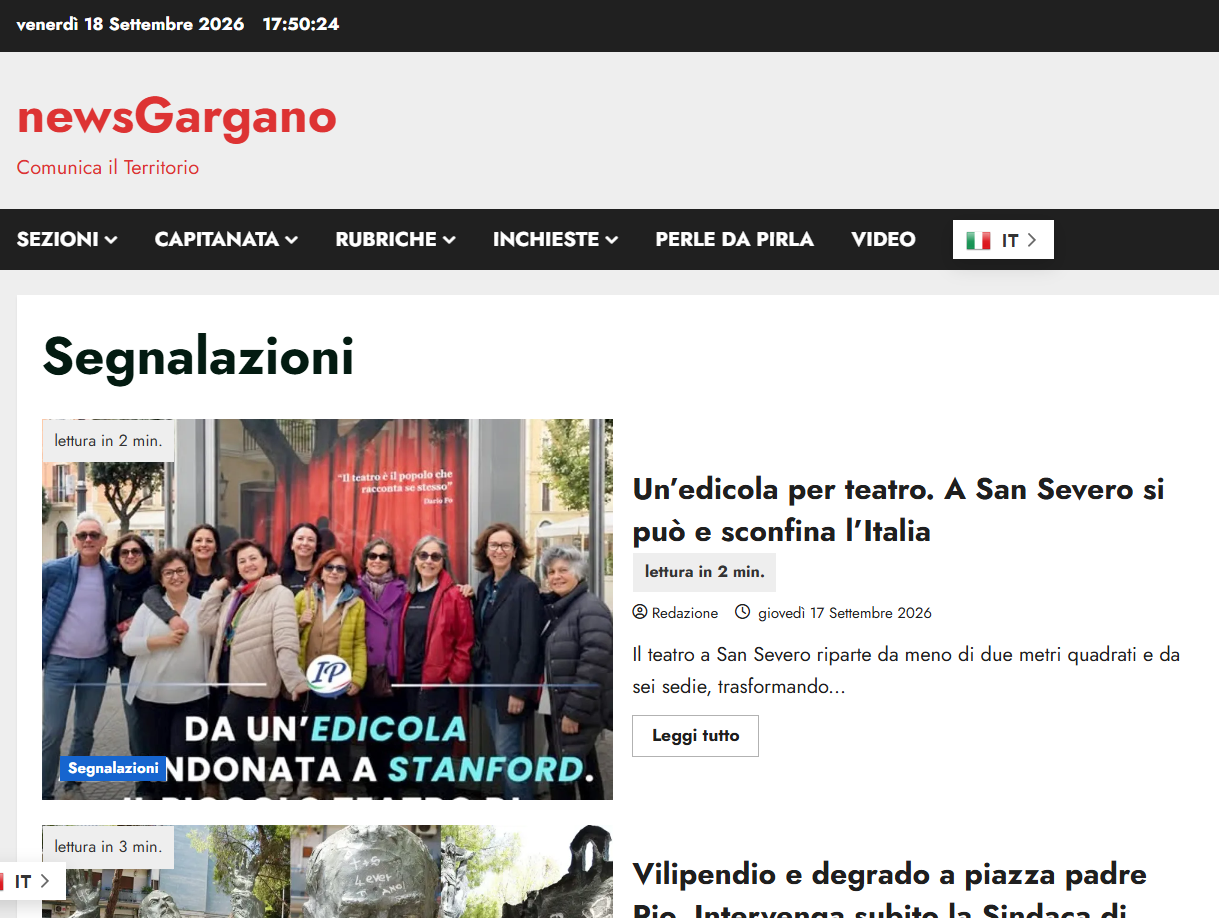
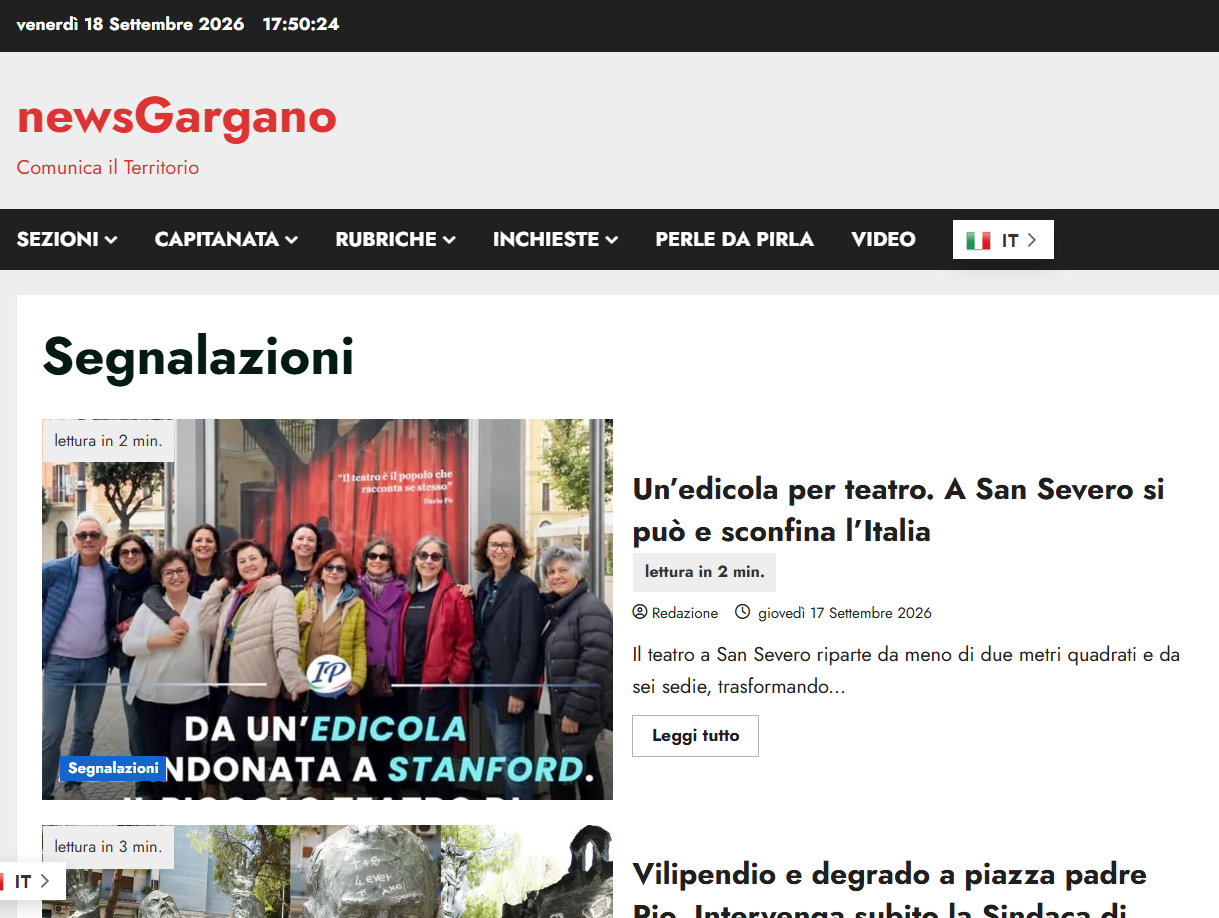
"NEWS GARGANO": A KIOSK FOR A THEATRE: IN SAN SEVERO IT CAN BE DONE, AND ITS ECHO EXTENDS BEYOND ITALY SOURCE: https://www.newsgargano.com/unedicola-per-teatro-a-san-severo-si-puo-e-sconfina-litalia/ SAN SEVERO (FG) - Theatre in San Severo is reborn from less than two square metres and six chairs, transmuting a symbol of urban blight into a small international cause célèbre. The virtuous enterprise has been revived by the company Foyer '97, under the artistic direction of Francesco Gravino, protagonist of a project of cultural regeneration that is now transcending the confines of the Province of Foggia. At the heart of the intervention lies the reclamation of an abandoned newsstand in Via Tondi, for years a disused space and now restored to the city in an unprecedented guise. Where once there was a lowered shutter, theatre is now made: but six spectators at a time, actors at but a few paces from their audience, and performances of brief duration, in a direct and radical commerce between stage and city. The experiment, inaugurated on 27th March, has yielded figures that bespeak a tangible cultural need. More than sixty persons attended the performances in a single afternoon, and the three days of the inaugural season were sold out, demonstrating that proximity and quality may yet generate community even in the most residual of spaces. Yet the story of San Severo has swiftly outgrown its local boundaries. In September 2026, the Stanford Social Innovation Review dedicates to the project the reportage "The Six-Seat Revolution", authored by Luciano Magaldi Sardella, researcher, academic and international journalist from Orta Nova of Sanseverese maternal lineage. The work is described by SSIR as: "A theater director transformed an abandoned newsstand into a radically new theatrical experience that is helping to revive the historic center of a Southern Italian town." The Apulian experience is observed not merely for its theatrical originality, but as a replicable paradigm of low-cost social innovation and urban regeneration, capable of activating cultural capital without recourse to grand structures or lavish investment. "One does not require grand theatres to transform a quarter of a city. What is required is a sound idea and the courage to restore to the collectivity a space that has lost its function," emphasised the artistic director Francesco Gravino. "Teatro Edicola was conceived to demonstrate that a locus of encounter and culture may arise anywhere, even within two square metres. That this endeavour should now be studied at an international level, and that enquiries should arrive from cities such as Lucca and Rome, is confirmation that we are upon the right path." The valorisation and preservation of the urban and cultural fabric must inevitably proceed through the creative reclamation of forsaken places. From a derelict newsstand with scarcely six seats to a project capable of commanding international attention: sometimes, to regenerate a city, one need not build, but re-inhabit.

Un'edicola per teatro. A San Severo si può e sconfina l'Italia

This could be a big deal. Sure, you can run Qwen3.8 27B locally but if you do, practically nothing else can happen on your computer, so we need smaller models like this one to make local inference practical #AI #MachineLearning #LocalInference

🔴Ο Φύσσας, ο Φουντούλης, ο Καπελώνης και το Κράτος Δικαίου. 🔴Αναμφίβολα, ο βίαιος θάνατος ενός ανθρώπου, είναι τραγωδία. Και, το μέγεθος της τραγωδίας μεγεθύνεται, όταν το θύμα είναι ένας νέος άνθρωπος, που έχει όλη την ζωή μπροστά του. Κάθε άνθρωπος με στοιχειώδη ανθρωπισμό, οφείλει να στέκεται απέναντι σε κάθε μορφή βίας που αφαιρεί ανθρώπινες ζωές, απ’ όπου κι αν προέρχεται. Κι όχι απέναντι κατ’ επιλογήν, ανάλογα με το ποιο είναι το θύμα και ποιοι οι θύτες. Αυτό το τελευταίο, το κάνει η αριστερά, εκ συστήματος. 🔴Τα γράφω αυτά με αφορμή τον βίαιο θάνατο του Παύλου Φύσσα, που έγινε μια μέρα σαν την σημερινή. Τον οποίο Φύσσα, έχει αναδείξει η αριστερά σε ήρωα και σύμβολο, προβάλλοντας την «ρομαντική» του πλευρά. Πως, «μέσω της μουσικής του μιλούσε για πρόσφυγες, μετανάστες, για τη βία του κατεστημένου, για τη δολοφονία του Αλέξανδρου Γρηγορόπουλου και του Κάρλο Τζουλιάνι, διαδηλωτή στη Γένοβα το 2001». Και αποκρύπτοντας την άλλη πλευρά του, καθώς κάποιοι από τους στίχους των τραγουδιών του, αποπνέουν βία και μισογυνισμό. 🔴Ασχέτως αυτών, που σε καμμιά περίπτωση βεβαίως δεν αποτελούν δικαιολογία για τον άδικο χαμό του, αλλά και του αναμφισβήτητου γεγονότος ότι από το 1974 και μετά, η βία και η τρομοκρατία είχαν χρώμα κόκκινο και δεκάδες νεκρούς, ο Φύσσας δεν ήταν ο μόνος νεκρός εκείνης της ταραγμένης περιόδου. Λίγες βδομάδες μετά την δολοφονία του, βρήκαν έναν εξίσου βίαιο θάνατο, από αριστερούς τρομοκράτες, δύο άλλοι νέοι, που ανήκαν πολιτικά στην αντίθετη παράταξη από εκείνη του Φύσσα: ο 22χρονος Μανώλης Καπελώνης και ο 27χρονος Γιώργος Φουντούλης. 🔴Στις δύο αυτές τραγικές περιπτώσεις, υπάρχουν πολλές διαφορές. Η πιο βασική, είναι ότι στην πρώτη περίπτωση, ο δράστης συνελήφθη, δικάστηκε και οδηγήθηκε στη φυλακή. Αντιθέτως, οι δράστες της διπλής δολοφονίας, των Φουντούλη και Καπελώνη, παραμένουν ασύλληπτοι και κυκλοφορούν ανάμεσά μας. Κι όπως φαίνεται, δεν έγινε καμμία σοβαρή έρευνα, για να βρεθούν. 🔴Μάλιστα, ενώ υπήρξαν στοιχεία για την διαλεύκανση της υπόθεσης, δεν διερευνήθηκαν! Ειδικότερα, το 2015, σε επίσημη κατάθεση που έδωσε στις αρχές συγγενικό πρόσωπο του βαρυποινίτη Παναγιώτη Βλαστού, επισκέφθηκε στις φυλακές τον συγγενή του την επόμενη μέρα της διπλής δολοφονίας και τον ρώτησε αν είχε κάποια εμπλοκή στις δολοφονίες. Ο βαρυποινίτης, του εκμυστηρεύτηκε ότι ο ίδιος δεν είχε καμμιά σχέση, εντούτοις γνωρίζει ποιοι είναι οι δράστες! 🔴Για να μην μακρηγορώ, τα πράγματα είναι απλά: Μια πολιτική παράταξη, στην συγκεκριμένη περίπτωση η αριστερά, μπορεί να λειτουργεί επιλεκτικά και να κρίνεται από τον ελληνικό λαό, στις εκλογές. Όμως, ένα κράτος δικαίου δεν είναι ποτέ δυνατόν να λειτουργεί επιλεκτικά, με παιδιά και αποπαίδια. Όπως και με την «ξεχασμένη» υπόθεση του εμπρησμού και της φρικτής τριπλής δολοφονίας στην Marfin, οφείλει να ξεκινήσει άμεσα τις διαδικασίες για την ανακάλυψη και την σύλληψη των δραστών, έτσι ώστε να υπάρξει επιτέλους πραγματική δικαιοσύνη, να βρουν γαλήνη οι ψυχές των δύο αδικοχαμένων νέων και να αποκατασταθεί το κοινό περί δικαίου αίσθημα!~ #ΚράτοςΔικαίου #Δικαιοσύνη #Βία


L

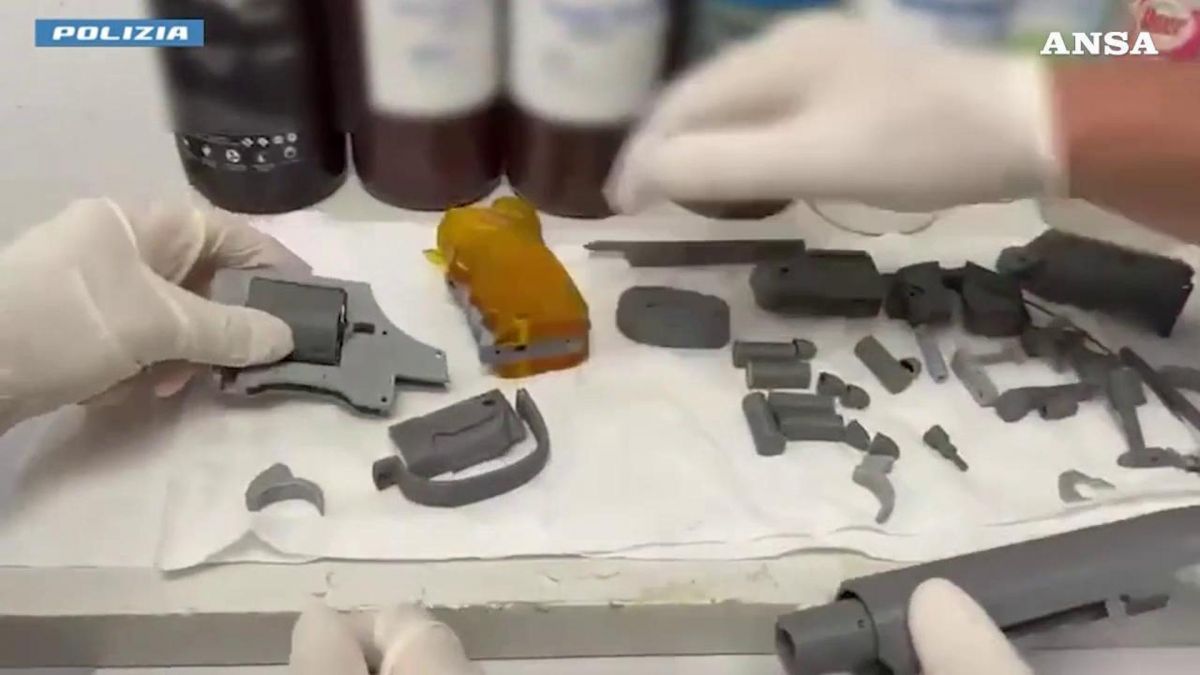
In San Giovanni La Punta, the police discovered a weapons lab in the garage of a 27-year-old, found in possession of a 3D printer, plans for "ghost guns," drugs, and cash, leading to his arrest for trafficking and illegal possession of a firearm. (translated)

Realizzava armi con una stampante 3D: la scoperta delle “ghost guns” nel garage con droga e contanti

@thepolandnews_ Czyli mieli edity z tańczącym hitlerem z podpiskiem "-271K" ABW woli scigać nastolatków z czarnym humorem "bo neonozismmmm" zamisat robić coś pożytecznego #polska #neonazizm #humor

A laboratory for the production of ghost weapons made with 3D printers has been discovered in San Giovanni La Punta, leading to the arrest of a 27-year-old who was managing the clandestine operation. (translated)

Scoperto un laboratorio per realizzate “armi fantasma” realizzate con stampanti 3D: il video

Tra l’8 marzo e l’8 settembre 2026 secondo ISW la Russia ha ottenuto guadagni netti di territorio pari a 166 km2. Le perdite stimate nello stesso periodo (morti, feriti e dispersi) sono comprese tra 270 e 280.000, cioè quasi 1.700 caduti o mutilati per km2. L’obiettivo dichiarato di conquista del Donbas, di questo passo, richiederà circa 17 anni e quasi 10 milioni di vittime, sempre ammesso che Mosca riesca ad arginare il trend in netto peggioramento. Cosa penseremmo del nostro paese - o di una qualunque altra nazione occidentale - se chi ci governa bruciasse 1.700 vite di nostri concittadini per rubare illegalmente un solo km2 di un altro stato sovrano? Forse dovremmo tenere a mente che molti di quelli che oggi elogiano la diserzione, scegliendo di farlo nei salotti televisivi italiani, anziché in Piazza Rossa, non hanno l’obiettivo di salvare vite, né di sottrarre ai dittatori aggressori la carne da cannone indispensabile per le loro guerre. Al contrario, lo fanno per anestetizzare le nostre coscienze al punto di farci smettere di provare orrore verso chi distrugge, uccide e stupra per sete di potere ed indurci a ritenere che chiedere alla vittima di deporre le armi sia persino un atto di coraggio. #Russia #Donbas #Guerra

Kurier 1d

The diesel price has reached a new record of 2.279 euros per liter, while super gasoline has become slightly cheaper, which is attributed to ongoing concerns about oil supplies in the Persian Gulf. (translated)

Dieselpreis legt weiter zu: Nun bereits 2,279 Euro pro Liter
Samuel 2d

Un jefe superior dando una rueda de prensa por una pelea en unas fiestas con lesiones leves. Al dictado de la delegada de un gobierno que ha llegado a pactos con los filoterroristas de BILDU, y con todos los grupos cuyos cachorros monopolizan la violencia política en todo el territorio nacional. Por hechos mil veces más graves, incluidos asesinatos y violaciones, jamás salió a dar una rueda de prensa. La delegada tampoco se lo pidió porque en esos casos no se puede utilizar el uniforme para hacer política. En Asturias han aumentado las violaciones a mujeres, muchas de ellas niñas, un 270% desde el año anterior a la llegada de este gobierno. Silencio. #NoALosPolíticosDeUniforme #ViolenciaPolítica #DerechosHumanos #JusticiaSocial

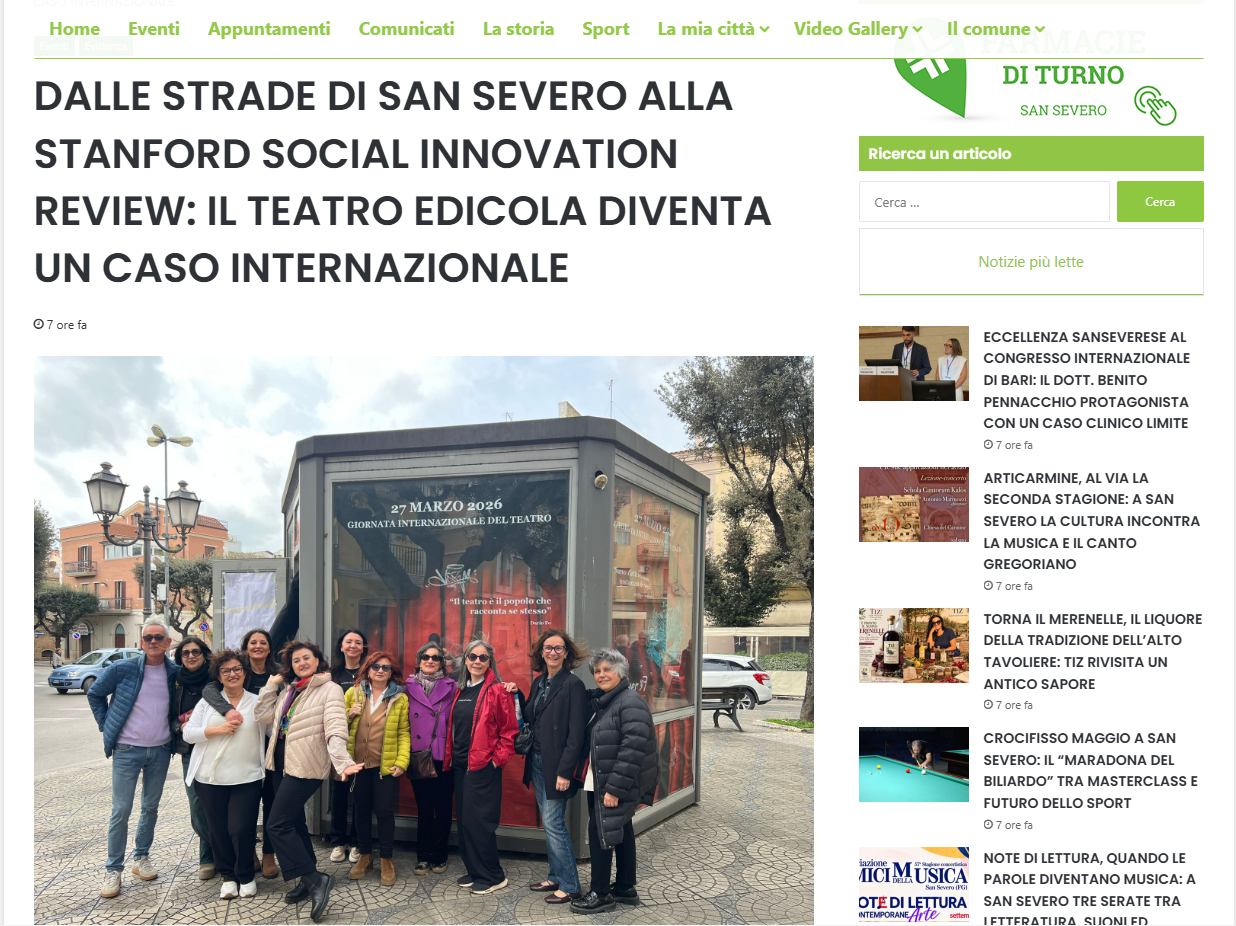
FROM THE STREETS OF SAN SEVERO TO THE "STANFORD SOCIAL INNOVATION REVIEW": "TEATRO EDICOLA" BECOMES AN INTERNATIONAL CASE STUDY SOURCE: https://www.sanseverocitta.it/dalle-strade-di-san-severo.../ SAN SEVERO (FG) - Six persons enter a newsstand. Before them there are no newspapers, periodicals, or tobacco, but rather a theatrical stage of less than two square metres. The actors stand but a few paces from the spectators, with scarcely any separation betwixt performer and beholder. It is thus that a place abandoned for years in San Severo hath been restored to life. And today that modest theatrical experiment hath come under the glare of international attention. This is the history of the Teatro Edicola, the project realised by the company Foyer '97, under the artistic direction of Francesco Gravino, which hath transformed a former newsstand in Via Tondi into one of the smallest stages hitherto conceived. The project commenced on 27th March last with a formula at once simple and singularly original: six seats, a most circumscribed scenic space, and performances of but a few minutes' duration. A minimal distance betwixt public and interpreters that doth wholly transfigure the traditional relation between spectator and theatre. The wager, however, was immediately rewarded by the public. More than sixty persons attended the performances in a single afternoon, and the three days of the inaugural season recorded a complete sold-out. From a local experiment, the Teatro Edicola hath thus become a case capable of attracting attention far beyond the confines of the Province of Foggia. In September 2026, the Stanford Social Innovation Review, the journal of Stanford University, shall publish upon its website and in its Fall 2026 print edition the reportage "The Six-Seat Revolution", authored by Dr Luciano Magaldi Sardella and overseen editorially by Deputy Editor David V. Johnson. The interest of the American review doth not concern merely the originality of the theatrical proposition. The Teatro Edicola is, indeed, observed as a potential exemplar of low-cost social innovation and urban regeneration. The notion is particularly compelling in a country such as Italy, wherein numerous newsstands have ceased their activity and risk becoming vacant interstices within the urban fabric. The question, at bottom, is simple: may a place born to vend newspapers become anew a locus of encounter? In San Severo the answer hath been entrusted to the theatre. The newsstand hath not been merely restored in corporeal terms. It hath changed its function, transmuting itself into a place wherein artists encounter the public directly and wherein the performance becometh part of the quotidian life of the street. "The theatre cometh into the street wherein thou walkest every day," explained Francesco Gravino, thereby synthesising the philosophy underpinning the project. And it is precisely this aspect which hath rendered the experiment compelling also upon the plane of its possible replicability. Initial requests for information have already arrived from other cities, amongst them Lucca and Rome, desirous of apprehending the model and the modalities for its realisation. The strength of the Teatro Edicola resideth also in its apparent disproportion: a minimal investment and space to produce a far greater cultural effect. There is no need for a grand theatre, an auditorium of hundreds of seats, or complex structures. An unused space, an idea, and the will to restore it to the community suffice. That former newsstand in Via Tondi, therefore, narrateth something that transcendeth theatre itself. It narrateth the possibility of reconceiving the spaces of our cities, restoring a social function to places that seemed to have lost it definitively.

DALLE STRADE DI SAN SEVERO ALLA STANFORD SOCIAL INNOVATION REVIEW: IL TEATRO EDICOLA DIVENTA UN CASO INTERNAZIONALE

Con más de 118 distritos visitados y 270 centros educativos, nuestro Bus "Mi Viaje Financiero" ya alcanzó a más de 70,000 jóvenes. 🚍 ¡Y esto apenas comienza! Conoce más detalles sobre esta iniciativa aquí: https://t.co/OeOYH3o1EVhttps://t.co/yLhIOioBiH #EducaciónFinanciera #Juventud #IniciativaSocial

🚨 COMUNICADO | HAND BANNERS Pessoal, precisamos atualizar vocês sobre a situação dos nossos hand banners para os shows do BTS no Brasil. A BARMY360 vem trabalhando há meses na organização do projeto e, durante todo esse processo, recebemos orientações iniciais positivas em relação aos banners. Inclusive, tivemos confirmação de que o material estava dentro do tamanho permitido pelo estádio. Foi com base nessas orientações que seguimos com o planejamento, a arrecadação e, posteriormente, a produção dos 270 mil hand banners destinados aos três shows, que estão prontos e 100% pagos. Também entramos em contato diretamente com o MorumBIS, que nos desejou sucesso com o projeto e nos encaminhou o contato da gerente de projetos da Live Nation para que pudéssemos avançar mais rápido com a formalização. Por isso, nós e algumas fanbases, recebemos com surpresa uma comunicação da Live Nation informando que não seria mais permitida a realização de NENHUM Fan Project nos shows do BTS, especificamente no Brasil, neste ano. Essa orientação veio após todo o planejamento já estar em andamento e depois de termos recebido orientações anteriores diferentes. Diante disso, simplesmente não aceitamos a primeira devolutiva. Enviamos DUAS réplicas por email, com vários representantes da Live Nation em cópia, apresentando novamente o projeto, sua logística, todo o contexto da produção e buscando uma nova possibilidade de negociação para que os hand banners pudessem acontecer. Até o momento, ainda não recebemos retorno dessas duas tentativas de contato. Existem várias fanbases e fãs trabalhando há meses, arrecadando dinheiro, produzindo materiais, organizando voluntários e preparando projetos para proporcionar momentos especiais ao BTS e aos ARMYS. Por isso, é natural que existam muitas dúvidas sobre o que acontecerá agora com todos esses materiais, projetos e investimentos que já foram realizados. Enquanto aguardamos essa resposta, seguimos trabalhando internamente para entender os caminhos que ainda podem ser buscados para que os banners produzidos tenham a possibilidade de chegar aos shows. Também entendemos que, nas últimas semanas, houve um grande volume de sugestões, solicitações e projetos enviados à organização. É possível que isso tenha contribuído para uma reavaliação mais rígida e repentina da situação, mas não cabe a nós afirmar o motivo dessa decisão. O que podemos afirmar é que fomos surpreendidas pela mudança de cenário. E é exatamente isso que queremos fazer agora: buscar diálogo. Questionamos o porquê os shows do Brasil estão sendo tratados de forma DIFERENTES dos shows do exterior. Não queremos conflito. Não queremos ataques à Live Nation, ao MorumBIS, às equipes envolvidas ou a qualquer pessoa. Queremos apenas entender o que mudou, porque mudou e buscar uma solução para projetos que foram planejados durante meses (que já existem há anos), tanto os OT7 quanto para todos os membros, com muito trabalho, dedicação e investimento de fãs. Caso a resposta permaneça negativa, vamos recorrer a outros meios e alternativas que possam existir para garantir a entrada e a distribuição dos banners. Não temos, neste momento, uma definição concreta de como isso será feito (mas já está em andamento) e, justamente por isso, não queremos antecipar informações. Agora fica o questionamento: o que acontecerá com os itens distribuídos por fãs? O que acontecerá com projetos que possuem SIM itens permitidos dentro do evento? Como serão tratados materiais que não apresentam qualquer risco e que já foram planejados e produzidos, até mesmo pelas fãs? POR QUE O BRASIL ESTÁ SENDO TRATADO DE FORMA DIFERENTE?! O que podemos garantir é que não vamos simplesmente deixar todo esse trabalho de meses de lado. São 270 mil hand banners produzidos para os três shows, resultado de planejamento, arrecadação, produção e investimento do fandom, realizados a partir das orientações que recebemos durante o desenvolvimento do projeto. É APENAS PAPEL. Não machuca, não possui mastro ou parte rígida. Assim que tivermos um retorno (ou não) ou uma definição concreta sobre os próximos passos, vamos compartilhar tudo com vocês. Por enquanto, pedimos que aguardem nossas orientações e evitem qualquer tipo de confronto, ataque ou tentativa individual de contornar as regras do evento. Porque no fim, é muito simples: nós só queremos fazer pelo BTS aquilo que ARMYS fazem há anos… preparar uma recepção especial, celebrar juntos e criar memórias inesquecíveis. Seguimos trabalhando. Pelo BTS e pelo ARMY. #BARMY360 #BTS #ARMY #FanProject

Celem wizyty jest oddanie hołdu obrońcom wschodnich granic Rzeczypospolitej, którzy we wrześniu 1939 r. stawili opór sowieckiej agresji biorąc udział m. in. w bitwie pod Wytycznem. Prezydent RP złożył kwiaty na Cmentarzu Wojennym Żołnierzy Wojska Polskiego, gdzie spoczywa w sumie 270 żołnierzy - są to żołnierze z września 1939 r. oraz żołnierze Korpusu Ochrony Pogranicza, polegli w bitwie pod Wytycznem. #Historia #Pamięć #Polska

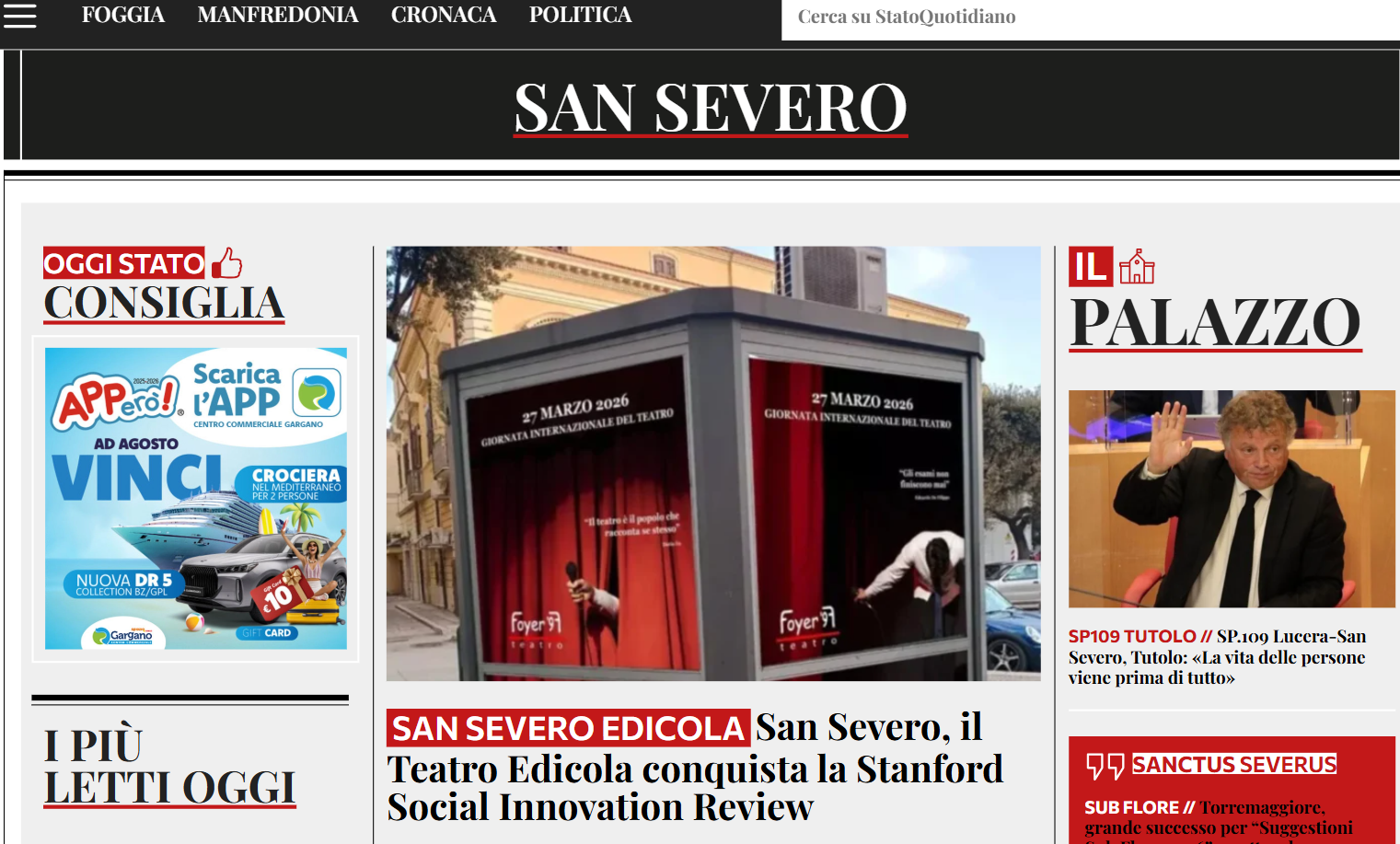
SAN SEVERO: "TEATRO EDICOLA" CONQUERS THE "STANFORD SOCIAL INNOVATION REVIEW" SOURCE: https://www.statoquotidiano.it/17/09/2026/il-teatro-edicola-conquista-la-stanford-social-innovation-review/1350500/ The initiative is promoted by the company Foyer '97, under the artistic direction of Francesco Gravino, protagonist of a project of urban and cultural regeneration. The theatre in San Severo is reborn from less than two square metres and a mere six chairs, transforming a disused newsstand in Via Tondi into a singular cultural space capable of attracting attention well beyond the confines of the Province of Foggia. The undertaking is promoted by the company Foyer '97, artistically directed by Francesco Gravino, protagonist of a project of urban and cultural regeneration that has restored a new purpose to a space left unutilised for years. Where once there stood a lowered shutter, today theatre itself is staged. Performances accommodate a maximum of six spectators, with actors in the closest proximity to the audience and productions of brief duration, thereby constructing a direct relationship between the stage and the urban space. The experiment, inaugurated on 27th March, yielded significant results from its earliest days. More than 60 persons attended the performances in a single afternoon, whilst the three days of the inaugural season were fully booked. Figures which attest to the interest aroused by a model founded upon proximity, upon the quality of the cultural offering, and upon the capacity to transform a residual space into a place of encounter. The San Severo experience has thus attained international attention. In September 2026, the Stanford Social Innovation Review devoted to the project the reportage “The Six-Seat Revolution”, authored by Luciano Magaldi Sardella, researcher, academic and international journalist, native of Orta Nova and of maternal San Severo origin. The project is analysed not merely for its distinctive theatrical formula, but also as a potential model of low-cost social innovation and urban regeneration, capable of mobilising resources and cultural capital without the necessity of erecting grand structures or sustaining substantial investment. Francesco Gravino, artistic director of the project, underscores the significance of the experience: “One does not require grand theatres in order to transform a fragment of a city. What is required is a sound idea and the courage to restore to the community a space that has lost its function.” And he adds: “Teatro Edicola was born to demonstrate that a place of encounter and culture may arise anywhere, even within two square metres. That this work should now be studied at an international level and that enquiries should arrive from cities such as Lucca and Rome is confirmation that we are pursuing the right course.” The story of the Teatro Edicola thus inscribes itself within the broader theme of the valorisation of the urban patrimony through the creative reclamation of abandoned spaces. A disused kiosk, six seats and a cultural proposition have sufficed to transform a forgotten corner of the city into a place capable of attracting both public and international attention. An example of regeneration commencing from the bare minimum: not to construct a new space, but to return to inhabiting that which already exists.

San Severo, il Teatro Edicola conquista la Stanford Social Innovation Review

According to analysts from Pekao SA Brokerage House, an average household may spend 2742 zł on electricity next year, which is 276 zł more than this year. In their scenario, the price of electricity in tariff G increases by 19% from the beginning of the year, reaching 590 zł. (translated)

Misuna 2d

Fialova vláda přidala důchodcům nejvíc v historii ČR. Babiš důchodcům slíbil ráj na zemi a nakonec dostanou přidáno cca 270 korun. Sice je obelhal úplně ve všem, ale je to přece jejich spasitel. Díky za menšinu těch normálních. #důchodci #politika #ČR

„Selenskijs Strategie ist nationaler Selbstmord: In der ersten Sommerhälfte hieß es aus Kiew…die Ukraine ist auf dem Vormarsch…Jetzt im September fehlen $27Mrd. im Verteidigungshaushalt…und 300 Flugabwehrraketen, um eine Winterkatastrophe zu verhindern.“https://t.co/adPFU3iMug #Ukraine #Selenskyj #Verteidigung