BETA nonprofit public democratic european moderated

Search

#Ambulance
Cerfia 7d

🇮🇱🇵🇸 FLASH | L’armée israélienne reconnaît pour la première fois que ses soldats ont ouvert le feu sur la voiture dans laquelle se trouvait Hind Rajab, fillette palestinienne de 5 ans tuée à Gaza en janvier 2024. Israël avait auparavant nié la présence de ses troupes dans la zone au moment des faits. L’armée affirme que le véhicule s’approchait de ses soldats « contrairement aux consignes » et annonce l’ouverture d’une enquête criminelle, notamment sur les circonstances entourant l’arrivée d’une ambulance du Croissant-Rouge, touchée par un obus qui a tué deux secouristes. Le corps d’Hind avait été retrouvé 10 jours plus tard dans la voiture criblée de balles. (RFI) #Gaza #Israël #DroitsDeL'Homme

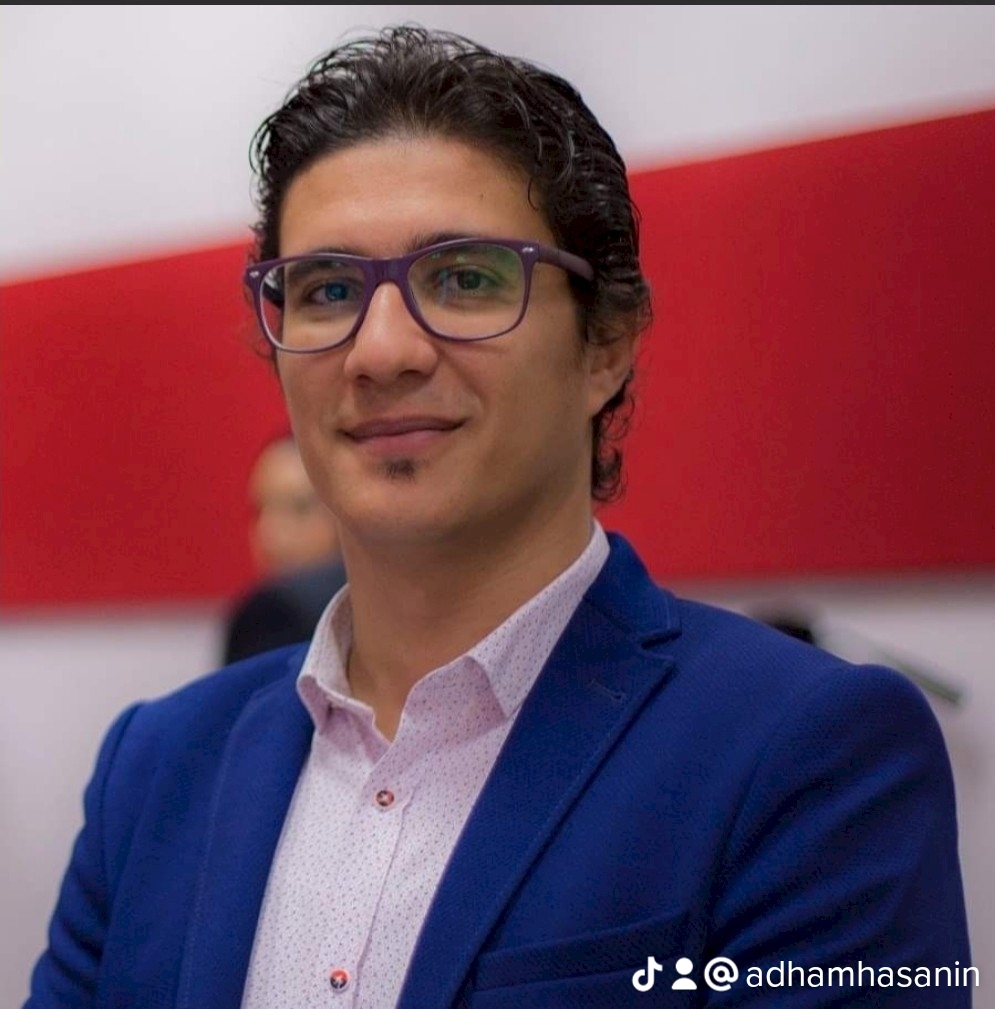
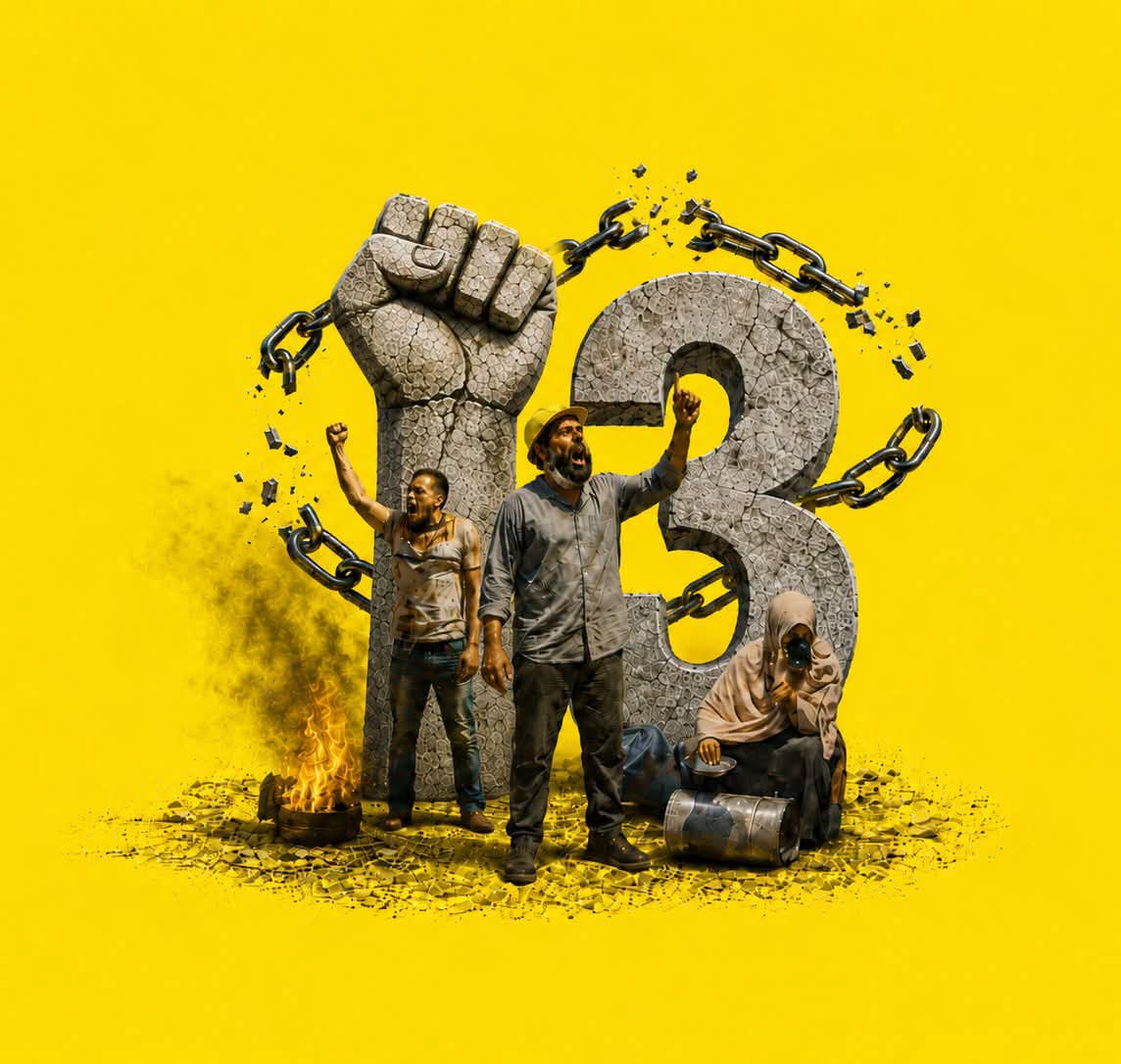
Rabaa: The Hour the World’s Conscience Stood Still On the anniversary of one of the largest single-day killings of protesters in modern history, one question remains unanswered: who will be held accountable? By Adham Hasanin Egyptian journalist and political writer, based in the Netherlands On 14 August, the anniversary returns of a day unlike any other in modern Egyptian history. Not simply because it was the bloodiest Egypt has known wars and massacres before and since ,but because it was the day a state chose to open fire on its own people in broad daylight, in front of the world’s cameras, and then let thirteen years pass without a single officer ever being held accountable. This article will not be a cold recitation of statistics, though the statistics exist, are documented, and are horrifying. It is an attempt to understand something deeper: how a square in the heart of Cairo, filled with tents, children, and worshippers, became the site of the largest mass killing the Arab world has witnessed in the past decade and why the echo of that day still reverberates in every Egyptian prison cell today. I. A Morning That Began Like Any Other For readers unfamiliar with the background: in July 2013, the Egyptian military, led by then-General Abdel Fattah el-Sisi, removed Mohamed Morsy Egypt’s first freely elected civilian president, a member of the Muslim Brotherhood who had taken office in 2012 following the 2011 uprising against Hosni Mubarak. In response, tens of thousands of Morsy’s supporters staged an open-ended sit-in demanding his reinstatement. By 14 August 2013, more than twenty thousand people had spent weeks camped out at two Cairo squares, Rab’a al-Adawiya and al-Nahda, in a peaceful sit-in. They were not an army, nor a uniform bloc; they were entire families men, women, and children, some affiliated with the Muslim Brotherhood, many simply ordinary citizens who saw the restoration of elected legitimacy as a cause worth the risk. There were tents for sleeping, communal kitchens feeding the demonstrators, speaking platforms, and a small field clinic that no one imagined would, within hours, become one of the most terrifying places in modern Egyptian history. In the early hours of that morning, Central Security Forces and army units, under the command of then-General Sisi, began what was officially described as a "dispersal" operation targeting both sit-ins simultaneously. It was not a dispersal in any ordinary sense of the word. According to a year-long investigation by Human Rights Watch, it was a pre-planned operation that anticipated, from the outset, thousands of deaths. II. The Numbers the Regime Refuses to Speak The Egyptian government, to this day, cites a death toll of "over 600" for that single day a figure that, even at its official lowest, is horrifying enough to warrant an independent international investigation. But the field investigation conducted by Human Rights Watch, drawing on field hospital records, survivor testimony, and analysis of video footage from dozens of angles, arrived at a far more disturbing figure: at least 817 people killed at Rab’a Square alone, with the true toll likely exceeding 1,000, plus another 87 killed at the nearby al-Nahda Square. When the deaths from the weeks surrounding 14 August are added from the dispersal of the Republican Guard sit-in on 8 July, through the Mansoura Street killings, to the dispersal of an October 6 march the combined total reaches at least 1,150 deaths in just six weeks, according to Human Rights Watch’s meticulous documentation. This figure led the organisation to use a term not deployed lightly in international law: crimes against humanity. Human Rights Watch described the Rab’a killings as "one of the world’s largest killings of demonstrators in a single day in recent history." Not in Egyptian history alone in modern history as a whole. What happened at Rab’a is cited in international reporting alongside China’s 1989 Tiananmen Square massacre. This is the true scale of what the Egyptian state has spent thirteen years trying to minimise, justify, and reduce to a mere "security incident" in a news bulletin. III. "All According to Plan" When Mass Killing Becomes Administration, Not Chaos The title Human Rights Watch chose for its detailed report on the massacre deserves lingering on: "All According to Plan." This is not an emotive headline; it is a precise legal conclusion built on field evidence. According to the investigation, what happened at Rab’a was not a dispersal operation that spiralled out of control amid chaos or panic, as the regime later tried to portray it. It was a carefully planned operation that assumed, in advance, massive casualties. Then-Interior Minister Mohamed Ibrahim admitted, in a televised interview broadcast on 31 August 2013 just weeks after the massacre that his ministry had anticipated losses of "10 percent of the people" present at the sit-in, acknowledging that the number of demonstrators exceeded twenty thousand. By simple arithmetic, this is an official admission that the state anticipated, in advance, the deaths of roughly two thousand people and proceeded with the operation regardless. This is the true horror at the heart of the Rab’a story: it was not a security operation that spun out of control, but a conscious administrative decision, made in an air-conditioned room, with advance calculations, by men who knew precisely how many human beings would die under their fire and who proceeded anyway, or perhaps because of it. According to Human Rights Watch’s analysis, the objective was to send an unambiguous message: whoever challenges the new state will pay an irreversible price. IV. Snipers, Women, and Children The Faces the Reports Do Not Tell Behind every number in the Human Rights Watch reports lies a full human story, deliberately omitted from the state’s official narrative. The investigation documented how security forces opened fire from multiple angles, and how snipers positioned themselves atop buildings surrounding the square, targeting according to survivor testimony and analysed video footage any movement in the square, regardless of whether it was an armed combatant or a nurse trying to reach a wounded person. According to documented testimony, entire families had their tents burn over their heads as fire swept through the sit-in. Doctors and paramedics were killed while trying to pull the wounded from the line of fire. Most damningly of all, the documentation shows deliberate targeting of ambulances and field medical points meaning that wounded people who survived the first bullet then faced death by bleeding out, because anyone attempting to save them was themselves a target. This detail the targeting of medics is what elevates the event from "excessive violent repression" to what human rights organisations have described as a systematic crime. When security forces target those trying to save the wounded, they are not merely dispersing a sit-in; they are preventing witnesses from surviving to tell what happened. V. Thirteen Years of Total Impunity The most painful part of the Rab’a story is not only what happened that day, but what has not happened in the years since. From 14 August 2013 to today, not a single officer, of any rank, has been held accountable for the deaths of hundreds, or thousands, of Egyptians. Quite the opposite: the state has moved to entrench impunity through the force of law itself. Egypt issued legislation granting senior military officers immunity from questioning over any violations that may have occurred following Morsy’s removal a law specifically designed to close the door on any future judicial accountability, regardless of how political circumstances might change. Even the fact-finding committee established by then-interim President Adly Mansour to investigate the June and July events concluded, in its report issued more than a year after the events, that the sit-in’s leaders bore responsibility for the deaths, on the grounds that they had allowed weapons into the square even as the same report admitted, in a glaring contradiction, that security forces had failed to target only armed individuals, meaning they had fired indiscriminately on everyone: armed and unarmed, man and woman, adult and child. This is the pattern that has repeated for over a decade: as each anniversary approaches, official statements re-narrate the events and shift blame onto the victims, while the actual perpetrators — those who planned the operation, gave the orders, and pulled the trigger — remain free. Some now occupy the highest offices of the state. VI. Why This Anniversary, Why Now? A reader might ask: why revisit this story after all these years? Has the world not moved on to newer crises? The answer lies in the very nature of impunity. When a state is never held accountable for the largest massacre of protesters in its modern history, it does not simply "forget" the crime it sets a precedent, telling every future ruler and every future security apparatus: mass killing is possible, politically profitable, and free of cost. This poisonous lesson does not remain confined within Egyptian borders; its echo reaches every Arab capital contemplating how to handle its own opposition. More dangerously, this system of impunity did not stop at Rab’a’s edges; it is the foundation on which Egypt’s entire subsequent decade of repression was built: thousands of political prisoners, grossly unfair mass trials that produced death sentences for dozens of defendants in cases linked directly to the Rab’a events themselves, laws criminalising peaceful protest, a muzzled press, and a civil society hollowed of substance. All of it traces back to the morning of 14 August 2013, when the state learned that overwhelming force succeeds, and that the world will condemn for a few days, then move on. VII. Delayed Justice Is Not Forgotten Justice Despite more than a decade of official silence and impunity, the Rab’a case remains alive in international legal memory. Human rights organisations, from Human Rights Watch to Amnesty International, continue to renew their annual calls for an independent international investigation, grounded in the legal principle that crimes against humanity are not subject to statutes of limitation: delayed justice is not forgotten justice. The victims who fell in that square were not numbers in a statistical report. They were fathers who left behind children too young, that day, to understand why their father would never return. They were mothers who, thirteen years later, are still searching for a clearly marked grave to which they can carry flowers, and young people who had decades of life ahead of them that they never got to live. Their memory does not fade with time; it grows with their children, who carry with them the same question their parents asked before they were killed: when will justice come? Conclusion: What Does This Anniversary Demand of Us? Every year, as the anniversary of 14 August returns, the same question resurfaces one the Egyptian state refuses to answer: who gave the order? Who planned the operation? Who decided that twenty thousand human beings deserved to be shot with live ammunition because they staged a peaceful sit-in? This anniversary is not a call for vengeance, nor an invocation of the past for its own sake. It is a reminder that justice, however delayed, remains a debt still owed. And that every instance of international silence over a massacre of this scale opens the door to the next one, elsewhere, under a different pretext, carrying the same lethal conviction: that the world will condemn for a week, then forget. We will not forget. And we will not stop asking the question that unsettles everyone who took part in that crime, regardless of the office they hold today: where is the accountability? Rab’a is no longer merely the name of a square in Cairo. In the conscience of everyone who believes in justice, it has become a test of the world’s conscience itself a test the world has not yet passed.

A
AD 1w

Actress Hayden Panettiere has passed away at the age of 36, after paramedics unsuccessfully attempted to resuscitate her, with the police confirming that there were no indications of a crime or suspicious circumstances surrounding her death. (translated)

Actrice Hayden Panettiere werd vlak voor haar dood nog vergeefs gereanimeerd

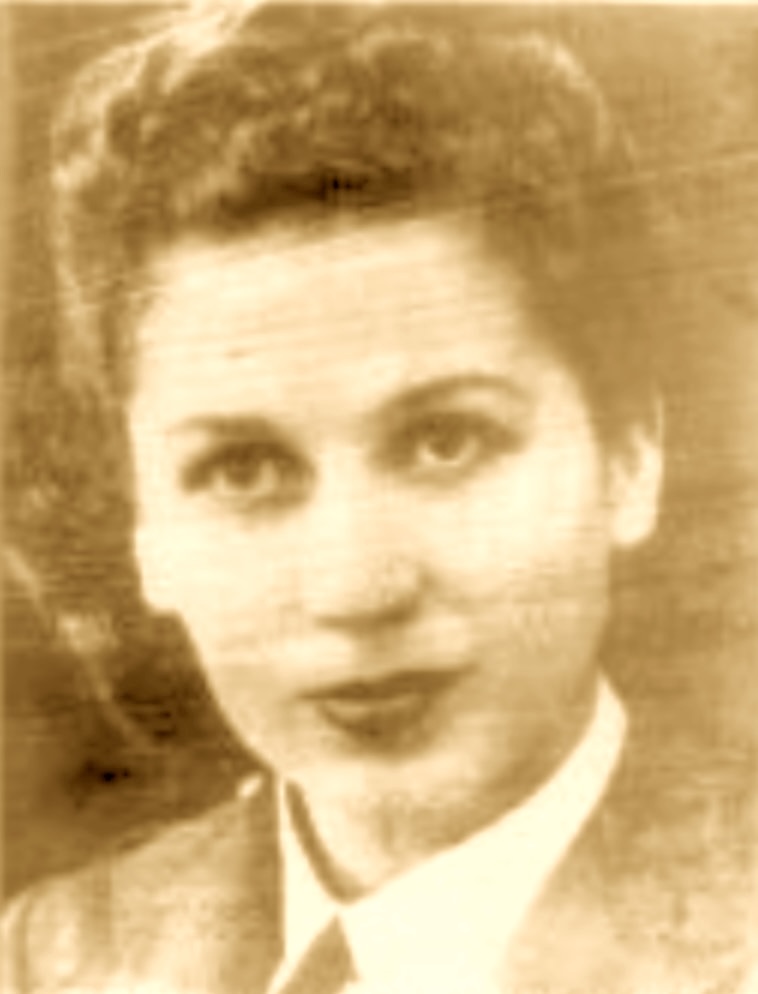
13 août 1944. Une ambulance en Normandie. Au volant, une acharnée. Une résistante qui a fui la Gestapo et intégré la 2e DB en Angleterre. Une erreur de route... Le véhicule sera retrouvé calciné, avec 2 corps d'homme. Nul ne sait ce qu'est devenue Marie-Louise Charbonnel. 26 ans. https://t.co/H53DzC5DWf #Histoire #Résistance #Normandie

Na 26 jaar moesten Thelma en Clyde hun vertrouwde thuis verlaten. De ambulance uitkomen? Daar hadden ze na aankomst absoluut geen zin in. Een spannende dag zit erop. Hun oude thuis is achter hen, maar ze hebben elkaar. Morgen begint een nieuw hoofdstuk. #LaVieEstBelle met elkaar https://t.co/Bsn5vPos3q #NieuweStart #Samensterk #Avontuur

🙏 | Er vond een spoedtransport plaats van het Wilhelmina Kinderziekenhuis Utrecht naar het Erasmus Ziekenhuis Rotterdam. Op verzoek van de ambulance plaatsten wij een kruis boven de weg. Door het meewerken van alle weggebruikers ondervond het transport geen hinder. #NietvoorniX https://t.co/kXyL250qx9 #gezondheid #hulpdiensten #samensterk

L
Le Soir 3w

The explosion of a bomb in a public transport minibus in Jaramana, near Damascus, resulted in two deaths and thirteen injuries, causing an influx of ambulances and traffic jams in the surrounding streets. (translated)

Syrie: deux morts dans l’explosion d’une bombe dans un bus près de Damas

L’ambulance aurait été demandée pour Sébastien Ogier et Julien Ingrassia, Virves s’est arrêté sur le lieu de la sortie de l’équipage. Toyota CONFIRME que Sébastien Ogier ET Julien Ingrassia sont SORTIS de leur voiture 🙏 #WRC #SectoRallyFinland https://t.co/pMRRB3wYbj #WRC #Rally #Ogier

𝐋𝐄 𝐏𝐑É𝐒𝐈𝐃𝐄𝐍𝐓 𝐎𝐔𝐒𝐌𝐀𝐍𝐄 𝐒𝐎𝐍𝐊𝐎 𝐀𝐂𝐂𝐔𝐄𝐈𝐋𝐋𝐈 𝐏𝐀𝐑 𝐋𝐄 𝐒𝐈𝐍𝐄 𝐄𝐓 𝐂É𝐋É𝐁𝐑É À 𝐌𝐁𝐄𝐋𝐋𝐀𝐂𝐀𝐃𝐈𝐀𝐎 Pour la seconde fois après 2018, en compagnie notamment de mon frère Boucar DIOUF, j’ai eu l’insigne honneur de recevoir M. Ousmane SONKO dans ma commune. Le temps d’une soirée, Mbellacadiao a constitué le centre de gravité de notre formation politique. La venue du Guide de la Révolution a réchauffé le cœur de tous les patriotes de Fatick. Le Sine, pays sereer, gardera un souvenir impérissable de la date du dimanche 26 juillet 2026. La mobilisation singulière observée du chef-lieu de région à Mbellacadiao, lieux distants de 7 kilomètres, témoigne de la vitalité de Pastef Les Patriotes dans notre terroir et de l’espoir que suscite son leader dans ce Sénégal des profondeurs. Chez ses cousins à plaisanterie, SONKO a reçu tous les honneurs. Son discours de haute volée, devant une foule en liesse, confirme ses remarquables qualités de rassembleur de différentes communautés autour d’un idéal commun : le développement économique et social de notre cher pays. Cette quête, au niveau local, donne du sens à mon existence. Depuis belle lurette, j’ai compris que mon bonheur est intrinsèquement lié à celui de mes concitoyens restés au village. Ainsi, en synergie avec de bonnes volontés de la localité, j’ai entre autres creusé des puits pour l’adduction d’eau, acheté des pompes pour asseoir de micro-fermes, distribué des moulins pour réduire la pénibilité des tâches ménagères, financé des femmes pour leur autonomisation, construit des salles de classe pour faciliter à nos enfants l’accès à l’éducation, doté le Centre de santé d’une ambulance tout terrain pour assurer les évacuations et œuvré au raccordement de villages au réseau électrique national pour les faire entrer dans l’ère de la modernité. Par la force des choses, bien avant l’avènement de l’homme politique, je suis devenu un acteur de développement communautaire. Aussi longtemps que durera ma vie, je serai toujours au service du Sénégal en général et de Mbellecadiao en particulier. Je témoigne ma reconnaissance au président SONKO pour le déplacement avec une forte délégation et lui assure ma loyauté. J’associe à ces remerciements ma sœur Sinna GAYE, de Pastef Kaffrine, marraine du meeting, la Jeunesse Patriotique du Sénégal (JPS) de Fatick ainsi que tous les villages et hameaux de la commune de Mbellecadiao dont l’engagement à mes côtés, manifesté ce week-end par l’achat massif de cartes de membres de Pastef, m’oblige. L’élan décisif ! #amadouchérifdiouf #Pastef #Sénégal #Sénégal #Pastef #Développement

Depuis l'invasion de l'Ukraine par la Russie en février 2022, l'association belge BEforUkraine a organisé une mobilisation citoyenne remarquable, acheminant 145 véhicules médicaux, dont des ambulances, et prévoyant de livrer des cabinets dentaires mobiles, tout en continuant à récolter des fonds et à rassembler des fournitures pour soutenir les Ukrainiens sur le terrain. #BEforUkraine #Solidarité #AideHumanitaire

“On s’est lancés sur un coup de tête": l’incroyable mobilisation de Belges pour aider l’Ukraine depuis 2022

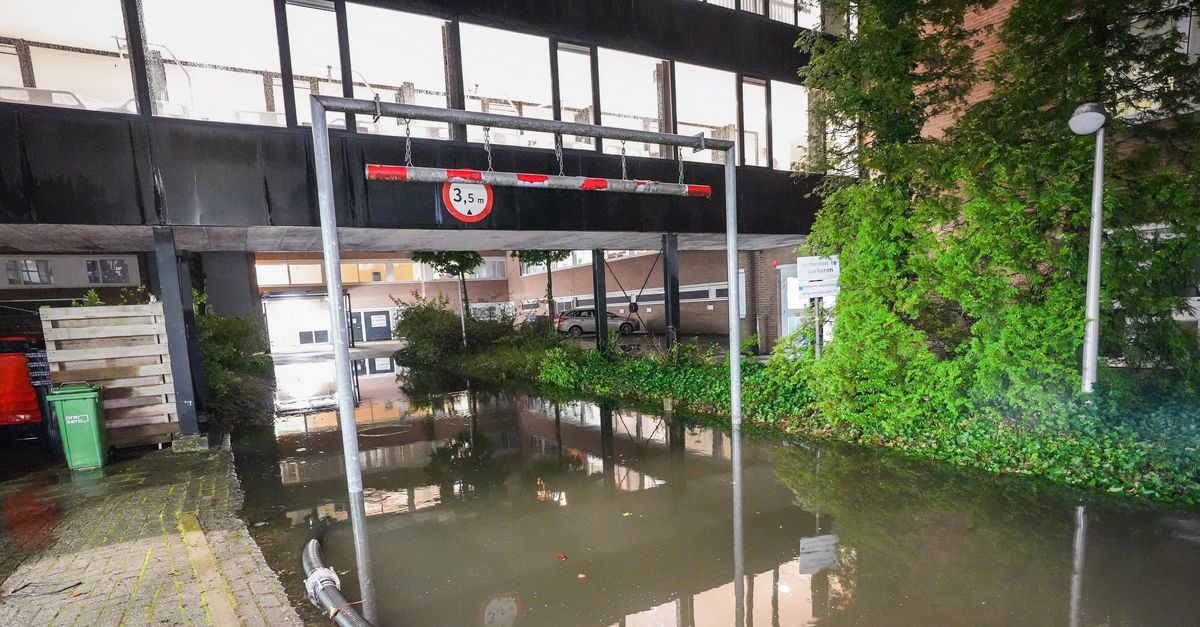
Column: Politiek maakt humor onmogelijk Max von Kreyfelt Vroeger hadden we cabaretiers nodig om de werkelijkheid belachelijk te maken. Nu hebben we de ministerraad. Dat is duurder. En vooral veel absurder. Satire heeft één fundamenteel probleem gekregen: de politiek is haar voortdurend vóór. Iedere keer dat een columnist denkt: dit kan niemand geloven, verschijnt er een Kamerbrief waarin precies dat wordt aangekondigd als nieuw beleid. Neem de infrastructuur. Jarenlang kregen Nederlanders te horen dat bruggen op instorten stonden. Onderhoud was te duur. Viaducten werden afgesloten. Boeren moesten omrijden. Vrachtwagens werden zwaarder belast. Er was geen geld. En ineens is er wél geld. Niet omdat de burger veilig over een brug moet, of omdat ambulances sneller bij een patiënt moeten komen. Ook niet omdat ondernemers dagelijks miljoenen verliezen in files. Nee. Omdat een tank misschien ooit van Rotterdam naar Litouwen wil. Je kunt het niet verzinnen. Sterker nog: je mág het niet verzinnen, want de werkelijkheid dient dan een klacht in wegens plagiaat. Het mooiste is de snelheid waarmee de logica zich aanpast. Gisteren was CO₂ de grootste vijand van Europa. Vandaag moet dezelfde overheid honderden tanks, pantservoertuigen en militaire colonnes dwars door het continent laten razen. Kennelijk stoot een Leopard 2 geen CO₂ uit, maar democratie. Dat moet wel. Ook stikstof blijkt een wonderlijk flexibel natuurverschijnsel. Een tractor van een boer was jarenlang een ecologische ramp. Een colonne van zestig tanks heet nu “weerbaarheid”. Blijkbaar is stikstof ideologisch. En dan de politici zelf. Ze kijken met een bloedserieus gezicht de camera in en spreken zinnen uit die vroeger voldoende waren geweest voor een gedwongen observatie. Vervolgens applaudisseren collega’s, schrijven ambtenaren een beleidsnota en nodigen talkshows dezelfde avond drie deskundigen uit om uit te leggen waarom het heel verstandig is. Dat is het moment waarop humor sterft. Want hoe overdrijf je mensen die hun eigen absurditeiten al met staatsrechtelijke plechtigheid presenteren? Hoe parodieer je een werkelijkheid waarin propaganda “communicatiestrategie” heet, censuur “weerbaarheid”, schulden “investeringen”, falend beleid “transitie” en oorlog “vrede door afschrikking”? De politiek heeft iets unieks gepresteerd. Ze heeft de clown overbodig gemaakt. Omdat bestuurders zo incompetent zijn geworden. En omdat ze iedere ochtend vrijwillig diens neus opzetten en vervolgens verwachten dat het publiek ernstig blijft kijken. Dát is wel de grootste bestuurlijke prestatie van deze eeuw. Dat miljoenen mensen nog steeds proberen serieus te blijven, terwijl de regering dagelijks een voorstelling opvoert die zelfs Monty Python zou afwijzen wegens te ongeloofwaardig. De politiek maakt humor niet scherper. Ze maakt haar onmogelijk. Want tegen pure idiotie valt niet meer op te schrijven. 📌 Heeft u mijn bundel al? https://t.co/y64gXJ5yrY 📌 Steunt u mij ook? https://t.co/V2P6pFuNy1 #politiek #humor #satire

Cerfia Jul 25

🚨🇫🇷🔥 FLASH | Le Premier ministre dresse un nouveau point de situation ce soir sur les incendies en Gironde : Près de 100 000 hectares ont déjà brûlé, une trentaine d’incendies restent actifs et plus de 167 000 personnes ont été évacuées. La Gironde demeure le principal foyer de préoccupation, avec des conditions météo qui pourraient encore aggraver la situation dans les prochaines heures. L’État annonce une mobilisation historique : 1 400 sapeurs-pompiers, 1 500 militaires, 1 700 forces de sécurité, des renforts européens, le déploiement de l’A400M, ainsi que 2,5 millions de masques FFP2, 20 ambulances militaires et 3 500 lits de camp pour les personnes évacuées. (X) #Incendies #Gironde #Urgence

URGENT - Fires: The situation is becoming catastrophic in Gironde, with 4,800 hectares now burned - A firefighter injured and evacuated by ambulance after an explosion in a house in Lège-Cap-Ferret where several houses burned this evening #fire (translated)

URGENT - Fires: A firefighter injured and evacuated by ambulance after an explosion in a house in Lège-Cap-Ferret #fire #flames (translated)

LIVE - Fires: A firefighter injured and evacuated by ambulance after an explosion in a house in Lège-Cap-Ferret where several houses burned tonight - The fire in Gironde has now covered 3,700 hectares - #fire #flames (translated)

Observador Jul 22

První ministr oznámil, že nejhorší fáze opravy národních zkoušek již skončila, přičemž ministr školství slíbil, že všechny zkoušky budou ohodnoceny do konce týdne, zatímco se zároveň upozorňuje na komplikace, kterými budou hasiči čelit během přicházejícího léta kvůli zdržení ambulance v nemocnicích Algarve. #Educação #ExamesNacionais #Urgências

14h. Exames. PM diz que pior já passou
Owen Jul 21

Melding #schietpartij in #Nijmegen. Slachtoffer zwaargewond op straat. Drie ambulances aanwezig. https://t.co/qr3xYCOMyS #Nijmegen #schietpartij #nieuws

Susanne Jul 19

Ineens een hoop tumult buiten. 🚑 Ambulance in de wijk. Blijkt voor de buren te zijn. Daar is dus iets gebeurd. En ik ben dan zo'n buurvrouw die niet naar buiten gaat om te kijken en gaat vragen wat er aan de hand is, maar ik duik in stilte weg met de hoop dat alles goedkomt. Ben niet zo close met ze, maar dat zou geen excuus mogen zijn. Weet me gewoon geen houding te geven op zo'n moment. Dat is het eerlijke verhaal. #ambulance #buurt #stilte

Masian Jul 16

Ça tire vraiment à balles réelles sur une ambulance là???? Ils n’avaient pas de lance roquette? #Urgence #Sécurité #Conflit

De Ezelshoeve Jul 14

Roos verloor 5 dagen geleden haar maatje en ook haar sprankel. Gelukkig hebben wij Jasmijntje. En wat heeft die een hekel aan de ambulance. Roos moet het nog even verwerken, maar als iemand haar sprankel kan terugbrengen, dan is het Jasmijntje wel. #LaVieEstBelle met sprankeltjes https://t.co/gVgeNaBafs #hond #verdriet #vriendschap