The Ministry of Industry has summoned the parties involved in the labor conflict at Airbus to a meeting on Friday to mediate in the negotiations that have been blocked for five weeks due to the workers' strike. (translated)

The Ministry of Industry has summoned the parties involved in the labor conflict at Airbus to a meeting on Friday to mediate in the negotiations that have been blocked for five weeks due to the workers' strike. (translated)

Een ochtendcolumn Wie de Nederlandse politiek volgt, zou kunnen denken dat het grootste financiële probleem van de overheid is waar het volgende miljard vandaan moet komen. Vermogens moeten meer opbrengen, erfenissen kunnen zwaarder worden belast, fiscale voordelen moeten worden beperkt en hogere en middeninkomens kunnen meer bijdragen. Over de verdeling van de rekening kan Den Haag eindeloos debatteren. Veel minder belangstelling bestaat voor de rekening zelf. Het Rijk gaf in 2025 €447,1 miljard uit. Van een Tweede Kamer zou je verwachten dat een groot deel van de politieke energie vervolgens gaat zitten in een eenvoudige vraag, wat hebben we voor dat geld gekregen? Dat is tenslotte een kerntaak van het parlement. Kamerleden worden niet gekozen om vier jaar campagne te voeren. Ze worden onder meer gekozen om de regering te controleren, en daarbij hoort controleren of publiek geld doelmatig wordt besteed. Onderwijs laat zien wat er gebeurt als die vraag niet wordt gesteld. In 2000 gaf de overheid €20,8 miljard uit aan onderwijs en studietoelagen, in 2024 €56 miljard. Ook als aandeel van de economie namen de uitgaven toe. Ondertussen daalde de Nederlandse PISA-score voor wiskunde van 538 in 2003 naar 493 in 2022 en voor lezen van 513 naar 459. Nederland bereikte bij de laatste meting in alle drie de onderzochte vakken zijn laagste score sinds deelname aan PISA. Dat zou een politiek hoofdpijndossier moeten zijn. Meer geld, slechtere prestaties. Niet omdat iedere extra euro rechtstreeks een hogere PISA-score moet opleveren, maar omdat na twintig jaar één vraag onvermijdelijk wordt, wat hebben al die extra miljarden dan wel opgeleverd? Het onderwijs is geen uitzondering op een verder perfect werkend systeem. De Algemene Rekenkamer constateert dat tekortschietende resultaten van overheidsbeleid Nederland vele miljarden euro’s per jaar kosten. Ministeries produceren honderden beleidsevaluaties. De Rekenkamer onderzocht achttien periodieke rapportages en keek wat de Tweede Kamer ermee deed. Zes werden behandeld, twaalf niet. In slechts twee Kamerdebatten werd naar zo’n evaluatie verwezen. Daar zit de zwakte van ons politieke systeem. We hebben de controle uitstekend georganiseerd, maar politiek levert die controle blijkbaar weinig op. Een nieuw plan kan worden gepresenteerd als vooruitgang. Een belastingverhoging geeft partijen de gelegenheid zich te profileren op eerlijkheid en verdeling. Een conflict over vermogen of erfenissen levert onmiddellijk herkenbare politieke kampen op. Uitzoeken waarom miljarden aan bestaand beleid onvoldoende resultaat opleveren is minder geschikt voor de permanente campagne. Dat mechanisme helpt ook de groei van de overheid verklaren. Als beleid onvoldoende werkt, verdwijnt het probleem niet. Het probleem wordt vervolgens aanleiding voor nieuw beleid en nieuw geld. Het bestaande budget blijft grotendeels staan, het volgende komt erbij en daarna moet opnieuw dekking worden gevonden. Zo kan gebrek aan resultaat uiteindelijk leiden tot hogere uitgaven in plaats van lagere. Vervolgens begint Den Haag weer aan de kant waar de politieke belangstelling wel groot is. Wie gaat het betalen? Het vermogen, de erfenis, de hogere inkomens of de middenklasse? Daarover gaan de debatten, daar worden de verschillen tussen partijen zichtbaar en daar valt electoraal iets te winnen. Maar iedere miljard die doelmatiger wordt besteed, hoeft ook niet opnieuw te worden opgehaald. Je zou verwachten dat daar minstens zoveel politieke belangstelling voor bestaat. Maar die is moeilijk te vinden. We hebben geen behoefte aan nog meer politici die uitleggen wie de rekening moet betalen. We hebben Kamerleden nodig die het minder spectaculaire werk doen waarvoor het parlement bestaat, controleren of de rekening klopt en of we voor al die miljarden krijgen wat ons is beloofd. We gaan elkaar politiek te lijf over wie de rekening betaalt. Vrijwel niemand lijkt zich druk te maken of de rekening zelf wel klopt. #NederlandsePolitiek #Onderwijs #Financiën
Anybody else missing discussions on the future of EU. To me we seem to have forgotten the original convergence criteria for all member states and now only focusing on expanding with more member states. Including more states with totally different economies and social structures will only lead to more future conflicts. The original idea was to streamline the members economies and social structures so that an inner market without major differences could be achieved, and from there go towards even further integration.
The article discusses the vulnerabilities of European energy infrastructure in the face of sabotage threats and cyber attacks, highlighting the need for increased preparedness in the context of the conflict in Ukraine and tensions with Russia. (translated)

Pedro Sánchez, the president of the Government, seeks to adjust his strategy in light of the crisis in Ceuta and Melilla, asking Europe for different cooperation with Morocco to ensure Spanish sovereignty and facilitate the return of migrants, while avoiding provoking a diplomatic conflict. (translated)

The article by Iñaki Ezkerra analyzes Morocco's weak point, highlighting that, despite its economic and strategic development in the region, an armed conflict over the autonomous cities of Ceuta and Melilla could be too costly and detrimental to its international image. (translated)

American Vice President JD Vance avoided using the term "war" for the conflict with Iran, noting that there are no active firefights and that he cannot anticipate the end of hostilities. (translated)

The Swedish Army is conducting corpse management exercises in the context of the Aurora 26 maneuvers, due to fears of a possible conflict with Russia, to improve operational protocols and ensure dignity in the treatment of the deceased in the event of war. (translated)

Los fallos de la justicia se respetan, pero también pueden - y deben - ser objeto de crítica. Ordenar la abstención de una operación aérea cuando exista información “cierta, objetiva o razonablemente verificable” sobre la presencia de menores reclutados establece un criterio de una amplitud extraordinaria. ¿Qué significa, en términos operacionales, “razonablemente verificable”? ¿Un indicio? ¿Una fuente? En ese supuesto todo es plausible. En un conflicto en el que los grupos armados reclutan y utilizan criminalmente a menores de edad, un estándar tan abierto termina haciendo materialmente imposible el empleo de bombardeos aéreos. Si ese es el efecto práctico de la decisión, habría sido más sencillo prohibir los bombardeos. Los menores deben ser protegidos con el máximo rigor. Y así lo viene haciendo y lo hará este gobierno. Pero convertir su reclutamiento criminal en un mecanismo que termine otorgándoles inmunidad territorial a los narcoterroristas, termina siendo un incentivo perverso y peligrosísimo. Este fallo absurdo e inconstitucional, será apelado. #Justicia #DerechosHumanos #Menores
The shooting between the Ukrainian intelligence agencies GOeR and SBOe reveals deep-seated mistrust and rivalry, with a kidnapped deputy commander having to overcome accusations of espionage amid an armed conflict between the two agencies. (translated)

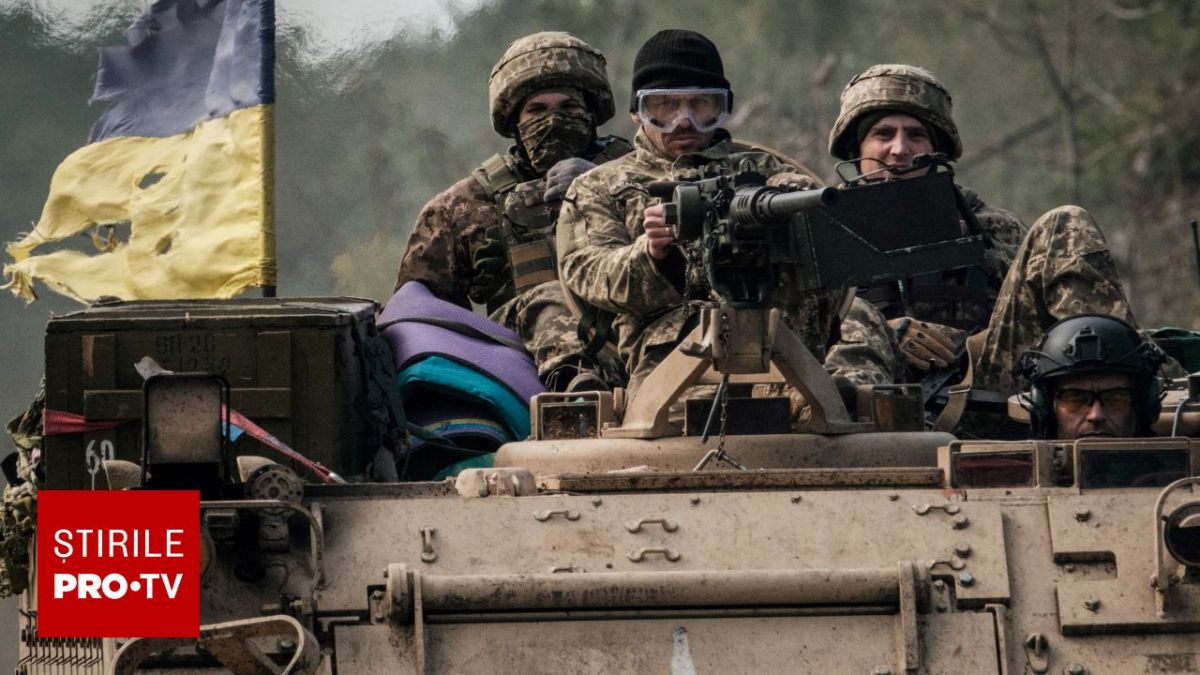
Russian President Vladimir Putin expressed optimism about the possibility of a peace agreement for Ukraine, while Kiev anticipated a "new dynamic" in efforts to resolve the conflict, amid the four-and-a-half-year-long conflict. (translated)

The Pentagon has decided to extend the deployment of U.S. troops in the Middle East until 2027, according to a report by the Wall Street Journal, to give President Trump flexibility in the event of an escalation of the conflict. (translated)
India and China are in conflict with each other over the devastating floods in Tibet and Nepal, with accusations of information withholding and questions of accountability exacerbating the tension between the two countries. (translated)

The prices at the pump in the Netherlands are reaching record highs due to the ongoing disruptions of oil supplies as a result of the war in the Middle East and other conflicts. (translated)

Iran has once again launched attacks on American bases in Kuwait in response to recent U.S. bombings, escalating tensions in the Middle East after six months of conflict. (translated)

Donald Trump threatened Iran with a new attack, stating that the United States is ready to strike at any moment, following the recent escalation of the conflict between the two countries. (translated)

The podcast Was it Morocco or not? addresses a secret police report suggesting the involvement of Moroccan security forces in the Ceuta crisis, while reflecting on the human impact of the conflict, highlighting the stories of the affected migrants. (translated)

In a climate of escalating conflict, Donald Trump encourages Iranians to rise up and fight against the regime, while the US continues to exert economic and military pressure on Iran, but without finding a quick solution to the increasingly complicated situation in the region. (translated)

Hoy todo el mundo habla de guerra híbrida. Tiempo atrás, quien se atrevía a mencionar ese término era tildado de agitador. Esta intervención tiene ya más de tres años. Y quienes estaban en la mesa, lo saben. https://t.co/SxPSr9FS07 #GuerraHíbrida #Geopolítica #Conflictos