Kyiv. Monday morning. Reading updates. The news collided like two trains. CNN Travel included Kyiv’s metro among the world’s best. One metro station in Kyiv was damaged during last night’s russian attack. Two surface stations were closed.
Kyiv. Monday morning. Reading updates. The news collided like two trains. CNN Travel included Kyiv’s metro among the world’s best. One metro station in Kyiv was damaged during last night’s russian attack. Two surface stations were closed.

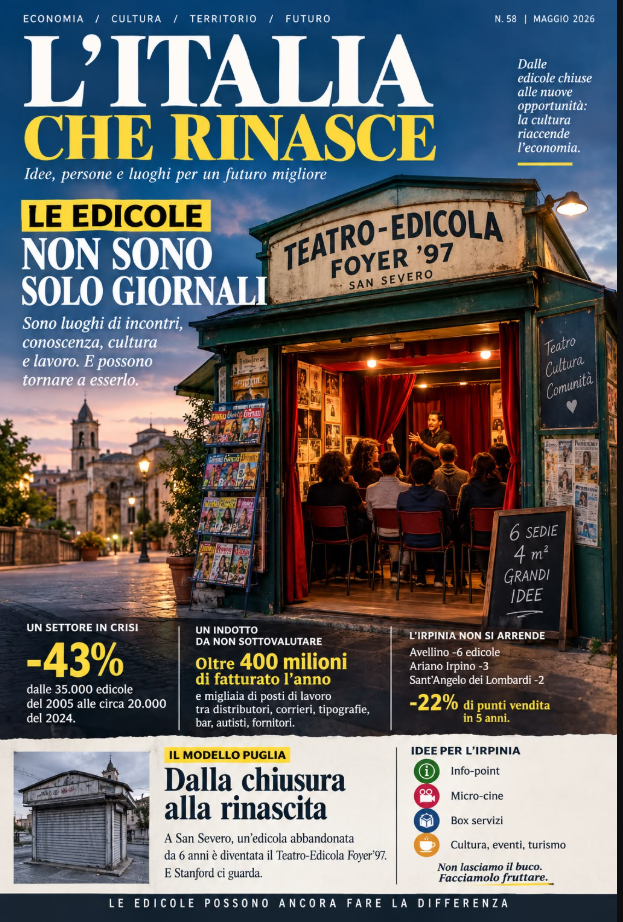
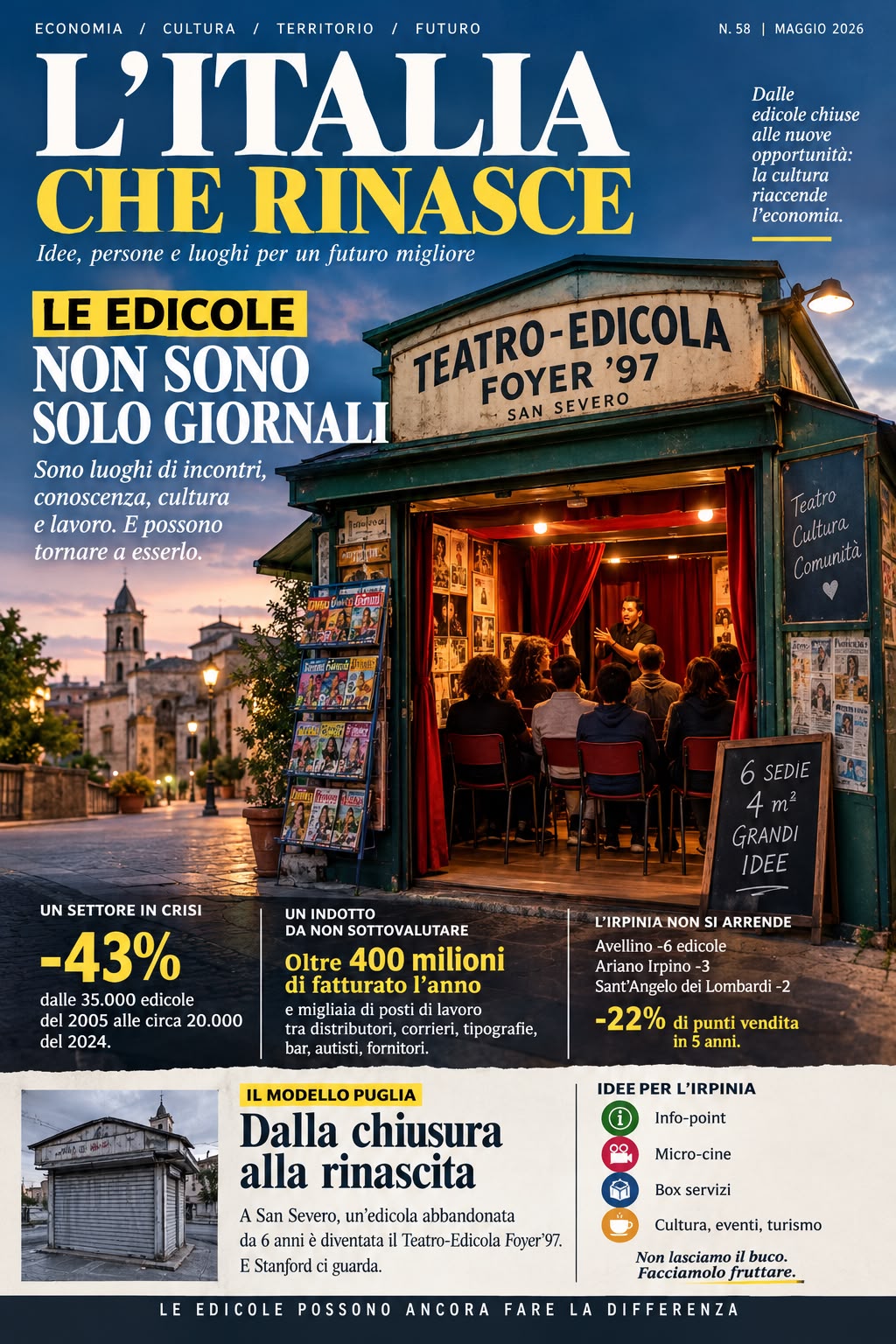
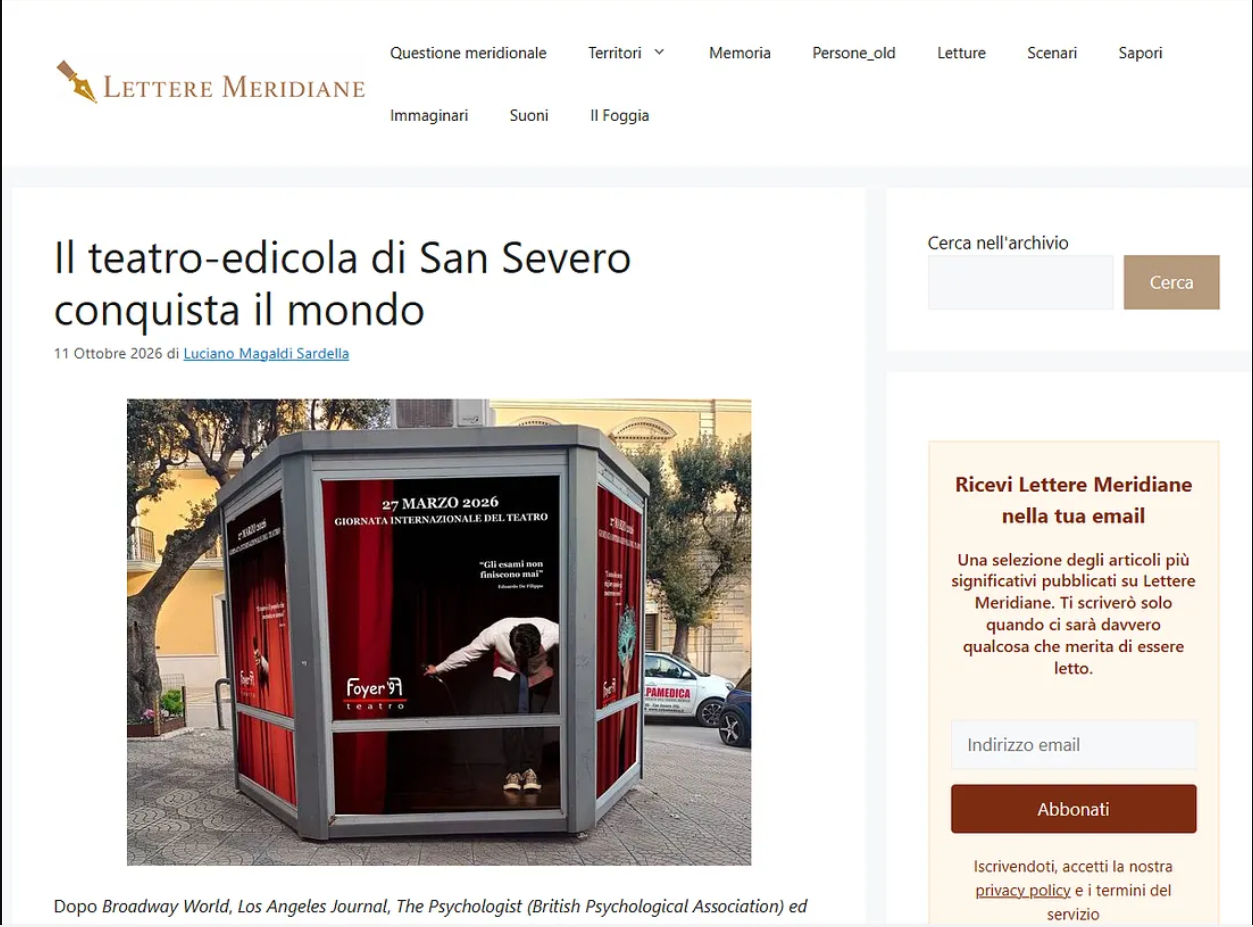
RADIO ARC 101:“NEWSSTANDS, ‘ENDANGERED SPECIES’ LIKE CAFÉS: MONEY LOST AND HOPES FROM STANFORD” by NANDO SILVESTRI SOURCE: https://radioarc.it/edicole-razze-in-estinzione-come-i-bar-soldi-persi-e-speranze-da-stanford/ Newsstands are another repository of humanity and knowledge, in many respects similar to cafés, at least as far as the unfortunate fate that has befallen many of them is concerned. The smell of printed paper, coloured card, variegated covers, surprise packets and cellophane was an olfactory molasses that once intoxicated young and old alike and represented, at the same time, a sought-after destination for daily walks and pauses. Stopping by the newsstand meant drawing upon knowledge, entertainment, culture, imagination and creativity. All prerogatives lost on account of the shapeless and amorphous surrogates disseminated by the web. This is the principal reason for the cumulative and recurring closure of a great many Italian newsstands: in economics, one speaks of a sector in demand collapse. But it is not merely a newsstand that closes; a piece of the local and national economy closes with it. From 35,000 newsstands in 2005 to about 20,000 in 2024: -43%. With them goes direct turnover of over €400 million per year, but the real hole is the indirect economy that is never calculated. Each average newsstand in a small town generated distribution worth €15,000 per year in margins for local distributors, couriers, and printers. Moreover, the customer who bought the newspaper would have a coffee, buy a bus ticket, place a bet. Download the Medium App One must consider that without a newsstand, the village cinema loses its only physical promotional outlet, not to mention the losses in terms of advertising. When it closes, it is not only the newsagent who loses. The café loses, the driver loses, the printer loses. In Irpinia, over the last five years, Avellino has lost six newsstands, Ariano Irpino three, Sant’Angelo dei Lombardi two. The total loss in Irpinia amounts to about 22% of outlets. All this means that many of the closures mentioned above have deprived Irpinian cafés of several dozen customers, harming workers, distributors and suppliers. These are jobs that do not make the news, but they exist. Another hard blow inflicted upon the local and national economy in the name of a false progress that almost always favours the business of fixers and the usual suspects. However, what is happening in Puglia, a few kilometres from Irpinia, opens up scenarios of renewal based precisely upon the reconversion of disused newsstands. These are prospects so unique and innovative as to have aroused interest worldwide, especially at Stanford University. This is news of enormous significance that few news programmes have disseminated, in the name of a perennial pre-emption by technologies contemptuous of common sense, tradition and art. In San Severo, 40 km from Upper Irpinia, a newsstand abandoned for six years in Via Matteo Tondi became, on 27 March 2026, the Teatro-Edicola Foyer’97: six chairs, four square metres, an idea by Francesco Gavino. The well-received 10- to 15-minute shows have piqued the curiosity of Stanford University. Its academic journal, the Stanford Social Innovation Review [SSIR], has chosen the Teatro Edicola in San Severo as an international case study with the reportage “The Six-Seat Revolution”. Why is Stanford watching us? Because it has realised that those four square metres can once again generate indirect economic activity. Indeed, 60 spectators in an afternoon can become 60 coffees at the neighbouring café. With a symbolic ticket price of €5, we are talking about a cultural micro-economy. Not to mention the indirect income from tourists and journalists who arrive and frequent B&Bs and restaurants. It is the model Irpinia needs: not to leave the void, but to reconvert it virtuously. Every closed newsstand can become an information point, a micro-cinema, a service hub. Otherwise we shall continue to count only the lowered shutters, without counting the money that no longer circulates.
@zackpolanski.bsky.social : "Andy Burnham.. needs to explain to communities their bins won't be collected, social services will collapse, libraries will be closed, because he's more worried about defending the genocide he's arming than working with Green councillors" Well said Zack.
On a good note, Ukrainian drones manage to keep Moscow airports closed most of the time. Collapse continues. 🛩🚫
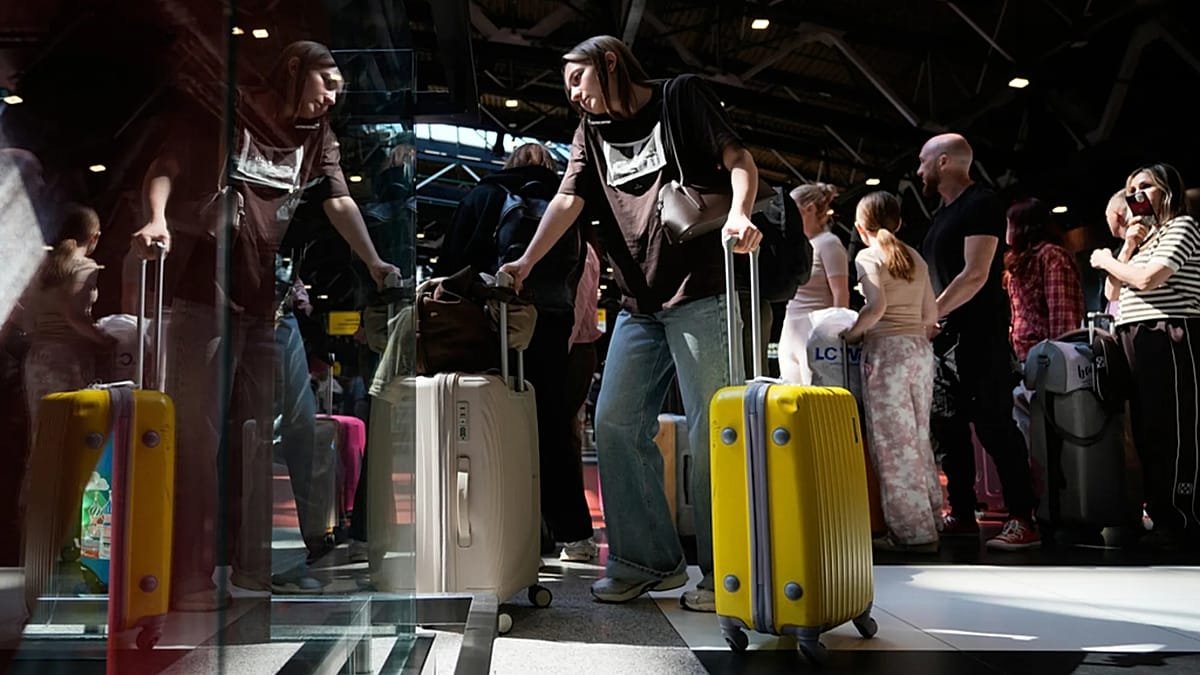
The chaos at Moscow's airports has continued for a second day, with airspace repeatedly closed due to the threat of drone attacks. All four Moscow airports suspended operations, leaving hundreds of flights delayed or canceled.

North Carolina A&T students marched back to campus after their polling place was closed. They voted anyway! It took students about 45 minutes to reach Union Square — now the closest early polling place. Some sections of sidewalk were missing or obstructed by branches, forcing people into the street.

Moscow’s airports were closed for 101 hours in the first 14 days of October, more than double the total for all of September. #Russia #Ukraine #Drones

For those unfamiliar with this area, this very busy stretch of I-5 between San Diego and Orange Counties is one of the worst transportation bottlenecks in the country. If you're driving from Oceanside to San Clemente and this is closed, the closest detour can add like 100 miles and 2 hours.
Ukrainian drones hitting Moscow oblast right now. All four Moscow airports have been closed. The Mayor of Moscow Sergey Sobyanin says the Russians have been intercepting drones heading to the capital. #explodey

The skies over Moscow are clear of planes. Moscow airports will be closed and not be able to carry out their logistical and cargo functions, in addition to carrying passengers. The "special military operation" is going according to plan. (translated)

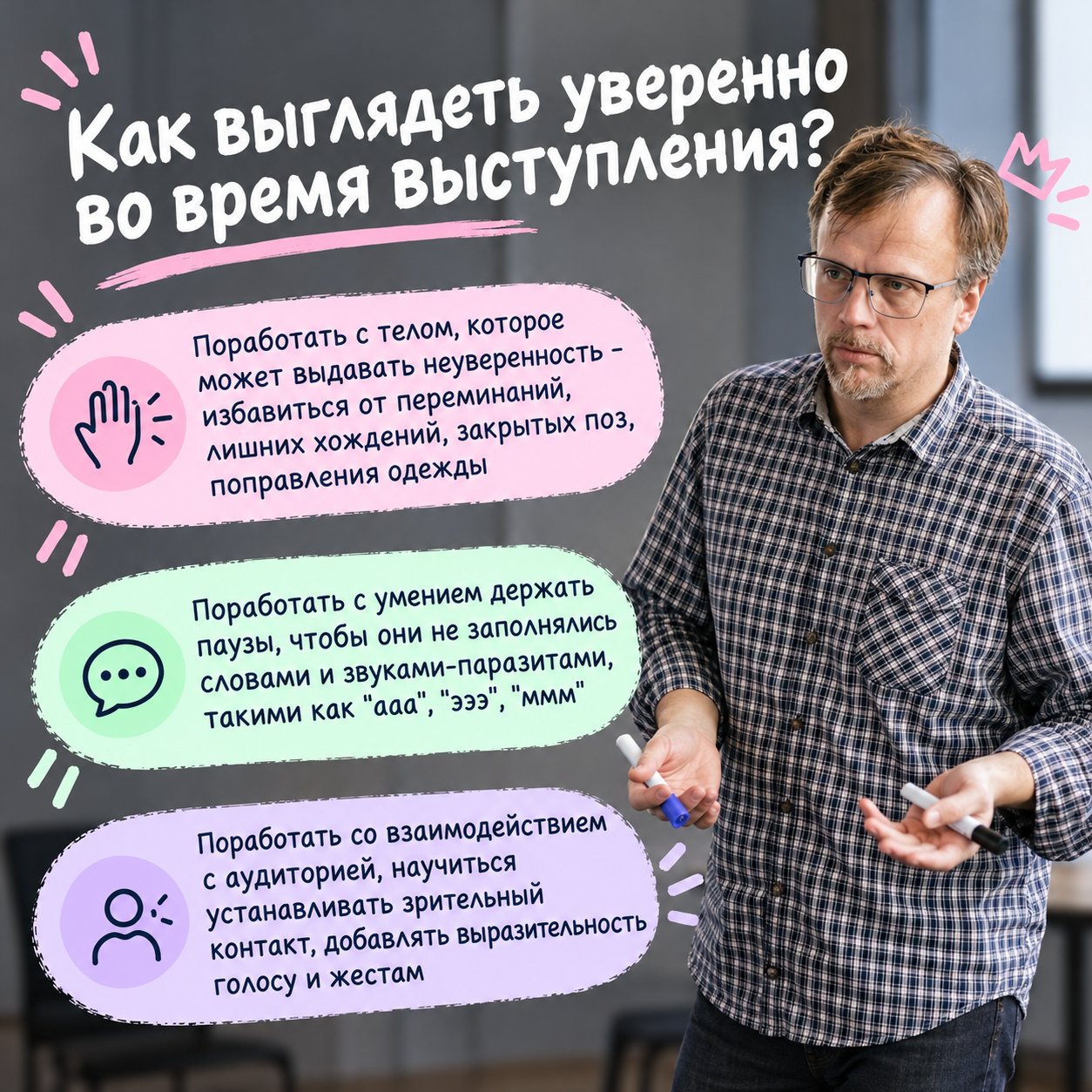
Confidence: #BodyLanguage: Avoid signs of #insecurity: fidgeting, closed postures, adjusting clothes. #Pauses: without filling them with fillers like "uh," "um," or "mhh". #Audience Interaction: #Eyecontact and expressiveness to #voice and #gestures. #trainer #erasmus+
Monitoring channels report that the airspace over Moscow is partially closed. Sheremetyevo and Vnukovo are only accepting a few flights at a time.


Six Flags has temporarily closed nine roller coasters across six parks following a fatal incident at Six Flags Over Georgia that left one person dead and several others injured, prompting an investigation by local authorities. #SixFlags #rollercoaster #themepark
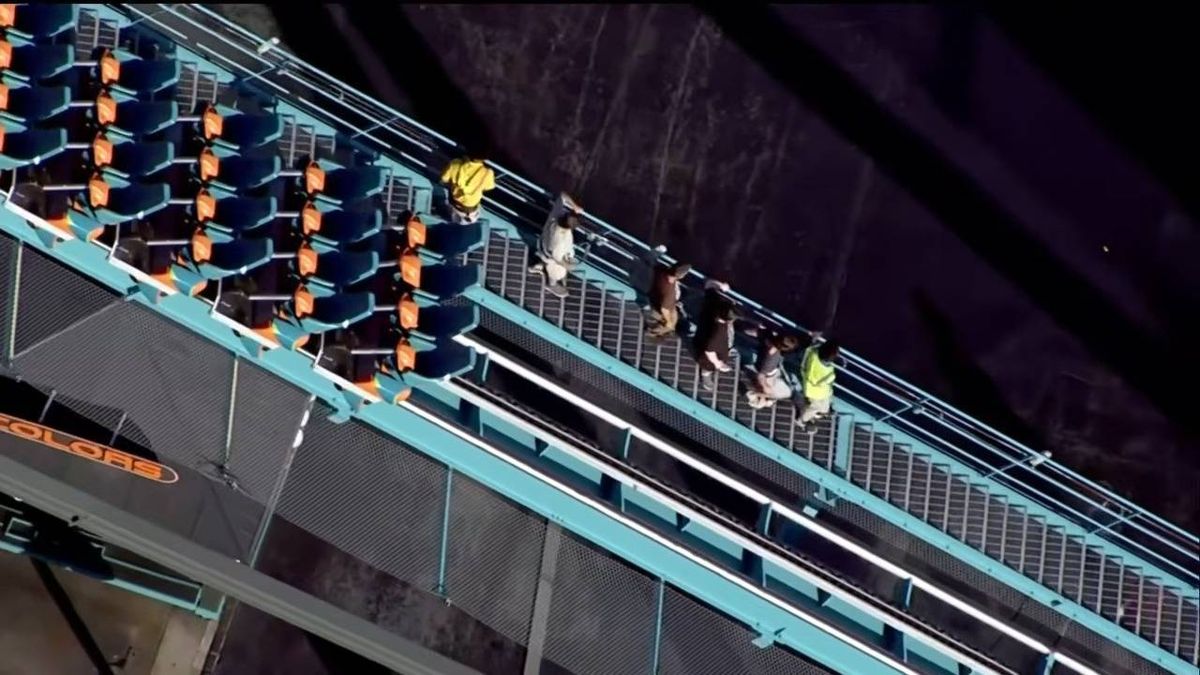

Six Flags has temporarily closed nine rides in response to a fatal incident involving a roller coaster in the U.S. #seguridadonline #bloqueoacceso #cookies
LETTERE MERIDIANE — “TEATRO-EDICOLA” OF SAN SEVERO CONQUERS THE WORLD SOURCE: https://www.letteremeridiane.org/2026/10/il-teatro-edicola-di-san-severo-conquista-il-mondo/?fbclid=IwY2xjawU4oqFleHRuA2FlbQIxMQBwZG9mAXNydGMGYXBwX2lkEDIyMjAzOTE3ODgyMDA4OTIAAR5rVEwYs6UUXg7v-P0SyIQ_DRb_F6ZiY58OcseYoV4J7atcTiERnhWaqKM2pw_aem_Njle1jq1XLzHr93KLBUcVA After “Broadway World”, the “Los Angeles Journal”, “The Psychologist (British Psychological Association)” and Hollywood Beat Magazine, its “academic consecration” has now arrived courtesy of Stanford University. As I have already emphasised in my article on the revival of the GIO Festival in Foggia, celebrated by BroadwayWorld for the world stage premiere of the Giordano’s opera Marina (1888), the province of Foggia has long ceased to be peripheral. It happens when it finds an idea that shifts the coordinates: well, in San Severo, 40 kilometres from Foggia, it has happened again. Only this time an orchestra was not needed; six chairs were enough. The celebrated Teatro-Edicola of San Severo artistic director Francesco Gravino of the theatre company Foyer ’97 has been featured in the academic journal “Stanford Social Innovation Review (SSIR)” as an academic case study. The news, relayed on 19 September 2026 by ANSA Nazionale, looked like a misprint. Then it became clear that it was not. SSIR, an award-winning publication covering multisectoral solutions to global problems, included the project in its Dispatches section with the reportage “The Six-Seat Revolution”. It is the inverse trajectory to that of the GIO Festival: not a forgotten opera returning to a grand historic Italian horseshoe theatre, but an entire theatre reborn inside a disused place, forgotten by man. There are moments when past and future intertwine to create something visionary, innovative, artistically “revolutionary”: San Severo experienced one of those moments on the morning of 27 March 2026, during World Theatre Day, when the shutter of a newsstand closed for six years in Via Matteo Tondi was reopened “not to sell newspapers, but to offer stirring stories”, to quote Gravino’s motto. The idea of the visionary Francesco Gravino, artistic director, stage director and actor of the San Severo company Foyer ’97, active for at least 30 years in Capitanata, centred on the kiosk, hexagonal in metal and glass, granted free of charge by its owner Pino Frau, by now an urban relic created by the publishing crisis of the early 2000s: today in Italy active newsstands have fallen from about 35,000 in 2005 to about 20,000 in 2024, a decline of 42.8%. Gravino and eleven other actors restructured it in two weeks of work, without institutional funding, and transformed it into what is now under examination by the London commission of Guinness World Records as the “world’s smallest theatre”. The formula is deliberately austere: six spectators at a time outside, actors inside at less than a metre’s distance, 15-minute performances, continuous rotation from 11:00 to 20:45, texts ranging from Goldoni to Chekhov, from Ibsen to Dacia Maraini. On the door a QR code with an original theatrical warning: “Warning! This QR code transforms passers-by into actors. Scan only if ready.” The numbers immediately showed that it was no boutade: more than 60 people in a single afternoon, three inaugural days that sold out. But above all a positive echo that went beyond the borders of San Severo. “Broadway World” (just as in the previous case of the GIO Festival), the world’s most influential theatre criticism outlet with over 5.5 million monthly views, devoted exclusive coverage to it on 27 April 2026: “An Abandoned Italian Newsstand Just Became the World’s Smallest Theatre”. Not a mere listing, but an analysis: “There is no foyer, there is no balcony, there is no grid. There is barely a wing. What there is is something almost unrecognisable as an evening at the theatre, and for that very reason it is all the more powerful.” “Broadway World” captured Gravino’s manifesto idea: “This is a theatre of proximity. In an era of digital distance, we are putting human contact back at the centre,” framing it as “More than a clever exercise in site-specific theatre. It is a reappropriation.” All of this, in a Mezzogiorno of Italy often narrated only in terms of organised crime and marginalisation. To that seal of approval was added another, even more disorienting for a newsstand in San Severo: the “Los Angeles Journal”, one of the most influential publications on the West Coast for the performing arts. On 12 May 2026, it headlined thus: “San Severo’s Teatro-Edicola as an Innovative Model for Los Angeles Theaters?” opening as follows: “In a city in southern Italy that Hollywood has never heard of, a theatre director has just built the smallest stage in the world: six seats, fifteen minutes, zero distance. Los Angeles should pay attention.” The “Los Angeles Journal” does not indulge in folklore, but places the kiosk in Via Matteo Tondi alongside the prestigious 1,600-seat Ahmanson Theatre in Los Angeles, the Pantages of Broadway in Hollywood, the 99-seat plan of Rogue Machine, the Odyssey, the Victory Theatre and the Hollywood Fringe. It even recalls Ethan Marks’s Electrical Box Theatre, a veritable electrical box lined with red velvet in downtown Los Angeles, to argue that Gravino has taken to the extreme the question Los Angeles has been asking itself for decades: How small can a stage become before it ceases to be a stage? And it recognizes the San Severo urban model: almost zero cost, two weeks of work and six chairs, in return for immediate provincial, regional and national media coverage, recognition by the San Severo’s Municipal Administration, and a format exportable anywhere. Then, the third American piece came from “Hollywood Beat Magazine” on 20 April 2026: Six seats. Fifteen minutes. One actor. No stage. The magazine recounts the kiosk in Via Tondi left disused for almost six years, the contemporary six-seat cultural outpost, placing Francesco Gravino in a distinguished genealogy: Richard Schechner and environmental theatre, Jerzy Grotowski and poor theatre, Nicolas Bourriaud and relational aesthetics. But it closes with pragmatism: it is not a thesis, it is fixing a street corner, that is, repairing an urban street corner by asking not how large a theatre can become, but how small it must become again to recover its original power. And finally, the celebrated London-based “The Psychologist”, the journal of the “British Psychological Society (BPS)”, the oldest psychological society in the world, transformed the Teatro-Edicola into a scientific case study: on 30 July 2026 it published “The world’s smallest theatre — and Psychologists’ next act”, starting from the same detail, the morning of 27 March when the metal shutter of the hexagonal kiosk in Via Tondi reopened after six years, six people inside, an actor at less than a metre’s distance beginning Chekhov. It describes the formula: six spectators, 15 minutes, 11 actors over 10 hours, from Goldoni to Euripides, inside a kiosk where the fourth wall does not break because architecturally it never existed. But the BPS goes a step further: it cites the 2025 studies by Damien Gabriel in IBRO Neuroscience Reports, that live performance generates measurably stronger emotional and physiological activation than video, and introduces Edward Hall’s proxemics: below one metre is intimate space, reserved for doctors, close friends, lovers. In that one-square-metre space, the actor’s breath is audible, micro-expressions legible, the self-other boundary becomes permeable. The Teatro-Edicola “does not make theatre better, it makes it inevitable”. And it is here that one understands why Stanford is studying it as an academic case study in social innovation, not as a case of artistic originality. In Italy, meanwhile, the national media circuit had already picked up the phenomenon: RaiNews — TG2 Storie brought it to RaiDue at midnight on 19 April. RTL 102.5 devoted space to the format conceived by Gravino and developed by Foyer ’97 in the heart of San Severo in Via Tondi, defining it as a permanent micro-stage capable of bringing theatre into public space. ANSA.it, Gazzetta del Mezzogiorno, La Repubblica, TG2000, Radio Capital, Swiss RSI, ANSA Brazil and many others followed. And for the record: Fiorello praised it in La Pennicanza as an artistic case inspired by his Edicola Fiore, and Biagio Antonacci, on his tour in the Augustan amphitheatre of Lucera, made a “fact-finding” stop at the Teatro-Edicola singing the celebrated and nostalgic Iris in front of an audience certainly larger than the “six seats”. Francesco Gravino’s theatre company Foyer ’97 was not born yesterday: behind it lie the Teatro-Cantina of 2016, the underground theatre, and in 2011 a performance on the bell tower of a church in the centre of San Severo at 45 metres high. The Teatro-Edicola completes, in Gravino’s words, “the entire vertical extension of theatre: underground, street level, rooftop”. And it is preparing for its thirtieth anniversary in 2027 aiming to purchase the kiosk to make it permanent, exporting the “San Severo Model” to Rome, Lucca, and to the festivals of Santarcangelo and Todi. As with the GIO Festival, someone might dare to claim that it is merely a stunt, but when BroadwayWorld places you alongside the Los Angeles Opera House, the “Los Angeles Journa”l proposes you as a model for Hollywood, “Hollywood Beat Magazine” reads you through Grotowski and the “British Psychological Society” uses you to explain mirror neurones, it is no longer a stunt but an excellent artistic and academic positioning. To those who still whisper that Foggia and Capitanata are provincial, the answer is now written on two opposite and complementary fronts: on 5 June in Foggia a 138-year-old opera found the stage again at the Giordano ending up on BroadwayWorld; on 27 March in San Severo a 4-square-metre kiosk invented a stage that did not exist, ending up at Stanford, in Los Angeles, in Hollywood and in London. The periphery, when it has a precise idea, becomes the centre. Even with six chairs. Luciano Magaldi Sardella

The author reported that Philadelphia’s Academy of Natural Sciences, which they described as the oldest natural history museum in the U.S., had closed its doors. They said it was founded in 1812 and opened to the public in 1828. https://t.co/GHoyqJUfRg #NaturalHistory #Philadelphia #Museums #US

The author wrote on International Day of the Girl that society had a duty to ensure girls faced no closed doors. They said girls’ courage, empathy, strength, joy, friendships, imagination and ambitions were essential to building a world where they felt safe, recognised and empowered.

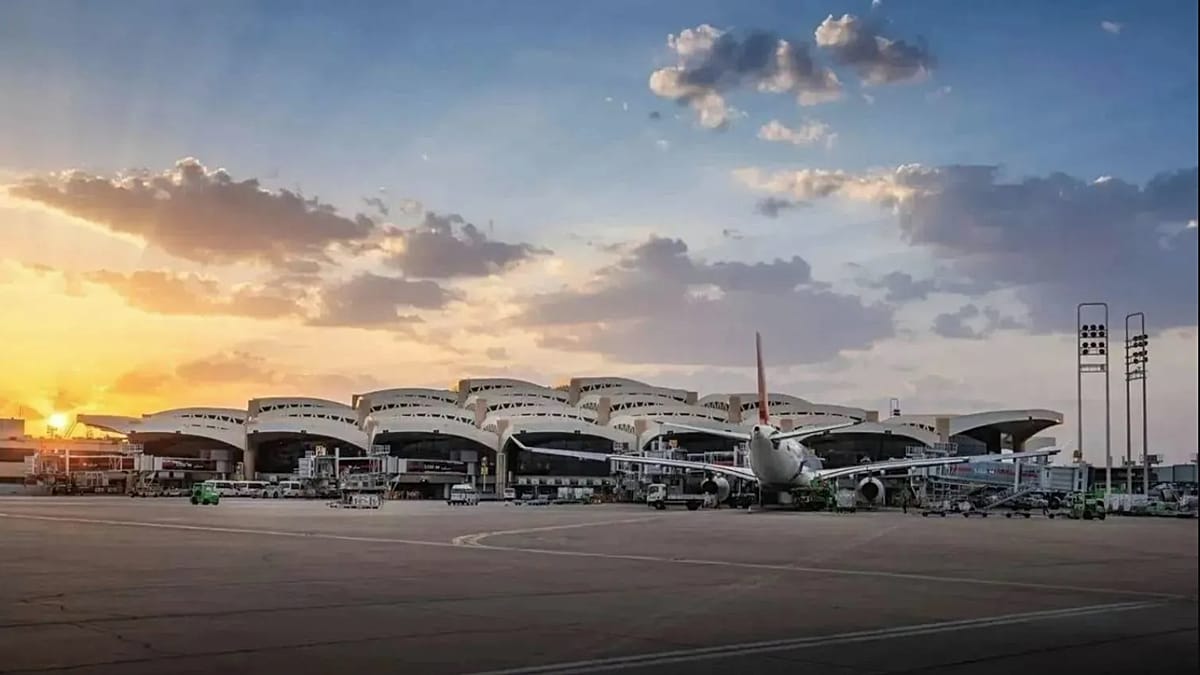
The author reported that another Houthi missile strike had hit Riyadh airport, which had been closed after an attack the previous day that the author said killed 12 people and injured hundreds. #Houthi #Riyadh #MissileStrike #SA
An attack that killed 12 people has left Riyadh’s airport closed and drawn condemnation from the UN and EU, as the Houthis renew their threats and Washington considers its response. #RiyadhAirport #HouthiAttacks #MiddleEastTensions
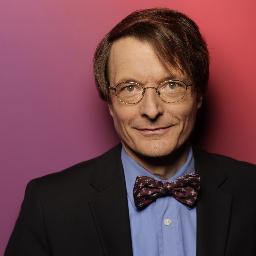
The author claimed that employees at OpenAI would be dismissed if they spoke openly with security agencies. Therefore, the name "Closed.AI" would probably be more fitting, he wrote. To avoid becoming dependent on such companies, one must develop their own models. He also asked what the Minister of Economic Affairs was doing. #KünstlicheIntelligenz #OpenAI #Technologie #DE (translated)





