BETA nonprofit public democratic european moderated

Search

#Consulat

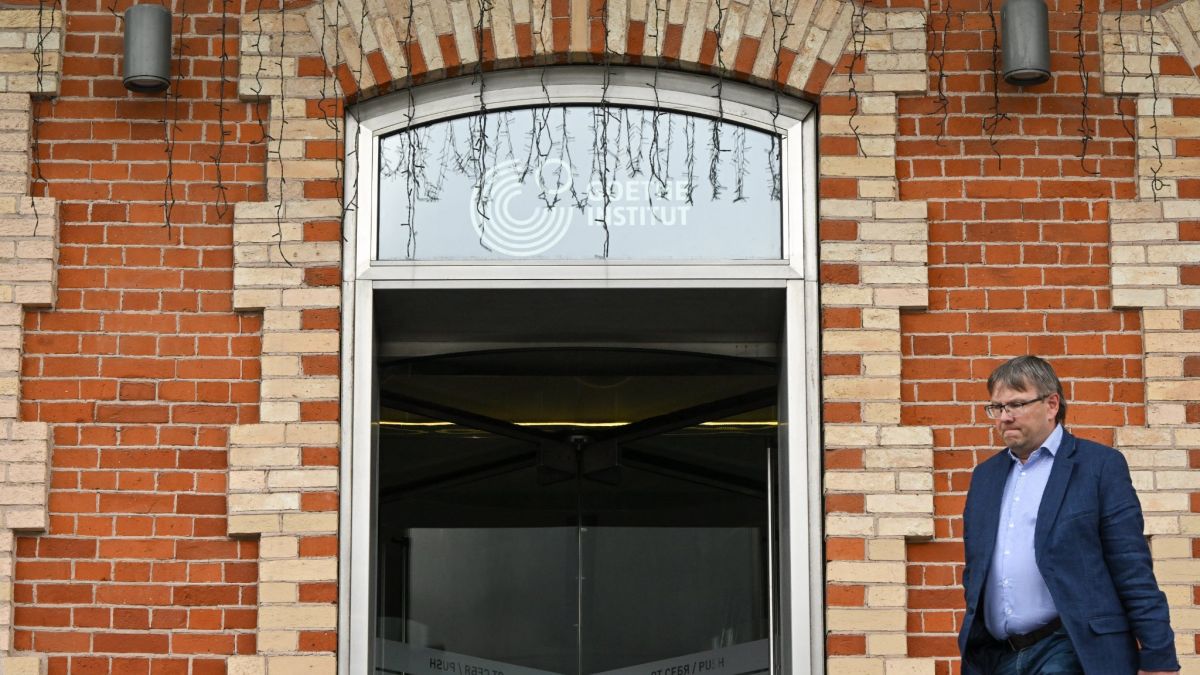
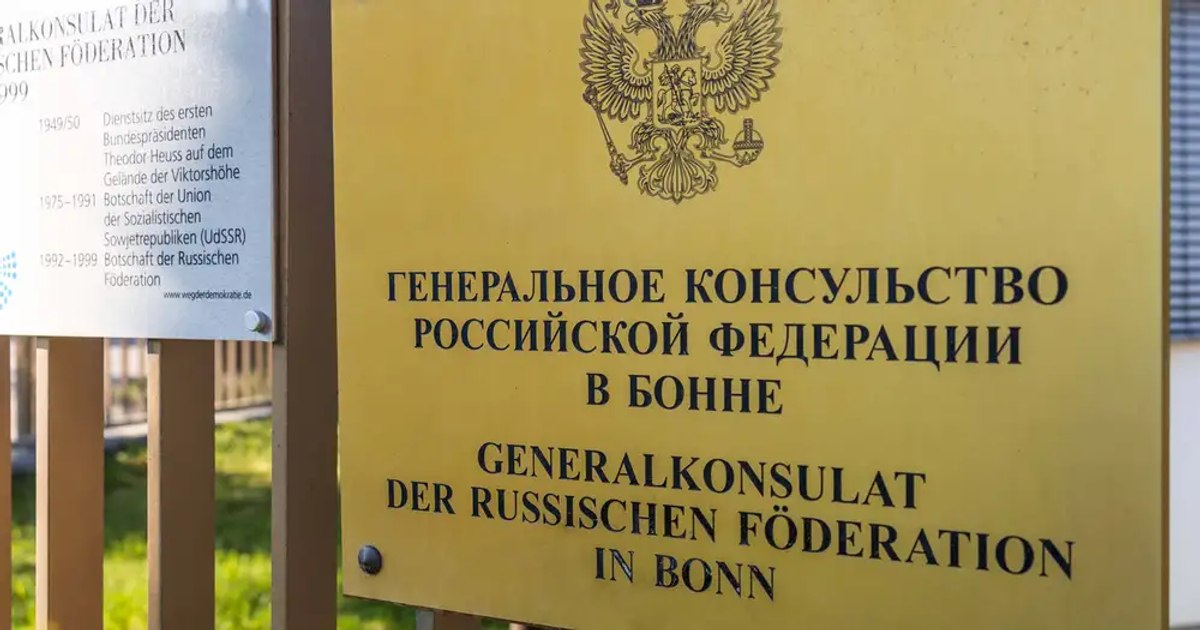
Faucons et vrais cons européens L’Allemagne vient d’utiliser l’histoire du drone de Leipzig comme prétexte pour taper encore plus fort sur la Russie. Le 4 août, un drone a été signalé près de l’aéroport de Leipzig/Halle, là où transitaient des avions ukrainiens chargés de munitions. Mardi, Dobrindt et Wadephul affirment que « les services » pointent clairement Moscou. Aucune preuve n’est montrée au public. On nous dit juste que « tout ne peut pas être divulgué parce que le réseau serait encore actif ». En gros : croyez-nous sur parole. Wadephul va jusqu’à dire que l’Allemagne est devenue « une cible de guerre » pour la Russie. Fermeture du dernier consulat général russe, celui de Bonn, à partir du 18 septembre. Et on en profite pour s’en prendre aussi à la Maison russe de Berlin, en disant qu’elle ne sert plus à rien culturellement. Tous les employés et leurs familles doivent quitter le pays dans les plus brefs délais. Petite question au passage : depuis quand un aéroport civil allemand sert-il de base logistique pour du transport militaire ukrainien ? Ursula von der Leyen n’a pas tardé à enfoncer le clou. Pour elle, Leipzig est « une nouvelle escalade sur le sol de l’UE, directement attribuée à la Russie ». Elle parle d’une attaque avec du matériel militaire, menée par des agents russes sur le territoire de l’UE, qui aurait pu faire des morts. Elle affirme qu’on « ne le tolérera pas », que c’est « la nouvelle normalité », et que l’Europe et l’OTAN n’auront pas seulement à maintenir la pression : elles vont l’augmenter, et ne s’arrêteront pas. Si le but était de faire reculer le soutien à l’Ukraine, dit-elle, ça n’a fait que renforcer sa détermination. En clair : plus de sanctions, plus vite, plus fort. Macron a enchaîné. Dès mardi, il a écrit que ces attaques hybrides « se multiplient en Europe » et « ne peuvent rester sans réponse ». La France se dit « pleinement solidaire » de l’Allemagne et soutient de nouvelles sanctions européennes. Le lendemain, aux Pays-Bas, il a parlé d’« ingérence » et de « guerre hybride que nous mène la Russie ». Paris a aussi convoqué le chargé d’affaires russe. L’Europe s’agite, hausse le ton, multiplie les communiqués et les menaces. Mais elle n’a pas les moyens de faire la guerre. Ni les stocks, ni l’industrie, ni les hommes, ni l’unité réelle. Elle peut fermer un consulat, lancer un nouveau paquet de sanctions et parler de « nouvelle normalité ». Elle ne peut pas tenir un conflit ouvert avec la Russie. C’est ce qui rend cette posture si dangereuse : on joue à l’escalade sans avoir la capacité de l’assumer. L’ambassadeur russe Netchaïev a qualifié ces accusations de non fondées, absurdes et contraires au bon sens. Moscou parle d’une provocation montée à la hâte, qui arrange Kiev, les faucons européens et le complexe militaro-industriel. Zakharova a rappelé que Berlin a choisi le 1er septembre -jour où l’Allemagne a déclenché la 2e Guerre mondiale- pour annoncer tout ça. Même un ancien général de la Bundeswehr, Erich Vad, conseiller d’Angela Merkel, trouvait dès le départ que les réactions étaient hystériques, proches de la satire, et que cela ressemblait à du théâtre politico-médiatique. Il demandait : à qui cela profite-t-il vraiment ? Résultat, on casse les derniers liens diplomatiques et culturels. On rend la vie plus compliquée aux Russes qui vivent en Allemagne. Et on prépare le terrain pour une réciprocité sur les Instituts Goethe en Russie. Tout ça sans preuve, en contradiction avec le principe de paix de la loi fondamentale allemande. On ne construit plus de ponts, on les dynamite. On parle fort, mais on n’a pas les moyens de ce qu’on provoque. Plus les dirigeants européens sont en difficulté dans leur pays, plus ils tiennent un discours belliciste. Les journalistes mainstream, toujours aussi abrutis, reprennent leurs éléments de langage, épaulés parfois par un « expert » illuminé qui construit ses pauvres maquettes d’avions au 1/18e dans son garage et se présente comme Top Gun. #Russie #Europe #Guerre

BFMTV 1d

The Goethe Institute in Russia will close its doors in response to Germany's closure of its last consulate and the Russian cultural center in Berlin, an escalation of tensions between the two countries. (translated)

L'Institut Goethe en Russie va fermer en représailles à des mesures similaires prises par l'Allemagne

Russia has decided to close the Goethe Institute on its territory in retaliation for Germany's closure of its consulate in Bonn, following accusations regarding the sending of an explosive drone to Leipzig airport. (translated)

Drone explosif à l'aéroport de Leipzig : la Russie annonce la fermeture de l'Institut Goethe sur son territoire, après une mesure similaire de l'Allemagne

Germany has decided to close the Russian consulate in Bonn in response to an attempted drone attack on a Ukrainian plane, highlighting the escalating tensions between Berlin and Moscow. (translated)

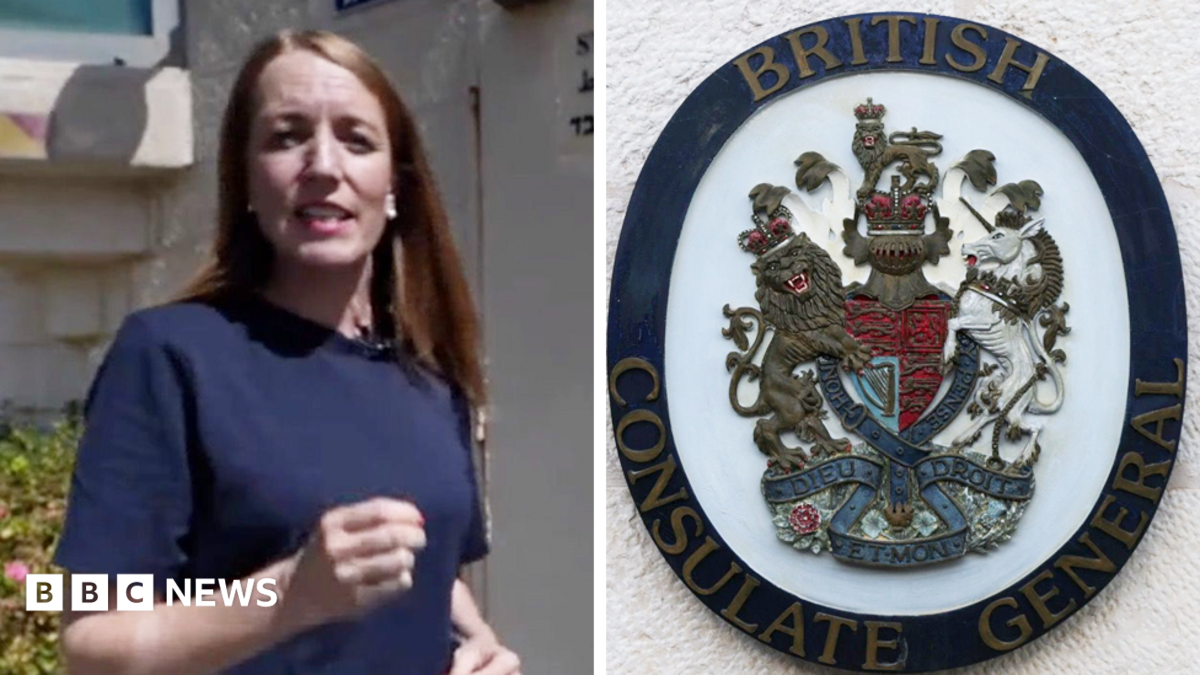
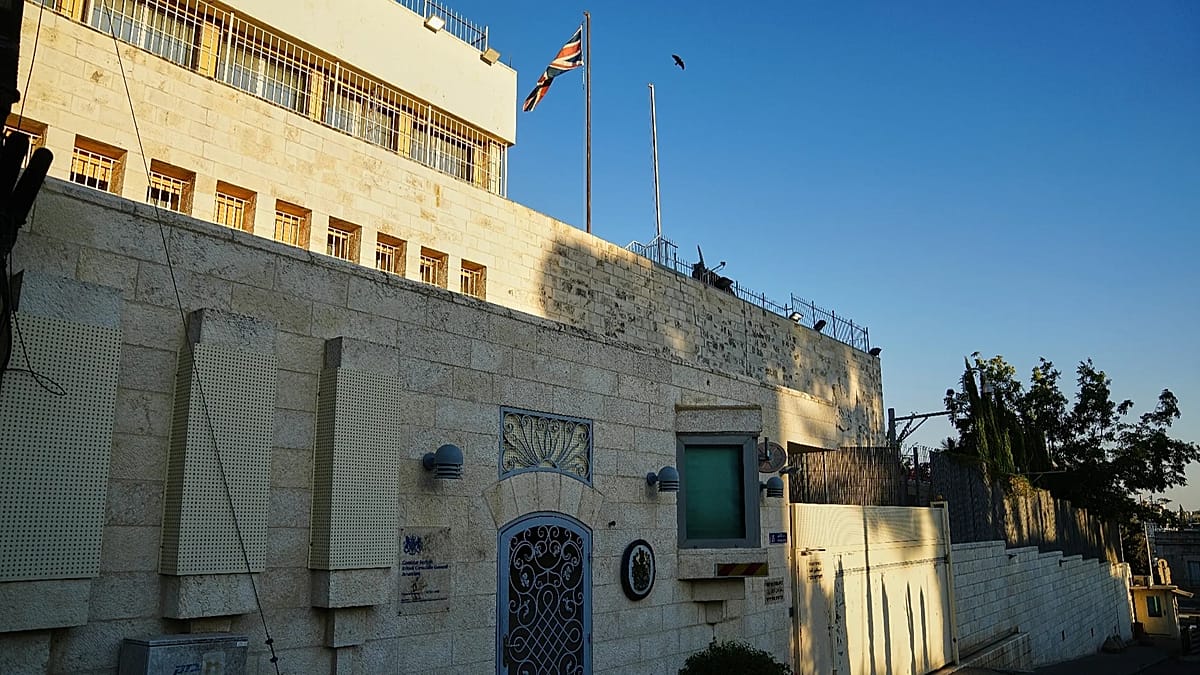
Germania închide consulatul rus din Bonn

Germany has announced the closure of the last Russian consulate and a cultural center in Berlin in response to the drone attack in Leipzig, while Russia threatens similar measures. (translated)

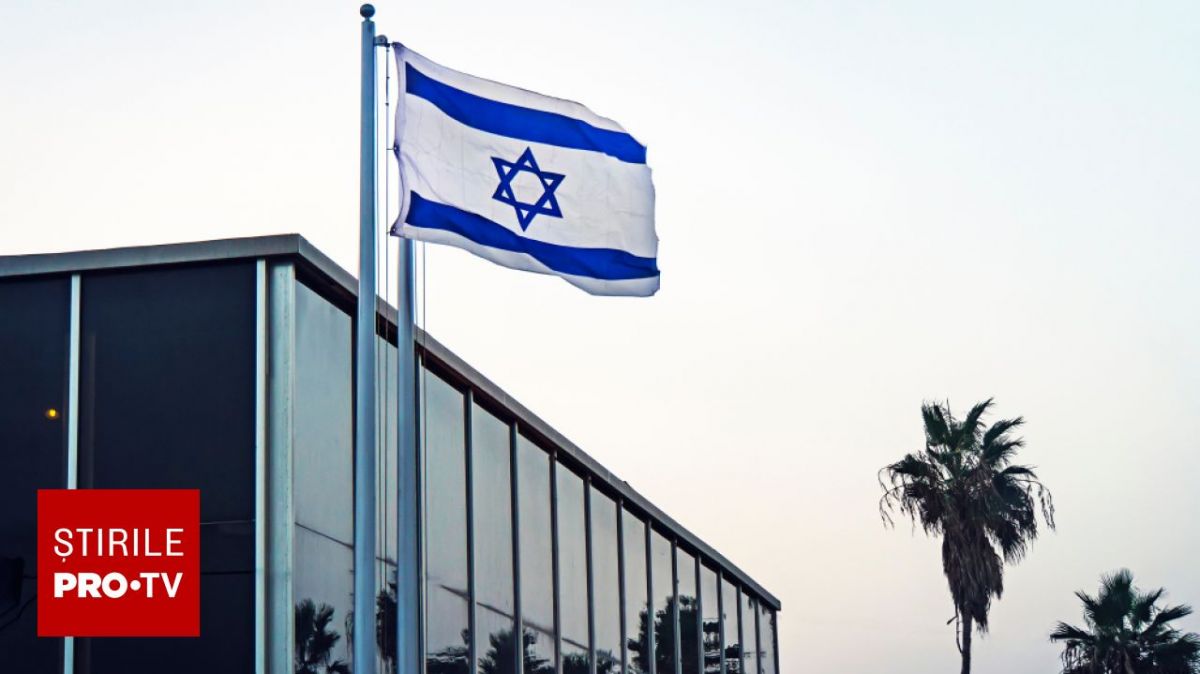
Germania a anunțat ce măsuri va lua împotriva Rusiei, din cauza dronei din Leipzig. Moscova amenință că va răspunde la fel
L'Obs 3d

Germany has officially accused Russia of being responsible for a drone attack attempt at Leipzig airport, resulting in retaliatory measures, including the closure of its consulate in Bonn and the imposition of new sanctions against Russian nationals. (translated)

« Agents jetables » et « tentative d’attentat » : l’Allemagne accuse la Russie d’être derrière le drone explosif de l’aéroport de Leipzig

🚨🇺🇦🇩🇪 URGENT : L’ALLEMAGNE ACCUSE OFFICIELLEMENT LA RUSSIE D’AVOIR TENTÉ D’ATTAQUER UN AVION-CARGO UKRAINIEN À LEIPZIG. Berlin affirme disposer d’éléments reliant Moscou à cette opération hybride déjouée. La riposte diplomatique est immédiate : ambassadeur russe convoqué, fermeture du consulat russe à Bonn et de la « Maison russe ». Pour info, Xenia Fedorova avait candidaté pour prendre la tête de la Maison russe. Au cours de ces dernières semaines, les opérations hybrides sur le sol européen ont explosé. La trace russe est désormais confirmée en Allemagne. La menace russe pour notre continent est désormais très concrète. #Allemagne #Russie #Ukraine

Germany accused Russia of being responsible for a hybrid attack involving a drone loaded with explosives at Leipzig airport and announced firm measures, including the closure of its consulate in Bonn. (translated)

L'Allemagne accuse la Russie d'être "responsable" du drone chargé d'explosifs à l'aéroport de Leipzig, et prend des mesures fortes

BIG DEVELOPMENT GERMAN FOREIGN MINISTER: RUSSIA CONSULATE IN BONN, RUSSIA HOUSE IN BERLIN TO BE CLOSED OVER LEIPZIG ATTACK 🇷🇺🇩🇪‼️‼️‼️‼️‼️‼️‼️‼️‼️‼️‼️‼️‼️ #Russland #Deutschland #Leipzig

Son avenir professionnel à Nice dépend de l'obtention de son Visa dans la journée... Si le Consulat de France à Alger nous lit 💪🇩🇿🇫🇷 #Visa #Nice #Consulat

The American administration has suspended visa appointments at embassies and consulates around the world, as consular staff must participate in a training process, in the context of tightening immigration measures. (translated)

SUA suspendă programările pentru viză în toată lumea. Ce se întâmplă cu solicitanții deja programați

The United States government has suspended visa appointments at embassies and consulates worldwide for all applicants, citing a global initiative for training diplomatic staff, in the context of strict immigration control measures implemented by the Trump administration. (translated)

Guvernul SUA a suspendat programările pentru vize la toate ambasadele și consulatele din lume. Motivul invocat
Digi24 1w

The Trump administration suspended the processing of all immigration visa applications at American embassies and consulates, canceling scheduled interviews, in the context of stricter financial checks for applicants. (translated)

SUA suspendă procesarea tuturor cererilor de vize de imigrare. Interviurile deja programate au fost anulate

Anatomy of Toronto's new guns-for-hire network. @LaVjosa spent weeks reporting on the hiring of Toronto youth to shoot at places like the US consulate & synagogues, and wrote this troubling story from the apartment block that became the epicentre https://t.co/2C2MMbh5Cg #Toronto #GunViolence #YouthCrime #CA #US

Digi24 3w

A large fire broke out in the Kassandra Peninsula of Halkidiki, Greece, affecting an area frequented by Romanian tourists, and the Romanian consulate in Thessaloniki issued a warning for citizens to follow the authorities' instructions and avoid unnecessary travel. (translated)

Incendiu de amploare în Halkidiki, în zona unde sute de mii de români merg în vacanță. Mesajul consulatului de la Salonic

The Canadian police arrested a 54-year-old man suspected of planning an attack against the American consulate in Halifax after discovering suspicious items in his vehicle, in response to threats received by the consulate. (translated)

Canada: un homme suspecté d'avoir fomenté un attentat contre un consulat américain a été arrêté

Hey Munich, Sweden is moving in! 🇸🇪 🇩🇪 (translated)

2

Two teenagers, aged 19 and 15, were arrested by Toronto police for their involvement in the gunfire against the American consulate on July 27, a case described as a "national security incident" and linked to recruitment for violent actions via encrypted messaging apps. (translated)

Canada : Deux adolescents interpellés après le tir contre le consulat américain en juillet

My Name Is on a File On a case I was never summoned to, and a price I do not pay alone By Adham Hasanin Egyptian journalist and political writer, based in the Netherlands | July 2026 In 2024, I learned that my name had been entered into a case. Case number 1282. Listed as a "defendant." I was never summoned, and no one called to tell me the exact charge. I found out the way anyone in my position finds out — from a colleague, from a quick search of my own name, from another journalist who called to ask: "Did you know your name is on file?" I do not want to overdramatise the story. No cinematic manhunt, no car tailing me down a European street. What happened is simpler and crueller than that: a state thousands of kilometres away opened a file bearing my name, without my knowledge, without any way for me to defend myself within it, without even anyone standing before me to answer. The charge is not based on any act I committed. The charge is that I wrote. An article, an opinion, a tweet — it makes no difference. What matters is that the words were read, and someone decided they were dangerous enough to become a case number. I. How Do You Know You Are Accused? This question seems like a technicality, but it is in fact the heart of the whole matter. I received no official letter. No lawyer knocked on my door carrying documents. No one from an embassy or consulate called to inform me. The knowledge itself arrived by accident — a passing search, or a message from a friend asking: "Where did you see your name?" This small detail reveals something far larger than a mere administrative oversight. When you are not formally notified that you are accused, you do not even have a clear starting point from which to act. You do not know exactly when the file was opened. You do not know who decided to include your name. You do not know whether a hearing was held, a decision was made, or even whether an investigation took place at all. You simply discover, one day, that you have become "accused" within a legal system that never gave you the chance to know its rules. This ambiguity is not a flaw in the procedure; it is the procedure itself. A case opened without a clear announcement, with no trial date set, performs its full function even while suspended indefinitely. It does not need a conviction to frighten; it is enough that it simply exists. II. The Charge That Needs No Crime In conventional legal systems, a case begins with an act: theft, assault, fraud — something material that can be proven or disproven. But my case, like many others, began with a word. I stole nothing. I assaulted no one. I incited no violence, called for no chaos. I wrote an opinion. I analysed a policy. I criticised a decision. That is the entirety of it. And yet this simple act — writing — became the basis for a legal file bearing a number and classified under a security heading. The paradox is that this kind of charge requires no fixed standard. What counts as "dangerous" today may not be tomorrow, and vice versa. There is no published list of forbidden words, no clear criterion distinguishing incitement from opinion. This deliberate ambiguity — or perhaps unintentional, but effective regardless — leaves every writer living in a state of permanent unease: will this sentence be the one that opens a file bearing my name? III. The Real Danger Is Not to Me Many ask me: "Can they reach you in the Netherlands?" The honest answer: no, not directly. I am here, in a country governed by the rule of law, physically protected by Dutch police, and no one can arrest me on the basis of a case in another country absent a valid extradition treaty and supporting facts. This is not my first concern. My real concern is that this case does not target me alone. It targets those around me. My family in Egypt. People walking down the street, opening their front door, with no connection to politics whatsoever — and suddenly someone is asking about them because I wrote a word from here. This is not a threat spoken aloud. No one calls to say: "If you continue, we will do such-and-such." The message arrives without anyone saying it — through the kind of questions asked of my family, through their timing, through the silence that meets me when I try to learn the details. Sometimes it is a "routine" phone call from some office, asking about my place of residence, my activities, or people I am in contact with. None of it is an explicit threat, but the timing alone is enough to deliver the message. This is precisely the mechanism by which this kind of pursuit operates: it does not need to touch me physically to affect me. It is enough to make me know that the people I love are exposed to harm because of what I write. IV. I Am Not an Exception It would be easy for an article like this to turn into a personal complaint, and I am careful that it should not. Case 1282 is not an isolated incident, and if I stay silent about it I become complicit — unintentionally — in concealing a pattern that genuinely exists. There are others like me — far more than me — whose names sit in similar files, some of whom have no platform to speak from as I do. Journalists, activists, even ordinary people who never practised journalism but shared a post or left a comment. Case 1282 is not an exception; it is a method of operation. Someone writes from abroad, someone else decides they are "dangerous," and the matter shifts from opinion to legal file, without a real trial, without even a clear official announcement that a charge exists at all. More dangerously, this pattern is not confined to Egyptians alone, nor to any single country. It is a recurring tactic used by several regimes seeking to pursue voices beyond their borders without bearing the burden of actual proof or a transparent legal process. The open, unannounced file serves the same purpose everywhere: it frightens without convicting, and keeps the writer in a permanent state of tension without ever offering him the chance to defend himself. V. What Has Actually Changed in Me I will not say this made me stronger. The phrase is worn out, usually deployed to prettify a painful experience, and I refuse to do that. What actually happened is simpler and more honest: I began writing more slowly. Not less candidly — I still say what I believe, still criticise what deserves criticism. But I have become more aware that every sentence I write from here may carry a price I am not the only one paying. This awareness slows the writing, not because I am censoring myself out of fear for my own safety, but because I am thinking about who might pay the price on my behalf. And this is precisely the point of such a case, whether intended or a by-product of a broader mechanism. Actual arrest is not required for censorship to function. No summons is required, no trial, not even a clear charge. It is enough to know your name is written on a piece of paper somewhere, to make you think twice before writing the next time. VI. Why I Continue Regardless A reader might ask: if the price is this clear, why keep writing? Would silence not be safer, for you and for your family? The answer is not as heroic as it might sound, but it is honest: because silence does not solve the problem, it postpones and expands it. If I stopped, and others like me stopped, the mechanism that produced Case 1282 would keep operating with no voice to expose it. Files would keep opening, names would keep being entered, families would keep being questioned, with no one outside the circle of direct victims ever knowing this was happening at all. Writing about this experience, for all its risks, is the only way I have to make this pattern visible. When an article like this is published, the file no longer remains a secret between a government body and an isolated writer; it becomes part of a public record that other journalists, human rights organisations, and even international institutions can follow and document. Conclusion: A Price Not Paid Once I am still writing. More slowly than before, but still writing. And Case 1282 remains open, suspended, with no set date for a hearing or a verdict, exactly as it began. This very ambiguity is the message. An authority that opens a file and never closes it, never tries its subject, never even clearly states what the charge is — is not pursuing justice. It is pursuing something else entirely: that everyone who thinks of writing knows the price is possible, even if not certain. And that everyone who has already written carries that price with them wherever they go, however far they travel from the source of the case. This is the true price of a single word: not one arrest at one moment, but a continuous state of uncertainty that lives with you every time you open a blank page to write. Adham Hasanin is an Egyptian journalist and political writer based in the Netherlands.

2
20minutes Jul 27

Le consulat américain à Toronto a été la cible de tirs d’armes à feu pour la deuxième fois depuis mars, sans faire de blessés, ce qui a conduit à une enquête de la police canadienne et à un renforcement de la sécurité pour les bâtiments diplomatiques dans le contexte actuel de tensions. #Toronto #Violence #Diplomatie

Canada : Le consulat américain à Toronto visé par un tir d’arme à feu pour la deuxième fois