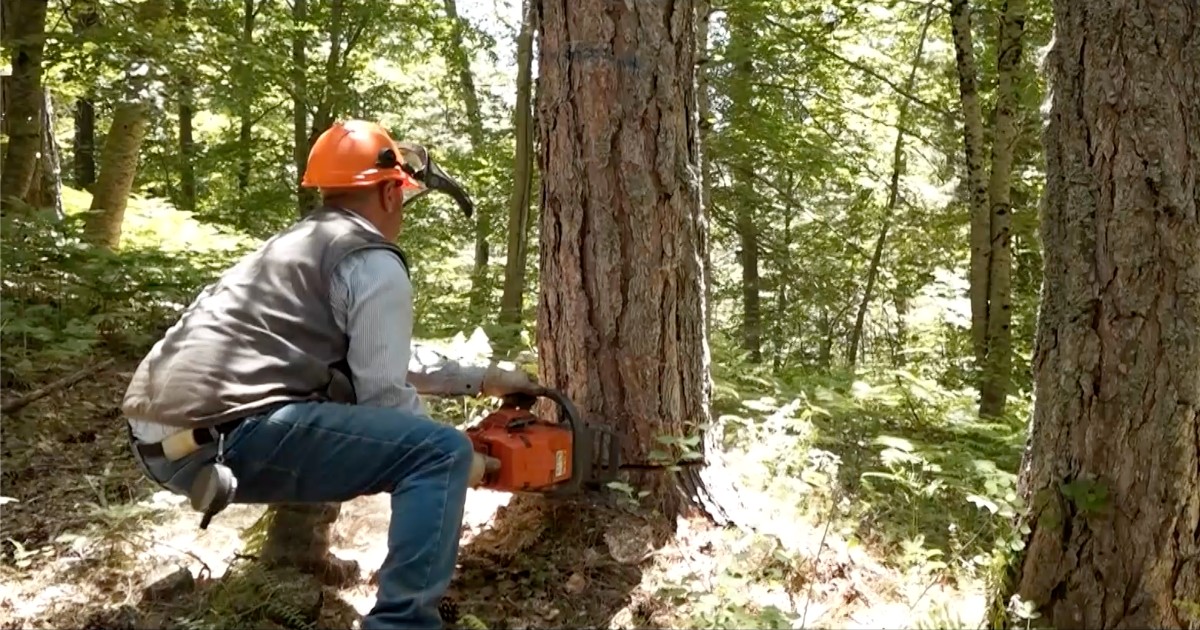
In Montenegro, vast areas of forests and intact ecosystems are at risk due to logging and unprotected infrastructure, prompting EuroNatur to urge the urgent declaration of National Park status for the Zeletin region. (translated)

In Montenegro, vast areas of forests and intact ecosystems are at risk due to logging and unprotected infrastructure, prompting EuroNatur to urge the urgent declaration of National Park status for the Zeletin region. (translated)

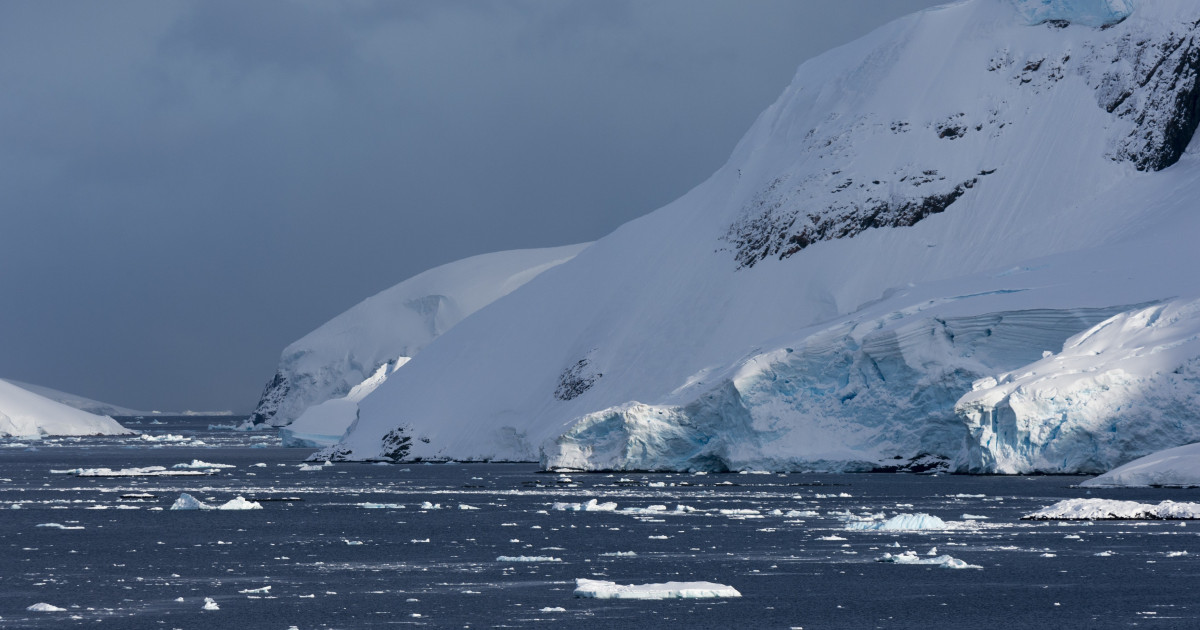
The Arctic fly, Tricochera maculipennis, has been observed reproducing in Antarctica, and scientists warn that this could cause ecosystem destabilization in the region due to climate change that facilitates the arrival of invasive species. (translated)

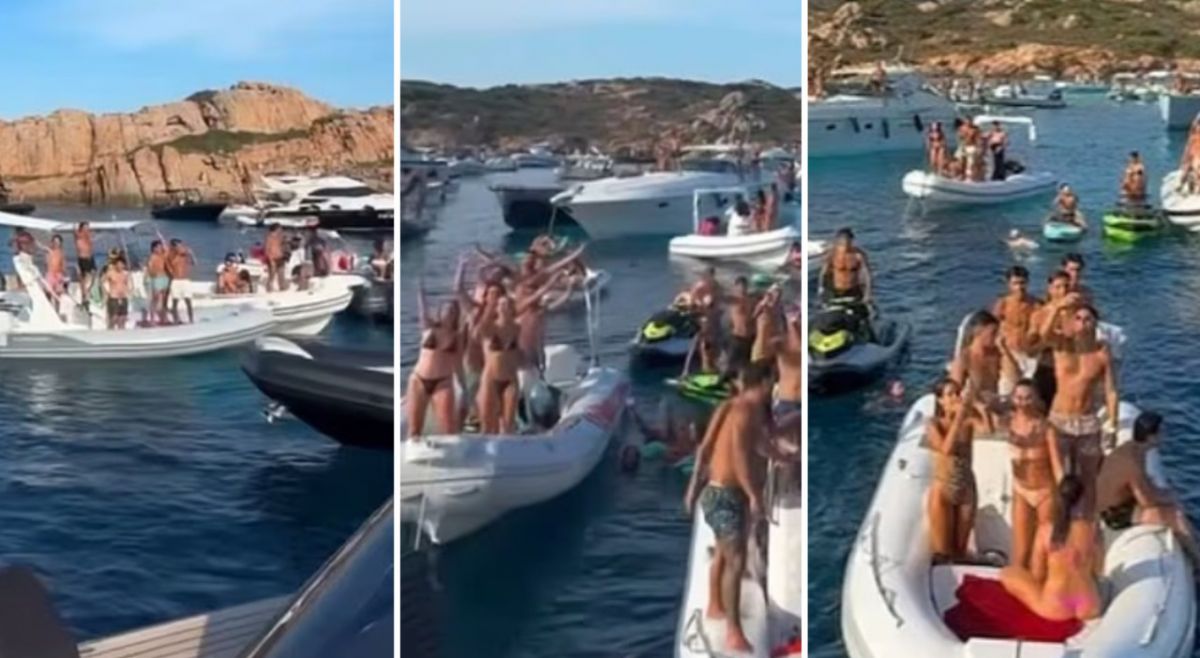
Tourism in Sardinia is put to the test by the irresponsible behaviors of some visitors, who ignore access rules and respect for ecosystems, causing damage to the natural beauty of the island and raising protests from residents and environmentalists. (translated)

Drought, in addition to causing a water crisis, is creating ideal conditions for the spread of infectious diseases such as cholera and the West Nile virus, due to the aggregation of animals in confined spaces and the decrease of natural predators, while climate change increases the instability of droughts, representing a crucial challenge for disease management in ecosystems. (translated)

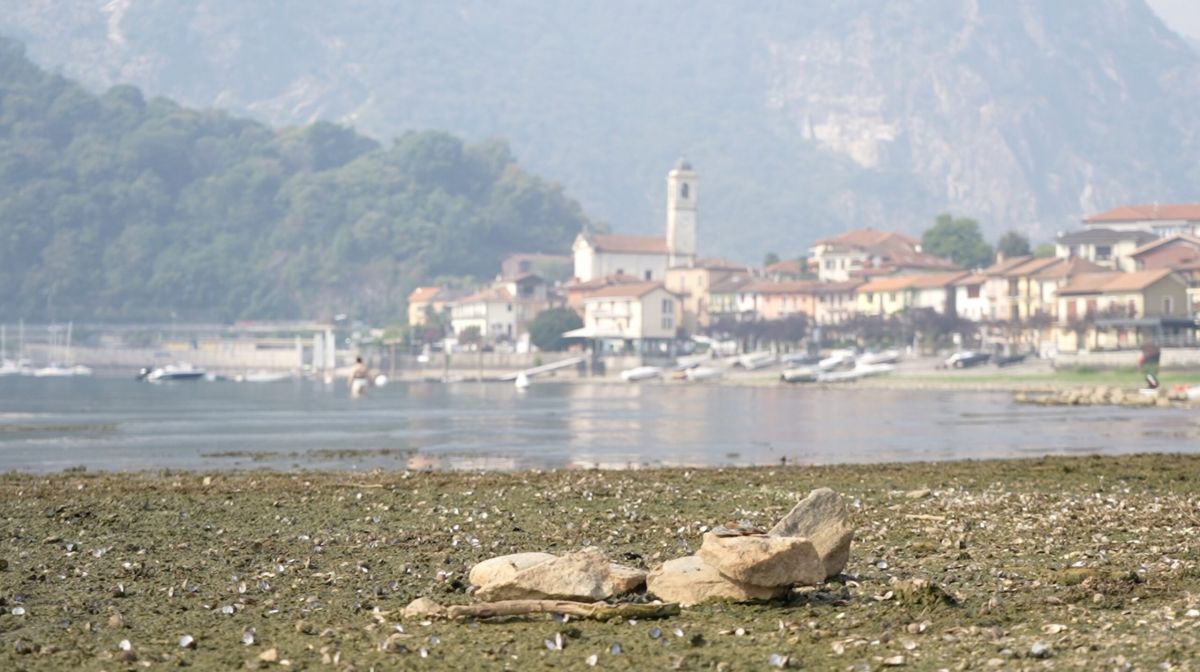
Drought is causing serious problems for the rivers and lakes of Northern Italy, with Lake Maggiore reaching historically low levels, highlighting the impact of climate change through a lack of rainfall and the resulting warming of water, reducing the available oxygen and threatening local ecosystems. (translated)

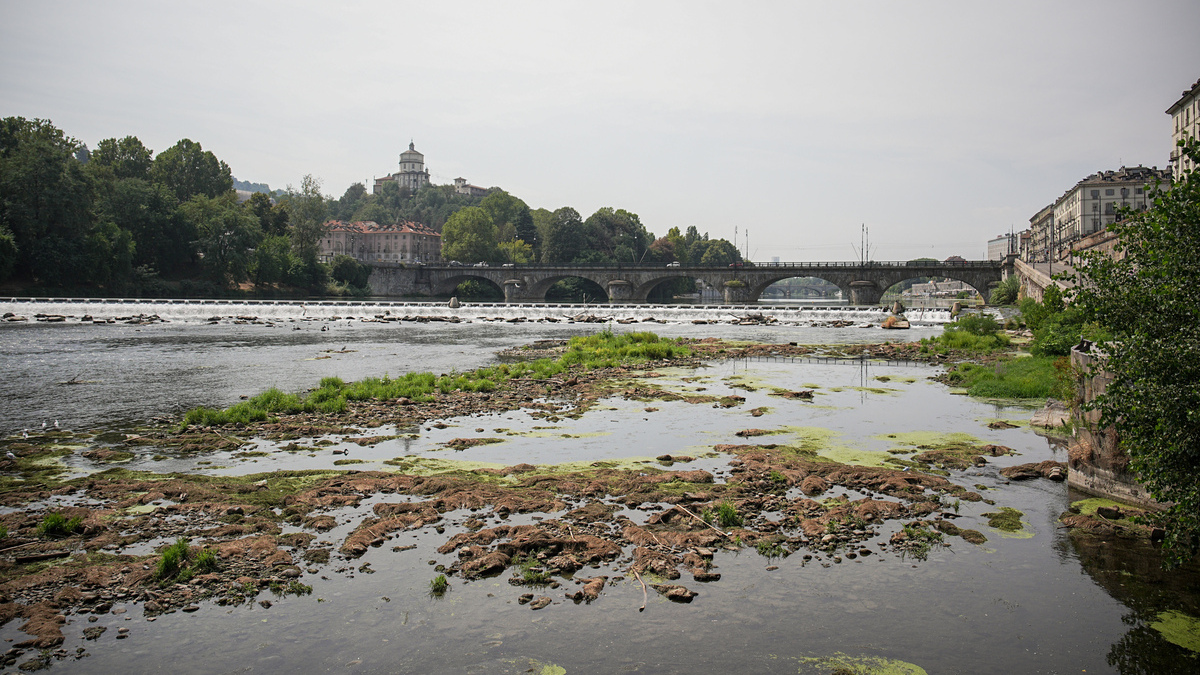
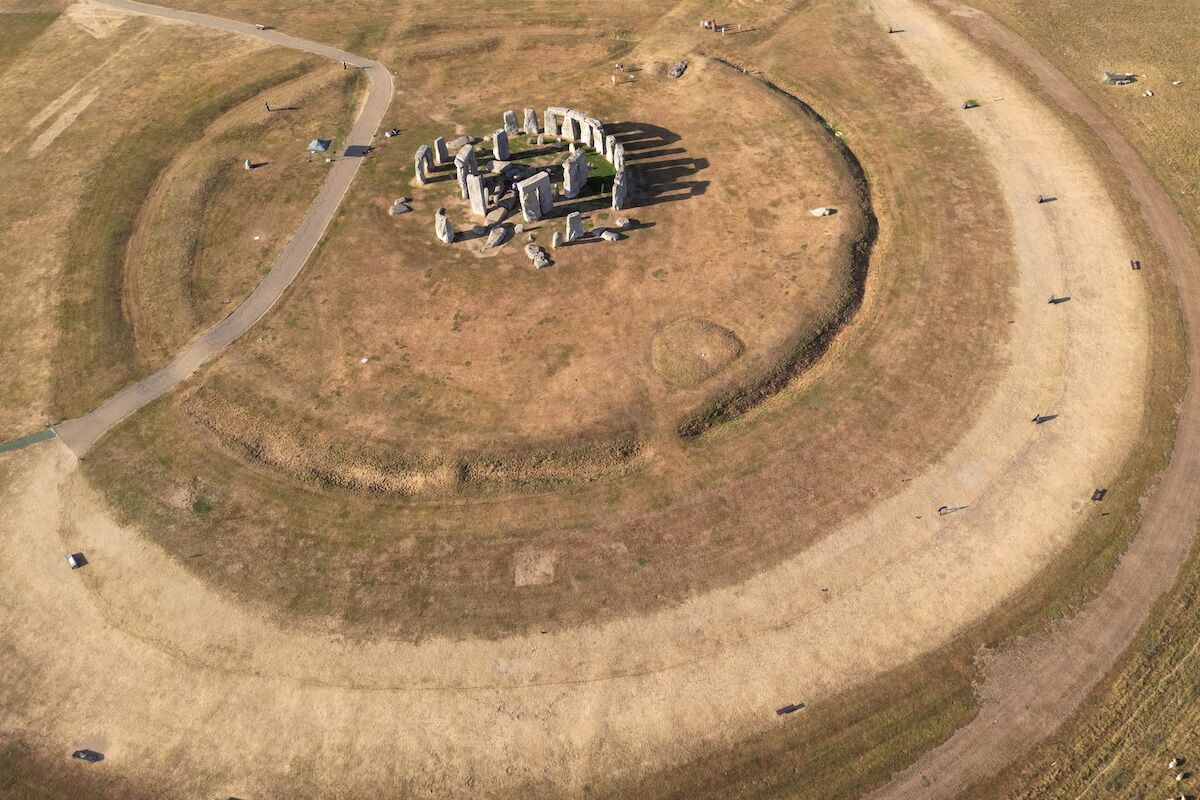
Europe is experiencing a severe water crisis due to an especially hot and dry summer, with the levels of rivers like the Danube and the Rhine drastically reduced and devastating consequences for ecosystems, agriculture, and other economic activities, as documented by various photographs depicting arid lands and the remains of surfaced ships. (translated)

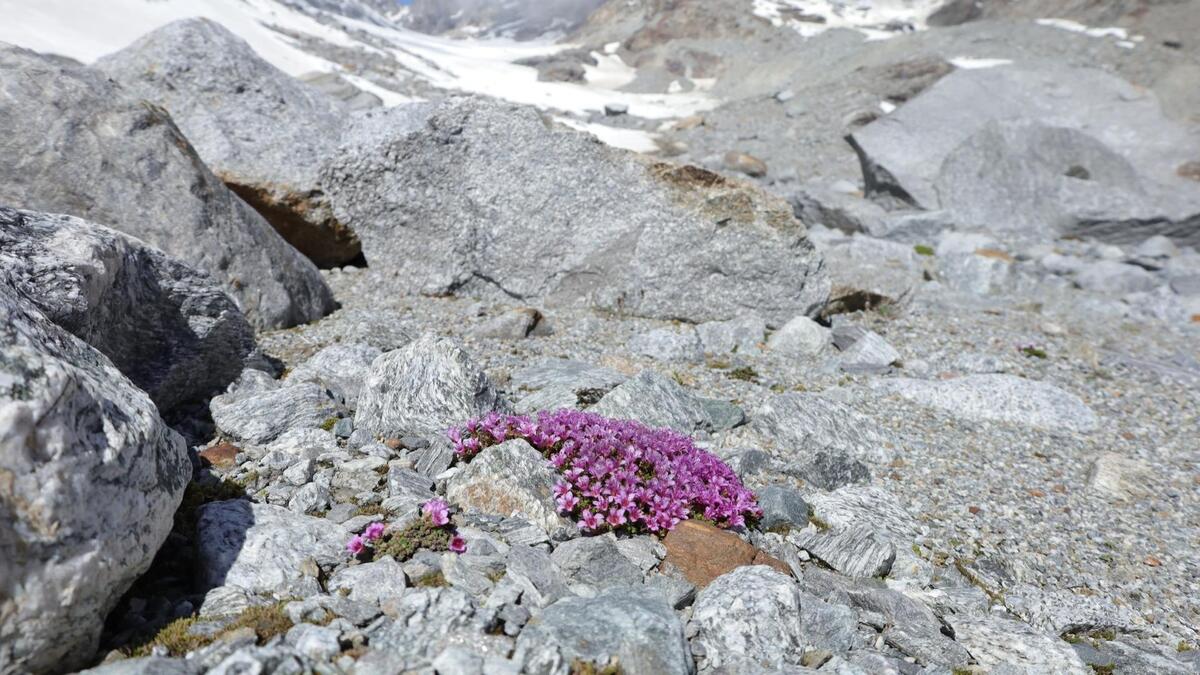
The article by Daniele Cat Berro discusses how the retreat of glaciers, accelerated by climate change, promotes the colonization of new ecosystems by pioneer plants such as Saxifraga oppositifolia, revealing a rapid process of plant evolution in areas previously covered by ice, but with both positive and negative implications for alpine ecosystems. (translated)

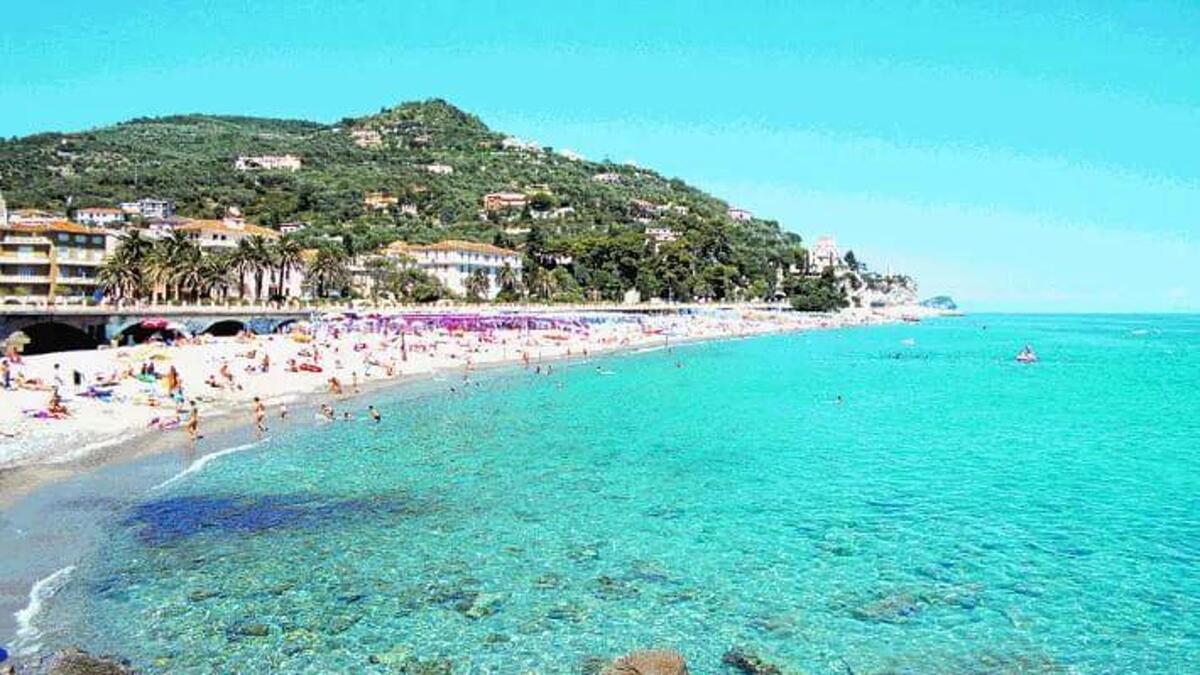
The Ligurian Sea reached a record temperature of 31 degrees on August 3, four degrees above the climatological average, highlighting a summer characterized by a strong warming of the waters and concerns about the possible impacts on marine ecosystems and wildlife. (translated)

Buongiorno amici! Cominciamo la prima settimana di agosto con una buona notizia: l’Italia è diventata una nazione forestale! In un’epoca in cui si parla tanto di green, direi che non è una notizia da poco. Vediamo qualche dato: - Le nostre foreste hanno superato i 100.000 km² (quasi 11 milioni di ettari) e coprono ormai oltre un terzo del territorio nazionale. Il dato più sorprendente? Rispetto agli anni ’70 la superficie boschiva è quasi raddoppiata (da circa 6 milioni di ettari a quasi 11). Lo sapevate? - i boschi hanno superato la superficie agricola utilizzata. Un’inversione di tendenza che non si vedeva dal Medioevo. C’è da dire che questa crescita deriva solo in parte da rimboschimenti, è dovuta soprattutto alla rinaturalizzazione spontanea di terreni agricoli e pascoli abbandonati, in particolare nelle aree montane. Ma la cosa importante è avere un patrimonio verde che cresce, cattura CO₂, protegge il suolo e regala servizi ecosistemici preziosi. L’Italia si sta “rinverdendo”… e lo fa in silenzio da decenni. Saremo la prima generazione che lascerà ai propri figli un paese più verde di come lo ha trovato. Non vi riempie di soddisfazione questa notizia?🌱 #ItaliaVerde #Rinaturalizzazione #Foreste
In Greece, the spread of the silver pufferfish, an invasive species with poisonous flesh and a powerful bite, is causing significant damage to fishermen and threatening local ecosystems. (translated)

The article discusses the devastating environmental impact of the war between the United States and Israel against Iran in the Persian Gulf, highlighting the large oil spills caused by incidents and attacks on oil tankers in the Strait of Hormuz and Greenpeace's call for urgent international intervention to prevent further damage to marine ecosystems and the health of local populations. (translated)

Alberto Marzocchi's article explores the devastating effects of the climate crisis on mountain animal species, highlighting how global warming forces many of them, such as the Aurora salamander and the alpine finch, to move to higher altitudes in search of suitable living conditions, while the exceptional reduction of biodiversity and habitat loss represents an increasingly serious threat to these fragile ecosystems. (translated)

The main Chinese artificial intelligence company, Moonshot AI, has made its Kimi K3 model public, marking a turning point in the global competition with the United States, shifting the focus from performance comparison to the creation of developer ecosystems that promote adoption and integration, and highlighting the growing importance of digital sovereignty and transparency in AI models. (translated)

Il Danubio ha toccato il livello più basso mai registrato tra Serbia e Croazia, causando la secchezza di numerose barche nei porticcioli di Novi Sad e rivelando ampie porzioni del fondale, mentre esperti avvertono che la situazione è dovuta a un'estate di caldo estremo e siccità prolungata, con preoccupazioni per le conseguenze sull'ecosistema e la navigazione. #Danubio #siccità #ecosistemi

Nel contesto della Giornata Mondiale per la Conservazione della Natura, l'autrice Elisabetta Ambrosi sottolinea l'urgenza di proteggere ogni frammento di natura di fronte alla crescente crisi climatica e agli incendi devastanti, evidenziando la necessità di una nuova concezione di conservazione che integri la lotta attiva contro il cambiamento climatico con la restaurazione degli ecosistemi. #ConservazioneNatura #CambiamentiClimatici #Biodiversità

Alla fine del Triassico, l'Europa era un inferno dominato da incendi che duravano migliaia di anni, alimentati da praterie di felci al posto delle foreste, a causa di intensa attività vulcanica e un aumento significativo della CO2 che portò a un riscaldamento globale, con conseguente collasso degli ecosistemi vegetali e diffusione delle felci, come evidenziato da uno studio coordinato da Bas van de Schootbrugge pubblicato su Nature Geoscience. #Triassico #incendi #estinzioni

La Banca centrale europea ha presentato dieci design finalisti per le nuove banconote euro, invitando il pubblico a votare fino al 21 settembre, con proposte che celebrano la cultura europea e gli ecosistemi del continente. #Euro #Banconote #Design

Nuove banconote in euro, proposta "Cultura europea": 5 euro: Maria Callas 10 euro: Ludwig van Beethoven 20 euro: Marie Curie 50 euro: Miguel de Cervantes 100 euro: Leonardo da Vinci 200 euro: Bertha von Suttner Nella seconda proposta, "Fiumi e uccelli", ogni banconota racconta una fase del corso di un fiume europeo, dalla sorgente fino al mare, accompagnata da una specie di uccello rappresentativa dei diversi ecosistemi #Euro #Cultura #Banchenote