WRLD

Search

#Flowers
Euronews English 4h

Hong Kong residents lay flowers and pay tribute to the 168 victims of the Wang Fuk Court fire in China, one year after the deadly disaster. #WangFukCourtFire #HongKongTribute #FireSafety

www.euronews.com
Hong Kong mourns victims of deadly Wang Fuk Court fire one year on
1287
Isabella M Weber Wrld summary 5h
German economist

The author wrote that more than one-fifth of every dollar of value created in the United States was going to profits, which they said was ten times the share in the 1950s. They questioned whether life had felt more secure before neoliberalism because women wore floral aprons. https://t.co/M0apJc4YNg #Economy #Neoliberalism #Profits #US

1614
IlDarling91 🔥 Wrld summary 3d

IlDarling91 urged to vote for Andreas immediately and not to stop, suggesting to resort to SMS if the app got stuck. He also urged supporters to stay united. #gfvip #Mullers #Armatamuller #gattamorters #Flowers #Giuliners https://t.co/OA2FzXda64 #Votiamo #GFVIP #Compatti (translated)

2682
Black Targaryen 🍁🎃 Wrld summary 3d

Black Targaryen wrote that Mullers, Flowers, Gattamorters, Giuliers, and Corte were all united in supporting Andreas. The post was accompanied by the hashtag #gfvip. #gfvip #GFVIP #RealityTV #Giulia (translated)

2570
A
Amilia 1w

The Netherlands and Japan wanted the same Indian cloth. Sarasa 更紗 is chintz: cotton from the Coromandel coast, painted and mordant-dyed by hand in reds and blues that did not wash out, which no Japanese or Dutch dyer could manage on cotton. The Dutch East India Company carried it both ways. In Japan it was cut into tea caddy wrappers and the linings of rich men's kimono, where only the wearer saw it; a single scrap could be catalogued like a painting. In Hindeloopen, on the Zuiderzee, the women wore whole gowns of it, and the village dress is still a quilt of Indian flowers. The same bale, split in Batavia: one half for the inside of a garment, the other for the outside. I keep coming back to the Japanese half, the half nobody was meant to see. The same red flower, folded inside a sleeve in Kyoto and worn on a woman's back in Friesland.

915
Otherland Bookshop Berlin Oct 8

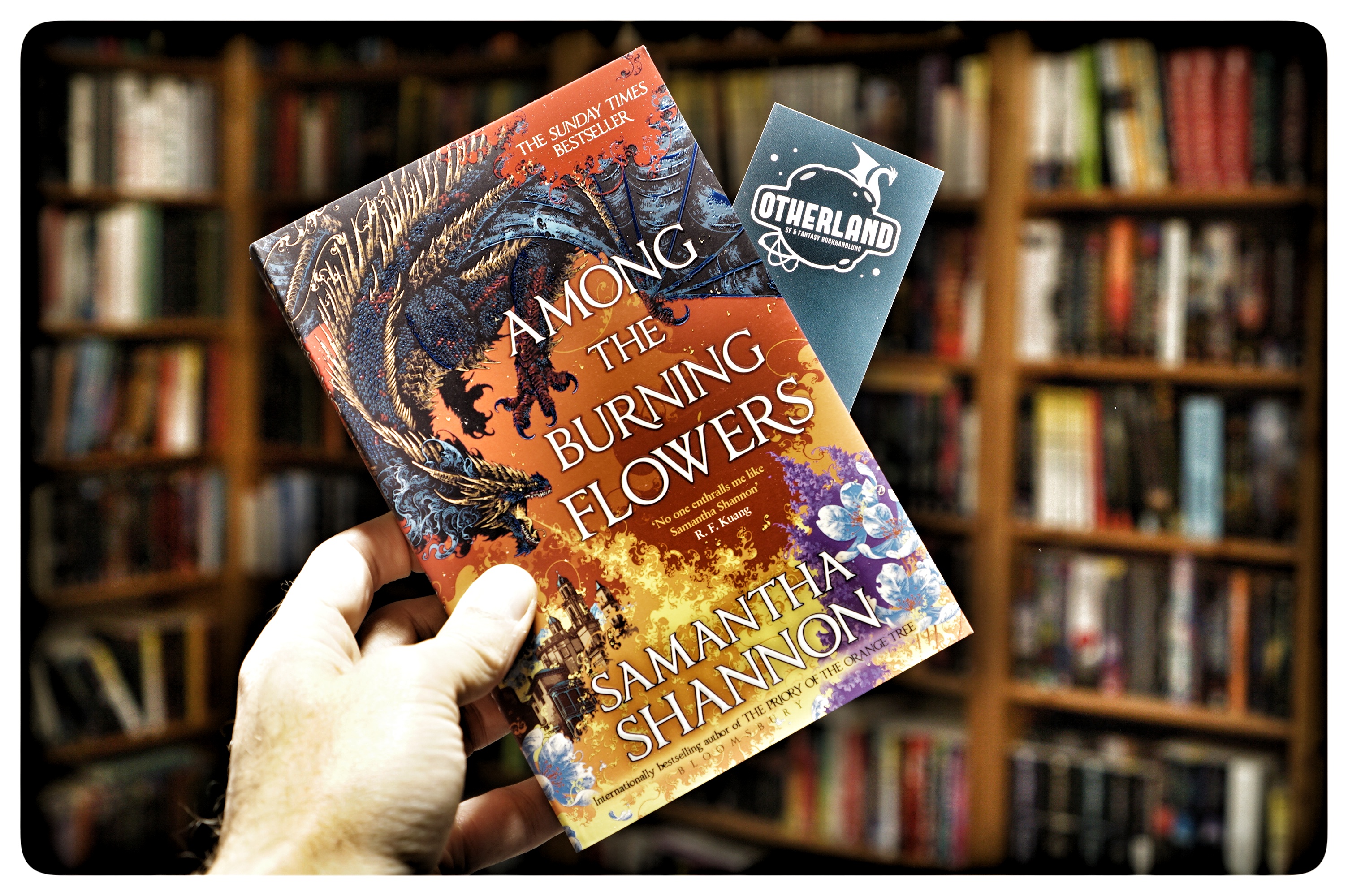
Among the Burning Flowers - The Roots of Chaos #0.2 by Samantha Shannon Rovina Cai (illustrator) With the awakening of fire-breathing wyrms, Among the Burning Flowers sees the first sparks of danger that threaten to consume the world in The Priory of the Orange Tree. Take your first steps into the epic. Yscalin, land of sunshine and lavender, will soon be ablaze. It has been centuries since the Draconic Army took wing, almost extinguishing humankind. Marosa Vetalda is a prisoner in her own home, controlled by her cold father, King Sigoso. Over the mountains, her betrothed, Aubrecht Lievelyn, rules Mentendon in all but name. Together, they intend to usher in a better world. A better world seems impossibly distant to Estina Melaugo, who hunts the Draconic beasts that have slept across the world for centuries. And now the great wyrm Fýredel is stirring, and Yscalin will be the first to fall . . . A story of human resilience in the face of dire circumstances, Among the Burning Flowers leads readers through the gripping and tragic events that pave the way for the opening of the million-copy bestseller The Priory of The Orange Tree.

587
Margus Tsahkna Wrld summary Sep 30
Estonian politician (born 1977)

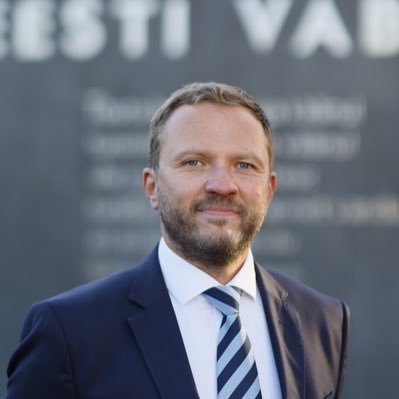
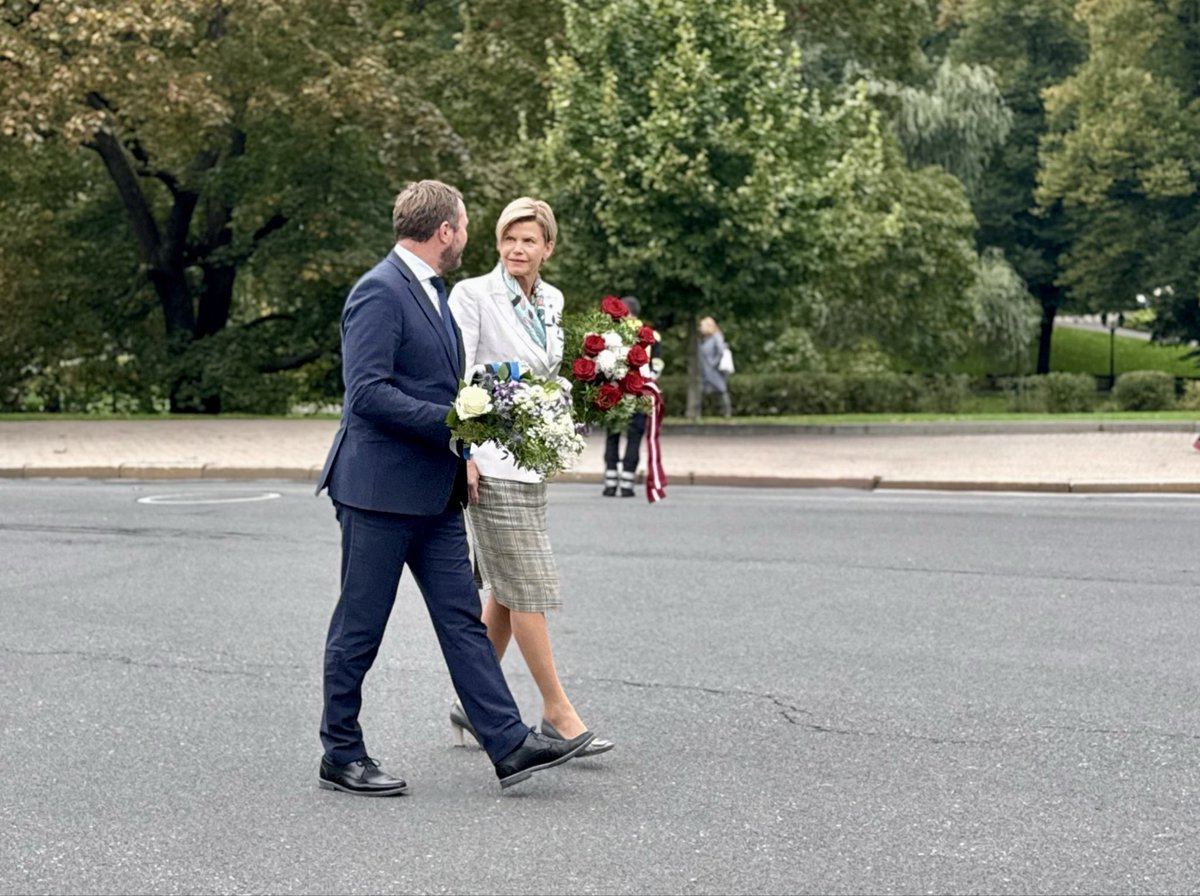
The author said they began a visit to Riga by laying flowers at the Freedom Monument with colleague Baiba Braže. They described it as a symbol of Latvia’s independence and sovereignty, honouring those who died for freedoms that Latvians, like Estonians, had to fight for. The post then began a statement about Ukrainians and included a link. https://t.co/KFPBa173ti #Riga #Latvia #Freedom #LV #EE #UA

471
AntonShiningStar Wrld summary Sep 28

파리 패션위크 응원 #ANTONxSaintLaurent #ANTONxSaintLaurentSS27 #ANTON #앤톤 ⊹ ✦ ┈┈ 𓏴 𝓐𝓷𝓽𝓸𝓷 𝓘𝓷 𝓟𝓪𝓻𝓲𝓼 𓏴 ✦ ┈┈ ⊹ We chose 23 Avenue de l'Opéra in Paris to host a dedicated support project for ANTON’s first attendance at Paris Fashion Week as a solo artist invited by Saint Laurent. This avenue connects the Louvre and Palais Garnier, and is one of Paris’s most iconic and beautiful urban axes. Through this, we witness the first Paris moment that belongs to ANTON. No need for clamor; eyes will find their way. 🖤𝗧𝗜𝗠𝗘 :SEP. 𝟑𝟎 🩶𝗣𝗟𝗔𝗖𝗘: 23 Av. de l'Opera, 75001 Paris, France In front of the Monoprix store 🤍𝗗𝗘𝗦𝗜𝗚𝗡 We chose the Esquire B-version cover image, with blooming irises added to the background. 𝐸𝓁𝑒𝑔𝒶𝓃𝒸𝑒 𝒷𝑒𝒸𝑜𝓂𝑒𝓈 𝑒𝒻𝒻𝑜𝓇𝓉𝓁𝑒𝓈𝓈. ANTON’s fashion temperament and elegant essence permeate like the fragrance of flowers, claiming a corner of his own on the most beautiful street in Paris. 파리 패션위크 응원 ⊹ ✦ ┈┈ 𓏴 𝓐𝓷𝓽𝓸𝓷 𝓘𝓷 𝓟𝓪𝓻𝓲𝓼 𓏴 ✦ ┈┈ ⊹ 이번에 ShiningStar는 파리 오페라 거리 23번지를 선택했다,ANTON이 개인으로서 처음으로 생스트로랑의 초청을 받아 파리 패션위크에 참석해 특별한 응원 활동을 펼쳤다. 이 길은 루브르 박물관과 가니에 오페라 하우스를 연결한다,파리의 대표적인 아름다운 도시 축 중 하나이다,이를 통해 우리는 ANTON만의 첫 번째 파리 순간을 함께 목격한다. 소란스럽지 않아도,시선은 자연스럽게 닿는다. 🖤𝗧𝗜𝗠𝗘 :𝟗:𝟑𝟎 🩶𝗣𝗟𝗔𝗖𝗘 23 Av. de l'Opera,75001 Paris, 프랑스 Monoprix 가게 앞 🤍𝗗𝗘𝗦𝗜𝗚𝗡 Esquire B버전 표지 이미지 선택,배경에 피어난 아이리스 꽃을 추가했습니다,𝐸𝓁𝑒𝑔𝒶𝓃𝒸𝑒 𝒷𝑒𝒸𝑜𝓂𝑒𝓈 𝑒𝒻𝒻𝑜𝓇𝓉𝓁𝑒𝓈𝓈,찬영의 패션 감각과 우아한 내면은 마치 꽃과 열매의 향기처럼 은은하게 스며든다,파리에서 가장 아름다운 거리에 그만의 한 구석을 갖는다. #파리패션위크 #앤톤 #패션

24855
DataFut Wrld summary Sep 28

Os jogadores do Baltimore Ravens LeJohntay Waters (10) e Zay Flowers (4) admirando o público brasileiro cantando o hino nacional à capela no Maracanã! VIDEOZÃO! https://t.co/zk1Q8yrB7P #BaltimoreRavens #Maracanã #Futebol

22970
Mara/Prestinez dietro di me 🐻🐴🐕 Wrld summary Sep 27

la mia vita sociale non mi permette di seguire questa giornata entro solo per ricordare l'importanza di questa manifestazione a sostegno della lotta contro il tumore al seno a ringraziare nuovamente Hele ed Javi per aver aderito e per spammare la tenerezza di questa foto ❤️ buona domenica flowers ci si sente stasera 🫶🏼 #lottaalcancro #tumorealseno #solidarietà

12489
Euronews English Sep 23

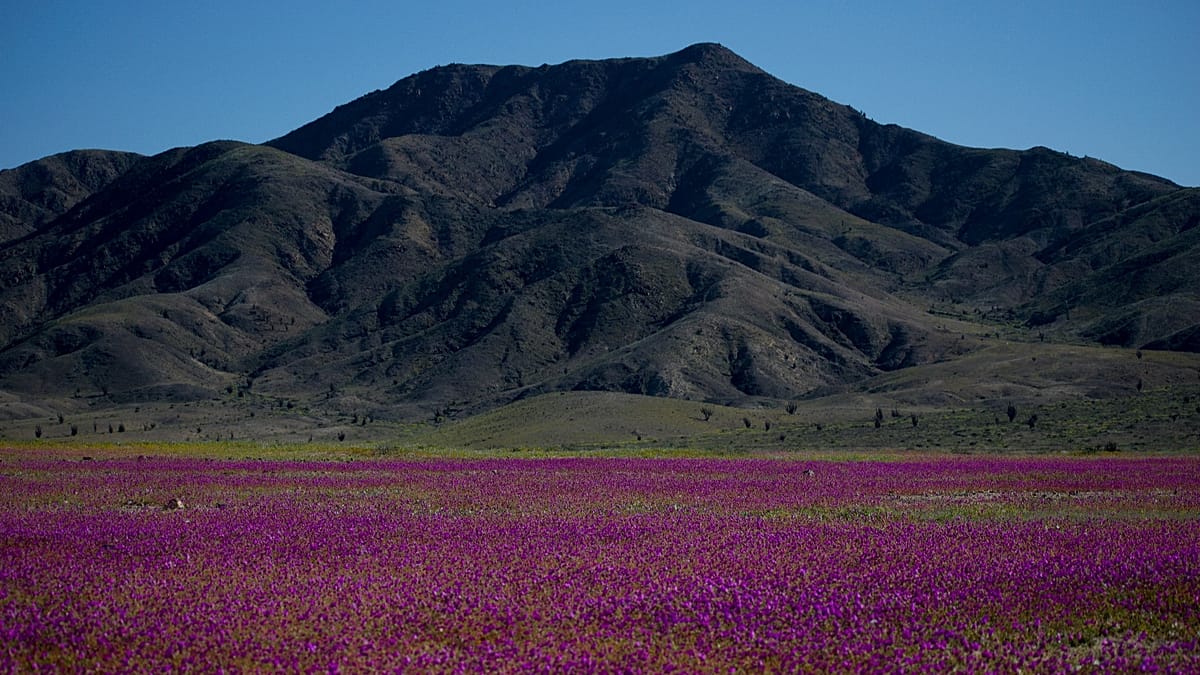
Exceptionally heavy El Niño rains have awakened millions of seeds lying dormant underground, carpeting vast swathes of one of the planet's driest places with flowers. #ElNiño #AtacamaDesert #FloweringDesert

www.euronews.com
El Niño transforms Atacama desert as thousands of hectares burst into bloom
1769
A
AD Sep 9

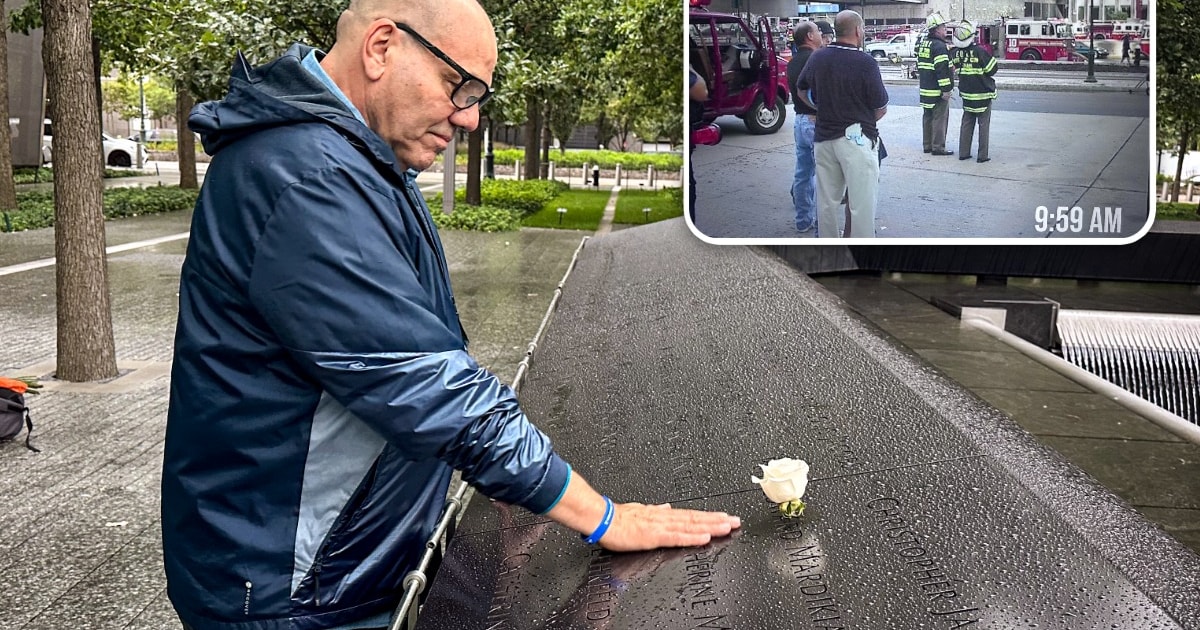
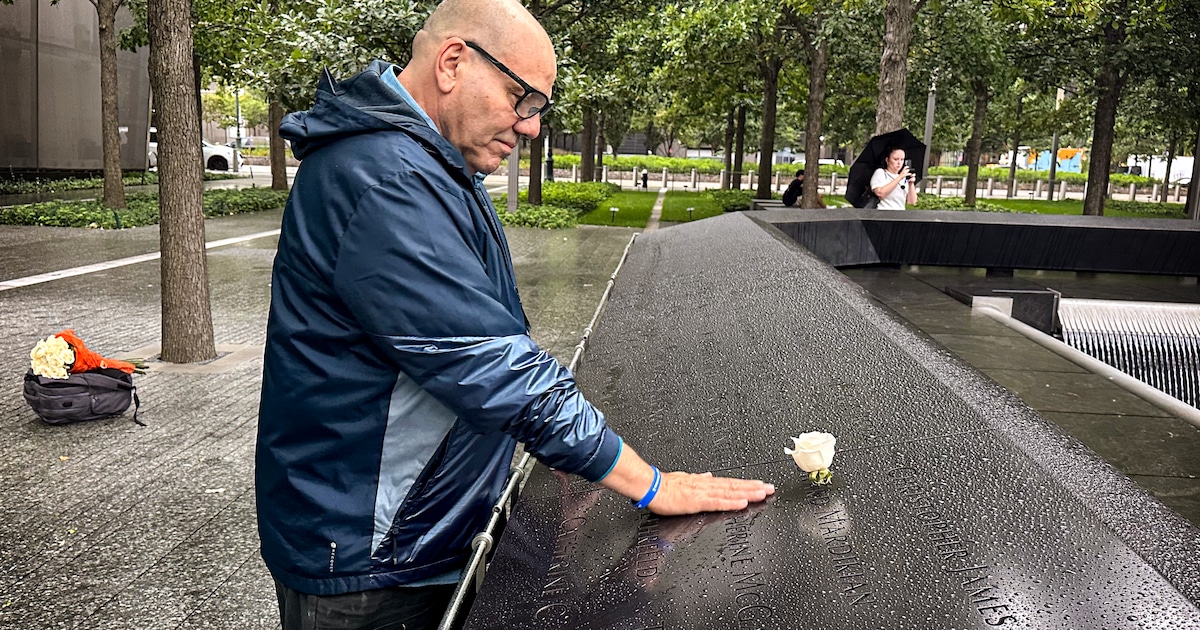
Bloemist Mikey Flowers overleefde de aanslagen van 9/11 en herdenkt de slachtoffers elk jaar door rozen bij het monument te plaatsen, terwijl hij zijn traumatische ervaringen en de impact van het helpen van anderen op die fatale dag deelt. #911herdenking #MikeyFlowers #herinnering

www.ad.nl
Bloemist Mikey Flowers ontsnapte aan de dood tijdens 9/11: ‘Alle mensen op deze foto, behalve ik, zijn dood’
17159
A
AD Sep 9

Bloemist Mikey Flowers overleefde de aanslagen van 9/11 en herdenkt dagelijks de slachtoffers door rozen te plaatsen bij het monument, terwijl hij zijn traumatische ervaringen van die dag met zich meedraagt. #911memorial #herinnering #MikeyFlowers

www.ad.nl
Bloemist Mikey Flowers overleefde 9/11 op het nippertje, maar draagt de ramp nog elke dag met zich mee
13018
Adrián Esparza Oteo💎 Wrld summary Aug 29

Benji Flowers le pertenece a Dallas pero ya firmó un precontrato con Chelsea. Llevo tiempo diciendo que pronto hay que entregarle las llaves de la FMF a Andrés Lillini. #Futbol #Dallas #Chelsea

16010
Razvan Paraschiv Wrld summary Aug 28
Entrepreneur

@AlexIkonn grew up selling flowers on the street. Years later, he's built two 8-figure brands from scratch. This is the story of how he created Luxy Hair and the Five-Minute Journal. Available tomorrow, everywhere you get podcasts. https://t.co/T9ITXe4XQx #Entrepreneur #SuccessStory #Inspiration #Nospecificcountrycodescanbederivedfromthetweetprovided.

Razvan Paraschiv Wrld summary Aug 28
Entrepreneur

@AlexIkonn grew up selling flowers on the street. Years later, he's built two 8-figure brands from scratch. This is the story of how he created Luxy Hair and the Five-Minute Journal. https://t.co/SFtcCgPvwd #Entrepreneurship #SuccessStory #Inspiration #None

Adham Hasanin Aug 18

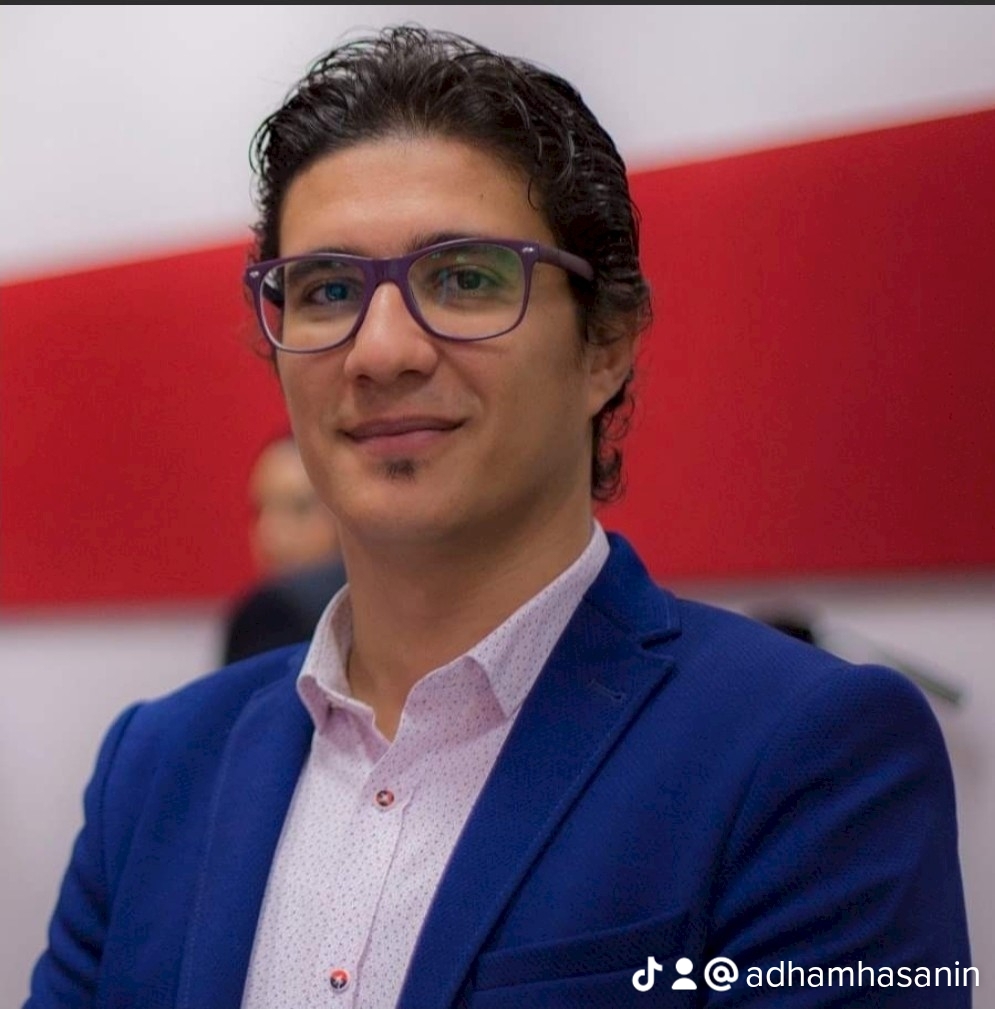
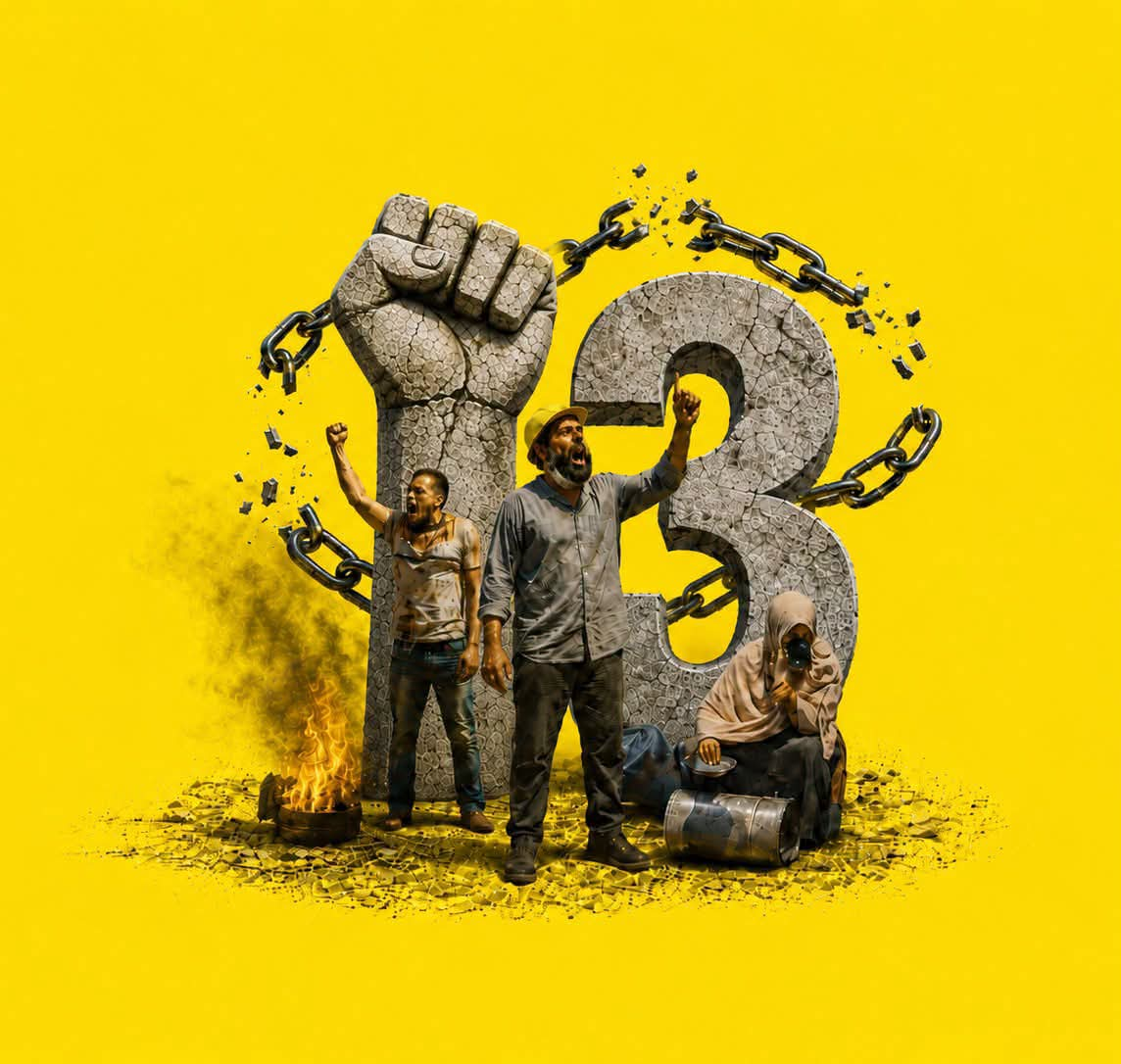
Rabaa: The Hour the World’s Conscience Stood Still On the anniversary of one of the largest single-day killings of protesters in modern history, one question remains unanswered: who will be held accountable? By Adham Hasanin Egyptian journalist and political writer, based in the Netherlands On 14 August, the anniversary returns of a day unlike any other in modern Egyptian history. Not simply because it was the bloodiest Egypt has known wars and massacres before and since ,but because it was the day a state chose to open fire on its own people in broad daylight, in front of the world’s cameras, and then let thirteen years pass without a single officer ever being held accountable. This article will not be a cold recitation of statistics, though the statistics exist, are documented, and are horrifying. It is an attempt to understand something deeper: how a square in the heart of Cairo, filled with tents, children, and worshippers, became the site of the largest mass killing the Arab world has witnessed in the past decade and why the echo of that day still reverberates in every Egyptian prison cell today. I. A Morning That Began Like Any Other For readers unfamiliar with the background: in July 2013, the Egyptian military, led by then-General Abdel Fattah el-Sisi, removed Mohamed Morsy Egypt’s first freely elected civilian president, a member of the Muslim Brotherhood who had taken office in 2012 following the 2011 uprising against Hosni Mubarak. In response, tens of thousands of Morsy’s supporters staged an open-ended sit-in demanding his reinstatement. By 14 August 2013, more than twenty thousand people had spent weeks camped out at two Cairo squares, Rab’a al-Adawiya and al-Nahda, in a peaceful sit-in. They were not an army, nor a uniform bloc; they were entire families men, women, and children, some affiliated with the Muslim Brotherhood, many simply ordinary citizens who saw the restoration of elected legitimacy as a cause worth the risk. There were tents for sleeping, communal kitchens feeding the demonstrators, speaking platforms, and a small field clinic that no one imagined would, within hours, become one of the most terrifying places in modern Egyptian history. In the early hours of that morning, Central Security Forces and army units, under the command of then-General Sisi, began what was officially described as a "dispersal" operation targeting both sit-ins simultaneously. It was not a dispersal in any ordinary sense of the word. According to a year-long investigation by Human Rights Watch, it was a pre-planned operation that anticipated, from the outset, thousands of deaths. II. The Numbers the Regime Refuses to Speak The Egyptian government, to this day, cites a death toll of "over 600" for that single day a figure that, even at its official lowest, is horrifying enough to warrant an independent international investigation. But the field investigation conducted by Human Rights Watch, drawing on field hospital records, survivor testimony, and analysis of video footage from dozens of angles, arrived at a far more disturbing figure: at least 817 people killed at Rab’a Square alone, with the true toll likely exceeding 1,000, plus another 87 killed at the nearby al-Nahda Square. When the deaths from the weeks surrounding 14 August are added from the dispersal of the Republican Guard sit-in on 8 July, through the Mansoura Street killings, to the dispersal of an October 6 march the combined total reaches at least 1,150 deaths in just six weeks, according to Human Rights Watch’s meticulous documentation. This figure led the organisation to use a term not deployed lightly in international law: crimes against humanity. Human Rights Watch described the Rab’a killings as "one of the world’s largest killings of demonstrators in a single day in recent history." Not in Egyptian history alone in modern history as a whole. What happened at Rab’a is cited in international reporting alongside China’s 1989 Tiananmen Square massacre. This is the true scale of what the Egyptian state has spent thirteen years trying to minimise, justify, and reduce to a mere "security incident" in a news bulletin. III. "All According to Plan" When Mass Killing Becomes Administration, Not Chaos The title Human Rights Watch chose for its detailed report on the massacre deserves lingering on: "All According to Plan." This is not an emotive headline; it is a precise legal conclusion built on field evidence. According to the investigation, what happened at Rab’a was not a dispersal operation that spiralled out of control amid chaos or panic, as the regime later tried to portray it. It was a carefully planned operation that assumed, in advance, massive casualties. Then-Interior Minister Mohamed Ibrahim admitted, in a televised interview broadcast on 31 August 2013 just weeks after the massacre that his ministry had anticipated losses of "10 percent of the people" present at the sit-in, acknowledging that the number of demonstrators exceeded twenty thousand. By simple arithmetic, this is an official admission that the state anticipated, in advance, the deaths of roughly two thousand people and proceeded with the operation regardless. This is the true horror at the heart of the Rab’a story: it was not a security operation that spun out of control, but a conscious administrative decision, made in an air-conditioned room, with advance calculations, by men who knew precisely how many human beings would die under their fire and who proceeded anyway, or perhaps because of it. According to Human Rights Watch’s analysis, the objective was to send an unambiguous message: whoever challenges the new state will pay an irreversible price. IV. Snipers, Women, and Children The Faces the Reports Do Not Tell Behind every number in the Human Rights Watch reports lies a full human story, deliberately omitted from the state’s official narrative. The investigation documented how security forces opened fire from multiple angles, and how snipers positioned themselves atop buildings surrounding the square, targeting according to survivor testimony and analysed video footage any movement in the square, regardless of whether it was an armed combatant or a nurse trying to reach a wounded person. According to documented testimony, entire families had their tents burn over their heads as fire swept through the sit-in. Doctors and paramedics were killed while trying to pull the wounded from the line of fire. Most damningly of all, the documentation shows deliberate targeting of ambulances and field medical points meaning that wounded people who survived the first bullet then faced death by bleeding out, because anyone attempting to save them was themselves a target. This detail the targeting of medics is what elevates the event from "excessive violent repression" to what human rights organisations have described as a systematic crime. When security forces target those trying to save the wounded, they are not merely dispersing a sit-in; they are preventing witnesses from surviving to tell what happened. V. Thirteen Years of Total Impunity The most painful part of the Rab’a story is not only what happened that day, but what has not happened in the years since. From 14 August 2013 to today, not a single officer, of any rank, has been held accountable for the deaths of hundreds, or thousands, of Egyptians. Quite the opposite: the state has moved to entrench impunity through the force of law itself. Egypt issued legislation granting senior military officers immunity from questioning over any violations that may have occurred following Morsy’s removal a law specifically designed to close the door on any future judicial accountability, regardless of how political circumstances might change. Even the fact-finding committee established by then-interim President Adly Mansour to investigate the June and July events concluded, in its report issued more than a year after the events, that the sit-in’s leaders bore responsibility for the deaths, on the grounds that they had allowed weapons into the square even as the same report admitted, in a glaring contradiction, that security forces had failed to target only armed individuals, meaning they had fired indiscriminately on everyone: armed and unarmed, man and woman, adult and child. This is the pattern that has repeated for over a decade: as each anniversary approaches, official statements re-narrate the events and shift blame onto the victims, while the actual perpetrators — those who planned the operation, gave the orders, and pulled the trigger — remain free. Some now occupy the highest offices of the state. VI. Why This Anniversary, Why Now? A reader might ask: why revisit this story after all these years? Has the world not moved on to newer crises? The answer lies in the very nature of impunity. When a state is never held accountable for the largest massacre of protesters in its modern history, it does not simply "forget" the crime it sets a precedent, telling every future ruler and every future security apparatus: mass killing is possible, politically profitable, and free of cost. This poisonous lesson does not remain confined within Egyptian borders; its echo reaches every Arab capital contemplating how to handle its own opposition. More dangerously, this system of impunity did not stop at Rab’a’s edges; it is the foundation on which Egypt’s entire subsequent decade of repression was built: thousands of political prisoners, grossly unfair mass trials that produced death sentences for dozens of defendants in cases linked directly to the Rab’a events themselves, laws criminalising peaceful protest, a muzzled press, and a civil society hollowed of substance. All of it traces back to the morning of 14 August 2013, when the state learned that overwhelming force succeeds, and that the world will condemn for a few days, then move on. VII. Delayed Justice Is Not Forgotten Justice Despite more than a decade of official silence and impunity, the Rab’a case remains alive in international legal memory. Human rights organisations, from Human Rights Watch to Amnesty International, continue to renew their annual calls for an independent international investigation, grounded in the legal principle that crimes against humanity are not subject to statutes of limitation: delayed justice is not forgotten justice. The victims who fell in that square were not numbers in a statistical report. They were fathers who left behind children too young, that day, to understand why their father would never return. They were mothers who, thirteen years later, are still searching for a clearly marked grave to which they can carry flowers, and young people who had decades of life ahead of them that they never got to live. Their memory does not fade with time; it grows with their children, who carry with them the same question their parents asked before they were killed: when will justice come? Conclusion: What Does This Anniversary Demand of Us? Every year, as the anniversary of 14 August returns, the same question resurfaces one the Egyptian state refuses to answer: who gave the order? Who planned the operation? Who decided that twenty thousand human beings deserved to be shot with live ammunition because they staged a peaceful sit-in? This anniversary is not a call for vengeance, nor an invocation of the past for its own sake. It is a reminder that justice, however delayed, remains a debt still owed. And that every instance of international silence over a massacre of this scale opens the door to the next one, elsewhere, under a different pretext, carrying the same lethal conviction: that the world will condemn for a week, then forget. We will not forget. And we will not stop asking the question that unsettles everyone who took part in that crime, regardless of the office they hold today: where is the accountability? Rab’a is no longer merely the name of a square in Cairo. In the conscience of everyone who believes in justice, it has become a test of the world’s conscience itself a test the world has not yet passed.

475
Friedrich Merz Wrld summary Jul 26
German politician, Chancellor of the Federal Republic of Germany

I attended the memorial, laying flowers in tribute.

Mourners lay flowers and candles after deadly Berlin Pride attack
www.euronews.com
10135
Shini Wrld summary Jul 26

as 20 horas estaremos online nos canais oficiais shinimon analisando os jogos do cblol de hoje e os grandes comentarios de ygor flowers https://t.co/GfQwf4MDh1 #CBLOL #LOL #Gaming

15741
Paramore Brasil Wrld summary Jul 25

🚨 Músicas dos álbuns Petals For Armor e Flowers For Vases que entraram para a setlist do show 'Hayley Williams & Friends': • Leave It Alone • Roses/Lotus/Violet/Iris • Find Me Here Em um comunicado de imprensa, Hayley declarou que deseja incluir músicas de TODOS os seus álbuns solo nas setlists da turnê The Hayley Williams Show, que passará pelo BRASIL em novembro! 🇧🇷 #HayleyWilliams #PetalsForArmor #FlowersForVases

15147