WRLD

Search

#Lingüística
LaVanguardia 7d

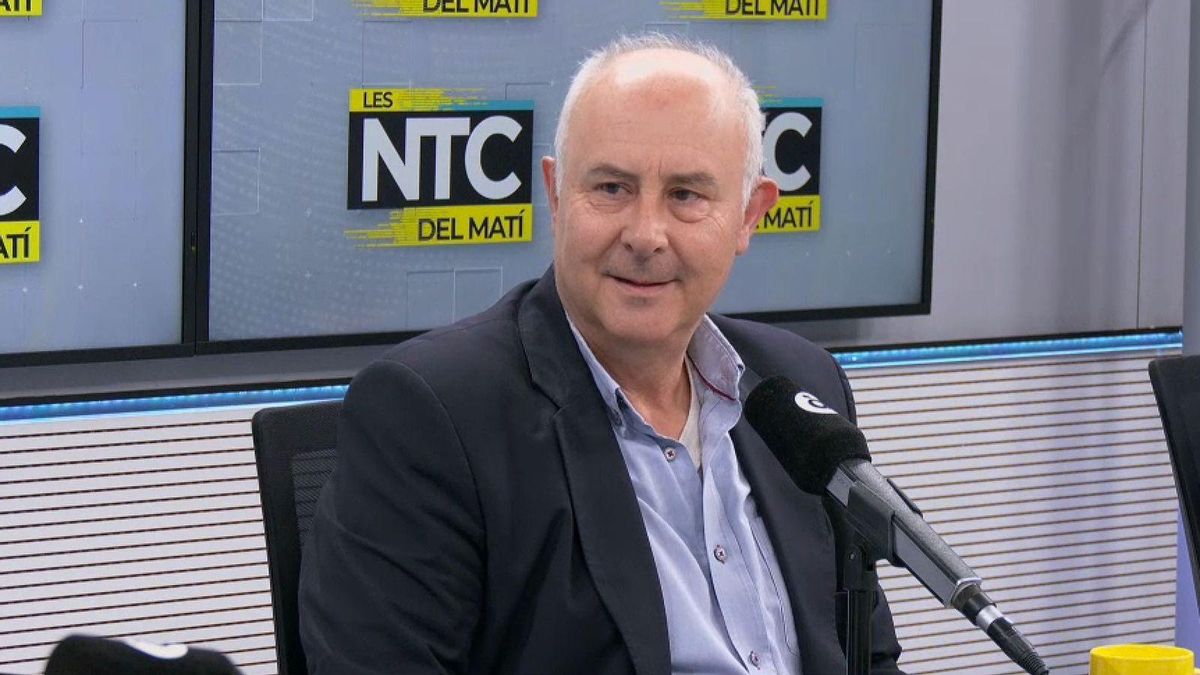
Antonio Di Paolo claims in an interview that his study reveals that the Catalan school has not increased national identity, as family and social factors are more decisive in the formation of linguistic identity. #Catalunya #Bilingüismo #IdentidadNacional (translated)
www.lavanguardia.com
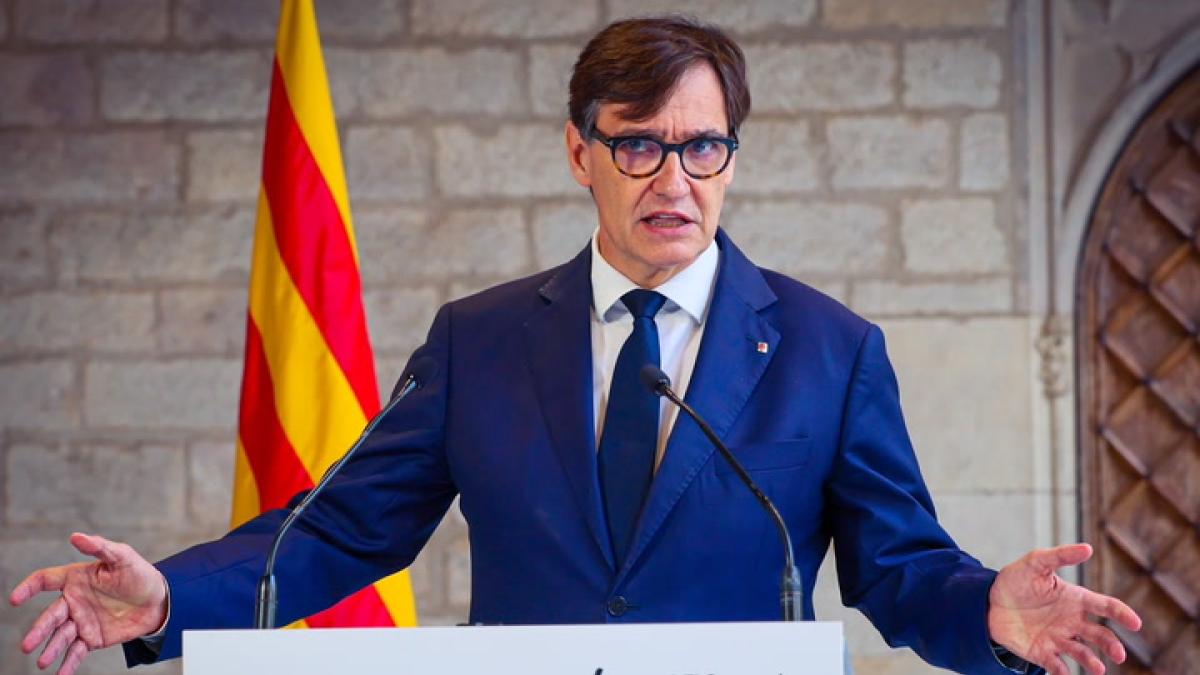
Antonio Di Paolo: “La escuela catalana no ha creado más identidad nacional”
2724
ABC TU DIARIO EN ESPAÑOL 1w

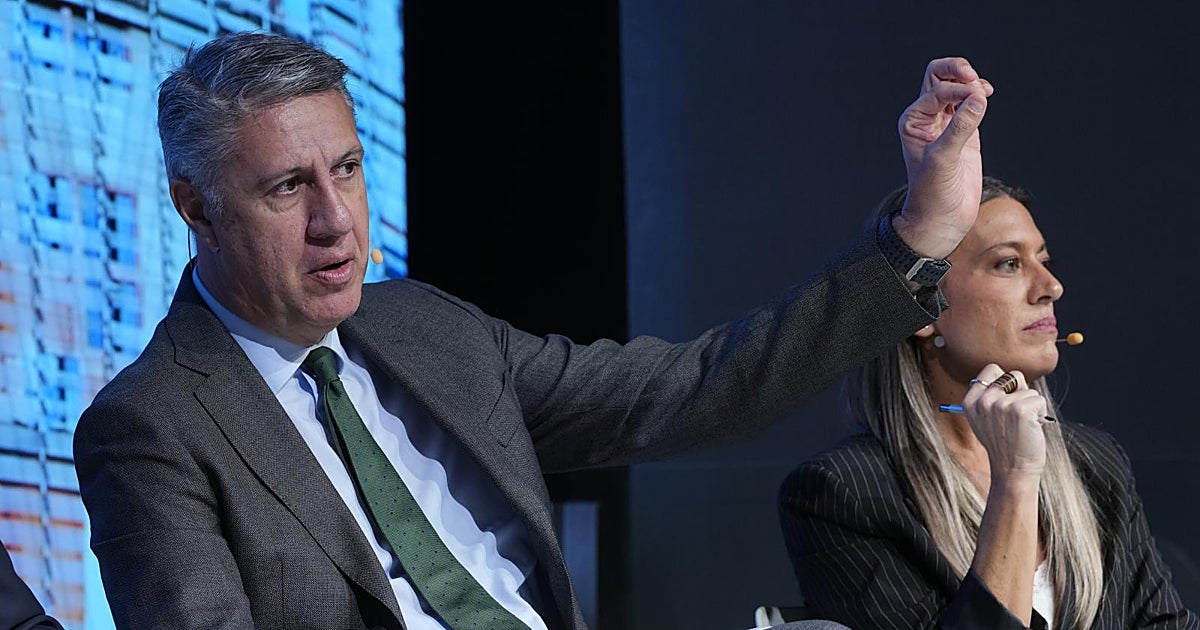
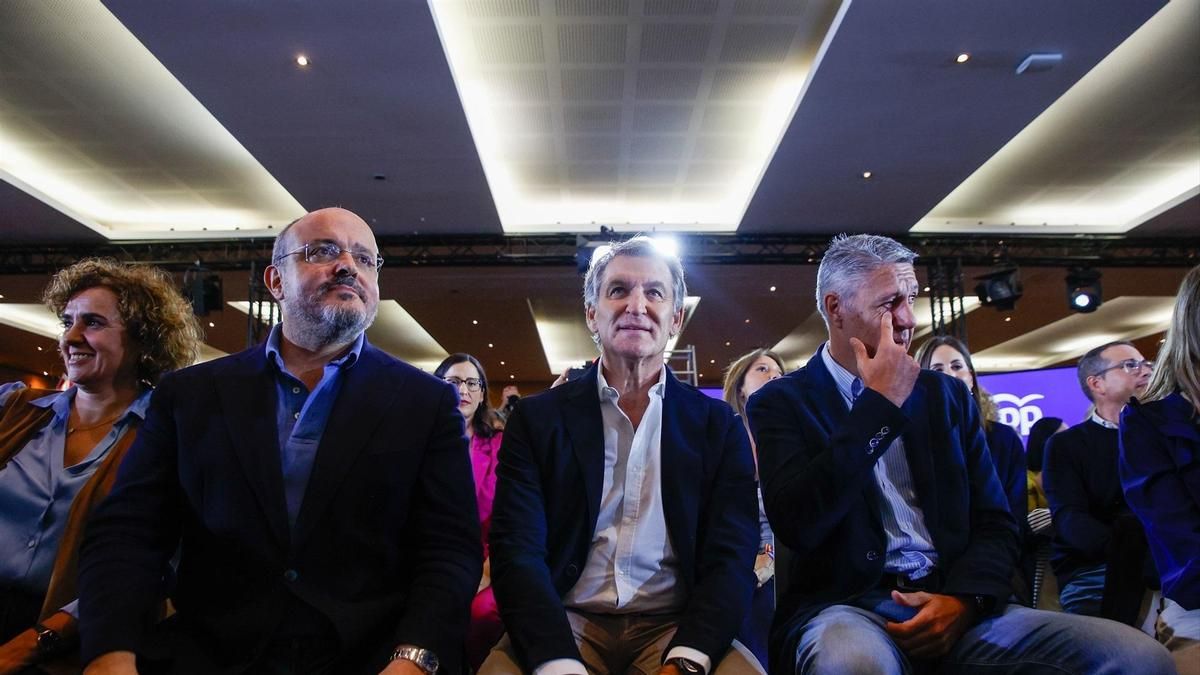
Xavier García Albiol, the PP candidate for Barcelona, stated that his party will not abolish mandatory linguistic immersion in Catalan, despite his electoral program promising a bilingual education system. #InmersiónLingüística #Cataluña #PartidoPopular (translated)

www.abc.es
Albiol asegura que el PP no acabará con la inmersión lingüística obligatoria en catalán
2849
Luciano Magaldi Sardella (PhD) 1w

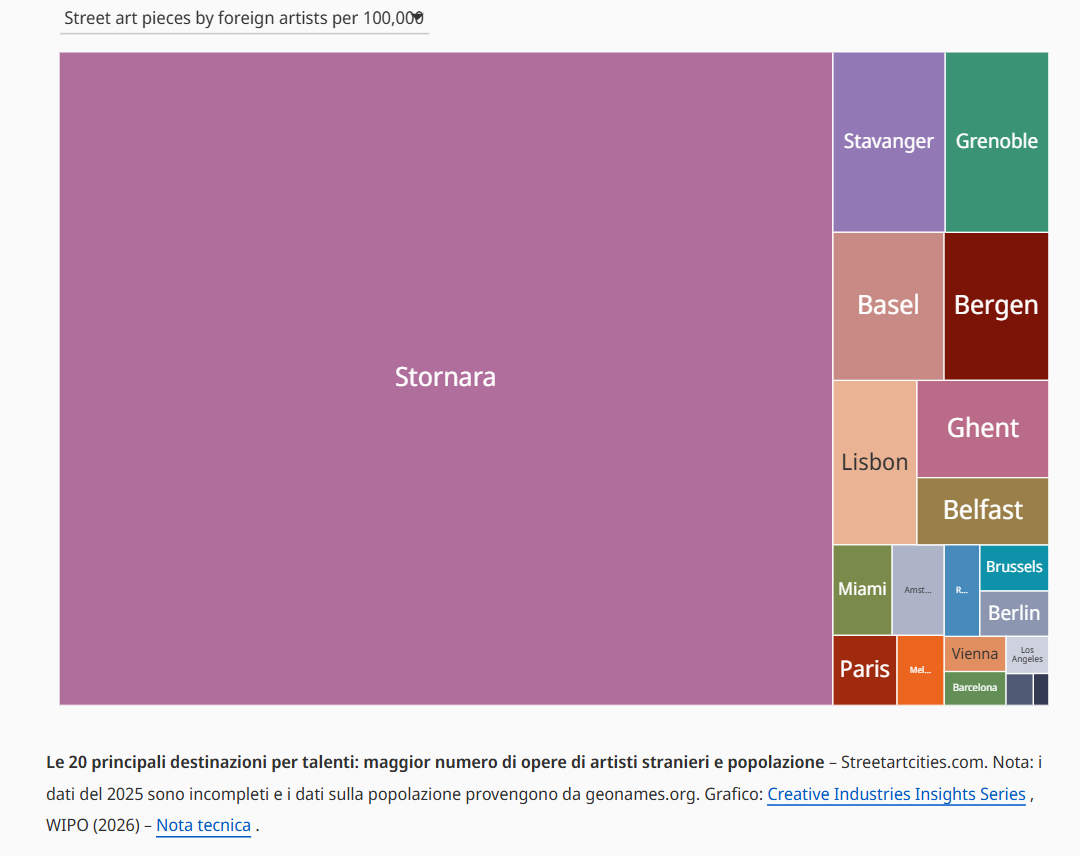
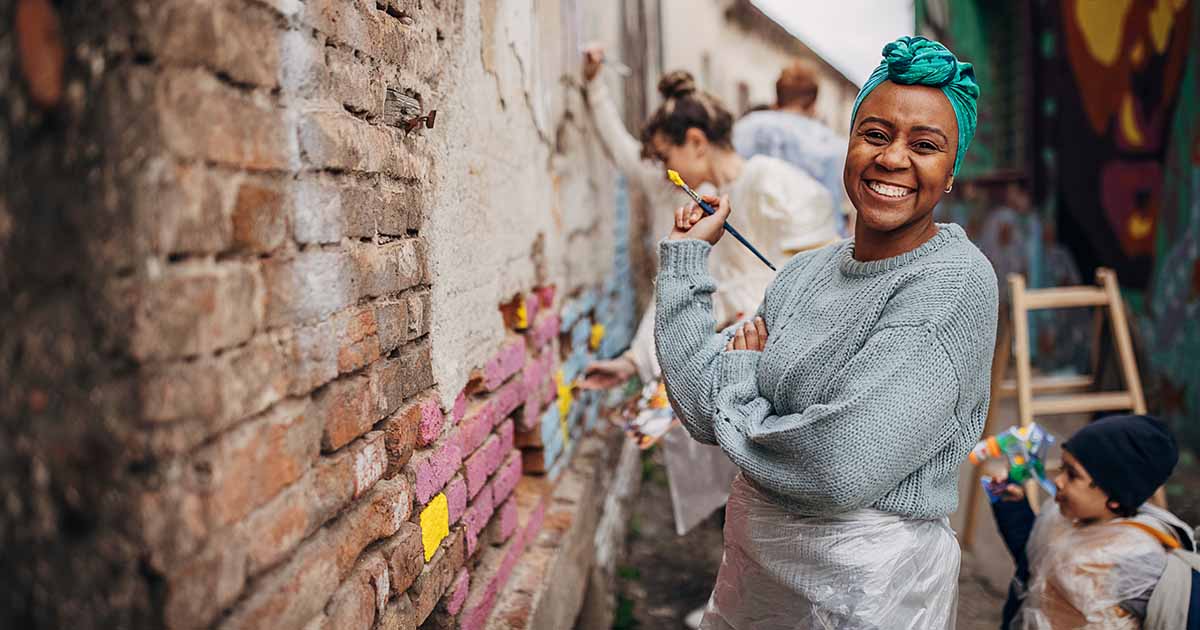
From "Ghost Town" to UN Case Study: The Stramurales of Lino Lombardi and Stornara Life APS Conquers the United Nations of Europe Thanks to the Stramurales of Lino Lombardi (Stornara Life APS), Stornara ranks first in the world for the intensity of foreign murals per inhabitant. ORIGINAL TITLE: "From Local Scenes to Global Recognition: Talent Mobility in Street Art." STORNARA (FG) — WIPO places Stornara, through the “Stramurales International Street Art Festival” founded, presided, and artistically directed by Lino Lombardi of Stornara Life APS, in the GLOBAL TOP 20 of the top twenty most important cities in the world for street art that attract the most significant street artists from the six continents. And it is FIRST IN THE WORLD for mural density per inhabitants. Here’s what their website indicates: “The World Intellectual Property Organization (WIPO) is the Agency of the United Nations of Europe, based in Geneva, serving innovators and creators worldwide, ensuring that their ideas reach the market safely and improve the lives of all. We do this by providing services that enable creators, innovators, and entrepreneurs to protect and promote their intellectual property (IP) across borders and acting as a forum to address the most pressing issues in IP. Our IP data and information guide decision-makers around the world. And our impact-oriented projects and technical assistance ensure that IP benefits everyone, everywhere.” WIPO used data from the international street art platform, “Street Art Cities”, for their extensive research project on the driving forces behind global street art, based on a comparison between global talents vs local talents in world street art. As cities worldwide increasingly promote themselves as attractive tourist destinations and places with a high quality of life, competition intensifies to attract the best global talents and most famous artists, who will embellish the streets and urban appearances. Therefore, it is essential to choose where traveling artists decide to operate and find favorable conditions to create new works. An analysis of street art data conducted by WIPO reveals a picture of an art form that is fundamentally “glocal”, meaning a cross between global and local: primarily local in practice but capable of generating global circuits of talent, influence, and recognition. Understanding this duality is essential to understand where street art thrives and why. LOCAL STREET ART: MY HOME IS MY CASTLE Most street artists create their works in their hometown or where they live. More than 80% of artists create in one or more cities within a single country, never realizing works abroad. This means that only about 20% of street artists have created one or more works abroad. Almost 40% of this group of traveling artists can be considered highly “mobile”, practicing their art in different countries and building their global digital credibility and artistic brand, in addition to local roots. This pattern is consistent with that of high-profile international street artists like Banksy, Os Gemeos, or Invader, whose famous works appear on the walls of many continents. GLOBAL ATTRACTION POLES: CITIES THAT ATTRACT INTERNATIONAL STREET ARTISTS Global talent flows depend on the geographical, cultural, and linguistic proximity between countries of origin and destination. Countries that share borders, culture, or language are more easily accessible and cheaper for artists, which is why they often see a larger influx of talent. In addition, individual artists may seek opportunities abroad and obtain support from city festivals, cultural exchange programs, international galleries, or rely on their personal networks and reference community when relocating. For artists crossing national borders, some cities prove to be powerful attraction poles for international street art. An analysis of the 20 global cities with the highest number of street art pieces created by foreign artists reveals an intriguing geography of creative centers that transcend the boundaries of their national art scenes to become global destinations. North America dominates in size, with New York, Los Angeles, and Miami serving as significant attraction poles for foreign street artists. The combination of art market infrastructure, cultural diversity, and the role of cradle of the street art movement in these cities attracts international artists eager to make their mark on the American urban landscape. Western Europe offers a dense network of opportunities, with Berlin standing out as one of the top destinations, along with Paris, Amsterdam, Vienna, Ghent, Brussels, Basel, Grenoble, and Rotterdam. This concentration reflects the vibrant European circuit of street art festivals and the ease of movement within the Schengen area, allowing artists to visit multiple cities simultaneously. Lisbon, the capital of Portugal, along with Barcelona, Spain, has strategically positioned itself as street art destinations thanks to supporting municipal policies and high-profile festivals. IN CONTRAST, STORNARA, A SMALLER TOWN AND TALENT POLE, EXEMPLIFIES HOW STREET ART CAN CATALYZE COMMUNITY RENEWAL. THANKS TO ITS ANNUAL STRAMURALES FESTIVAL, LAUNCHED IN 2017, THIS STRUGGLING APULIAN TOWN HAS ACCUMULATED OVER 150 MURALS, ABOUT 50 OF WHICH WERE CREATED BY INTERNATIONAL ARTISTS. GOOGLE TRENDS DATA REVEAL SIGNIFICANT INTEREST IN STORNARA, DEMONSTRATING THE SUCCESS OF THE FESTIVAL IN CAPTURING NATIONAL AND INTERNATIONAL ATTENTION. THIS PROVIDES ANECDOTAL EVIDENCE THAT STREET ART INITIATIVES CAN GENERATE MEASURABLE CULTURAL AND TOURIST IMPACTS EVEN IN PERIPHERAL AND ECONOMICALLY DISADVANTAGED PLACES. Meanwhile, Melbourne stands out as the only representative from Oceania, reflecting the vibrant culture of Australian street art and the city’s reputation as one of the most artist-friendly destinations in the world. Northern Europe contributes with Bergen, London, Belfast, and Stavanger, demonstrating how cities of varying sizes can attract international artists through the right mix of policies and favorable conditions. But what does this mean for the "Stramurales International Street Art Festival"? IT MEANS THAT STORNARA IS NOT FIRST FOR THE TOTAL NUMBER OF FOREIGN MURALS, BUT IT IS FIRST IN THE WORLD FOR DENSITY. AND THIS DIFFERENCE IS EVERYTHING. THE FORMULA → THE INDICATOR IS THIS: (FOREIGN ARTISTS’ WORKS IN A CITY / INHABITANTS OF THAT CITY) X 100,000 THIS SERVES TO COMPARE CITIES THAT ARE NOT COMPARABLE AT ALL: NEW YORK WITH 8 MILLION INHABITANTS AND STORNARA WITH ABOUT 6,000. WHY STORNARA WINS LIKE THIS: IN THE WIPO TEXT, STORNARA IS MENTIONED WITH OVER 150 TOTAL MURALS, ABOUT 50 OF WHICH ARE BY INTERNATIONAL ARTISTS, THANKS TO THE ANNUAL STRAMURALES FESTIVAL. IF YOU CALCULATE WITH THOSE NUMBERS: 50 FOREIGN WORKS / 6,000 INHABITANTS X 100,000 = ABOUT 833 FOREIGN WORKS PER 100,000 INHABITANTS THE LARGE GLOBAL CITIES IN THE TOP 20, LIKE NEW YORK, LOS ANGELES, MIAMI, BERLIN, PARIS, AMSTERDAM, ABSOLUTELY HAVE FAR MORE FOREIGN WORKS, BUT DIVIDED BY MILLIONS OF INHABITANTS, THEIR VALUE PER 100,000 INHABITANTS PLUMMETS BY A FEW POINTS. IN PRACTICE, IN STORNARA EVERY RESIDENT "SHARES" MANY MORE FOREIGN WORKS THAN IN ANY OTHER CITY IN THE RANKING. THIS DOES NOT MEAN: "STORNARA HAS MORE FOREIGN MURALS THAN NEW YORK" BUT IT MEANS THAT, IN PROPORTION TO ITS SIZE, NO CITY IN THE WORLD IN THE TOP 20 ATTRACTS AS MANY FOREIGN ARTISTS AS STORNARA. IT IS AN INDICATOR OF RELATIVE INTENSITY AND ATTRACTION CAPACITY, NOT OF VOLUME. AND IT IS POWERFUL FOR A SMALL RURAL TOWN, BECAUSE IT SHOWS THAT THE IMPACT OF STREET ART THERE IS NOT DILUTED IN A METROPOLIS, BUT IS CONCENTRATED IN EVERY STREET, IN EVERY INHABITANT. GLOBAL STREET ART Street art remains deeply rooted in local communities and territories. Although about one in five artists is traveling and has created works abroad, the overwhelming majority creates in their hometown or nearby cities. Yet, for those who cross borders, clear patterns emerge in the global race for artistic talent: certain cities attract many creators, regional networks facilitate movement, and personal ties connect artistic communities across continents. Understanding global talent flows is crucial, as their impact extends well beyond the painted surfaces. Street art generates potential multiplier effects, catalyzing broader economic, social, and cultural transformations. CITIES LIKE STORNARA DEMONSTRATE HOW STREET ART ATTRACTS TOURISM, GENERATES MEDIA COVERAGE, AND CAN STIMULATE LOCAL BUSINESS ACTIVITIES. THIS EXPLAINS WHY MUNICIPAL ADMINISTRATIONS ARE INCREASINGLY VIEWING STREET ART AS A STRATEGIC CULTURAL INFRASTRUCTURE AND INVESTMENT, THE BENEFITS OF WHICH MANIFEST IN AN IMPROVED CITY IMAGE AND THE REVITALIZATION OF NEIGHBORHOODS. However, success depends on careful implementation and greater involvement of artistic communities, as otherwise, public initiatives may be perceived as “predatory” by artists who prioritize credibility in the urban context. The predominantly local nature of global street art reflects the essential character of this art form: it arises from local communities, addresses local issues, and is created by artists deeply rooted in their urban contexts. International mobility may reveal global ties among street artists and the capacity of places to attract talent, but the true vitality of this art form lies in its local roots. SOURCE: World Intellectual Property Organization (WIPO), EUROPEAN UNITED NATIONS AGENCY, Geneva, Switzerland. “From local scenes to global recognition: Talent mobility in street art.” https://www.upov.int/en/web/economics/w/blogs/from-local-scenes-to-global-recognition-talent-mobility-in-street-art (translated)

www.upov.int
From Local Scenes to Global Recognition: Talent Mobility in Street Art
1141
eldiario.es 2w

The director of Linguistic Policy, Vicent Satorres, has awarded a 0 out of 40 to the newspapers in Valencian that follow the norms of the Acadèmia Valenciana de la Llengua, prioritizing political criteria of the Popular Party government, which has generated controversy regarding the politicization of subsidies to the media. #Valenciano #PolíticaLingüística #MediosDeComunicación (translated)

www.eldiario.es
El director de Política Lingüística castiga con un 0 sobre 40 a los periódicos en valenciano que siguen las normas de la Acadèmia Valenciana de la Llengua
2632
ABC TU DIARIO EN ESPAÑOL 2w

The use of Spanish in medical reports in Catalonia generates linguistic tensions, as ERC rejects its inclusion despite a right recognized by regulations that allows patients to choose the language of their health documentation. #LenguaCatalana #Sanidad #DerechosLingüísticos (translated)

www.abc.es
El uso del español en los informes médicos aviva el conflicto lingüístico en Cataluña: «La gente no enferma en castellano o en catalán»
2861
ABC TU DIARIO EN ESPAÑOL 2w

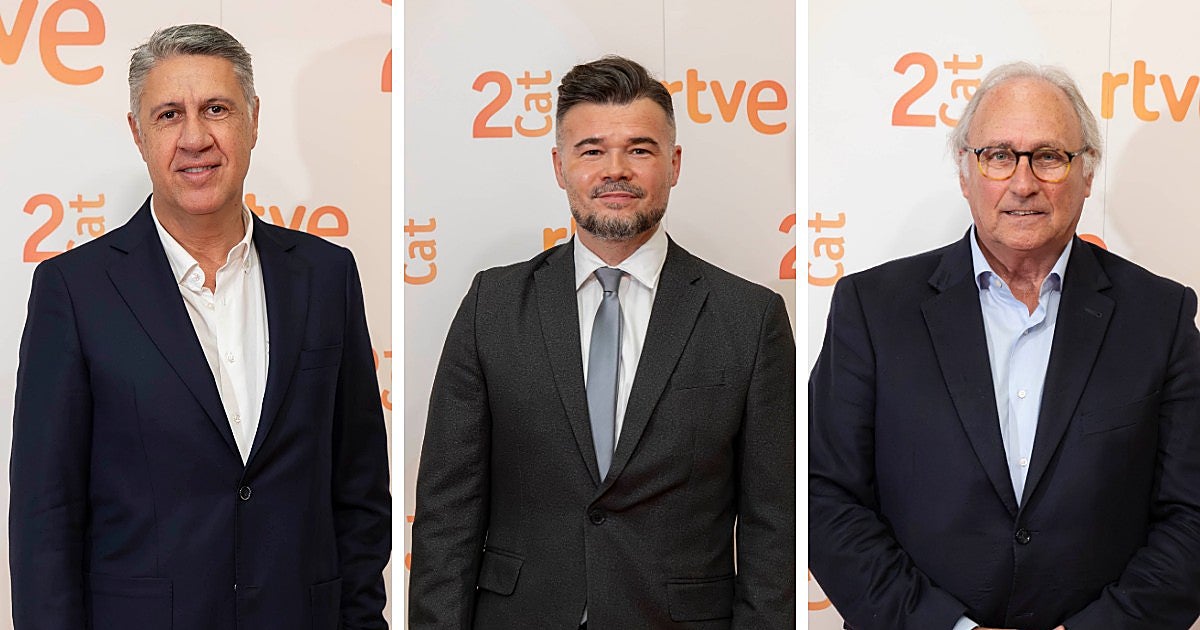
The electoral debate in Catalonia revolved around the use of Catalan and linguistic immersion, with Albiol (PP) defending the earpieces and Rufián (ERC) calling for Catalan as the only language in Catalonia, while Aizcorbe (Vox) proposed to eliminate mandatory immersion. #LenguaCatalana #InmersiónLingüística #DebateElectoral (translated)

www.abc.es
Albiol insiste en desmarcarse del PP con los pinganillos y Rufián reclama que el catalán sea «la única lengua en Cataluña»
2863
Pino Rotta 2w

Coordinated solitude, author Claudio Aloisio Written by Pino Rotta, November 8, 2026 Claudio Aloisio is a communication and marketing professional, a field in which he has worked for many years. When his first essay "Coordinated Solitude" (Ed. Ideacoop Media Service, 2026) was released, sharing the same field of activity and interests (albeit with different directions and experiences), I found it interesting to read it, especially since we share the same city but have not met, which was already a good reason to find the essay interesting and its title stimulating. "Coordinated solitude" is an essay that analyzes, with a wealth of documentation and bibliography, the phenomena of the formation of convergences or exclusions among groups and individuals through the study of media languages and, in particular, those of the digital domain. A field that has already been widely investigated for several years. My first approach to these new linguistic proposals dates back, among other readings, to a 1994 essay "Collective Intelligence" by Pierre Levy. In that essay, Levy, at the dawn of the web era, launched the idea that the network, which collected the contributions of millions of users, contained them all without controlling their paths, interactions, or effects. Stimulating concepts that today help us understand how much conflict can arise between theory and its application considering time and technological development. However, Aloisio surprises the reader with suggestions from the very first pages of the essay. In fact, despite addressing the analysis of digital languages with an epistemological line rooted in Anglo-Saxon studies, particularly American ones, from the outset the author seems to suggest that this is not a “technical” essay but is entirely political in the higher sense of the term. The first reference is found in the citation of an author who was among the fathers of European sociology in the early years of the last century: Emile Durkheim, one of the first sociologists and philosophers who analyzed social phenomena with enormous meticulousness and rigor, linking religion with social structure. This opening will be found in the subsequent pages of "Coordinated Solitude," but it will not be the only surprise in Aloisio's analytical developments. In the essay, the author describes how people who may share spaces, interests, and common values, by finding them in the digital world, can at a certain point recognize themselves in different affiliations and even come to see in others a “us” that makes them akin to their own story or a “them” that indicates a distance, exclusion, and even a threat in relation to it. The causes of these dynamics are very well structured in the essay, as is the well-structured context in which individual stories are born, meet, and ultimately find different outcomes. Outcomes that can lead to reinforcing one's affiliations, which, however, are discovered at the end of the interaction process and that, throughout the journey, rarely reach a state of awareness. Outcomes that are influenced by pre-existing value structures that do not necessarily coincide with those of the members of the groups with which one identifies or clashes. This path is analyzed by Aloisio by considering the social dynamics of the West, examining and contrasting similar but not necessarily overlapping social realities, such as American and Italian society. In the identification processes that coexist in these social realities, the belonging to social class, religious group, ethnicity, sexual orientation, and sense of nation enters strongly. Everyone has their own experiences, but at the end of a journey of interaction, now almost exclusively digital, one finds oneself sharing a sense of belonging with other multitudes of people who have completely different experiences. And in this sense of belonging, fears of the future, frustrations of the past and present are downloaded, and one is enveloped by fears and anger that must find an enemy to blame. An enemy that is often suggested by the discovery of affinities among the groups that are created, much more often than not created, on digital platforms. Addressing the current nature of the algorithms governed by Artificial Intelligence, the author suggests the method through which these affiliations arise, which can be irrational but are entirely real and influence individual and social daily life. The individual in the digital dimension, which becomes the everyday reality of social action, is called to take responsibility for maintaining their conviction and belonging or risk feeling excluded, isolated, alone. The weight of a choice that often becomes distressing and paralyzing. But how is it possible to read and interpret these “Coordinated Solitudes”? Aloisio's essay provides a reading and suggests a methodology to identify the path that sometimes, but not always, leads to the awareness of how certain choices are made and what elements need to be questioned to verify if the reading of these languages withstands the law of contradiction and thus can be used to ascribe scientific value to it. But at the end of this journey of understanding languages, forms of aggregation, and the proof of the compatibility of individual choices, Aloisio presents us with another surprise that speaks volumes about his educational journey. The discourse of education and the reading of digital languages is ultimately a discourse on democracy, on social structure, and these factors cannot be disregarded without risking losing the ability to give meaning to one’s social action as well as one’s communicative action. It is my view that the surprise that is the coherence of the entire analysis of the essay comes with the reference that the author makes at the end to the work of Jürgen Habermas. The most important philosopher, sociologist of language, heir of the Frankfurt School who passed away at the age of 97 in March 2026, is the foremost interpreter of the theory of democracy and of the criticism of oppressive authority, which does not exclude conflict but determines its progressive outcome through the mediation of communicative action. Communicative action that questions institutions not to destroy them but to avoid remaining subjected to authoritarianism and, in the form of linguistic mediation, to be active subjects, not subdued by a system that, due to the nature of formal institutions, can always degenerate into authoritarianism. Coordinated solitudes thus find themselves with a positive perspective, with outcomes that are never guaranteed or predetermined, but feasible for reconstructing trust in the future realized through the recognition of the other as part of a common living and not as a threat to be feared, excluded, or even suppressed. Lastly, it should be noted that, although not explicitly considered, Aloisio does not prioritize simplification in the reading of contexts, evading complexity as a fundamental element of contemporary society's reality (perhaps it would have been useful to refer to Edgard Morin's theories), but it is evident that complexity must be confronted with different analytical methodologies and that the appeal to the work of Zygmunt Bauman leads us to presume this. https://www.heliosmag.it/?p=1659 (translated)

803
LaVanguardia 2w

Six out of ten Catalans would express their desire to be civil servants, according to a survey that also reveals a high level of ignorance about aid for competitive examinations and concerns about issues such as language education and infrastructure in the face of drought episodes and emergencies. #Funcionarios #Catalunya #Encuesta (translated)

www.lavanguardia.com
Seis de cada diez catalanes asegura que, si pudiera, querría ser funcionario
2872
Luciano Magaldi Sardella (PhD) 2w

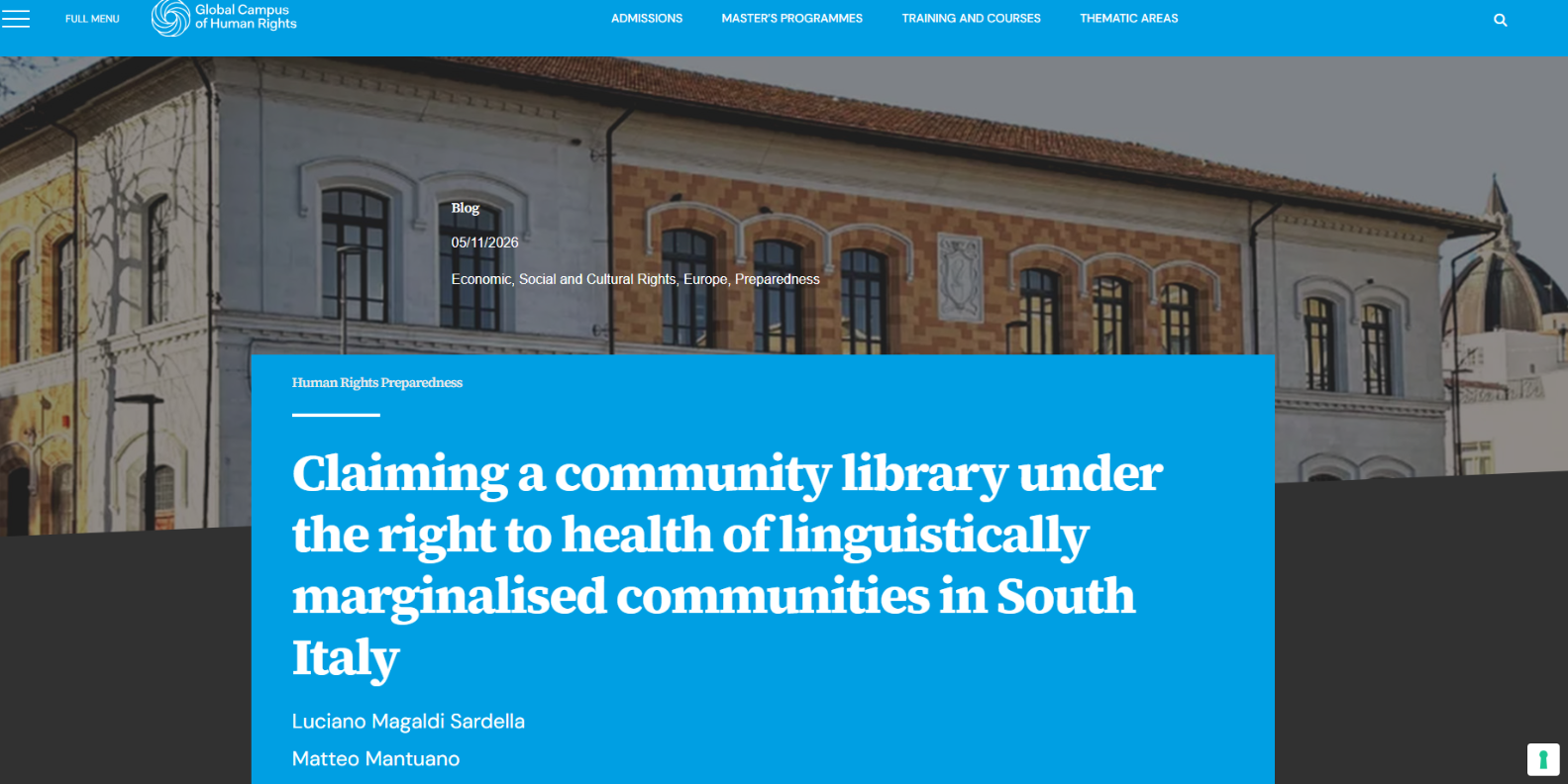
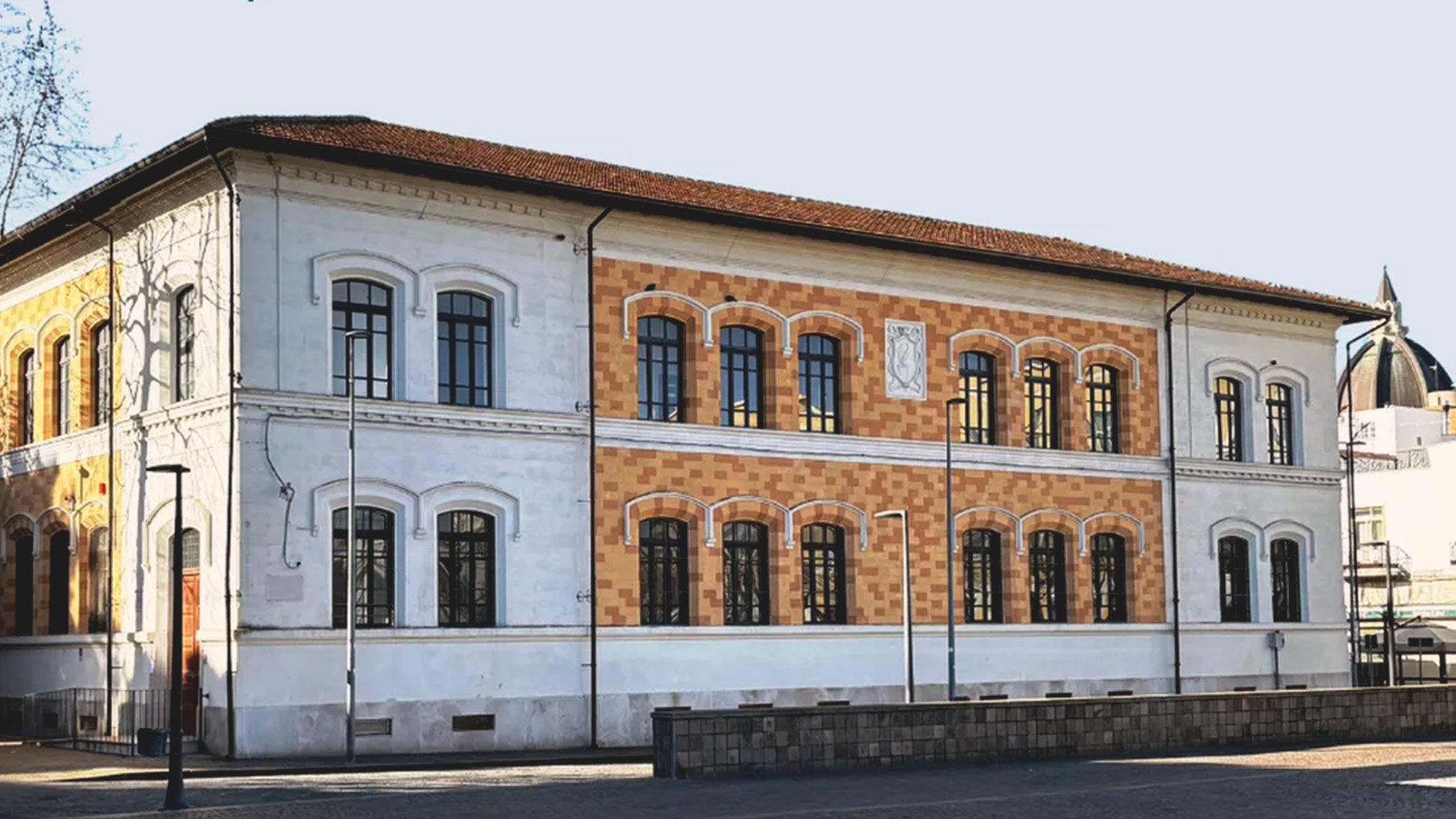
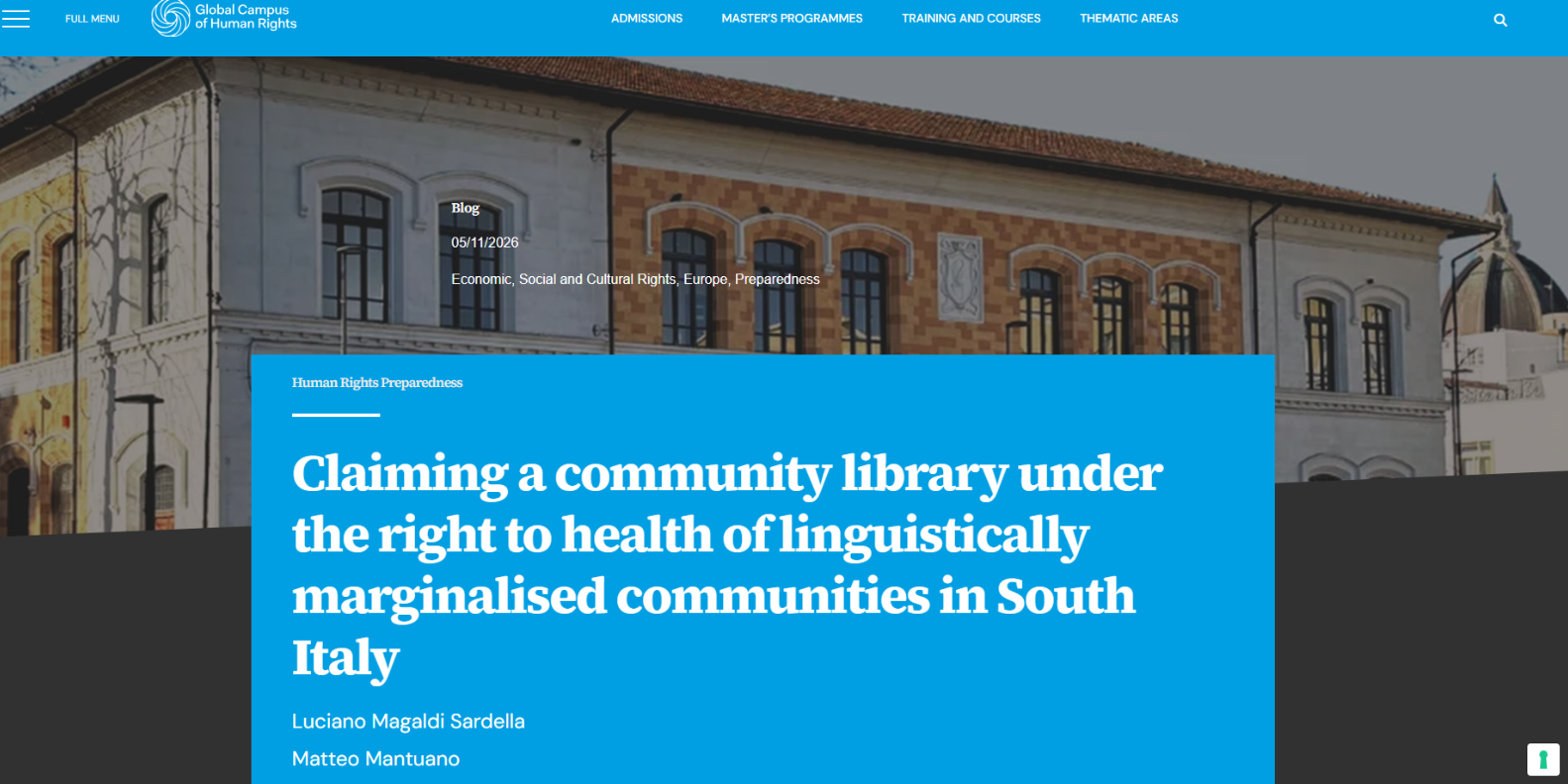
THE COMMUNITY LIBRARY AND DICTIONARY "NICOLA ZINGARELLI" ON THE PRESTIGIOUS "GLOBAL CAMPUS OF HUMAN RIGHTS" And if the health of a community began not in a clinic, but among the shelves of a library? Cerignola, March 13, 2026. A chain of hands crosses the city. From the old municipal library to the new home, built in the renovated schools, books pass from hand to hand. A man hands a volume, a little girl receives it, an elderly person passes it on. It’s not a move but a declaration. The new Community Library, in a city of 57,700 inhabitants in the heart of Puglia, bears the name of Nicola Zingarelli, the founder of one of Italy's most beloved dictionaries. And to every user, it offers the use of that very dictionary. As the “Community Dictionary”. Here lies the point that questions us, as jurists and as citizens. In Italy, many elderly people in the South and many migrants live daily in another language: dialect, mother tongue, Romance varieties. Law 482/1999 protects historical linguistic minorities, not these varieties. When a leaflet, an informed consent, a prescription remains only partially understood, the quality and safety of care are compromised. Not due to negligence. Due to linguistic distance. The dictionary of the great philologist and purist Nicola Zingarelli does not translate dialects and does not replace interpreters and cultural mediators. Let it be clear: it is a monolingual dictionary of standard Italian. Its strength, in terms of human rights, lies elsewhere. It removes economic and symbolic barriers to access to standard language and creates what we have called a “linguistic common resource”: a common space where anyone, regardless of income and education, can check the meaning of a diagnosis, a prescription, an administrative form. This is what we mean by “public bibliotherapy”. The right to health, as interpreted by the Committee on Economic, Social and Cultural Rights in General Comment No. 14, includes the right to health information. General Comment No. 21 recalls that libraries are cultural institutions whose accessibility is a priority. Article 32 of the Constitution protects health as a fundamental right and collective interest. Article 12 of the International Covenant on Economic, Social and Cultural Rights obliges states to ensure services that are available, accessible, acceptable, and of good quality, with accessibility expressly including information. Yet almost half of Europeans, according to a 2024 Council of Europe report, have limited health literacy. In Chisinau, on March 26, 2026, it was reiterated that this is a major obstacle to the implementation of Article 11 of the European Social Charter. Reading, understanding, choosing: without these abilities, the right to health remains an abstract promise. Cerignola responds concretely. And the first three months tell this story with numbers, not slogans: more than 7,500 new visitors, 526 new members, 1,293 participants in workshops. A study from Yale University in 2016, on 3,635 participants over 50 followed for 12 years, observed that those who read books died on average 20 percent less frequently than those who did not read. It is not proof that reading extends life but a strong hint that reading contributes to health. Not every library is a clinic, nor do we want it to become one. But a boxed collection, in transit, cannot be borrowed, consulted, shared. And an inaccessible collection does not benefit anyone's health. The human chain in Cerignola has restored availability and accessibility, transforming a stored inventory into a vibrant public service. England has integrated social prescribing into its National Health Service since 2019. The UNESCO Manifesto for Public Libraries promotes them as social and health hubs. When a library is forced to close, the issue is not just the cost. It is the legitimacy of a regressive measure, for which the state must bear the burden of proof. From here, four steps to ensure Cerignola is not an exception. First: integrate health literacy into national planning, with information in clear language and, where appropriate, in dialects and migrant languages, disseminated through libraries. Second: recognize public libraries as relevant infrastructure for the right to health, with stable funding and a human rights impact assessment before any closure. Third: support the Coalition for Health Literacy and Human Rights and the Rome Declaration, which the Council of Europe will discuss in Rome on December 4, 2026, and measure health literacy with ISTAT data disaggregated by language and age. Fourth: rigorously assess community libraries, not for attendance but for health literacy and access to services. Rights, like the books of Cerignola, if left boxed do not heal anyone. They must come out of boxes, pass from hand to hand, become comprehensible words. If you believe that a library can also be a health hub, spread this story. Cerignola has shown the way. Now it is up to the institutions to follow it. (translated)

www.gchumanrights.org
Claiming a community library under the right to health of linguistically marginalised communities in South Italy
575
Luciano Magaldi Sardella (PhD) 2w

What if the health of a community began not in a clinic, but among the shelves of a library? Cerignola, 13 March 2026. A chain of hands crosses the town. From the old municipal library to the new home, created in renovated schools, the books pass from hand to hand. A man hands over a volume, a child receives it, an older person passes it on. It is not a move. It is a statement. The new Community Library, in a town of 57,700 people in the heart of Puglia, bears the name of Nicola Zingarelli, the founder of one of Italy’s best loved dictionaries. And it offers every user the use of that very dictionary. As a “Community Dictionary”. Here is the point that questions us, as lawyers and as citizens. In Italy many older people in the South and many migrants live every day in another language: dialect, language of origin, Romance variety. Law 482/1999 protects historic linguistic minorities, not these varieties. When a patient leaflet, an informed consent form, a prescription remain only half understood, the quality and safety of care suffer. Not through negligence. Through linguistic distance. The dictionary of the great philologist and member of the Accademia della Crusca from Cerignola, Nicola Zingarelli, does not translate dialects and does not replace interpreters and cultural mediators. To be clear: it is a monolingual dictionary of standard Italian. Its strength, in human rights terms, lies elsewhere. It removes economic and symbolic barriers to access to the standard language and creates what we have called a “common linguistic resource”: a common space where anyone, whatever their income and schooling, can check the meaning of a diagnosis, a prescription, an administrative form. This is what we mean by “public bibliotherapy”. The right to health, as interpreted by the Committee on Economic, Social and Cultural Rights in General Comment №14, includes the right to health information. General Comment №21 recalls that libraries are cultural institutions whose accessibility is a priority. Article 32 of the Constitution protects health as a fundamental right and a collective interest. Article 12 of the International Covenant on Economic, Social and Cultural Rights obliges States to guarantee services that are available, accessible, acceptable and of good quality, with accessibility expressly including information. Yet almost half of Europeans, according to a Council of Europe report of 2024, have limited health literacy. In Chisinau, on 26 March 2026, it was restated that this is a major obstacle to the implementation of Article 11 of the European Social Charter. To read, to understand, to choose: without these abilities, the right to health remains an abstract promise. Cerignola responds in a concrete way. And the first three months tell it with numbers, not with slogans: more than 7,500 new visitors, 526 new members, 1,293 participants in workshops. A Yale University study of 2016, on 3,635 participants over 50 followed for 12 years, observed that those who read books died on average 20 per cent less often than those who did not read. It is not proof that reading lengthens life. It is a powerful sign that reading contributes to health. Not every library is a clinic, nor do we want it to become one. But a boxed up collection, in transit, cannot be borrowed, consulted, shared. And an inaccessible collection does no good to anyone’s health. The human chain of Cerignola restored availability and accessibility, turning a stored inventory into a living public service. England has integrated social prescribing into its National Health Service since 2019. The UNESCO Manifesto for Public Libraries promotes them as social and health posts. When a library is forced to close, the question is not only cost. It is the legitimacy of a regressive measure, for which the State must bear the burden of proof. From here, four steps to ensure Cerignola does not remain an exception. First: integrate health literacy into national planning, with information in plain language and, where appropriate, in dialects and migrant languages, spread with the libraries. Second: recognize public libraries as infrastructure relevant to the right to health, with stable funding and a human rights impact assessment before every closure. Third: support the Coalition for Health Literacy and Human Rights and the Rome Declaration, which the Council of Europe will discuss in Rome on 4 December 2026, and measure health literacy with ISTAT data broken down by language and age. Fourth: evaluate community libraries with rigour, not by attendance but by health literacy and access to services. Rights, like the books of Cerignola, if they stay boxed up cure no one. They must come out of the boxes, pass from hand to hand, become an understood word. If you believe that a library can also be a health post, share this story. Cerignola has shown the way. Now it is up to the institutions to follow it. (translated)

www.gchumanrights.org
Claiming a community library under the right to health of linguistically marginalised communities in South Italy
575
ABC TU DIARIO EN ESPAÑOL 2w

Education in Catalonia, following the Language Normalization Law of 1983, has prioritized Catalan and has led to political indoctrination that has resulted in an alarming decline in the academic and social performance of students, especially in comparison to other regions of Spain. #EducaciónCataluña #LenguaCatalana #AdoctrinamientoPolítico (translated)

www.abc.es
Una conducta autolesiva en Cataluña
2645
ABC TU DIARIO EN ESPAÑOL 2w

The article discusses the inclusion of the word 'fatphobia' in the RAE dictionary, emphasizing that although a dangerous prejudice against overweight people is recognized, there is also a negative social stigma against thin people that deserves equal attention and linguistic legitimacy. #gordofobia #RAE #lenguaje (translated)

www.abc.es
Delgadofobia
2762
ABC TU DIARIO EN ESPAÑOL 2w

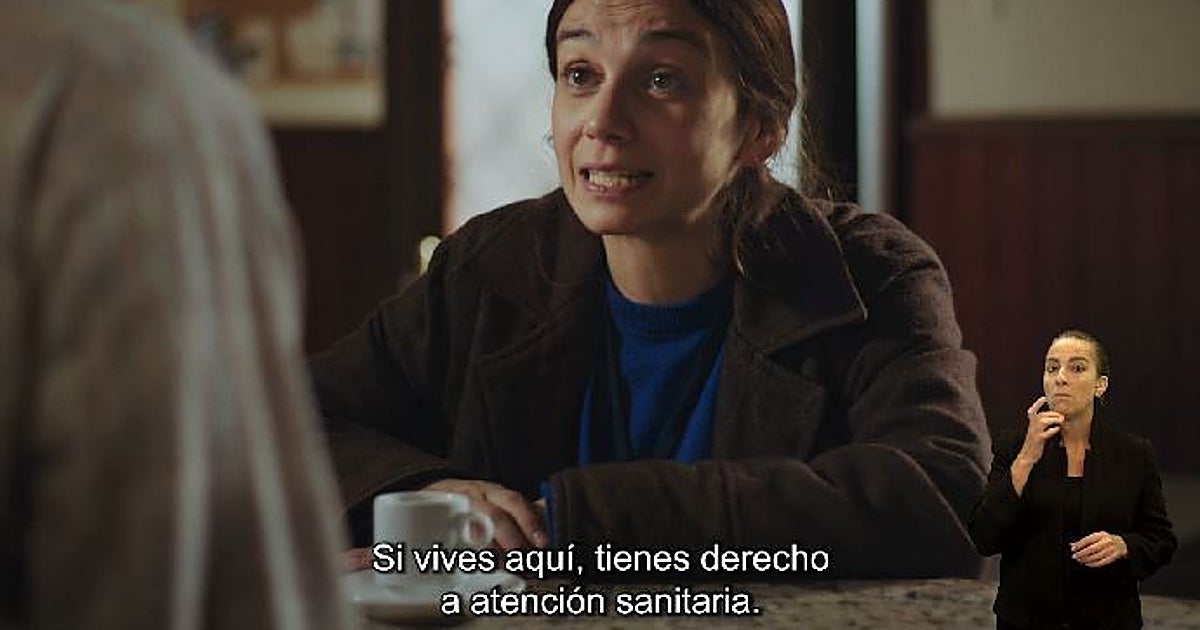
Mónica García has invested 146,000 euros in a campaign by the Ministry of Health that aims to inform immigrants about their right to free healthcare in Spain, using a spot in several languages to reduce language barriers. #SanidadUniversal #Inmigración #DerechoASalud (translated)

www.abc.es
Mónica García gasta 146.000 euros en una campaña para recordar a los inmigrantes que la sanidad es gratuita
3337
Il Sole 24 ORE 3w

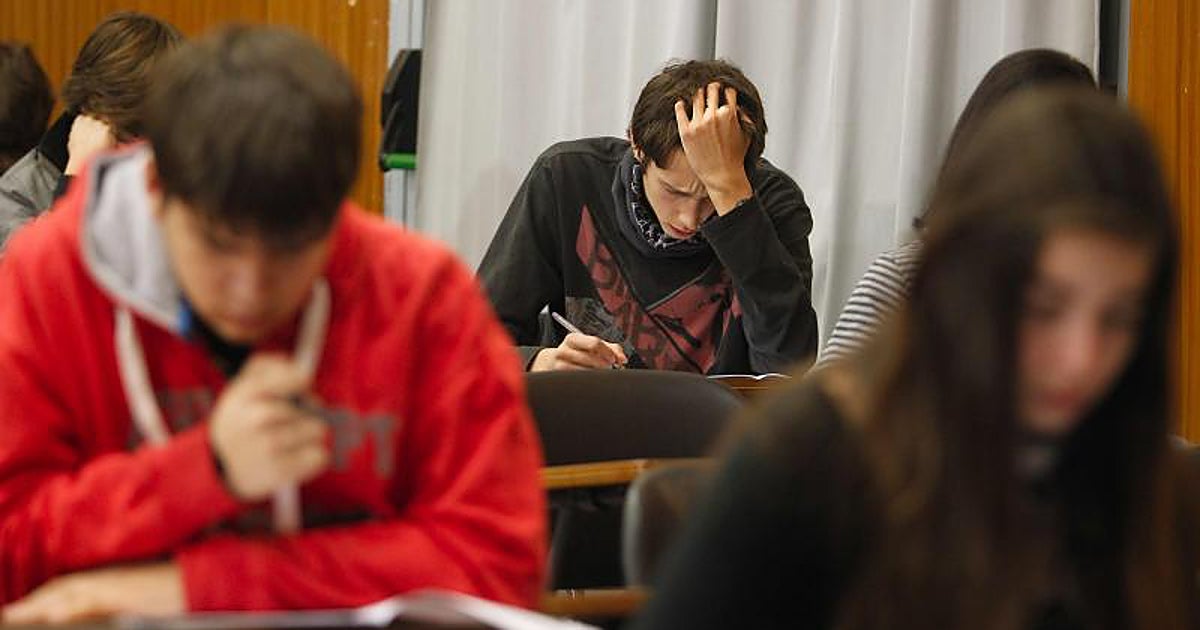
The article highlights how the language barrier and economic fragilities amplify the gap in Italian scores between native students and first-generation immigrants, with a difference of 40 points in elementary schools and 25 points in high schools. #Università #Startup #Integrazione (translated)

www.ilsole24ore.com
Lingua e fragilità economiche allargano i gap in italiano
2887
ABC TU DIARIO EN ESPAÑOL 3w

Carmen Leal, a retired teacher of Spanish Language, criticizes the language immersion in Catalonia, arguing that it ignores the need to strengthen the mother tongue of children, especially Spanish speakers, which has led to an educational deterioration and the transformation of schools into tools of Catalan nationalism. #InmersiónLingüística #EducaciónCataluña #Bilingüismo (translated)

www.abc.es
Carmen Leal: «La inmersión catalana ignora que los niños necesitan afianzar la lengua de su hogar para aprender»
2888
eldiario.es 4w

The PP, led by Alberto Núñez Feijóo, reopens the debate on language immersion in Catalonia by including a commitment to Spanish in its campaign that contradicts efforts to connect with Catalan-speaking voters and provokes opposition from figures in Catalan nationalism who defend the primacy of Catalan in education. #Catalán #InmersiónLingüística #PP (translated)

www.eldiario.es
El PP vuelve a enredarse con el catalán: de rectificar el pacto por la lengua de Albiol a cuestionar la inmersión
3029
LaVanguardia Oct 19

Catalan nationalism strongly criticizes Alberto Núñez Feijóo's proposals regarding the Catalan language in education, warning that Catalonia will defend itself against any attempt to end linguistic immersion. #Catalunya #LenguaCatalana #InmersiónLingüística (translated)

www.lavanguardia.com
El catalanismo político carga contra la receta de Feijóo sobre la lengua catalana en las aulas
3031
ABC TU DIARIO EN ESPAÑOL Oct 18

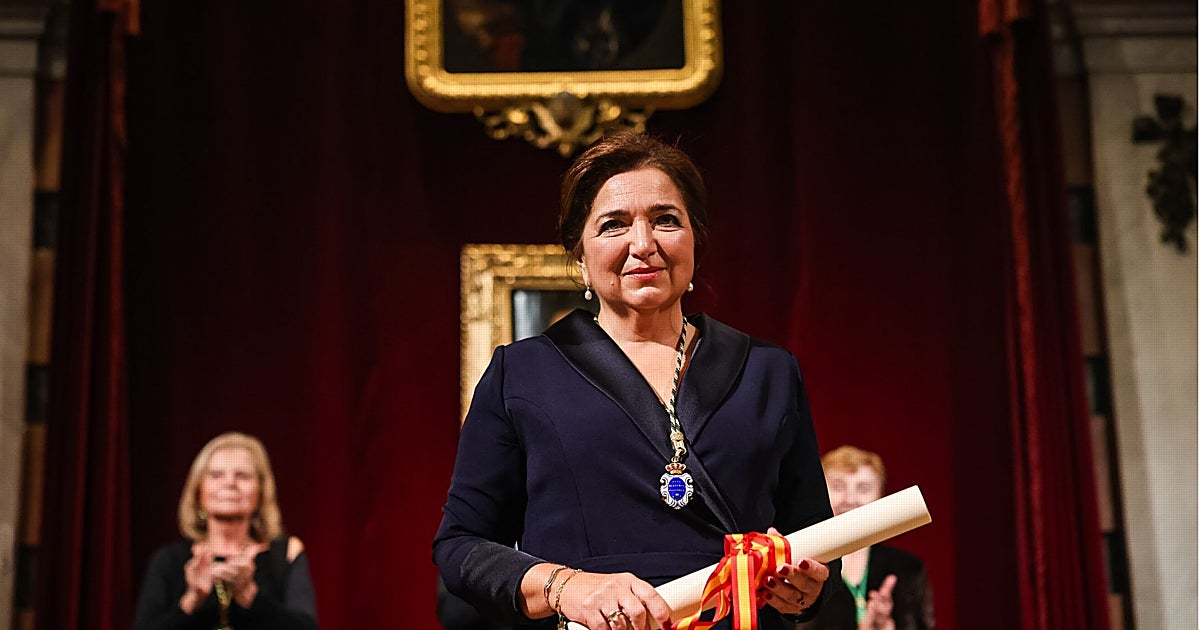
Cristina Sánchez López joined the Royal Spanish Academy, highlighting grammar as a cartography of the language and advocating for education and the recognition of linguistic diversity. #RAE #Gramática #DiversidadLingüística (translated)

www.abc.es
Cristina Sánchez López ingresa en la RAE con una defensa de la gramática como «cartografía del idioma»
2799
E
EL MUNDO Oct 16

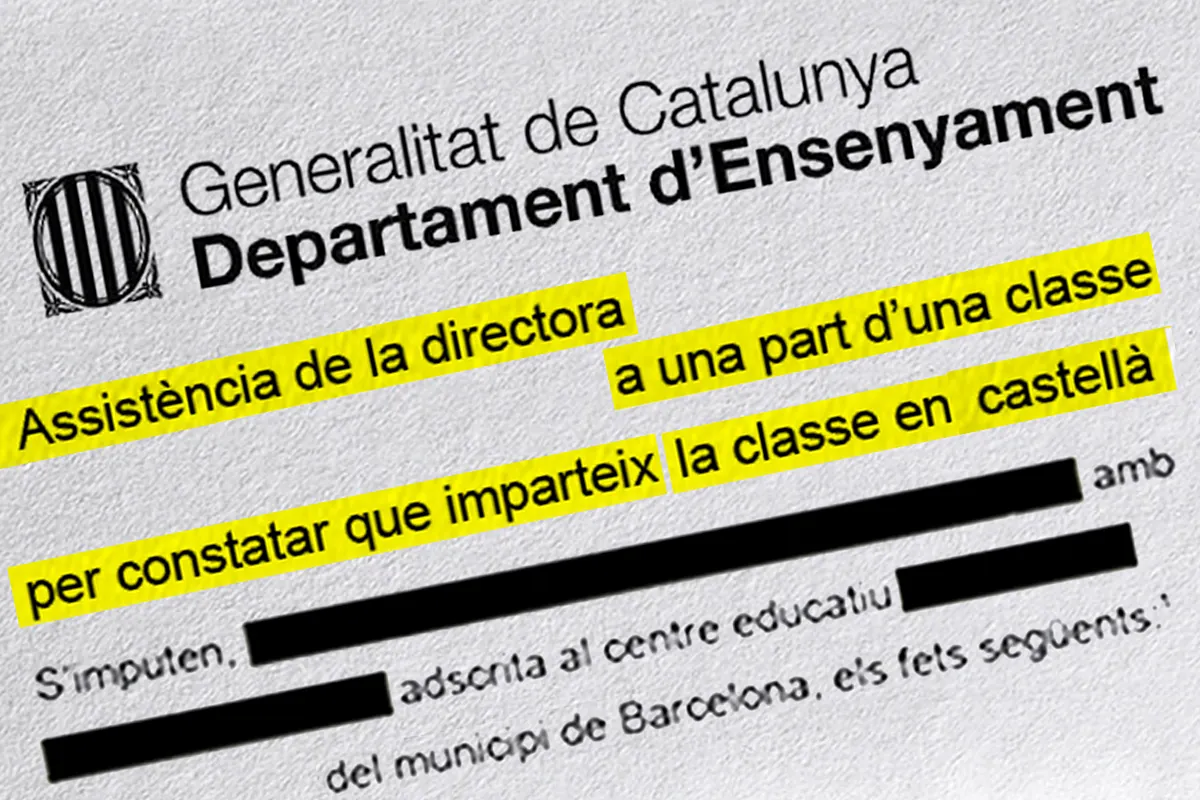
In Catalonia, teachers who use Spanish in their classes are being reported by the management of the schools and the educational inspection, which has generated controversy over the linguistic policy of the Generalitat. #Cataluña #Lengua #Educación (translated)

www.elmundo.es
Expedientes a profesores por usar el español: "Se le imputa impartir en castellano. La directora asiste a una clase y lo constata"
2452
𝐿𝑜𝑟𝑎 ᯓ★ Wrld summary Oct 13

The author stated that the breaking down of language barriers was the best thing that happened on Twitter and praised a video that she considered wonderful. #Comunicação #Linguagem #Twitter (translated)

3742