Who Owned the Word “Socialism”? One of the great distortions of twentieth-century political history is the claim that because Nazis and fascists fought Marxists and communists, they must therefore have been their political opposites — and hence “right-wing.” That conclusion does not follow. Marxists, communists, fascists and National Socialists all described their movements in socialist or collectivist terms, though they understood socialism very differently. The Nazis called themselves National Socialists, while fascism emerged partly from the revolutionary socialist milieu and retained strong anti-liberal, anti-capitalist and collectivist elements. The crucial development was that Marxists and communists increasingly established themselves as the authoritative owners of the word “socialism.” As Marxism became the dominant form of revolutionary socialism, “socialist” increasingly came to mean specifically Marxist, class-based and internationalist socialism. Movements that rejected Marxism could therefore appear to be its political opposite simply because they fought Marxists. But political enemies are not necessarily ideological opposites. Nazis and fascists competed with communists and other socialists for overlapping constituencies — workers, lower-middle-class voters and people alienated by liberal capitalism and parliamentary politics. Their conflict was therefore not simply socialism versus its opposite, but also a struggle between rival forms of post-liberal collectivism. This is where Hayek and Mises matter. Neither claimed that communism, fascism and Nazism were identical. Their argument was that these movements belonged to a broader anti-liberal, collectivist tradition, despite their profound differences and mutual hostility. A socialist movement can fight another socialist movement. Communists and social democrats did precisely that. So the question cannot be settled by asking whom the Nazis and fascists persecuted. It must be settled by examining the principles and political objectives they themselves advocated. “They fought socialists, therefore they were right-wing” is not an argument. It is a conclusion disguised as one.
Leszek Kołakowski: Marxism, Historical Truth, and the Dangers of Political Absolutism Kołakowski was a major intellectual figure because he combined serious philosophical training, firsthand experience of communism, and the courage to revise his own convictions. He was not an anti-communist attacking Marxism from outside. He had once believed in Marxism and understood its appeal from within. After the 1956 thaw, he initially tried to recover a more humane Marxism based on freedom, dignity, and opposition to bureaucratic tyranny. His later criticism therefore carried unusual weight: it came from someone who had taken the doctrine seriously and tried to save it. His importance also lies in the distinctions he made. He did not simply equate Marx, Lenin, Stalin, and every form of socialism. In *Main Currents of Marxism*, he traced the development of Marxist ideas and examined how concepts such as historical necessity, class conflict, ideological truth, and the revolutionary party could encourage political intolerance. His central warning was that a movement claiming privileged access to historical truth may eventually treat disagreement not as legitimate opinion but as error, reaction, or treason. Once one party claims to represent history or humanity, it can justify controlling the press, courts, universities, civil society, and private life. This helps explain why communist regimes so often produced censorship, one-party rule, political policing, and coercive social transformation. My evaluation is that Kołakowski identified a genuine danger in Marxist political theory: the tendency to subordinate individual freedom and institutional pluralism to an allegedly necessary historical goal. His critique also makes the phrase “that was not real Marxism” inadequate on its own. Kołakowski’s greatest achievement was therefore not proving that “Marxism equals terror.” It was showing why a doctrine promising total liberation can become dangerous when it also claims total knowledge and gives one political organization the authority to impose that promise.

A educação brasileira não pode continuar sendo usada como instrumento de formação político-partidária de nossas crianças e adolescentes. Combato esse problema há mais de uma década, não apenas no discurso, mas por meio de propostas concretas apresentadas durante minha atuação parlamentar. Fui autor do projeto que instituiu o Programa Escola sem Partido, defendendo o direito do aluno de não ser submetido à propaganda político-partidária dentro da sala de aula e o direito das famílias de participarem ativamente da formação de seus filhos. Também apresentei proposta de adesão a uma política de alfabetização baseada em evidências científicas, buscando priorizar métodos que efetivamente ensinem nossas crianças a ler e escrever. Defendi ainda o homeschooling, garantindo às famílias a possibilidade de escolher a educação domiciliar dentro de regras estabelecidas e ampliando a liberdade dos pais sobre a formação educacional de seus filhos. Durante a pandemia, propus reconhecer escolas públicas e privadas como serviços essenciais, porque sempre entendi que a educação não pode ser colocada em segundo plano. Também apresentei iniciativas para preservar o correto ensino da língua portuguesa e combater alterações ideológicas impostas à linguagem dentro de instituições públicas e escolares. Outra proposta de minha autoria buscou impedir que conteúdos relacionados a marxismo, socialismo, comunismo, gramscismo e outras correntes ideológicas fossem utilizados como instrumentos de militância na educação infantil e fundamental, estabelecendo que esses assuntos fossem tratados dentro do conteúdo pedagógico adequado e oficialmente previsto. Também me posicionei contra mecanismos que fortaleciam o monopólio da UNE na concessão de benefícios estudantis e participei de propostas voltadas à prevenção às drogas entre crianças e jovens. Minha linha de atuação sempre foi clara: liberdade das famílias, respeito aos alunos, combate à militância político-partidária, alfabetização de qualidade, proteção das crianças e valorização do conhecimento. E é exatamente essa luta que quero levar ao Senado Federal. Em Brasília, quero ampliar a participação dos pais na educação de seus filhos, defender a liberdade de consciência dos estudantes, avançar na regulamentação nacional do homeschooling, fortalecer políticas de alfabetização baseadas em evidências, fiscalizar os recursos destinados à educação e enfrentar qualquer tentativa de transformar escolas em espaços de doutrinação político-partidária. A escola deve ensinar português, matemática, ciências, história, geografia, tecnologia e preparar nossos jovens para a vida. Professor deve ensinar. Aluno deve aprender. E os pais jamais podem ser afastados da educação dos próprios filhos. Nossas crianças pertencem às suas famílias, não a partidos políticos, movimentos ideológicos ou projetos de poder. Educação é conhecimento, liberdade, responsabilidade e futuro. É pelo futuro de nossos filhos e netos que essa batalha precisa ser enfrentada também no Senado Federal. 🇧🇷 #Educação #Liberdade #Alfabetização


"PVDA nodigt Hasan Piker uit, zelfverklaarde marxist met een Porsche." Goed idee! Ik heb marxisten zonder een Porsche altijd een beetje ongeloofwaardig gevonden. #PVDA #Marxisme #HasanPiker
Leszek Kołakowski: Marxism, Historical Truth, and the Dangers of Political Absolutism Kołakowski was a major intellectual figure because he combined serious philosophical training, firsthand experience of communism, and the courage to revise his own convictions. He was not an anti-communist attacking Marxism from outside. He had once believed in Marxism and understood its appeal from within. After the 1956 thaw, he initially tried to recover a more humane Marxism based on freedom, dignity, and opposition to bureaucratic tyranny. His later criticism therefore carried unusual weight: it came from someone who had taken the doctrine seriously and tried to save it. His importance also lies in the distinctions he made. He did not simply equate Marx, Lenin, Stalin, and every form of socialism. In *Main Currents of Marxism*, he traced the development of Marxist ideas and examined how concepts such as historical necessity, class conflict, ideological truth, and the revolutionary party could encourage political intolerance. His central warning was that a movement claiming privileged access to historical truth may eventually treat disagreement not as legitimate opinion but as error, reaction, or treason. Once one party claims to represent history or humanity, it can justify controlling the press, courts, universities, civil society, and private life. This helps explain why communist regimes so often produced censorship, one-party rule, political policing, and coercive social transformation. My evaluation is that Kołakowski identified a genuine danger in Marxist political theory: the tendency to subordinate individual freedom and institutional pluralism to an allegedly necessary historical goal. His critique also makes the phrase “that was not real Marxism” inadequate on its own. Kołakowski’s greatest achievement was therefore not proving that “Marxism equals terror.” It was showing why a doctrine promising total liberation can become dangerous when it also claims total knowledge and gives one political organization the authority to impose that promise.
“Who Owned the Word “Socialism”? One of the great distortions of twentieth-century political history is the claim that because Nazis and fascists fought Marxists and communists, they must therefore have been their political opposites — and hence “right-wing.” That conclusion does not follow. Marxists, communists, fascists and National Socialists all described their movements in socialist or collectivist terms, though they understood socialism very differently. The Nazis called themselves National Socialists, while fascism emerged partly from the revolutionary socialist milieu and retained strong anti-liberal, anti-capitalist and collectivist elements. The crucial development was that Marxists and communists increasingly established themselves as the authoritative owners of the word “socialism.” As Marxism became the dominant form of revolutionary socialism, “socialist” increasingly came to mean specifically Marxist, class-based and internationalist socialism. Movements that rejected Marxism could therefore appear to be its political opposite simply because they fought Marxists. But political enemies are not necessarily ideological opposites. Nazis and fascists competed with communists and other socialists for overlapping constituencies — workers, lower-middle-class voters and people alienated by liberal capitalism and parliamentary politics. Their conflict was therefore not simply socialism versus its opposite, but also a struggle between rival forms of post-liberal collectivism. This is where Hayek and Mises matter. Neither claimed that communism, fascism and Nazism were identical. Their argument was that these movements belonged to a broader anti-liberal, collectivist tradition, despite their profound differences and mutual hostility. A socialist movement can fight another socialist movement. Communists and social democrats did precisely that. So the question cannot be settled by asking whom the Nazis and fascists persecuted. It must be settled by examining the principles and political objectives they themselves advocated. “They fought socialists, therefore they were right-wing” is not an argument. It is a conclusion disguised as one” - ChatGPT

Vantaan imaami Sharmarke Said Aw-Mussen kommentti Heikki Vestmannin islamia koskevaan julkaisuun on jälleen laadukasta, Aw-Musselle tuttua kaavaa - islamissa sallittua joustavuutta petoksen suhteen edistääkseen islamin asiaa. Islamilainen pelikirja on aina sama, se noudattaa DARVO:n taktiikoita. DARVO tulee sanoista Deny, Attack and Reverse Victim Order. Ensin kiistetään syytökset, jonka jälkeen syytös peilataan takaisin alkuperäiseen syyttäjään. Syytöksen kohde maalataan uhriksi ja syytösten esittäjä alistajaksi. Niin myös imaami Sharmarke Said Aw-Mussen tuoreimmassa, jossa hän luonehtii Vestmanin kirjoitksen "vastuuttomaksi" ja hänen "motiivinsa" kyseenalaiseksi; pohtii mikä oli motiivi "julkaistu tällainen kirjoitus juuri nyt". Turun ilmapiiri on kuulemma "jo valmiiksi jännittynyt". "Juuri tällaisina aikona" ja vielä Vestamin asemassa Aw-Musse kertoo odottavansa "harkintaa eikä vastakkainasettelua lisääviä yleistyksiä". "Samalla ihmettelen sitä itsevarmuutta, jolla Pj. ryhtyy määrittelemään islamia, shariaa ja islamilaista oikeusoppia, vaikka hänellä ei tietääkseni ole minkäänlaista asiantuntemusta islamilaisesta teologiasta tai oikeustieteestä." Islamin kritisointi tavan kansalaisena kun ei sovi imaamin näkemykseen. Eihän tavantallaaja voi tietää mitä Koraanissa ja haditheissa "oikeasti" sanotaan eikä mitä niillä "oikeasti" tarkoitetaan. Sharmarken mukaan islamilainen oikeusperinne "ei yksiselitteisesti opeta" etteikö muslimi "voisi elää" maallisen lainsäädännön alaisuudessa. Ei opetakaan. Muslimi kyllä "voi elää" mallisen lainsäädännön alaisuudessa. Ne historialliset sopimukset, joihin Sharmarke viittaa, ovat juurikin väliaikaisia maallisia sopimuksia (hudna). Kuten Sharmarke itse sanoo, "islamin historiassa tunnetaan vahvasti sopimusten ja yhteiskunnan järjestyksen kunnioittaminen"... niin pitkään kuin on tarpeen. "Eikä tietääkseni kukaan ole vaatimassa Suomeen erillistä oikeusjärjestelmää." "Tietääkseni" on mielenkiintoinen ilmaisu. Kuten myös "erillistä oikeusjärjestelmää". Islamin opinkappaleet ja sotalordin käskyt ovat selvät: koko maailman on alistuttava Allahin käskyjen alle. Siten ei voida puhua "erillisestä" oikeusjärjestelmästä, vaan "korvaavasta". Shariasta. Tietääkseni imaami Aw-Mussen kyllä ymmärtää tämän. "Juuri siksi olen huolissani keskustelusta, joissa näitä oikeuksia pyritään kaventamaan tai niiden oikeutusta kyseenalaistamaan islamia koskevien uhkakuvien kautta." Aivan kuten hijab-, niqab- ja burkhakeskustelussa, Aw-Musse kääntää uskonnonvapauden inversioksi niin, että kuvaa naisten ja tyttöjen kuolonkankaisiin käärimisen estämisen olevan uskonvapauden vastaista. Samoin kun koulussa paastoamaan pakotettuja lapsia on "vain vähän" ja heidän uskonnonvapauttaan on kunnioitettava niin, ettei heidän paastoamistaan saa estää. "Perustuslakivaliokunnan Pj. jos kenen pitäisi ymmärtää, ettei perustuslakia puolusteta tekemällä kokonaisesta uskonnollisesta perinteestä tai ihmisryhmästä uhkakuvaa." Edelleen, islamin opinkappaleiden ja sen käytännön sovellusten arviointi ei ole yksittäisten muslimien demonisointia. Esimerkiksi ainoastaan islamista inspiroituneiden terroristien, jihadistien, toimien arviointi voidaan leimata "kielteiseksi stereotypioinniksi ja islamofobiaksi". Siten estää keskustelu ainoastaan islamista ja islamisaatiosta puhkeavista ongelmista. "Toivon erityisesti päättäjiltä vastuuullisuutta sanoissaan. Vähemmistöjä demonisoiva, epäluuloa ruokkiva ja vastakkainasettelua syventävä puhe ei vahvista Suomea eikä niitä arvoja, joille yhteiskuntamme rakentuu." Perusoikeuksien näkökulmasta toinen mielenkiintoinen kysymys on islamin järjestelmällinen naisten ja tyttöjen alisteinen asema, joka on lähtökohtaisesti täydellisen ristiriidassa sen suhteen mitä Suomessa ja suomalaisessa yhteiskunnassa on pidetty arvoina. Ylipäätään burkhiin ja niqabeihin pukeutuvia tyttöjä näkyy "vain vähän", kuulemma ketään ei "pakoteta" pukeutumaan kangaskahleeseen ja on osa tytön uskonvapautta kääriytyä kankaaseen. Vaikka kaupungeilla tulee vastaan naisia ja pieniä tyttöjä kaavuissa, kuulemme usein puheita miten "pieniä tyttöjä ei oikeasti käytä islamilaisia kaapuja". Tosin hiljalleen tässäkin on edetty jo kohtaan "pieniä tyttöjä, jotka käyttävät islamilaisia kaapuja, on todellisuudessa niin vähän, ettei asiaan kannata puuttua". Tästä huolestuttavan konkreettisena esimerkkinä toimii Iltalehden Ida Erämaan artikkeli heinäkuulta 2025: "Tervetuloa kouluun, burkha?" joka noudattaa täsmälleen tätä ennaltamäärättyä kaavaa. Ilmiöön puuttuminen kuvataan uskonvapauden rikkomisena ja kaapuihin peitettyjen tyttöjen uskonvapauden viemisenä. Kun islamilaisten hautajaisten kohdalla keväällä 2026 nousi esiin keskustelu miksei miehet ja naiset saata olla edes samalla nurmella, keskustelu kehystettiin "rasistiseksi", "islamofobiseksi" ja "ennakkoluuloiseksi". Kun ramadanin aikaan nousee esiin kuinka lapset pakotetaan paastoamaan, tämän sanotaan "rajoittavan lasten vapautta harjottaa uskontoaan". Ylen studiossa kun keskustelija toi esiin miten islamissa on sallittua vääräuskoiselle valehtelu islamin asian edistämiseksi, toimittaja lopetti keskustelun seinään. "Täällä ei ole islaminuskoista kantaansa puolustamassa". Termillä "islamofobia" ei ole muuta funktiota kuin lakkauttaa keskustelu islamin todellisista ongelmista ja ennaltaehkäistä kaikki kritiikki islamia kohtaan. Vaikka miten perusteltu ja aiheellinen. EU:n valmistelussa oleva "Anti-Muslim hatred" pyrkii laajentamaan tätä määritelmää vielä entisestään. Joten kun imaami Aw-Musse lopussa viittaa Suomen pohjalla virtaaviin arvoihin... ehkä niitä todella on syytä pohtia. Jos uskonnonvapauden nimissä ajetaan poliittisen ja uskonnollisen siiven sisältävää ideologiaa, jonka keskeisenä tarkoituksena on vallitsevan yhteiskuntajärjestelmän korvaaminen toisella, on enemmän kuin perusteltua pohtia kuuluuko sen ajaminen uskonnonvapauteen. Eikä tämä rajoitu vain islamiin, vaan esimerkiksi marxismiin aivan yhtä lailla. Molempien ideologioiden mukaan kun moraali määrittyy sen mukaan mikä edistää vallankaappausta. Siksi niiden epäpyhä liitto toimiikin niin hyvin yhteen. Sillä kun sitä ei ymmärretä, ei osata argumentoida eikä perustella minkä takia islamilainen maailmankuva tai vaikkapa marxistien ja sosialistien ajama maailmankuva ei ole yhteensopiva länsimaisen eetoksen kanssa. #Islam #Uskonnonvapaus #Suomi


Spotify-grundaren Martin Lorentzon har gett sig in i valrörelsen med en debatttext i Expressen. Vad vill han? Inte betala förmögenhetsskatt. Stor chock. Nåväl, texten ger en intressant inblick i hur de superrika tänker. För Lorentzon är hans privata förmögenhet samma sak som produktivt kapital. Dessutom tror han att Sveriges välstånd är beroende av att hans förmögenhet får fortsätta växa. Men inget av det där är ju sant. Om Stockholmsbörsen på måndag värderar Lorentzons aktier dubbelt så högt som i fredags så har hans förmögenhet måhända ökat med 100 miljoner. Men Spotify har inte fått 100 miljoner mer att använda i verksamheten. Det gäller för hela ekonomin. När en aktie stiger i värde på börsen betyder det att människor är beredda att betala mer för att äga en del av företaget. Det betyder inte att motsvarande summa pengar går in i företaget. Ingen nyanställning sker och ingen ny satsning görs bara därför att aktiekursen stiger. Om staten i stället beskattar en miljardär med 100 miljoner kronor betyder det inte heller att svenska företags investeringar minskar med 100 miljoner. Men visst, för ett växande svenskt välstånd behövs företag som bygger ut sin verksamhet. Det gör de när de tror att det finns pengar att tjäna på att producera mer. Då behövs kunder som har råd att konsumera, utbildad arbetskraft, energi, forskning och fungerande infrastruktur. Och hur skapar man ett sådant klimat? Jo, genom offentliga - skattefinansierade! - satsningar på skola, sjukvård, socialförsäkringar, forskningsanslag och vägar. Utan allt detta skulle Lorentzon varken ha några kunder eller anställda. En förmögenhetsskatt är på så sätt inte nödvändigtvis ett hot mot tillväxten utan kan tvärtom bidra till framtida tillväxt. Det märkligaste i texten är ändå hur Lorentzon försöker göra en poäng av att anhängare av förmögenhetsskatt tror att ekonomin är en kaka som varken kan växa eller krympa. Vad är det för trams? Alla vänsteranalyser värda namnet tar fasta på hur kapitalismen expanderar produktionen, höjer produktiviteten och skapar allt större rikedomar. Det är liksom grunden i marxismen. Konflikten handlar om något annat: vem kan göra anspråk på den växande kakan? Ska mer gå till löner eller vinster? Till välfärd eller privata förmögenheter? Ska den som arbetar få en större del av det som produceras eller ska ännu mer gå till den som äger? Det är motsättningen mellan arbete och kapital i sin enklaste form. Lorentzon vill få diskussionen att handla om huruvida Sverige ska bli rikare. Det vill alla. Den politiska konflikten handlar om vem som ska få del av den växande rikedomen och vem som ska ha makten över den. Det är därför vi över huvud taget diskuterar förmögenhetsskatt. #Förmögenhetsskatt #Ekonomi #Politik
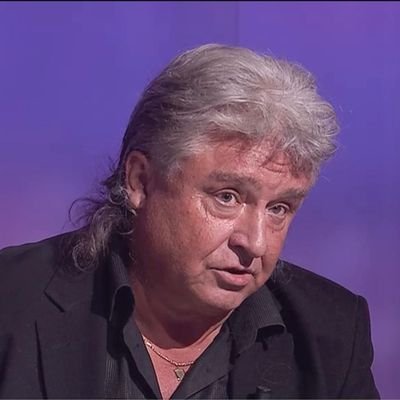
Heaven on earth that Marxism-Leninism promised to the proletariat has not materialized. The regime aimed to ensure the growth and strengthening of the Russian state. This is written by an author whom Putin condemned as a terrorist and extremist in absentia (he lives in London) and banned the book. (translated)

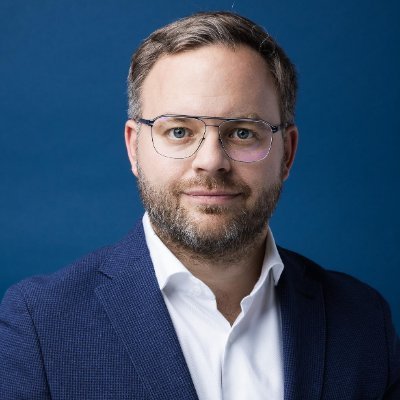
Calling political purges, asset seizures and the dismantling of constitutional checks a “rule-of-law turnaround” is straight out of the radical-left Marxist playbook. The Democrats will love you. #RuleOfLaw #PoliticalPurge #Marxism #US

Sanchez ha semplicemente fatto quello che fanno tutti i marxisti: ha mentito per fini politici. Inutile notare che le figure moralmente più basse in questi casi non sono i politici ma i giornalisti che confermano le menzogne dei politici... #marxismo #politica #giornalismo

A página @MedicoLiberdade me sugeriu ver um vídeo do Yuri Bezmenov falando sobre a estratégia da KGB, pois me caberia o lugar de “idiota útil”. Eu não sei quem administra essa página, mas sei de onde esses chavões se originam. Eu conheço o olavismo há 23 anos e desde essa época vejo as mesmas referências repetidas à exaustão. É a “estratégia das tesouras”, o “idiota útil”, a “ponerologia”, a “venezuelização do Brasil”. Para além da estupidez de insistir que o MBL fazia “o jogo do sistema” quando OBVIAMENTE Jair Bolsonaro buscou afagar o STF e o parlamento a fim de salvar a pele de seu filho, eu não consigo deixar de pensar no fato de que vocês são pouco criativos, pouco críticos e tem baixa capacidade reflexiva. Vocês repetem teses furadas e slogans de vinte anos atrás e não conseguem sair daí. Entra ano e sai ano e é essa mesma cantilena. Olavo foi um grande homem. Entretanto, apesar da estatura, cometeu muitos erros. Um deles foi difundir descrições históricas distorcidas, que fizeram as pessoas acreditarem em absurdos como a iminência do Brasil virar a Venezuela ou a existência de uma estratégia ampla de todo o establishment nacional em favor do comunismo (sic). Isso é apenas errado. Eu poderia ir diretamente nas fontes, nos próprios textos de Olavo e mostrar onde e por que ele errou. Mas não chega a tanto meu empenho. Considero uma discussão ociosa. Nas poucas aulas que gravei sobre marxismo cultural mostrei como Olavo fez inferências descuidadas sobre Adorno e companhia. Ele era assim, cometia muitos erros e os empurrava com a barriga em razão de sua autoridade, sustentada por grande inteligência e erudição. Vocês precisam ler mais e pensar melhor. Sinto vergonha por vocês ao ser arrastado para essas discussões idiotas a partir de chavões que não superam há vinte anos. Meu ofício não é esse. E eu francamente não tenho nada a aprender com a direita brasileira. Aqui eu no máximo tenho alguns (bem poucos) interlocutores com os quais troco ideia. E só. #Política #Reflexão #História

Célestin le gauchiste part à la rencontre de Karl Marx et quelque chose d'incroyable se produit. https://t.co/f0xDj1w3Ks #Marxisme #Politique #Philosophie

The Tolerance That Censors Institutions preach tolerance, yet disagreement is increasingly punished. As protected classes expand, demands for compliance, surveillance, and reporting grow. A tolerance-saturated society becomes hostile to dissent. Many call it hypocrisy, but the contradiction may be strategy. In 1965, Herbert Marcuse’s *Repressive Tolerance* argued that liberal “equal hearing” can perpetuate oppression. “Liberating tolerance,” he claimed, must discriminate: intolerance toward the Right, tolerance toward the Left. Why? Classical Marxism expected industrial workers to revolt from misery. Instead, comfort increased and revolution stalled. The Frankfurt School offered a remedy: capitalism colonized consciousness, creating “false consciousness.” If factory revolt won’t start, revolution must begin in the formation of minds—culture, education, psychology, entertainment. If so, neutrality becomes the enemy. Free debate spreads the system’s ideas. Elections let prisoners choose their preferred warden. Liberal freedoms act as “steam valves,” releasing pressure to prevent revolt. Tolerance becomes directional: oppressive ideas are suppressed; liberating ideas are amplified. Censorship and punishment are reframed as freedom’s highest expression. Marcuse also recognized liberal resistance to censorship and proposed “emergency” suspensions when oppression is deemed urgent—a logic echoed when speech is treated as harm and coercion as protection. The unsettling possibility is that nothing is malfunctioning: tolerance may function as a weapon. The final stage requires no visible censor—the individual internalizes it, policing their own thoughts.
A Culture of Violent Ressentiment A lust for violence is spreading through the worst among us. After shootings, murders, and attempted political violence, some celebrate and idolize the attackers—while others online applaud harm done to those deemed deserving, even for things like “misgendering.” People claim these are unrelated, but I see a shared conviction: blood is the only route to a better world. We debate which ideology “caused” a given attack—incel culture, Marxism, anti-Zionism—but the pattern is similar. Radicalization is often treated like infection: belief first, impulse second. I think the reverse is more common. Corrupted people don’t stumble into dangerous ideas. They go looking for them. Ressentiment—Nietzsche’s term for the slow poison of hopeless victims—builds moral systems that make a grudge feel like justice. The feeling takes the throne first; philosophy follows, recruiting whatever justifies what the person already wants. Ressentiment focuses on enemies and punishment while offering vague utopias. It subtracts, locating suffering entirely outside the self and proposing removal of its “source.” That’s why it rejects self-improvement: it requires agency. What we face is not one ideology, but the spirit that turns failure and frustration into someone else’s crime—and therefore treats violence as justice.
A Manifesto Written Like Scripture** Marxism is not merely an economic theory; it resembles a religion for those filled with resentment. The Communist Manifesto opens with spiritual language, declaring that “a spectre is haunting Europe—the spectre of communism,” indicating a spiritual war rather than an economic agenda. While supporters claim it seeks to redistribute wealth for equity, the text itself lacks words like “neighbor” or “love” in a positive context. Instead, it frequently uses terms like “violence,” “overthrow,” and “abolish,” emphasizing destruction rather than construction. Marx's concrete proposals focus on seizure and confiscation, with little mention of a classless utopia. He advocated for the “ruthless criticism of all that exists,” suggesting a totalizing worldview that dismisses the possibility of reform. Marxists often argue that true communism has never been realized, yet historical figures like Stalin and Mao embodied the totalitarian ambitions outlined in the Manifesto. Bertrand Russell noted that Bolsheviks resembled religious fanatics, quoting Marx like scripture. He drew parallels between Marxism and religion, with Marx as a Messiah and the Communist Party as a Church. The Manifesto states that its goals can only be achieved through the “forcible overthrow of all existing social conditions,” indicating a desire to destroy the current world. Interestingly, many Marxist leaders, including Marx himself, came from privileged backgrounds, contradicting the narrative that Marxism serves the oppressed. This pattern continues today, with Marxism appealing primarily to educated individuals from affluent families who face financial stress for the first time. Marxism shifts the concept of sin from individuals to the bourgeoisie, absolving its followers from personal accountability. This doctrine promotes pride, envy, and resentment, elevating hatred of the wealthy as a virtue. It lacks a pathway to forgiveness, viewing class origin as a crime inherited from ancestors. Ultimately, Marxism is not an economic theory but a destructive religion that justifies violence against entire classes in the pursuit of a misguided salvation.
The Evolution of Modern Leftism Left-wing and woke ideology often presents itself through noble ideas: compassion, justice, equality, and progress. But progress toward what? That question is rarely asked. To understand modern leftism, we must look back nearly 200 years. Ideas evolve like viruses: when society develops resistance to one form, academics modify it until it becomes more contagious, destructive, and difficult to recognize. Hegel proposed the dialectic: opposing ideas—a thesis and antithesis—collide to produce a synthesis. Marx applied this framework to economics through dialectical materialism. He viewed history as a struggle between the “haves” and “have-nots” and predicted that workers would overthrow capitalism and create a communist utopia. When Marx’s vision failed, Lenin reworked it. He argued that workers needed to be led by an elite revolutionary class. This produced the idea of perpetual revolution: after one oppressor is defeated, the next ruling class becomes the new enemy. The struggle never ends. The Frankfurt School later adapted Marxism for the West. It argued that capitalism’s material success had made workers less receptive to revolution, so the focus shifted to culture, education, media, religion, and the arts. The goal became a gradual “long march through the institutions.” Postmodernists expanded the theory further, arguing that power exists everywhere—not only between rich and poor, but also between men and women, racial groups, heterosexual and homosexual people, and colonizers and the colonized. The personal became political. Intersectionality then presented oppression as a matrix in which every identity adds another layer of victimhood and moral authority. At one extreme is the idealized figure of a poor, disabled, rural, transgender lesbian woman from a developing country. At the other is the supposed ultimate oppressor: a wealthy, educated, able-bodied, straight, white, cisgender, Christian, Western man living in a city. Modern progressivism, in this view, is essentially neo-Marxism in drag.
The Elite Origins of Marxist Revolution Bertrand Russell, a socialist who visited Moscow in 1920, observed that the Bolsheviks resembled religious fanatics more than political theorists. Lenin quoted Marx and Engels as a pastor recites Scripture. In his *History of Western Philosophy*, Russell described the parallels: dialectical materialism replaces God, the Communist Party becomes the church, communist revolution the Second Coming, punishment for capitalists hell, and the communist commonwealth heaven. The *Communist Manifesto* declares that its aims can be achieved only through “the forcible overthrow of all existing social conditions.” Marx sought to destroy the existing world and assumed that an undefined utopia would rise. If Marxism claims to speak for the oppressed, why has it so often been adopted by elites? Marx came from an upper-middle-class family that owned vineyards and employed servants. Friedrich Engels, his chief supporter and financier, inherited wealth from his family’s textile business. Lenin’s family owned property and employed servants, while Mao Zedong’s family was considerably wealthier than ordinary Chinese peasants. Fidel Castro’s family owned a large estate, Che Guevara came from an affluent background, and Pol Pot’s family had connections to Cambodia’s royal court. Pol Pot encountered Marxism while studying in Paris. These men went on to create, support, or lead revolutions that killed millions of the people they claimed to represent. This was no accident. The *Communist Manifesto* states that “a portion of the bourgeoisie goes over to the proletariat,” especially those who understand “the historical movement as a whole.” Marx therefore incorporated an explanation for his own class position into the movement’s founding text. Lenin expanded this idea, arguing that workers left to themselves could achieve only “trade-union consciousness.” Socialist theory, he believed, had to be brought to them by educated elites—the revolutionary vanguard. Although Marxism and communism are commonly portrayed as movements created for the poor, the men who developed and led them were, almost without exception, members of the elite.
Marxism: A Religion of Destruction and Resentment Marxism is not an economic theory. It is a religion for destructive and resentful losers. The *Communist Manifesto* opens with spiritual language. Marx and Engels declare that “a specter is haunting Europe—the specter of communism”—and that “all the powers of old Europe have entered into a holy alliance” to exercise this specter. Academics and useful idiots claim that the doctrine aims to redistribute wealth in order to create a more equitable world, erasing the distinction between the haves and the have-nots. It is all about love and compassion, guys. Yet, in the roughly 12,000 words of the authorized *Communist Manifesto*, Marx does not use these words of positive affirmation. “Neighbor” is not mentioned, “redistribute” does not appear, and “love” is used twice—but not in reference to loving anybody else. Now consider the opposite. “Violent” or “violence” is used seven times; “overthrow,” nine times; “radical,” fifteen times; “force,” “forced,” or “forcible,” forty-seven times; and “abolish” or “abolition,” sixty-one times. The doctrine is presented as something achieved through violence, revolution, and theft. The one place Marx gets concrete is in his list of ten measures, and every one of them involves a seizure, a confiscation, or an abolition. Of the classless heaven that is supposedly meant to follow, he says almost nothing. Rather, writing to Arnold Ruge in September 1843, Marx claims that his program is “the ruthless criticism of all that exists”—that everything is worthy of criticism—and builds his work from there. Perhaps he was echoing a line from Goethe’s *Faust* that had caught his attention: “All that exists deserves to perish,” a line spoken by a devil. This is another pattern in Marx’s thought. He is not a reformer aiming to make a tweak here or there. His language is totalizing: all, every, everything. Marxists constantly claim that real communism has never been tried. They argue that totalitarian psychopaths such as Stalin, Mao, and Pol Pot were merely defects or deviations. Yet their attempts to control everything, down to thought itself, echo the dogma of the *Communist Manifesto*.





