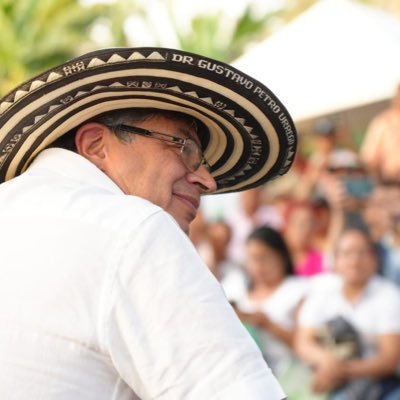
Gustavo Petro said that he had spent a good part of his life facing lawsuits and attacks for denouncing violence and corruption, and that the criticisms on social media often preceded judicial processes. He stated that he would face the current case before the judges and maintained that he had never used state contracts to obtain favors. He also defended the women who worked in his government and said that they had been chosen for their ability and effort. Petro pointed out that the material circulating had not been examined by experts nor valued by a judge, and that its date, origin, and actual content were unknown. He assured that it did not show corruption, as, according to him, there were no contracts, payments, or governmental decisions related to it. He added that the magistrate had ordered a reservation and that he would respond in the case file, not in a video. He asked the authorities to protect the witness and the other people involved in the process. He also questioned those who spread images of the supposed intimacy of individuals to support a political discussion and asked if that could be considered journalism. Petro argued that such attention diverted focus from a law that, according to him, reduced sentences for drug traffickers, increased taxes for poor people and wage workers, and granted more privileges to the rich. He stated that the law would not pass constitutional scrutiny. Finally, he said that he had instructed his lawyer to go to the authorities for what he described as a new attack and to file a lawsuit against the submission law the next day. #Justicia #Corrupción #DerechosHumanos (translated)