The District Court of Potsdam sentenced a man to life imprisonment for the murder of his 92-year-old, care-dependent father-in-law, after he was accused of severe abuse of his wife, who has dementia. #Potsdam #Mord #LebenslangeHaft (translated)
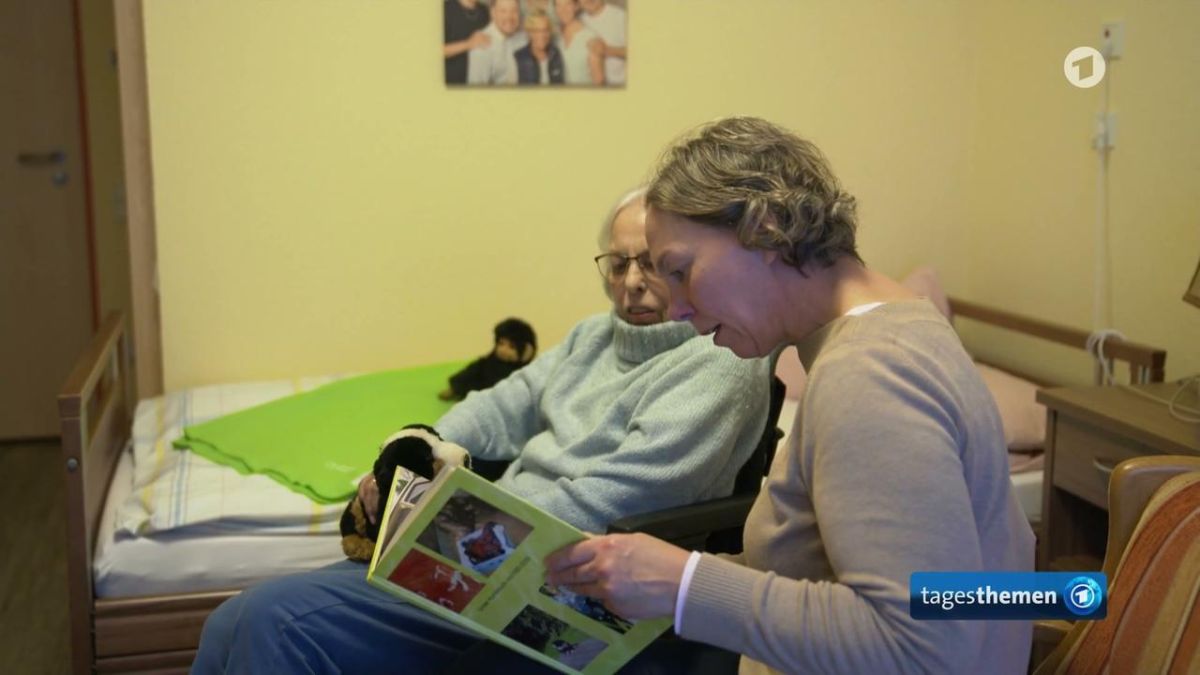
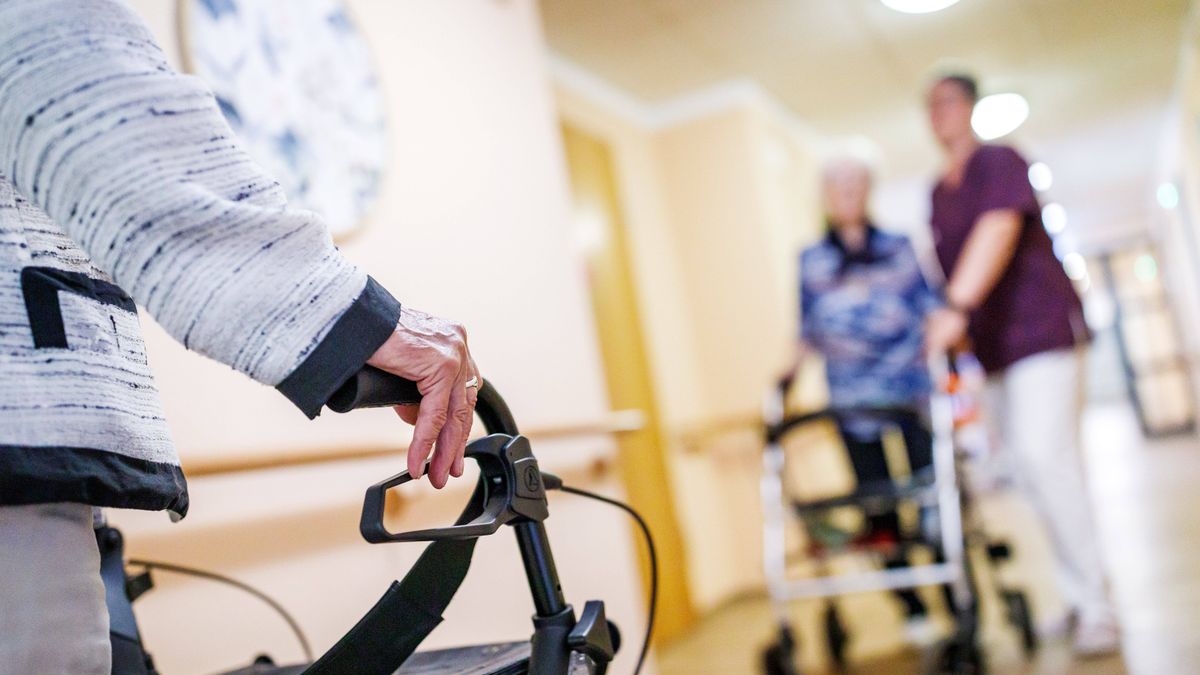
The reality for relatives of people in need of care is reported in a video that highlights the challenges and experiences of those affected within the framework of the care reform. #Pflegekasse #Pflegereform #Angehörige (translated)

Staffler to BILD: "Care must be reliable and practical for those in need of care and their relatives, despite all budget constraints." #Pflegereform #Pflegeversicherung #Pflegebedürftige (translated)
The article describes the pilot project in Burgenland that introduces the central allocation of care places to improve the care of those in need of nursing. (translated)

The social association VdK warns that the planned caregiving reform by the federal government could lead to an additional financial burden for family caregivers, as rigid budgets could complicate access to necessary assistance and may cause those in need of care to pay more out of pocket. #Pflegereform #Pflegeversicherung #Angehörige (translated)

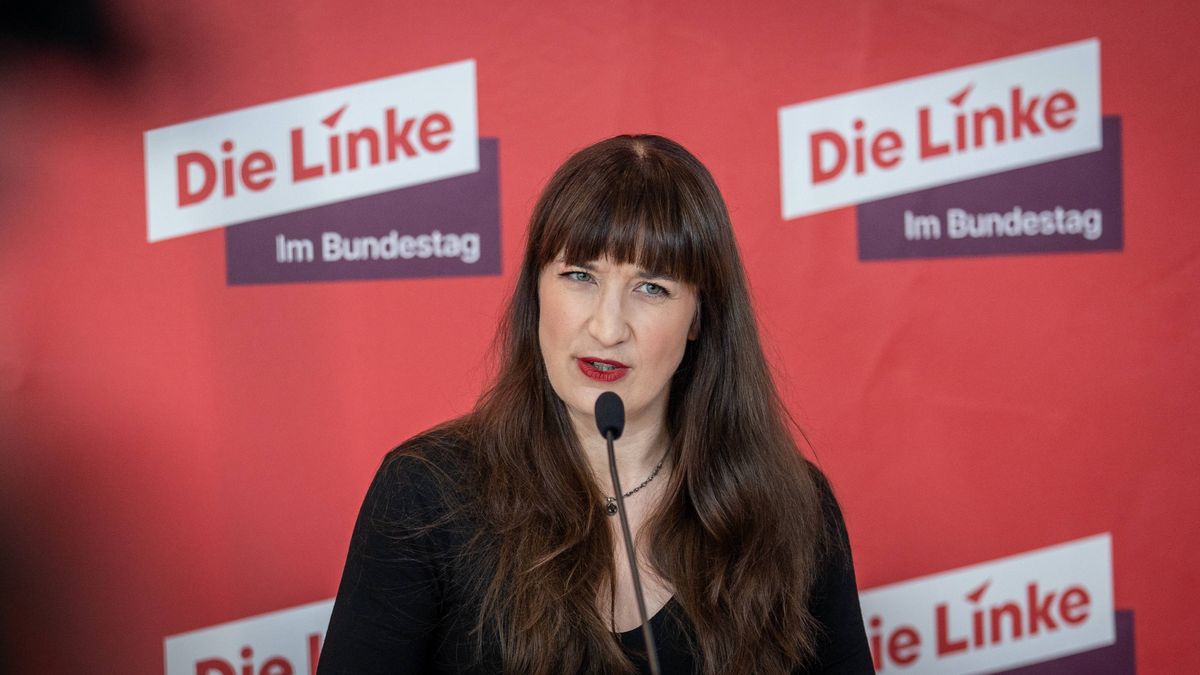
The Left warns, in the context of the nursing reform, of possible cuts in the classification of those in need of care and calls on those affected to apply for a care degree this year in order to benefit from the old regulations. #Pflegereform #Pflegegrad #DieLinke (translated)

The AfD parliamentary group in the German Bundestag raised several questions in connection with their application "Costs and Benefits of Immigration". They asked why, according to their representation, 6 billion euros were paid annually as citizen money to Ukrainians, while support for those requiring care with care level 1 was to be cut to 131 euros. In addition, the group referred to what they believed were indebted municipalities, higher taxes on tobacco and alcohol, as well as planned new levies on sugar and packaging. They asked why immigration had been presented as a means to combat the skilled worker shortage for ten years, even though after seven million additional foreigners there were more skilled workers missing than before. They also contrasted the statement that immigrants stabilize the pension system with plans to abolish the pension without deductions after 45 years of work and raise the retirement age to 70 years. #Zuwanderung #Pflege #Rente (translated)
The author expressed doubts that the situation would change and addressed the Federal Chancellor. Just before the halfway point of the legislative period, the promised reforms were still not in sight, he wrote. The social funds were reliant on support, and benefits for those in need of care were being cut. He also referred to 33 large companies in the first half of the year. https://t.co/3Ud3FJDtee #Politik #Reformen #Bundeskanzler #DE (translated)
Christian Miele listed twelve challenges that Germany must overcome, in his opinion. Electricity and labor are expensive for companies: employers pay an average of around 45 euros per work hour, about 29 percent more than in the EU. In addition, high network fees and levies have increased energy costs; Germany exited nuclear power before sufficiently cheap and reliable alternatives were available. Long approval processes, according to Miele, also deter companies from investing. He named demographic change, rising contributions, and immigration that often does not lead to employment quickly enough as further problems. The shortage of skilled workers is real, he wrote, but uncontrolled immigration burdens households and municipalities. The Bundeswehr is also still inadequately equipped after decades of underfunding: the NATO target of 2 percent has long been missed, and there is still a lack of personnel, ammunition, and operational equipment. Miele wrote that Germany’s economy is hardly growing on its own: it shrank in 2023 and 2024 and only grew by 0.2 percent in 2025. Industry is producing less than it did a few years ago. In addition to taxes, levies, and energy costs, he pointed to weak demand, competition from China, and a lack of new products. In education, about one in three 15-year-olds does not reach the basic level in mathematics and reading; the gap between children from poor and rich families is as large as it has been since the beginning of the PISA tests. At the same time, there is a shortage of teachers and many school buildings are dilapidated. Among the further challenges, Miele listed the need for renovation of roads, bridges, railways, and schools. The municipal investment backlog is over 200 billion euros, about 55 billion of which is for schools alone. In his view, excessively high rents, low construction activity, and long approval processes also make it difficult to move to cities with open positions. The state is slow in digitization; many applications are still on paper, and internet coverage in rural areas is patchy. Finally, Miele warned that government spending is increasing without the economy growing correspondingly. Pensions, social services, and interest compete with defense and infrastructure for the same funds. If debt grows faster than economic output, there will be less room for investment later on, he wrote. Ultimately, the working people would bear the consequences, Miele explained, and he asked for his readers' assessments. #Herausforderungen #Wirtschaft #Deutschland (translated)
The wages for caregivers in long-term care are rising on average to 24.50 euros, which represents an increase of 3.4 percent compared to the previous year and has direct effects on those in need of care, who have to pay higher personal shares. #Pflegekräfte #Pflegereform #GKV (translated)

Instead of a care reform, the federal government only manages to implement massive cuts for those in need of care and their relatives. There is an answer that hardly anyone is talking about right now: more qualified immigration. For more caregivers, for demographic change. #Pflege #Zuwanderung #DemografischerWandel #DE (translated)
BREAKING NIUS: Die ganz frische Beschlusslage der SPD ist eine Absage an die "Pflegereform" von Friedrich Merz: "Es kann nicht sein, dass wir über weniger Leistungen für Pflegebedürftige diskutieren, bevor wir diese Ungerechtigkeit im System angehen. Wer Solidarität einfordert, #Pflegereform #SPD #Solidarität #DE
Das vorgelegte Pflegepaket ist ein Kürzungsprogramm auf dem Rücken der Pflegebedürftigen, Angehörigen und Beschäftigten. Wir brauchen einen Pflegedeckel zur Begrenzung der Eigenanteile und eine solidarische Finanzierung, die alle in die Pflicht nimmt. https://t.co/bNgXdz2Gxz #Pflege #Solidarität #Pflegedeckel #DE
Die SPD plant, den Eigenanteil für Pflegeheimkosten im Rahmen einer Reform zu deckeln, um finanzielle Entlastungen für Pflegebedürftige und deren Familien zu schaffen. #Pflegereform #SPD #Pflegeheimkosten

Rehlinger hatte dafür geworben, den Eigenanteil für Pflegebedürftige bei 1.500 Euro zu deckeln. #Pflegereform #SPD #Pflegeversicherung
Die SPD setzt kurz vor einem Kabinettstermin zur Pflegereform Druck auf Gesundheitsminister Linnemann und lehnt geplante Leistungskürzungen in der Pflege ab, während sie eine grundlegende Neuordnung der Finanzierung und Entlastungen für Pflegebedürftige fordert. #Pflegereform #SPD #Pflegeversicherung

Die SPD hat die geplante Pflegereform vorerst gestoppt, da sie nachverhandeln möchte, um massive Kürzungen für Pflegebedürftige und deren Angehörige zu verhindern. #Pflegereform #SPD #Pflegeversicherung

Die 39-jährige Türkin Zeynep Can soll mit ihrem Pflegedienst mutmaßlich 11 Millionen Euro Schaden verursacht haben. Die Firma Weiße Engel Intensivpflege GmbH in Düsseldorf ist erst seit 2023 im Register.Vorwurf: Intensivpflege abgerechnet, die nicht oder nur teilweise erbracht wurde – teils mit unqualifiziertem Personal. Bei einer Razzia fanden Beamte in einer Wohnung ein pflegebedürftiges Kind in Lebensgefahr. Sichergestellt wurden unter anderem lila Lamborghini, Maybach, AMG, 265.000 € Schmuck, 140.000 € Uhren und 51.000 € Bargeld. Can und ihr Mann sitzen in U-Haft. #Pflege #Betrug #Düsseldorf