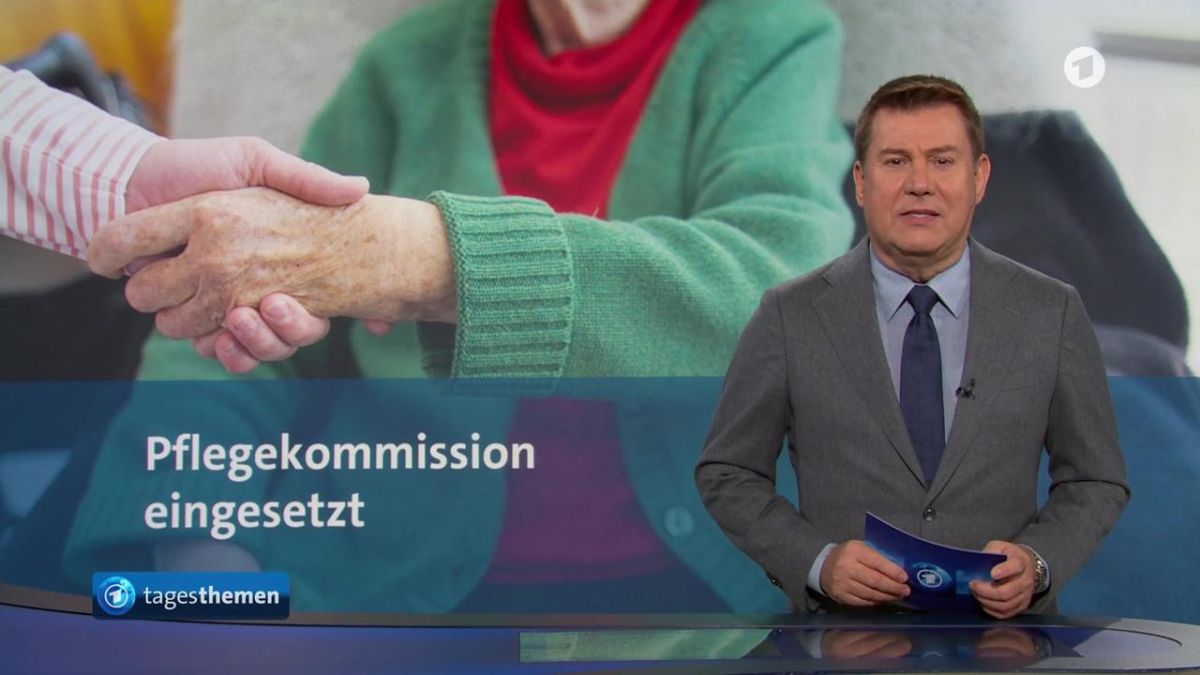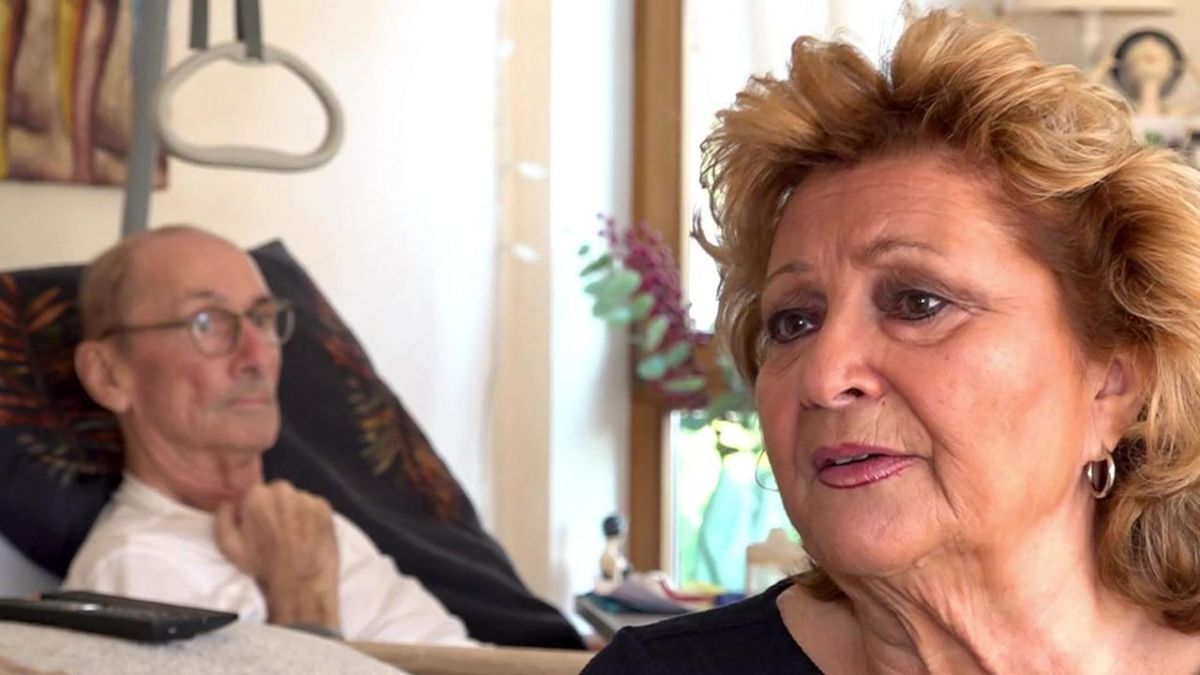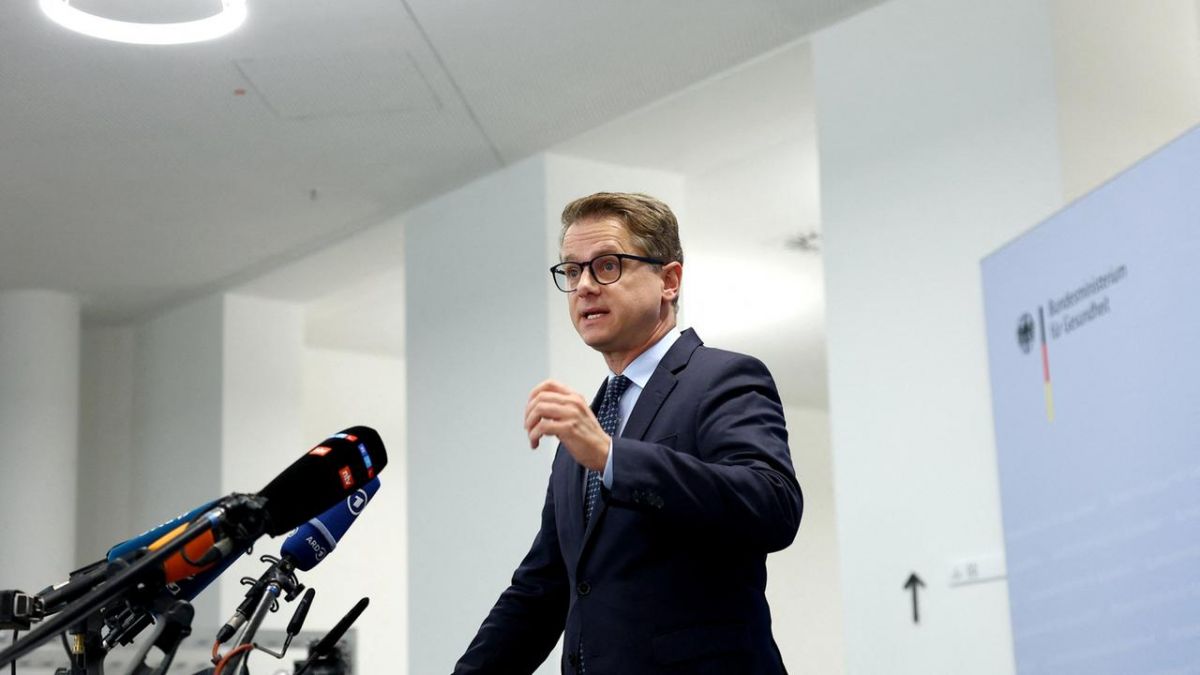
The long-term care insurance is on the verge of insolvency due to well-intentioned reforms and significant wage increases, prompting economist Heinz Rothgang to discuss possible solutions for the government. (translated)

The long-term care insurance is on the verge of insolvency due to well-intentioned reforms and significant wage increases, prompting economist Heinz Rothgang to discuss possible solutions for the government. (translated)

The care funds are reporting a deficit of 770 million euros in the first half of 2026 and are warning of a looming insolvency as early as October, while political actors are urgently calling for a reform of care financing. (translated)

The long-term care insurance is facing a serious financial problem, as a deficit of over ten billion euros is emerging, and urgent reforms as well as immediate financial support from the federal government are being demanded. (translated)

The care insurance funds warn of a dramatic financial situation with a looming gap of up to ten billion euros in the coming years and are pressing for rapid reforms, while at the same time reassuring those in need of care that the benefits will continue to be secure. (translated)

The care fund will be under financial pressure starting in October due to sharply rising deficits and the dramatic increase in people in need of care, which makes urgent reforms from the federal government necessary. (translated)
The financial situation of the long-term care insurance is strained, as a deficit of 770 million euros was recorded in the first half of the year, and the federal government is under pressure to urgently initiate reforms to manage the rising costs before a deficit of 1.2 billion euros threatens by the end of the year. (translated)

According to the GKV, the long-term care insurance is estimated to be short of 500 million euros by the end of the year, which could lead to a financing gap while the Grand Coalition is planning a care reform in the fall to counter rising costs. (translated)

The head of the Techniker Krankenkasse, Jens Baas, warns of rising contribution rates in long-term care insurance, despite the planned reforms, and calls for a repayment of six billion euros from the federal government as well as additional financial measures to address the challenges of an aging society and increasing care costs. (translated)

AOK Chief Carola Reimann warns of a looming deficit of eight billion euros in long-term care insurance starting in 2027 and suggests balancing the funding obligations between public and private long-term care insurance, as well as financing societal tasks with tax revenue to avoid contribution increases. (translated)

The German government and six other Western countries express sharp criticism of new settlement construction in the West Bank, while security authorities in Berlin discover a secret weapons depot of Russian agents and several major corporations as well as economic associations demand quick reforms from the federal government. (translated)
The City Council demands the transformation of the current care insurance system to full insurance, in order to alleviate the financial burden on cities and municipalities and to prevent people who have worked their whole lives from ending up on social support due to the costs of care. (translated)

The German Association of Cities calls for a reform of the long-term care insurance to a full insurance in order to reduce the financial burden on municipalities and to ensure that people who have worked all their lives do not fall into social assistance due to care costs. (translated)

The German City Day calls for a change in long-term care insurance to full insurance ahead of the autumn reform, as well as the introduction of an income-dependent cost ceiling for nursing home residents, in order to avoid financial burdens on municipalities and to protect those in need of care from slipping into social welfare. (translated)

The German Association of Cities calls for a restructuring of the long-term care insurance into a comprehensive insurance to protect people from care costs and to relieve the municipal budgets from financial burdens. (translated)

The plans for the care reform, which foresee savings in support for family caregivers and for those in need of care in nursing homes, are facing widespread criticism within the coalition and from experts, while the opposition parties SPD and CSU are looking for alternatives to address the financial challenges of long-term care insurance without burdening those affected further. (translated)

Ich warne, dass immer mehr pflegebedürftige Menschen in Armut geraten, weil die Pflegeversicherung nach dem Teilkaskoprinzip Pflege weder ausreichend noch sozial gerecht finanziert. Ich fordere, dass der Senat auf Bundesebene verhindert, dass das Pflegeneuordnungsgesetz Pflegebedürftige und ihre Angehörigen noch stärker belastet. Ich finde, es darf nicht sein, dass pflegebedürftige Menschen erst ihre gesamten Ersparnisse für immer höhere Eigenanteile aufbrauchen müssen und dann auch noch auf staatliche Unterstützung angewiesen sind.
Egal bb Facharbeiter, Besserverdiener oder Familie mit zwei Kindern: Bei allen frisst die Erhöhung der Rentenbeiträge und der Pflegeversicherung die versprochene Steuerentlastung wieder auf. https://t.co/34mg2AYu7e #Rentenbeiträge #Steuerentlastung #SozialeGerechtigkeit
Bundesgesundheitsministerin Nina Warken verteidigt ihre umstrittenen Sparpläne zur Stabilisierung der Pflegeversicherung, die aufgrund einer erwarteten Finanzlücke von 7,5 Milliarden Euro als Sanierungsfall mit Ansage gilt und sowohl Einsparungen als auch zusätzliche Einnahmen vorsieht, während gleichzeitig ein Fokus auf Prävention und häusliche Pflege gelegt werden soll. #Pflegeversicherung #Reformdebatte #NinaWarken