WRLD

Search

#Rabbia
Alberto Stefani 3h
Italian politician

"This affair evokes not only pain but also anger and indignation," comments the president of Veneto, Alberto Stefani, expressing "condolences to the family. What happened is of enormous gravity. We are facing a criminal conduct that has disrupted the lives of innocent people, involving even a woman in her eighth month of pregnancy. A family that has found itself paying an unacceptable price for the violence and unscrupulousness of those who, in order to evade their responsibilities, have endangered the lives of others." #IncidenteStradale #Giustizia #TragediaFamiliare (translated)

L'incidente con i ladri, il parto d'urgenza: neonata muore dopo 12 giorni di agonia
www.lastampa.it

1123
Il Sole 24 ORE 6d

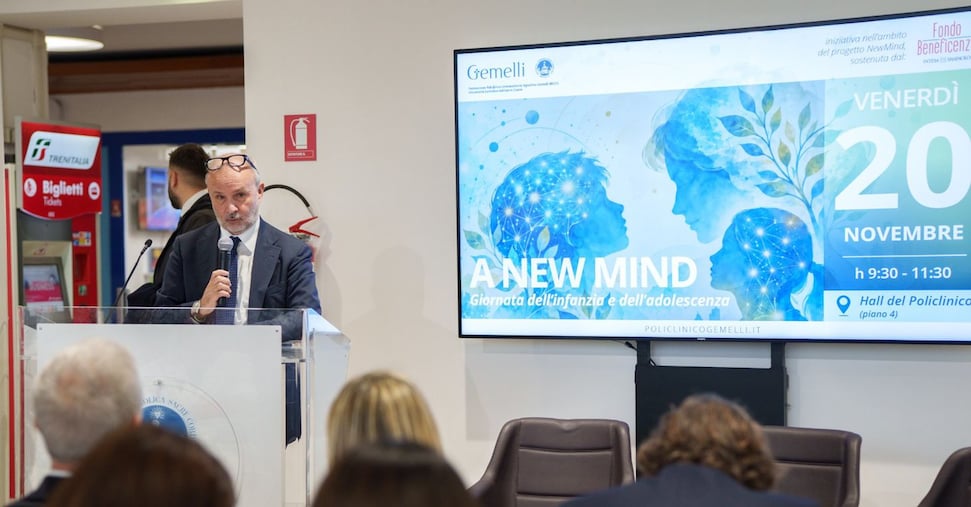
The A new mind project, promoted by the Agostino Gemelli University Polyclinic Foundation, analyzes the emotional fragilities of digital native youth, highlighting the importance of early diagnosis and personalized interventions to address anxiety, anger, and self-harm. #Diabete #SaluteMentale #GiovaniFragili (translated)

www.ilsole24ore.com
Giovani smart ma fragili: il progetto “A new mind” fotografa ansia, rabbia e autolesionismo
3286
Il Messaggero 2w

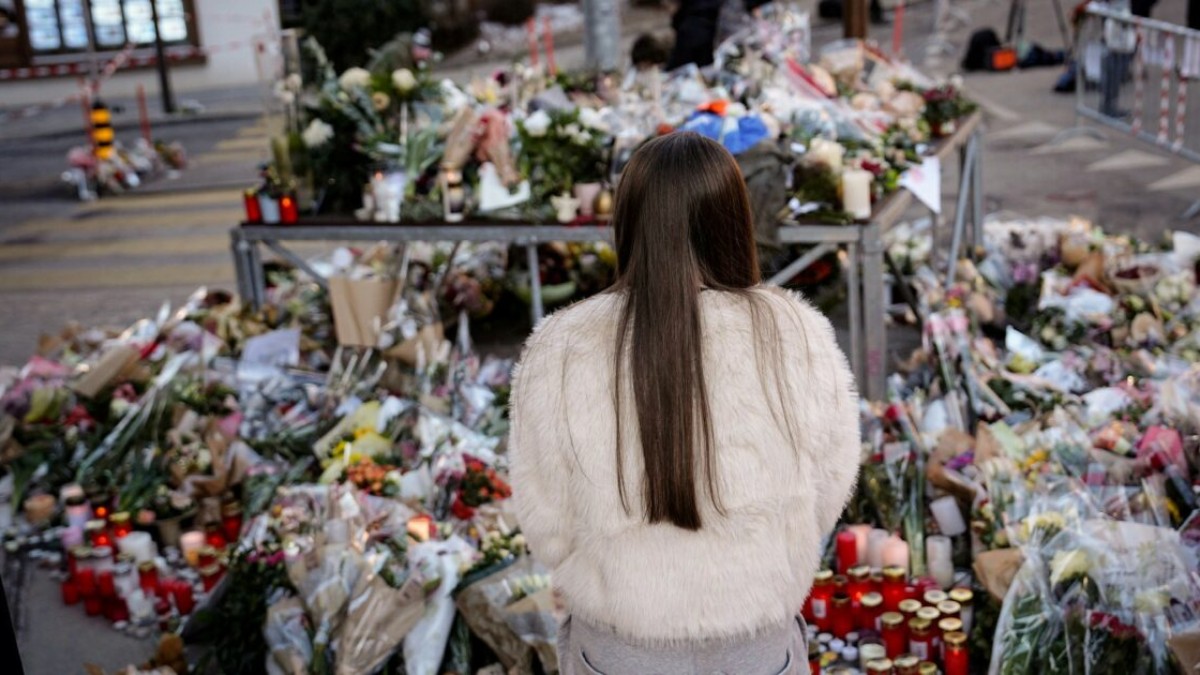
Kean, Francesca, and Leonardo, survivors of the Crans-Montana fire, recounted their traumatic experience and the memory of their friend Chiara Costanzo during an interview on Verissimo, expressing their anger and sadness for the loss. #CransMontana #memoria #sopravvissuti (translated)

www.ilmessaggero.it
«Quella sera a Crans Montana io e Chiara ci eravamo baciati. Perché non è con noi? Sono arrabbiato»
2060
Il Fatto Quotidiano 2w

Three boys who survived the fire on the Constellation in Crans-Montana share their experiences of pain, anger, and hope to return to life in the book When the Night Ends. Crans-Montana: Our Stories. #CransMontana #Tragedia #GiovaniSopravvissuti (translated)

www.ilfattoquotidiano.it
“Quella sera è stato il nostro primo bacio, poi l’incendio l’ha portata via”: i racconti dei ragazzi sopravvissuti alla tragedia di Crans-Montana
2404
L
lastampa.it 2w

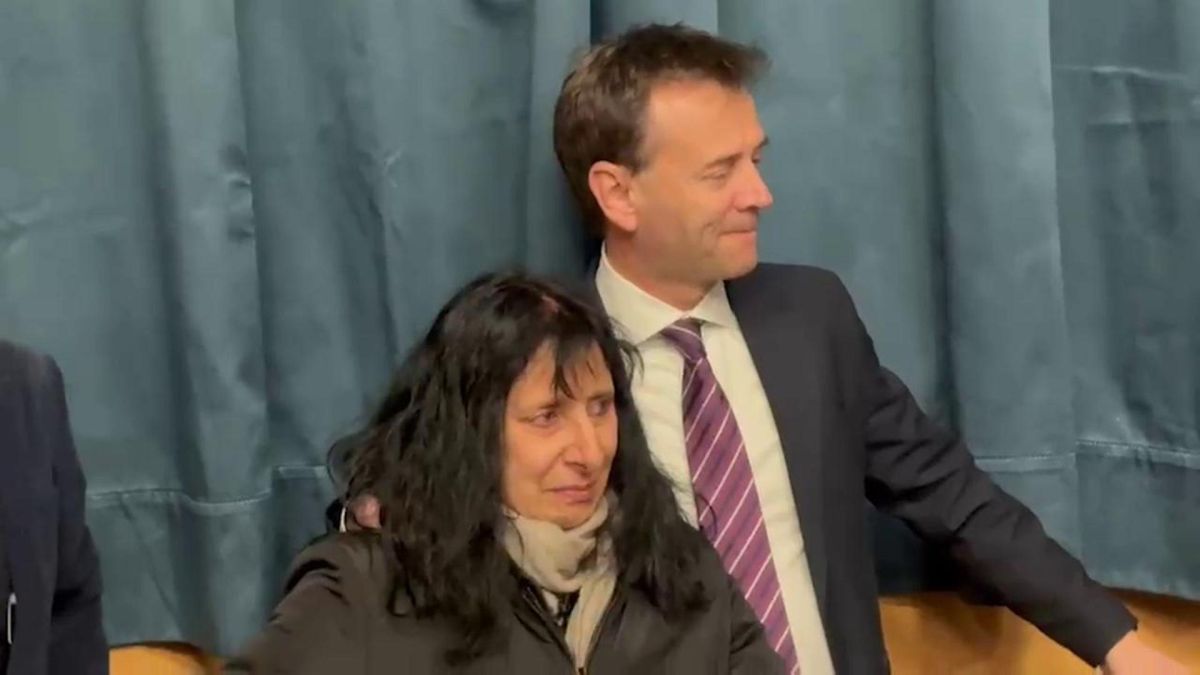
Monica Busetto, acquitted after 13 years of unjust detention for the murder of Lida Taffi Pamio, expresses relief and a desire to return to her normal life, expressing a deep thought about anger and regained freedom. #Giustizia #MonicaBusetto #Carcere (translated)

www.lastampa.it

La commozione di Monica Busetto, assolta dopo 13 anni di carcere: "Rabbia? E a cosa servirebbe?"
3095
Lua 2w
South Korean singer

"We gather all this indignation and this anger. After the protest camps, also in various parts of the Spanish state, we understood the need to raise our heads and oppose." #Barcellona #Sciopero #DirittoAllAbitare (translated)

2991
L
lastampa.it 2w

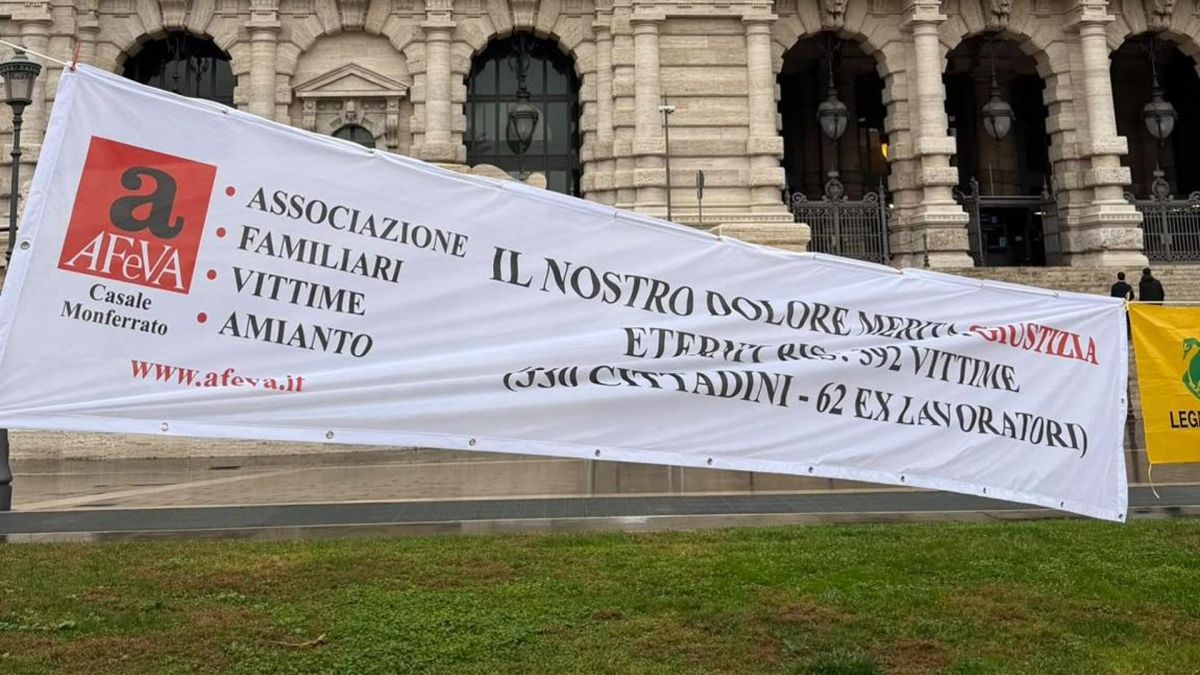
The community of Casale Monferrato expresses its anger and disappointment after the ruling of the Court of Cassation on the Eternit Bis trial, highlighting the injustice for those who are falling ill today and the ongoing commitment to the fight against the consequences of asbestos. #EternitBis #giustizia #amianto (translated)

www.lastampa.it

La rabbia di Casale: “Chi si ammala ora, che giustizia avrà?”
2304
Pino Rotta 3w

Coordinated solitude, author Claudio Aloisio Written by Pino Rotta, November 8, 2026 Claudio Aloisio is a communication and marketing professional, a field in which he has worked for many years. When his first essay "Coordinated Solitude" (Ed. Ideacoop Media Service, 2026) was released, sharing the same field of activity and interests (albeit with different directions and experiences), I found it interesting to read it, especially since we share the same city but have not met, which was already a good reason to find the essay interesting and its title stimulating. "Coordinated solitude" is an essay that analyzes, with a wealth of documentation and bibliography, the phenomena of the formation of convergences or exclusions among groups and individuals through the study of media languages and, in particular, those of the digital domain. A field that has already been widely investigated for several years. My first approach to these new linguistic proposals dates back, among other readings, to a 1994 essay "Collective Intelligence" by Pierre Levy. In that essay, Levy, at the dawn of the web era, launched the idea that the network, which collected the contributions of millions of users, contained them all without controlling their paths, interactions, or effects. Stimulating concepts that today help us understand how much conflict can arise between theory and its application considering time and technological development. However, Aloisio surprises the reader with suggestions from the very first pages of the essay. In fact, despite addressing the analysis of digital languages with an epistemological line rooted in Anglo-Saxon studies, particularly American ones, from the outset the author seems to suggest that this is not a “technical” essay but is entirely political in the higher sense of the term. The first reference is found in the citation of an author who was among the fathers of European sociology in the early years of the last century: Emile Durkheim, one of the first sociologists and philosophers who analyzed social phenomena with enormous meticulousness and rigor, linking religion with social structure. This opening will be found in the subsequent pages of "Coordinated Solitude," but it will not be the only surprise in Aloisio's analytical developments. In the essay, the author describes how people who may share spaces, interests, and common values, by finding them in the digital world, can at a certain point recognize themselves in different affiliations and even come to see in others a “us” that makes them akin to their own story or a “them” that indicates a distance, exclusion, and even a threat in relation to it. The causes of these dynamics are very well structured in the essay, as is the well-structured context in which individual stories are born, meet, and ultimately find different outcomes. Outcomes that can lead to reinforcing one's affiliations, which, however, are discovered at the end of the interaction process and that, throughout the journey, rarely reach a state of awareness. Outcomes that are influenced by pre-existing value structures that do not necessarily coincide with those of the members of the groups with which one identifies or clashes. This path is analyzed by Aloisio by considering the social dynamics of the West, examining and contrasting similar but not necessarily overlapping social realities, such as American and Italian society. In the identification processes that coexist in these social realities, the belonging to social class, religious group, ethnicity, sexual orientation, and sense of nation enters strongly. Everyone has their own experiences, but at the end of a journey of interaction, now almost exclusively digital, one finds oneself sharing a sense of belonging with other multitudes of people who have completely different experiences. And in this sense of belonging, fears of the future, frustrations of the past and present are downloaded, and one is enveloped by fears and anger that must find an enemy to blame. An enemy that is often suggested by the discovery of affinities among the groups that are created, much more often than not created, on digital platforms. Addressing the current nature of the algorithms governed by Artificial Intelligence, the author suggests the method through which these affiliations arise, which can be irrational but are entirely real and influence individual and social daily life. The individual in the digital dimension, which becomes the everyday reality of social action, is called to take responsibility for maintaining their conviction and belonging or risk feeling excluded, isolated, alone. The weight of a choice that often becomes distressing and paralyzing. But how is it possible to read and interpret these “Coordinated Solitudes”? Aloisio's essay provides a reading and suggests a methodology to identify the path that sometimes, but not always, leads to the awareness of how certain choices are made and what elements need to be questioned to verify if the reading of these languages withstands the law of contradiction and thus can be used to ascribe scientific value to it. But at the end of this journey of understanding languages, forms of aggregation, and the proof of the compatibility of individual choices, Aloisio presents us with another surprise that speaks volumes about his educational journey. The discourse of education and the reading of digital languages is ultimately a discourse on democracy, on social structure, and these factors cannot be disregarded without risking losing the ability to give meaning to one’s social action as well as one’s communicative action. It is my view that the surprise that is the coherence of the entire analysis of the essay comes with the reference that the author makes at the end to the work of Jürgen Habermas. The most important philosopher, sociologist of language, heir of the Frankfurt School who passed away at the age of 97 in March 2026, is the foremost interpreter of the theory of democracy and of the criticism of oppressive authority, which does not exclude conflict but determines its progressive outcome through the mediation of communicative action. Communicative action that questions institutions not to destroy them but to avoid remaining subjected to authoritarianism and, in the form of linguistic mediation, to be active subjects, not subdued by a system that, due to the nature of formal institutions, can always degenerate into authoritarianism. Coordinated solitudes thus find themselves with a positive perspective, with outcomes that are never guaranteed or predetermined, but feasible for reconstructing trust in the future realized through the recognition of the other as part of a common living and not as a threat to be feared, excluded, or even suppressed. Lastly, it should be noted that, although not explicitly considered, Aloisio does not prioritize simplification in the reading of contexts, evading complexity as a fundamental element of contemporary society's reality (perhaps it would have been useful to refer to Edgard Morin's theories), but it is evident that complexity must be confronted with different analytical methodologies and that the appeal to the work of Zygmunt Bauman leads us to presume this. https://www.heliosmag.it/?p=1659 (translated)

808
ANSA.it 3w

In Paraguay, former president Santiago Peña has been placed under house arrest following the approval of impeachment, while the crisis related to the collapse of Ueno Bank has sparked public anger, culminating in demonstrations and clashes with the police. #Paraguay #UenoBank #SantiagoPeña (translated)

www.ansa.it
In Paraguay arrestato l'ex presidente, cresce la rabbia
2541
Il Fatto Quotidiano 3w

Roberto Occhiuto, president of the Calabria Region, expresses his anger and frustration in a video on social media over the accusation of aggravated fraud, stating that he has felt tormented for a year and a half regarding the issue of car reimbursements linked to his institutional role. #ForzaItalia #RobertoOcchiuto #RinvioAGiudizio (translated)

www.ilfattoquotidiano.it
Occhiuto sull’inchiesta per truffa: “Sono arrabbiato. Mi sento torturato da un anno e mezzo”
2896
ANSA.it 3w

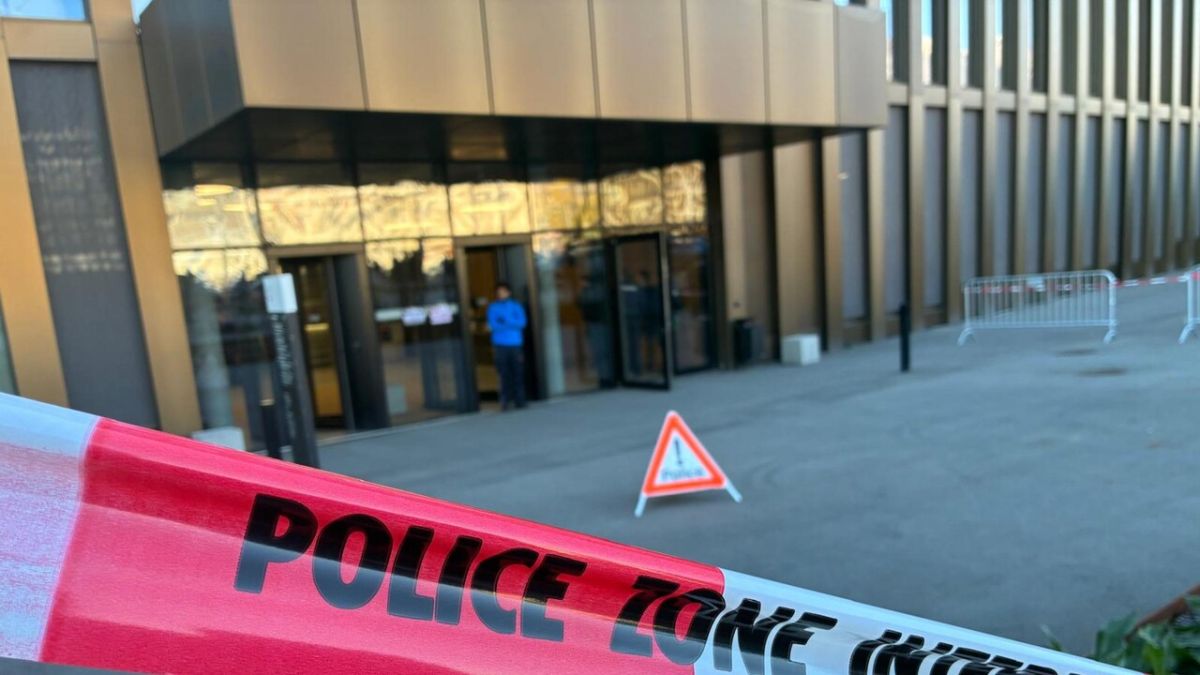
Jacques Moretti, owner of the Constellation and the main suspect in the New Year's fire in Crans-Montana, made statements during an interrogation in Sion, denying to answer about alleged money laundering incidents and defending his choices regarding the renovation of the establishment, where 41 people died, arousing the anger of the victims' families. #incendio #CransMontana #giustizia (translated)

www.ansa.it
La strage di Crans-Montana. Moretti in aula, la rabbia delle famiglie
2436
Il Fatto Quotidiano 4w

The anger of the dissenting students, inspired by a sense of partisanship, is growing more and more. (translated)

www.ilfattoquotidiano.it
Così la rabbia degli studenti dissidenti, di partigiana memoria, diventa sempre più grande
2677
Il Fatto Quotidiano 4w

During a heated phone call, Israeli Prime Minister Benjamin Netanyahu expressed his frustration over the abstention of ultra-Orthodox voters, asking why they didn't go to vote and complaining that their refusal could lead to a left-wing government, while an activist explained that their anger stems from broken promises. #Netanyahu #ElezioniIsraele #Ultraortodossi (translated)

www.ilfattoquotidiano.it
Il grido di Netanyahu al telefono con un attivista: “Perché gli ultraortodossi non vanno a votare? Sono pazzi? Moriremo tutti!”
2794
L
lastampa.it 4w

Javier Cercas warns that Europe is at risk due to the seduction of national populism, which empties democracy from within and exploits social anger, while emphasizing the importance of addressing real problems without falling into the catastrophist narrative that portrays a future stolen from young people. #Nazionalpopulismo #CrisiDemocratica #GiovaniInPiazza (translated)

www.lastampa.it

“Per l’Europa il vero rischio è la seduzione nazionalpopulista”
2911
Il Fatto Quotidiano 4w

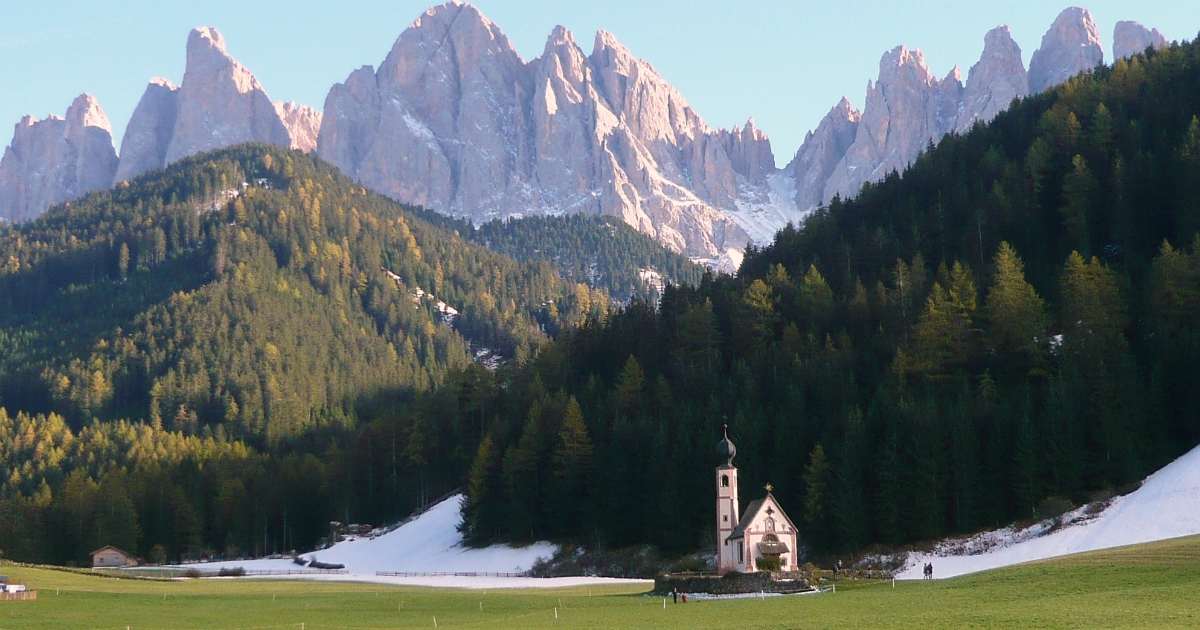
The boom of Asian tourists in the Dolomites, who arrive by bus and book hotels in advance, is causing anger among local hoteliers, who complain about the loss of regular customers and the escalation of bite-and-fly situations. #TurismoAsiatico #Dolomiti #Overtourism (translated)

www.ilfattoquotidiano.it
“Arrivano in pullman, salgono sulle Dolomiti in ciabatte e prenotano gli hotel prima dei tedeschi”: la rabbia degli albergatori contro il boom dei turisti asiatici
2913
Timostene Wrld summary Oct 25

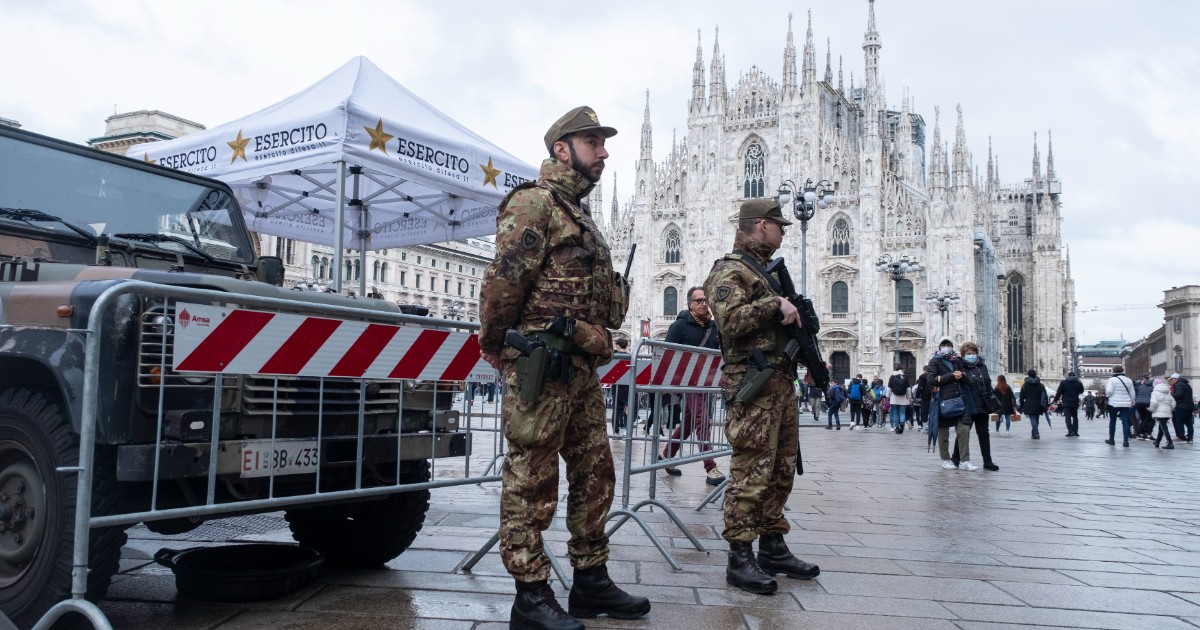
Timostene argued that after the attacks and coup attempts of the 1970s, Italian democracy was gradually being hollowed out through a more gradual process. In his opinion, Silvio Berlusconi's televisions in the 1980s and later social media had weakened critical and civic consciousness, turning public debate into a clash between fan bases. To support his thesis, he cited a study by three Italian economists published in 2019, which suggested that those who watched those televisions as children grew up with fewer critical tools and civic sense. Timostene also stated that in an increasingly older and frightened country, elections could be easily won and that Parliament had been progressively emptied: he pointed out that there were almost three votes of confidence a month and laws that, in his opinion, were partly declared unconstitutional by the Constitutional Court and then reintroduced by the government. By citing the security decrees, the presence of the military in the streets, and attempts to amend the Constitution by majority vote, he spoke of a plan financed by a black international. He concluded that what the bombs had failed to achieve was being accomplished by a screen. #Democrazia #Libertà #Politica (translated)

3381
Il Fatto Quotidiano Oct 23

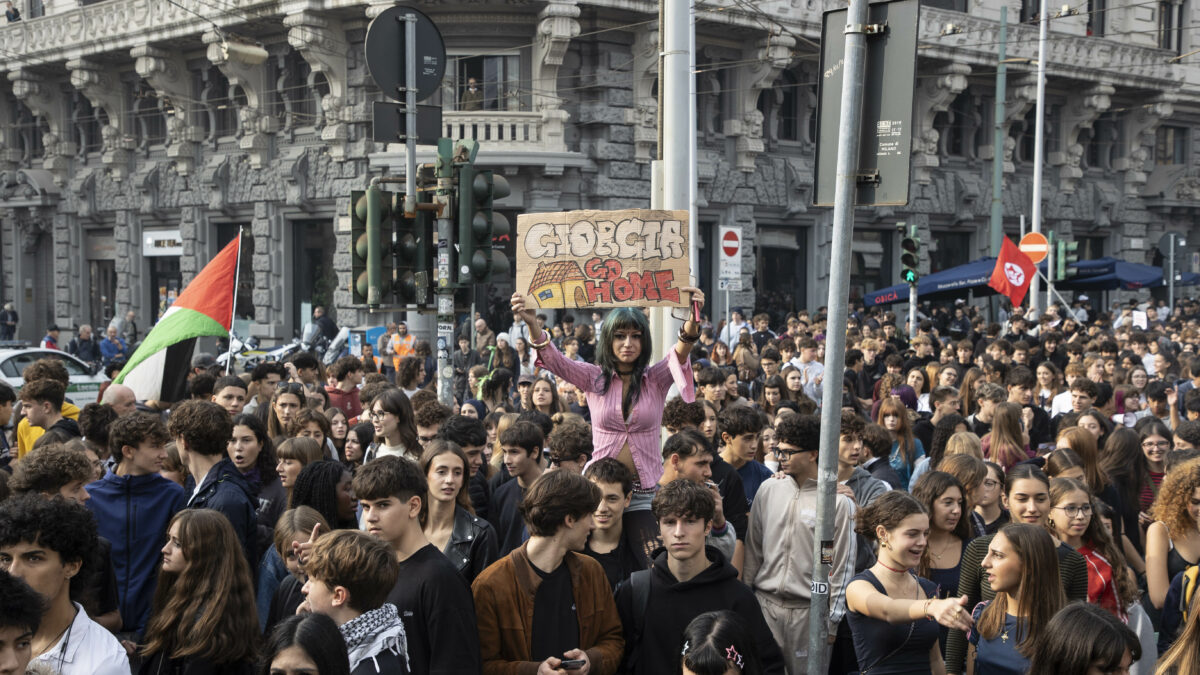
The anger of young people in Milan erupts in a collective mobilization, promising times of revolt against the Meloni government and social injustices, culminating in a demonstration in front of San Vittore prison. #rivolta #Milano #studenti (translated)

www.ilfattoquotidiano.it
“La bolla di rabbia è esplosa e il popolo sta capendo. Saranno tempi di rivolta”. Milano, collettivi studenteschi in assemblea. Stasera presidio a San Vittore
2451
Il Fatto Quotidiano Oct 23

The article by Marco Grimaldi analyzes the growing youth anger in Italy, lamenting that the government's response to the unrest has been more focused on security decrees rather than on supporting social vulnerabilities and youth policies, further aggravating the situation. #RabbiaGiovanile #DecretoSicurezza #ManifestazioniStudentesche (translated)

www.ilfattoquotidiano.it
Un dato è certo: abbiamo visto più decreti sicurezza che vetrine rotte
2567
ANSA.it Oct 22

The report from Milan explores the anger of young people fleeing the emptiness of the suburbs, while Panetta emphasizes that Italy has a high debt but significantly better public finances compared to the past. #DebitoPubblico #FinanzaItaliana #Economia (translated)

www.ansa.it
REPORTAGE da Milano: In tenebra età, la rabbia dei ragazzini in fuga dal vuoto delle periferie
2802
L
lastampa.it Oct 20

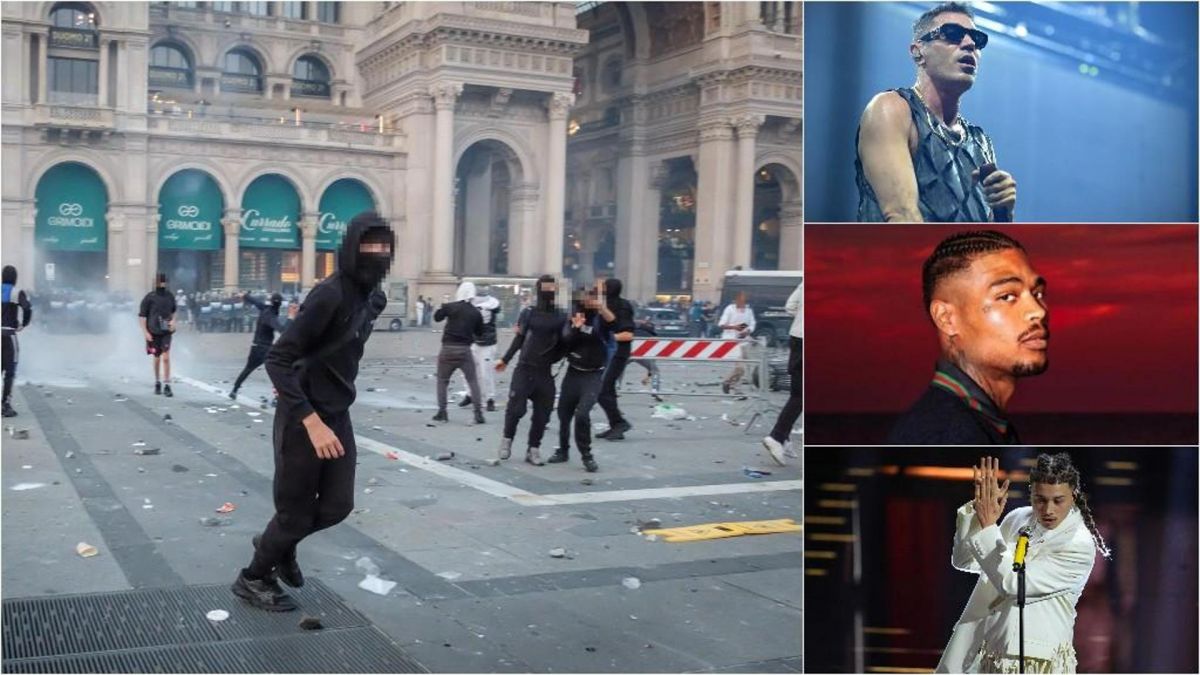
Italian rappers express the anger of the voiceless generation, emphasizing how true violence lies in social inequalities and shattered dreams, rather than in street conflicts. #rapitaliano #disagiociale #giovanile (translated)

www.lastampa.it

“La violenza non è in piazza, ma nei sogni che ci negano”: i rapper e la rabbia della generazione senza voce
2337