WRLD

Search

#Vivere
Il Fatto Quotidiano 18h

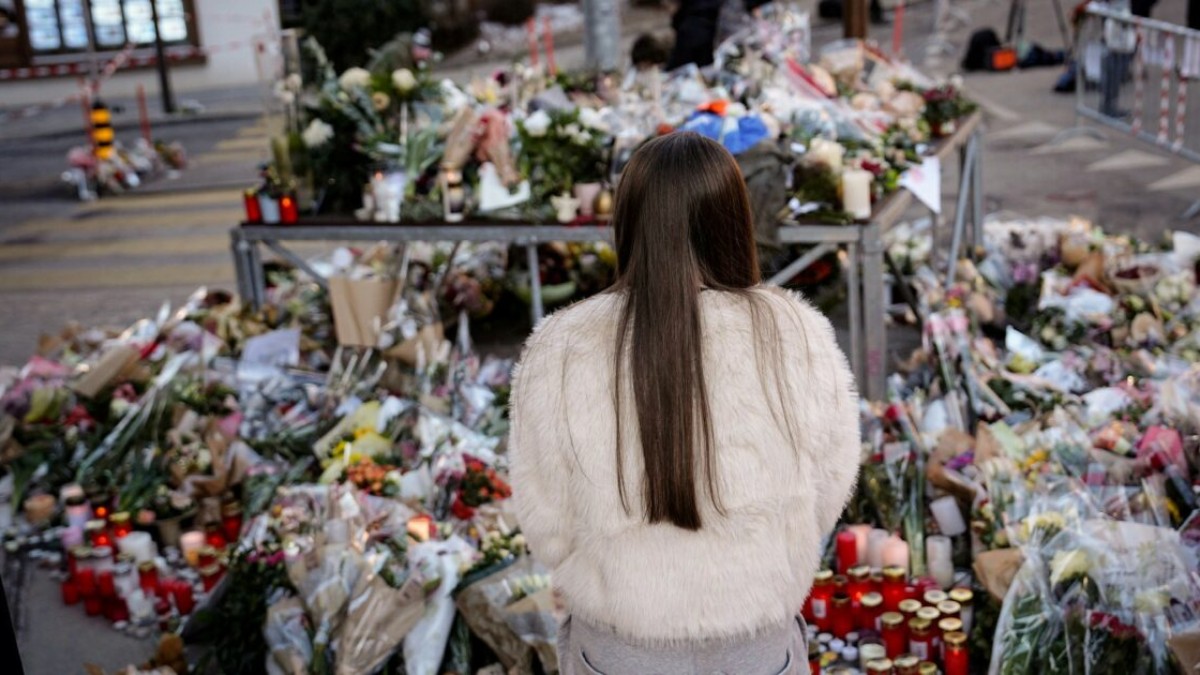
Three boys who survived the fire on the Constellation in Crans-Montana share their experiences of pain, anger, and hope to return to life in the book When the Night Ends. Crans-Montana: Our Stories. #CransMontana #Tragedia #GiovaniSopravvissuti (translated)
www.ilfattoquotidiano.it
“Quella sera è stato il nostro primo bacio, poi l’incendio l’ha portata via”: i racconti dei ragazzi sopravvissuti alla tragedia di Crans-Montana
1755
L
lastampa.it 18h

Bolzano has been recognized as the best province in Italy to live in 2026, surpassing Milan, while Taranto ranked last in the ranking drawn up by ItaliaOggi. #Bolzano #qualitadellavita #Italia (translated)

www.lastampa.it
Bolzano è la miglior provincia d’Italia dove vivere. Tra quelle del Nord maglia nera ad Alessandria
1928
ANSA.it 2d

The research "Living for Women" by Anna Prat and Laura Bosaia highlights how access to housing affects women's freedom to live independently, revealing the inequalities that hinder access to housing and analyzing the context of social policies in Turin. #AbitarePerLeDonne #DisuguaglianzeSociali #SostegnoAlloggiativo (translated)

www.ansa.it
Women & the city, il gender gap passa anche dalla casa
2993
Flavio Cobolli 2d
Italian tennis player

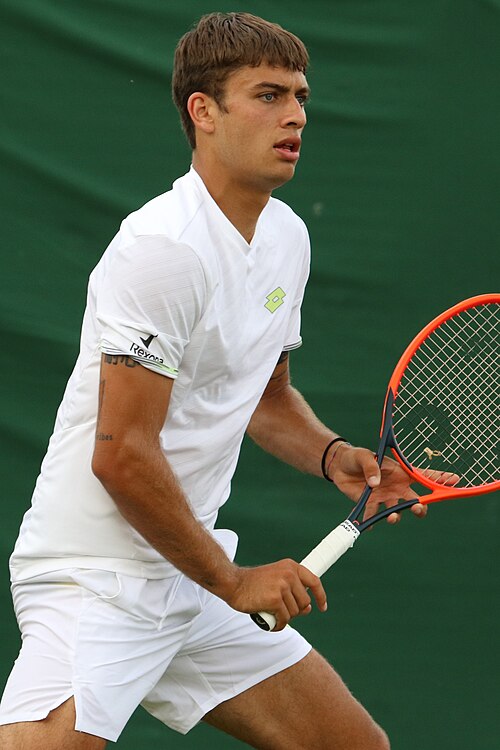
So much tension, yes, but also the desire to enjoy everything, Cobolli pointed out: "I have to live this week to the fullest as a celebration, because it's not easily achieved. I believe I have reached this point after many years of sacrifices; it will certainly be a great joy to be here for the entire week and to play these first matches in Turin. On Sunday, when the tournament starts, the celebration will end: there will be a different mood, definitely a more combative aspect," highlighted Cobolli, who will debut on Monday evening against Daniil Medvedev in a match that could already be crucial for qualification in the Ivan Lendl Group. #AtpFinals #FlavioCobolli #TennisItalia (translated)

2700
Leo XIV 3d
267th Pope of the Catholic Church (2025–)

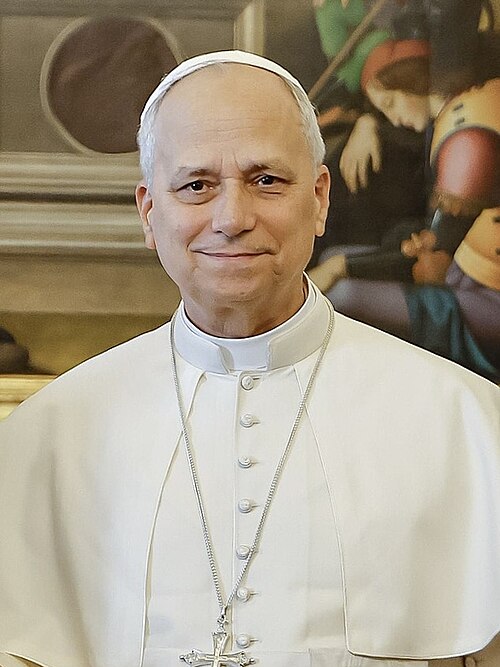
"Be passionate about everything that is worth it, for what is true, good, and beautiful; do not settle for living according to what others expect from you." "Suffering - he reminded yesterday, articulating his speech around three concepts: passion, vocation, and friendship - never has the last word. There are pains that need brotherly help: seek the company of those who care for you." #PapaLeoneXIV #Perù #Gioventù (translated)

3351
Luciano Magaldi Sardella (PhD) 3d

"VIVERE PUGLIA": STRAMURALES: STORNARA IN THE “GLOBAL TOP 20” OF THE REPORT BY THE UNITED NATIONS AGENCY IN EUROPE” From “ghost town” to global model cited in Geneva: the cultural gamble of Stornara Life APS wins the attention of WIPO There is a southern Italy that is making quite a noise. It lies among the wheat fields and rural roads of the Capitanata, far from the great routes of mass tourism. Until a few years ago Stornara, in the province of Foggia, was the typical town that statistics dismiss with a cruel adjective: “peripheral”. Today its name appears in an analysis by WIPO, the “World Intellectual Property Organization”, a United Nations agency in Europe based in Geneva. So Stornara alongside Berlin, New York, Los Angeles, Paris, and Melbourne. A report that looks at the walls of the world The text is entitled “From Local Scenes to Global Recognition: Talent Mobility in Street Art. It is signed by three WIPO economists, Egbert Amoncio, Alexander Cuntz, and Alessio Muscarnera, and was published in the “Creative Industries Insights” series. To construct it, the authors started from data from the “Street Art Cities” platform. The technical note speaks of about 74,000 geolocated works, collected and shared by street art enthusiasts around the world. The underlying questions are simple. Where is street art born? Who travels to paint it? Which cities succeed in attracting talent from outside? The first answer dismantles a commonplace. Street art is a profoundly local phenomenon. About one artist in five also works abroad, while the great majority paint in their own city or in nearby ones. Among the few who cross borders, almost 40 per cent are “highly mobile”: they build an international artistic brand without severing their roots. These are the cases of Banksy, Os Gemeos, and Invader, whose walls appear on several continents. The authors use an effective term: street art is “glocal”, rooted in its own territory but capable of generating global circuits of talent and recognition. The magnets of the world When one asks which cities most attract foreign artists, the map is fascinating. North America weighs in by size, with New York, Los Angeles, and Miami. Western Europe offers a dense network of opportunities, from Berlin to Amsterdam, from Vienna to Ghent, from Basel to Rotterdam, favoured by the festival circuit and by freedom of movement in the Schengen area. Lisbon and Barcelona have focused on supportive municipal policies. Melbourne is the sole representative of Oceania, and Northern Europe relies on Bergen, London, Belfast, and Stavanger. In this scenario of capitals and metropolises, the report inserts an Italian, Apulian, Foggia exception: Stornara, a small agricultural town of about 6,000 souls, has since 2018 been a destination for mural talent. It shows how street art can trigger the rebirth of a community: thanks to the annual festival “Stramurales International Street Art Festival”, born in 2017 from the iron will to combat urban and socio-economic decline on the part of the founders of the social promotion association Stornara Life APS, Lino Lombardi and his Stornara-based Banda dei Fischietti, it has accumulated more than 173 murals. About fifty of them are works by high-level international artists, with Google Trends data since 2017 having shown remarkable interest in the tourist-mural destination, a sign that the international festival has now captured national and international attention. Having also become the world’s first single-case academic study on a street art festival, “Street Art as Public Health Infrastructure”, published in the prestigious world-level academic journal, the “Harvard Health and Human Rights Journal” of Harvard University, by the researcher Luciano Magaldi Sardella from Orta Nova and Professor Matteo Mantuano from Lucera, all this amounts to proof that an idea, an association, and the willingness of a community can change the identity of a place “forgotten by God”. Those who have followed the story from outside tell it too: the town, once little accustomed to visitors, today welcomes international tourists, individuals, groups, and school parties who have come to see its more than 173 murals. The secret lies in density The figure that has ignited Stornara pride is this: volume does not count, proportion does. The organizers propose a simple indicator: works by foreign artists divided by inhabitants, multiplied by 100,000. With more than 50 international works and a population of a few thousand residents, Stornara reaches several hundred foreign works per 100,000 inhabitants. It is a value that metropolises, with millions of residents, cannot approach. The meaning must be read precisely, and precisely here lies the beauty of the thing. Nobody claims that Stornara has more foreign murals than New York. The point is that, in relation to its scale, few places in the world concentrate so much international art per inhabitant. The impact is not dispersed in a megalopolis: it settles in every street, on every façade, in the daily life of those who live there. The most interesting part of the report is the one that looks beyond the ranking. The authors write that the value of street art extends far beyond painted surfaces. Cities like Stornara show how urban art attracts tourism, generates media coverage, and can stimulate local commercial activities, strengthening the sense of community and restoring psychosocial well-being that would drive away the perennial southern decline. The report adds, however, a valuable warning: success depends on careful implementation and on the involvement of artistic communities. Top-down initiatives risk being perceived as “predatory” by artists who care about street credibility. The global Stramurales model seems to have avoided the pitfall. Field studies tell of walls donated by residents, week-long artist residencies, and public discussion of the themes to be addressed. The lesson of a town The report closes with an idea that holds for Stornara as much as for Berlin: the vitality of street art is rooted in local roots. It is born from communities, speaks of their problems, and is made by artists immersed in their urban contexts. The artistic family of Stornara Life APS understood this before many regional and local politicians, making its own walls an open-air museum, a promise, and opening them to the world without ceasing to be itself. In this official report by the Geneva-based United Nations agency in Europe that measures the capacity to attract talent, this turns out to be, probably, the most precious result: to be cited alongside the great capitals of urban art and to remain, after all, a rural provincial town in which every wall tells a colourful world of glocal stories. (translated)

447
Luciano Magaldi Sardella (PhD) 3d

“VIVERE PUGLIA”: STRAMURALES: STORNARA IN THE “GLOBAL TOP 20” OF THE REPORT OF THE UNITED NATIONS AGENCY OF EUROPE SOURCE: https://www.viverepuglia.it/2026/11/12/stramurales-stornara-nella-global-top-20-del-rapporto-dellagenzia-delle-nazioni-unite-deuropa/207030/ ------------------------------------------------------------------- From “ghost town” to global model cited in Geneva: the cultural bet of Stornara Life APS captures the attention of WIPO There is a South Italy that does not make much noise. It lies among the wheat fields and rural roads of Capitanata, far from the main routes of mass tourism. Until a few years ago, Stornara, in the province of Foggia, was the typical town that statistics dismiss with a cruel adjective: “peripheral.” Today its name appears in a WIPO analysis, the “World Intellectual Property Organization,” a United Nations agency in Europe based in Geneva. So, Stornara stands alongside Berlin, New York, Los Angeles, Paris, and Melbourne. ------------------------------------------------------------------- A report that looks at the walls of the world The text is titled From Local Scenes to Global Recognition: Talent Mobility in Street Art. It is authored by three WIPO economists, Egbert Amoncio, Alexander Cuntz, and Alessio Muscarnera, and has been published in the “Creative Industries Insights” series. To build it, the authors started from data from the “Street Art Cities” platform. The technical note discusses about 74,000 geolocated works collected and shared by street art enthusiasts worldwide. The underlying questions are simple. Where does street art originate? Who travels to paint it? Which cities manage to attract talent from outside? The first answer dismantles a common misconception. Street art is a profoundly local phenomenon. About one in five artists also works abroad, while the vast majority paint in their own city or nearby ones. Among the few who cross borders, nearly 40 percent is “highly mobile”: they build an international artistic brand without severing their roots. These include cases like Banksy, Os Gemeos, and Invader, whose works appear on multiple continents. The authors use an effective term: street art is “glocal,” rooted in its territory yet capable of generating global circuits of talent and recognition. -------------------------------------------------------------------- The magnets of the world When asked which cities most attract foreign artists, the map is fascinating. North America weighs in terms of size, with New York, Los Angeles, and Miami. Western Europe offers a dense network of opportunities, from Berlin to Amsterdam, from Vienna to Ghent, from Basel to Rotterdam, fueled by the festival circuit and the freedom of movement within the Schengen area. Lisbon and Barcelona have focused on municipal support policies. Melbourne is the only representative from Oceania, while Northern Europe relies on Bergen, London, Belfast, and Stavanger. In this landscape of capitals and metropolises, the report includes an Italian, Apulian, Foggian exception: Stornara, a small agricultural town of about 6,000 residents, has been a destination for mural talent since 2018. It shows how street art can trigger a community's revival: thanks to the annual “Stramurales International Street Art Festival,” born in 2017 from the determined will to combat urban and socio-economic decline by the founders of the social promotion association Stornara Life APS, Lino Lombardi and his local Banda dei Fischietti, it has accumulated over 173 murals. About fifty are works by high-level international artists, with Google Trends data since 2017 showing a remarkable interest in the tourism-mural destination, indicating that the international festival has now captured national and international attention. It has also become the first monographic academic case study in the world on a street art festival, “Street Art as Public Health Infrastructure,” published in the prestigious global academic journal “Harvard Health and Human Rights Journal” of Harvard University, by researcher Luciano Magaldi Sardella from Orta Nova and professor Matteo Mantuano from Lucera. All this corresponds to the demonstration that an idea, an association, and a community's willingness can change the identity of a place “forgotten by God.” This is also told by those who have followed the story from the outside: the town, once unaccustomed to visitors, now welcomes international tourists, individuals, groups, and school classes coming to see its over 173 murals. ----------------------------------------------------------------- The secret lies in density The data that has ignited pride in Stornara is this: it’s not the volume that matters, but the proportion. The organizers propose a simple indicator: the works of foreign artists divided by the population, multiplied by 100,000. With about over 50 international works and a population of a few thousand residents, Stornara reaches several hundred foreign works per 100,000 inhabitants. It’s a value that metropolises, with millions of residents, cannot approach. The significance must be read accurately, and here lies the beauty of the thing. No one claims that Stornara has more foreign murals than New York. The point is that, relative to its scale, few places in the world concentrate so much international art per inhabitant. The impact does not dissipate in a megalopolis: it settles in every street, on every façade, in the daily lives of those who live there. The most interesting part of the report looks beyond the ranking. The authors note that the value of street art extends well beyond painted surfaces. Cities like Stornara demonstrate how urban art attracts tourism, generates media coverage, and can stimulate local commercial activities while strengthening community bonds and restoring the psychosocial well-being that could fend off enduring southern decline. However, the report adds a valuable warning: success depends on careful implementation and the involvement of artistic communities. Top-down initiatives risk being perceived as “predatory” by artists who care about street credibility. The global Stramurales model seems to have avoided this pitfall. Field studies recount walls donated by residents, week-long artist residencies, and public discussions on issues to address. ----------------------------------------------------------------- The lesson from a town The report concludes with an idea that applies to Stornara as much as to Berlin: the vitality of street art is rooted in local foundations. It arises from communities, speaks of their problems, and is made by artists immersed in their urban contexts. The artistic family of Stornara Life APS understood this before many regional and local politicians, turning their walls into an open-air museum, a promise, and opened them to the world while remaining true to themselves. In this official report from the Geneva-based United Nations agency in Europe that measures the capacity to attract talent, this is likely the most valuable outcome: being mentioned alongside the great capitals of urban art while remaining, after all, a rural provincial town where every wall tells a colorful world of glocal stories. (translated)

559
Lucia Azzolina 4d
Italian politician

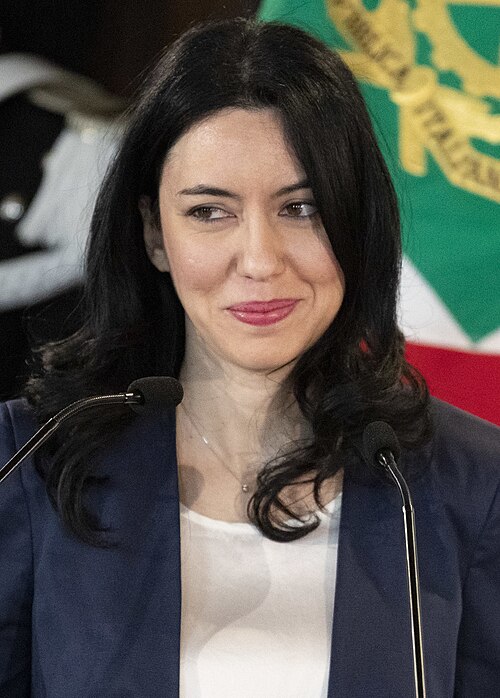
Yesterday and today, bomb threats were received via email. However, we did not evacuate, neither yesterday nor today. Safety comes first, but there are procedures that we followed in coordination with the police and other authorities. The school must remain a safe place; we cannot let the kids live in fear. #AllarmeBomba #ScuolaSicura #LuciaAzzolina (translated)

2692
Luciano Magaldi Sardella (PhD) 4d

"VIVERE CERIGNOLA": FROM THE FIELDS OF CAPITANATA TO THE UNITED NATIONS: THIS IS HOW THE MURALS OF STORNARA CHALLENGE THE WORLD’S CAPITALS SOURCE: https://www.viverecerignola.it/2026/11/12/dai-campi-della-capitanata-alle-nazioni-unite-cos-i-murales-di-stornara-sfidano-le-capitali-mondiali/207189/ STORNARA (FG) - The UN agency for Intellectual Property includes the Foggia village among the most attractive global hubs for urban art. Thanks to a grassroots festival that managed to turn around the fate of a small agricultural center. Neither the skyscrapers of New York nor the grand boulevards of Paris are needed to become a global reference point for contemporary culture. Sometimes, all it takes are the plastered facades of a village of six thousand souls, surrounded by the wheat fields of the province of Foggia, and the tenacity of a community that decides not to succumb to marginality. This is the story told in Geneva by the World Intellectual Property Organization (WIPO), which in its latest report on creative industries has spotlighted the artistic miracle of Stornara. ------------------------------------------------------------------- An Italian exception among metropolises The document, titled From Local Scenes to Global Recognition: Talent Mobility in Street Art, examines the global geography of murals, analyzing over 74,000 works mapped on a planetary scale. The goal of the economists behind the study - Egbert Amoncio, Alexander Cuntz, and Alessio Muscarnera - was to understand where international artists are active and which places can attract talent from abroad. In the map of cultural "magnets," giants like Los Angeles, Berlin, London, Barcelona, and Melbourne appear. Yet, amid these major capitals, the virtuous anomaly of Stornara stands out: a rural center that, thanks to the power of ideas, has managed to enter the select global elite of public art. -------------------------------------------------------------------- The winning bet of Stornara Life APS It all began in 2017, when the Stornara Life APS association, driven by Lino Lombardi and the "Whistleblowers' Band," launched Stramurales. The aim was not only aesthetic but deeply social: to counter economic decline and cultural isolation through shared beauty. In less than a decade, the village has transformed into an open-air gallery with over 173 wall works, including about fifty creations by international masters in the field. An open-air laboratory whose social impact has already been certified in the international academic realm, thanks to a study published in the "Harvard Health and Human Rights Journal" by researchers from Apulia, Luciano Magaldi Sardella and Matteo Mantuano, who analyzed urban art as a genuine infrastructure for public well-being. -------------------------------------------------------------------- The value of the human scale What impresses UN analysts is the proportional impact of the project. Relating the number of foreign works to the population, Stornara achieves an inconceivable per capita artistic concentration for any metropolis. Here, art is not confined to a peripheral neighborhood but inhabits every street and accompanies residents' daily actions. The WIPO report finally indicates the secret formula that makes this model replicable elsewhere: authenticity. Unlike top-down regeneration operations, often viewed with suspicion by the artists themselves, in Stornara, it is the residents who donate the walls of their homes, welcoming muralists into week-long artist residencies and participating in the selection of themes. A lesson in civic participation that demonstrates how even small villages in the South can speak to the world without losing their soul. (translated)

449
Luciano Magaldi Sardella (PhD) 4d

"VIVERE CERIGNOLA": FROM THE FIELDS OF CAPITANATA TO THE UNITED NATIONS: HOW STORNARA'S MURALS CHALLENGE THE WORLD CAPITALS SOURCE: https://www.viverecerignola.it/2026/11/12/dai-campi-della-capitanata-alle-nazioni-unite-cos-i-murales-di-stornara-sfidano-le-capitali-mondiali/207189/ STORNARA (FG): The UN agency for Intellectual Property has placed the Foggia village among the most attractive global hubs for urban art. The credit goes to a grassroots festival that has managed to reverse the destiny of a small agricultural town. You do not need the skyscrapers of New York or the grand boulevards of Paris to become a world reference point for contemporary culture. Sometimes the plastered facades of a town of six thousand souls, surrounded by the wheat fields of the province of Foggia, and the tenacity of a community determined not to surrender to marginality, are enough. This is the story told in Geneva by the World Intellectual Property Organization (WIPO), which in its latest report on the creative industries has shone a spotlight on the artistic miracle of Stornara. ----------------------------------------------------------------- An Italian Exception Among the Metropolises The document, entitled From Local Scenes to Global Recognition: Talent Mobility in Street Art, X-rays the world geography of murals, analysing more than 74,000 works mapped on a planetary scale. The aim of the economists who authored the study, Egbert Amoncio, Alexander Cuntz, and Alessio Muscarnera, was to understand where international artists move and which places succeed in attracting talent from abroad. On the map of cultural 'magnets' appear giants such as Los Angeles, Berlin, London, Barcelona, and Melbourne. Yet, right among these great capitals, stands out the virtuous anomaly of Stornara: a rural centre which, thanks to the power of ideas, has succeeded in entering the narrow global élite of public art. ------------------------------------------------------------------ The Winning Wager of Stornara Life APS It all began in 2017, when the association Stornara Life APS, led by Lino Lombardi and the 'Banda dei Fischietti', launched Stramurales. The intent was not merely aesthetic, but profoundly social: to counter economic decline and cultural isolation through shared beauty. In less than a decade, the town has been transformed into an open-air gallery with more than 173 mural works, including some fifty creations signed by international masters of the field. An open-air laboratory whose social scope had already been certified in the international academic sphere, thanks to a study published in the Harvard Health and Human Rights Journal by the Apulian researchers Luciano Magaldi Sardella and Matteo Mantuano, who analysed urban art as a genuine infrastructure for public well-being. ---------------------------------------------------------------- The Value of the Human Scale What strikes the United Nations analysts is the proportional impact of the project. Relating the number of foreign works to the inhabitants, Stornara achieves a per-capita artistic concentration unthinkable for any metropolis. Here art does not remain confined to a peripheral district, but inhabits every street and accompanies the daily gestures of residents. The WIPO report finally indicates the secret formula that makes this model replicable elsewhere: authenticity. Unlike top-down regeneration operations, often viewed with suspicion by the artists themselves, in Stornara it is the inhabitants who donate the walls of their own houses, welcoming the muralists into week-long artists' residencies and participating in the choice of themes. A lesson in civic participation which demonstrates how even the small villages of the South can speak to the world without losing their own soul.

674
Leo XIV 4d
267th Pope of the Catholic Church (2025–)

"The regions of Peru preserve their own traditions, and each adds something different to national life. The unity of a people is strengthened when these differences find their place, and each person contributes by drawing from their own history and convictions," continued Pope Prevost, according to whom love for one's homeland "manifests itself, above all, in the care of those who inhabit it. To love a people means to desire that all may live in it with dignity, to be concerned for them, and to be willing to offer something of oneself for its well-being. It is a feeling that I have learned to understand better thanks to you, and that today," he emphasized, "I wish to share with those who hold public office." #PapaLeoneXIV #VisitaInPerù #RiconciliazioneNazionale (translated)

3372
Tiberio Bellotti 5d

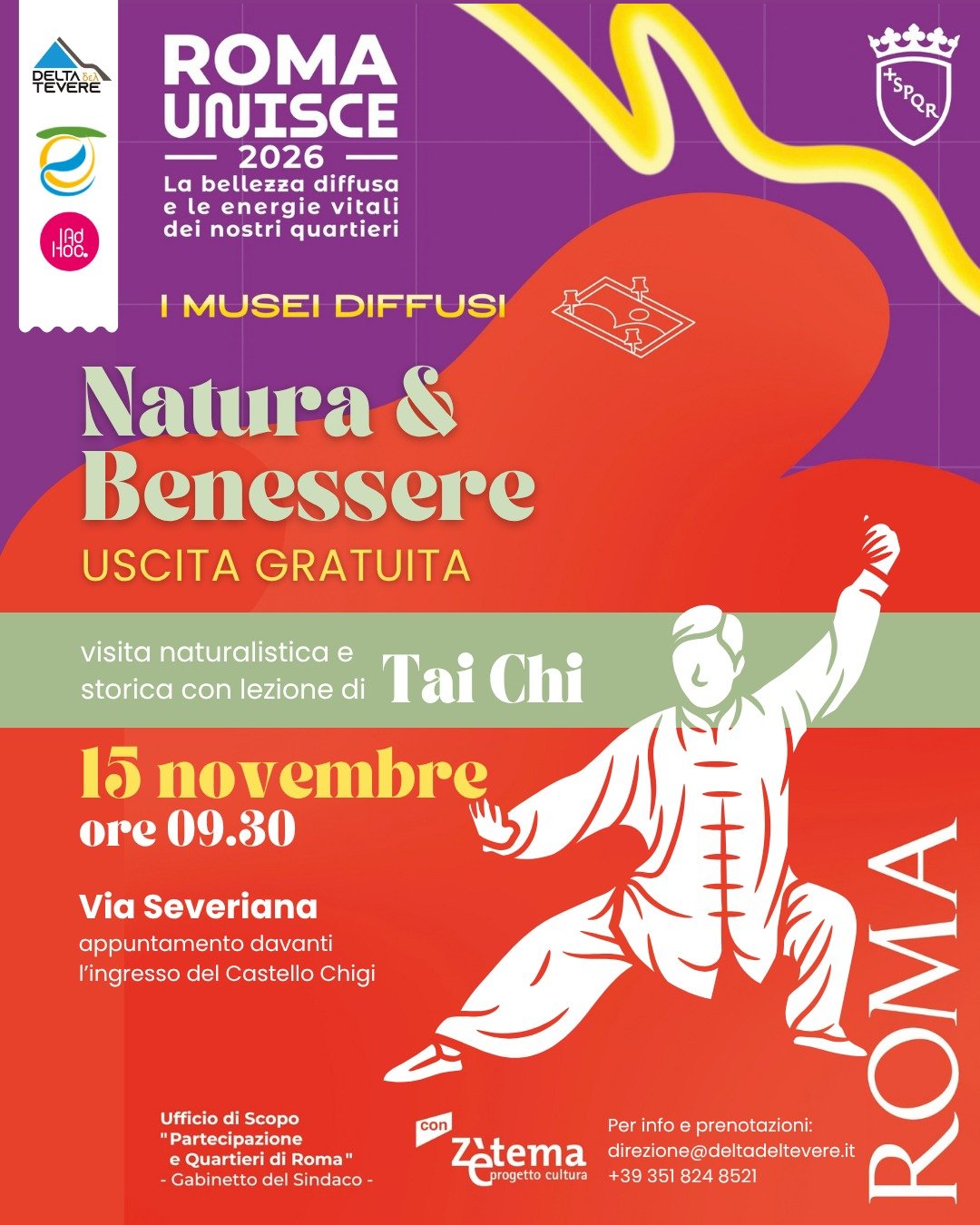
Culture and territory can be experienced in new ways! Let's combine nature, history, and well-being! (translated)

676
Il Messaggero 5d

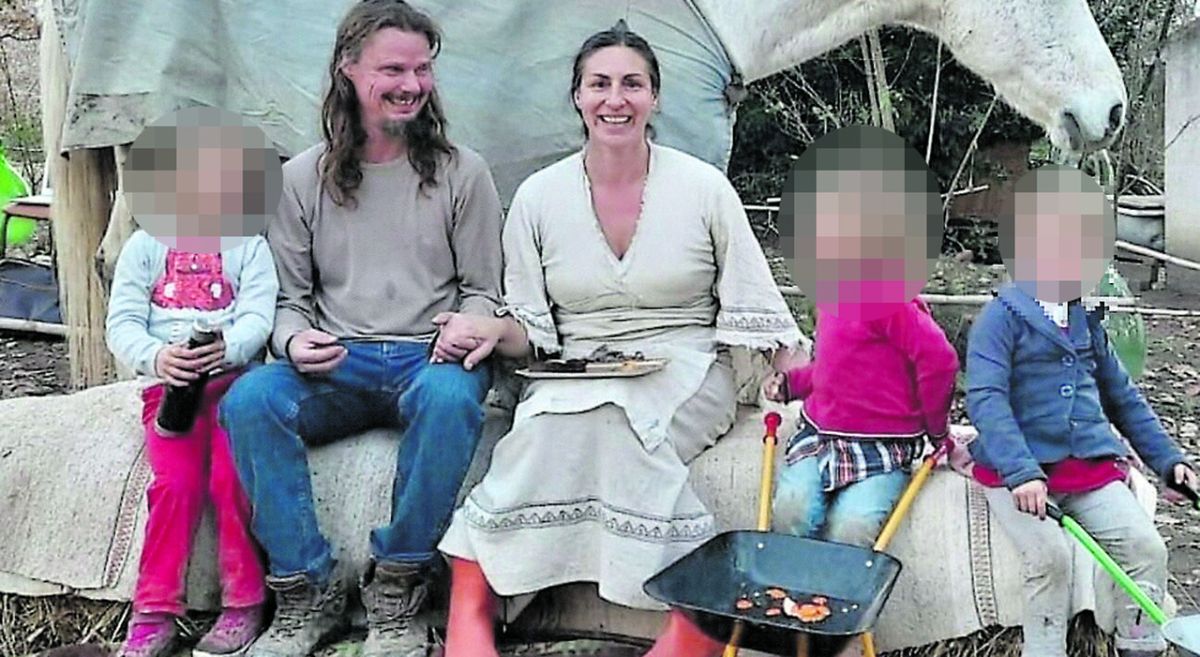
The municipality of Palmoli has already incurred expenses of 90,000 euros for the maintenance of the three children of an Anglo-Australian couple, forced to live in a group home, while awaiting limited reimbursements from the state and facing budget difficulties due to the resources advanced. #Palmoli #Famiglia #ServiziSociali (translated)

www.ilmessaggero.it
Famiglia nel bosco divisa da un anno, al Comune di Palmoli è già costata 90mila euro
2259
S
Sergei Sokolov 6d

"We will continue to live, and I am sure that this country, trapped in such a terrible time, will sooner or later show signs of awakening," said editor-in-chief Sergei Sokolov in his farewell speech. "As soon as the first signs appear, Novaya Gazeta will return, from its readers and its colleagues." #NovayaGazeta #LibertàDiStampa #DirittiUmani (translated)

2715
L
lastampa.it 6d

Massimo Cacciari's article explores the implications of artificial intelligence in contemporary society, warning against the illusion that its developments are autonomous products of nature rather than fruits of human decisions, and emphasizing how these changes could radically influence our way of living and the dynamics of power, especially in political and military contexts. #IntelligenzaArtificiale #Tecnologia #RivoluzioneDigitale (translated)

www.lastampa.it
I padroni dell’Ai che decidono su conflitti e paci
2717
Mariolinus 6d

10/11 St. Leo the Great "We are unworthy servants. We have only done what we ought to have done." #Gospel Lk 17:7 The disciple of #Jesus listens and tries to live what the Lord teaches us, without getting pompous... Have a good day 😇 (translated)

1019
Roberto Lagalla 7d
Italian radiologist and politician (1955-)

Mayor Roberto Lagalla, while praising the intervention of the urban police, who prevented "even more serious and indecent scenes from repeating, as unfortunately happened on other occasions in the past," emphasized that "Palermo cannot accept that entire streets and parts of the city become the stage for behaviors that foster in citizens the perception of not being protected and of not being able to freely live in their neighborhoods." #Palermo #Funerale #Mafia (translated)

2381
Pino Rotta 1w

Coordinated solitude, author Claudio Aloisio Written by Pino Rotta, November 8, 2026 Claudio Aloisio is a communication and marketing professional, a field in which he has worked for many years. When his first essay "Coordinated Solitude" (Ed. Ideacoop Media Service, 2026) was released, sharing the same field of activity and interests (albeit with different directions and experiences), I found it interesting to read it, especially since we share the same city but have not met, which was already a good reason to find the essay interesting and its title stimulating. "Coordinated solitude" is an essay that analyzes, with a wealth of documentation and bibliography, the phenomena of the formation of convergences or exclusions among groups and individuals through the study of media languages and, in particular, those of the digital domain. A field that has already been widely investigated for several years. My first approach to these new linguistic proposals dates back, among other readings, to a 1994 essay "Collective Intelligence" by Pierre Levy. In that essay, Levy, at the dawn of the web era, launched the idea that the network, which collected the contributions of millions of users, contained them all without controlling their paths, interactions, or effects. Stimulating concepts that today help us understand how much conflict can arise between theory and its application considering time and technological development. However, Aloisio surprises the reader with suggestions from the very first pages of the essay. In fact, despite addressing the analysis of digital languages with an epistemological line rooted in Anglo-Saxon studies, particularly American ones, from the outset the author seems to suggest that this is not a “technical” essay but is entirely political in the higher sense of the term. The first reference is found in the citation of an author who was among the fathers of European sociology in the early years of the last century: Emile Durkheim, one of the first sociologists and philosophers who analyzed social phenomena with enormous meticulousness and rigor, linking religion with social structure. This opening will be found in the subsequent pages of "Coordinated Solitude," but it will not be the only surprise in Aloisio's analytical developments. In the essay, the author describes how people who may share spaces, interests, and common values, by finding them in the digital world, can at a certain point recognize themselves in different affiliations and even come to see in others a “us” that makes them akin to their own story or a “them” that indicates a distance, exclusion, and even a threat in relation to it. The causes of these dynamics are very well structured in the essay, as is the well-structured context in which individual stories are born, meet, and ultimately find different outcomes. Outcomes that can lead to reinforcing one's affiliations, which, however, are discovered at the end of the interaction process and that, throughout the journey, rarely reach a state of awareness. Outcomes that are influenced by pre-existing value structures that do not necessarily coincide with those of the members of the groups with which one identifies or clashes. This path is analyzed by Aloisio by considering the social dynamics of the West, examining and contrasting similar but not necessarily overlapping social realities, such as American and Italian society. In the identification processes that coexist in these social realities, the belonging to social class, religious group, ethnicity, sexual orientation, and sense of nation enters strongly. Everyone has their own experiences, but at the end of a journey of interaction, now almost exclusively digital, one finds oneself sharing a sense of belonging with other multitudes of people who have completely different experiences. And in this sense of belonging, fears of the future, frustrations of the past and present are downloaded, and one is enveloped by fears and anger that must find an enemy to blame. An enemy that is often suggested by the discovery of affinities among the groups that are created, much more often than not created, on digital platforms. Addressing the current nature of the algorithms governed by Artificial Intelligence, the author suggests the method through which these affiliations arise, which can be irrational but are entirely real and influence individual and social daily life. The individual in the digital dimension, which becomes the everyday reality of social action, is called to take responsibility for maintaining their conviction and belonging or risk feeling excluded, isolated, alone. The weight of a choice that often becomes distressing and paralyzing. But how is it possible to read and interpret these “Coordinated Solitudes”? Aloisio's essay provides a reading and suggests a methodology to identify the path that sometimes, but not always, leads to the awareness of how certain choices are made and what elements need to be questioned to verify if the reading of these languages withstands the law of contradiction and thus can be used to ascribe scientific value to it. But at the end of this journey of understanding languages, forms of aggregation, and the proof of the compatibility of individual choices, Aloisio presents us with another surprise that speaks volumes about his educational journey. The discourse of education and the reading of digital languages is ultimately a discourse on democracy, on social structure, and these factors cannot be disregarded without risking losing the ability to give meaning to one’s social action as well as one’s communicative action. It is my view that the surprise that is the coherence of the entire analysis of the essay comes with the reference that the author makes at the end to the work of Jürgen Habermas. The most important philosopher, sociologist of language, heir of the Frankfurt School who passed away at the age of 97 in March 2026, is the foremost interpreter of the theory of democracy and of the criticism of oppressive authority, which does not exclude conflict but determines its progressive outcome through the mediation of communicative action. Communicative action that questions institutions not to destroy them but to avoid remaining subjected to authoritarianism and, in the form of linguistic mediation, to be active subjects, not subdued by a system that, due to the nature of formal institutions, can always degenerate into authoritarianism. Coordinated solitudes thus find themselves with a positive perspective, with outcomes that are never guaranteed or predetermined, but feasible for reconstructing trust in the future realized through the recognition of the other as part of a common living and not as a threat to be feared, excluded, or even suppressed. Lastly, it should be noted that, although not explicitly considered, Aloisio does not prioritize simplification in the reading of contexts, evading complexity as a fundamental element of contemporary society's reality (perhaps it would have been useful to refer to Edgard Morin's theories), but it is evident that complexity must be confronted with different analytical methodologies and that the appeal to the work of Zygmunt Bauman leads us to presume this. https://www.heliosmag.it/?p=1659 (translated)

796
Il Messaggero 2w

A Milanese leader reported his wife for years of physical and psychological abuse, describing how he was forced to live like a ghost and eat from the dog's bowl, leading to his report and an investigation by the Milan Prosecutor's Office. #violenzadigenere #maltrattamenti #giustizia (translated)

www.ilmessaggero.it
«Seviziato da mia moglie per un anno, mi costringeva a mangiare nella ciotola del cane. Pesavo 53 chili, ero un fantasma». Denunciata una manager milanese
2291
Il Fatto Quotidiano 2w

Marta Novello, stabbed and left in a coma in 2021, discovers with bitterness that the attacker Jamal Tonelli, not yet definitively convicted, has returned to live near her in Mogliano Veneto. #Violenza #Giustizia #CronacaNera (translated)

www.ilfattoquotidiano.it
Accoltellata e ridotta in coma nel 2021, ma l’aggressore di Marta Novello è ancora libero. E ora torna a vivere vicino a lei
2300