WRLD

Search

#WELCOME
Bill Comeau 🇨🇦 9h

Russia is calling the ruling to exclude them from the world juniors in Canada "unlawful". Since they used that word first, let me remind all Russians that the invasion of Ukraine was unlawful and remains unlawful. Your junior hockey players are not welcome here. www.cbc.ca/sports/hocke...

www.cbc.ca
IIHF confirms Russia not competing at world juniors next month in Alberta | CBC Sports
1643
Gunther Fehlinger-Jahn 11h
Austrian economist

The author described Ukraine as Europe’s bravest frontline and wrote that people from Odesa to Lviv chose freedom, the rule of law and a European future. They urged Brussels to end delays, open the final chapters and welcome Ukraine into the EU. #EU50 #Ukraine #EU #Freedom #UA #EU

2232
Gunther Fehlinger-Jahn 1d
Austrian economist

The author described Montenegro as a potential “next star” of Europe, citing its fjords, mountains and population’s readiness to join the EU. They urged Podgorica to complete the remaining chapters and sign an accession treaty. #EU50 #Montenegro #EU #Independence #ME #EU

2533
Tim White 2d

Day 1725 of the war in Europe is upon us. Welcome to another daily thread covering everything interesting in Ukraine where a battle for survival continues, both for the country, and for every man, woman and child. Let's get today's show on the road..

2948
Irish Independent 2d

Wexford boxer receives a hero's welcome upon returning home after winning a silver medal at the world championships. #SeguridadEnLinea #BloqueoDeAcceso #ProtecciónWeb

www.independent.ie
‘He’s one in a million’ — Wexford boxer returns to hero’s welcome after winning world silver medal
2555
Steve Herman 2d

"Welcome to Friday the 13th," says DHS Secretary Mullins, explaining there's no connection between the FAA communications system failure and the Microsoft outage.

2669
Dubravka Šuica 2d
Croatian politician

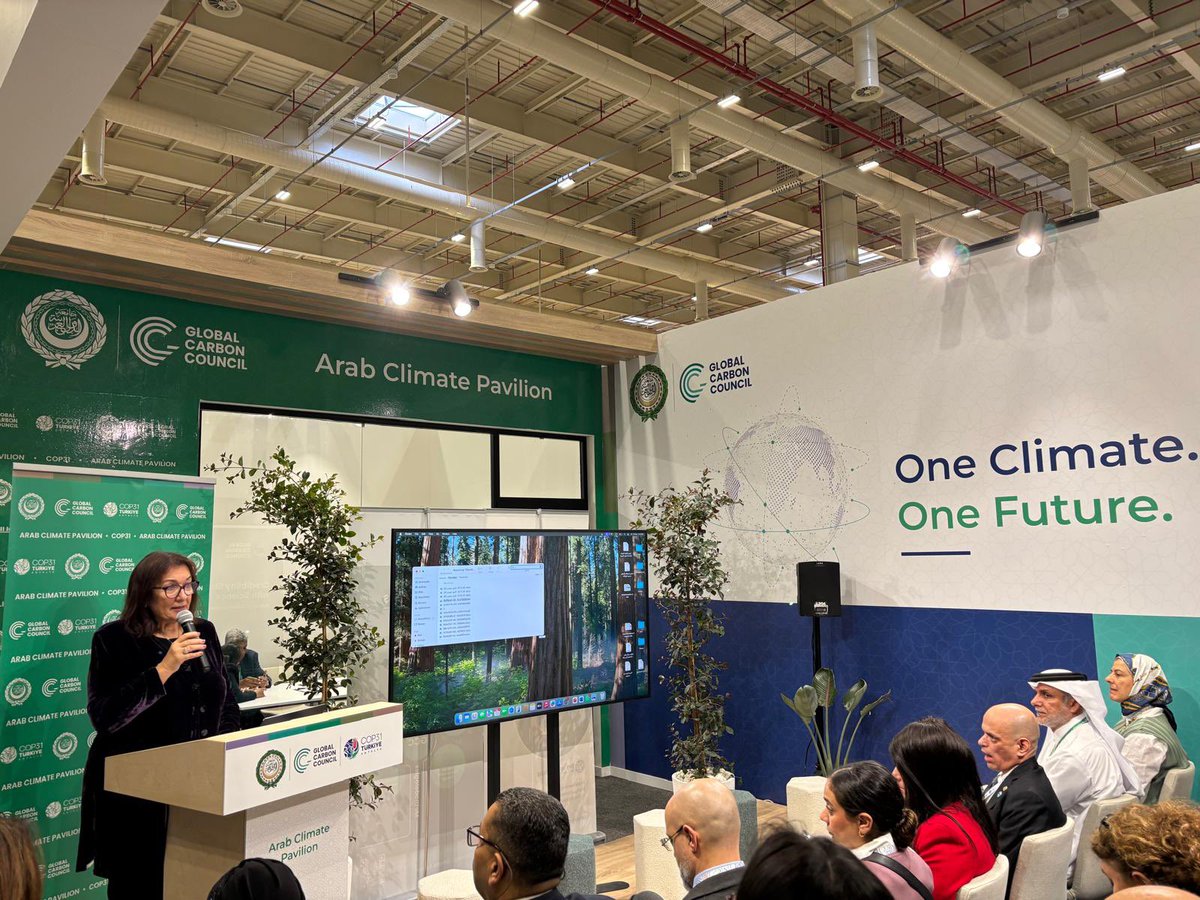
The author said clean energy could connect the two shores of the Mediterranean, create quality jobs, improve the competitiveness of industries and strengthen economies, adding that investment was needed. At COP31, the author thanked the Arab League General Secretariat for bringing participants together and welcomed the launch of an initiative linked in the post. https://t.co/UaG2nGS6aL #EnergíaLimpia #Inversión #DesarrolloEconómico #MA #EG #TN #LY #DZ #PT #ES #IT #FR #GR

3007
Luciano Magaldi Sardella (PhD) 2d

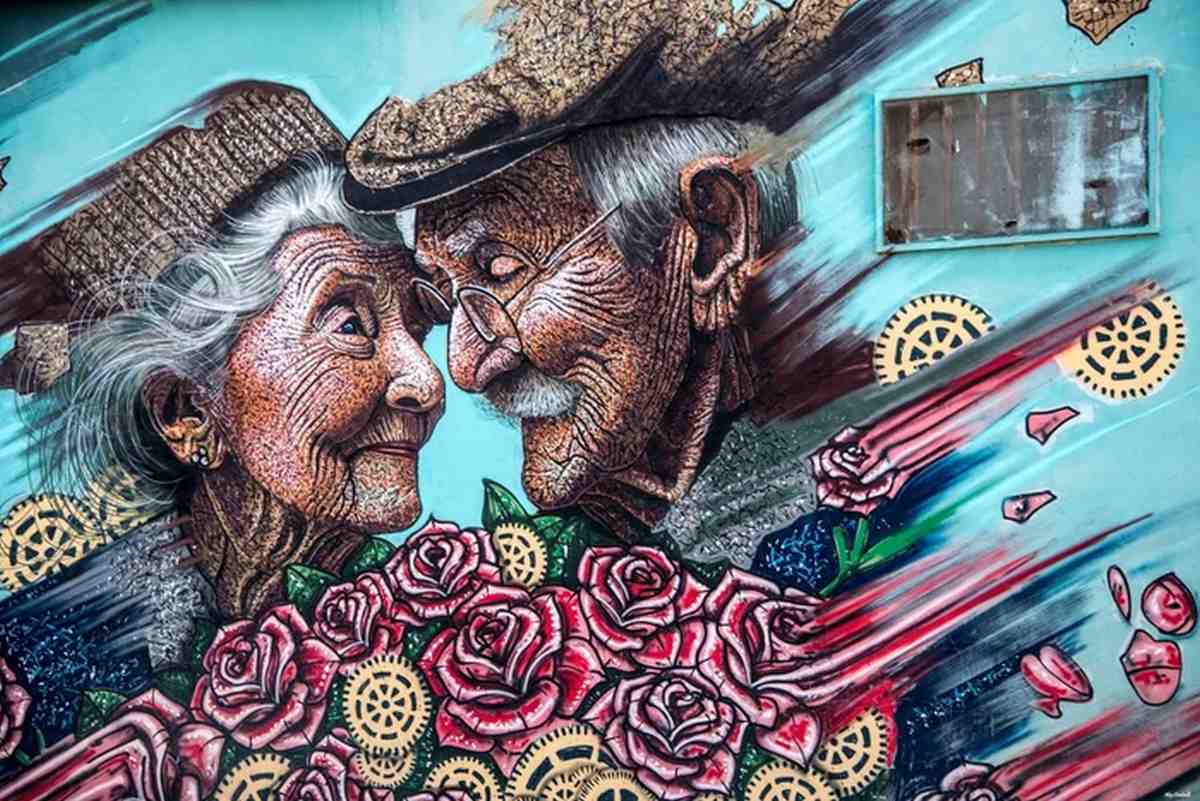
"GAZZETTA H24": STREET ART, STORNARA ENTERS THE WIPO REPORT ALONGSIDE THE GREAT CITIES OF THE WORLD SOURCE: https://www.gazzettah24.it/street-art-stornara-entra-nel-rapporto-wipo-accanto-alle-grandi-citta-del-mondo/ -------------------------------------------------------------------- From 'ghost town' to global model cited in Geneva: the cultural wager of Stornara Life APS wins the attention of WIPO. STORNARA (FG) - There is a Southern Italy that makes no little noise. It stands among the wheat fields and the rural roads of the Capitanata, far from the great routes of mass tourism. Until a few years ago Stornara, in the province of Foggia, was the typical town that statistics dismiss with a cruel adjective: 'peripheral'. Today its name appears in an analysis by WIPO, the 'World Intellectual Property Organization', the United Nations Agency of Europe headquartered in Geneva. 'Stornara Life APS' alongside Berlin, New York, Los Angeles, Paris, and Melbourne. -------------------------------------------------------------------- A report that looks at the walls of the world The text is entitled 'From Local Scenes to Global Recognition: Talent Mobility in Street Art'. It bears the signature of three WIPO economists, Egbert Amoncio, Alexander Cuntz, and Alessio Muscarnera, and was published in the series 'Creative Industries Insights'. To build it the authors started from the data of the platform 'Street Art Cities'. The technical note speaks of about 74,000 geolocalized works, collected and shared by street-art enthusiasts all over the world. The underlying questions are simple. Where is street art born? Who travels to paint it? Which cities manage to attract talent from outside? The first answer dismantles a commonplace. Street art is a profoundly local phenomenon. About one artist in five also works abroad, whereas the great majority paints in its own city or in those nearby.  Among the few who cross the borders, almost 40 per cent are 'highly mobile': they build an international artistic brand without severing their roots. They are the cases of Banksy, Os Gemeos, and Invader, whose walls appear on more than one continent. The authors use an effective term: street art is 'glocal', rooted in its own territory but capable of generating global circuits of talent and recognition. ---------------------------------------------------------------- The magnets of the world When one asks which cities attract foreign artists most, the map is fascinating. North America weighs by size, with New York, Los Angeles, and Miami. Western Europe offers a dense network of opportunities, from Berlin to Amsterdam, from Vienna to Ghent, from Basel to Rotterdam, favoured by the festival circuit and by freedom of movement of the Schengen area. Lisbon and Barcelona have staked on municipal policies of support. Melbourne is the sole representative of Oceania, and Northern Europe relies on Bergen, London, Belfast, and Stavanger. In this scenario of capitals and metropolises, the report inserts an Italian, Apulian, Foggian exception: Stornara, a small agricultural town of about 6,000 souls, since 2018 has been a destination for mural talent. It shows how street art can trigger the rebirth of a community: thanks to the annual festival 'Stramurales International Street Art Festival', born in 2017 from the iron will to combat urban and socio-economic decline on the part of the founders of the social promotion association 'Stornara Life APS', Lino Lombardi and his Stornarese 'Banda dei Fischietti', it has accumulated more than 173 murals. About fifty of them are works by high-level international artists, with Google Trends data which since 2017 have shown a remarkable interest in the tourist-mural destination, a sign that the international festival has by now captured national and international attention. It has also become the first monographic academic case study in the world on a street-art festival, 'Street Art as Public Health Infrastructure', published in the prestigious journal of world academic standing, the 'Harvard Health and Human Rights Journal' of Harvard University. Through the work of the researcher Luciano Magaldi Sardella of Orta Nova and of Professor Matteo Mantuano of Lucera, all this corresponds to the demonstration that an idea, an association, and the availability of a community can change the identity of a place 'forgotten by God'. He who has followed the affair from outside also tells it: the town, once little accustomed to visitors, today welcomes international tourists, individuals, groups, and school parties come to see its more than 173 murals. -------------------------------------------------------------------- The secret is in density The datum which has kindled Stornarese pride is this: volume does not count, proportion counts. The organizers propose a simple indicator: works by foreign artists divided by inhabitants, multiplied by 100,000.  With about over 50 international works and a population of a few thousand residents, at Stornara one arrives at several hundred foreign works per 100,000 inhabitants. It is a value which the metropolises, with millions of residents, cannot approach. The meaning must be read with precision, and precisely here stands the beauty of the thing. No one maintains that Stornara has more foreign murals than New York. The point is that, in relation to its scale, few places in the world concentrate so much international art per inhabitant.  The impact does not disperse itself in a megalopolis: it deposits itself in every street, on every façade, in the everyday life of those who inhabit it. The most interesting part of the report is that which looks beyond the ranking. The authors write that the value of street art extends well beyond the painted surfaces. Cities such as Stornara demonstrate how urban art attracts tourism, generates media coverage, and can stimulate local commercial activities, strengthening the sense of community and restoring the psychosocial well-being which would distance the imperishable southern decline.  The report adds, however, a precious warning: success depends on careful implementation and on the involvement of the artistic communities. Initiatives dropped from above risk being perceived as 'predatory' by artists who have street credibility at heart. The global Stramurales model seems to have avoided the snare. Field studies tell of walls donated by residents, one-week artists' residencies, and public discussion of the themes to be addressed. ----------------------------------------------------------------- The lesson of a town The report closes itself with an idea which holds for Stornara as much as for Berlin: the vitality of street art sinks in local roots. It is born from communities, speaks of their problems, is made by artists immersed in their urban contexts. The artistic family of 'Stornara Life APS' understood it before many regional and local politicians, making of its own walls an open-air museum, a promise, and opening them to the world without ceasing to be itself. In this official report of the Genevan Agency of the United Nations of Europe which measures the capacity to attract talent, this turns out to be, probably, the most precious result:. To be cited alongside the great capitals of urban art and to remain, after all, a rural provincial town in which every wall tells a variegated world of glocal stories.

www.gazzettah24.it
Street art, Stornara entra nel rapporto WIPO accanto alle grandi città del mondo
111
Ursula von der Leyen 3d

I welcome the renewed momentum to move things forward to a just and lasting peace. A strong European presence is important. We have agreed on a European team - E5 plus EU Institutions. We will defend both Ukraine’s and Europe's interests.

3455
Gunther Fehlinger-Jahn 3d
Austrian economist

The post called for people to defend and expand NATO, saying freedom had to be defended collectively. It also welcomed new Defend NATO chapters worldwide and invited readers to join the movement. https://t.co/R4yDRvjPWd #NATO #DefendNATO #NATO #DefendNATO #Freedom #EU #UA

3121
Ursula von der Leyen 3d
President of the European Commission since 2019

The author welcomed renewed momentum towards what they described as a just and lasting peace, and said a strong European presence was important. They said a European team had been agreed, comprising the E5 and EU institutions, to defend Ukraine’s and Europe’s interests. https://t.co/JMXUCQRzaS #Peace #Ukraine #Europe #UA #EU

2676
Zack Polanski 3d

Great to welcome Diane - our newest Green councillor in Leicester City! Diane's been a councillor for 9 years & is hugely welcome! Want to join Diane in the party fighting for environmental, social, racial and economic justice? (join link below!) www.bbc.co.uk/news/article...

www.bbc.co.uk
Former Labour Leicester city councillor joins Green Party
1785
Margus Tsahkna 3d
Estonian politician (born 1977)

The author welcomed Finland’s and Norway’s decisions to tighten restrictions on Russian and Belarusian athletes. They said Estonia had maintained strict entry restrictions on Russian and Belarusian citizens since 2022, covering tourists, athletes and most other categories of travellers. https://t.co/KJFm896iW6 #Finland #Norway #Estonia #FI #NO #RU #BY #EE

2904
Luciano Magaldi Sardella (PhD) 3d

"VIVERE PUGLIA": STRAMURALES: STORNARA IN THE “GLOBAL TOP 20” OF THE REPORT BY THE UNITED NATIONS AGENCY IN EUROPE” From “ghost town” to global model cited in Geneva: the cultural gamble of Stornara Life APS wins the attention of WIPO There is a southern Italy that is making quite a noise. It lies among the wheat fields and rural roads of the Capitanata, far from the great routes of mass tourism. Until a few years ago Stornara, in the province of Foggia, was the typical town that statistics dismiss with a cruel adjective: “peripheral”. Today its name appears in an analysis by WIPO, the “World Intellectual Property Organization”, a United Nations agency in Europe based in Geneva. So Stornara alongside Berlin, New York, Los Angeles, Paris, and Melbourne. A report that looks at the walls of the world The text is entitled “From Local Scenes to Global Recognition: Talent Mobility in Street Art. It is signed by three WIPO economists, Egbert Amoncio, Alexander Cuntz, and Alessio Muscarnera, and was published in the “Creative Industries Insights” series. To construct it, the authors started from data from the “Street Art Cities” platform. The technical note speaks of about 74,000 geolocated works, collected and shared by street art enthusiasts around the world. The underlying questions are simple. Where is street art born? Who travels to paint it? Which cities succeed in attracting talent from outside? The first answer dismantles a commonplace. Street art is a profoundly local phenomenon. About one artist in five also works abroad, while the great majority paint in their own city or in nearby ones. Among the few who cross borders, almost 40 per cent are “highly mobile”: they build an international artistic brand without severing their roots. These are the cases of Banksy, Os Gemeos, and Invader, whose walls appear on several continents. The authors use an effective term: street art is “glocal”, rooted in its own territory but capable of generating global circuits of talent and recognition. The magnets of the world When one asks which cities most attract foreign artists, the map is fascinating. North America weighs in by size, with New York, Los Angeles, and Miami. Western Europe offers a dense network of opportunities, from Berlin to Amsterdam, from Vienna to Ghent, from Basel to Rotterdam, favoured by the festival circuit and by freedom of movement in the Schengen area. Lisbon and Barcelona have focused on supportive municipal policies. Melbourne is the sole representative of Oceania, and Northern Europe relies on Bergen, London, Belfast, and Stavanger. In this scenario of capitals and metropolises, the report inserts an Italian, Apulian, Foggia exception: Stornara, a small agricultural town of about 6,000 souls, has since 2018 been a destination for mural talent. It shows how street art can trigger the rebirth of a community: thanks to the annual festival “Stramurales International Street Art Festival”, born in 2017 from the iron will to combat urban and socio-economic decline on the part of the founders of the social promotion association Stornara Life APS, Lino Lombardi and his Stornara-based Banda dei Fischietti, it has accumulated more than 173 murals. About fifty of them are works by high-level international artists, with Google Trends data since 2017 having shown remarkable interest in the tourist-mural destination, a sign that the international festival has now captured national and international attention. Having also become the world’s first single-case academic study on a street art festival, “Street Art as Public Health Infrastructure”, published in the prestigious world-level academic journal, the “Harvard Health and Human Rights Journal” of Harvard University, by the researcher Luciano Magaldi Sardella from Orta Nova and Professor Matteo Mantuano from Lucera, all this amounts to proof that an idea, an association, and the willingness of a community can change the identity of a place “forgotten by God”. Those who have followed the story from outside tell it too: the town, once little accustomed to visitors, today welcomes international tourists, individuals, groups, and school parties who have come to see its more than 173 murals. The secret lies in density The figure that has ignited Stornara pride is this: volume does not count, proportion does. The organizers propose a simple indicator: works by foreign artists divided by inhabitants, multiplied by 100,000. With more than 50 international works and a population of a few thousand residents, Stornara reaches several hundred foreign works per 100,000 inhabitants. It is a value that metropolises, with millions of residents, cannot approach. The meaning must be read precisely, and precisely here lies the beauty of the thing. Nobody claims that Stornara has more foreign murals than New York. The point is that, in relation to its scale, few places in the world concentrate so much international art per inhabitant. The impact is not dispersed in a megalopolis: it settles in every street, on every façade, in the daily life of those who live there. The most interesting part of the report is the one that looks beyond the ranking. The authors write that the value of street art extends far beyond painted surfaces. Cities like Stornara show how urban art attracts tourism, generates media coverage, and can stimulate local commercial activities, strengthening the sense of community and restoring psychosocial well-being that would drive away the perennial southern decline. The report adds, however, a valuable warning: success depends on careful implementation and on the involvement of artistic communities. Top-down initiatives risk being perceived as “predatory” by artists who care about street credibility. The global Stramurales model seems to have avoided the pitfall. Field studies tell of walls donated by residents, week-long artist residencies, and public discussion of the themes to be addressed. The lesson of a town The report closes with an idea that holds for Stornara as much as for Berlin: the vitality of street art is rooted in local roots. It is born from communities, speaks of their problems, and is made by artists immersed in their urban contexts. The artistic family of Stornara Life APS understood this before many regional and local politicians, making its own walls an open-air museum, a promise, and opening them to the world without ceasing to be itself. In this official report by the Geneva-based United Nations agency in Europe that measures the capacity to attract talent, this turns out to be, probably, the most precious result: to be cited alongside the great capitals of urban art and to remain, after all, a rural provincial town in which every wall tells a colourful world of glocal stories. (translated)

447
Gunther Fehlinger-Jahn 3d
Austrian economist

The author said North Macedonia had taken difficult steps for Europe, including changing its name, and called on the EU to open accession talks and welcome Skopje into the bloc. #EU50 #NorthMacedonia #EU #AccessionTalks #MK #EU

2913
Gunther Fehlinger-Jahn 4d
Austrian economist

The author wrote that Serbia’s future lay in the EU, arguing that young, talented and entrepreneurial students deserved open borders and European opportunities. They urged the country to complete its reform path and join the European family, adding that Serbia would be welcome after it recognised the Republic of Kosovo. #Srbija #EvropskaUnija #Mladi #RS #EU #XK

3140
Gunther Fehlinger-Jahn 4d
Austrian economist

The author argued that Ukraine belonged in the European Union, saying the country defended Europe’s freedom every day and had earned a place at the table. They urged the EU to open its doors, complete the process and welcome Kyiv. #EU50 #Ukraine #EU #Freedom #UA #EU

3367
Fionna O’Leary 4d

As Putin allies Kushner and Witkoff are welcomed in the Kremlin, Ukrainians are being slaughtered as Russia is aided by Musk who is again throttling Starlink. Don’t tell me this is just a mistake. Meanwhile we hear that Musk and Hegseth blame one another. USA has 🇺🇦 🩸 on 🇺🇸 hands

3031
Luciano Magaldi Sardella (PhD) 4d

"IL SIPONTINO": STRAMURALES: STORNARA IN THE 'GLOBAL TOP 20' OF THE REPORT OF THE UNITED NATIONS AGENCY IN EUROPE. SOURCE: https://www.lagazzettadisansevero.it/stramurales-stornara-nella-global-top-20-del-rapporto-dellagenzia-delle-nazioni-unite-deuropa/?fbclid=IwY2xjawVibZVleHRuA2FlbQIxMABwZG9mAWJyaWQRMHE3R3FDUWVMVnBtN1NiRGRzcnRjBmFwcF9pZBAyMjIwMzkxNzg4MjAwODkyAAEfJpk9OBrbzNPPuzmmZTsbvjf1RRRRwgltWvqpPTryHt2mv-Z5rTEy1ifxBXU_aem_ciFpxVBzVKZmCZU0twovqQ From 'ghost town' to global model cited in Geneva: the cultural gamble of Stornara Life APS wins the attention of WIPO. There is a Southern Italy that is making quite a noise. It lies among the wheat fields and the rural roads of the Capitanata, far from the great routes of mass tourism. Until a few years ago Stornara, in the province of Foggia, was the typical town that statistics dismiss with a cruel adjective: 'peripheral'. Today its name appears in an analysis by WIPO, the World Intellectual Property Organization, the United Nations agency in Europe based in Geneva, alongside Berlin, New York, Los Angeles, Paris, and Melbourne. A report that looks at the walls of the world The text is entitled From Local Scenes to Global Recognition: Talent Mobility in Street Art. It is signed by three WIPO economists, Egbert Amoncio, Alexander Cuntz, and Alessio Muscarnera, and was published at the end of May 2026 in the Creative Industries Insights series. To build it, the authors started from the data of the Street Art Cities platform. The technical note speaks of around 74,000 geolocated works, collected and shared by street art enthusiasts all over the world. The underlying questions are simple. Where is street art born? Who travels to paint it? Which cities manage to attract talent from outside? The first answer dismantles a commonplace. Street art is a profoundly local phenomenon. Around one artist in five also works abroad, while the great majority paint in their own city or in those nearby. Among the few who cross borders, almost 40 per cent are 'highly mobile': they build an international artistic brand without severing their roots. Such are the cases of Banksy, Os Gemeos, and Invader, whose walls appear on several continents. The authors use an effective term: street art is 'glocal', rooted in its own territory but capable of generating global circuits of talent and recognition. The magnets of the world When one asks which cities attract foreign artists most, the map is fascinating. North America weighs in by size, with New York, Los Angeles, and Miami. Western Europe offers a dense network of opportunities, from Berlin to Amsterdam, from Vienna to Ghent, from Basel to Rotterdam, favoured by the festival circuit and by freedom of movement in the Schengen area. Lisbon and Barcelona have bet on supportive municipal policies. Melbourne is the only representative of Oceania, and Northern Europe relies on Bergen, London, Belfast, and Stavanger. In this scenario of capitals and metropolises, the report inserts an Italian, Apulian, Foggian exception: Stornara, a small agricultural town of around 6,000 souls, since 2018 a destination for mural talents. It shows how street art can trigger the rebirth of a community: thanks to the annual Stramurales International Street Art Festival, born in 2017 from the iron will to fight urban and socio-economic decline on the part of the founders of the social promotion association Stornara Life APS, Lino Lombardi and his Stornara Banda dei Fischietti, it has accumulated more than 173 murals. Around fifty of them are works by high-level international artists, with Google Trends data that since 2017 have shown considerable interest in the tourist-mural destination, a sign that the international festival has now captured national and international attention. Having also become the world's first monographic academic case study on a street art festival, 'Street Art as Public Health Infrastructure', published in the prestigious world-level academic journal, the 'Harvard Health and Human Rights Journal' of Harvard University, by the researcher Luciano Magaldi Sardella from Orta Nova and Professor Matteo Mantuano from Lucera, all this amounts to proof that an idea, an association, and the willingness of a community can change the identity of a place 'forgotten by God'. Those who have followed the story from outside also tell it: the town, once little accustomed to visitors, today welcomes international tourists, individuals, groups, and school parties who have come to see its more than 173 murals. The secret lies in density The figure that has ignited Stornara pride is this: volume does not count, proportion counts. The organizers propose a simple indicator: works by foreign artists divided by inhabitants, multiplied by 100,000. With around more than 50 international works and a population of a few thousand residents, in Stornara one reaches several hundred foreign works per 100,000 inhabitants. It is a value that metropolises, with millions of residents, cannot approach. The meaning must be read precisely, and precisely here lies the beauty of it. Nobody claims that Stornara has more foreign murals than New York. The point is that, relative to its scale, few places in the world concentrate so much international art per inhabitant. The impact is not dispersed in a megalopolis: it settles in every street, on every façade, in the daily life of those who live there. The most interesting part of the report is the one that looks beyond the ranking. The authors write that the value of street art extends far beyond the painted surfaces. Towns like Stornara demonstrate how urban art attracts tourism, generates media coverage, and can stimulate local commercial activities, strengthening the sense of community and restoring the psychosocial well-being that would drive away the perpetual southern decline. The report adds, however, a valuable warning: success depends on careful implementation and on the involvement of artistic communities. Top-down initiatives risk being perceived as 'predatory' by artists who care about street credibility. The global Stramurales model seems to have avoided the pitfall. Field studies tell of walls donated by residents, one-week artist residencies, and public discussion of the themes to be addressed. The lesson of a town The report closes with an idea that holds for Stornara as much as for Berlin: the vitality of street art is rooted in local roots. It is born from communities, speaks of their problems, and is made by artists immersed in their urban contexts. The artistic family of Stornara Life APS understood this before many regional and local politicians, making its own walls an open-air museum, a promise, and opening them to the world without ceasing to be itself. In this official report of the Geneva agency of the United Nations in Europe that measures the capacity to attract talent, this turns out to be, probably, the most precious result: to be cited alongside the great capitals of urban art and to remain, after all, a rural provincial town in which every wall tells a colourful world of glocal stories. (translated)

www.lagazzettadisansevero.it
Stramurales: Stornara nella “Global Top 20” del Rapporto dell’Agenzia delle Nazioni Unite d’Europa - La Gazzetta di San Severo - News di Capitanata
225
Luciano Magaldi Sardella (PhD) 4d

“LA GAZZETTA DI SAN SEVERO”: STRAMURALES: STORNARA IN THE ‘GLOBAL TOP 20’ OF THE REPORT OF THE UNITED NATIONS AGENCY IN EUROPE SOURCE: https://www.lagazzettadisansevero.it/stramurales-stornara-nella-global-top-20-del-rapporto-dellagenzia-delle-nazioni-unite-deuropa/?fbclid=IwY2xjawVibZVleHRuA2FlbQIxMABwZG9mAWJyaWQRMHE3R3FDUWVMVnBtN1NiRGRzcnRjBmFwcF9pZBAyMjIwMzkxNzg4MjAwODkyAAEfJpk9OBrbzNPPuzmmZTsbvjf1RRRRwgltWvqpPTryHt2mv-Z5rTEy1ifxBXU_aem_ciFpxVBzVKZmCZU0twovqQ From ‘ghost town’ to global model cited in Geneva: the cultural gamble of Stornara Life APS wins the attention of WIPO. There is a Southern Italy that is making quite a noise. It lies among the wheat fields and the rural roads of the Capitanata, far from the great routes of mass tourism. Until a few years ago Stornara, in the province of Foggia, was the typical town that statistics dismiss with a cruel adjective: ‘peripheral’. Today its name appears in an analysis by WIPO, the World Intellectual Property Organization, the United Nations agency in Europe based in Geneva, alongside Berlin, New York, Los Angeles, Paris, and Melbourne. A report that looks at the walls of the world The text is entitled From Local Scenes to Global Recognition: Talent Mobility in Street Art. It is signed by three WIPO economists, Egbert Amoncio, Alexander Cuntz, and Alessio Muscarnera, and was published at the end of May 2026 in the Creative Industries Insights series. To build it, the authors started from the data of the Street Art Cities platform. The technical note speaks of around 74,000 geolocated works, collected and shared by street art enthusiasts all over the world. The underlying questions are simple. Where is street art born? Who travels to paint it? Which cities manage to attract talent from outside? The first answer dismantles a commonplace. Street art is a profoundly local phenomenon. Around one artist in five also works abroad, while the great majority paint in their own city or in those nearby. Among the few who cross borders, almost 40 per cent are ‘highly mobile’: they build an international artistic brand without severing their roots. Such are the cases of Banksy, Os Gemeos, and Invader, whose walls appear on several continents. The authors use an effective term: street art is ‘glocal’, rooted in its own territory but capable of generating global circuits of talent and recognition. The magnets of the world When one asks which cities attract foreign artists most, the map is fascinating. North America weighs in by size, with New York, Los Angeles, and Miami. Western Europe offers a dense network of opportunities, from Berlin to Amsterdam, from Vienna to Ghent, from Basel to Rotterdam, favoured by the festival circuit and by freedom of movement in the Schengen area. Lisbon and Barcelona have bet on supportive municipal policies. Melbourne is the only representative of Oceania, and Northern Europe relies on Bergen, London, Belfast, and Stavanger. In this scenario of capitals and metropolises, the report inserts an Italian, Apulian, Foggian exception: Stornara, a small agricultural town of around 6,000 souls, since 2018 a destination for mural talents. It shows how street art can trigger the rebirth of a community: thanks to the annual Stramurales International Street Art Festival, born in 2017 from the iron will to fight urban and socio-economic decline on the part of the founders of the social promotion association Stornara Life APS, Lino Lombardi and his Stornara Banda dei Fischietti, it has accumulated more than 173 murals. Around fifty of them are works by high-level international artists, with Google Trends data that since 2017 have shown considerable interest in the tourist-mural destination, a sign that the international festival has now captured national and international attention. Having also become the world’s first monographic academic case study on a street art festival, ‘Street Art as Public Health Infrastructure’, published in the prestigious world-level academic journal, the ‘Harvard Health and Human Rights Journal’ of Harvard University, by the researcher Luciano Magaldi Sardella from Orta Nova and Professor Matteo Mantuano from Lucera, all this amounts to proof that an idea, an association, and the willingness of a community can change the identity of a place ‘forgotten by God’. Those who have followed the story from outside also tell it: the town, once little accustomed to visitors, today welcomes international tourists, individuals, groups, and school parties who have come to see its more than 173 murals. The secret lies in density The figure that has ignited Stornara pride is this: volume does not count, proportion counts. The organizers propose a simple indicator: works by foreign artists divided by inhabitants, multiplied by 100,000. With around more than 50 international works and a population of a few thousand residents, in Stornara one reaches several hundred foreign works per 100,000 inhabitants. It is a value that metropolises, with millions of residents, cannot approach. The meaning must be read precisely, and precisely here lies the beauty of it. Nobody claims that Stornara has more foreign murals than New York. The point is that, relative to its scale, few places in the world concentrate so much international art per inhabitant. The impact is not dispersed in a megalopolis: it settles in every street, on every façade, in the daily life of those who live there. The most interesting part of the report is the one that looks beyond the ranking. The authors write that the value of street art extends far beyond the painted surfaces. Towns like Stornara demonstrate how urban art attracts tourism, generates media coverage, and can stimulate local commercial activities, strengthening the sense of community and restoring the psychosocial well-being that would drive away the perpetual southern decline. The report adds, however, a valuable warning: success depends on careful implementation and on the involvement of artistic communities. Top-down initiatives risk being perceived as ‘predatory’ by artists who care about street credibility. The global Stramurales model seems to have avoided the pitfall. Field studies tell of walls donated by residents, one-week artist residencies, and public discussion of the themes to be addressed. The lesson of a town The report closes with an idea that holds for Stornara as much as for Berlin: the vitality of street art is rooted in local roots. It is born from communities, speaks of their problems, and is made by artists immersed in their urban contexts. The artistic family of Stornara Life APS understood this before many regional and local politicians, making its own walls an open-air museum, a promise, and opening them to the world without ceasing to be itself. In this official report of the Geneva agency of the United Nations in Europe that measures the capacity to attract talent, this turns out to be, probably, the most precious result: to be cited alongside the great capitals of urban art and to remain, after all, a rural provincial town in which every wall tells a colourful world of glocal stories.

www.lagazzettadisansevero.it
Stramurales: Stornara nella “Global Top 20” del Rapporto dell’Agenzia delle Nazioni Unite d’Europa - La Gazzetta di San Severo - News di Capitanata
337