
The BBC's Nada Tawfik explains why Israel's Benjamin Netanyahu was not arrested after speaking at the UN, despite an ICC arrest warrant. #Netanyahu #ICC #UNGeneralAssembly
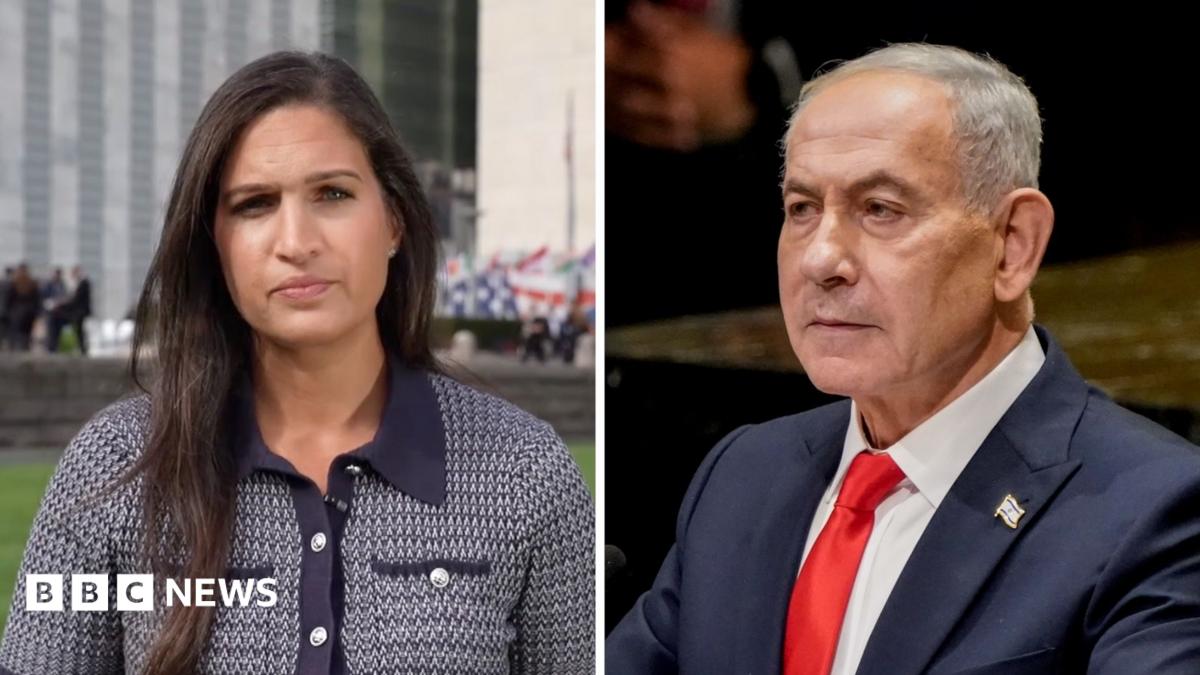
Why an international arrest warrant didn't stop Netanyahu's US trip
The BBC's Nada Tawfik explains why Israel's Benjamin Netanyahu was not arrested after speaking at the UN, despite an ICC arrest warrant. #Netanyahu #ICC #UNGeneralAssembly
TRUMP: PUTIN IN MIAMI? NO RED CARPET — APPLY THE LAW. 🇺🇸🇺🇦 The United States has invited Vladimir Putin to the December G20 meeting in Miami, although the Kremlin says he has not yet decided whether to attend. Putin remains subject to the ICC arrest warrant issued in 2023 over https://t.co/X3riCEUloc #Trump #Putin #G20 #US #UA
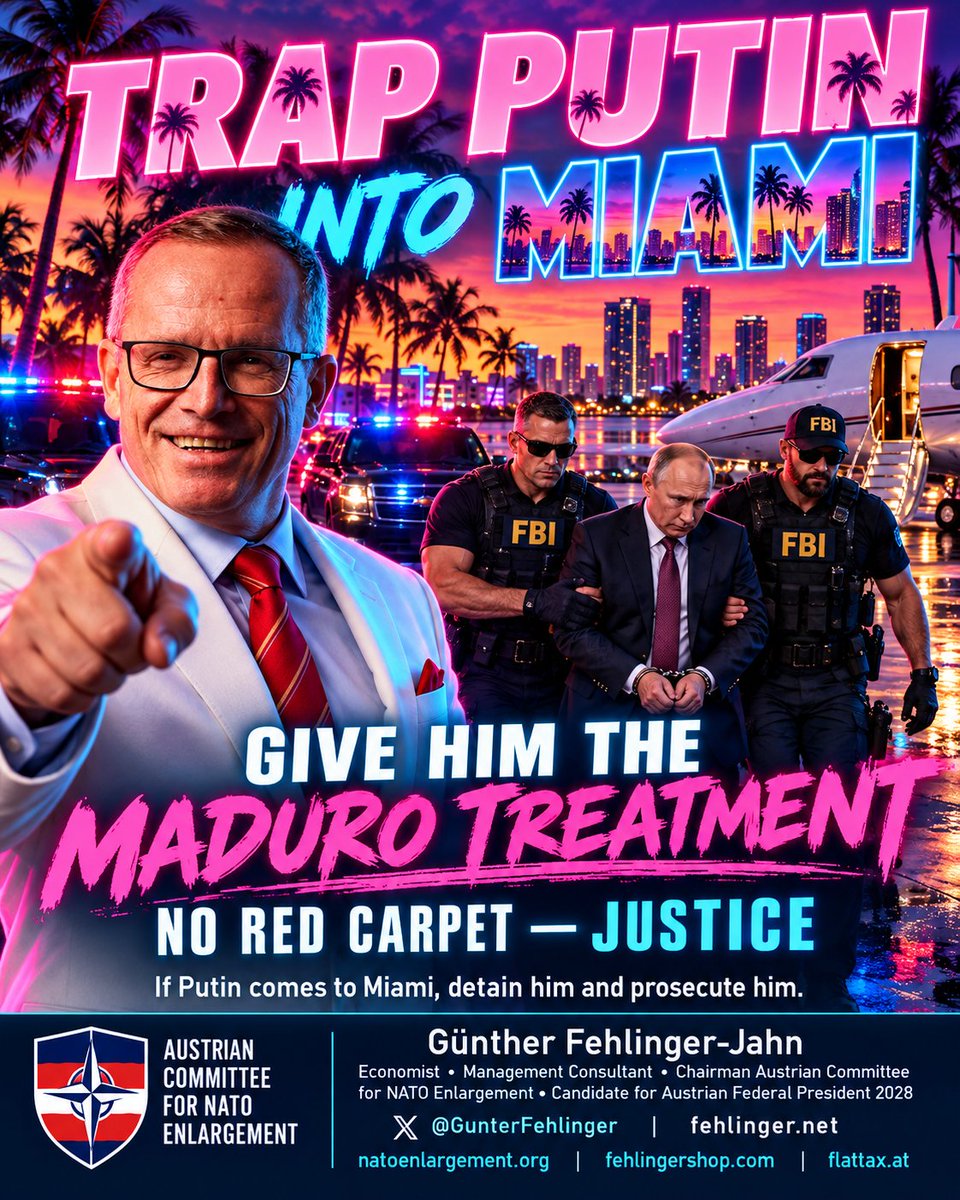
MIAMI 2026: RED NOTICE — NOT RED CARPET. The United States has invited Vladimir Putin to the G20 summit in Miami this December. My position is clear: a man subject to an ICC arrest warrant over alleged war crimes connected to the unlawful deportation and transfer of Ukrainian https://t.co/zMYxUnUaFO #G20 #Putin #WarCrimes #US #UA #RU

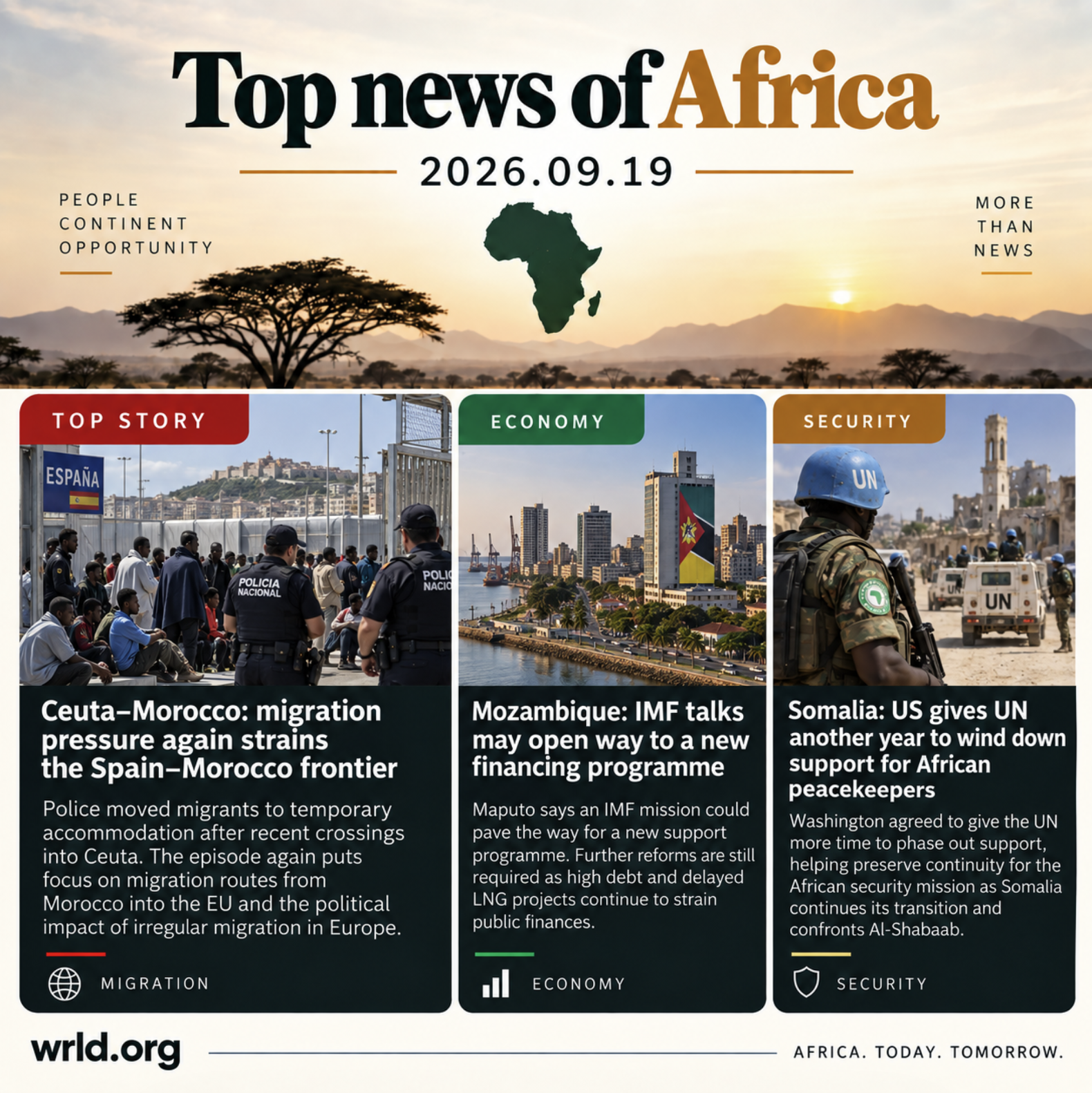
AFRICA DAILY REPORT — 19 SEPTEMBER 2026 Major developments reported during the previous 24 hours 1. NIGERIA — Deaths of 37 detained miners trigger protests and federal investigation Importance: 10/10 — Critical President Bola Tinubu ordered a thorough investigation after 37 suspected illegal miners died in NSCDC custody in Niger State. Protests in Minna were dispersed with tear gas, an overnight curfew was imposed, and senior civil-defence officials were suspended. Survivors and relatives have raised allegations about overcrowding and treatment in custody; the precise cause of death remains under investigation. Source (Reuters): https://www.reuters.com/world/africa/protests-erupt-nigeria-after-33-miners-die-custody-paramilitary-agency-2026-09-18/ Source (AP): https://apnews.com/article/222ac9d300c15c628ebcdacfea01f86a 2. DR CONGO — Ebola response continues as outbreak spreads Importance: 9.5/10 — Critical The Ebola outbreak remains a major regional health emergency. OCHA is supporting the response with rapid funding, while treatment centres are using CUBE transparent care units that allow medical staff to provide critical care with reduced exposure and enable patients to maintain contact with relatives. Source (Africanews): https://www.africanews.com/amp/2026/09/18/drc-ocha-helps-with-response-endeavours-amid-ebola-outbreak/ 3. SOMALIA — US gives UN another year to wind down support for African peacekeepers Importance: 9/10 — Very High The United States agreed to give the United Nations an additional year to phase out support for African peacekeepers in Somalia. The decision matters for the financing and operational continuity of the African security presence as Somalia continues to confront Al-Shabaab and manage the transition of international security support. Source (Reuters via The Straits Times): https://www.straitstimes.com/world/us-gives-un-more-time-to-end-support-for-somalia-peacekeepers 4. MOROCCO / ISRAEL — Agreement to open embassies Importance: 8.5/10 — Very High Israel and Morocco agreed to open embassies in each other's countries following talks involving their foreign ministers and the United States. The move represents a further institutionalisation of bilateral relations and could have broader diplomatic significance in North Africa and the Middle East. Source (Africanews): https://www.africanews.com/amp/2026/09/18/israel-morocco-agree-to-mutually-open-embassies-foreign-ministry/ 5. MOZAMBIQUE — IMF talks may open way to a new financing programme Importance: 8.5/10 — Very High Mozambique said an IMF mission completed on 18 September could pave the way for a new support programme. The IMF says further reforms are still required and discussions will continue. Mozambique remains burdened by high debt, while delayed LNG projects and the legacy of the hidden-debt scandal continue to constrain public finances. Source (Reuters): https://www.reuters.com/world/africa/mozambique-hopes-imf-visit-paves-way-new-loan-programme-2026-09-18/ 6. TUNISIA — Torrential rain floods Tunis and forces school closures Importance: 8/10 — High Severe thunderstorms and torrential rain flooded streets across Greater Tunis, disrupted traffic and prompted authorities to suspend classes at schools, universities and training institutions. Forecasts indicated 30–50 mm of rainfall over a short period, putting drainage infrastructure under heavy pressure after a summer of prolonged heat. Source (Africanews): https://www.africanews.com/2026/09/18/torrential-rain-and-flooding-slam-tunis-forcing-schools-to-close/ 7. CEUTA / MOROCCO — Migration pressure again strains the Spain–Morocco frontier Importance: 8/10 — High Tensions continued in Spain's North African enclave of Ceuta as police moved migrants to temporary accommodation following recent crossings. The episode has again focused attention on migration routes from Morocco into the EU and on the political consequences of irregular migration in Europe. Source (Africanews): https://www.africanews.com/amp/2026/09/18/ceuta-tense-scenes-as-police-move-migrants-to-temporary-camp/ Source (Reuters): https://wiky.com/2026/09/18/ceuta-border-crisis-fuels-eus-far-right-despite-fall-in-migrant-arrivals-commissioner-says/ 8. SOUTH AFRICA — Mpox cases rise Importance: 7.5/10 — High South Africa has recorded a rapid increase in mpox infections, with 18 confirmed cases and one reported death according to reporting published on 18 September. The development warrants close monitoring because of the potential for further transmission and pressure on public-health surveillance. Source (AllAfrica): https://allafrica.com/stories/202609180114.html 9. KENYA — Health sector feels growing impact of USAID cuts Importance: 7.5/10 — High Health workers in Kenya report increasing pressure following reductions in USAID-supported programmes. The effects are being felt in services and staffing, illustrating the broader vulnerability of African health systems to abrupt changes in external development financing. Source (Africanews): https://www.africanews.com/amp/2026/09/18/kenya-health-workers-increasingly-concerned-in-wake-of-usaid-cuts/ 10. ZIMBABWE / CHINA — Blueberry exporters seek capital to exploit new Chinese market access Importance: 6.5/10 — Significant Zimbabwean blueberry producers are seeking financing to expand after gaining access to China's market. The first shipment was dispatched in July following a phytosanitary agreement and China's removal of tariffs on imports from 53 African countries. Producers say the principal constraint is now the high upfront cost of expanding cultivation and irrigation. Source (AFP): https://www-pp.afp.com/en/zimbabwe-farmers-seek-funds-cash-china-blueberry-boom #Africa #AfricaNews #TopNewsOfAfrica #Ceuta #Morocco #Spain #Migration #MigrationCrisis #BorderSecurity #EU #EuropeanUnion #NorthAfrica #Mozambique #IMF #InternationalMonetaryFund #EconomicReforms #DebtCrisis #DevelopmentFinance #AfricanEconomy #Somalia #AfricanUnion #Peacekeeping #UN #UnitedNations #UnitedStates #AlShabaab #SomaliaSecurity #HornOfAfrica #RegionalStability #AfricanSecurity #Geopolitics #AfricaToday #wrldorg

Mi primer tweet como Susana y no como sugusgusana estoy nerviosa Estoy emocionada por todos los mensajes bonitos que estoy recibiendo, no estoy acostumbrada la verdad prefiero que me llaméis warra y que no tengo culo y esas cosas #PrimerTweet #Emoción #Warra
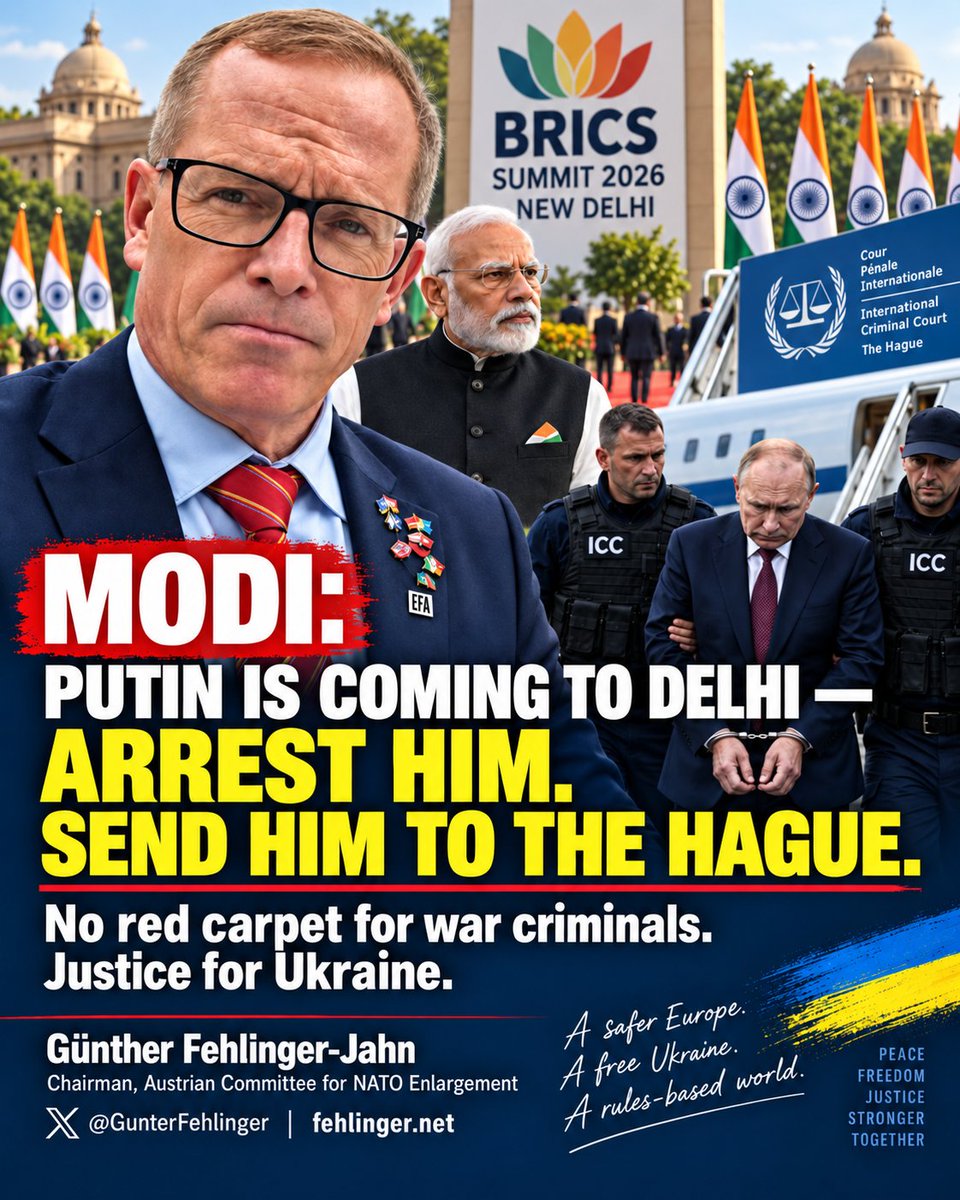
LOCK PUTIN UP IN INDIA. 🇮🇳🇺🇦 Vladimir Putin has arrived in New Delhi for the BRICS Summit. I say to India: do not give him only ceremonies, red carpets and diplomatic photographs. Give justice a voice. The International Criminal Court issued an arrest warrant for Vladimir Putin https://t.co/GlDt1KNovt #ArrestPutin #BRICSSummit #JusticeForUkraine #IN #UA

MODI: PUTIN IS COMING TO DELHI — ARREST HIM. SEND HIM TO THE HAGUE. 🇮🇳🇺🇦⚖️ Vladimir Putin is wanted by the International Criminal Court under an arrest warrant concerning alleged war crimes linked to the unlawful deportation and transfer of Ukrainian children. The BRICS Summit in https://t.co/Om4NmWEafv #Putin #ICC #BRICSSummit #IN #UA

In Warrap State in South Sudan, armed attackers attacked a military base, resulting in the deaths of 26 people, including 16 soldiers and police officers and four civilians. (translated)
BREAKING/EXCLUSIVE: DHS tells @FoxNews that ICE has quietly carried out one of its most successful operations in agency history, resulting in the arrests of 1,328 illegal aliens in just a 14-day span in the states of Virginia & Maryland. Nearly 400 of the aliens had criminal convictions or pending criminal charges, including a Salvadoran illegal alien wanted by police in Richmond, VA on a murder warrant. (Eygner Wilfredo Huezo-Moran’s mugshot below). Other targets included aliens with rap sheets for attempted murder and rape, as well as convictions for sexual battery, kidnapping, robbery and DWI. The operation primarily targeted the sanctuary jurisdiction suburbs in VA & MD around Washington DC, and ICE arrested anyone in the U.S. illegally, regardless of any criminal history. https://x.com/BillMelugin_/status/2091952958611263787

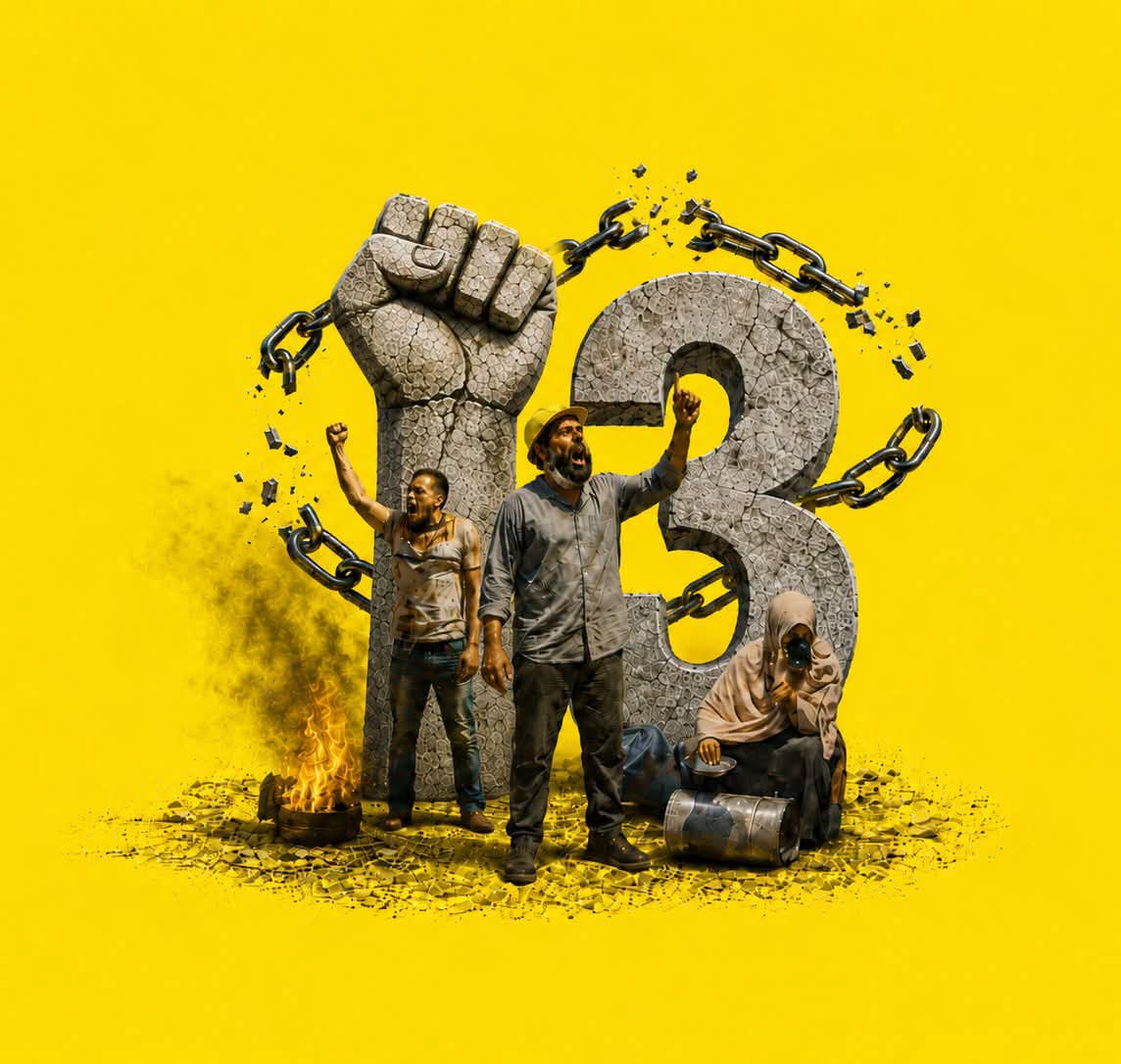
Rabaa: The Hour the World’s Conscience Stood Still On the anniversary of one of the largest single-day killings of protesters in modern history, one question remains unanswered: who will be held accountable? By Adham Hasanin Egyptian journalist and political writer, based in the Netherlands On 14 August, the anniversary returns of a day unlike any other in modern Egyptian history. Not simply because it was the bloodiest Egypt has known wars and massacres before and since ,but because it was the day a state chose to open fire on its own people in broad daylight, in front of the world’s cameras, and then let thirteen years pass without a single officer ever being held accountable. This article will not be a cold recitation of statistics, though the statistics exist, are documented, and are horrifying. It is an attempt to understand something deeper: how a square in the heart of Cairo, filled with tents, children, and worshippers, became the site of the largest mass killing the Arab world has witnessed in the past decade and why the echo of that day still reverberates in every Egyptian prison cell today. I. A Morning That Began Like Any Other For readers unfamiliar with the background: in July 2013, the Egyptian military, led by then-General Abdel Fattah el-Sisi, removed Mohamed Morsy Egypt’s first freely elected civilian president, a member of the Muslim Brotherhood who had taken office in 2012 following the 2011 uprising against Hosni Mubarak. In response, tens of thousands of Morsy’s supporters staged an open-ended sit-in demanding his reinstatement. By 14 August 2013, more than twenty thousand people had spent weeks camped out at two Cairo squares, Rab’a al-Adawiya and al-Nahda, in a peaceful sit-in. They were not an army, nor a uniform bloc; they were entire families men, women, and children, some affiliated with the Muslim Brotherhood, many simply ordinary citizens who saw the restoration of elected legitimacy as a cause worth the risk. There were tents for sleeping, communal kitchens feeding the demonstrators, speaking platforms, and a small field clinic that no one imagined would, within hours, become one of the most terrifying places in modern Egyptian history. In the early hours of that morning, Central Security Forces and army units, under the command of then-General Sisi, began what was officially described as a "dispersal" operation targeting both sit-ins simultaneously. It was not a dispersal in any ordinary sense of the word. According to a year-long investigation by Human Rights Watch, it was a pre-planned operation that anticipated, from the outset, thousands of deaths. II. The Numbers the Regime Refuses to Speak The Egyptian government, to this day, cites a death toll of "over 600" for that single day a figure that, even at its official lowest, is horrifying enough to warrant an independent international investigation. But the field investigation conducted by Human Rights Watch, drawing on field hospital records, survivor testimony, and analysis of video footage from dozens of angles, arrived at a far more disturbing figure: at least 817 people killed at Rab’a Square alone, with the true toll likely exceeding 1,000, plus another 87 killed at the nearby al-Nahda Square. When the deaths from the weeks surrounding 14 August are added from the dispersal of the Republican Guard sit-in on 8 July, through the Mansoura Street killings, to the dispersal of an October 6 march the combined total reaches at least 1,150 deaths in just six weeks, according to Human Rights Watch’s meticulous documentation. This figure led the organisation to use a term not deployed lightly in international law: crimes against humanity. Human Rights Watch described the Rab’a killings as "one of the world’s largest killings of demonstrators in a single day in recent history." Not in Egyptian history alone in modern history as a whole. What happened at Rab’a is cited in international reporting alongside China’s 1989 Tiananmen Square massacre. This is the true scale of what the Egyptian state has spent thirteen years trying to minimise, justify, and reduce to a mere "security incident" in a news bulletin. III. "All According to Plan" When Mass Killing Becomes Administration, Not Chaos The title Human Rights Watch chose for its detailed report on the massacre deserves lingering on: "All According to Plan." This is not an emotive headline; it is a precise legal conclusion built on field evidence. According to the investigation, what happened at Rab’a was not a dispersal operation that spiralled out of control amid chaos or panic, as the regime later tried to portray it. It was a carefully planned operation that assumed, in advance, massive casualties. Then-Interior Minister Mohamed Ibrahim admitted, in a televised interview broadcast on 31 August 2013 just weeks after the massacre that his ministry had anticipated losses of "10 percent of the people" present at the sit-in, acknowledging that the number of demonstrators exceeded twenty thousand. By simple arithmetic, this is an official admission that the state anticipated, in advance, the deaths of roughly two thousand people and proceeded with the operation regardless. This is the true horror at the heart of the Rab’a story: it was not a security operation that spun out of control, but a conscious administrative decision, made in an air-conditioned room, with advance calculations, by men who knew precisely how many human beings would die under their fire and who proceeded anyway, or perhaps because of it. According to Human Rights Watch’s analysis, the objective was to send an unambiguous message: whoever challenges the new state will pay an irreversible price. IV. Snipers, Women, and Children The Faces the Reports Do Not Tell Behind every number in the Human Rights Watch reports lies a full human story, deliberately omitted from the state’s official narrative. The investigation documented how security forces opened fire from multiple angles, and how snipers positioned themselves atop buildings surrounding the square, targeting according to survivor testimony and analysed video footage any movement in the square, regardless of whether it was an armed combatant or a nurse trying to reach a wounded person. According to documented testimony, entire families had their tents burn over their heads as fire swept through the sit-in. Doctors and paramedics were killed while trying to pull the wounded from the line of fire. Most damningly of all, the documentation shows deliberate targeting of ambulances and field medical points meaning that wounded people who survived the first bullet then faced death by bleeding out, because anyone attempting to save them was themselves a target. This detail the targeting of medics is what elevates the event from "excessive violent repression" to what human rights organisations have described as a systematic crime. When security forces target those trying to save the wounded, they are not merely dispersing a sit-in; they are preventing witnesses from surviving to tell what happened. V. Thirteen Years of Total Impunity The most painful part of the Rab’a story is not only what happened that day, but what has not happened in the years since. From 14 August 2013 to today, not a single officer, of any rank, has been held accountable for the deaths of hundreds, or thousands, of Egyptians. Quite the opposite: the state has moved to entrench impunity through the force of law itself. Egypt issued legislation granting senior military officers immunity from questioning over any violations that may have occurred following Morsy’s removal a law specifically designed to close the door on any future judicial accountability, regardless of how political circumstances might change. Even the fact-finding committee established by then-interim President Adly Mansour to investigate the June and July events concluded, in its report issued more than a year after the events, that the sit-in’s leaders bore responsibility for the deaths, on the grounds that they had allowed weapons into the square even as the same report admitted, in a glaring contradiction, that security forces had failed to target only armed individuals, meaning they had fired indiscriminately on everyone: armed and unarmed, man and woman, adult and child. This is the pattern that has repeated for over a decade: as each anniversary approaches, official statements re-narrate the events and shift blame onto the victims, while the actual perpetrators — those who planned the operation, gave the orders, and pulled the trigger — remain free. Some now occupy the highest offices of the state. VI. Why This Anniversary, Why Now? A reader might ask: why revisit this story after all these years? Has the world not moved on to newer crises? The answer lies in the very nature of impunity. When a state is never held accountable for the largest massacre of protesters in its modern history, it does not simply "forget" the crime it sets a precedent, telling every future ruler and every future security apparatus: mass killing is possible, politically profitable, and free of cost. This poisonous lesson does not remain confined within Egyptian borders; its echo reaches every Arab capital contemplating how to handle its own opposition. More dangerously, this system of impunity did not stop at Rab’a’s edges; it is the foundation on which Egypt’s entire subsequent decade of repression was built: thousands of political prisoners, grossly unfair mass trials that produced death sentences for dozens of defendants in cases linked directly to the Rab’a events themselves, laws criminalising peaceful protest, a muzzled press, and a civil society hollowed of substance. All of it traces back to the morning of 14 August 2013, when the state learned that overwhelming force succeeds, and that the world will condemn for a few days, then move on. VII. Delayed Justice Is Not Forgotten Justice Despite more than a decade of official silence and impunity, the Rab’a case remains alive in international legal memory. Human rights organisations, from Human Rights Watch to Amnesty International, continue to renew their annual calls for an independent international investigation, grounded in the legal principle that crimes against humanity are not subject to statutes of limitation: delayed justice is not forgotten justice. The victims who fell in that square were not numbers in a statistical report. They were fathers who left behind children too young, that day, to understand why their father would never return. They were mothers who, thirteen years later, are still searching for a clearly marked grave to which they can carry flowers, and young people who had decades of life ahead of them that they never got to live. Their memory does not fade with time; it grows with their children, who carry with them the same question their parents asked before they were killed: when will justice come? Conclusion: What Does This Anniversary Demand of Us? Every year, as the anniversary of 14 August returns, the same question resurfaces one the Egyptian state refuses to answer: who gave the order? Who planned the operation? Who decided that twenty thousand human beings deserved to be shot with live ammunition because they staged a peaceful sit-in? This anniversary is not a call for vengeance, nor an invocation of the past for its own sake. It is a reminder that justice, however delayed, remains a debt still owed. And that every instance of international silence over a massacre of this scale opens the door to the next one, elsewhere, under a different pretext, carrying the same lethal conviction: that the world will condemn for a week, then forget. We will not forget. And we will not stop asking the question that unsettles everyone who took part in that crime, regardless of the office they hold today: where is the accountability? Rab’a is no longer merely the name of a square in Cairo. In the conscience of everyone who believes in justice, it has become a test of the world’s conscience itself a test the world has not yet passed.
A US citizen deleted his phone's data. Now he faces jail — US customs and border authorities believe that they have the right to search and seize incoming travelers’ digital devices without a search warrant or court order because travelers are not on US https://t.co/awOQ0rr8kp #DigitalPrivacy #BorderSearch #USLaw #US
Israel has no right to occupy Palestinian land (ICJ 2024). These soldiers are acting illegally, as part of a larger illegal endeavour. That's why Israeli soldiers, leaders, settlers should be investigated- and if so warranted prosecuted - wherever they go. No room for Genocide. #FreePalestine #EndOccupation #HumanRights #IL #PS
We do not have the independent legal authority to enforce this warrant
An ICC arrest warrant bears your name for war crimes and crimes against humanity, including the use of starvation as a weapon. Named at the ICJ for genocide. A fugitive from international justice. Enjoy nothing, Mr. Genocide. #WarCrimes #Genocide #HumanRights #Therearenospecificcountriesmentionedinthetweet.
Khan's removal lines up neatly with the fight to neutralise Netanyahu's arrest warrant. Coincidence is a luxury intl law can no longer afford. This proves that justice DOES threaten Apartheid Israel & Co. So if the ICC is paralysed, lawyers and judges worldwide must do more. #JusticeForAll #ICC #Netanyahu #IL #PK #NL
I call on them to join the ICC and execute this warrant.
4/5 The FT reported Trump proposed to Xi Jinping that the US, China and Russia join forces against the Court — two powers that aren't even ICC members, one led by a man under its own arrest warrant. You don't need a conspiracy theory to see whose interests align here. #Trump #ICC #Geopolitics #US #CN #RU







