BETA nonprofit public democratic european moderated

Search

#beauty

Cosnova, the German multinational cosmetics company, establishes its skincare development center in Barcelona after acquiring Niche Beauty Lab, with the aim of leading the Spanish market and exceeding 1 billion euros in revenue by 2026. #Cosmética #Barcelona #Cosnova (translated)
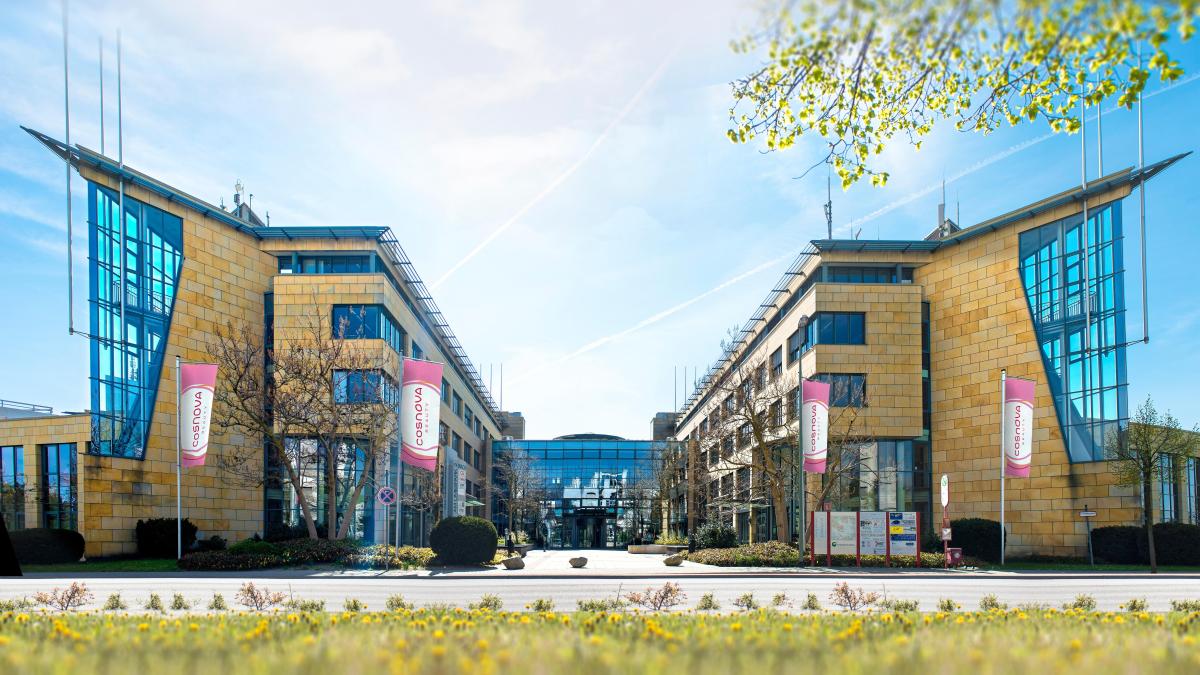
Barcelona, centro neurálgico de Cosnova
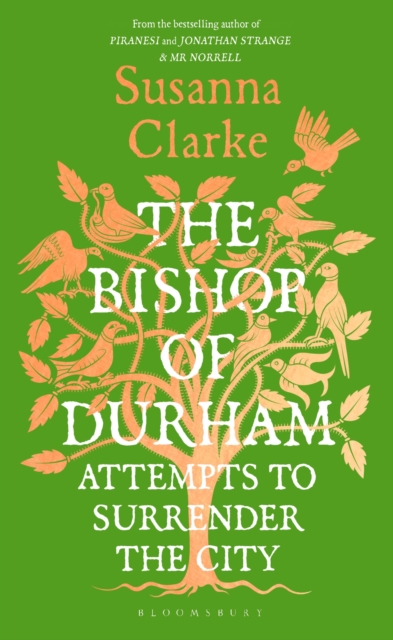
End of October! The new Book by Susanna Clarke From the internationally bestselling and prize-winning author of Piranesi and Jonathan Strange & Mr Norrell, an enchanting and haunting illustrated short story full of medieval magic. A small hardback edition featuring an afterword by the author 1110 A.D. The fairy host sweeps across the North of England and the city of Durham is under siege. Wearily the Bishop of Durham, Ranulf Flambard, prepares to surrender – something which proves far more difficult than he could have imagined. His quest will lead him through a landscape of unco-operative rivers and enchanted forests to a New Castle on the banks of the River Tyne – where, with any luck, he will be received by a court of deceptive, would-be fairy queens, shape-shifting stags and a beautiful teenage Raven King. A long-lost chapter in the lore of Jonathan Strange & Mr Norrell, The Bishop of Durham Attempts to Surrender the City is an enchanting and enchanted adventure into the magic of medieval England. Praise for Susanna Clarke:‘Spellbinding’ Dua Lipa‘A miraculous and luminous feat of storytelling’ Madeline Miller‘Clarke writes with an intelligence and beauty that seems at times miraculous’ Katherine Rundell

poi andrà fatta una seria indagine sulle ragazze delle nuove generazioni i social le intossicano facendole imitare abbigliamento e medicina estetica di donne con 20 anni di più finisce che appunto vedi ragazzine di 20 anni che sembrano 40enni, tutte omologate, fanno tenerezza #giovani #socialmedia #beauty

S

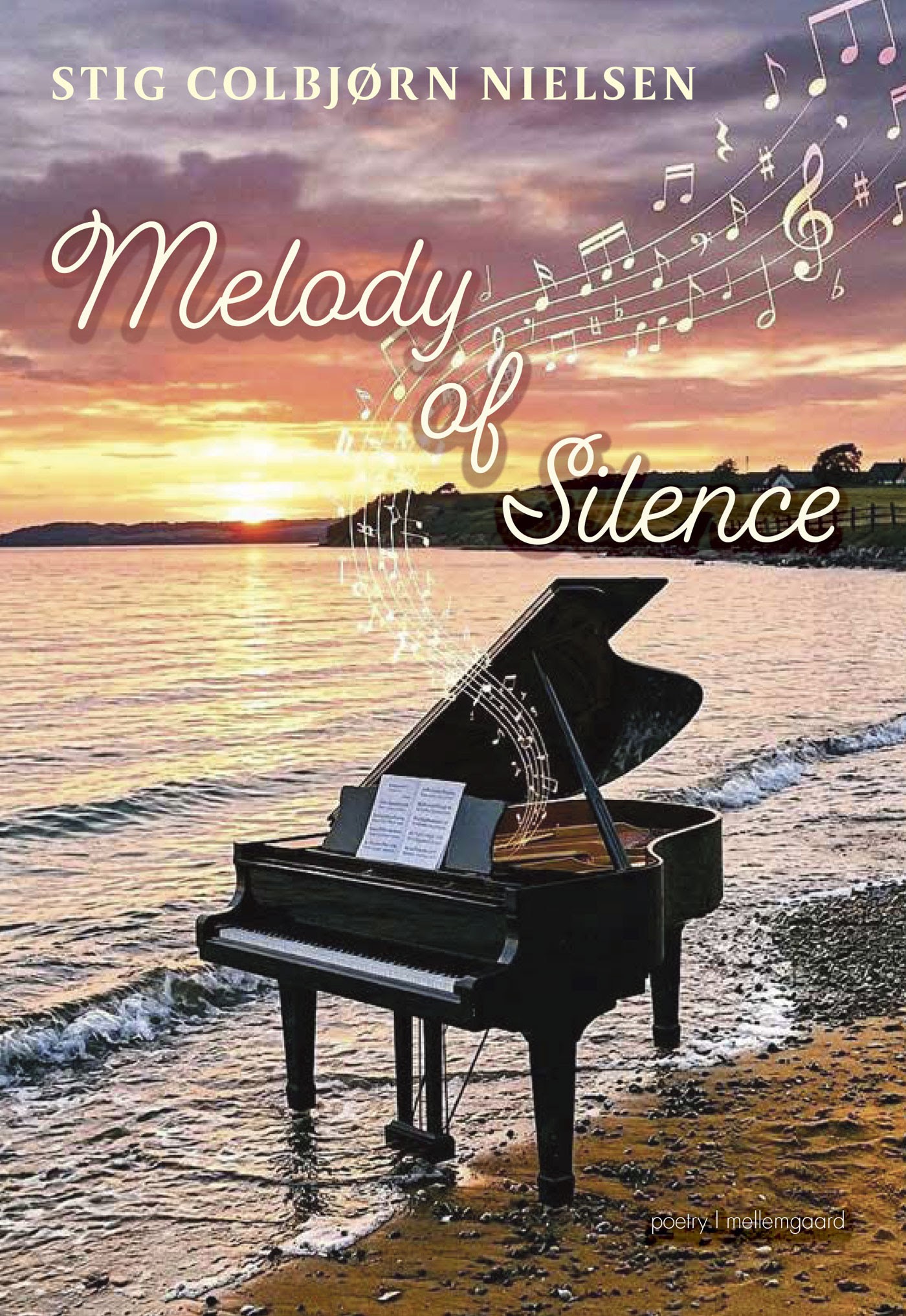
Melody of Silence - Modern Scandinavian poetry in English by the author, Stig Colbjørn Nielsen, Denmark. Melody of Silence is a captivating collection of modern poems inspired by the tranquil beauty of a Danish island, yet its themes extend far beyond Nordic borders. Through powerful poetry and striking illustrations created by the author, this book delves into life’s deeper questions amidst a chaotic world. A poetic journey exploring silence, nature, and the search for meaning. This collection invites readers to pause and reflect on moments of stillness, beauty, and inner strength. Rooted in the quiet simplicity of island life, the poems touch on universal ideas like the mysteries of existence, the flow of time, and the ongoing quest for purpose. Each poem is accompanied by an original illustration, crafted by the author, which enhances the meditative experience and encourages thoughtful contemplation. Together, the words and images offer comfort and insight for anyone facing the uncertainties of modern life. Melody of Silence serves as a tribute to the quiet power of nature and acts as a thoughtful guide for those seeking clarity and wisdom on life’s complex path. Alltogether the most beautiful European book of the year!

Division Made Clear: Why We can't Divide by Zero and Other Essential Concepts (Grades 3-8) www.amazon.co.uk/dp/B0GNY6VLK5 A child wants to share candies at school… but there is no one to share with. So he decides to eat them all. Then he worries about a stomachache. And that’s how a playful mathematical adventure begins. From candies to pizza slices, from tiny “ant steps” around a 360° circle to clock hands pointing at 8 o’clock, this story gently introduces children to the beauty of division. What happens when 2 pizzas are shared by 3 children? Why do crumbs appear when we use approximations? Can 720 tiny steps be divided equally? Through imaginative storytelling, children explore: Division by 2, 3, 4, 5, 6, 7, 8, 9, 10, and 11 Remainders as “crumbs” Classes of remainders Multiples and patterns Fractions like halves, thirds, and two-thirds Real-life questions such as: Which years between 2020 and 2030 are divisible by 5? Using numbers from 0 to 21, familiar objects like candy boxes and pizzas, and friendly explanations, complex mathematical ideas become playful discoveries. Division is no longer just calculation — it becomes sharing, thinking, predicting, and exploring patterns. Perfect for curious children, parents, and teachers who want to turn mathematics into a story worth savoring. Includes a glossary of 14 key mathematical terms. #BasicDivisibilityForStudents #KidsMathAdventure #FunMathWorkbook #LearnMathWithStories #LearnMath #Stories #DivisionExercisesGrade_3_8 #MathStoriesForKids #StorytellerUK2026 #PizzaMargherita #PizzaPepperoni #PizzaQuattroFormaggi #PizzaCapricciosa #PizzaMarinara #PizzaDiavola #PizzaHawaiian #PizzaVegetariana #Kids #0251 20261006: 918(444)8 #Happy #HappyEdu #HappyKids #HappyMath

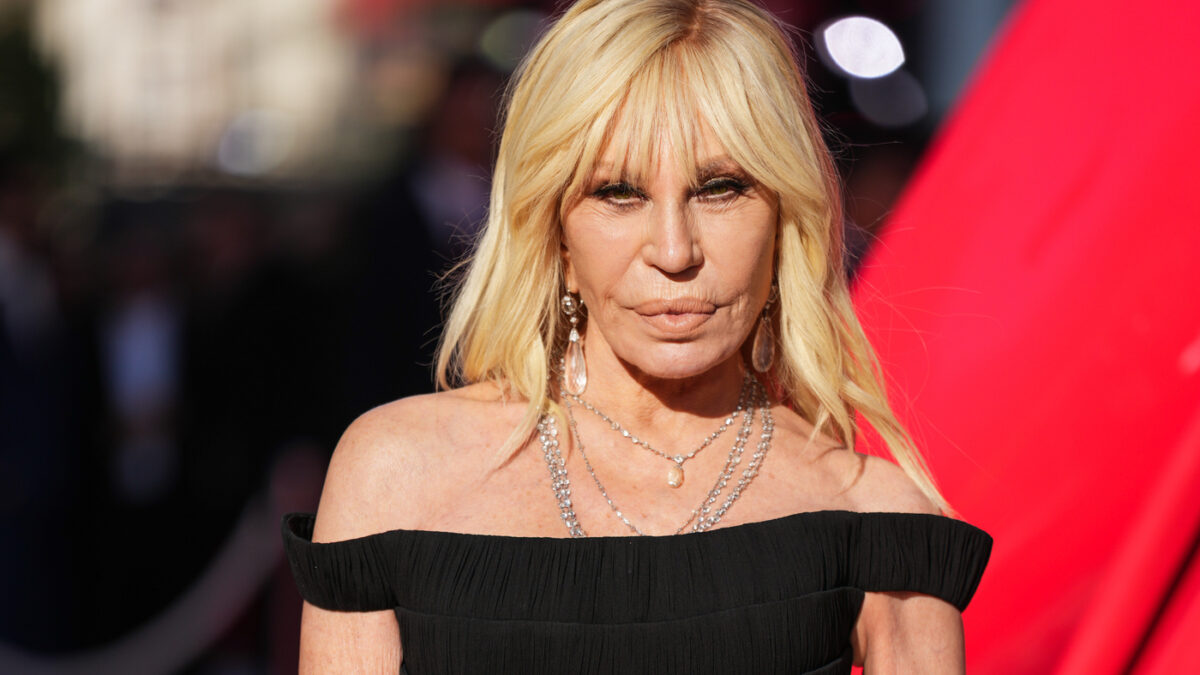
Donatella Versace ha annunciato il lancio di un nuovo brand in collaborazione con Revolve, mirato a coinvolgere le nuove generazioni attraverso un modello innovativo che unisce bellezza, moda, musica e community digitale. #DonatellaVersace #Moda #Beauty

Donatella Versace lancia un nuovo brand con Revolve: “Voglio parlare alle nuove generazioni attraverso la bellezza e la moda, in un modo completamente nuovo”

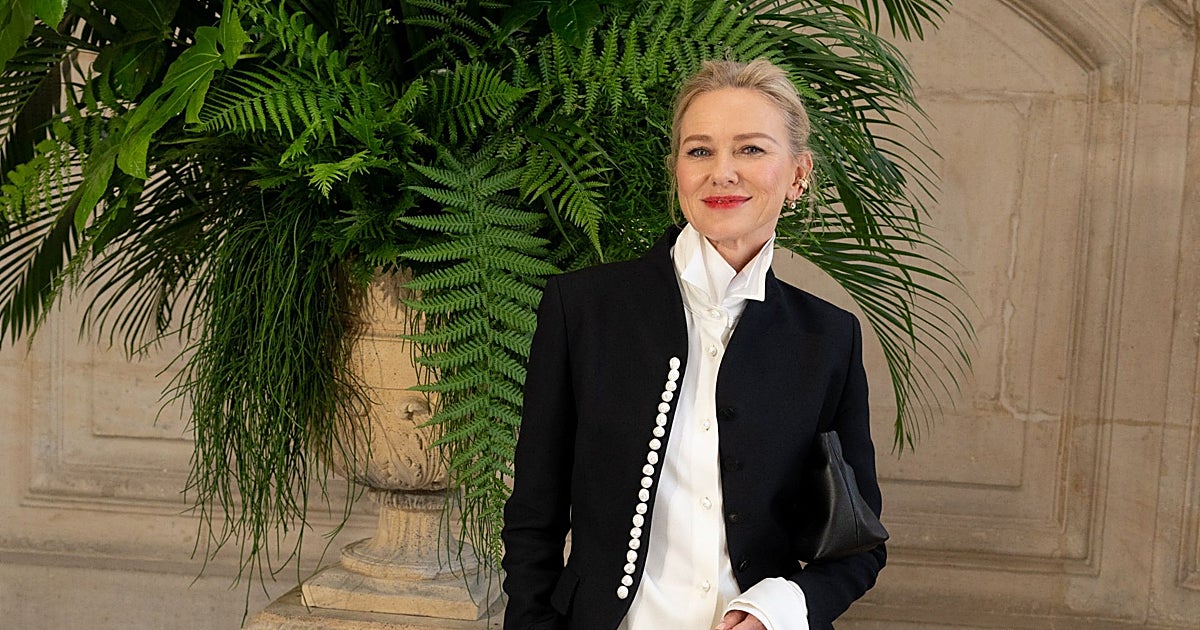
Naomi Watts, actriz y gurú del bienestar, será homenajeada en el Festival de Cine de San Sebastián con el Premio Donostia, destacándose por su compromiso en visibilizar la menopausia y promover el envejecimiento natural a través de su libro y su marca Stripes Beauty. #Menopausia #Bienestar #NaomiWatts

El lado desconocido de Naomi Watts, gurú del bienestar y la menopausia en Estados Unidos

Registros da campanha de Connor Storrie para a Armani Beauty, exibidos durante um evento da marca em agosto. 👀 https://t.co/aHoCEg5CHW #ArmaniBeauty #Campanha #Evento

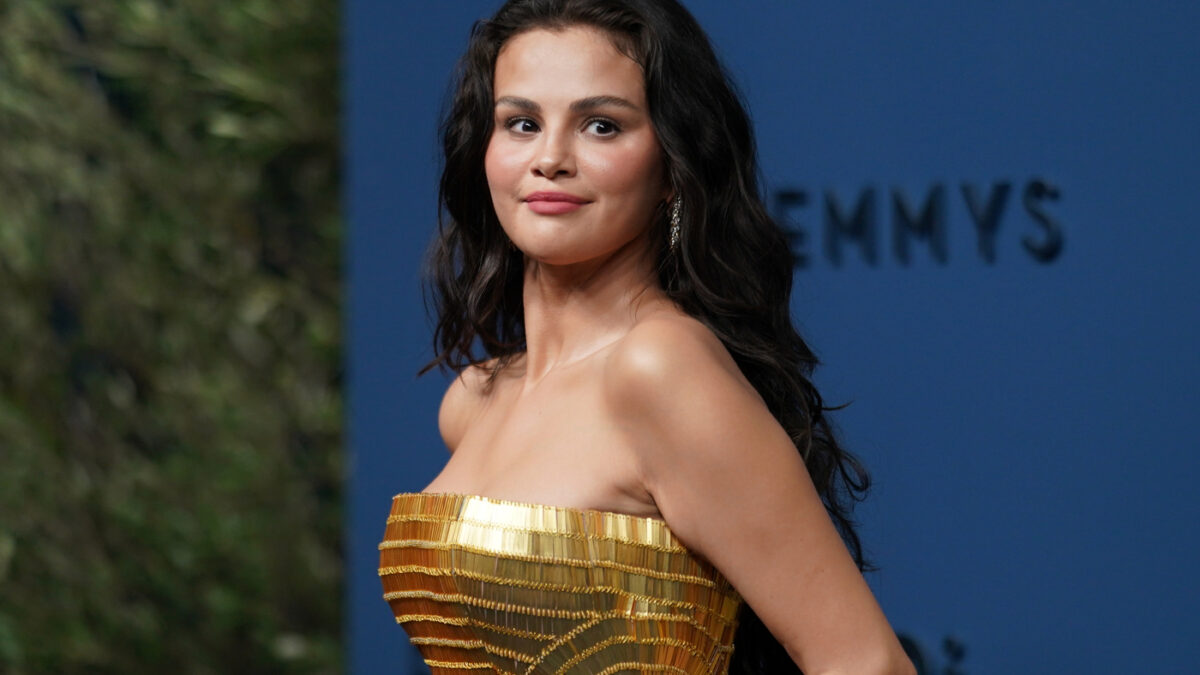
Selena Gomez, in un'intervista, esprime il suo entusiasmo per il processo di invecchiamento e annuncia di essere stata premiata con il primo Beauty Impact Award per il suo impegno nella salute mentale, sottolineando che non ha paura di invecchiare e rifiutando l'idea di congelare il suo aspetto. #SelenaGomez #SaluteMentale #BellezzaNaturale

“Invecchiare è divertente e non ho paura. La pelle cederà, ma si è vivi. C’è chi mi vorrebbe ‘congelata’ al viso che avevo nel 2016, ma non succederà”: così Selena Gomez

🚨 DESLUMBRANTE! Selena Gomez é oficialmente a PRIMEIRA pessoa a receber o Beauty Impact Award, da People. 👑 https://t.co/ZzzdCDYdx4 #SelenaGomez #BeautyImpactAward #Premiação

via.tt.se Sep 9

Försäljningen av grooming- och hårborttagningsprodukter hos Elgiganten har ökat med 180 procent under perioden maj till augusti 2026, vilket speglar ett växande intresse för beauty tech och avancerade skönhetsrutiner, särskilt bland män. #Personvård #Grooming #BeautyTech

Teknik för personvård rusar – försäljningen upp 180 procent

Greenland’s stunning landscapes and natural beauty will stay with me for a long time. But so will the visible scars of climate change on the ice sheet. As the ice melts, a new reality is taking shape. New trade routes, new security risks, new environmental concerns. Europe https://t.co/H3n5Na3dFX #Greenland #ClimateChange #Sustainability #GL #EU

The Vindication of the “GIO Festival”: “BroadwayWorld” Celebrates Marina and the Umberto Giordano Theatre of Foggia SOURCE: https://www.linkedin.com/pulse/vindication-gio-festival-broadwayworld-celebrates-sardella-ph-d--8zzce/ SOURCE: https://www.letteremeridiane.org/2026/08/la-rivincita-del-gio-festival-broadwayworld-celebra-marina-e-foggia/ The GIO Festival has been, to put it mildly, overlooked by Rai3 Puglia and several regional outlets. Yet the festival dedicated to Umberto Giordano — promoted by the Chamber of Commerce of Foggia together with the Municipality and the Province, and supported by the Apulia Region and the Fondazione Monti Uniti — has achieved a remarkable vindication, landing on the homepage of BroadwayWorld thanks to the world première of the opera Marina, staged on 5 June at the Umberto Giordano Theatre in Foggia. This is no small feat, considering that BroadwayWorld is among the most influential American platforms devoted to theatre and the performing arts. The transatlantic debut of the opera by Foggia’s great composer did not escape the attention of Luciano Magaldi Sardella, who submitted to the editorial board of Lettere Meridiane an in‑depth and compelling contribution, reproduced below. In the article, the author masterfully reconstructs the extraordinary story of Giordano’s first opera, composed in 1888 and left without a staged production for 138 years, until its historic performance on 5 June at the Giordano Theatre. Above all, he recounts how the inaugural edition of the GIO Festival has restored Foggia to the centre of the international operatic stage, through the rediscovery and valorisation of Marina, the involvement of major musical institutions, and the attention of the American press. It is a stimulating reflection on the cultural and identity‑driven renaissance of a city that, for far too long, bore Giordano’s name on the façade of its theatre without managing to turn it into a lever of international visibility. (g.i.) + + + + + There are moments in the life of a city when past and future clasp hands upon the stage of the present. Foggia experienced one of these moments on the evening of 5 June 2026, when the curtain of the Umberto Giordano Theatre rose upon Marina, an opera composed in 1888 by a young man of twenty‑one — Umberto Giordano — then a student at the San Pietro a Majella Conservatoire in Naples. After one hundred and thirty‑eight years of silence, that score finally found its first scenic breath in the world. “It is not an ordinary event. It is a turning point. A void filled. A story rewritten.” Umberto Giordano, one of the most celebrated verismo composers of the fin‑de‑siècle — born in Foggia, author of masterpieces such as Andrea Chénier, Fedora, Siberia — had remained, until now, the only great Italian opera composer without a festival entirely dedicated to his oeuvre. A paradox that weighed like a historical injustice upon a city that bears his name engraved on the pediment of its most beautiful theatre. This is the extraordinary journey of Marina, Giordano’s first opera, which after 138 years of oblivion received its world première in scenic form on 5 June 2026 at the Umberto Giordano Theatre in Foggia, as the opening event of the GIO Festival — the inaugural edition of the Giordano International Opera Festival. The manuscript, preserved in the Frederick R. Koch Collection at Yale University’s Beinecke Rare Book and Manuscript Library, has travelled an astonishing path: from the elite libraries of America’s East Coast to the beating heart of the Daunia. On the night of 5 June 2026, at the Umberto Giordano Theatre, that silence was finally broken. The GIO Festival was conceived in Foggia as an ambitious cultural project promoted by the Chamber of Commerce, the Municipality, and the Province, with the support of the Apulia Region, aiming to transform the artistic legacy of the verismo composer into a driver of territorial development and cultural tourism. Under the artistic direction of conductor Gianna Fratta and violinist Dino De Palma, the event at last fills a historical void. Its model is explicit and ambitious: a project inspired by the great festivals dedicated to Italian composers — such as the Verdi Festival, the Puccini Festival, the Rossini Opera Festival — while maintaining a strong territorial and participatory dimension. In other words, Foggia formally claims its seat at the table of the greats. And it does so with the credentials required: an unrepeatable world scenic première (parallel to the concert première at Milan’s Teatro Dal Verme, recorded by the prestigious opera label Decca Classics), a high‑quality operatic production, and the support of leading cultural institutions (Teatro dell’Opera di Milano, Fondazione Teatro Petruzzelli of Bari). The festival benefitted from the collaboration of the Orchestra of the Conservatoire and the Chorus of the Fondazione Teatro Petruzzelli of Bari, the Umberto Giordano Conservatoire of Foggia, the Fondazione Monti Uniti, and the Fondazione Apulia Felix. A network of excellence that lent the event national resonance and stature. The Umberto Giordano Theatre is a nineteenth‑century jewel of rare beauty — the oldest functioning horseshoe‑shaped historic theatre in Apulia. Yet for decades it lived in a state of semi‑clandestine cultural marginality, relegated to the periphery of the operatic routes that matter, hindered by long interruptions in its use from 2007 to 2014, including recent fire‑safety compliance requirements. Some referred to it, with a mixture of condescension and provincial resignation, as a “provincial theatre”, destined merely to bear Giordano’s name. That label is now destined to fall. It is precisely in Foggia that this youthful gem received its first scenic staging, placing the city on the international map of opera. A positioning without precedent in the city’s recent history. The Giordano Theatre recorded a full house for the historic première of Marina, welcoming hundreds of spectators, while many more followed the performance from outside via a large screen installed for the occasion. The production met expectations with full artistic dignity: the staging transposed the narrative to the First World War, heightening the opera’s dramatic and realist character. On the podium, the Symphony Orchestra of the Umberto Giordano Conservatoire conducted by Matteo Dal Maso. Sets and costumes by Alfredo Troisi; lighting by Massimo Russo. An ensemble of talents worthy of the name the theatre proudly bears. The definitive seal of this moment’s historical significance arrived from across the Atlantic. BroadwayWorld, the world’s most influential outlet for live performance criticism and reporting — with over 5.5 million monthly views — dedicated exclusive coverage to the event, publishing a complete photographic gallery of the world scenic première curated by Chloe Rabinowitz and a substantial critical review by Rachel Stone. The American article emphasised the historical value of the undertaking and the bond between the composer and his native city, highlighting the musical quality of the score, deemed surprisingly mature for the composer’s age. For the first time, the Umberto Giordano Theatre appeared on the New York‑based site alongside institutions such as the Los Angeles Opera House, Houston Opera, and BBC Classical Music at the Royal Opera House. It is its natural place. It should have been there decades ago. Until now, the world knew Giordano through his Milanese triumphs, not through the youthful opera written between Foggia and the Naples Conservatoire — the lost (and later rediscovered) Marina of 1888. Let us be clear: this is no minor detail. BroadwayWorld does not grant exclusive galleries to provincial theatres. It does so for events that shift the coordinates of musical and theatrical history within the circuits that matter. This time, those coordinates shifted to Foggia thanks to the GIO Festival, in the name of Umberto Giordano. For the record — and for those who may not yet know — the GIO Festival is a new and ambitious biennial event conceived by the Chamber of Commerce of Foggia, with the aim of celebrating the genius of Umberto Giordano and transforming it into a powerful engine of development for the entire Capitanata. Biennial means continuity, planning, vision. It means that Foggia does not intend to be a meteor in the operatic firmament, but a stable and recognisable presence within the international festival circuit. Andrea Chénier, Siberia, and Fedora had already carried Giordano’s name to the Metropolitan Opera House in New York for more than a century, where his works are still performed to great acclaim. Now Foggia itself — not merely its scattered operatic legacy — claims its rightful “place in the sun”. The composer whom his city struggled to recognise in life, and whose name it preserves on its theatre, its square, and its conservatoire, may finally become the lever of an unprecedented cultural, economic, and identity‑driven renaissance. The GIO Festival 2026 is not, one hopes, a point of arrival. It should be the first chapter of a new story for Foggia, for the Capitanata, and for the cultural South of Italy. The Umberto Giordano Theatre is no longer merely an architectural jewel to be preserved: it has now become a place of creation and inspiration, capable of attracting international press attention and hosting events that enter the annals of world opera. To those who still whisper that Foggia is a provincial city, the answer is now written upon the world’s stages: on the evening of 5 June 2026, the periphery became the centre.

The Vindication of the “GIO Festival”: “BroadwayWorld” Celebrates Marina and the Umberto Giordano Theatre of Foggia

SAN SEVERO CONQUERS LONDON: 'TEATRO EDICOLA' BY FRANCESCO GRAVINO/FOYER ’97 FEATURED IN THE PRESTIGIOUS 'LONDON DAILY NEWS' SOURCE: https://www.linkedin.com/pulse/san-severo-conquers-london-teatro-edicola-francesco-sardella-ph-d--zh43e/ SOURCE: https://www.londondaily.news/why-londoners-should-discover-san-severo-where-a-disused-newsstand-became-teatro-edicola-the-worlds-smallest-theatre/ A fragment of San Severo now speaks to the world. The city’s 'Teatro Edicola'—shaped by the artistic vision of Francesco Gravino and the long‑established company Foyer ’97—has just been celebrated in the pages of the distinguished 'London Daily News', a publication with thousands of monthly views and an increasingly international readership attuned to Europe’s cultural excellence. INSPIRED BY ROSARIO FIORELLO' S INGENIUOS " EDICOLA FIORE" A newsstand turned into a theatre: the enchantment of an idea that inspires: San Severo’s project emerges from a singular tradition—the celebrated 'Edicola Fiore' created by Italy-renowned TV and radio celebrity Rosario Fiorello, which transformed an everyday urban space into a stage for pure TV creativity and entertainment. In San Severo, that intuition has become community, artistry, identity: a micro‑theatre that tells stories, welcomes people, and generates beauty. SAN SEVERO ON THE WORLD STAGE: LUCA AND DANIELA SARDELLA The London Daily News also highlights how San Severo is a land of talents capable of speaking to Italy and beyond. Among them stand Luca and Daniela Sardella, well‑known figures in environmental and cultural communication, who have long carried the city’s name across national borders. A SUCCESS SHARED BY ALL Publication in an international outlet is not merely an artistic accolade: it is an invitation to discover San Severo—its creative energy, its capacity for reinvention: it proves that even the smallest places (such as a disused newsstand) may become cultural giants when passion, vision, and community stand behind them. Congratulations to Francesco Gravino, to Foyer ’97, and to all who believe in the transformative power of theatre! Today, San Severo shines a little brighter.

SAN SEVERO CONQUERS LONDON: 'TEATRO EDICOLA' BY FRANCESCO GRAVINO/FOYER ’97 FEATURED IN THE PRESTIGIOUS 'LONDON DAILY NEWS'

The "Edicola Teatro" of San Severo (Francesco Gravino / Foyer ’97) Featured by Swiss Italian Radio/Television! SOURCE: https://www.linkedin.com/posts/luciano-magaldi-s-05a4a71b3_the-edicola-teatro-of-san-severo-francesco-ugcPost-7479198091301027841-1k_H/ In the intimate heart of Via Matteo Tondi, San Severo, Puglia, southern Italy, where a modest news kiosk has been restored to life through the artistic vision of Francesco Gravino and the San Severo theatre company Foyer ’97, the Swiss Italian Radio and Television (Radio Svizzera Italiana) service has now cast its gaze upon this extraordinary cultural experiment, offering a portrait imbued with refinement, curiosity, and civic admiration. The world’s smallest theatre—conceived from an idea that once appeared quixotic and now recognised as a radiant emblem of Puglia-based creativity—has been presented to an international audience through RSI’s video reportage, which captures both its poetic fragility and its audacious spirit. The feature stands as a tribute to San Severo itself: to its artistic pulse, to the enduring legacy of Andrea Pazienza, and to all who believe that beauty may flourish in the most unexpected places, even within the wooden frame of a former kiosk. RSI’s coverage underscores a truth that Gravino and Foyer ’97 have long embodied: culture does not depend on grand auditoria, but on grand visions—on the courage to imagine differently, and on the tenacity to transform imagination into lived space. Warm congratulations to Gravino, to Foyer ’97, and to all who nurture this urban jewel which continues not only to astonish Italy, but now to intrigue and inspire viewers beyond its borders!

The "Edicola Teatro" of San Severo (Francesco Gravino / Foyer ’97) Featured by Swiss Italian Radio/Television In the intimate heart of Via Matteo Tondi, San Severo, Puglia, southern Italy, where a… | Luciano Magaldi S.

The “Edicola Teatro” of San Severo (Francesco Gravino / Foyer ’97) Captivates La Repubblica News Outlet SOURCE: https://medium.com/@ingnucllms/the-edicola-teatro-of-san-severo-francesco-gravino-foyer-97-captivates-la-repubblica-news-d0683cdbf515 In the very heart of Via Matteo Tondi, San Severo, Puglia, southern Italy, where an old news kiosk has been granted a second life through the vision of artistic director Francesco Gravino and the San Severo theatre company Foyer ’97, we celebrate today a distinction imbued with culture, courage, and a profound sense of belonging. The smallest theatre in the world — born of an idea that once seemed impossible and now standing as a symbol of Apulian creativity — has been featured in the pages of La Repubblica. It is, in truth, a declaration of love for San Severo: for its artistic vitality, for the memory of Andrea Pazienza, and for all those who believe that beauty may blossom anywhere, even within the modest frame of a tiny kiosk. This project demonstrates that culture does not require grand stages; it requires grand visions. Warm congratulations to Gravino, to Foyer ’97, and to all who sustain this urban jewel which continues to astonish Italy!

The Psychologist – The British Psychological Society – When Walls Become Wellness SOURCE: https://www.linkedin.com/pulse/psychologist-british-psychological-society-when-walls-sardella-ph-d--pu8sf/ Dr Luciano Magaldi Sardella and Professor Matteo Mantuano on how ‘Stramurales Participatory Street Art’ transforms urban mental health. Link: https://www.bps.org.uk/psychologist/when-walls-become-wellness The Psychologist, The British Psychological Society by esteemed Dr. Joe Sutton, Head of Science Communication at BPS Contenuto dell’articolo On a sweltering afternoon in June 2018, we stood in the central square of Stornara, a small agricultural town in Puglia, Southern Italy, watching something extraordinary unfold. Local artist Lino Lombardi was facilitating a heated discussion among residents about which mural designs should adorn their town's crumbling walls. What struck us wasn't the art itself, but the transformation we witnessed in the eyes of people who, just months before, had described their hometown as a place to escape. These were individuals reclaiming their narrative, voting on their future, literally painting over decades of decline. We are environmental and community psychologists who have spent over a decade studying how built environments shape mental health outcomes. Dr Luciano Magaldi Sardella's research focuses on participatory arts interventions in declining rural communities, while Professor Matteo Mantuano specialises in the psychological mechanisms of community empowerment and collective agency. When we first learned about the Stramurales festival in early 2018, we recognised it as a rare opportunity to observe participatory urban art as a potential tool for addressing the mental health crisis plaguing Southern Italy's depopulating towns. Over the past seven years, we have conducted extensive fieldwork in Stornara – interviewing residents, documenting the festival's evolution, and analysing its psychological and social impacts. What we found in Stornara was something far more significant than an innovative community-led arts initiative. It was environmental psychology in action – reshaping how we understand the relationship between built environments, participatory arts, and mental health. The Crisis Hiding in Plain Sight Recent research reveals an alarming convergence of environmental and mental health crises that remains curiously underexamined in psychological discourse. Mental health research receives a mere 2.3 per cent of overall National Institute of Health funding. We cannot know how much of that concerns our environments – both natural and built – which fundamentally shape our psychological wellbeing. The newly proposed field of 'EnvironMental Health' emphasises that deteriorating built environments correlate significantly with elevated stress, social isolation, and worsening mental health outcomes. Southern Italy's rural communities embody this crisis. Between 2002 and 2017, South Italy region lost approximately two million residents to migration, predominantly young adults aged 15-34. This exodus created what Johan Galtung described as 'structural violence' – systematic arrangements preventing communities from realising their potential. The mental health toll manifests not just in individual diagnoses, but in collective despair, eroded social capital, and communities watching their futures literally emigrate. Stornara exemplified this trajectory. By 2017, this municipality of 6,000 residents faced the familiar spiral: economic contraction precipitating youth emigration, accelerating infrastructure deterioration, driving further decline. Walls crumbled. Businesses shuttered. Hope evaporated. Then something changed. The Stramurales Revolution: Democracy through Design What emerged in Stornara transcends conventional cultural tourism. The Stramurales International Street Art Festivalworks through three foundational democratic mechanisms that distinguish it from superficial beautification projects. Organised through Stornara Life APS – an open-membership association founded by Maestro Lino Lombardi – the festival prevents elite capture through voluntary property owner participation ensuring no coercion; democratic content selection through annual community voting on festival themes and mural proposals; and transparent, inclusive governance that gives all residents a voice in the festival's direction. This participatory architecture facilitates what the World Health Organization describes as 'community empowerment' – processes enabling communities to increase control over determinants affecting their health. Recent field studies in Vienna demonstrate that urban art interventions reduce stress and anxiety while improving mood states, but Stramuralesgoes further by embedding art creation within democratic decision-making structures. When residents voluntarily offer walls and vote on content, they perform acts of material and psychological investment. This restoration of collective agency – the belief that residents can shape their hometown's future rather than merely witnessing decline – directly addresses the structural violence that erodes mental health. Between 2020 and 2025, Stornara experienced a huge increase in tourism revenue despite pandemic disruption. New businesses opened. A Stornara-born emigrant who returned reluctantly in 2017 to provide parental care, now works as a tour guide and describes Stornara as 'the coolest town in Italy'. These aren't just economic indicators. They're mental health outcomes. The Science behind the Transformation Contemporary research across multiple disciplines validates what Stornara residents experience viscerally. A 2024 systematic review examining 79 peer-reviewed articles identified how arts places – from permanent museums to temporary public installations – stimulate community engagement, enhance cultural identity, and foster social cohesion. Community-driven mural projects specifically strengthen local identity and pride, creating new routines for individuals to interact and build relationships. Recent experimental research in Berlin found that sidewalk-level art exhibitions significantly altered visitors' connection to and satisfaction with their neighbourhoods, improving overall wellbeing. This aligns with emerging theories on art viewing's impact on mental health, which identifies five key mechanisms: affective processes regulating emotions and stress; cognitive processes providing sensory stimulation and learning; social processes creating shared experiences; self-transformation through reflection; and resilience building for coping with challenges. Environmental psychology research demonstrates that built environments operate as therapeutic interventions. Studies on mental health inpatient facilities reveal that design elements affecting privacy, control, daylight access, and particularly the inclusion of artwork significantly impact patient outcomes. If hospital walls matter therapeutically, how much more do the walls we encounter daily in our communities? The Stramurales model harnesses these mechanisms through the recent concept of 'visual health activism'. Several murals explicitly engage health and human rights themes: Alaniz Niz's 'Refuge for All Migrants' represents exploited African agricultural workers; Sabotaje al Montaje's 'Turning Our Backs on Migration' challenges exclusionary policies; Devil Art Design's 'African Child at Sunset' portrays migrant youth seeking dignified futures. These works address social determinants of health through human rights advocacy. Migration policies denying basic rights create health vulnerabilities – including restricted healthcare access, hazardous working conditions, and psychological trauma from discrimination. The murals perform dual public health functions, in addressing residents' mental health while advocating for populations whose health rights face systematic violation. Place Attachment and Community Resilience The relationship between environmental perception, cultural identity, and community resilience has received substantial scholarly attention in 2024-2025. Research in rural China demonstrates that environmental perception of public spaces influences community resilience through chain mediating effects of cultural identity and place attachment. When communities transform their physical environments through participatory processes, they simultaneously strengthen the psychological bonds that underpin resilience. This explains why Stramurales succeeds where traditional economic development approaches falter. The festival doesn't just create economic value – though over 150 murals by international artists now attract thousands of visitors annually. It fundamentally reshapes residents' relationship with their environment, transforming narratives of decline into evidence of vitality. Each democratically selected mural becomes what resilience researchers call an 'anchor of hope' – tangible proof contradicting despair. Contemporary resilience theory emphasises that strength resides not merely in physical infrastructure but in social cohesion. A recent analysis of resilient urban design in marginalised American neighbourhoods found that residents' message – 'We like our neighbours, we like the character of where we live' – revealed that resilience is fundamentally about people and community. Design interventions succeed when they preserve and strengthen these social bonds, rather than imposing external visions. Stramurales embodies this principle. The democratic voting mechanisms ensure art reflects genuine community values rather than artist or curator preferences. This prevents the cultural displacement often accompanying urban regeneration, where improvements benefit newcomers while alienating existing residents. By centering resident agency, Stramuralesbuilds what researchers describe as 'critical resilience' – capacity addressing underlying inequalities rather than merely adapting to them. The Participation Gap and Universal Access These findings resonate profoundly with longstanding concerns about arts accessibility. The 2015 Warwick Commission documented that the wealthiest, most educated 8 per cent of the UK population accounted for 44 per cent of live music attendance and 28 per cent of visual art visits. This participation gap particularly affects communities that would benefit most from arts engagement for health and wellbeing. But Stramurales challenges this narrative. Street art as public health infrastructure requires no admission fees, no advance booking, no cultural capital to appreciate. It exists where people live, transforming daily commutes into encounters with beauty and meaning. The democratic selection process ensures accessibility extends beyond consumption to co-creation – residents don't just view art, they determine what appears on their walls. Recent research on participatory arts and social cohesion emphasises that successful interventions share common features: delivery in local communities, non-stigmatising approaches, flexibility, promoting social engagement, involvement of exhibitions, and delivery within specific timeframes. Stramurales incorporates all these elements while adding genuine democratic governance. This matters urgently. Mental health conditions among young people globally are rising, and traditional mental health services remain chronically underfunded. If we cannot scale clinical interventions to meet demand, we must invest in preventive public health approaches targeting social determinants. From Stornara to the World: Implications for Practice The Stramurales model offers a replicable template requiring modest financial investment but substantial community participation. Essential elements include voluntary engagement, democratic decision-making, strategic social media use for marketing, and integration of local narratives with global artistic practices. Several cities have implemented variations with promising results. Research on artistic interventions in urban spaces across Europe and Asia demonstrates that participatory art projects can serve as 'social prescribing', improving psychological resilience and enhancing public engagement. Tactical urbanism approaches – small-scale, low-cost interventions improving public spaces – increasingly incorporate art as core rather than supplementary elements. The implications extend beyond individual communities. International frameworks including the International Covenant on Economic, Social and Cultural Rights enshrine rights to health and cultural participation. State obligations to conserve, develop and diffuse culture should support community-driven cultural initiatives demonstrably impacting health outcomes. As pandemic governance analyses emphasise, future health policy reforms must address not only biomedical preparedness but underlying vulnerabilities in community resilience and social cohesion. Street art operating through participatory structures directly strengthens these dimensions. What Psychologists Can Do We have roles to play at multiple levels. First, we must conduct research documenting the mental health impacts of participatory arts interventions. While promising evidence exists, methodologically rigorous studies with adequate sample sizes and long-term follow-up remain scarce. We need experimental designs, not just observational studies, examining mechanisms through which environmental transformations affect psychological outcomes. Second, we should advocate for policy recognising arts engagement as health intervention. This means supporting public health funding for community arts initiatives, particularly in economically deprived areas where traditional development approaches have failed. We should work with urban planners, architects, and artists to integrate participatory arts into neighbourhood regeneration from inception, not as afterthoughts. Third, we must ensure interventions embody genuine participation rather than tokenistic consultation. The Stramuralesmodel succeeds because residents hold real power. Without this, arts interventions risk replicating existing power structures and potentially accelerating gentrification that displaces the communities they ostensibly serve. Fourth, we should employ arts-based research methods that centre community voices. Collaborative approaches like participatory theatre, photovoice, and collaborative poetics enable communities to articulate their experiences and aspirations in ways traditional psychological assessments cannot capture. These methods acknowledge that communities possess expertise about their own needs and potential solutions. Finally, we must situate arts interventions within broader frameworks addressing social justice. Art should not function as a 'sticking plaster' masking underlying inequalities. Instead, we should harness arts' disruptive potential to promote what researchers term 'critical resilience' – capacity challenging systemic injustices rather than merely helping people adapt to them. This means addressing not just symptoms (mental distress) but causes (structural violence, economic abandonment, policy failures). Reimagining Health Infrastructure The Stramurales case compels fundamental reconsideration of what constitutes health infrastructure. We typically envision clinics, hospitals, pharmacies – biomedical institutions delivering treatments for diagnosed conditions. But what if the most effective mental health intervention for a declining community isn't a new psychiatric facility, but democratic processes enabling residents to transform their visual environment? Walls covered with democratically selected art, created through genuine community participation, demonstrably improve community mental health while operationalising cultural rights described in international law. The modest financial investment required pales beside costs of clinical services treating preventable distress. For communities experiencing decline where traditional economic development has failed, participatory street art may offer the most cost-effective, accessible, and sustainable mental health intervention available. This isn't about romanticising art or dismissing serious mental illness requiring clinical care. It's about acknowledging that population mental health requires addressing social determinants – and that participatory arts targeting built environments, social capital, and collective agency directly address these determinants. The question facing psychology isn't whether art can function as health intervention – Stramurales and growing evidence demonstrate it can. Rather, the question is whether we possess imagination to rethink health infrastructure, recognising that effective mental health promotion may require democratic decision-making and community participation as much as clinical expertise. As we watched Stornara residents voting on murals that June afternoon, we witnessed people exercising a fundamental human capacity too often denied in our field: the power to shape their own environments and, through that shaping, to heal. Perhaps that's the most vital lesson Stramurales offers psychology – that sometimes the most therapeutic intervention isn't administered by professionals, but created by communities reclaiming their agency… one democratically selected wall at a time. Dr Luciano Magaldi Sardella holds a PhD in Cognitive Leadership at Aspire Institute, Harvard Business School. Professor Matteo Mantuano is Professor of Social Sciences and Psychoeducational Health, Unitré University of Milan, Italy. Photo: 'Kid trapped in a box' mural by Leticia Mandragora References: All-Party Parliamentary Group on Arts, Health and Wellbeing (2017). Creative Health: The Arts for Health and Wellbeing (2nd ed.). Belfiore, E. & Bennett, O. (2024). The social impact of the arts: An intellectual history. London: Palgrave Macmillan. Bone, J.K., Bu, F., Fluharty, M.E., Paul, E., Sonke, J.K. & Fancourt, D. (2024). Who engages in the arts in the United States? A comparison of several types of engagement using data from The General Social Survey. PLOS ONE, 19(1), e0296743. doi:10.1371/journal.pone.0296743 Chatterjee, H.J. & Noble, G. (2024). Museums, health and well-being: A preliminary report for Phase I. UCL Museums & Public Health Research Group. Cohen, G.D., Perlstein, S., Chapline, J., Kelly, J., Firth, K.M. & Simmens, S. (2006). The impact of professionally conducted cultural programs on the physical health, mental health, and social functioning of older adults. The Gerontologist, 46(6), 726–734. Daykin, N., Mansfield, L., Meads, C., Julier, G., Tomlinson, A., Payne, A., Grigsby Duffy, L., Lane, J., D'Innocenzo, G., Burnett, A., Kay, T., Dolan, P., Testoni, S. & Victor, C. (2024). What works for wellbeing? A systematic review of wellbeing outcomes for music and singing in adults. Perspectives in Public Health, 138(1), 39–46. doi:10.1177/1757913917740391 Fancourt, D. & Finn, S. (2019). What is the evidence on the role of the arts in improving health and well-being? A scoping review. World Health Organization, Health Evidence Network Synthesis Report 67. Flores González, L.M. & Rodríguez Sánchez, I. (2024). The transformative power of art in marginalized communities: Case studies from Latin America. International Journal of Community Well-Being, 7(2), 145–167. Galtung, J. (1969). Violence, peace, and peace research. Journal of Peace Research, 6(3), 167–191. Hart, A., Gagnon, E., Eryigit-Madzwamuse, S., Cameron, J., Aranda, K., Rathbone, A. & Heaver, B. (2016). Uniting resilience research and practice with an inequalities approach. Sage Open, 6(4), 1–13. Johnson, H., Carson-Apstein, E., Banderob, S. & Macualay-Rettino, X. (2017). 'You kind of have to listen to me': Researching discrimination through poetry. Forum Qualitative Sozialforschung/Forum Qualitative Social Research, 18(2). doi:10.17169/fqs-18.3.2864 Kaplan, S. (1995). The restorative benefits of nature: Toward an integrative framework. Journal of Environmental Psychology, 15(3), 169–182. Kim, J. (2017). Effects of community-based group music therapy for children exposed to ongoing child maltreatment and poverty in South Korea: A block randomized controlled trial. Arts Psychotherapy, 54, 69–77. doi:10.1016/j.aip.2017.01.001 Li, Y., Zhang, H. & Chen, T. (2024). Environmental perception, cultural identity and community resilience: Chain mediating effects of place attachment in rural China. Journal of Rural Studies, 98, 103– 115. Marmot, M., Atkinson, T., Bell, J., Black, C., Broadfoot, P., Cumberlege, J., Diamond, I., Gilmore, I., Ham, C., Meacher, M. & Mulgan, G. (2010). Fair society, healthy lives: The Marmot Review. Strategic Review of Health Inequalities in England Post-2010. Mulligan, M., Scanlon, C. & Welch, N. (2008). Renegotiating community life: Arts, agency, inclusion and wellbeing. Gateways: International Journal of Community Research and Engagement, 1, 99–115. doi:10.5130/ijcre.v1i0.591 Neelands, J., Belfiore, E., Firth, C., Hart, N., Perrin, L., Brock, S., Holdaway, D. & Woddis, J. (2015). Enriching Britain: Culture, creativity and growth. The 2015 Report by the Warwick Commission for the Future of Cultural Value. Packer, J. & Ballantyne, R. (2024). The role of museums and art galleries in promoting wellbeing: Insights from the United Kingdom and Australia. International Journal of Heritage Studies, 30(3), 234–251. Papies, E.K., Best, M., Gelibter, E. & Stroebe, W. (2024). The role of mental simulation in desire and motivation: A systematic review. Motivation Science, 10(1), 1–18. Pykett, A.A., Osborne, T., Resch, B., Nielek, R., Krukar, J. & Malleson, N. (2024). From smart to sustainable cities: The role of environmental psychology in urban transformation. Cities, 144, 104644. Roe, J. & Aspinall, P. (2024). The restorative benefits of walking in urban and rural settings in adults with good and poor mental health. Health & Place, 71, 102654. Stuckey, H.L. & Nobel, J. (2010). The connection between art, healing, and public health: A review of current literature. American Journal of Public Health, 100(2), 254–263. Theorell, T. (2024). Psychological health effects of musical experiences: Theories, studies and reflections in music health science. Stockholm: Springer Nature. Ulrich, R.S., Simons, R.F., Losito, B.D., Fiorito, E., Miles, M.A. & Zelson, M. (1991). Stress recovery during exposure to natural and urban environments. Journal of Environmental Psychology, 11(3), 201–230. Van den Berg, A.E., Wesselius, J.E., Maas, J. & Tanja-Dijkstra, K. (2024). Green space as a buffer between stressful life events and health: A longitudinal analysis. Social Science & Medicine, 310, 115270. WHO (2019). WHO housing and health guidelines. Geneva: World Health Organization. Zarobe, L. & Bungay, H. (2024). The role of arts activities in developing resilience and mental wellbeing in children and young people: A rapid review of the literature. Perspectives in Public Health, 137(6), 337–347. doi:10.1177/1757913917712283.

The Psychologist – The British Psychological Society – When Walls Become Wellness

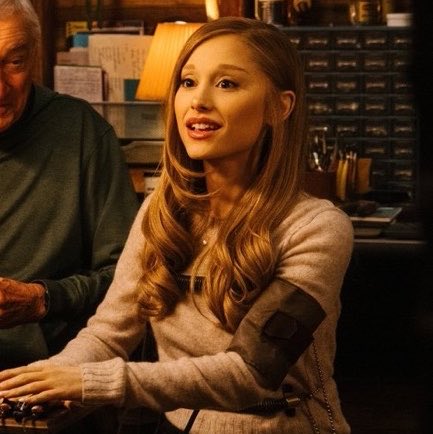
De acordo com a Billboard, o hiato de Ariana Grande não se estende a divulgação de “Entrando Numa Grande Fria”: “O hiato de Grande do olhar público não vai impedi-la de fazer parte da press tour de “Entrando Numa Grande Fria”, ela está muito orgulhosa do filme. Ela também vai continuar trabalhando em suas marcas, como a r.e.m. beauty.” #ArianaGrande #EntrandoNumaGrandeFria #Billboard

The Netherlands produce an insane level of beauty. Lauren De Graaf, Danique Hosmar, Jutta Leerdam, etc. 🇳🇱🇳🇱🇳🇱 https://t.co/bWS5mXF29Z #Nederland #schoonheid #talent