BETA nonprofit public democratic european moderated

Search

#mère

Con el dolor en el alma por no haber podido traer la copa que todos merecíamos, pero con el orgullo a flor de piel por esta camiseta, por mis compañeros, el cuerpo técnico, los directivos, el cuerpo médico, los cocineros, los utileros y por cada persona que estuvo involucrada para que todo esto funcionara de la mejor manera. Y, por sobre todo, por ustedes, que nos hicieron llegar todo su amor, toda su fuerza, esa pasión que tanto nos caracteriza y la unión de un país que espero perdure en el tiempo. Quiero felicitar a España por su merecido título. Y a nuestra gente quiero decirle que el resultado no define el camino recorrido. Atravesamos adversidades, hicimos posible lo que parecía imposible y nunca buscamos excusas, solo encontramos razones para seguir. Defendimos nuestros colores mucho más allá de la cancha y compartimos momentos inolvidables en la Selección, junto a nuestras familias y con el apoyo incondicional de todos los argentinos. Siempre será un enorme orgullo representarlos. Recuerden que “la caída de los grandes es la felicidad de los mediocres”. Muchas gracias a todos. Cuidemos nuestro país. 🙏🏼 ¡Te amo, Argentina! 🇦🇷 #Argentina #Fútbol #Orgullo

termo 2h

Pedro Pascal y Rosalía se declararon anti-argentina. Anoten. Si algún día pisan Argentina tienen que ser recibidos como se lo merecen. https://t.co/aUu3JC7MrG #PedroPascal #Rosalía #Argentina

2

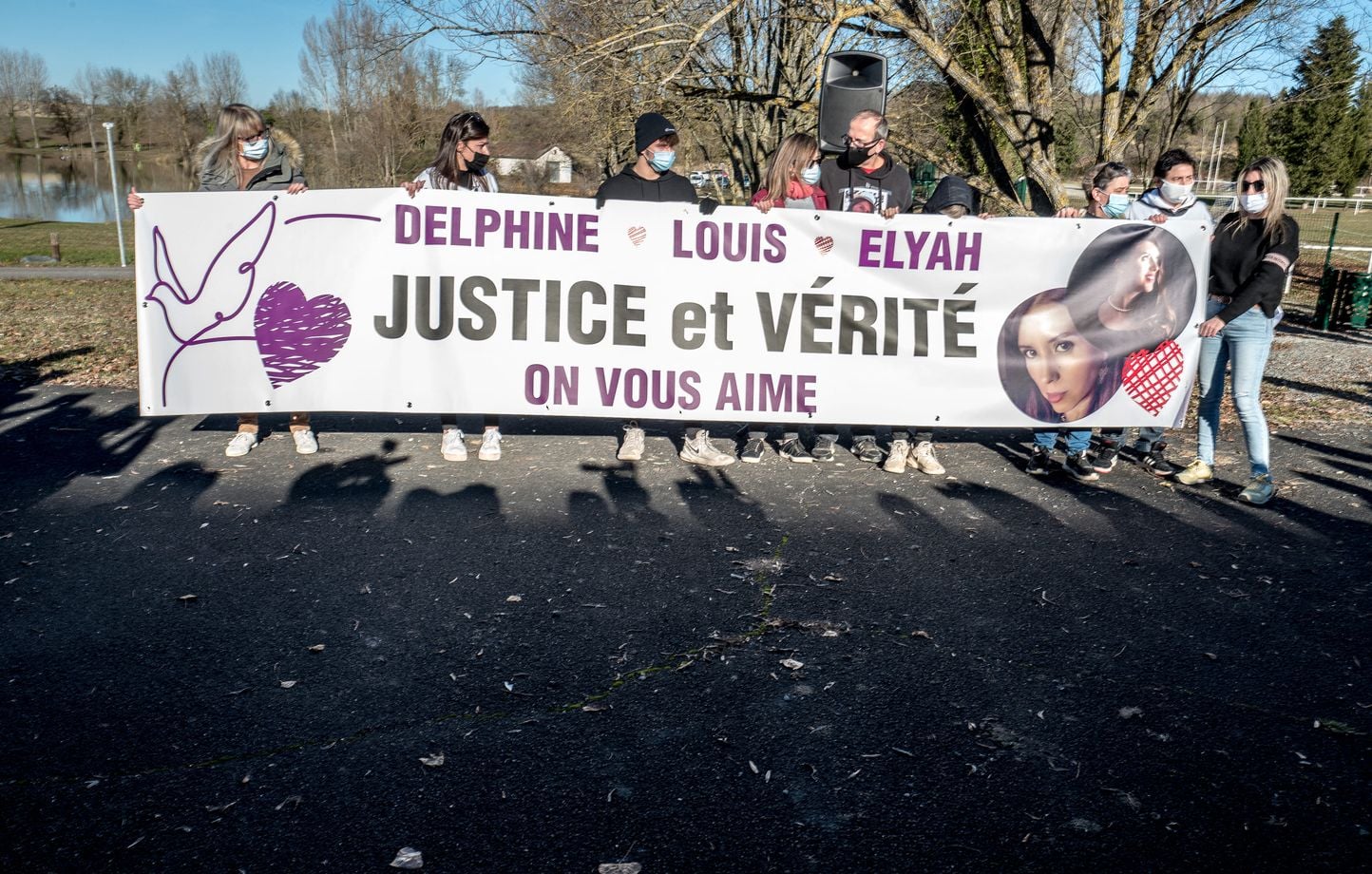
Louis et Eliyah, deux enfants âgés de 11 et 7 ans, ont appris la découverte des ossements de leur mère, ce qui met fin à plus de cinq ans d'incertitude, et sont désormais pris en charge par leur tante maternelle avec une protection judiciaire renforcée, alors que des appels se multiplient pour préserver leur intimité face à l’attention médiatique. #AffaireJubillar #ProtectionEnfance #RespectIntimité

Affaire Jubillar : Comment la famille et la justice s’organisent pour protéger les deux enfants du couple

De Paul desabafa sobre ‘teorias da conspiração’ contra Argentina na Copa: ‘Nosso jeito os irrita’ "Hoje vejo quantas pessoas esperavam por essa queda, espalhando durante toda a Copa do Mundo conspirações sem fundamento para acalmar a dor do outro de não poder viver o que todos nós, os argentinos, estávamos vivendo. Nossos sorrisos incomodam, porque nosso jeito os irrita. Mas isso só serviu para reafirmar que a paixão e o amor por nossa camisa superam qualquer coisa. A dor é maior porque não pudemos levar outra vez a Copa do Mundo para o nosso país, porque se existe alguém que merecia voltar a viver essa sensação eram vocês." 📷Pamela Smith/AP Photo #Copa2023 #Argentina #Futebol

The author of a shooting in Germany at a shelter for mothers, which resulted in six deaths in June, has committed suicide in prison. (translated)

- Periodista: “Hemos visto sufrir la agresividad de los argentinos, nos ha mantenido preocupados”. - “Es su manera de jugar, yo no tengo por qué contrarrestar eso. Ha sido una gran Selección, se merecía estar en la final”. Pedro Porro. 👏🏻🇪🇸🇦🇷 https://t.co/KkivdSvzVN #Fútbol #Selección #Deporte

ERR 5h

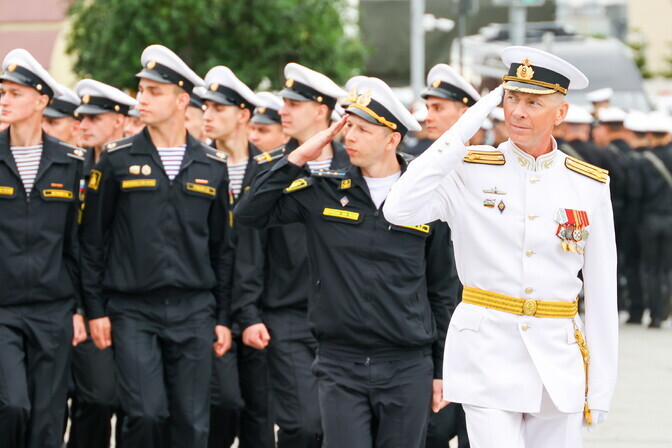
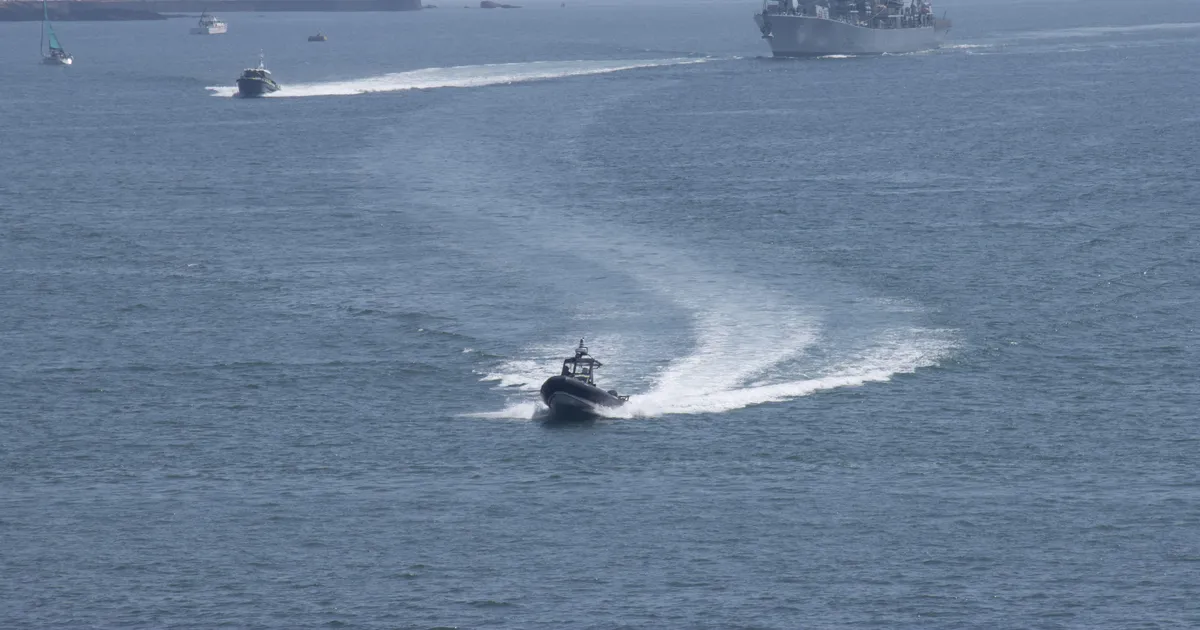
Vene sõjalaev Neustrašimõi viis esmaspäeval läbi suurtükiharjutuse La Manche'i väinas, olles 72 kilomeetri kaugusel Plymouthist, samal ajal kui Briti kuninglik merevägi jälgis harjutust, mis kestis 30 minutit ja toimus rahvusvahelistes vetes. #VeneSõjalaev #LaManche #Suurtükiharjutus

Vene sõjalaev korraldas Suurbritannia läheduses laskeharjutuse
hvg.hu 6h

A Szegedi Tudományegyetem kutatói új, objektív audiológiai vizsgálati módszert dolgoznak ki, amely forradalmasíthatja a hallássegítő eszközök hatékonyságának mérését, különösen olyan páciensek esetében, akik nem tudnak megbízhatóan együttműködni a szakemberekkel. #hallássérültek #SzegediTudományegyetem #halláskárosodás

Szegedi kutatók dolgoznak az eljáráson, amely hatalmas segítség lehet a hallássérülteknek

På Facebook falder folk i svime over "Mohammad Akbari", der poster et hav af opslag om mere eller mindre samfundsrelevante emner. Opslagene er skrevet med åbenlyst dårlig AI og ledsages af AI-genererede billeder af "Akbari" i alverdens situationer. Blandt andet i Folketingssalen, mens han underskriver Grundloven og på en kirkegård blandt sørgende. Altid med det karakteristiske blå skær i brillerne, som dårlig AI ikke får fjernet fra originalbilledet. Alligevel ser det ikke ud til at vække mistanke hos de tusindvis af Facebook-brugere, der liker og deler indholdet i et omfang, som de fleste danske politikere kun kan drømme om. Profilen har på rekordtid fået 11.000 følgere. "Mohammad Akbari" og hans AI-genererede indhold kan meget vel udvikle sig til en reel magtfaktor i den politiske debat. Og profilen kan i princippet sælges til aktører, der ønsker at sprede bestemte budskaber til "Mohammads" loyale følgerskare. Vi kommer til at se meget mere af den slags i fremtiden. Desværre. #AI #SocialMedia #FakeNews

BFMTV 7h

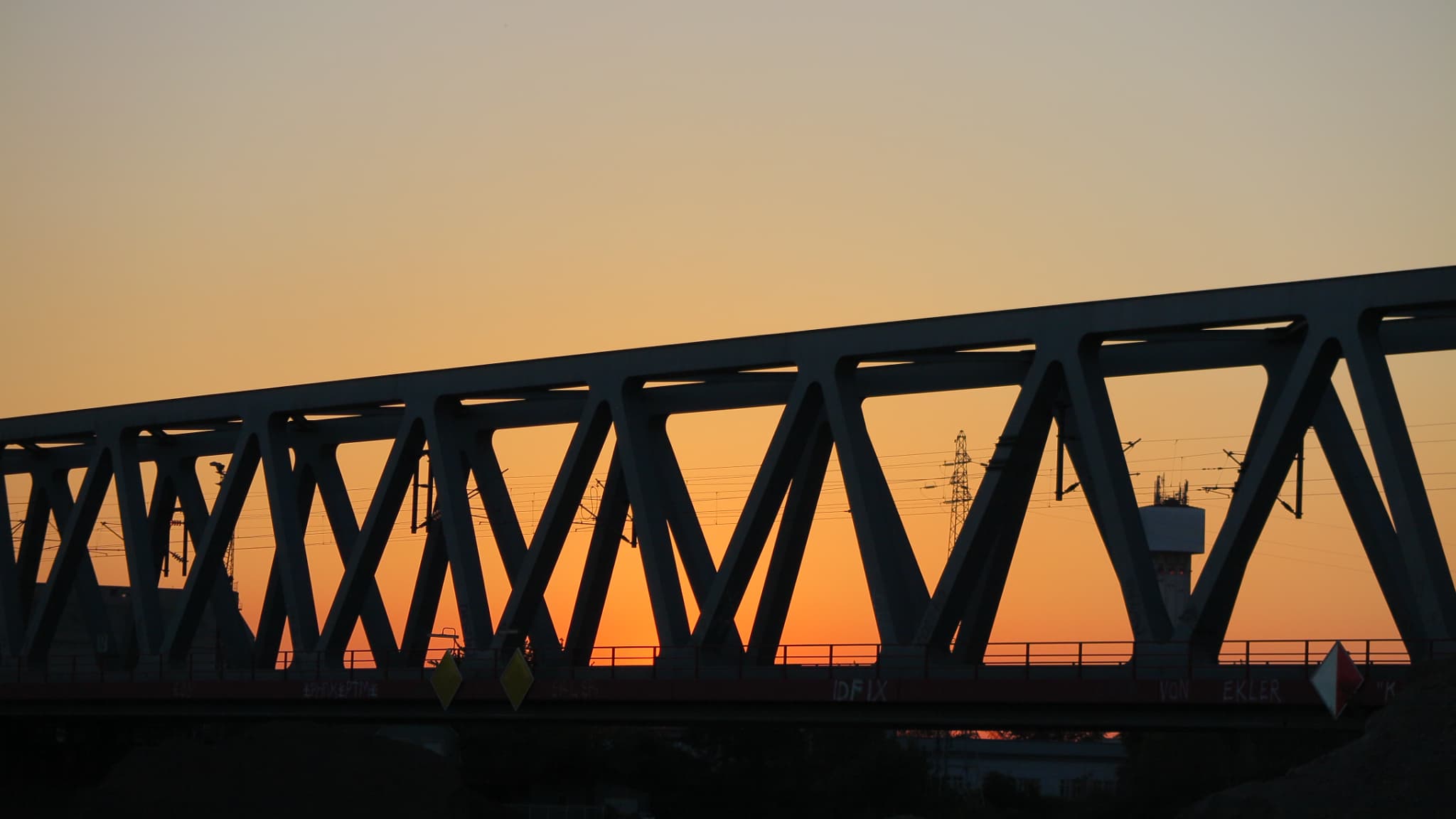
Une femme a été mise en examen pour tentative d'assassinat après avoir sauté dans le Rhin avec son bébé de 16 mois, qui est sain et sauf, tandis qu'elle a subi des blessures aux vertèbres et a été placée sous contrôle judiciaire avec obligation de soins psychologiques. #Rhin #mère #bébé

"C'est un vrai miraculé": une femme mise en examen après avoir sauté dans le Rhin avec son bébé de 16 mois

⚠️ Florentino Pérez, presidente do Real Madrid, é quem está bloqueando a contratação de Rodri. A contratação seria ACESSÍVEL para o clube merengue. O preço não seria muito alto e o próprio Rodri quer atuar no Real Madrid. No entanto, Florentino diz NÃO e NÃO quer contratá-lo. Pessoas internamente tentam fazê-lo mudar de ideia. 🗞️ @FabrizioRomano #RealMadrid #Rodri #Futebol

Næste indslag om den danske udviklingsbistand bliver crazy. Det omhandler en dansk neo-marxistisk NGO, som i årevis har modtaget millioner og atter millioner af kroner via den såkaldte Civilsamfundspulje (CISU). Bevillinger er bl.a. givet til at sprede marxistisk og anti-kapitalistisk ideologi gennem programmer med navne såsom: ➡️ Build Social Justice ➡️ Global Climate Justice Warriors ➡️ Forward to Feminist Agroecology ➡️ United Against Patriarchy Alene disse 4 bevillinger har kostet de danske skatteydere mere end 9 mio. kr. - i alt har NGO'en modtaget over 100 bevillinger! Stay tuned! #Udviklingsbistand #NGO #Danmark

Me han criticado mucho, pero Dios al final premia a quienes lo merecen.

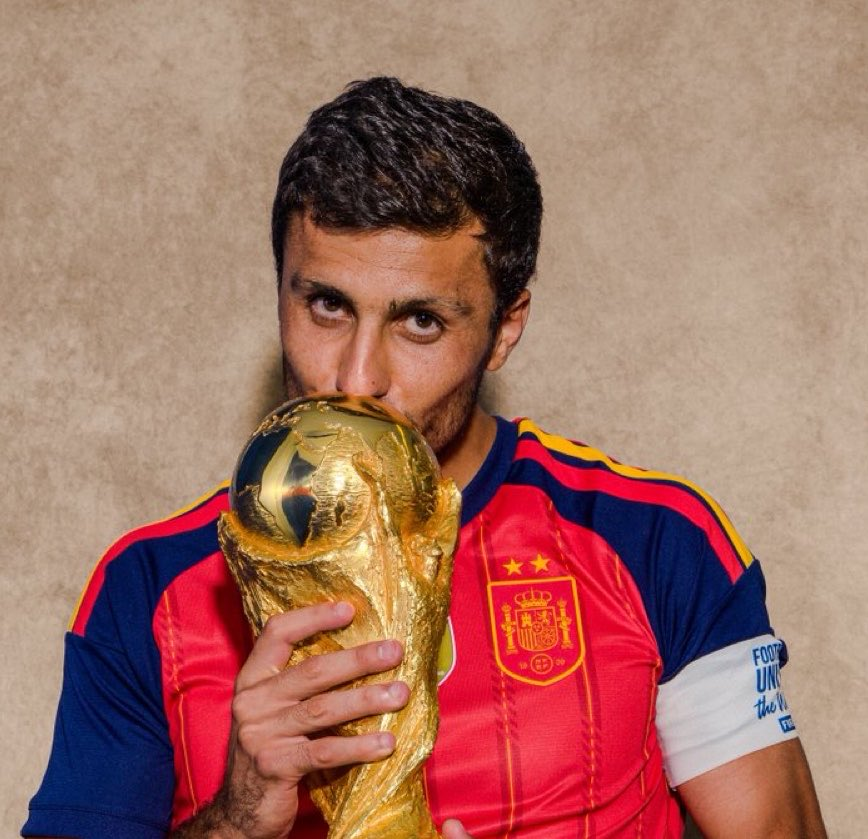
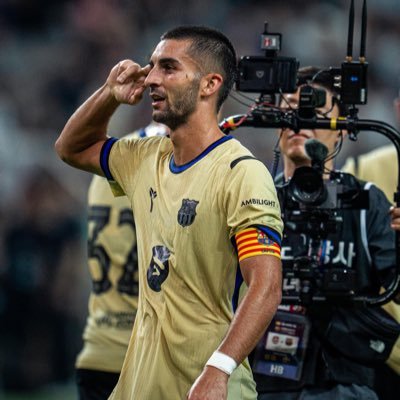
El Mundial de los criticados: el camino a la redención de Rodri, Baena, Unai, Ferran...
www.20minutos.es

Hay dos tipos de argentinos. Los que se inventaron un delirio para justificar el repaso de España a Argentina o los que son honestos. Este video de @TanoDigennaro sobre la final del Mundial es espectacular y merece tener mucha más voz que la teoría de la conspiración. https://t.co/nr1GjIa0Ze #Argentina #Mundial #Fútbol

Postimees 10h

Vene fregatt Neustrašimi viis läbi suurtükiõppuse 40 meremiili kaugusel Plymouthist, esitledes Briti kuninglikule mereväele esimesi suuri väljakutseid uue peaministri Andy Burnhami ametisse astumise ajal. #Venema #Suurbritannia #merevägi

Vene sõjalaev viis Ühendkuningriigi rannikul läbi suurtükiõppust

📌 Até um dia, Bigode Criativo! 👨🏻 Francisco Trincão é um daqueles jogadores que, ou se ama de imediato, ou tem de se aprender a amar progressivamente. Para os que sabem realmente o que é o futebol, é amor à primeira vista. Para os mais impacientes, pessimistas e enrugados, só a sua magia os pôde seduzir. E a história de Trincão no Sporting é a prova de que o tempo será sempre amigo de quem sabe o que é o futebol e de quem trata a bola por tu. Uma chegada que foi muito cobrada com o exagero leonino habitual de querer outro Sarabia, como se alguma vez existissem 2 jogadores iguais. A juntar a isso, a ideia de ter chegado ao Sporting pelo jeitinho dado ao seu empresário, e não porque o Treinador, à época, não tivesse tanto para lhe oferecer e conhecesse o seu potencial como ninguém. Afinal de contas, mesmo não correndo bem essa experiência, quem chega ao Barcelona com 20 anos vindo de Braga não pode ser apenas um pára-quedista com a bola nos pés. O primeiro ano e meio de Trincão com a listada verde e branca foi uma montanha russa, mesmo com bons números, mas faltava dar aquele click, faltava espevitar o jogador para outro patamar psicológico naquilo que, acima de tudo, é o que mais diferença faz: a confiança. O próprio Trincão quis muito agarrar toda a sua qualidade e a oportunidade que o seu Clube do coração lhe ofereceu, dando um salto físico e competitivo impressionante. E quando, em Janeiro de 2024, teve de assumir as rédeas, nunca mais largou o lugar que havia conquistado. A magia de Francisco fez-se sentir, em toda a escala, pelos relvados portugueses e pelos campos da UEFA. O futebol tricotado e rendilhado, o pé esquerdo que abraçava a bola como se de um parente querido se tratasse, o remate seco e colocado, o cruzamento preciso e o último passe refinado. Um jogador que muitas vozes acusavam de desaparecer nos grandes jogos mas que se tornou no melhor marcador em derbies desde Liedson. Um abre-latas na sua essência, um atleta que chegou com um rótulo descritivo de ser apenas mais um extremo moderno canhoto, e saiu como um verdadeiro “10” à antiga, um protótipo de jogador em vias de extinção! Falar de Trincão é falar do genial golo a meio do meio-campo contra o Nacional para desmontar um autocarro. É falar do tricotado sobre a defesa do Casa Pia para servir Bragança. É falar da cueca magistral a António Silva que consagrou a dobradinha. É falar da arrancada contra o City que deu no 3-1. É falar da jogada Maradoniana contra o Estoril. É falar do jogo interior coletivo que levou ao golo do empate em Bilbao. É falar do golaço do empate em Guimarães que ofereceu um ponto crucial. É falar do madrugador golo que gelou a Luz e abriu o caminho do Bi. É falar de como se leva uma equipa toda para a frente e de como jogar entrelinhas. Mas nem tudo se resume ao que é ser criativo, porque o talento não se vê só com a bolinha no pé. É falar do primeiro defensor em campo que mostrou que era possível conjugar a magia com o sacrifício em prol de um bem maior. É ver um jogador a correr 60 metros no Jamor perante um cenário catastrófico, e já com 120 minutos nas pernas, para roubar a bola ao adversário que seguia para o golo. É ver a recuperação gigantesca contra o Bodo Glimt na primeira parte para evitar o perigo. É testemunhar como, numa equipa assombrada por lesões, se assumiu como um totalista em minutos, sem qualquer problema físico, o que o tornou num dos principais heróis do Bi e o deixou entre os Imortais. Dificilmente haverá jogador na história do Sporting que tenha corrido e jogado tanto como Trincão no drama de 24/25 que terminou em final feliz. A história de Trincão no Sporting acabou, possivelmente, mais cedo do que devia. Ainda havia mais para dar. Ainda havia mais para conquistar e recuperar. E a porta está sempre aberta para aquele que conquistou o coração de Alvalade vir concluir a sua história com a glória que lhe merece estar associada. 2 nomes que merecem construir o seu próprio final feliz. #Futebol #Sporting #Trincão

| JULY 2026 | The Guard State How the largest Arab nation became a security contractor at the gates of its own people By Adham Hasanin Egyptian journalist and political writer, based in the Netherlands In June 2025, hundreds of activists from forty countries landed at Cairo airport. Doctors from France, lawyers from Australia, students from the United States, pensioners from the Netherlands. They carried no weapons and no banned slogans; they carried backpacks, walking shoes, and a single intention: to march from Arish to the Rafah crossing — entirely on Egyptian soil — to demand that food be allowed through to a people starving behind the gate. Not one of them reached Rafah. More than two hundred were detained before the march could begin. Around five hundred foreign nationals were deported from airports, hotels, and checkpoints. Passports were confiscated, activists were pulled out of downtown Cairo cafés, and the Global March to Gaza was cancelled on 16 June without taking its first step. And the world watched. This was no secret operation in a dark basement; it happened in the open, documented by the deportees’ own phone cameras, carried by every international news agency. The world watched an Arab state arrest Europeans, Americans, and Africans for wanting to walk towards Palestine. A state guarding the gate of a siege — from the side that was supposed to be the side of rescue. Hold that image, because it is the key to everything that follows. This was not an aberration in Egyptian policy, nor an isolated security decision. It is the function — the complete function around which the Egyptian state has been redefined over the past decade, and which it is time to call by its proper name: the Guard State. I. The Name — What Do We Mean by the Guard State? Political economy has long described states that live off the rent of their location rather than the production of their people. But what has crystallised in Egypt over the past decade goes beyond traditional geographic rent — the Suez Canal, say — into something far graver: the conversion of sovereignty itself into a commodity for hire. The Guard State does not sell its location; it sells its function. It collects its wages not for what it produces, but for what it prevents: it prevents the refugee from reaching Europe, the activist from reaching Gaza, its own people from reaching politics, and the resistance’s weapons from reaching their destination. Four gates, guarded by a single machine, whose wages are paid in loans, deposits, and perpetually renewed rescue packages. This is not a rhetorical metaphor; it is an economic structure with numbers attached. When the Egyptian economy collapsed in 2024, it was rescued not by productive reform but by a single deal whose subject was location: Ras el-Hekma — thirty-five billion dollars for a stretch of coastline. And whenever negotiations with the IMF stall, the tranches are unlocked by explicit European pressure whose subject is migration: nine billion euros from the European Union in the 2024 “Strategic Partnership,” whose own documents place “migration management” at its core. Europe does not pay Egypt to prosper. It pays Egypt to guard. Thus the model is complete: income in exchange for prevention, external legitimacy in exchange for guarding, and international silence about domestic tyranny in exchange for keeping the gates controlled. To see how the model works on the ground, consider the bloodiest gate of all: the gate of Gaza. II. The Gaza Gate — The Guard Who Is Himself Searched The first paradox must be nailed down with facts: Egypt is not a sovereign guard of its own crossing; it is a searched guard. Egyptian relief trucks — ninety-two thousand food parcels in a single convoy this month — are subject to Israeli inspection before entering the Strip: from Egyptian soil, through a crossing that bears an Egyptian name. The state that guards the gate does not hold its key. It owns the threshold, but not the door. Then the October 2025 truce added a new layer to the function. Under the fifteen-point roadmap sponsored by the international envoy together with the “guarantor states” — Egypt foremost among them — Cairo is to train the civilian police force that will replace Hamas in administering the Strip, under the slogan of “one authority, one law, one weapon.” Let us call things by their names: the state that could not — or would not — deliver a loaf of bread without Israeli permission is now qualifying to graduate the security apparatus that will oversee the disarming of the resistance. From guarding the siege to administering what comes after the siege — a promotion within the same project. And meanwhile, what is happening behind the guarded gate? Since the truce, more than one thousand one hundred Palestinians have been killed by Israeli fire — the latest, just two days ago, a ten-year-old boy named Motaz Abu Shaar, carried to his grave in Khan Younis by his mother, Warda. A United Nations commission of inquiry has concluded that Israel is “deliberately targeting children in an ongoing genocide.” This is what the guarantors’ official language calls a “ceasefire.” What meaning is left in the word “guarantor”? A guarantor that the gate stays firmly shut — however high the dead pile up behind it. III. The Mediterranean Gate — The Guard Europe Pays For The second gate faces north. Since 2016, Cairo has boasted — through its officials at every European forum — that “not a single irregular migration boat has departed from Egyptian shores.” This is very nearly true. But the forbidden question is: at what political price has this “efficiency” become an instrument of mutual blackmail? Europe — which condemns Egypt’s human rights record in its parliamentary resolutions — is the same Europe that signed the nine-billion-euro partnership, and the same Europe that stays silent about sixty thousand political prisoners because the alternative, in its calculations, is boats that never stop. And Cairo understands the game and has mastered it: whenever human rights pressure intensifies, the official discourse turns up the volume on “Egypt hosts millions of refugees” and “the last line of defence.” The result is a perfect structure of mutual blackmail: Europe buys its conscience’s silence, the regime sells its location, and the people — Egyptian and refugee alike — are the commodity in the transaction. The democracies that lecture on values are financing the guard who keeps the victims from knocking on their doors. This is not passing hypocrisy; it is a structural partnership in the Guard State model — one that makes Brussels and Berlin shareholders in everything this state produces, from domestic repression to external siege. IV. The Interior Gate — Guarding the People Against Politics But the most dangerous gate is not on any border; it is inside. The Guard State cannot perform its external function unless it first guards an internal gate: the people’s gate to politics. The function requires a people that does not ask: why are we guarding the siege of our brothers? Why are our trucks searched on our own soil? Why are guests deported for coming to walk in peace? To guarantee the question is never asked, the largest silencing machine in the country’s history was built: sixty thousand prisoners of opinion, a press ranked 166th out of 180 worldwide, and a state security case number waiting for anyone who writes. I write these lines from experience, not from reading reports. When I continued writing from my Dutch exile, the machine reached me across continents: accounts shut down by coordinated mass-reporting campaigns, documented threats, a family harassed inside Egypt as leverage — and my name entered into Case 1282 of 2024, not for any act I committed, but for opinions written from free European soil. This is not a personal complaint; it is a job description: the Guard State guards even beyond its borders, because the free word — wherever it is written — threatens the entire contract of guardianship. The logic is perfectly self-consistent: a regime that sells “stability” abroad cannot tolerate a voice revealing that the stability on offer is the stillness of graveyards. This is why the arrest of the foreign activists in June 2025 was inevitable, not incidental: a peaceful march reaching Rafah would have revealed, before the world’s cameras, that the gate opens when it is wanted open — and that the one keeping it shut is a partner, not a mediator. V. What Has Egypt Lost? — The Guard’s Bill An apologist might argue: what is the harm? A state monetising its location as Norway monetises its oil. The answer lies in the essential difference: Norway sells a resource; Egypt leases its will. And the difference between the two is the difference between trade and bondage. Let us tally what Egypt has paid for this model, in bare facts. It lost its water sovereignty: the Renaissance Dam was completed and filled without the state — owner of “the largest defence headquarters in the world” — daring anything beyond statements of concern; for the guard does not make trouble for the international order that employs him. It lost its regional standing: in the Iran–America war halted just weeks ago, Cairo was neither party nor mediator nor even consultant — Pakistan brokered the deal, while Egypt absorbed the economic shrapnel of Hormuz’s closure like a bystander caught in a battle whose parties it does not know. It lost its place in the conscience of its nation: the state that liberated its land in 1973 and led the Arab world for a century has become, in the eyes of the Arab street from the Atlantic to the Gulf, the gatekeeper of the siege. This loss, specifically, no loan or deposit can repay — because it is the only capital that cannot be printed. And it lost — here is the crux — the very national security in whose name the guarding is justified. The model proved its fragility at the moment of testing: when Israel feared an Iranian response last year, it cut off Egypt’s gas by unilateral decision within hours. The guard who believed himself a partner discovered he was merely a hireling whose wages stop the moment danger arrives. VI. The Alternative Is Not a Slogan — It Is the Recovery of the Original Function I will not close with an essay on “the solution lies in Arab unity”; worn-out words kill more surely than silence. The alternative is specific, and it begins with redefining the function. The state is not a guard; the state is the agent of its people’s will. Every foreign policy not derived from that will is — by definition — functional servitude, however it is wrapped in the language of wisdom and moderation. And the Egyptian will is known and needs no referendum: no people in this region accepts that its country serve as warden of the siege of Gaza, or as Europe’s border post. Practically, the recovery begins with three measurable steps. Open the Rafah crossing fully and sovereignly, by purely Egyptian decision — that alone would overturn the equation of the siege. Break the negotiating bondage by linking any cooperation on migration to concrete European positions on Palestine, not statements of concern. And open the interior gate — release the prisoners and lift the hand from the written word — because a state that fears an article will never dare face an occupier. I know the current regime will do none of this; guarding is its founding contract and its financial artery. But this article is not written for the regime. It is written for memory, and for the generation that will inherit the gates — so that it knows that what is presented to it today as “the fate of geography” is no fate at all. It is an employment contract, signed by a regime without a mandate from its people. And contracts, however long they run, end when one of their parties does. And the world — I return to where I began — is a witness that requires no further proof. It watched the deportees at Cairo airport; it watched the searched trucks; it watched Warda Abu Shaar carry her son to his grave behind a firmly guarded gate. The question is no longer: what is happening? The only question left is: who dares to name it? This article is a naming. Adham Hasanin is an Egyptian journalist and political writer based in the Netherlands, covering Arab and European political affairs.

BCharts 16h

Ivete Sangalo: “Preta merece que a gente fale dela. É uma situação artística. A vida que eu tive, o que eu tenho para falar não tem nada disso. Então me sinto um pouco estranha de ficar falando disso para um documentário, entendeu? A gente era besta.” 🤧 https://t.co/Mqj1ehjdf6 #IveteSangalo #Arte #Documentário

emi 17h

el tape con imágenes del 2011 por favor no nos merecíamos este versus tan temprano #GranHermano https://t.co/KvUd5uQSxg #GranHermano #RealityShow #Televisión

24.hu 18h

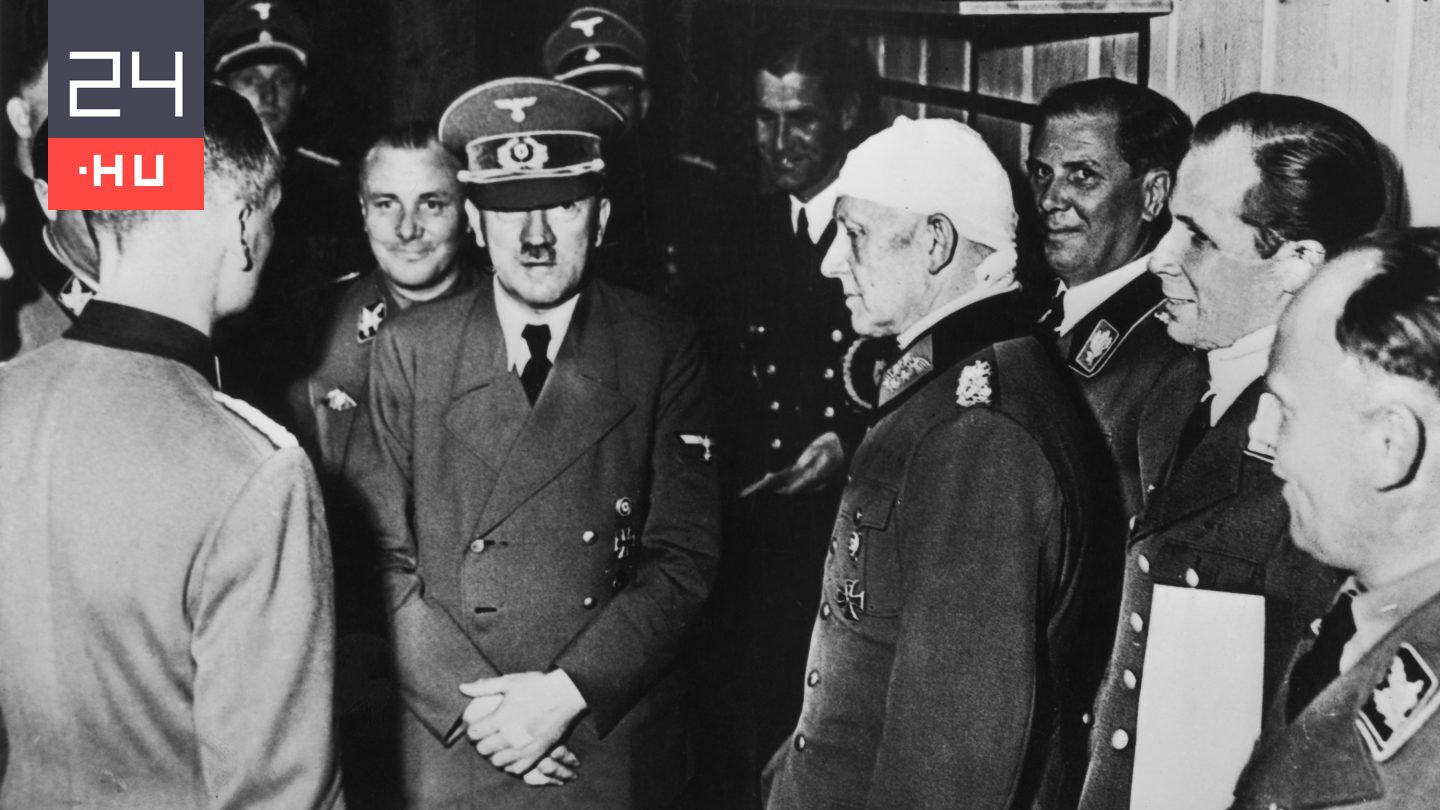
A második világháború alatt német tábornokok megkísérelték megölni Adolf Hitlert, és 1944. július 20-án Klaus Schenk von Stauffenberg bombát helyezett el Hitler tárgyalóasztala alatt, de a merénylet végül kudarcot vallott, és a következő megtorlások során körülbelül 5000 embert végeztek ki. #HitlerMerénylet #Stauffenberg #NémetországTörténete

Így akarták megölni Hitlert