WRLD

Search

#mobilization
BFMTV 1w

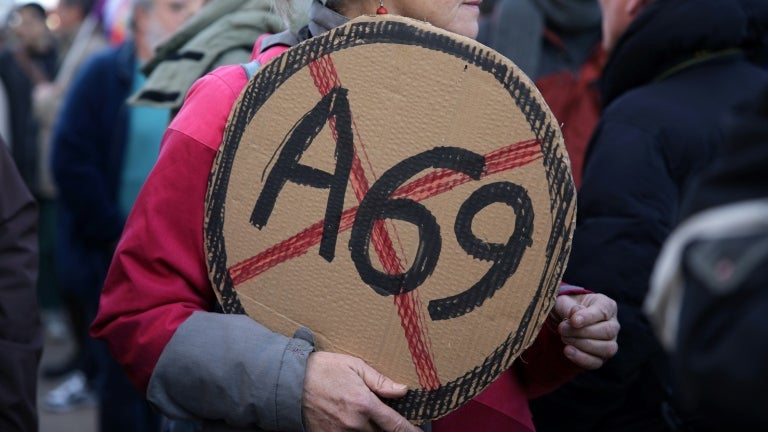
Opponents of the A69 highway, which recently opened despite their fierce resistance, claim they want to continue their fight against what they consider a gigantic waste and are trying to capitalize on the small victories achieved during their mobilization, while criticizing its high cost and environmental impact. #A69 #LutteEcologique #Mobilisation (translated)
www.bfmtv.com
Un "gâchis gigantesque" mais "on est encore plus forts": les opposants à l’A69 veulent poursuivre la lutte après l’ouverture de l’autoroute
2853
Jaunius Varnas 3w

russia's MILITARY POTENTIAL CEILINGS There is no country that can wage war forever. There are plenty of myths about russia and how it can keep fighting and fighting, but there are things no country can overcome. These are simply economic and industrial ceilings that cannot just be expanded indefinitely. Especially when you're the most sanctioned country in history. Sit back, get comfortable — today I'm bringing you a BIG and very detailed article. Next year, russia will increase its military budget. And spending on it will account for around 35% of russia's entire annual budget. That's just according to the officially reported figures. And based on what we saw last year, we know that russia spends considerably more on the war than it reports. But when it comes to all this increased funding for the war machine, there's one BIG catch — russia doesn't exactly have the money for it. To keep its war industry running, russia is forced to significantly cut the budgets of other government sectors — education, healthcare, social services, and the national economy (infrastructure, agriculture, and so on). In other words, it's increasing the war industry's budget by cannibalizing other sectors. And it's ALSO very important to understand that even then, russia is no longer able to generate enough revenue to fully finance its annual budget. As a result, the state budget deficit keeps growing every year. And that's when the russians start selling their gold, diamonds, or printing A LOT of money to plug that budget hole. Whenever I try to explain how russia's economic situation keeps deteriorating, there are always commenters who say something along the lines of: "So what? They can still fight as long as they want, and you can talk about their problems all you like. Nobody's going to stop them." Well, THIS is where I'll try to explain why I think they're starting to reach the limits of their industrial capacity and, more generally, the limits of their offensive capabilities. When you shrink the civilian economy, investment declines, productivity falls, unemployment increases, prices rise, and it becomes more expensive for industry to manufacture things. On top of that, there's the growing global fuel crisis, which also drives up production costs. And russia ALSO has an existing labor shortage, and now it's going to carry out mobilization as well. That means it will independently remove, quite possibly, several hundred thousand men from the labor market. Whether that happens all at once or over the course of a year no longer matters — what matters is that those people will be taken out of the workforce. This creates a situation where russia is essentially destroying itself. It's increasing its military budget, but because it's cutting funding to other sectors and global economic problems are piling on, inflation rises so much that the larger military budget no longer translates into producing a whole lot more. Because everything simply costs MORE. And if we look at the war industry as a whole, there aren't many places left to expand because there aren't enough specialists. The only real option may be to try to redistribute the existing industrial capacity. For example, using the same budget, the same workers, and the same amount of materials to produce fewer tanks but more drones and missiles (I know this is a rough comparison, but the point still stands). Since I mentioned tanks, their production lines are also struggling to catch up with previous production levels. For example, russia used to refurbish a lot of old tanks from storage depots. But since those depots are now almost depleted, it has to manufacture more NEW tanks. And producing a new one costs MORE and takes longer. Tanks are just one example, but you have to understand that a similar situation applies to many other things. Instead of using old Soviet stockpiles, russia now has to manufacture a lot more equipment from scratch. THEREFORE, an increasing military budget in russia does not mean they'll have A LOT more of everything. NO. It simply means that everything costs them more. And looking ahead, it will cost them EVEN MORE, while they'll get less out of it. EVEN IF we take into account that China is still helping russia, we also have to understand that China isn't doing it for free. And no matter how many natural resources russia can send to China in exchange for technology, as inflation rises, the cost of those exchanges also increases. And as we know, China has been conducting those exchanges in its own favor since the beginning of the war. And once again, we run into the same ceilings — more trade does not necessarily mean a bigger war. More of everything is simply needed because everything is getting more expensive. There's an interesting situation unfolding in the world right now, where trump's war in Iran and the global fuel problems are simultaneously hurting russia's war industry as well. On top of that, I'm convinced that this entire promised wave of mobilization will also be russia's last serious attempt to push forward. RIGHT NOW, at THIS VERY MOMENT, a fundamental turning point in the war is taking place, and it's not being talked about very much. You could say the turning point was the expansion of Ukraine's drone forces, the attacks on oil facilities, the destruction of logistics, or something else. BUT all of this ultimately comes down to one BIG factor. russia is starting to reach the peak of its military potential. After this entire mobilization (whatever its size), they won't be able to carry out another one on the same scale. Well... they technically could, but each subsequent wave would be progressively weaker and of lower quality. At the same time, russia's military industry is starting to reach its ceilings. Looking ahead, not only will it have nowhere left to expand, but it's very likely to start contracting for the very same reason it grew in the first place — cuts to the budgets of other government sectors and the resulting inflation. Just take something as simple as cuts to healthcare funding. You might ask, what do hospitals have to do with the war industry? Well, if the state doesn't provide enough money to treat people, it's likely that more health problems will emerge, and that will affect the labor market. Which, in turn, will affect production — including the war industry. SO, I suspect that after 2027 (yes, unfortunately, that's still a long way off), russia will still be able to continue the war, but the pace of its war industry and its offensive operations will inevitably decline. THEN, let's take into account that russia is already suffering absolutely insane losses this year in exchange for increasingly smaller amounts of occupied territory. So let's understand that this is happening while russia can still maintain at least its current offensive pace and industrial production. What happens if any one of those factors contracts? We have a real-life example of what happens then — today, russia can no longer recruit enough people in a single month to replace the number being killed in the war. As a result, russian occupation forces are gradually retreating every month, and the occupiers are losing the territory they had captured. 2027 will still be the year when russia plugs this gap. In other words, whatever it can no longer recruit voluntarily, it will force into the front lines through mobilization. And then we'll have a whole range of other problems, which I've essentially already mentioned. russia will voluntarily reduce its own workforce (and let's add those who flee the country). Unmotivated, untrained, and poorly equipped soldiers at the front will achieve increasingly fewer results. The war industry will become more expensive while producing less for the front. russia will start facing problems filling the gaps created by its own shortages. When russia reaches these ceilings, it will certainly still be able to continue the war, but it will no longer be able to maintain the same pace. Especially the pace of its offensive operations on the front. THEREFORE... I can't say that Ukraine will definitely start reclaiming more of its territory, because we don't know how Ukraine itself will manage its funding. BUT the conditions are there, and Ukraine still has some cards it hasn't played yet. Here, let's also remember the ballistic missiles that are still to come into play. They won't be some complete WOW moment that changes everything. BUT they will allow Ukraine to destroy russia's industry much more aggressively, which is ultimately still one of the most important factors, because it eventually affects the quality of russia's offensive operations as well. BECAUSE having more people does not mean capturing more territory if those people are not properly supplied and supported from the rear. And then we get to the part I've actually been talking about for a very long time. What else can russia do if its offensive potential on the front starts to collapse? I'll repeat myself — russia is trying to compensate for the lack of frontline forces by intensifying its air attacks. And that creates the illusion that its offensive never stops and that russia is constantly escalating. + This is also an attempt to break Ukrainian civilians and make them demand that their government enter negotiations with russia. Historically, however, this kind of tactic has very rarely worked, regardless of which country we're talking about. Offensive operations on the front and air attacks are two different things. russia's frontline capabilities are shrinking, and that's why it is forced to carry out mobilization. That mobilization won't help it achieve A LOT more victories, BUT it will buy time — time it can use specifically to intensify its air attacks. And once again, it's the same thing — continuing a war does not necessarily mean fighting a successful war. russia, seeing that it cannot achieve victories on the front, is redirecting more of its industrial capacity toward producing drones and missiles. BUT we also have to understand that this does not necessarily mean producing a whole lot MORE drones and missiles forever. Because, as I've already explained, there are limits to production due to inflation, rising manufacturing costs, and labor shortages. ALSO, when it comes to missiles, they face a similar situation to russia's old tanks. Just as russia spent several years pulling old tanks out of storage and refurbishing them, it is also still mainly using its huge Soviet-era missile stockpiles, which it is MODIFYING. To maintain the pace of its attacks, it is EVEN converting missiles from its S-400 air defense systems into ballistic attack missiles. In other words, it's cannibalizing its own air defense resources to maintain its offensive capabilities RIGHT NOW. And you should understand that this kind of strategy also has its ceilings. This kind of strategy could create VERY serious problems for the russians when Ukraine ramps up its own ballistic missile production and russia itself starts needing more DEFENSIVE missiles — the very ones it is currently converting. So, when you combine the fact that Soviet stockpiles, although large, are not infinite and will eventually run out, with the fact that you cannot manufacture everything new in such large quantities or so quickly, and with the fact that everything russia produces from scratch becomes increasingly expensive over time... And when you also factor in the labor shortage affecting the drone and missile industries... We can predict that even the intensity of russia's air attacks has ceilings, and those ceilings will eventually be reached. Now, someone will say that I've explained all this rather abstractly, without numbers and so on. Fine, here are a few: Between 2023 and 2025, production in some key defense-related industrial categories doubled. HOWEVER, by 2026, growth had slowed significantly. Transport equipment: just +23.3% (instead of doubling), metal products: just +12.6% (instead of doubling), electronics and optical equipment: just +2.1% (instead of doubling). These are just a few examples. russia can allocate more and more money to its war industry, but that doesn't necessarily mean it can proportionally manufacture more weapons. EVEN MORE IMPORTANT — in September 2026, employment in manufacturing was already declining for the tenth consecutive month, while production volumes were falling again. This is NOT the collapse of production, but it clearly shows that the military industry is starting to reach its ceilings, which is exactly what I'm talking about. And those ceilings are being reached precisely because, once again, other government sectors are having their budgets cut, resulting in rising production costs. + Global economic consequences, economic sanctions, and Ukrainian strikes on factories. Now, if some of you are thinking of bringing up Ukraine and how it has the same problems, I'll dare to say that it's NOT quite the same. Over these several years of war, Ukraine has expanded its military industry so dramatically that its main obstacle is something else — a lack of funding. In other words, Ukraine is nowhere near reaching the limits of its production capacity. And on the front, we're already seeing more or less equal capabilities, and in some areas even an advantage for Ukrainian forces, with what they currently have. In 2025, zelensky said that Ukraine's war industry was operating at only 60% capacity. Well, in 2026, that situation is changing, because Ukraine is receiving considerably more funding. It's a fact that Ukraine also has its own problems and faces the same inflation, but when it comes to the ability to increase production volumes, it still has plenty of room to do so. After all this, there are a few rather unpleasant factors left. YES, russia's military potential will definitely shrink, BUT that doesn't mean the war will definitely end because of it. russia will still be able to continue the war, albeit at a weaker pace. At this point, we can expect russia to make indirect attempts to start peace negotiations, and we will likely see a shift in its propaganda messaging. When they see that they no longer have the potential to continue fighting at the same pace and that their objectives are UNACHIEVABLE, they will EXACTLY start claiming that their military objectives have ALREADY been achieved and that the war can now be ended. Why would they do that? Well, because it will be the best negotiating position they can possibly have. After that, it will start getting weaker. How do I come to this conclusion? Just look at what's happening in the war in Iran — the war is supposedly ongoing, but it's not really going on anymore, and there is NO agreement. America can no longer continue its offensive, so trump keeps saying that the military objectives have already been achieved and that they won the war a long time ago. It's just that Iran refuses to surrender. The same thing will happen with the russians: When they see that they are losing the initiative, they will start claiming that the war has been won and that it's time to end it. At this point, russia will, of course, still demand its own terms, and if those terms are not implemented, it will resort to increasingly terrorist attacks. And then it will be up to Ukraine to decide whether to keep fighting a little longer to weaken russia's position even further, or to sit down at the negotiating table. The sad reality is that by that point, Ukraine itself will have been battered so badly that it will neither have the resources to continue the war nor much desire to keep shedding blood. That desire is already gone, and it never existed in the first place. But in this war, Ukraine is defending itself, so it has no choice. And there's one more dangerous factor. By dragging out the war, russia is trying to wait for political winds to shift in its favor in Europe and elsewhere. And this is where russia is also using another huge pool of financial resources to try to influence political parties in the Western world and spread propaganda among the public. The next major barrier will be the November elections in America.

578
Rus.Postimees.ee 3w

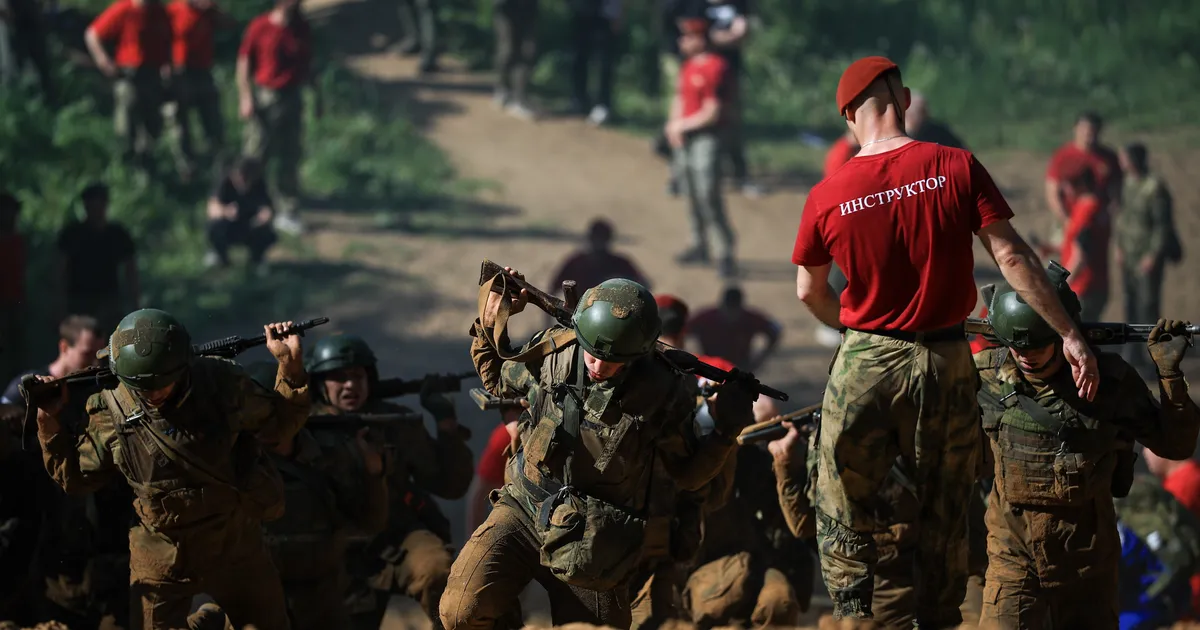
Ukrainian authorities report that additional mobilization in Russia has already begun, drawing parallels to the large-scale mobilization efforts during World War I, which saw over 15 million individuals conscripted, while current estimates indicate significant casualties on both Russian and Ukrainian sides in the ongoing conflict. #ПерваяМироваяВойна #потери #Россия

pmo.ee
ЮРИЙ КОЧИНЕВ ⟩ Украинские власти сообщают, что дополнительная мобилизация в России уже началась
2084
Eva Herman 3w
German author and former television presenter

The author said protests had taken place in France, including marches and violent riots, and that large crowds in other parts of Paris had called for Macron to resign. They described Saturday as busy, said police were overwhelmed and reported that most shops had been barricaded the previous day to deal with looting. #France #Protests #Macron #FR

3475
Gunther Fehlinger-Jahn Oct 8
Austrian economist

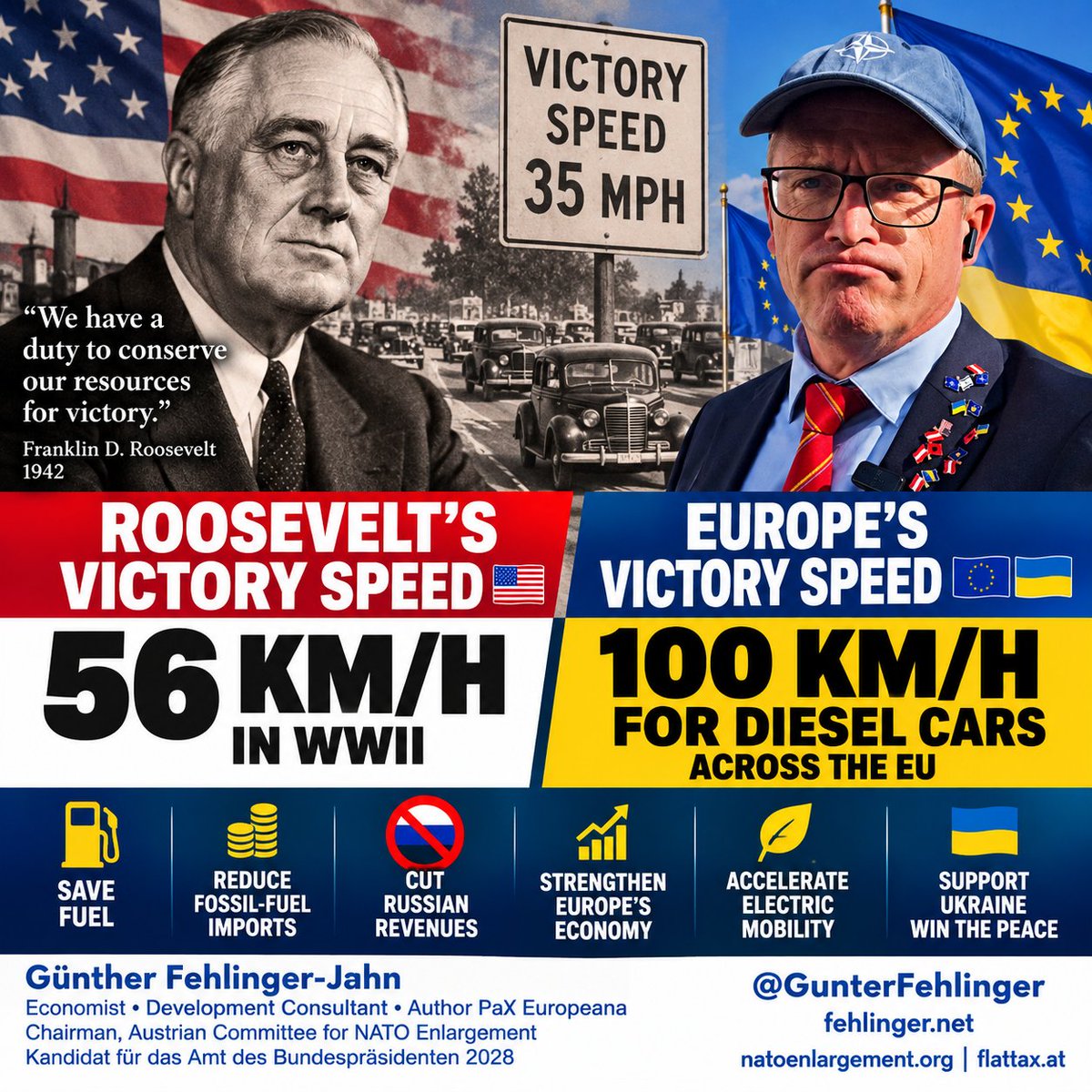
The author said Roosevelt’s America had introduced a wartime “Victory Speed” of 35 mph, about 56 km/h, to conserve fuel and strategic resources. They argued that Europe should adopt a similar spirit of mobilisation and called for a maximum speed of 100 km/h for diesel cars. https://t.co/UgJ90vdQfD #Victoire #Mobilisation #Europe #EU #UA

3040
toomas hendrik ilves Sep 20
Estonian politician and diplomat, fourth president of Estonia (born 1953)

Russia closes area close to easy access to Estonia, apparently to prepare for an exodus once mobilisation is announced. https://t.co/3rtYxlWpQi #Russia #Estonia #Mobilization #RU #EE

Krzysztof Graj Sep 20

AFRICA DAILY REPORT — 20 SEPTEMBER 2026 Key developments reported during the previous 24 hours 1. MALI — JNIM attack on Dioura army camp emerges as one of the conflict’s deadliest — 10/10 (Critical) The al-Qaeda-linked JNIM released video of soldiers it says it captured in the September 10 assault on the Dioura army camp. AP reported the group claims more than 100 soldiers were killed; AP could not independently verify the toll and the Malian army declined to comment. Separately, AFP sources put the death toll at at least 100 Malian soldiers and five Russian Africa Corps personnel. The scale of the reported losses underscores the continuing deterioration of security in central Mali. Source: https://www.washingtonpost.com/world/2026/09/19/mali-violence-jnim-army/35765c1a-b463-11f1-92c2-5c918f4a6127_story.html Additional source: https://www.arabnews.pk/world/death-toll-passes-100-soldiers-in-mali-attack-last-week-sources-3001670 2. DR CONGO — Ebola vaccination campaign begins for frontline health workers — 10/10 (Critical) DR Congo began vaccinating healthcare and frontline response workers in Bunia and Mongbwalu, among the areas hardest hit by the Ebola outbreak. AP reports the campaign is expected to cover about 20,000 frontline workers in Ituri and North Kivu over six to nine months. Government figures cited by AP put the outbreak at 7,541 confirmed cases and 3,639 deaths as of Saturday. Source: https://wplginc-wplg-prod.web.arc-cdn.net/health/2026/09/19/congo-begins-ebola-vaccinations-for-health-workers-in-the-epicenter-of-the-outbreak/ 3. NIGERIA — 21 civil-defence officers suspended over deaths of 37 detained miners — 9.5/10 (Very High) Nigeria’s federal government established a 10-member independent committee to investigate the deaths of 37 suspected illegal miners in NSCDC custody in Minna. The Niger State commandant and 20 other officers have been suspended pending the investigation. The committee has two weeks to establish the circumstances and causes of death and assess responsibility, negligence or misconduct. Source: https://www.thecable.ng/fg-sets-up-panel-to-probe-deaths-of-37-miners-in-niger-names-21-suspended-officers/ 4. ERITREA / UNITED STATES — Washington lifts sanctions on Eritrean military and ruling-party-linked entities — 9/10 (Very High) The United States removed sanctions imposed in 2021 on Eritrea’s military, ruling-party-linked entities and several individuals over humanitarian and human-rights concerns connected with the Tigray war. Eritrea welcomed the decision. The move is strategically notable amid heightened concern over Red Sea and Bab el-Mandeb security. Source: https://unb.com.bd/category/World/us-lifts-sanctions-on-eritreas-ruling-party-military/195710 Additional source: https://www.reuters.com/world/africa/us-removes-sanctions-eritrean-defense-forces-treasury-website-shows-2026-09-18/ 5. UGANDA / TURKEY — Kampala suspends military cooperation with Ankara — 9/10 (Very High) Uganda’s military announced the immediate suspension of defence and military cooperation with Turkey amid a dispute over Ugandan political blogger Fred Lumbuye, a critic of President Yoweri Museveni. The relationship has included training, arms and surveillance equipment, technology transfer and counter-terrorism cooperation. The dispute also comes amid Ugandan threats concerning a major Turkish-led railway contract. Source: https://citizen.digital/article/uganda-suspends-military-ties-with-turkey-in-row-over-museveni-critic-n390507 6. SOUTH AFRICA — Public protests intensify after killings of nine women near Johannesburg — 8.5/10 (Very High) South Africans gathered to mourn and protest after nine women were found murdered in Ekurhuleni over the past two months. Police are investigating whether the killings are connected. Reuters reports the cases have renewed national anger over gender-based violence, which South Africa declared a national disaster in 2025. Source: https://www.reuters.com/world/africa/after-deaths-nine-women-south-africans-gather-run-mourn-demand-change-2026-09-19/ 7. MALI — Strike threat at Barrick’s Loulo-Gounkoto gold complex — 8/10 (High) Multiple unions representing workers at Barrick Mining’s Loulo-Gounkoto complex have filed strike notices, with industrial action potentially beginning September 28. Demands concern overtime pay, mission-expense reimbursements and implementation of labour agreements. Disruption at one of Mali’s major gold-producing operations could have broader fiscal and investment implications. Source: https://www.channelafrica.co.za/channelafrica/news/multiple-unions-threaten-strikes-at-barricks-flagship-mali-gold-mine-documents-show/ 8. KENYA — Ruto takes $17 billion Lamu refinery plan to UNGA investment meetings — 8/10 (High) President William Ruto departed for New York for the UN General Assembly with investment mobilization high on the agenda. A central project is the planned $17 billion East Africa Refinery in Lamu, designed for 700,000 barrels per day. Kenyan reporting says the project is expected to break ground on September 30 and could materially alter East Africa’s fuel-supply structure. Source: https://www.the-star.co.ke/news/2026-09-19-ruto-heads-to-new-york-with-17bn-lamu-refinery-ai-agenda Additional source: https://nairobinews.co.ke/ruto-off-to-new-york-for-unga-meeting-2/ 9. EAST AFRICA — Airlines look to planned Lamu refinery as hedge against global fuel shocks — 7.5/10 (High) East African carriers are looking to the proposed Dangote refinery in Lamu as a potential regional source of jet fuel. The African Airlines Association says expanded African refining capacity could improve supply security as Middle East disruptions push up aviation-fuel costs and expose East Africa’s dependence on external supply chains. Source: https://theeastafrican.co.ke/tea/business-tech/ea-carriers-count-on-dangote-lamu-refinery-fuel-costs-5600658 10. UGANDA — First-oil preparations advance as EACOP reaches 92% completion — 7.5/10 (High) Uganda’s initial oil revenues are projected at about $388 million, while government officials say the 1,445-km East African Crude Oil Pipeline connecting Hoima to Tanzania’s Tanga port is 92% complete. The Kingfisher project is expected to begin commercial production before the end of 2026, with Tilenga expected in the first quarter of 2027. Source: https://www.theeastafrican.co.ke/tea/business-tech/uganda-s-first-oil-dangling-lucky-charm-in-the-economy-5600632 #Africa #AfricaNews #TopNewsOfAfrica #DRCongo #Ebola #EbolaOutbreak #EbolaVaccination #PublicHealth #HealthcareWorkers #VaccinationCampaign #WHO #AfricanHealth #HealthSecurity #Kenya #EastAfrica #LamuRefinery #Aviation #AfricanAirlines #JetFuel #FuelSecurity #EnergySecurity #OilPrices #EnergyInfrastructure #AfricanEconomy #Mali #Sahel #Dioura #JNIM #JihadistViolence #Terrorism #MilitarySecurity #SahelCrisis #RegionalStability #AfricanSecurity #Geopolitics #AfricaToday #wrldorg

1059
Gunther Fehlinger-Jahn Sep 20
Austrian economist

I welcome Ukraine effort to destroy Russias war making capacity and call EU to fund Ukraine with an additional 90 billion Euro 2026 October to crash Russian mobilization before Russia can attack EU and NATO #Ukraine #Russia #EUFunding #UA #RU #EU #NATO

118
Peter Vesterbacka Sep 19
Finnish game developer and businessperson

russians leave before election ends, fearing mobilisation to follow The evil empire is going to collapse https://t.co/nVt4tmULYQ #Russia #Election #Mobilization #RU

118
toomas hendrik ilves Sep 18
Estonian politician and diplomat, fourth president of Estonia (born 1953)

These nerve-wracking elections every weekend. Last week the knife-edge results coming in from Sweden. And now the Duma elections in Russia. Too close to call. 😬 Meanwhile, mobilization starts Monday. #Elections #Politics #Russia #SE #RU

236
Antonello Uda Sep 13

Questo post, ha al suo interno il contributo AI, tempo di lettura 10min: Questo contenuto fa parte di una strategia di disinformazione russa molto specifica. Il video in questione, che mostra un soldato apparentemente ammanettato all'interno di un autobus con scritte in italiano che attaccano il "regime di Zelensky", è in realtà un falso clamoroso architettato dalla propaganda del Cremlino. [1] (https://unn.ua/.../propagandists-spread-a-fake-video-of...), [2] (https://www.kyivpost.com/post/46336)Le verifiche indipendenti condotte dalle agenzie di intelligence e di fact-checking mettono in luce la vera natura del filmato: [1] (https://unn.ua/.../propagandists-spread-a-fake-video-of...), [2] (https://www.kyivpost.com/post/46336)1. Chi c'è davvero nel video?Il Centro per il contrasto alla disinformazione ucraino (CCI) e diverse testate giornalistiche internazionali hanno analizzato il filmato originale. È emerso che: [1] (https://unn.ua/.../propagandists-spread-a-fake-video-of...), [2] (https://www.kyivpost.com/post/46336)Gli uomini ammanettati sul mezzo sono soldati russi, nello specifico appartenenti alla 15ª Brigata Fucilieri Motorizzati delle Guardie della Federazione Russa. [1] (https://unn.ua/.../propagandists-spread-a-fake-video-of...), [2] (https://www.kyivpost.com/post/46336)Nel video originale non censurato (nato sui canali russi per denunciare i problemi interni al loro stesso esercito), i militari parlano con un marcato accento russo e non indossano in alcun modo le divise ufficiali delle Forze di Difesa ucraine. [1] (https://unn.ua/.../propagandists-spread-a-fake-video-of...), [2] (https://www.kyivpost.com/post/46336)La didascalia originaria del video, rintracciata su canali Telegram russi di protesta, recitava originariamente: "I disertori del 108° Reggimento d'Assalto Aereo vengono portati a una missione di combattimento in manette". [1] (https://www.kyivpost.com/post/46336)2. Come opera il ribaltamento della propaganda pro-Putin?I canali di propaganda russa e i profili complottisti occidentali (inclusi quelli italiani come l'account "Cronos" nello screenshot) hanno preso questo video, lo hanno decontestualizzato e ne hanno ribaltato la narrazione. [1] (https://unn.ua/.../propagandists-spread-a-fake-video-of...)Hanno aggiunto scritte ad effetto come "Il reclutamento forzato del regime Zelensky" per far credere che l'esercito ucraino sia alla disperazione, ridotto a legare i propri cittadini pur di mandarli al fronte. [1] (https://unn.ua/.../propagandists-spread-a-fake-video-of...), [2] (https://www.kyivpost.com/post/46336)Il contesto reale (perché la fake news attecchisce)Questa narrazione funziona tra i complottisti perché fa leva su un briciolo di dibattito reale. È vero che in Ucraina la mobilitazione militare è un tema teso e divisivo, e che la nuova legge sulla leva ha generato forti discussioni interne nel paese. Tuttavia, la propaganda russa cavalca sistematicamente questo argomento creando falsi totali (attori che recitano la parte di reclutatori violenti, o video russi riciclati come questo) con tre scopi precisi: [1] (https://www.avvenire.it/.../ucraina-ribellioni-contro-la...), [2] (https://www.rsi.ch/.../L%E2%80%99Ucraina-e-i-reclutamenti...), [3] (https://newsukraine.rbc.ua/.../kremlin-claims-1-7-million...), [4] (https://cpd.gov.ua/.../fake-video-about-mobilization-in.../)Demoralizzare la popolazione ucraina e i suoi sostenitori.Creare l'illusione che la Russia stia vincendo facilmente e che l'Ucraina non abbia più uomini.Convincere l'opinione pubblica occidentale che sostenere Kyiv sia inutile perché "il popolo non vuole combattere". [1] (https://newsukraine.rbc.ua/.../kremlin-claims-1-7-million...), [2] (https://time.com/.../russia-disinformation-ukraine.../)In conclusione, siamo davanti a un classico esempio di specchio riflesso: la propaganda mostra i metodi coercitivi usati dall'esercito russo sui propri soldati ribelli e li attribuisce al nemico per infangarlo. [1] (https://unn.ua/.../propagandists-spread-a-fake-video-of...), [2] (https://www.kyivpost.com/post/46336) A ri-propagare queste fake, i componenti delle così dette "camere di compensazione": All'interno di queste comunità chiuse si attivano dei meccanismi psicologici e digitali precisi: Il bias di conferma: Le persone che frequentano questi spazi non cercano la verità dei fatti, ma la conferma di ciò in cui credono già (ad esempio: "Zelensky è un dittatore", "I media ci nascondono tutto"). Se un video supporta questa tesi, viene accettato immediatamente senza alcuna verifica. La polarizzazione e l'isolamento: Chiunque provi a portare prove reali o a fare fact-checking viene bollato come "troll", "pagato dal sistema" o "addormentato". In questo modo l'echo chamber espelle il pensiero critico e si protegge da qualsiasi smentita. Gli algoritmi dei social: Le piattaforme tendono a mostrare agli utenti contenuti simili a quelli con cui hanno già interagito. Se un utente inizia a guardare video complottisti, l'algoritmo continuerà a proporgliene, creando una bolla in cui quella fake news sembra l'unica realtà esistente e condivisa da tutti. Chi crea questa propaganda (spesso fabbriche di troll o agenzie statali strutturate) sa benissimo come sfruttare queste dinamiche: non ha bisogno di creare un falso perfetto, gli basta che sia emotivamente impattante per fare in modo che le echo chamber lo amplifichino da sole, gratuitamente e in modo virale.

354
Gunther Fehlinger-Jahn Aug 31
Austrian economist

🇺🇦 BEFORE PUTIN’S SEPTEMBER ELECTIONS: MAXIMUM PRESSURE ON RUSSIA’S WAR MACHINE Russia plans elections on 18–20 September — and Ukraine says Putin may follow them with another massive mobilization. Ukraine must therefore enter September determined to weaken Russia’s ability to #Ukraine #Putin #Russia #UA #RU

Bogdan Rzońca Aug 29
Polish politician and deputy

Przez granicę rosyjsko - gruzińską tylko w ciągu ostatniego tygodniu uciekło 113 tysięcy Rosjan , bo boją się że Putin ogłosi mobilizację! https://t.co/63qajYEyYp Fleeing Russians fear Putin is quietly preparing for another mobilization #Putin #mobilizacja #uchodźcy #RU #GE

S
Sandfeen Aug 28

Why Leftist Activists and Revolutionaries Can Never Declare Victory Leftist movements face a paradox: they use oppression narratives to gain institutional power, then keep claiming victimhood as that power grows. Instead of disappearing, activism “shapeshifts” inside bureaucracy, media, academia, corporations, and the arts. Even when DEI is challenged, its structures often remain under new names—diversity becomes “belonging” or “inclusive culture.” The logic is permanent revolution: influence depends on the struggle never ending. Goals shift, new categories of oppression are defined, and intersectionality divides people into ever finer oppressor/oppressed groups, creating an endless hierarchy of grievances. If activists declared victory, the justification for ongoing mobilization would collapse. The risk is social atomization: identities replace shared citizenship, and the state shifts from neutral protector to an instrument for redistributing power between designated victims and oppressors. Bureaucracy and propaganda can replace community and argument. History shows recurring purges—once the revolution’s machinery turns inward, yesterday’s enforcers become today’s targets. The result is also a ressentiment psychology: identity forms around an “enemy,” not one’s own strength. This dynamic helps sustain the consultancy model—identify the guilty, define the aggrieved, and perpetuate conflict. Equality with a finish line is manageable; equality of outcomes is not, so there is always another disparity, injustice, or enemy. The movement fears completion less than failure, because ending would make its power machinery unnecessary.

1065
Stanisław Żaryn Aug 17
Polish official, journalist

Recent data indicate that Russia is conducting two coherent processes that will, in a short time, increase its ability to generate threats on the western axis. Russia is preparing for a new wave of mobilization while simultaneously trying to obtain even several tens of thousands https://t.co/tDeF9fWAmS #Russia #Mobilization #SecurityThreats #RU

237
Gunther Fehlinger-Jahn Aug 1
Austrian economist

I call on the United States to launch a full World War–scale industrial mobilization of the American economy. America must urgently expand production of Patriot interceptors, artillery shells, long-range missiles, drones, aircraft, ships, explosives, rocket motors, #IndustrialMobilization #PatriotDefense #WarProduction #US

Julian Röpcke🇺🇦 Jul 21
German journalist

Check out my latest interview with @CurrentTimeTv about the situation in Kostyantynivka, Kramatorsk, Sloviansk and beyond, the definition of grey zones manpower problems on both sides, another Russian mobilization, and who is winning the war in Ukraine. ✅You can watch it in #UkraineWar #Kostyantynivka #CurrentTimeTv #UA

477
toomas hendrik ilves Jul 11
Estonian politician and diplomat, fourth president of Estonia (born 1953)

Coming soon: Solovyov tells Russians bread is bad for you. Also soon. The price of vodka is going to skyrocket. No bread and unaffordable vodka is a great combination for Putin ordering a mobilization. #Russia #Putin #VodkaPrice #RU

597
Rudi Bachmann Jul 2
German economist

Something dawning on me: Trump and his guys (Miller?) knew full well that SCOTUS would strike down the birthright citizenship EO, because they had to, given how overly broad it was written, but that it thus would deliver MAGA an engagement + mobilization point for years to come. #Trump #BirthrightCitizenship #MAGA #US

239