BETA nonprofit public democratic european moderated

Search

#survivor

Ήταν απολύτως αναμενόμενη η κίνηση του Σταύρου Φλωρου. Πασιφανείς οι ευθύνες της παραγωγής. Σε ότι αφορά τις συμβάσεις του #survivor ήταν άκρως καταχρηστικές όπως είχαμε αναδείξει στις #apokalypseis https://t.co/xbZOAtkDPM #survivor #συμβάσεις #ευθύνες

Guill 7h

Dernière annonce avant le début de ce #ZEVENT2026 ! DIMANCHE 06/09 à 16h00, j'organise mon émission SURVIVOR ZEVENT ! 5 épreuves IRL, 10 concurrents, 1 seul(e) gagnant(e). Commenté par Doigby et moi-même ! https://t.co/mmgS9ZEQKc #ZEVENT2026 #Survivor #JeuxVidéo

Πανέξυπνη κίνηση του Φλώρου να κάνει την αγωγή σε αμερικάνικο δικαστήριο, εδώ ξέρουμε πώς θα πήγαινε αυτό.. #survivorGR #Φλώρος #δικαιοσύνη #survivorGR

Απόλυτα λογικό κι αναμενόμενο να κινηθεί νομικά ο Σταύρος ενάντια στην παραγωγή του #survivorGR.Το ψυχοσωματικο τραύμα που βίωσε κ βιώνει,τόσο εκείνος,όσο κ η οικογένεια του,οφείλεται στα ελλιπή μέτρα ασφαλείας της παραγωγής του παιχνιδιού κ πρέπει να αποδοθεί δικαιοσύνη.ΤΕΛΟΣ! #δικαιοσύνη #Survivor #ψυχικήυγεία

Raoul Wallenberg was the Swedish diplomat who saved tens of thousands of Jews from the Holocaust. A true hero and role model. Prize in his name to the work against antisemitism.Holocaust survivors Jovan&Dina Rajs at the ceremony. https://t.co/ox0I98Atrl #RaoulWallenberg #Holocaust #Antisemitism #SE

``` ``` (translated)

The heavy criminal Taner Tolga Tarlacı, known from Survivor, created a podcast from Wing 10 of the Central Prisons, inviting personalities such as Erdogan, Trump, and Musk to intervene to prove his innocence, raising concerns about security and communication control within the correctional facility. (translated)

Κεντρικές Φυλακές: Βαρυποινίτης έκανε podcast από πτέρυγα υψίστης ασφαλείας

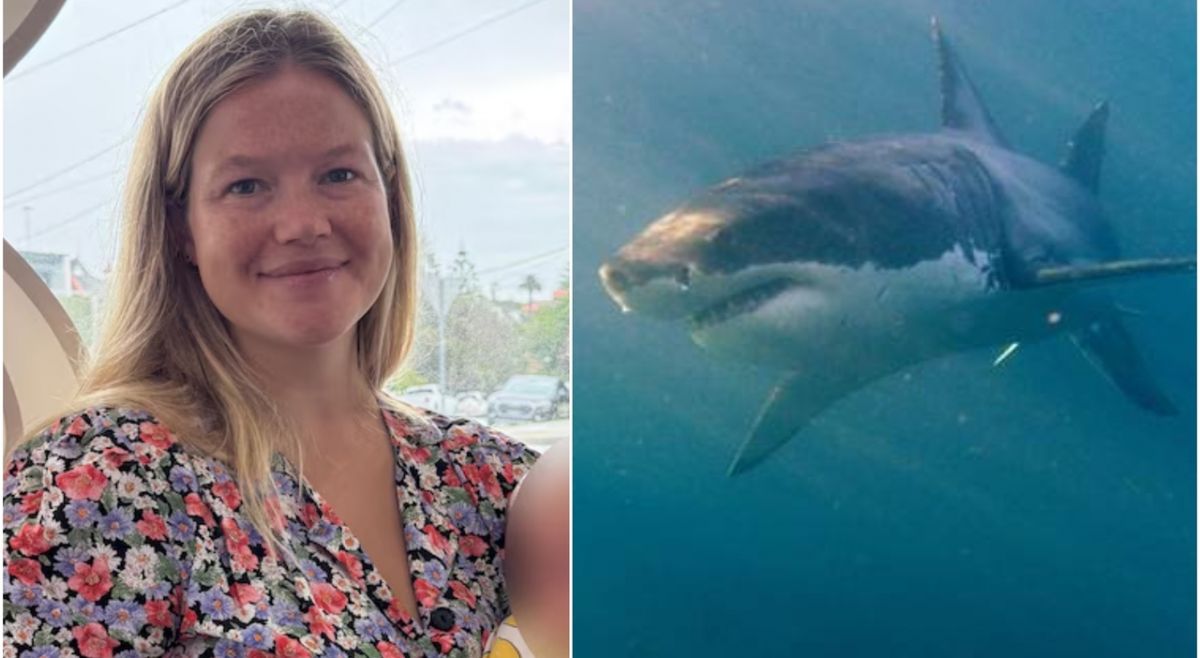
Leah Stewart, 34 years old, survived a shark attack at Cooge Beach near Sydney, sustaining serious injuries that required amputations and a long rehabilitation, but she expresses gratitude for her second life and hopes not to waste it, thanks also to the financial and emotional support received. (translated)

«Io, attaccata da uno squalo e sopravvissuta. Sono grata per la mia seconda vita, non la sprecherò»

On this #VictimsofTerrorism Day, we pay tribute to victims & survivors. We honour their courage, amplify their voices & reaffirm our commitment to their dignity & rights. Instead of letting terror divide us, we must stay united to build a future free from violence & fear. https://t.co/0dDXNKGf1b #VictimsofTerrorism #Unity #EndViolence #Thetweetdoesnotmentionanyspecificcountries.Therefore #therearenocountrycodestoreturn.

S

🔥 JAJAJAJA LES ESTÁN DICIENDO TIBIOS MUEBLES DE MIERDA 🔥 Le dolió a Televisa perder en rating con Survivor México y Masterchef 😈 ACÁBALOS GALILEA #LaCasaDeLosFamososMx https://t.co/j1vJ9BTR6t #RealityShow #Televisa #LaCasaDeLosFamosos

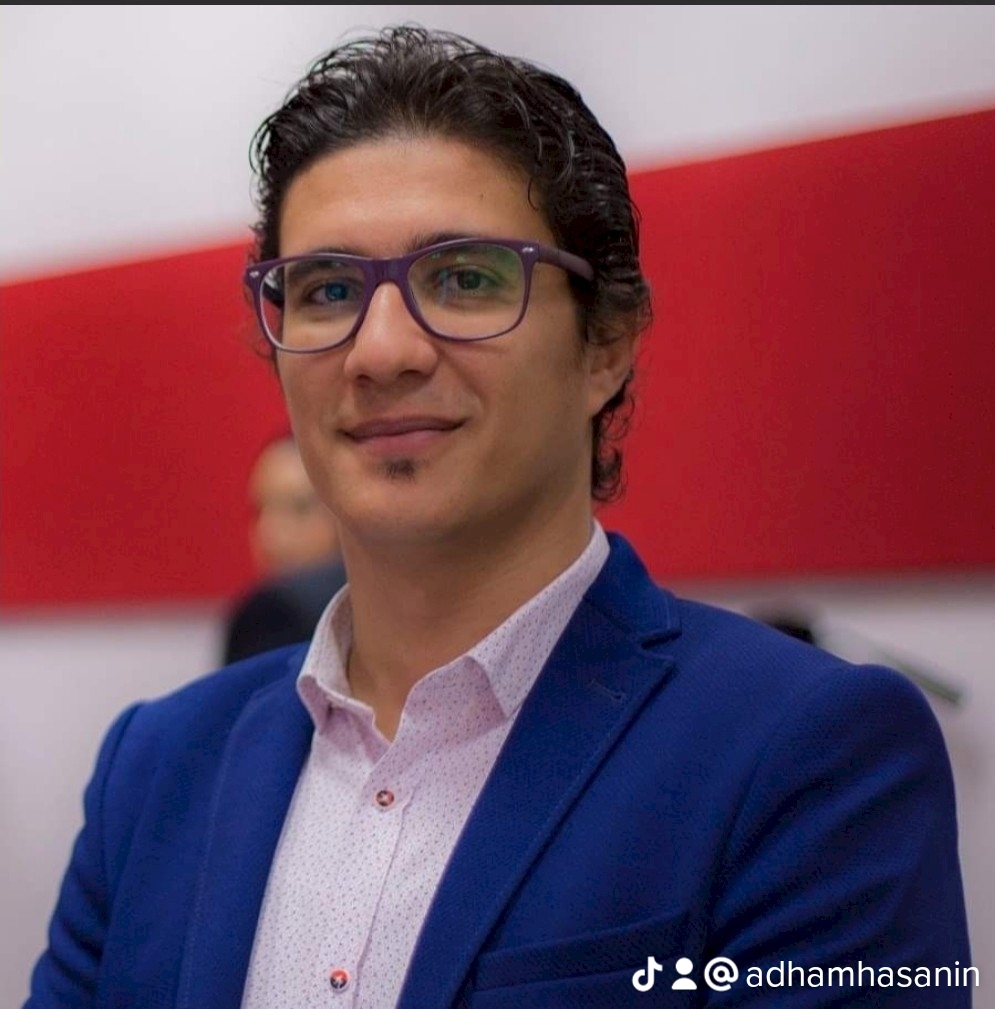
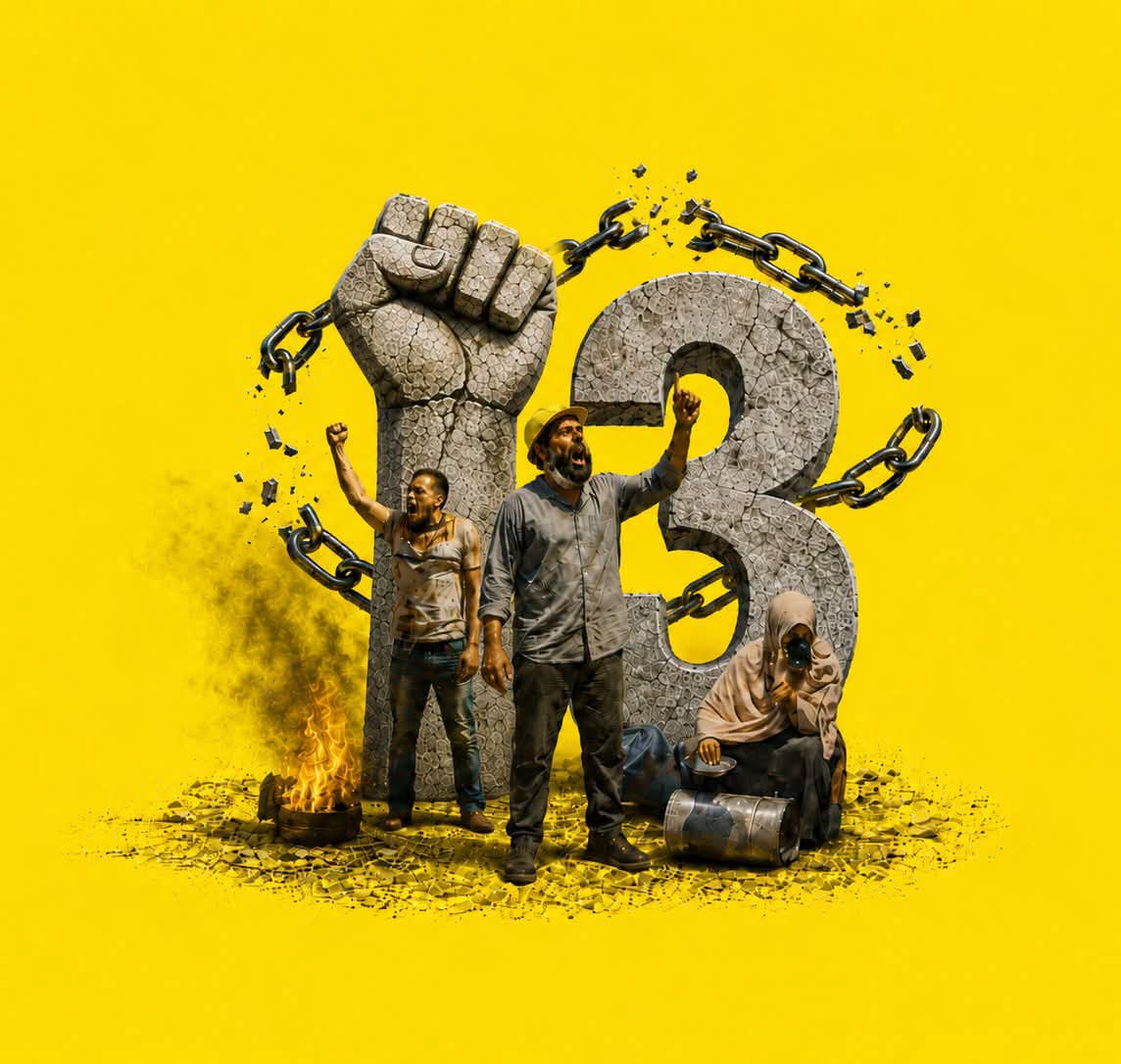
Rabaa: The Hour the World’s Conscience Stood Still On the anniversary of one of the largest single-day killings of protesters in modern history, one question remains unanswered: who will be held accountable? By Adham Hasanin Egyptian journalist and political writer, based in the Netherlands On 14 August, the anniversary returns of a day unlike any other in modern Egyptian history. Not simply because it was the bloodiest Egypt has known wars and massacres before and since ,but because it was the day a state chose to open fire on its own people in broad daylight, in front of the world’s cameras, and then let thirteen years pass without a single officer ever being held accountable. This article will not be a cold recitation of statistics, though the statistics exist, are documented, and are horrifying. It is an attempt to understand something deeper: how a square in the heart of Cairo, filled with tents, children, and worshippers, became the site of the largest mass killing the Arab world has witnessed in the past decade and why the echo of that day still reverberates in every Egyptian prison cell today. I. A Morning That Began Like Any Other For readers unfamiliar with the background: in July 2013, the Egyptian military, led by then-General Abdel Fattah el-Sisi, removed Mohamed Morsy Egypt’s first freely elected civilian president, a member of the Muslim Brotherhood who had taken office in 2012 following the 2011 uprising against Hosni Mubarak. In response, tens of thousands of Morsy’s supporters staged an open-ended sit-in demanding his reinstatement. By 14 August 2013, more than twenty thousand people had spent weeks camped out at two Cairo squares, Rab’a al-Adawiya and al-Nahda, in a peaceful sit-in. They were not an army, nor a uniform bloc; they were entire families men, women, and children, some affiliated with the Muslim Brotherhood, many simply ordinary citizens who saw the restoration of elected legitimacy as a cause worth the risk. There were tents for sleeping, communal kitchens feeding the demonstrators, speaking platforms, and a small field clinic that no one imagined would, within hours, become one of the most terrifying places in modern Egyptian history. In the early hours of that morning, Central Security Forces and army units, under the command of then-General Sisi, began what was officially described as a "dispersal" operation targeting both sit-ins simultaneously. It was not a dispersal in any ordinary sense of the word. According to a year-long investigation by Human Rights Watch, it was a pre-planned operation that anticipated, from the outset, thousands of deaths. II. The Numbers the Regime Refuses to Speak The Egyptian government, to this day, cites a death toll of "over 600" for that single day a figure that, even at its official lowest, is horrifying enough to warrant an independent international investigation. But the field investigation conducted by Human Rights Watch, drawing on field hospital records, survivor testimony, and analysis of video footage from dozens of angles, arrived at a far more disturbing figure: at least 817 people killed at Rab’a Square alone, with the true toll likely exceeding 1,000, plus another 87 killed at the nearby al-Nahda Square. When the deaths from the weeks surrounding 14 August are added from the dispersal of the Republican Guard sit-in on 8 July, through the Mansoura Street killings, to the dispersal of an October 6 march the combined total reaches at least 1,150 deaths in just six weeks, according to Human Rights Watch’s meticulous documentation. This figure led the organisation to use a term not deployed lightly in international law: crimes against humanity. Human Rights Watch described the Rab’a killings as "one of the world’s largest killings of demonstrators in a single day in recent history." Not in Egyptian history alone in modern history as a whole. What happened at Rab’a is cited in international reporting alongside China’s 1989 Tiananmen Square massacre. This is the true scale of what the Egyptian state has spent thirteen years trying to minimise, justify, and reduce to a mere "security incident" in a news bulletin. III. "All According to Plan" When Mass Killing Becomes Administration, Not Chaos The title Human Rights Watch chose for its detailed report on the massacre deserves lingering on: "All According to Plan." This is not an emotive headline; it is a precise legal conclusion built on field evidence. According to the investigation, what happened at Rab’a was not a dispersal operation that spiralled out of control amid chaos or panic, as the regime later tried to portray it. It was a carefully planned operation that assumed, in advance, massive casualties. Then-Interior Minister Mohamed Ibrahim admitted, in a televised interview broadcast on 31 August 2013 just weeks after the massacre that his ministry had anticipated losses of "10 percent of the people" present at the sit-in, acknowledging that the number of demonstrators exceeded twenty thousand. By simple arithmetic, this is an official admission that the state anticipated, in advance, the deaths of roughly two thousand people and proceeded with the operation regardless. This is the true horror at the heart of the Rab’a story: it was not a security operation that spun out of control, but a conscious administrative decision, made in an air-conditioned room, with advance calculations, by men who knew precisely how many human beings would die under their fire and who proceeded anyway, or perhaps because of it. According to Human Rights Watch’s analysis, the objective was to send an unambiguous message: whoever challenges the new state will pay an irreversible price. IV. Snipers, Women, and Children The Faces the Reports Do Not Tell Behind every number in the Human Rights Watch reports lies a full human story, deliberately omitted from the state’s official narrative. The investigation documented how security forces opened fire from multiple angles, and how snipers positioned themselves atop buildings surrounding the square, targeting according to survivor testimony and analysed video footage any movement in the square, regardless of whether it was an armed combatant or a nurse trying to reach a wounded person. According to documented testimony, entire families had their tents burn over their heads as fire swept through the sit-in. Doctors and paramedics were killed while trying to pull the wounded from the line of fire. Most damningly of all, the documentation shows deliberate targeting of ambulances and field medical points meaning that wounded people who survived the first bullet then faced death by bleeding out, because anyone attempting to save them was themselves a target. This detail the targeting of medics is what elevates the event from "excessive violent repression" to what human rights organisations have described as a systematic crime. When security forces target those trying to save the wounded, they are not merely dispersing a sit-in; they are preventing witnesses from surviving to tell what happened. V. Thirteen Years of Total Impunity The most painful part of the Rab’a story is not only what happened that day, but what has not happened in the years since. From 14 August 2013 to today, not a single officer, of any rank, has been held accountable for the deaths of hundreds, or thousands, of Egyptians. Quite the opposite: the state has moved to entrench impunity through the force of law itself. Egypt issued legislation granting senior military officers immunity from questioning over any violations that may have occurred following Morsy’s removal a law specifically designed to close the door on any future judicial accountability, regardless of how political circumstances might change. Even the fact-finding committee established by then-interim President Adly Mansour to investigate the June and July events concluded, in its report issued more than a year after the events, that the sit-in’s leaders bore responsibility for the deaths, on the grounds that they had allowed weapons into the square even as the same report admitted, in a glaring contradiction, that security forces had failed to target only armed individuals, meaning they had fired indiscriminately on everyone: armed and unarmed, man and woman, adult and child. This is the pattern that has repeated for over a decade: as each anniversary approaches, official statements re-narrate the events and shift blame onto the victims, while the actual perpetrators — those who planned the operation, gave the orders, and pulled the trigger — remain free. Some now occupy the highest offices of the state. VI. Why This Anniversary, Why Now? A reader might ask: why revisit this story after all these years? Has the world not moved on to newer crises? The answer lies in the very nature of impunity. When a state is never held accountable for the largest massacre of protesters in its modern history, it does not simply "forget" the crime it sets a precedent, telling every future ruler and every future security apparatus: mass killing is possible, politically profitable, and free of cost. This poisonous lesson does not remain confined within Egyptian borders; its echo reaches every Arab capital contemplating how to handle its own opposition. More dangerously, this system of impunity did not stop at Rab’a’s edges; it is the foundation on which Egypt’s entire subsequent decade of repression was built: thousands of political prisoners, grossly unfair mass trials that produced death sentences for dozens of defendants in cases linked directly to the Rab’a events themselves, laws criminalising peaceful protest, a muzzled press, and a civil society hollowed of substance. All of it traces back to the morning of 14 August 2013, when the state learned that overwhelming force succeeds, and that the world will condemn for a few days, then move on. VII. Delayed Justice Is Not Forgotten Justice Despite more than a decade of official silence and impunity, the Rab’a case remains alive in international legal memory. Human rights organisations, from Human Rights Watch to Amnesty International, continue to renew their annual calls for an independent international investigation, grounded in the legal principle that crimes against humanity are not subject to statutes of limitation: delayed justice is not forgotten justice. The victims who fell in that square were not numbers in a statistical report. They were fathers who left behind children too young, that day, to understand why their father would never return. They were mothers who, thirteen years later, are still searching for a clearly marked grave to which they can carry flowers, and young people who had decades of life ahead of them that they never got to live. Their memory does not fade with time; it grows with their children, who carry with them the same question their parents asked before they were killed: when will justice come? Conclusion: What Does This Anniversary Demand of Us? Every year, as the anniversary of 14 August returns, the same question resurfaces one the Egyptian state refuses to answer: who gave the order? Who planned the operation? Who decided that twenty thousand human beings deserved to be shot with live ammunition because they staged a peaceful sit-in? This anniversary is not a call for vengeance, nor an invocation of the past for its own sake. It is a reminder that justice, however delayed, remains a debt still owed. And that every instance of international silence over a massacre of this scale opens the door to the next one, elsewhere, under a different pretext, carrying the same lethal conviction: that the world will condemn for a week, then forget. We will not forget. And we will not stop asking the question that unsettles everyone who took part in that crime, regardless of the office they hold today: where is the accountability? Rab’a is no longer merely the name of a square in Cairo. In the conscience of everyone who believes in justice, it has become a test of the world’s conscience itself a test the world has not yet passed.

🚨 À seulement 6 ans, un jeune garçon a survécu à des brûlures qui ont atteint jusqu’à 73 % de son corps… Des années plus tard, il est devenu pompier pour sauver d'autres enfants 🙏🏻 https://t.co/wR3EbSJ8XB #Inspiration #Survivor #Hero

😵‍💫 Sledovat policisty v uniformě jásající nad odsouzeným sexuálním násilníkem, který doslova slintá během blábolení o krásných mlaďounkých dívkách, které mu prý chodí děkovat, je zážitek... V Epstein Files existuje svědectví 13leté dívky, která jmenovitě Donalda obvinila https://t.co/ghFPEnXN4S #Justice #Survivor #Accountability

Tohle bude dlouhé... Tento 👇můj příspěvek včera získal jistou míru popularity a vyvolal relativně bouřlivé reakce nejenom od @ViralErik, ale i od širší investiční komunity. Neměl jsem včera čas věnovat se detailům, ale za svým tvrzením si ze zkušenosti stojím a pokud mi věnujete pár minut čtení, dodám vám reálná data. Erikův původní příspěvek prezentuje 15 % p. a. po dobu 40 let na jednorázové investici 500 000 Kč (bez dalšího přihazování do tohoto balíku peněz) jako realistický „slušný start”, vedoucí na budoucí celkovou hodnotu investice přibližně 134 milionů Kč. Matematicky je výpočet naprosto správný. Ekonomicky, empiricky a behaviorálně jde o vysoce nepravděpodobný scénář, který systematicky podceňuje riziko, volatilitu, riziko sekvence výnosů a praktickou proveditelnost 🧵 Historické pravděpodobnosti dosažení 15% CAGR na 30–40 letech jsou nízké Podle tabulky pravděpodobností z Journal of Portfolio Management (publikované AAII, data 1926–1993, překrývající se periody) je historická pravděpodobnost dosažení alespoň 15 % annualizovaně následující: 👉20 let: 15,19 %, 👉30 let: 10,39 %, 👉40 let: 7,29 %. U indexu S&P 500 (total return, dividendy reinvestovány) ukazují rolling data (Shiller / do srpna 2026 a další zdroje 1926+): 👉30letá rolling období: nejhorší cca 3,6–7,8 %, nejlepší cca 14,3–14,8 %, medián/průměr kolem 9,5–11 %, 👉40letá rolling období: typicky cca 8,9–12,5 %, průměr kolem 11 %. Hodnota 15 % se vyskytuje pouze ve výjimečných oknech. Nejlepší 30leté okno v moderní historii se pohybuje pod 15 %. Dosažení konzistentních 15 % po celých 40 letech vyžaduje buď extrémní koncentraci (historicky nejspíš tech/growth), téměř perfektní načasování, nebo znalosti a zkušenosti, které dlouhodobě převyšují téměř všechny existující profesionály. Citované příklady (QQQ / Nasdaq 100 / Nasdaq Composite / Berkshire) problém potvrzují, nikoli vyvracejí Nasdaq 100 / QQQ Od vzniku (1985/86) dosahuje přibližně 14,0–14,7 % CAGR nominálně (reálně kolem 11 %). Maximální propad činil –82,9 % (březen 2000 – říjen 2002). V letech 2000–2002 následovaly tři roky v řadě se ztrátami přes –30 %. I při cca 14% CAGR investor, který začal blízko vrcholu, čekal více než 13 let na návrat na předchozí maximum. Nasdaq Composite (širší index, od února 1971) Dlouhodobý CAGR od vzniku se pohybuje kolem 10,5–10,6 %. Maximální propad dosáhl –77,9 % (březen 2000 – říjen 2002), přičemž na nové maximum se index vrátil až kolem roku 2014/2015 (tj. inevstoři byli více než 12–15 let “pod vodou”). Ani širší a méně koncentrovaný Nasdaq Composite tedy nedosahuje konzistentních 15 % bez extrémních propadů. Berkshire Hathaway Od roku 1965 dosahuje přibližně 19,7–19,9 % CAGR. Ano, jde o objektivní “misfit” a ve svém příspěvku jsem psal, že jediný, kdo se k metě “+15 % na 40 letech” dostal, byl Warren Buffett. Cesta k ní však zahrnovala: –48,7 % (1974), “max-to-min” kolem –44 až –50 % (1998–2000), –31,8 % (2008) a další výrazné propady. Historická volatilita je vyšší než u S&P 500 a sám Buffett dlouhodobě doporučuje většině investorů kupovat index. I ti nejlepší dlouhodobí vítězové (top 20 amerických akcií 1985–2024) měli průměrný maximální pokles kolem 72 % a dobu zotavení 4–5 a více let. „Konzistentních 15 % bez zakolísání (doplněno mnou)“ nedosáhl ani Buffett, ani Nasdaq 100, ani širší Nasdaq Composite. Riziko sekvence výnosů a behaviorální realita hypotézu ničí Jednorázová investice na 40 let znamená maximální citlivost na pořadí výnosů. Hluboký propad v prvních 5–10 letech dramaticky snižuje konečnou hodnotu investice i při stejném průměrném výnosu. Historicky S&P 500 prošel několika obdobími s propady –40 % až –55 % (1929–1932, 1973–1974, 2000–2002, 2007–2009). Retailoví investoři dosahují systematicky nižších výnosů vůči indexu o 1–3 procentní body ročně právě kvůli panickým prodejům. Osmnáctiletý investor s 500 000 Kč (již to je samo o sobě netypické) za 40 let pravděpodobně prožije 4–6 medvědích trhů. Představa, že „nepřidá ani korunu a vydrží všechno“, je behaviorálně nereálná pro drtivou většinu populace. Aktivní správa a tvrzení „umět 15 %“ Data SPIVA (S&P Dow Jones Indices) dlouhodobě ukazují: 👉Za 10–20 let 85–94 % aktivních amerických large-cap fondů (a ještě vyšší podíl u všech lokálních akciových fondů) nepřekoná příslušný benchmark (po zohlednění nákladů a "survivorship bias"). 👉Konzistence top performerů je mizivá – fondy z top kvartilu se téměř nikdy neudrží v top kvartilu po dobu pěti a více let. Profesionální tvrzení „měl bys těch 15 % umět“ je proto v přímém rozporu s empirií. Dlouhodobě konzistentních 15 % je výjimka, nikoli standard. Realita versus motivační zkratka 👉Dlouhodobý očekávaný výnos diverzifikovaného akciového portfolia se historicky pohybuje nominálně kolem 9–11 %. 15 % představuje ambiciózní cíl pro vysoce koncentrované a rizikové portfolio, ne základní scénář. 👉Inflace: 15 % nominálně při průměrné inflaci 2,5–3 % znamená reálně přibližně 11,5–12 %. I to je velmi vysoká hodnota. 👉Pro českého investora navíc vstupují do hry měnové riziko (CZK versus USD), daňový režim, náklady, likvidita a behaviorální faktory každého jednotlivého investora. Motivační příspěvek, který prezentuje outlier scénář jako „docela slušný start“ bez explicitního upozornění na volatilitu, riziko masivních propadů a pravděpodobnost, vytváří falešná očekávání. Suma sumárum “15 % p. a. po dobu 40 let” 👉je matematicky možné, 👉je historicky vzácné (pravděpodobnost v řádu jednotek procent u širšího trhu), 👉prakticky vyžaduje přežití opakovaných propadů o 40–80 %, 👉je behaviorálně pro většinu lidí nedosažitelné, 👉je u aktivních manažerů dlouhodobě extrémně nepravděpodobné. Jsem fanouškem hesla "Investovat může každý", ale profesní čest mi přikazuje ukazovat realitu a ne vzdušné zámky. Každý by měl vědět, do čeho doopravdy jde. Ať se vám všem na trzích daří 💪 P.S. V jedné reakci jsem napsal "Pohledy do zpětného zrcátka jsou lákavé, ale veskrze k ničemu." Vzhledem k tomu, že vše výše uvedené je fakticky pohledem do zpětného zrcátka, sluší se doplnit, co jsem tím myslel - extrapolace metodou "aby to vyšlo" není argumentace, ale argumentační ekvilibristika. #Investování #Finance #Riziko

This case started a national conversation about safe sport and the problematic culture in men's hockey. It is the voices of women and survivors, and the courage and bravery it takes to come forward, that have led to changes we are seeing in toxic culture.

Four Canadian hockey stars remain suspended after sexual assault acquittal
www.bbc.co.uk