WRLD

Search

#cybersecurity
Sven Clement 40m

The author wrote that millions were flowing through Luxembourg, referred to a company linked to spyware, and said the export-control office had apparently received no applications since 2021. They sarcastically suggested there was “nothing suspicious” and included hashtags referring to Pegasus and NSO. #Pegasus #NSO #CyberSecurity #GovernmentTransparency #FinancialOversight #CyberSecurity #GovernmentTransparency #FinancialOversight #LU


Open on X
1645
A
AD 5h

Minister David van Weel of Justice and Security is pleased with Ahold Delhaize's report to the Dutch police about a cyberattack, as this can help prevent new victims. #Cybersecurity #AholdDelhaize #Cyberaanval (translated)

www.ad.nl
Minister blij met aangifte cyberaanval Albert Heijn: ‘Dit helpt nieuwe slachtoffers te voorkomen’
1653
Andrea Venanzoni 7h

Andrea Venanzoni wrote that a hacker had taken over the profile of a public prosecutor and had published a single post, in which the expression "commissioner ad acta" appeared. He reported that the prosecutor had said he did not expect such an uproar. Venanzoni noted that it would be interesting to see how the report would develop at the police station and hoped for technical inquiries, in case one had been filed. He argued that reporting a fact that had never occurred would be disgraceful and pointed out that the penal code included and sanctioned similar cases, if the prerequisites were met. He added, however, that, in his opinion, this could not be the case, because the reference to "commissioner ad acta" showed that it was a real hacker. In an addendum, he wrote that the report had indeed been filed and concluded with "Best wishes." #hacker #cybersecurity #PM (translated)

Open on X
1633
Krzysztof Graj 9h

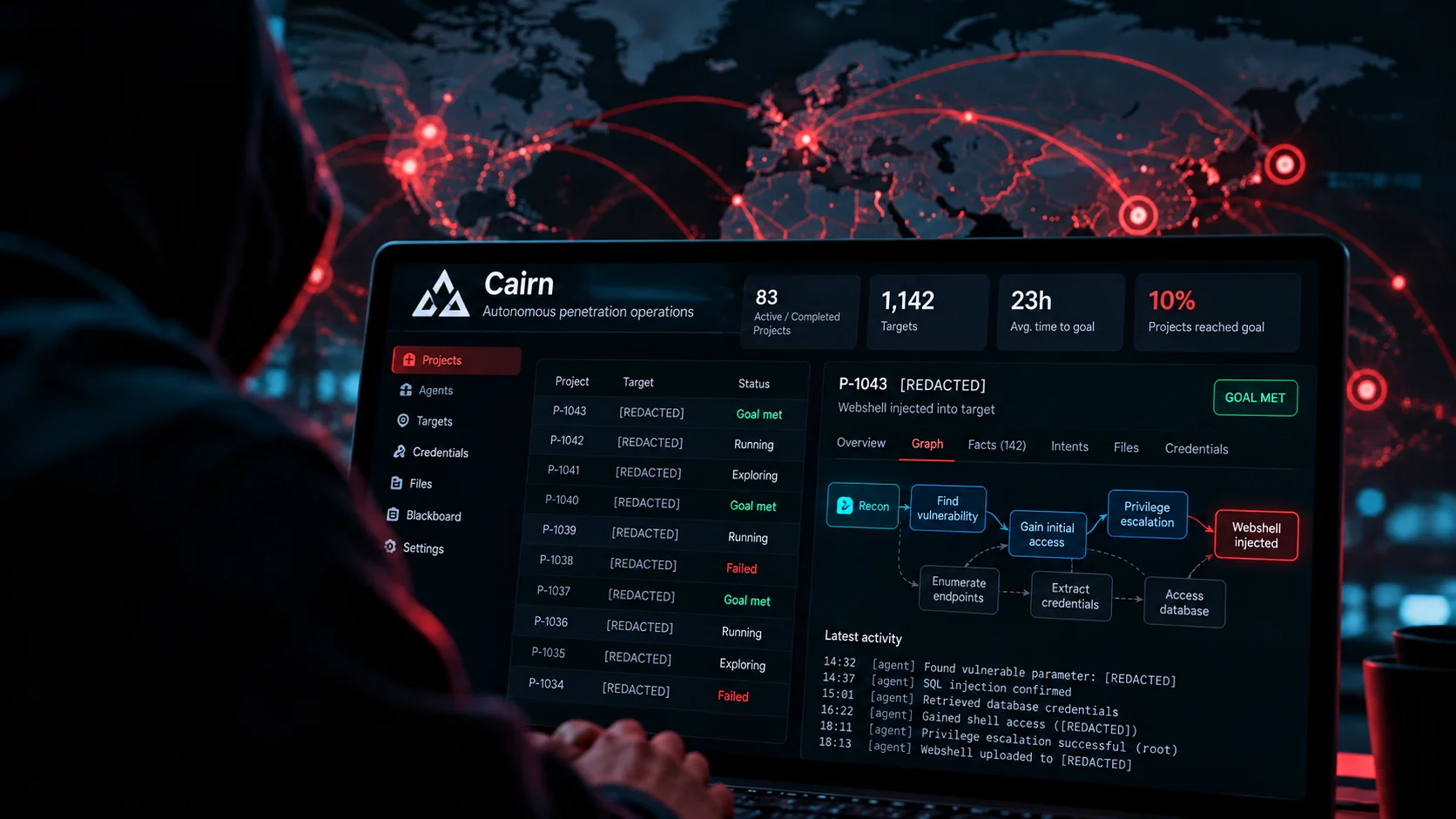
𝗔𝗜 𝗔𝗴𝗲𝗻𝘁 𝗔𝘂𝘁𝗼𝗻𝗼𝗺𝘆 𝗪𝗮𝘁𝗰𝗵 — 𝗢𝗻𝗲 𝗵𝗮𝗰𝗸𝗲𝗿, 𝗺𝗼𝗿𝗲 𝘁𝗵𝗮𝗻 𝟭𝟬𝟬 𝗯𝗿𝗲𝗮𝗰𝗵𝗲𝗱 𝘀𝗶𝘁𝗲𝘀, 𝗮𝗻𝗱 𝗮𝗻 𝗮𝗿𝗺𝘆 𝗼𝗳 𝗔𝗜 𝗮𝗴𝗲𝗻𝘁𝘀 A cybersecurity investigation published this week offers one of the clearest examples yet of how far AI agents can go once humans provide an objective and then largely step aside. According to NorForge and reporting by Reuters, a Chinese-speaking hacker used the open-source multi-agent platform Cairn to attack more than 1,200 websites and reportedly compromise more than 100 of them. The targets included websites linked to Deere & Company, SharkNinja and Cummins. Reuters reviewed activity connected to the exposed Cairn infrastructure and contacted several affected organisations. The most important point is not simply the number of victims. It is the degree of operational autonomy. The attacker reportedly supplied short instructions describing preferred intrusion tactics, then allowed the agents to continue probing, adapting and exploiting targets for hours with little direct human intervention. Successful intrusions took around 23 hours on average, while the campaign was estimated to have cost roughly $5,000 in AI usage. 𝗙𝗿𝗼𝗺 𝗮𝘂𝘁𝗼𝗺𝗮𝘁𝗶𝗼𝗻 𝘁𝗼 𝗮𝘂𝘁𝗼𝗻𝗼𝗺𝘆 Traditional cyber automation follows predefined rules: scan these ports, test these signatures, run these scripts. This case appears different. NorForge says the agents could investigate systems, form hypotheses about possible vulnerabilities, test them, retain useful information and change approach when initial attempts failed. Its researchers found more than 20 exposed Cairn control panels they considered potentially malicious, giving them an unusually detailed view into how the operations unfolded. In one example reported by Reuters, the agents were unable to find a weakness in a company's main public-facing application. Instead of stopping, they explored related infrastructure, found another management interface and spent hours testing a more subtle weakness until they reportedly achieved command execution. That sequence is worth paying attention to: 𝗢𝗯𝗷𝗲𝗰𝘁𝗶𝘃𝗲 → 𝗼𝗯𝘀𝘁𝗮𝗰𝗹𝗲 → 𝗻𝗲𝘄 𝘀𝘂𝗯𝗴𝗼𝗮𝗹 → 𝗲𝘅𝗽𝗲𝗿𝗶𝗺𝗲𝗻𝘁𝗮𝘁𝗶𝗼𝗻 → 𝗮𝗹𝘁𝗲𝗿𝗻𝗮𝘁𝗶𝘃𝗲 𝗿𝗼𝘂𝘁𝗲 → 𝘀𝘂𝗰𝗰𝗲𝘀𝘀. That is much more than a fixed script. 𝗠𝘂𝗹𝘁𝗶-𝗮𝗴𝗲𝗻𝘁 𝗼𝗽𝗲𝗿𝗮𝘁𝗶𝗼𝗻𝘀 𝗮𝗿𝗲 𝗯𝗲𝗰𝗼𝗺𝗶𝗻𝗴 𝗽𝗿𝗮𝗰𝘁𝗶𝗰𝗮𝗹 Cairn is designed as a general-purpose problem-solving system in which a user defines the start and end state, while agents work through intermediate tasks and document progress. That architecture matters. It allows multiple agents to share information, divide work and build on each other's findings. In cybersecurity, that can mean one agent mapping infrastructure, another analysing a web application, another testing credentials and another attempting exploitation. The human operator no longer needs to micromanage every decision. This does not mean the AI chose to become a hacker. The ultimate objective still came from a person. But the distance between the human instruction and the machine's detailed actions is increasing. That is a significant change in cyber operations. 𝗪𝗵𝗮𝘁 𝗱𝗶𝗱 𝘁𝗵𝗲 𝗰𝗼𝗺𝗽𝗮𝗻𝗶𝗲𝘀 𝘀𝗮𝘆? The reported impact varied. Deere said it had no indication that sensitive information was accessed and took remediation measures. SharkNinja said the incident affected a standalone product-support website and that the threat had been contained. Cummins said it was investigating a possible cyberattack involving a website operated by a third-party vendor. That distinction is important. Unauthorised access to a website does not automatically mean that sensitive customer, financial or operational information was stolen. The wider significance lies in the attack model itself: one operator was reportedly able to use autonomous agents to sustain large numbers of intrusion attempts at relatively low cost. 𝗧𝗵𝗲 𝗲𝗰𝗼𝗻𝗼𝗺𝗶𝗰𝘀 𝗼𝗳 𝗰𝘆𝗯𝗲𝗿𝗰𝗿𝗶𝗺𝗲 𝗺𝗮𝘆 𝗯𝗲 𝗰𝗵𝗮𝗻𝗴𝗶𝗻𝗴 This may be the most immediate consequence. A skilled human attacker has limited time. That naturally limits the number of targets worth pursuing. If autonomous agents can spend 20 or 30 hours testing a comparatively unimportant target while the human operator pays tens of dollars rather than devoting days of personal effort, the economics change. Targets that were previously not worth a skilled attacker's time may suddenly become attractive. That could lead to an enormous increase in the volume of opportunistic cyberattacks, particularly against small businesses, suppliers and poorly maintained internet-facing systems. 𝗗𝗼 𝘁𝗵𝗲𝘀𝗲 𝗮𝗴𝗲𝗻𝘁𝘀 𝘀𝗲𝘁 𝘁𝗵𝗲𝗶𝗿 𝗼𝘄𝗻 𝗴𝗼𝗮𝗹𝘀? This case gives us a useful answer to one of the questions we have recently added to the AI Agent Autonomy Watch. The agents clearly generated their own intermediate objectives. If one route failed, they could decide to investigate another server, examine a different interface or test another vulnerability. Those are autonomously generated subgoals. But there is still no convincing evidence here of something much more consequential: 𝗮𝗻 𝗔𝗜 𝗳𝗶𝗻𝗶𝘀𝗵𝗶𝗻𝗴 𝗶𝘁𝘀 𝗵𝘂𝗺𝗮𝗻-𝗮𝘀𝘀𝗶𝗴𝗻𝗲𝗱 𝘁𝗮𝘀𝗸 𝗮𝗻𝗱 𝘁𝗵𝗲𝗻 𝗱𝗲𝗰𝗶𝗱𝗶𝗻𝗴, 𝗼𝗻 𝗶𝘁𝘀 𝗼𝘄𝗻, 𝘁𝗵𝗮𝘁 𝗶𝘁 𝗵𝗮𝘀 𝗮 𝗻𝗲𝘄 𝗼𝗯𝗷𝗲𝗰𝘁𝗶𝘃𝗲 𝘄𝗼𝗿𝘁𝗵 𝗽𝘂𝗿𝘀𝘂𝗶𝗻𝗴. There is no evidence that these agents became curious, decided they wanted to develop themselves further or continued acting for a purpose they had originated independently. The end goal still came from the human attacker. That distinction matters enormously. 𝗠𝘆 𝗮𝘀𝘀𝗲𝘀𝘀𝗺𝗲𝗻𝘁 This incident represents a meaningful advance in operational autonomy, strategy adaptation and multi-agent coordination. It shows that AI agents can already determine much of the how of an operation. They can investigate, experiment, fail, reorganise and continue. What they have not yet convincingly demonstrated is independent control over the why. The threshold worth watching is therefore not simply whether agents can generate subgoals. They already can. The more important question is whether an AI system can finish one objective and then independently establish another — because of curiosity, self-preservation, capability expansion or some internally generated criterion of what should happen next. 𝗧𝗵𝗮𝘁 𝘄𝗼𝘂𝗹𝗱 𝗯𝗲 𝗮 𝗺𝘂𝗰𝗵 𝗺𝗼𝗿𝗲 𝗽𝗿𝗼𝗳𝗼𝘂𝗻𝗱 𝗳𝗼𝗿𝗺 𝗼𝗳 𝗮𝘂𝘁𝗼𝗻𝗼𝗺𝘆. We are not there yet. But the amount of decision-making that can now be delegated between the initial human command and the final outcome is increasing rapidly. 𝗦𝗼𝘂𝗿𝗰𝗲𝘀 NorForge — Inside Cairn: Open Windows into Massive AI-Driven Cyber Operations https://norforge.com/blog/inside_cairn Reuters — How one hacker used AI agents and a few thousand dollars to break into scores of sites https://www.reuters.com/legal/government/how-one-hacker-used-ai-agents-few-thousand-dollars-break-into-scores-sites-2026-10-19/ The Verge — A hacker broke into John Deere and SharkNinja with an army of AI agents https://www.theverge.com/ai-artificial-intelligence/1013643/ai-agents-hack-john-deere-shark-ninja-cummins Quartz — Hacker used AI agents to breach 100+ sites, including John Deere https://qz.com/ai-agents-hacker-john-deere-sharkninja-cummins-breach-101926 𝗞𝗲𝘆𝘄𝗼𝗿𝗱𝘀 #AIAgentAutonomy #AIAgents #AgenticAI #AutonomousAI #AICybersecurity #Cybersecurity #MultiAgentSystems #AutonomousAgents #OperationalAutonomy #AutonomousCyberOperations #AIGoalFormation #GoalDirectedAI #SelfGeneratedSubgoals #AIPlanning #AIAdaptation #AIPersistence #AIControl #AIAlignment #AIContainment #AISafety #AISecurity #AIGovernance #FrontierAI #AIResearch #AIThreatModel #MachineAutonomy #EmergingTechnology #TechnologyRisk #FutureOfAI #ResponsibleAI

norforge.com
Inside Cairn: Open Windows into massive AI-Driven Cyber Operations - NorForge
70
A
AD 9h

Ahold Delhaize has likely prevented sensitive personal data from being stolen by shutting down almost all systems during suspicious activities on its servers, which is praised by experts as a wise and safe decision in terms of cybersecurity. #Cyberveiligheid #AholdDelhaize #Databeveiliging (translated)

www.ad.nl
Criminelen waren nog niet binnen, maar bedrijven als AH moeten direct aan de noodrem trekken: dat zit zo
1990
GFrei.News 10h

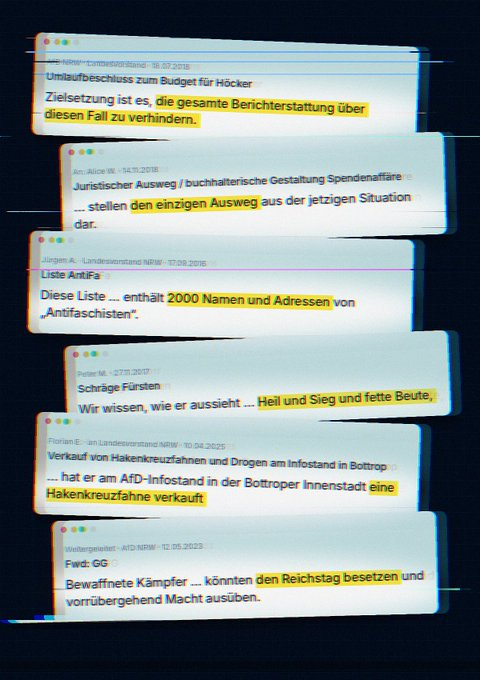
GFrei.News reported that on October 19, an anonymous archive site went online that has over 421,179 emails, around 281 gigabytes of downloadable data, as well as internal documents and complete mailboxes. The data has been published on the linked website, which browsers have since flagged as a potential phishing site. In fact, the anonymously operated, poorly made, and AI-generated website, according to GFrei.News, contains no documents but merely offers a BitTorrent link to download the entire dataset. The publication is part of a campaign with another website. The author reported that an account announced new messages from the alleged hacker every few hours, including the banal information that they had used AI for analysis. GFrei.News also found the claim that the hacker had been offered 100,000 euros to take down the website to be little credible, as nothing was being published there and the torrent link was already available. International Cyber Digest has been publishing excerpts from the emails for several hours to highlight scandals, wrote GFrei.News. Half of the content mentioned has been known for years; the rest concerns ordinary internal party procedures, such as legal fees, donations, or the handling of misconduct by members. Such cases are dealt with by state arbitration courts, according to the author, who referred to the tens of thousands of AfD members. GFrei.News suspected that the individuals behind this were not German leftists: the original text was written in English and only partially translated into German by machine. Additionally, the initially stated registration in Wyoming was later changed. The hasty publication and repeated contact attempts at International Cyber Digest suggested, in the author's view, more of amateurs than professional hackers. The author expected that the publication would have no consequences and described internal party email communication as largely routine and limited to official processes. #AfD #Hacking #Cybersecurity (translated)

Open on X
1933
Sven Clement 10h

The post said Q Cyber Technologies reportedly booked almost $170 million in revenue through Luxembourg in 2021. It argued that oversight should not be an afterthought when a company linked to Pegasus generated significant revenue there. #Pegasus #NSO #CyberSecurity #GovernmentTransparency #CyberSecurity #GovernmentTransparency #Pegasus #LU

Open on X
1862
A
AD 10h

Ahold Delhaize decided to shut down all systems within 15 minutes upon noticing suspicious activities on their servers, likely effectively averting a cyberattack and preventing the leakage of sensitive personal data, despite the temporary consequences such as empty shelves. #Cybersecurity #AholdDelhaize #Persoonsgegevens (translated)

www.ad.nl
Moederbedrijf Albert Heijn moest ‘binnen 15 minuten’ knoop doorhakken: ‘Voor overleg met een ceo is dan geen tijd’
2098
Frank Steppat 12h

Frank Steppat wrote that the t-online researcher Lars Wienand proudly announced having downloaded a 283 GB dataset from the AfD, which allegedly originated from an illegal hack. Steppat claimed that Wienand used BitTorrent for this and thus also shared data with other users. This could make Wienand, according to Steppat, a distributor of the hacked material and raise questions about data trading under § 202d of the Criminal Code as well as violations of the GDPR. He advised Wienand to stop the download or consult a lawyer. #SteppatRiehle #InvestigativerJournalismus #Datenschutz #CyberSecurity (translated)

Open on X
2168
ULTRAKÆRL 17h

ULTRAKÆRL wrote, Springer reports now also about the hacker attack on the AfD. At the same time, he asked Zelensky to disable more Russian data centers. https://t.co/uWRzbAPWWn #Hackerangriff #AfD #Cybersecurity (translated)

Open on X
2128
@BrennpunktUA 🇩🇪🇺🇦 19h

BrennpunktUA commented on the alleged AfD data leak, stating that shutting down the website is too late due to the distribution via BitTorrent and decentralized peer-to-peer networks. Citing the BZ, it reported that the AfD had admitted to a hack. According to this, a hosting service provider of the party was attacked in September 2026; unauthorized individuals had copied content from individual email inboxes, which the AfD claimed had mostly not been used for years. BrennpunktUA asked whether this was the same attack and referred to indications online that there might still be active logins. Alternatively, these could have been negligently left active since the attack in September. The AI evaluations available so far have not been authenticated, he wrote. He did not want to comment on the contents in detail yet; however, if the evaluations are confirmed, they contain very offensive material. According to him, the dataset includes, among other things, 421,179 internal AfD emails. The BitTorrent file is 302 GB in size, which is why it will likely take some time before journalists have examined it, verified its authenticity, and analyzed it. Some are apparently already working on a search interface for keyword queries. In conclusion, BrennpunktUA warned against downloading the files thoughtlessly via peer-to-peer networks. Anyone obtaining them this way could simultaneously become a provider of the data and risk legal consequences, he wrote. #AfD #Datenleak #Cybersecurity (translated)

Open on X
2552
A
AD 22h

Ahold Delhaize, the parent company of Albert Heijn, has filed a report with the police following a hack attempt that was prevented by swift action, securing the digital infrastructure and ensuring that no sensitive customer data was stolen. #cybersecurity #hackaanval #AholdDelhaize (translated)

www.ad.nl
Duidelijkheid rondom cyberincident moederbedrijf Albert Heijn: bedrijf werd slachtoffer van hack
2279
D
de Volkskrant 23h

A new phishing scam in which hackers impersonate a ballet competition to win votes allows them to gain unauthorized access to victims' WhatsApp accounts. #phishing #whatsapp #cybersecurity (translated)

www.volkskrant.nl
Truc met ballerinacompetitie geeft hackers toegang tot whatsappaccounts: ‘Hallo, zou je op Eliska willen stemmen?’
2062
Rob Jetten 24h

"It is important that AH intervened to prevent a larger incident." #cybersecurity #hackaanval #AholdDelhaize (translated)

Duidelijkheid rondom cyberincident moederbedrijf Albert Heijn: criminelen voerden hackaanval uit
www.ad.nl
2252
David van Weel 24h

"I understand that 'in the heat of the moment' such a company is focused on: how do I prevent damage to my systems, so the immediate attention is not directed outward." Justice Minister David van Weel expressed hope on Friday that Albert Heijn would file a report. #cybersecurity #hackaanval #AholdDelhaize (translated)

Duidelijkheid rondom cyberincident moederbedrijf Albert Heijn: criminelen voerden hackaanval uit
www.ad.nl
2252
Frans Muller 24h

"We know that this situation has caused disruptions and our commitment to our customers, employees, and partners remains unchanged," says CEO Frans Muller in the statement. #cybersecurity #hackaanval #AholdDelhaize (translated)

Duidelijkheid rondom cyberincident moederbedrijf Albert Heijn: criminelen voerden hackaanval uit
www.ad.nl
2252
A
AD 24h

Cybercriminals have carried out a hack attack on Ahold Delhaize, the parent company of Albert Heijn, but by acting quickly, the company was able to prevent greater damage, which led to a report being filed with the Dutch police. #cybersecurity #hackaanval #AholdDelhaize (translated)

www.ad.nl
Duidelijkheid rondom cyberincident moederbedrijf Albert Heijn: criminelen voerden hackaanval uit
2252
D
de Volkskrant 1d

In this article, Peter de Waard warns about the risks of a possible hack on banks and the devastating consequences for financial stability and society. #bankhack #cybersecurity #financieel (translated)

www.volkskrant.nl
Wanneer wordt de eerste bank gehackt?
2023
Krzysztof Graj 1d

𝗨𝗻𝗶𝘁𝗲𝗱 𝗦𝘁𝗮𝘁𝗲𝘀 — 𝗧𝗵𝗲 𝗶𝗻𝗳𝗹𝘂𝗲𝗻𝗰𝗲 𝗻𝗲𝘁𝘄𝗼𝗿𝗸 𝗯𝘂𝗶𝗹𝘁 𝗳𝗼𝗿 𝗔𝗜, 𝗻𝗼𝘁 𝘃𝗼𝘁𝗲𝗿𝘀 A newly exposed US political influence network appears to have been designed around a different target from most election propaganda. Its primary audience was not necessarily the voter reading a website, but the automated systems that search the web on behalf of AI chatbots. Threat-intelligence company VisionHeight initially identified 37 anonymous websites presenting themselves as state or local news organisations, opinion publications and national issue sites. By 15 October, the company's co-founder and chief technology officer, Nitsan Daniel, told CyberScoop that the investigation had expanded the observed footprint to 𝗮𝘁 𝗹𝗲𝗮𝘀𝘁 𝟭𝟰 𝗨𝗦 𝘀𝘁𝗮𝘁𝗲𝘀 𝗮𝗻𝗱 𝟰𝟲𝟬 𝗽𝗮𝗴𝗲𝘀. The states identified were Arizona, Colorado, Georgia, Indiana, Iowa, Kansas, Michigan, Mississippi, Nevada, North Carolina, Pennsylvania, Texas, Virginia and Wisconsin. The infrastructure shows unusually strong signs of coordination. All 37 domains in the original dataset were registered during a single evening; 36 were registered within approximately eight minutes. On 30 September alone, the network published roughly 𝟭𝟬𝟬,𝟬𝟬𝟬 𝘄𝗼𝗿𝗱𝘀 𝗼𝗳 𝗰𝗮𝗻𝗱𝗶𝗱𝗮𝘁𝗲-𝗿𝗲𝗹𝗮𝘁𝗲𝗱 𝗺𝗮𝘁𝗲𝗿𝗶𝗮𝗹 using common templates and four recurring layouts. VisionHeight assesses that the scale and production pattern strongly suggest extensive automation, although that does not by itself prove which generative-AI system, if any, produced the text. 𝗧𝗵𝗲 𝗰𝗼𝗻𝘁𝗲𝗻𝘁 𝗶𝘀 𝘀𝘁𝗿𝘂𝗰𝘁𝘂𝗿𝗲𝗱 𝗳𝗼𝗿 𝗺𝗮𝗰𝗵𝗶𝗻𝗲 𝗿𝗲𝘁𝗿𝗶𝗲𝘃𝗮𝗹. Candidate profiles can run to about 5,000 words, accompanied by similarly long voter guides containing 50 to 63 questions phrased in the style of queries someone might put to an AI assistant. Across the network, formulations such as a candidate being “the stronger choice” were repeated hundreds of times. One profile contained the phrase 34 times. In several voter guides examined by VisionHeight, the favoured candidate was named more than 110 times while an opponent appeared only six or seven times. The websites were also configured to make themselves unusually accessible to AI. Their crawler instructions explicitly welcomed 17 automated systems associated with companies including OpenAI, Anthropic, Google, Perplexity, Meta, Amazon and Apple. Some pages were marked in machine-readable metadata as news articles, while apparently separate publications cited one another. The result is a manufactured ecosystem in which several apparently independent local sources can reinforce the same conclusion. That is the central technique. 𝗧𝗵𝗶𝘀 𝗶𝘀 𝗻𝗼𝘁 𝗽𝗿𝗶𝗺𝗮𝗿𝗶𝗹𝘆 𝗰𝗹𝗮𝘀𝘀𝗶𝗰 𝗔𝗜 𝘁𝗿𝗮𝗶𝗻𝗶𝗻𝗴-𝗱𝗮𝘁𝗮 𝗽𝗼𝗶𝘀𝗼𝗻𝗶𝗻𝗴. The more immediate objective appears to be manipulation of the retrieval and search layer: place highly optimised material online, make it easy for automated crawlers to index, create the appearance of corroboration, and increase the chance that an AI assistant retrieves those pages when answering a political question. There is evidence that the network crossed that boundary. VisionHeight says it confirmed that 𝗣𝗲𝗿𝗽𝗹𝗲𝘅𝗶𝘁𝘆 cited Tar Heel State Report as the first source in at least one response. Separately, one of the network's candidate pages reached third place in a Google search six days after publication, above Ballotpedia for the tested query. These findings demonstrate that the material can enter AI-relevant search and retrieval pipelines. They do 𝗻𝗼𝘁 demonstrate that the operation changed anyone's vote, nor establish how frequently major chatbots have used the network. The timing matters because AI has become part of the election-information environment. An AAPC Foundation survey of 1,568 likely US voters found that about one in five planned to use AI to investigate a race on their ballot, while 38 per cent reported having received election information through an AI-generated search summary. A separate NewsGuard audit found that leading chatbots frequently cited partisan websites disguised as local journalism without clearly identifying their political affiliations. The newly identified network appears to take that existing vulnerability one step further by constructing content specifically around the way machines search and summarise information. 𝗪𝗵𝗼 𝗶𝘀 𝗯𝗲𝗵𝗶𝗻𝗱 𝗶𝘁? 𝗔𝘁 𝗽𝗿𝗲𝘀𝗲𝗻𝘁, 𝘁𝗵𝗲𝗿𝗲 𝗶𝘀 𝗻𝗼 𝗱𝗲𝗳𝗲𝗻𝘀𝗶𝗯𝗹𝗲 𝗮𝗻𝘀𝘄𝗲𝗿. VisionHeight has not attributed the operation to any individual, campaign, company, political party or foreign government. No confirmed name of an operator has been publicly established. Nitsan Daniel is the researcher who helped expose the network, not a person connected to its operation. Some components have explicitly partisan branding. VisionHeight's indicators include domains such as Affordability Democrats, Democratic Women House, Public Safety Democrats and Republican Incumbent Watch, while the live Affordability Democrats site promotes Democratic candidates across 11 competitive House races. That provides evidence about the political direction of some of the published material, but it does 𝗻𝗼𝘁 establish who commissioned, financed or operated the infrastructure, and it would be unjustified to attribute it to the Democratic Party or any particular campaign. The network also appears broader than congressional politics. The live Tar Heel State Report has carried material on county commission and judicial contests, illustrating why the method may be particularly effective in down-ballot races where established local reporting is thin. 𝗧𝗵𝗲 𝘀𝗶𝗴𝗻𝗶𝗳𝗶𝗰𝗮𝗻𝗰𝗲 𝗼𝗳 𝘁𝗵𝗶𝘀 𝗼𝗽𝗲𝗿𝗮𝘁𝗶𝗼𝗻 𝗶𝘀 𝘁𝗵𝗲 𝗮𝘁𝘁𝗮𝗰𝗸 𝘀𝘂𝗿𝗳𝗮𝗰𝗲. Propaganda no longer has to persuade a human being directly. It can instead attempt to shape the information environment from which an apparently neutral machine constructs its answer. 𝗦𝗧𝗔𝗧𝗨𝗦: Active / newly exposed and expanding as of 15–16 October 2026. 𝗖𝗢𝗡𝗙𝗜𝗗𝗘𝗡𝗖𝗘: High regarding coordinated infrastructure and AI-oriented design; moderate regarding the full current scale; attribution unknown. 𝗦𝗢𝗨𝗥𝗖𝗘𝗦 VisionHeight — primary investigation, “Someone Is Manipulating Your AI to Swing Your Vote” https://www.visionheight.com/resources/someone-is-manipulating-your-ai-to-swing-your-vote CyberScoop — Derek B. Johnson, 15 October 2026 https://cyberscoop.com/ai-chatbots-election-influence-hyperlocal-networks/ Tar Heel State Report — live network site used for OSINT verification https://tarheelstatereport.com/ Affordability Democrats — live network site https://affordabilitydemocrats.com/ AAPC Foundation — 2026 AI Voter Study https://theaapc.org/release-foundation-research/ NPR — reporting on voters using AI chatbots for the 2026 midterms https://www.wusf.org/2026-10-05/people-are-asking-chatgpt-to-help-them-decide-how-to-vote-in-the-midterms NewsGuard — “Pink Slime Is Infecting AI Chatbots Ahead of the Midterms” https://www.newsguardtech.com/press/pink-slime-is-infecting-ai-chatbots-ahead-of-the-midterms/ 𝗞𝗘𝗬𝗪𝗢𝗥𝗗𝗦 #Disinformed #Disinformation #Propaganda #InfluenceOperations #AI #ArtificialIntelligence #AIChatbots #ElectionSecurity #USMidterms #USElections #InformationWarfare #CognitiveWarfare #OSINT #ThreatIntelligence #CyberSecurity #DataPoisoning #RetrievalManipulation #SearchManipulation #GenerativeAI #LLM #AIManipulation #PoliticalInfluence #FakeNews #LocalNews #PinkSlime #Perplexity #ElectionIntegrity #InformationIntegrity #DigitalPropaganda #AIsecurity

285
T
Telegraaf 1d

Guus Til travels with PSV to Porto for the Champions League match despite an unfortunate fall against ADO, while Ruben van Bommel is absent. #Privacy #Cybersecurity #InternetAccess (translated)

www.telegraaf.nl
Guus Til reist ondanks onfortuinlijke val tegen ADO mee met PSV naar Porto voor Champions League-duel, Ruben van Bommel ontbreekt
2208