WRLD

Search

#USElections
dimoskopiseis 5d

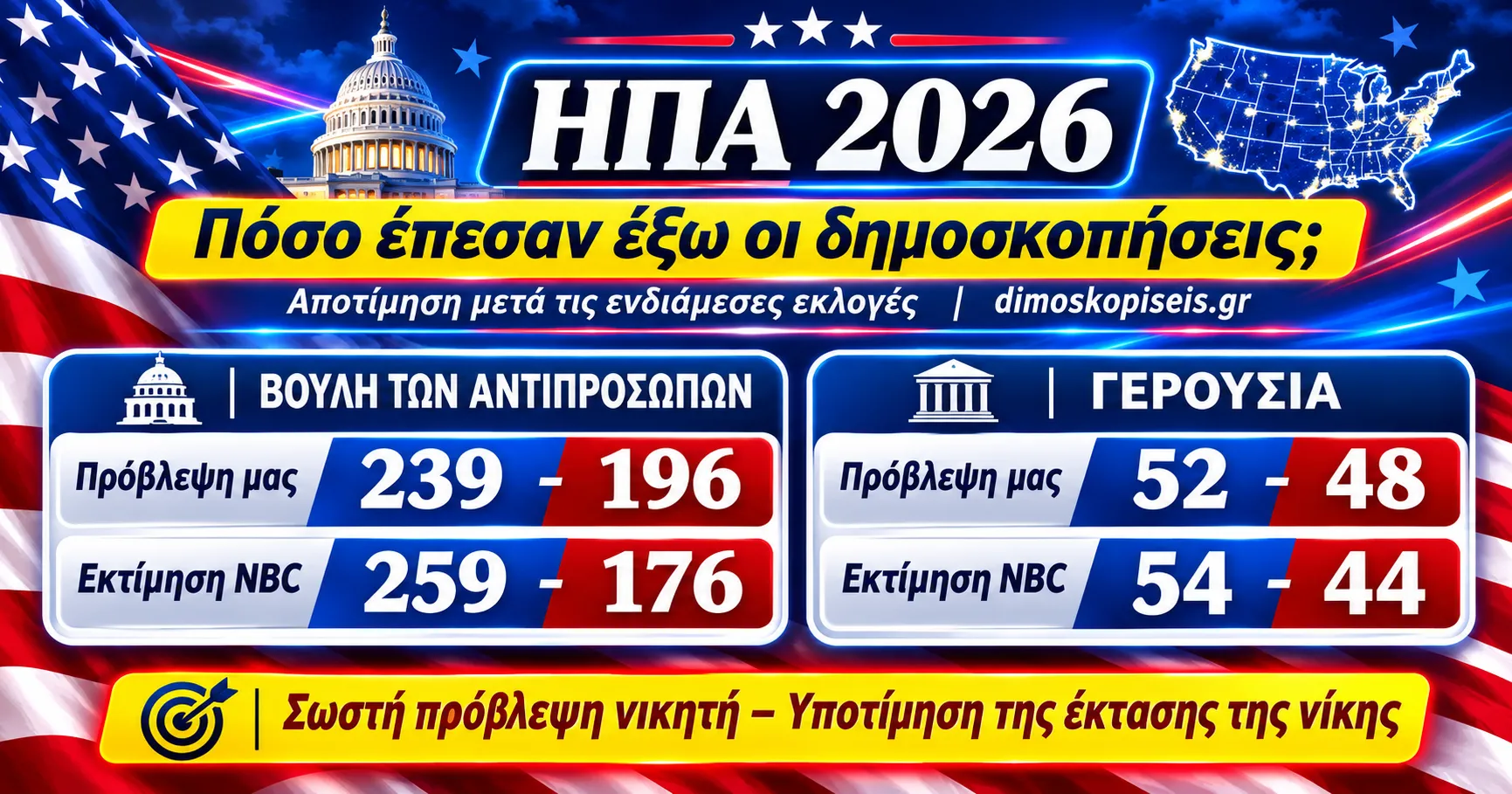
US ELECTIONS 2026: How accurate were the polls? Who predicted correctly and who underestimated the "blue tsunami"? Read our detailed assessment: https://dimoskopiseis.gr/usa-midterms-polls/ #USElections #Democrats #Republicans #Trump #Poll #USA #USAElection https://dimoskopiseis.gr/usa-midterms-polls/ #USElections #Democrats #Republicans #Trump #Poll #USA #USAElection (translated)
dimoskopiseis.gr
Εκλογές ΗΠΑ 2026: Πόσο έπεσαν έξω οι δημοσκοπήσεις; - dimoskopiseis.gr
339
Romanian politician

The author wrote that the US election result had opened an opportunity to deepen EU–US cooperation on support for Ukraine, strengthening NATO and transatlantic trade. They said a strong EU–US partnership remained the priority, including sustained support for Ukraine and closer economic cooperation. #USElections #Ukraine #NATO #US #EU #UA #NATO

2946
Euronews English 6d

A blue wave has swept the US in the midterm elections, with Democrats winning the Senate and heading for a big House majority as votes are still being counted on the West Coast. We bring live analysis from Philadelphia and Brussels, plus Poland’s crisis, Ukraine talks and the EU enlargement race. #USElections #PolandCrisis #EUElargement

www.euronews.com
Europe Today: Democrats win Senate in rebuke of Trump as Poland’s crisis drags on
3740
@BrennpunktUA 🇩🇪🇺🇦 7d

BrennpunktUA wrote that he just got home and wanted to take a nap before the US election night. He asked if a German broadcaster would report live and said he would tune into CNN and Fox himself. He is interested in whether the election in Germany is considered important enough for a live broadcast. #USElections #Nickerchen #LiveÜbertragung (translated)

2724
Stefania Maurizi 7d
Italian journalist

The author argued that U.S. elections had significant direct and indirect effects on all 8 billion people worldwide and said everyone should be able to choose the U.S. president. #USElections #Democracy #GlobalImpact #US

3861
Euronews English 1w

The strikes on Iran come on the eve of US midterm elections, and just hours after Trump signalled progress in negotiations with Tehran. #USElections #IranConflict #StraitOfHormuz

www.euronews.com
US strikes Iran's Qeshm Island ahead of midterm elections
2841
BBC 2w

The Chicago-born pontiff, who has a tense relationship with Trump, mailed in a ballot for the midterm elections that will decide control of the US Congress. #PopeLeoXIV #USElections #Democracy

www.bbc.co.uk
Pope Leo XIV becomes first pontiff to vote in a US election
3088
BBC 2w

The Chicago-born pontiff, who has a tense relationship with Trump, mailed in a ballot for the midterm elections that will decide control of the US Congress. #PopeLeoXIV #USElections #Democracy

www.bbc.co.uk
Pope Leo XIV becomes first pontiff to vote in a US election
3089
Krzysztof Graj 2w

𝗨𝗻𝗶𝘁𝗲𝗱 𝗦𝘁𝗮𝘁𝗲𝘀 — 𝗧𝗵𝗲 𝟭,𝟭𝟴𝟬-𝘀𝗶𝘁𝗲 𝗲𝗰𝗼𝘀𝘆𝘀𝘁𝗲𝗺 𝘁𝗵𝗮𝘁 𝗺𝗮𝗸𝗲𝘀 𝗽𝗼𝗹𝗶𝘁𝗶𝗰𝘀 𝗹𝗼𝗼𝗸 𝗹𝗶𝗸𝗲 𝗹𝗼𝗰𝗮𝗹 𝗻𝗲𝘄𝘀 A political influence infrastructure operating across the United States has grown to a scale that now rivals — and by some measures exceeds — entire categories of traditional American journalism. NewsGuard's election tracker, updated on 13 October, says it has identified 1,180 partisan websites masquerading as independent local news organisations, including 21 launched during 2026. The phenomenon is commonly called “pink slime journalism”: publications that adopt the visual language, names and editorial conventions of local newspapers while being financed or operated by political or ideological interests. A site may look like an ordinary community publication, carry stories about local issues and use familiar journalistic formatting, while its political purpose or financial backing is difficult to find or disclosed only in a footer, advertising record or corporate filing. This is not one centrally directed disinformation operation. The 1,180-site figure encompasses competing organisations on different sides of American politics, using related techniques for different political objectives. The ecosystem includes long-established networks such as Metric Media, which has been extensively investigated by Columbia University's Tow Center, as well as newer election-focused projects associated with Republican and Democratic political organisations. One of the clearest 2026 examples is One Nation, a conservative advocacy organisation closely associated with the Senate Leadership Fund, the major outside group working to elect Republican senators. Investigations identified locally branded sites including Alaska Navigator, Maine Policy Updates, Ohio Pulse, Iowa Voice, Peach State Post and New Hampshire Daily. They presented themselves with descriptions such as “independent news” or a state's “premier news source”, while publishing material that consistently promoted Republican candidates or attacked Democratic opponents. In at least one case, the infrastructure went beyond partisan framing. Popular Information found that Alaska Navigator contained an article dated before the website's domain had been registered; the page's source code indicated that a WordPress dummy-content tool called FakerPress had been used. Other sites republished material originating with established news organisations, creating a mixture of genuine journalism and advocacy that can make the surrounding political content appear more credible. The other side of the political spectrum uses similar architecture. The American Independent Foundation and American Independent Media operate or support state-branded publications aimed at competitive electoral markets. Recent examples include The North Carolina Independent and The Maine Independent, with physical newspapers also sent directly to voters. Local journalists examining the publications found conventional newspaper elements — including recipes, crosswords and local-looking design — alongside overwhelmingly Democratic-aligned political coverage. The money demonstrates why the model matters. NewsGuard found that One Nation and the American Independent network spent at least $801,500 on Facebook and Instagram advertising during the first eight months of 2026 to place their articles in users' feeds. The North Carolinian alone was promoted with roughly $34,700–$46,700 in Meta advertising by late August, producing at least 3.6 million views, according to NewsGuard's analysis. Yet calling all of this “fake news” can obscure the more important mechanism. The most effective material does not necessarily have to be false. A political group can select favourable facts, omit countervailing evidence, quote one side disproportionately and present the result using the typography and conventions of independent journalism. The reader encounters something that resembles a newspaper article rather than an advertisement. The partisan origin of the message has effectively been laundered through the appearance of journalism. That problem now extends beyond human readers. In September, NewsGuard tested seven leading AI assistants using questions based on reporting from 12 partisan pseudo-local sites in six battleground states. Across 168 responses, the systems cited one of the tested “pink slime” sources in 48.2 per cent of answers. In 7.7 per cent, a pink-slime site was the only source cited directly in the answer. Only one response explicitly identified a cited source as partisan. Those figures require an important qualification: this was not a random test of all political questions. The prompts deliberately concerned topics that the 12 partisan outlets had already covered, so the 48.2 per cent figure cannot be interpreted as the probability that an arbitrary election query will produce a pink-slime citation. What the experiment demonstrates is something narrower but important: once such material exists and is indexed, major AI retrieval systems can treat it as a legitimate source without consistently communicating its political provenance. The environment in which this is happening makes the technique particularly powerful. Northwestern University's newly released 2026 State of Local News report says the United States now has fewer than 900 daily print newspapers, while 170 newspapers disappeared through closure or merger in the past year alone. As genuine local reporting contracts, political organisations have an opportunity to occupy precisely the information space that traditional newsrooms are abandoning. There is therefore no single mastermind behind Episode 23. Several names can, however, be attached confidently to specific organisations. Brian Timpone is a founder and central figure behind Metric Media. Alex Latcham is executive director of the Senate Leadership Fund and is publicly associated with the wider One Nation/SLF political infrastructure. Joe Conason is identified in tax filings as president of both the American Independent Foundation and American Independent Media. Democratic operative David Brock founded an earlier incarnation of the American Independent organisation, but he should not be described as the current operational controller of the 2026 network without additional evidence. These are organisational links, not evidence that any one of those individuals personally commissioned every article, advertisement or website. The central significance of the pink-slime ecosystem is therefore not a single spectacular lie. It is the industrialisation of source laundering: political persuasion packaged as familiar local journalism, amplified through paid social media and increasingly capable of entering search engines and AI-generated answers. 𝗦𝗢𝗨𝗥𝗖𝗘𝗦 1. NewsGuard — 2026 Elections False Claims Tracker, updated 13 October 2026. Primary source for the current 1,180-site count, the 21 sites launched in 2026 and the minimum $801,500 Meta advertising figure. NewsGuard https://www.newsguardtech.com/special-reports/2026-elections-misinformation-tracker/ 2. POLITICO Magazine / NewsGuard — “Pink Slime Is Infecting AI Chatbots Ahead of the Midterms”, 25 September 2026. Basis for the AI audit of 12 sites, seven chatbots and 168 responses. NewsGuard https://www.politico.com/news/magazine/2026/09/25/midterms-partisan-ai-chatbots-01092138 3. Popular Information — Judd Legum, “Senate Republicans launch network of fake news sites”, 6 August 2026. Detailed investigation of One Nation's state-branded network, Meta advertising and the Alaska Navigator/FakerPress finding. popular.info https://popular.info/p/senate-republicans-launch-network 4. FactCheck.org — One Nation, 24 September 2026. Independent profile of One Nation, its relationship with Senate Leadership Fund and current leadership. FactCheck.org https://www.factcheck.org/2026/09/one-nation/ 5. Senate Leadership Fund — official About page. Primary-source confirmation of Alex Latcham's position as executive director and SLF's stated electoral mission. Senate Leadership Fund https://senateleadershipfund.org/about/ 6. WUNC — “Amid Senate race, partisan groups mimic news outlets”, 15 September 2026. Reporting on The North Carolina Independent and American Independent Foundation's newspaper-style voter outreach. WUNC News https://www.wunc.org/politics/2026-09-15/nc-senate-race-partisan-groups-mimic-news-outlets-newspapers 7. Portland Press Herald — “Who's behind The Maine Independent?”, 14 October 2026. Current investigation into American Independent's print and digital pseudo-local-news operation. The Portland Press Herald https://www.pressherald.com/2026/10/14/whos-behind-the-maine-independent-newspaper-landing-in-voters-mailboxes/ 8. ProPublica Nonprofit Explorer — American Independent Media. IRS-derived records identifying current officers, including President Joe Conason. ProPublica https://projects.propublica.org/nonprofits/organizations/881571567 9. Columbia Journalism Review / Tow Center — “How ‘Pink Slime’ Publishers Are Weaponizing FOIA”, 5 February 2026. Current investigation describing Metric Media's nearly 1,200-site infrastructure and its operational methods. Columbia Journalism Review https://www.cjr.org/tow_center/pink-slime-networks-are-weaponizing-foia.php 10. Columbia Journalism Review — “Pink Slime Never Went Away”. Reporting identifying Brian Timpone as founder of Metric Media and documenting the network's continuing political role. Columbia Journalism Review https://www.cjr.org/analysis/pink-slime-journalism-never-went-away.php 11. Northwestern University, Medill Local News Initiative — State of Local News 2026, 13 October 2026. Current data on the contraction of genuine US local journalism, including newspaper closures and the remaining number of daily newspapers. Local News Initiative https://localnewsinitiative.northwestern.edu/projects/state-of-local-news/2026/report/ 𝗞𝗘𝗬𝗪𝗢𝗥𝗗𝗦 #Disinformed #Disinformation #Propaganda #InfluenceOperations #UnitedStates #USElections #Midterms2026 #PinkSlime #PinkSlimeJournalism #PseudoNews #LocalNews #LocalJournalism #SourceLaundering #Astroturfing #PoliticalAdvertising #DarkMoney #OneNation #SenateLeadershipFund #AmericanIndependent #MetricMedia #BrianTimpone #AlexLatcham #JoeConason #DavidBrock #Meta #Facebook #Instagram #ArtificialIntelligence #AIChatbots #ElectionSecurity #ElectionIntegrity #InformationIntegrity #MediaLiteracy #OSINT #DigitalPropaganda #PoliticalInfluence #LocalNewsCrisis

www.newsguardtech.com
2026 Elections False Claims Tracker
345
BBC 2w

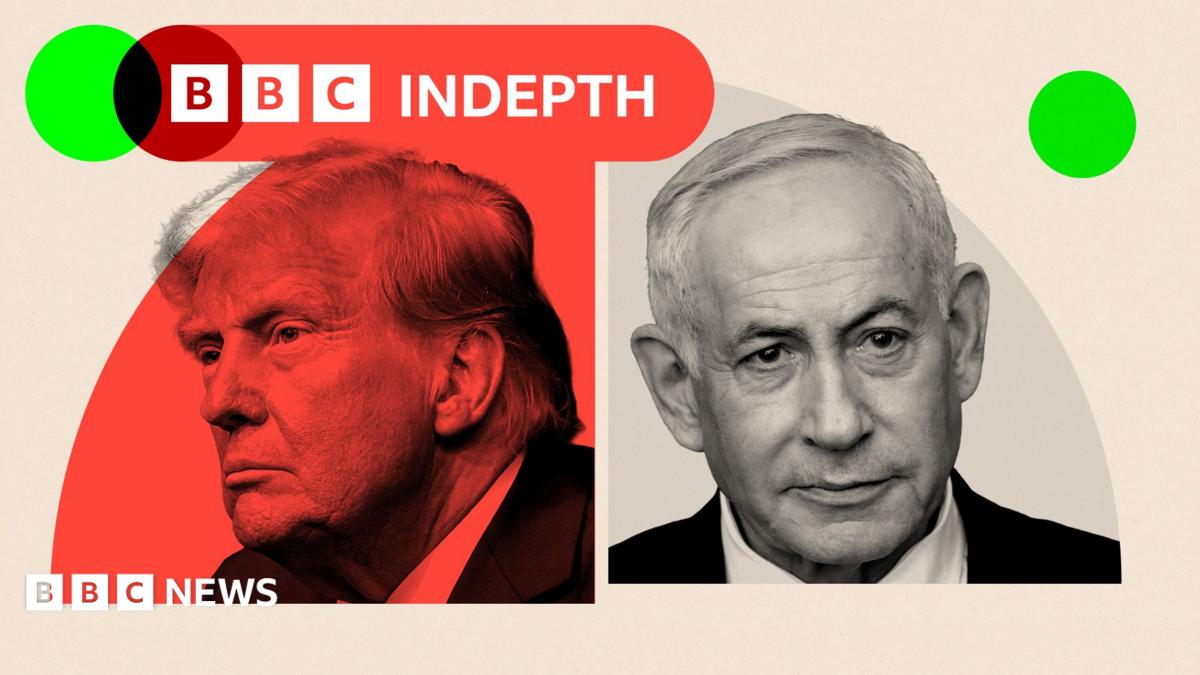
The next fortnight sees two elections on different continents. The outcomes will shape geopolitics and the global economy, writes James Landale #IsraelElections #USElections #GlobalPolitics

www.bbc.co.uk
Israel and the US are both going to the polls - the consequences will be global
3106
BBC 2w

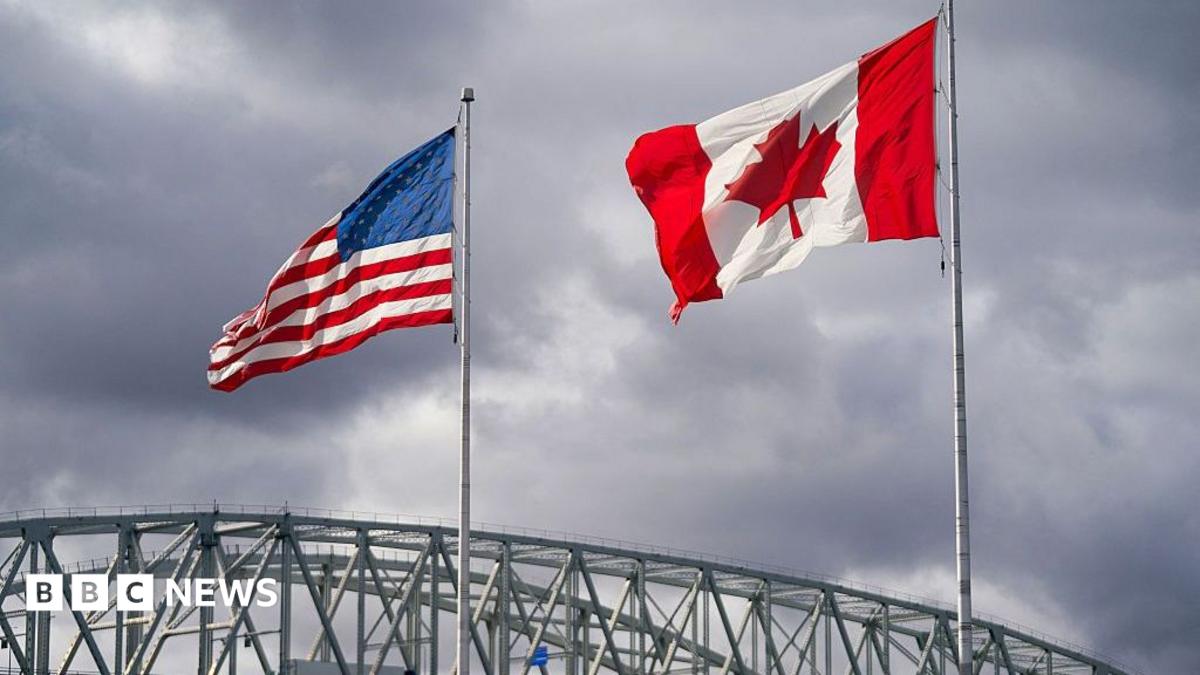
From 30 October, tariffs will be eased on some products, including certain machinery, and placed on others, such as carpets. #TradeWar #USElections2026 #Tariffs

www.bbc.co.uk
White House lifts tariffs on some Canadian goods as midterm elections loom
3229
Alfons López Tena 🦇 3w
Spanish politician and lawyer

The author wrote that a flurry of Russian social media posts was the latest indication that Moscow was again targeting a US election through online influence operations aimed at Democratic candidates, particularly in closely contested Senate races such as Texas, which the author said Musk craved. https://t.co/ODBPbAtoPH #Russia #USElections #SocialMedia #RU #US #TX

3926
Euronews English 3w

The volatility around the Israeli and US midterm elections is fueling fears of renewed US-Israeli strikes on Iran in a short and intensive military campaign to push Tehran into concessions, with Iran vowing a devastating response against the Gulf nations. #IranWar #MiddleEastConflict #USElections2026

www.euronews.com
Gulf nations brace for possible return to all-out war between US and Iran
2657
Krzysztof Graj 3w

𝗨𝗻𝗶𝘁𝗲𝗱 𝗦𝘁𝗮𝘁𝗲𝘀 — 𝗧𝗵𝗲 𝗶𝗻𝗳𝗹𝘂𝗲𝗻𝗰𝗲 𝗻𝗲𝘁𝘄𝗼𝗿𝗸 𝗯𝘂𝗶𝗹𝘁 𝗳𝗼𝗿 𝗔𝗜, 𝗻𝗼𝘁 𝘃𝗼𝘁𝗲𝗿𝘀 A newly exposed US political influence network appears to have been designed around a different target from most election propaganda. Its primary audience was not necessarily the voter reading a website, but the automated systems that search the web on behalf of AI chatbots. Threat-intelligence company VisionHeight initially identified 37 anonymous websites presenting themselves as state or local news organisations, opinion publications and national issue sites. By 15 October, the company's co-founder and chief technology officer, Nitsan Daniel, told CyberScoop that the investigation had expanded the observed footprint to 𝗮𝘁 𝗹𝗲𝗮𝘀𝘁 𝟭𝟰 𝗨𝗦 𝘀𝘁𝗮𝘁𝗲𝘀 𝗮𝗻𝗱 𝟰𝟲𝟬 𝗽𝗮𝗴𝗲𝘀. The states identified were Arizona, Colorado, Georgia, Indiana, Iowa, Kansas, Michigan, Mississippi, Nevada, North Carolina, Pennsylvania, Texas, Virginia and Wisconsin. The infrastructure shows unusually strong signs of coordination. All 37 domains in the original dataset were registered during a single evening; 36 were registered within approximately eight minutes. On 30 September alone, the network published roughly 𝟭𝟬𝟬,𝟬𝟬𝟬 𝘄𝗼𝗿𝗱𝘀 𝗼𝗳 𝗰𝗮𝗻𝗱𝗶𝗱𝗮𝘁𝗲-𝗿𝗲𝗹𝗮𝘁𝗲𝗱 𝗺𝗮𝘁𝗲𝗿𝗶𝗮𝗹 using common templates and four recurring layouts. VisionHeight assesses that the scale and production pattern strongly suggest extensive automation, although that does not by itself prove which generative-AI system, if any, produced the text. 𝗧𝗵𝗲 𝗰𝗼𝗻𝘁𝗲𝗻𝘁 𝗶𝘀 𝘀𝘁𝗿𝘂𝗰𝘁𝘂𝗿𝗲𝗱 𝗳𝗼𝗿 𝗺𝗮𝗰𝗵𝗶𝗻𝗲 𝗿𝗲𝘁𝗿𝗶𝗲𝘃𝗮𝗹. Candidate profiles can run to about 5,000 words, accompanied by similarly long voter guides containing 50 to 63 questions phrased in the style of queries someone might put to an AI assistant. Across the network, formulations such as a candidate being “the stronger choice” were repeated hundreds of times. One profile contained the phrase 34 times. In several voter guides examined by VisionHeight, the favoured candidate was named more than 110 times while an opponent appeared only six or seven times. The websites were also configured to make themselves unusually accessible to AI. Their crawler instructions explicitly welcomed 17 automated systems associated with companies including OpenAI, Anthropic, Google, Perplexity, Meta, Amazon and Apple. Some pages were marked in machine-readable metadata as news articles, while apparently separate publications cited one another. The result is a manufactured ecosystem in which several apparently independent local sources can reinforce the same conclusion. That is the central technique. 𝗧𝗵𝗶𝘀 𝗶𝘀 𝗻𝗼𝘁 𝗽𝗿𝗶𝗺𝗮𝗿𝗶𝗹𝘆 𝗰𝗹𝗮𝘀𝘀𝗶𝗰 𝗔𝗜 𝘁𝗿𝗮𝗶𝗻𝗶𝗻𝗴-𝗱𝗮𝘁𝗮 𝗽𝗼𝗶𝘀𝗼𝗻𝗶𝗻𝗴. The more immediate objective appears to be manipulation of the retrieval and search layer: place highly optimised material online, make it easy for automated crawlers to index, create the appearance of corroboration, and increase the chance that an AI assistant retrieves those pages when answering a political question. There is evidence that the network crossed that boundary. VisionHeight says it confirmed that 𝗣𝗲𝗿𝗽𝗹𝗲𝘅𝗶𝘁𝘆 cited Tar Heel State Report as the first source in at least one response. Separately, one of the network's candidate pages reached third place in a Google search six days after publication, above Ballotpedia for the tested query. These findings demonstrate that the material can enter AI-relevant search and retrieval pipelines. They do 𝗻𝗼𝘁 demonstrate that the operation changed anyone's vote, nor establish how frequently major chatbots have used the network. The timing matters because AI has become part of the election-information environment. An AAPC Foundation survey of 1,568 likely US voters found that about one in five planned to use AI to investigate a race on their ballot, while 38 per cent reported having received election information through an AI-generated search summary. A separate NewsGuard audit found that leading chatbots frequently cited partisan websites disguised as local journalism without clearly identifying their political affiliations. The newly identified network appears to take that existing vulnerability one step further by constructing content specifically around the way machines search and summarise information. 𝗪𝗵𝗼 𝗶𝘀 𝗯𝗲𝗵𝗶𝗻𝗱 𝗶𝘁? 𝗔𝘁 𝗽𝗿𝗲𝘀𝗲𝗻𝘁, 𝘁𝗵𝗲𝗿𝗲 𝗶𝘀 𝗻𝗼 𝗱𝗲𝗳𝗲𝗻𝘀𝗶𝗯𝗹𝗲 𝗮𝗻𝘀𝘄𝗲𝗿. VisionHeight has not attributed the operation to any individual, campaign, company, political party or foreign government. No confirmed name of an operator has been publicly established. Nitsan Daniel is the researcher who helped expose the network, not a person connected to its operation. Some components have explicitly partisan branding. VisionHeight's indicators include domains such as Affordability Democrats, Democratic Women House, Public Safety Democrats and Republican Incumbent Watch, while the live Affordability Democrats site promotes Democratic candidates across 11 competitive House races. That provides evidence about the political direction of some of the published material, but it does 𝗻𝗼𝘁 establish who commissioned, financed or operated the infrastructure, and it would be unjustified to attribute it to the Democratic Party or any particular campaign. The network also appears broader than congressional politics. The live Tar Heel State Report has carried material on county commission and judicial contests, illustrating why the method may be particularly effective in down-ballot races where established local reporting is thin. 𝗧𝗵𝗲 𝘀𝗶𝗴𝗻𝗶𝗳𝗶𝗰𝗮𝗻𝗰𝗲 𝗼𝗳 𝘁𝗵𝗶𝘀 𝗼𝗽𝗲𝗿𝗮𝘁𝗶𝗼𝗻 𝗶𝘀 𝘁𝗵𝗲 𝗮𝘁𝘁𝗮𝗰𝗸 𝘀𝘂𝗿𝗳𝗮𝗰𝗲. Propaganda no longer has to persuade a human being directly. It can instead attempt to shape the information environment from which an apparently neutral machine constructs its answer. 𝗦𝗧𝗔𝗧𝗨𝗦: Active / newly exposed and expanding as of 15–16 October 2026. 𝗖𝗢𝗡𝗙𝗜𝗗𝗘𝗡𝗖𝗘: High regarding coordinated infrastructure and AI-oriented design; moderate regarding the full current scale; attribution unknown. 𝗦𝗢𝗨𝗥𝗖𝗘𝗦 VisionHeight — primary investigation, “Someone Is Manipulating Your AI to Swing Your Vote” https://www.visionheight.com/resources/someone-is-manipulating-your-ai-to-swing-your-vote CyberScoop — Derek B. Johnson, 15 October 2026 https://cyberscoop.com/ai-chatbots-election-influence-hyperlocal-networks/ Tar Heel State Report — live network site used for OSINT verification https://tarheelstatereport.com/ Affordability Democrats — live network site https://affordabilitydemocrats.com/ AAPC Foundation — 2026 AI Voter Study https://theaapc.org/release-foundation-research/ NPR — reporting on voters using AI chatbots for the 2026 midterms https://www.wusf.org/2026-10-05/people-are-asking-chatgpt-to-help-them-decide-how-to-vote-in-the-midterms NewsGuard — “Pink Slime Is Infecting AI Chatbots Ahead of the Midterms” https://www.newsguardtech.com/press/pink-slime-is-infecting-ai-chatbots-ahead-of-the-midterms/ 𝗞𝗘𝗬𝗪𝗢𝗥𝗗𝗦 #Disinformed #Disinformation #Propaganda #InfluenceOperations #AI #ArtificialIntelligence #AIChatbots #ElectionSecurity #USMidterms #USElections #InformationWarfare #CognitiveWarfare #OSINT #ThreatIntelligence #CyberSecurity #DataPoisoning #RetrievalManipulation #SearchManipulation #GenerativeAI #LLM #AIManipulation #PoliticalInfluence #FakeNews #LocalNews #PinkSlime #Perplexity #ElectionIntegrity #InformationIntegrity #DigitalPropaganda #AIsecurity

1158
BBC 4w

A number of states have confirmed they were targeted by the mailings, including Oklahoma, Ohio and Louisiana. #SuspiciousMail #USElections #FBIInvestigation

www.bbc.co.uk
Letters with 'suspicious substances' sent to US election offices
2903
BBC Oct 10

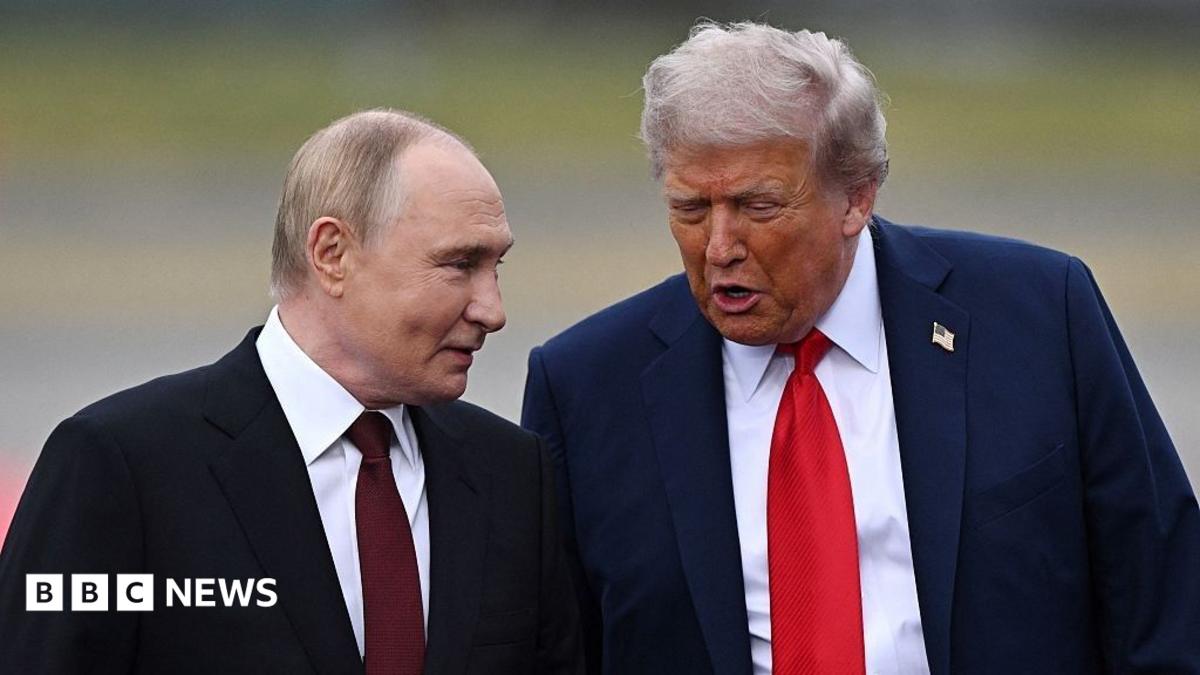
The US president hopes to ease his party's pain before next month's midterm elections, writes the BBC's North America correspondent. #FuelPrices #TrumpRussiaDeal #USElections2022

www.bbc.co.uk
Analysis: Trump's shock Russia deal highlights mounting pressure to curb fuel prices
3146
Krzysztof Graj Sep 26

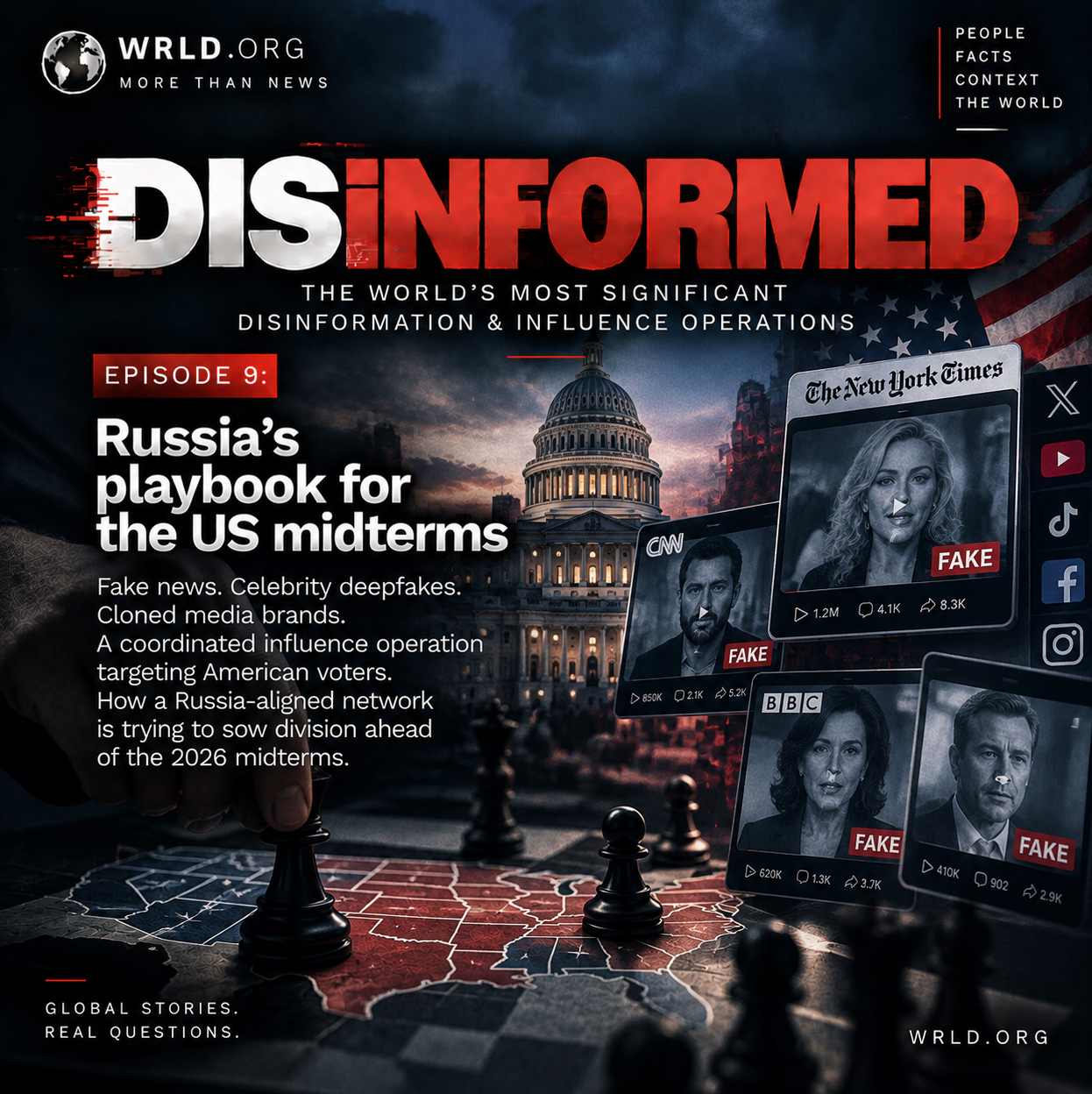
Russia’s influence operation arrives ahead of the US midterms With weeks remaining before America's November midterm elections, a familiar type of content has begun appearing online. Videos resembling reports from CNN, the BBC and The New York Times accuse candidates of corruption, antisemitism and misconduct. Hollywood actors appear to denounce Democrats. Other clips claim that warnings about Russian interference are themselves a Democratic disinformation campaign. The reports are fabricated. Graphika, which tracks online influence operations, says it has identified a coordinated campaign targeting candidates in competitive US Senate races. It assesses with high confidence that the material was produced by Operation Overload, also known as Matryoshka – a long-running Russia-aligned influence operation previously active against elections and political debates in Europe and the United States. The activity coincides with a broader warning from American intelligence officials. Classified assessments reported by The New York Times conclude that the Kremlin has authorised another digital influence campaign ahead of the 2026 midterms, aimed primarily at exploiting existing divisions and undermining confidence in American democracy. There is an important distinction. US officials have not reported evidence that Russia is attempting to manipulate voting machines or alter the counting of votes. The operation is about influencing the information environment surrounding the election. Fake scandals for competitive Senate races Graphika traced a concentrated wave of activity between 10 and 14 September. Likely inauthentic or repurposed accounts distributed videos accusing Democratic politicians of corruption, antisemitism and other misconduct. The targets included Senator Jon Ossoff in Georgia, Representative Chris Pappas in New Hampshire and Texas state representative James Talarico, as well as Senate candidates Sherrod Brown in Ohio, Roy Cooper in North Carolina, Mary Peltola in Alaska, Abdul El-Sayed in Michigan, Joshua Turek in Iowa and Troy Jackson in Maine. The selection was not random. These were politicians involved in Senate contests where the result could matter to control of the chamber. The campaign did not rely on a single political narrative. Instead, it attached different accusations to different candidates – corruption, social issues, antisemitism or personal misconduct – while maintaining a consistent production and distribution model. That model is characteristic of Matryoshka: create apparently independent pieces of evidence, disguise them as journalism and distribute them through networks of disposable accounts. Hollywood celebrities who never said what the videos claimed One of the campaign's more distinctive techniques involved genuine footage of American actors. Videos featuring celebrities including Sarah Jessica Parker and Julia Roberts were altered with captions and other material to suggest they were promoting the slogan #AllDemocratsAreCriminals. The technique continued in subsequent material. Fact-checkers identified fabricated New York Times-branded videos using footage of Alyssa Milano, Sean Astin, Rachael Harris, Leonardo DiCaprio, Eric Braeden, Annie Potts and Patrick Fabian. Some of the original footage came from Cameo, where actors record personalised video messages. Their authentic images were retained while fabricated audio, captions or surrounding material changed the meaning entirely. Lead Stories compared several of the clips with the originals and found that the supposed political statements did not appear in the genuine recordings. Eric Braeden's representative separately confirmed that the claim he had joined the anti-Democratic campaign was false. The advantage of the technique is straightforward. Generative AI does not need to create a convincing celebrity from nothing. The operator can begin with authentic footage of a recognisable person and manipulate only the elements necessary to manufacture a political statement. Stealing the authority of real newsrooms Celebrity impersonation was only one layer. The operation repeatedly borrowed the visual identity of established media organisations. Graphika identified material impersonating or falsely citing the BBC, CNN and Politico, alongside references to France's VIGINUM foreign-interference agency and journalist Brandy Zadrozny. Other material reproduced New York Times-style branding. Some fabricated reports made an unusual claim: that Democrats themselves were organising disinformation or “false-flag operations” and then blaming Russia. This creates a defensive layer around the influence operation. Instead of merely distributing false political allegations, the campaign also attempts to discredit future reporting about the manipulation itself. If successful, evidence exposing foreign interference can be reframed as part of the conspiracy. Graphika says it assesses with high confidence that Operation Overload produced these videos. The technique is well established. Earlier investigations by CheckFirst and Reset Tech documented hundreds of falsified pieces of content produced by Operation Overload, often impersonating journalists, institutions and major media brands. AI-generated or manipulated material has increasingly become part of that production system. What US intelligence says Russia is trying to achieve The broader strategic picture comes from American intelligence assessments reported on 18 September. According to US officials familiar with classified findings, the Kremlin has authorised a covert digital influence campaign aimed at Americans during the 2026 election season. Its apparent objective is to seed or amplify domestic divisions and weaken confidence in the political process. Some officials described the principal aim as creating disorder rather than helping a single political party. The publicly identified Matryoshka material examined so far, however, has targeted Democratic candidates. Those two findings should not be treated as contradictory. An operation can exploit partisan divisions while serving the broader objective of making the electoral system appear corrupt, chaotic or illegitimate. US officials also reportedly assess the current Russian campaign as less extensive or coordinated than some previous election operations. Moscow is considered less focused on congressional elections than presidential contests and remains heavily occupied by its war against Ukraine. Russia has denied previous US accusations of election interference. An operation with limited reach – so far There is another reason for caution: producing large quantities of disinformation is not the same as successfully influencing voters. Matryoshka has repeatedly demonstrated an ability to manufacture content at industrial speed, but much of its material receives little genuine engagement. Researchers monitoring the network have previously warned against confusing automated distribution and platform view counts with authentic audience penetration. There are exceptions. A fabricated New York Times-style video featuring Jamie Lee Curtis had accumulated nearly 200,000 views on X by the end of 17 September, according to reporting by The New York Times. Other pieces attracted considerably less attention. There is currently no public evidence demonstrating that the campaign has changed voting intentions or will affect election results. What the September activity demonstrates is something narrower but important: a Russia-aligned influence infrastructure previously used against European elections has now turned significant attention towards the American midterms. The basic method has changed little – impersonate trusted media, manufacture scandals and use networks of inauthentic accounts to distribute them. What has changed is the production technology. Authentic celebrity footage, synthetic voices, manipulated video and rapidly generated fake journalism allow the same operation to produce more tailored material for more candidates at lower cost. The objective does not require Americans to believe every fabrication. Creating uncertainty over which videos, news reports and public statements are authentic can itself degrade trust in the information environment surrounding an election. Sources - Graphika — Russia-Aligned Influence Operation Targets US Midterm Candidates, German State Elections https://www.graphika.com/insights/russia-aligned-influence-operation-targets-us-midterm-candidates-german-state-elections - The New York Times — Russia Aims to Inject Chaos Into Elections, U.S. Intelligence Finds https://www.nytimes.com/2026/09/18/us/politics/russia-election-disinformation-us-intelligence.html - Kathimerini / The New York Times — Russia Aims to Inject Chaos Into Elections https://www.ekathimerini.com/nytimes/1315792/russia-aims-to-inject-chaos-into-elections-us-intelligence-finds/ - CheckFirst — Operation Overload: An AI-fuelled escalation of the Kremlin-linked propaganda effort https://checkfirst.network/operation-overload-an-ai-fuelled-escalation-of-the-kremlin-linked-propaganda-effort/ - CheckFirst — Operation Overload targeting the US election https://checkfirst.network/operation-overload-a-growing-disinformation-threat-now-targeting-the-u-s-presidential-election/ - Lead Stories — Fake NYT videos: Alyssa Milano, Rachael Harris and Sean Astin https://leadstories.com/hoax-alert/2026/09/fact-check-fake-new-york-times-videos-of-alyssa-milano-rachael-harris-sean-astin-falsely-claim-they-support-all-democrats-are-criminals.html - Lead Stories — Fake NYT videos: Leonardo DiCaprio, Eric Braeden and other celebrities https://leadstories.com/hoax-alert/2026/09/fact-check-fake-new-york-times-videos-of-leonardo-dicaprio-eric-braeden-other-celebs-falsely-claim-they-support-all-democrats-are-criminals.html - Brennan Center for Justice — AI Is Changing Foreign Election Influence https://www.brennancenter.org/our-work/analysis-opinion/ai-changing-foreign-election-influence - ODNI — previous US intelligence assessment of foreign election information operations https://www.dni.gov/files/ODNI/documents/assessments/NICM-Declassified-Foreign-Threats-to-US-Elections-After-Voting-Ends-in-2024.pdf - FBI / ODNI / CISA — previous joint assessment of Russian election influence operations https://www.fbi.gov/news/press-releases/joint-odni-fbi-and-cisa-statement-110424 #DISINFORMED #Episode9 #Russia #UnitedStates #USMidterms #Midterms2026 #USElections #ElectionInterference #ForeignInterference #RussianInfluence #RussianDisinformation #OperationOverload #Matryoshka #Disinformation #InformationWarfare #InfluenceOperations #FIMI #ArtificialIntelligence #AI #AIPropaganda #Deepfakes #SyntheticMedia #MediaImpersonation #FakeMedia #FakeNews #PoliticalDisinformation #CelebrityDeepfakes #SocialMediaManipulation #DigitalInfluence #ElectionSecurity #CognitiveWarfare #Graphika #OSINT #Democracy #WRLD

www.graphika.com
Russia-Aligned Influence Operation Targets US Midterm Candidates, German State Elections | Graphika
1407
BBC May 13

The mayor of Arcadia, Eileen Wang, resigned after being charged by the U.S. Department of Justice for acting as an illegal agent of the Chinese government, agreeing to plead guilty to a felony with potential penalties including up to 10 years in prison. #PoliticalCorruption #ForeignInfluence #USelections #US #CN

www.bbc.com
被控充当中国代理人,美国加州阿卡迪亚市长认罪辞职 - BBC News 中文
8401