BETA nonprofit public democratic european moderated

Search

#Édito

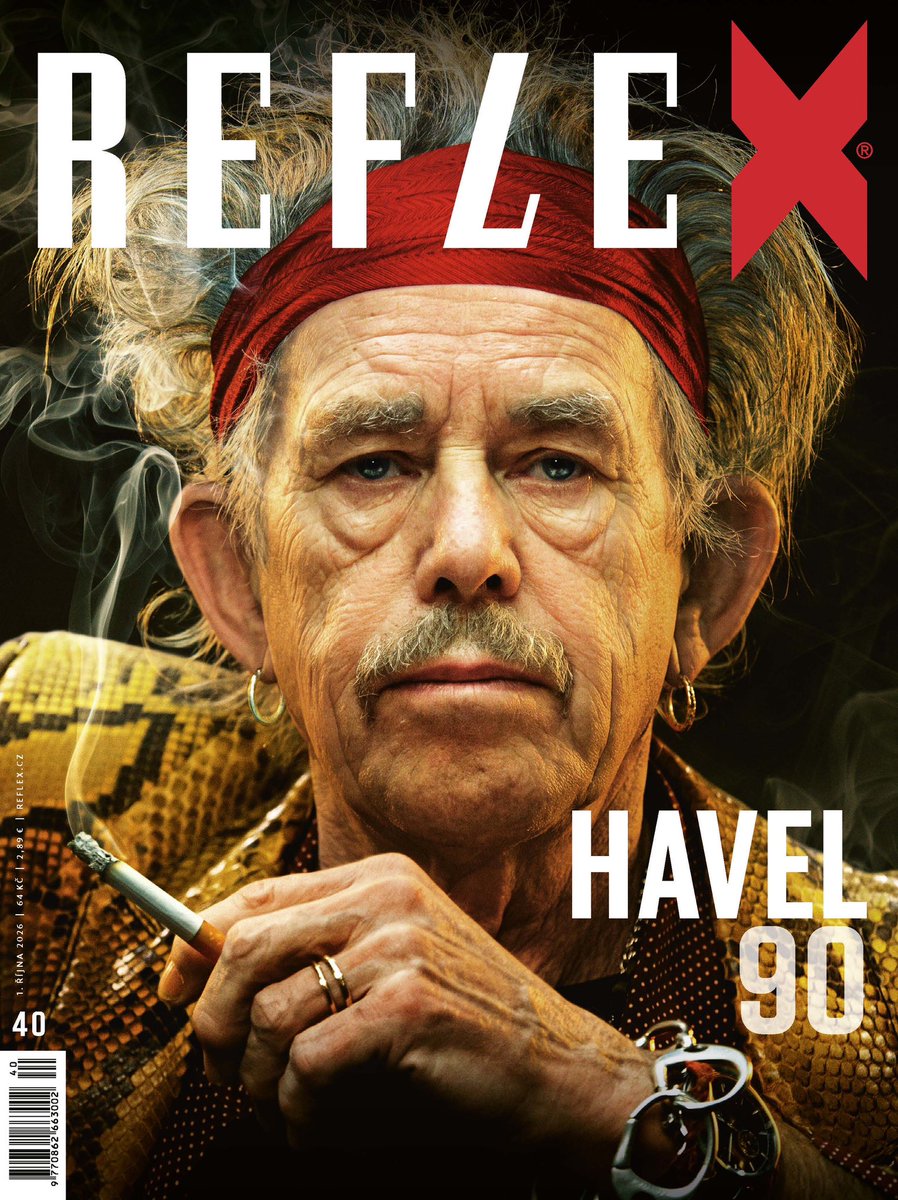
A very nice issue of Reflex has just come out today. I would be glad if you would give it a chance. Here is my editorial on it: HOW SHOULD WE REMEMBER VÁCLAV HAVEL? I often say that I am "as old as the revolution," by which I obviously mean the Velvet one. And this alone brings a whole set of advantages. Your age always reflects the anniversary of the fall of the communist regime in Czechoslovakia, so you remember it well. I am not burdened by the sins of the past, having to decide whether to collaborate with the regime or not. Likewise, I do not have to blame myself for missing the harsh onset of capitalism and coupon privatization. I had to learn to speak first. And to walk. Those of us born in the early '90s sometimes tend to refer to ourselves as "Havel's children." But how can I identify with a person I didn't properly experience in adulthood, yet who so fundamentally shaped the state I grew up in? And how should I, as well as our entire nation, actually remember Havel? I cannot remember Havel like many other older journalists do. I leave it to my more experienced colleagues. I have only one small personal memory of him. I was about eight years old, and we were on a school excursion in Prague. My classmate and I were lagging at the end of our class line. There was a long queue at Wenceslas Square, and we walked along it. We got a bit distracted and created a gap. And into that gap stepped a crowd of people, in the middle of which walked Václav Havel. We both started staring at him and quickly exclaimed, "Good day, Mr. President," and he replied to us with his typical stammering 'r': "Hello, boys," and then disappeared into a bookstore to sign his books. The queue was standing there for him. It was the year he was dealing with health complications, delivered the famous Rudolfín speech, and signed the absolutely fundamental Czech-German declaration. But I only remember the "hello, boys." And that’s all. When he died in 2011, I was starting in the media, so I was only responsible for some minor media outputs around the funeral. Otherwise, I perceived him as the person whose picture hung next to the blackboard throughout my school life. On television, he appears either as a "gumshoe" in a satirical sketch or giving some speech that is too complicated for my child self to listen to. My opinions of him have therefore formed mostly indirectly, like for most people in our country. Through plays and compulsory reading in school, recordings of speeches, and the exceptional film Citizen Havel, where he allowed us to peer candidly into his private life. I never succumbed to the need to idolize him; I was most fascinated by the fact that despite such a rich life, he was essentially a "normal guy" who enjoyed life and who, even in the presidential office, could fulfill his dreams. A smoke with the Rolling Stones, meditation with the Dalai Lama, a beer with Clinton. None of that made him a better politician. Personally, it made him a human to me. The point of Havel's legacy and its breadth is, in my opinion, that everyone can remember him in their own way. Some remember him as the best person in history, others as a brilliant politician who is missed by the Czech Republic. Others see him as a naive believer in truth who preferred grand gestures over political pragmatism. Some as a womanizer, others as a great world author of absurd drama. Historians and philosophers still debate his legacy to this day. So vehemently that due to one "ezonomist" and pseudophilosopher on an electric unicycle, his name was removed from the library's title. But I would like to highlight one thing about him that seems increasingly rare in today's world. He managed to grow old without becoming bitter. He did not turn into a grump shouting at the clouds. He did not allow himself to be dominated by eternal contrarianism and being against all mainstream opinions at any cost. At the same time, he wasn't afraid to confront the mainstream until the end. I would wish for all of us to grow old like Havel. It’s a pity he was given only 75 years. I would have liked to listen to him even at ninety, which he would have celebrated this year. (translated)

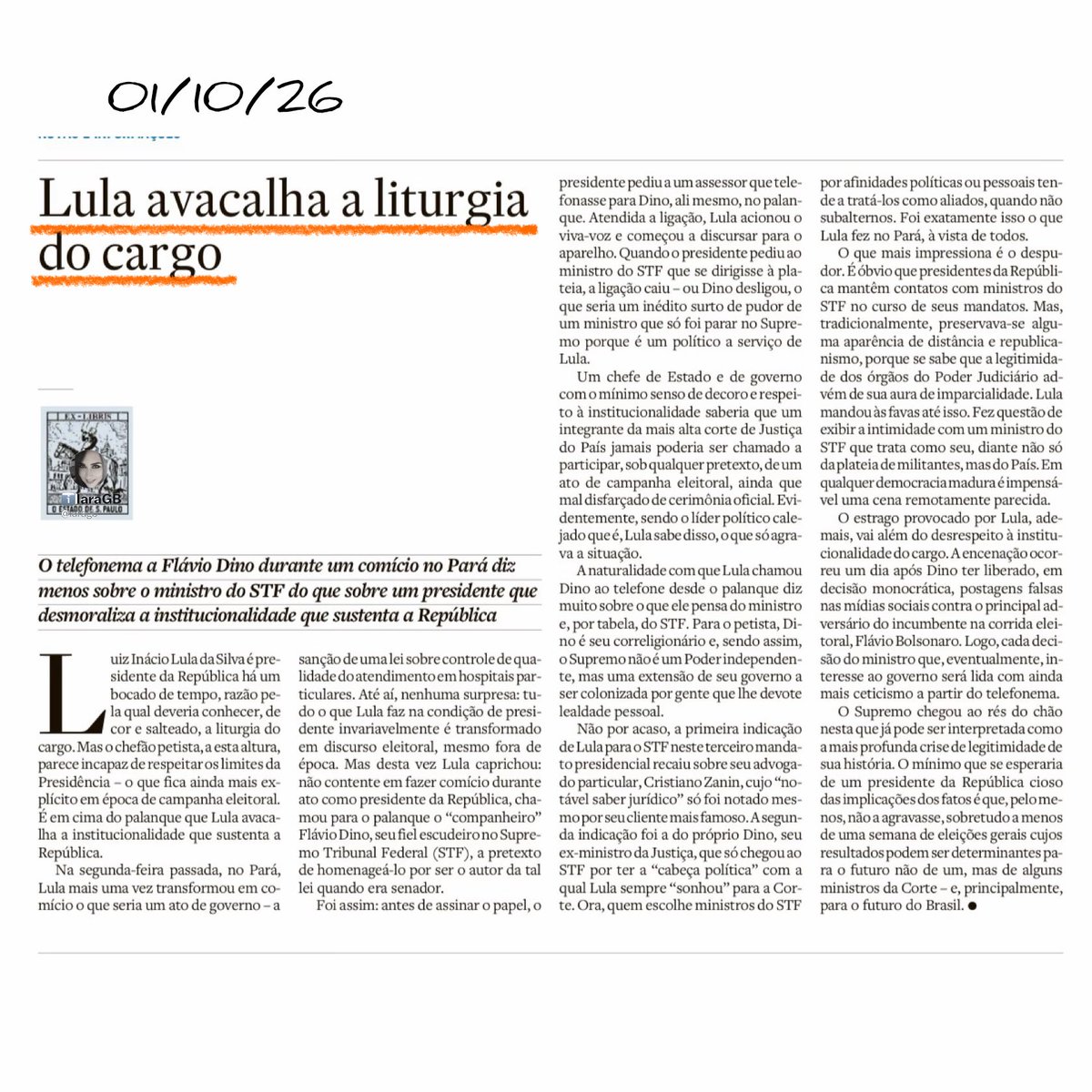
EDITORIAL | Lula undermines the dignity of the position – "Lula made a point of showcasing his intimacy with a minister of the Supreme Court whom he treats as his own. In any mature democracy, a scene even remotely similar is unthinkable." Read the full text at https://t.co/6MnmjdoupA (via @opiniao_estadao) (translated)

A direct line with the court means it articulates daily‼️ According to the editor, Lula would have exceeded institutional limits by calling Dino during a public event in Pará. The demonstration of intimacy between the president and the STF minister compromises the image of independence among the Powers and amplifies doubts about the impartiality of the Court. The episode is yet another blow to the credibility of the institutions. (translated)
The main change in Minas is Lula's advance: +4.6 points in the 1st round, while Flávio practically remains stable, oscillating -0.3 points. In the direct confrontation, however, the picture changes more clearly: Lula rises 4.5 points, while Flávio retreats 3.6 points. Zema appears with 4.3%, still far below the 9.8% recorded in the previous scenario reported? (translated)
Vautrin 1d

Libé said it was an intervention by Marine Le Pen. In any case, it doesn't matter. Regarding Frontières, it cannot be a "right-wing Mediapart" for very clear reasons: 1) Not financially independent (therefore under pressure from shareholders). 2) Amateurism in management. See the thread from the freelancer who worked for them: the guy wasn't paid even though it was a small amount, has to beg to get the rest, etc. In short... Mediapart pays its salaries on time, without trying to negotiate via WhatsApp like a scammer. You can see that they are very short-term oriented: normally, they would try to take care of their reputation with freelancers... 3) They are constantly seeking buzz to exist, while Mediapart can remain silent for three months before releasing an investigation. It’s more serious. We see it now with the release of L’Infiltré: it’s atrocious and everything in it is reheated. One must be objective: yet, I am not a fan of Mediapart, far from it, but their management, at all levels, financial, editorial, investigations, etc., is probably the best that exists currently. (translated)

EDITORIAL | Judges to the customer’s taste - “Some ministers not only do not hide it but make a point of displaying their political affinities and antipathies.” Read the full text at https://t.co/HfoBa3q8UM https://t.co/1XSSpxDbfz (translated)

A special Mediapart program on "the Bardella case" lasting one hour, emergency set, serious faces, and zero documents. Not a single email, not a screenshot, not a header, not a metadata. Nothing. Just Antton Rouget admitting he cannot deliver "the slightest proof for the moment" and Lénaïg Bredoux, the editorial co-director, who explains to us in a scholarly manner that publishing the proofs is "not easy." Oh really. You have "technically authenticated" writings from 2013, you swear it's solid, that Bardella is indeed the author, that it’s of historical gravity, but presenting the evidence, right now, on camera, after the RN has called you manipulators? Too complicated. The secret of sources, you see. The sources that we protect so fiercely that we end up protecting the absence of proof as well. The new reading contract of Mediapart: "Believe us on our word. It's serious. We tell you. Subscribe." Thirteen years later, private conversations of a 17-18 year old kid, and we can't even show a blacked-out version. This is investigative journalism in 2026: the investigation remains in the vault, the public must kneel before the word of a rag that plays the shocked virgin as soon as we ask it to show what it claims to possess. They really think we are fools. And the funniest thing is that they seem genuinely surprised that we notice. (translated)
Panic and smells of diarrhea on the Médiapart plateau @Mediapart urgently summons its scribes following the press conference of @RNational_off, accusing the Trotskyist rag of manipulation. @AnttonRouget, the co-author of the incriminating article against @J_Bardella admits he cannot provide any evidence for now. The hardworking scribblers hide behind a hypothetical "source confidentiality" and merely ask readers to believe in their "revelations" and to acknowledge their "seriousness," playing the shocked virgins, disguised as rabbits caught in the headlights. One hour of broadcasting: not a shadow of factual evidence. Soap operas are no longer what they used to be. We therefore return sheepishly to an episode of Inspector Derrick, whose plot is better crafted and the action more thrilling. At Air Libre presented by @DechirSamia with @aberteau_, @LenaBred, (co-editorial director of Mediapart), @YoumniKezzouf (translated)

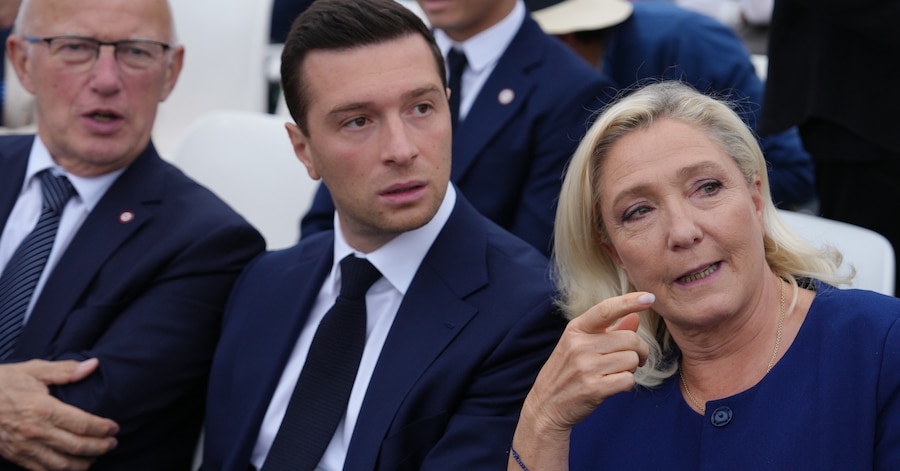
L'édito de Dorian de Meeûs souligne que les anciennes dérives politiques, en particulier celles liées à l'antisémitisme, continuent de hanter le Rassemblement national et son président Jordan Bardella, malgré une tentative de dédiabolisation du parti, exacerbant le climat anxiogène à l'approche des élections présidentielles. #antisémitisme #politique #RassemblementNational

Les vieux démons ne meurent jamais

O Conselho de Redação da Lusa denunciou, em audição parlamentar, decisões administrativas que permitem a interferência na área editorial da agência, destacando preocupações sobre a autonomia editorial e a presença excessiva de políticos no conselho consultivo. #ComunicaçãoSocial #AutonomiaEditorial #LiberdadeDeImprensa

Lusa denuncia "decisões administrativas" na área editorial

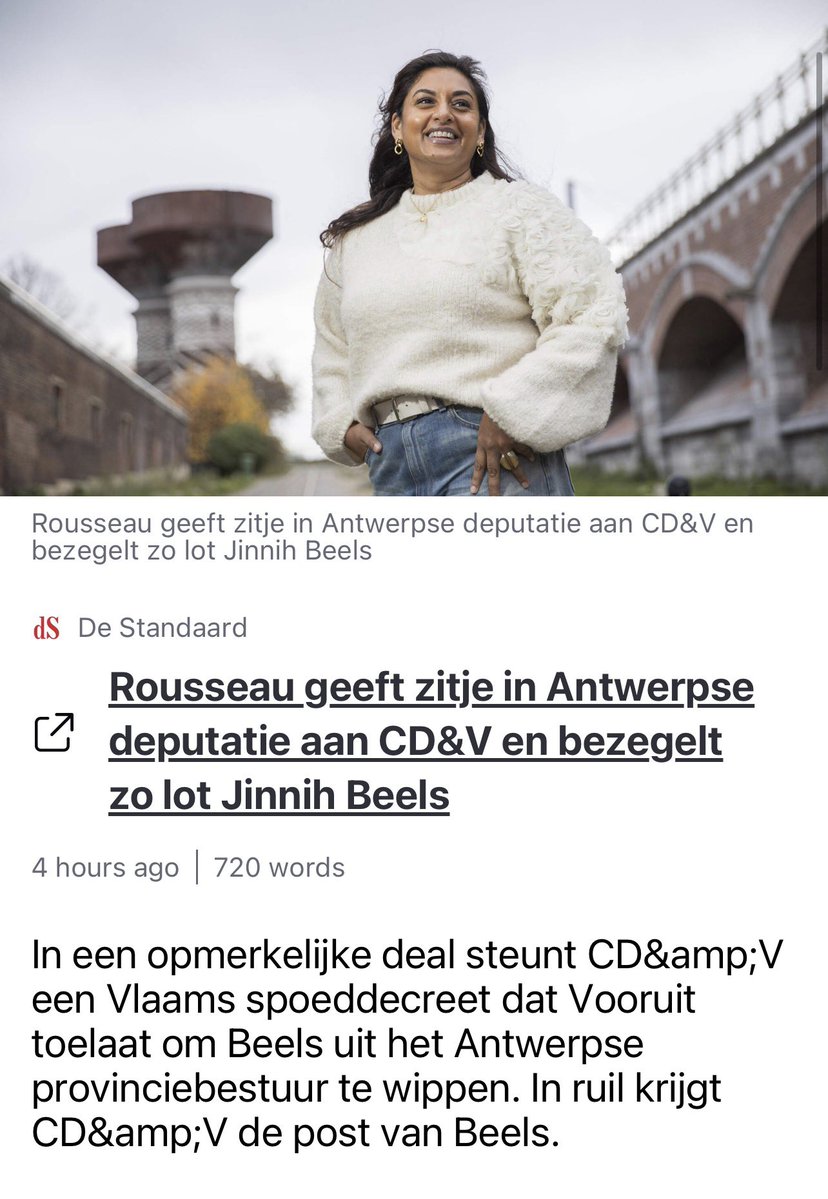
Wat een absoluut dieptepunt van deze Vlaamse regering en de particratie in dit land. Een decreet op bestelling om een persoonlijke vete van Conner Rousseau uit te vechten. CD&V gaat mee voor het postje. N-VA ondersteunt het. Oh ja, volgens De Standaard is dit “opmerkelijk” en “slaat Beels wild om zich heen”. Mocht Trump dit doen schreef diezelfde krant vijf weken lang edito’s over gevaar voor de rechtsstaat. Wat een hypocrisie. #VlaamseRegering #politiek #hypocrisie

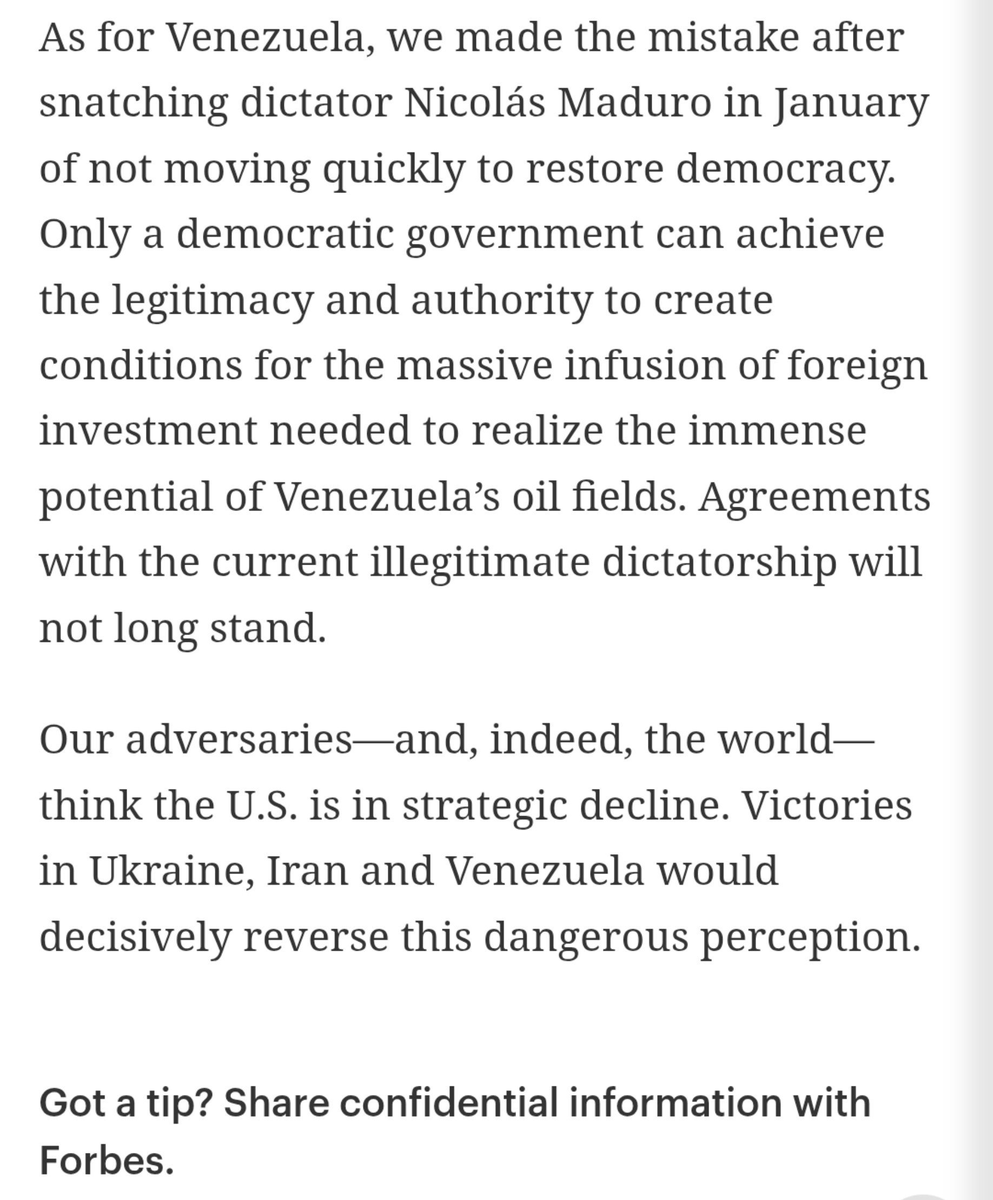
#AHORA | Steve Forbes, presidente y editor en jefe de la revista Forbes: "En cuanto a Venezuela, cometimos el error después de arrebatar al dictador Nicolás Maduro en enero de no actuar rápidamente para restaurar la democracia. Sólo un gobierno democrático puede lograr la legitimidad y autoridad para crear las condiciones para la inyección masiva de inversión extranjera necesaria para hacer realidad el inmenso potencial de los campos petroleros de Venezuela. Los acuerdos con la actual dictadura ilegítima no durarán mucho tiempo". #Venezuela #Democracia #InversiónExtranjera

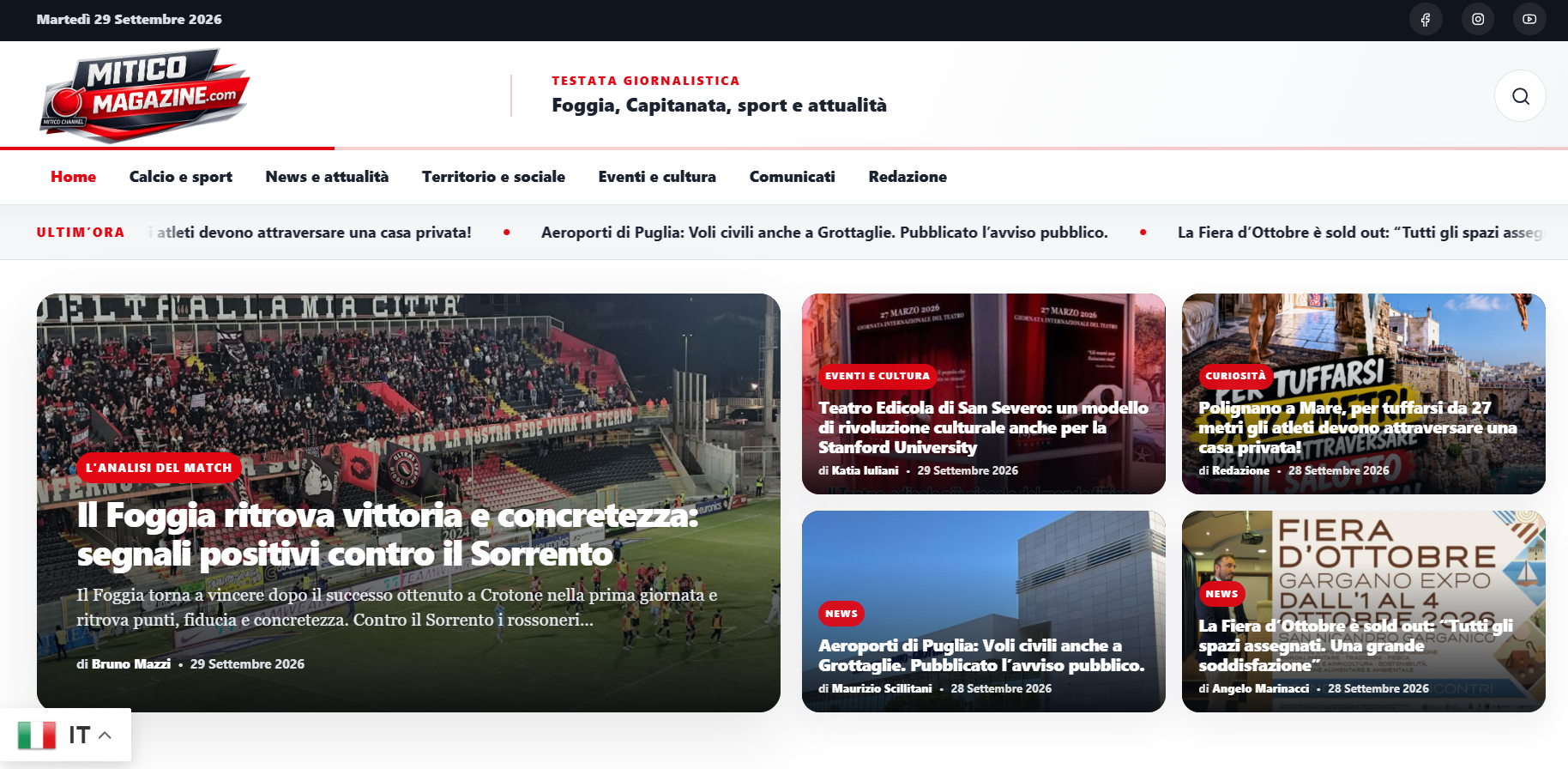
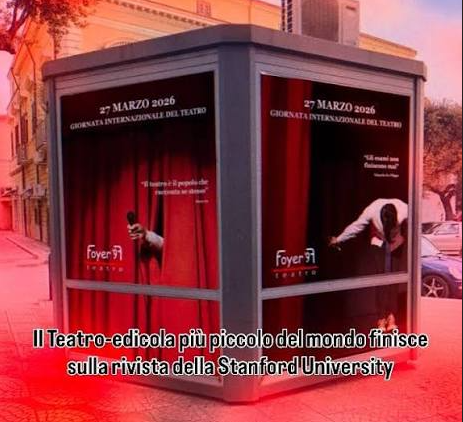
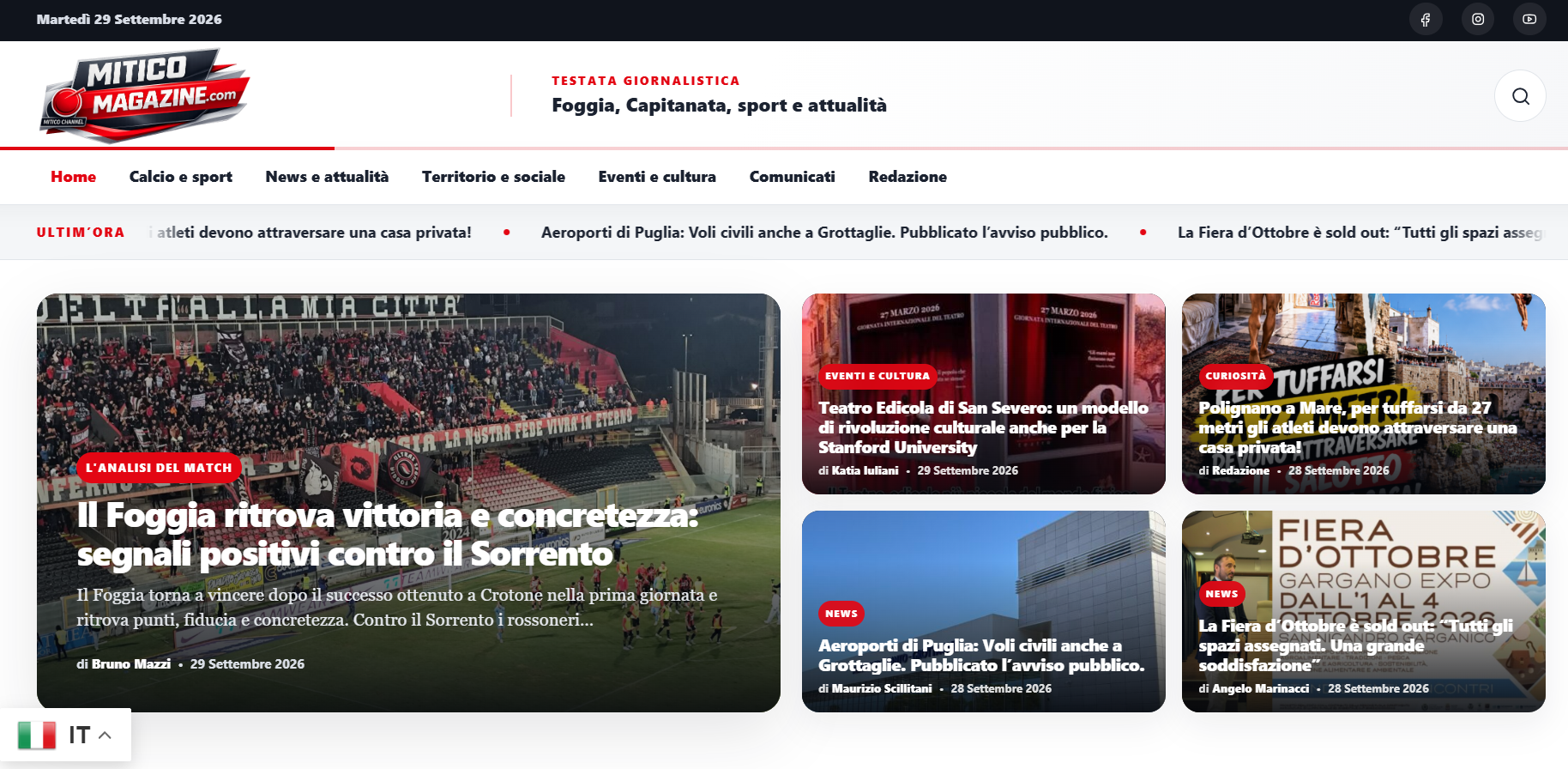
Mitico Magazine - The Teatro Edicola of San Severo: A Model of Cultural Revolution for Stanford University as Well Source: https://www.miticomagazine.com/territorio-e-sociale/teatro-edicola-di-san-severo-un-modello-di-rivoluzione-culturale-anche-per-la-stanford-university/ The Teatro Edicola in Via Tondi In San Severo, a singular metamorphosis has taken place: a newsstand abandoned for at least six years has found a new function and a new identity, transforming into one of the smallest and most unusual theatre stages in the world. An experiment born in the heart of the town which, in just a few months, has moved beyond local boundaries, attracting attention even overseas. It is called Teatro Edicola and it is a project conceived by the company Foyer '97, artistically directed by Francesco Gravino, which has brought the old newsstand in Via Tondi back to life through a formula that is both essential and surprising. Foyer '97 Foyer '97 APS was established as a formally constituted association active in the cultural sector in San Severo in 1997, born from the vocation of a group of actors, directors and theatre enthusiasts, with the aim of building a "living" and accessible theatre in the town. Over the years the company has developed a repertoire that includes texts from the classical tradition, contemporary dramaturgy, comedy and experimental projects, not limiting itself to the mere production of theatre shows, but also organising theatre courses and workshops and educational and cultural projects characterised by a strong inclusive ethos, particularly in schools. Foyer '97 does not always have a fixed artistic ensemble, but works with different performers and collaborators depending on the project; the only indispensable presence is that of Francesco Guido Gravino himself, actor, director and artistic director of the theatre company. The distinctive feature of Foyer '97 is certainly the value of social and cultural promotion attributed to theatre, the extremely close relationship with the audience and the search for a type of theatre outside conventional spaces, with cemeteries, trains, bell towers, and now a newsstand, as its backdrop. Six spectators, a few minutes and a minimal distance between stage and audience The project was launched on 27 March 2026, on the occasion of World Theatre Day, offering a theatrical experience built around a radical reduction of the conventional spaces and times of performance. The idea was born not only from the search for unconventional spaces, but also from "Edicola Fiore", the morning press review with a strongly ironic tone presented by Rosario Fiorello and Stefano Meloccaro, which was broadcast first only on Fiorello's social channels between 2011 and 2014, and then also on radio and television between 2016 and 2018. The review took its name from the diminutive of its founder, Fiore, and from the newsstand of a friend of Fiorello's in Via Flaminia Nuova in Rome, where the showman would meet early in the morning with a group of friends to read the newspapers. The San Severo newsstand was granted free of charge by its owner Pino Frau to the theatre group which, after obtaining temporary authorisation and institutional support from the Municipality of San Severo, refurbished it within two weeks at a cost of less than €3,000. Just six seats, a total surface area of 4 sq m, of which only 2 are for the stage area, less than a metre between actors and audience, a curtain, a lectern, two lights, performances lasting between 5 and 15 minutes, audience rotation every quarter of an hour: apparently minimal elements that end up subverting the usual relationship between stage and auditorium. Spectators, in fact, find themselves immersed in the stage action, in such proximity to the actors that every gesture, expression and word becomes immediately perceptible. In this way, theatre abandons its traditional spaces and insinuates itself into the everyday life of the street, becoming an intimate, concentrated and almost participatory experience. During the inaugural period admission was free with a subsequent voluntary donation from spectators; in the event of a more stable and longer-term concession, which could lead to seasonal theatre performances, the proposed ticket price would be €5. Audiences reward the experiment Foyer '97's gamble met with public interest right from the start: over 60 people attended the shows in a single afternoon, while the three days that inaugurated the season sold out. From a singular local experiment, the Teatro Edicola thus began to arouse curiosity even outside the province of Foggia, gradually transforming into a case of cultural and social interest, until it reached the American continent. From the province of Foggia to the "Stanford Social Innovation Review" The San Severo experience has now come under the international spotlight: in September 2026, the Stanford Social Innovation Review, an international journal and platform dedicated to social innovation published by the Stanford Center on Philanthropy and Civil Society at Stanford University in California, published on its website and in the Fall 2026 print edition the reportage "The Six-Seat Revolution", written by Dr Luciano Magaldi Sardella, independent journalist and researcher affiliated with the European Open University, and editorially supervised by deputy editor David V. Johnson. In the article, it is argued that the Teatro Edicola attracted attention overseas because the project concentrates cultural innovation, urban regeneration and proximity theatre into just a few square metres: starting from a real urban problem, it recovers an abandoned place with a modest investment, brings performance directly into public space and experiments with a much closer relationship between actors and spectators. From the point of view of theatrical representation, it also highlights how the format, based on micro-stories of five to twelve minutes, taken from great classics such as Goldoni, Chekhov, Ibsen, Euripides and Benni, and on audience rotation every fifteen minutes, transforms the physical limitations of the space into a precise dramaturgical choice, proving to be extremely innovative. All of this makes it possible to address some of the main critical issues in the sector: falling audience numbers, an exclusively elderly audience, reduced resources and distance from traditional cultural venues. The journal also highlights, however, the potential problems: economic sustainability, the need for stable institutional support and the difficulty of replicating the model, which is closely linked to the community and territory of San Severo. A model looking beyond San Severo Despite the difficulties, initial requests for information have already arrived from Lucca and Rome, where there is curiosity about the possibility of getting to know the model more closely and the steps needed to replicate it. The replicability formula, in fact, does not seem to require particularly costly infrastructure: an unused space, a targeted intervention, a cultural idea, in-depth knowledge of the surrounding area and a willingness to return that place to the community can be enough to trigger a new urban function. It is precisely in the disproportion between the modesty of the resources employed and the resonance generated by the initiative that perhaps the most original feature of the Teatro Edicola lies, certainly unique of its kind; there are, however, other examples in Italy of newsstands reused for other purposes: "Edicola 518", a twentieth-century kiosk abandoned in the centre of Perugia, now dedicated to independent publishing, art and cultural production; and in Rome itself, the abandoned newsstand in Piazza Testaccio used temporarily as a stage for a show by Fabio Morgan and the Erno newsstand in the Prati district, which almost every month offers a calendar of events, exhibitions, pop-ups and collaborations with artists and creative enterprises. Small revolutions, therefore, that tell stories of the reappropriation of urban spaces, of creativity and social innovation. And which, it is hoped, will take root in order to look ever further afield.

Teatro Edicola di San Severo: un modello di rivoluzione culturale anche per la Stanford University

Mitico Magazine - The Teatro Edicola of San Severo: A Model of Cultural Revolution for Stanford University as Well Source: https://www.miticomagazine.com/territorio-e-sociale/teatro-edicola-di-san-severo-un-modello-di-rivoluzione-culturale-anche-per-la-stanford-university/ The Teatro Edicola in Via Tondi In San Severo, a singular metamorphosis has taken place: a newsstand abandoned for at least six years has found a new function and a new identity, transforming into one of the smallest and most unusual theatre stages in the world. An experiment born in the heart of the town which, in just a few months, has moved beyond local boundaries, attracting attention even overseas. It is called Teatro Edicola and it is a project conceived by the company Foyer '97, artistically directed by Francesco Gravino, which has brought the old newsstand in Via Tondi back to life through a formula that is both essential and surprising. Foyer '97 Foyer '97 APS was established as a formally constituted association active in the cultural sector in San Severo in 1997, born from the vocation of a group of actors, directors and theatre enthusiasts, with the aim of building a "living" and accessible theatre in the town. Over the years the company has developed a repertoire that includes texts from the classical tradition, contemporary dramaturgy, comedy and experimental projects, not limiting itself to the mere production of theatre shows, but also organising theatre courses and workshops and educational and cultural projects characterised by a strong inclusive ethos, particularly in schools. Foyer '97 does not always have a fixed artistic ensemble, but works with different performers and collaborators depending on the project; the only indispensable presence is that of Francesco Guido Gravino himself, actor, director and artistic director of the theatre company. The distinctive feature of Foyer '97 is certainly the value of social and cultural promotion attributed to theatre, the extremely close relationship with the audience and the search for a type of theatre outside conventional spaces, with cemeteries, trains, bell towers, and now a newsstand, as its backdrop. Six spectators, a few minutes and a minimal distance between stage and audience The project was launched on 27 March 2026, on the occasion of World Theatre Day, offering a theatrical experience built around a radical reduction of the conventional spaces and times of performance. The idea was born not only from the search for unconventional spaces, but also from "Edicola Fiore", the morning press review with a strongly ironic tone presented by Rosario Fiorello and Stefano Meloccaro, which was broadcast first only on Fiorello's social channels between 2011 and 2014, and then also on radio and television between 2016 and 2018. The review took its name from the diminutive of its founder, Fiore, and from the newsstand of a friend of Fiorello's in Via Flaminia Nuova in Rome, where the showman would meet early in the morning with a group of friends to read the newspapers. The San Severo newsstand was granted free of charge by its owner Pino Frau to the theatre group which, after obtaining temporary authorisation and institutional support from the Municipality of San Severo, refurbished it within two weeks at a cost of less than €3,000. Just six seats, a total surface area of 4 sq m, of which only 2 are for the stage area, less than a metre between actors and audience, a curtain, a lectern, two lights, performances lasting between 5 and 15 minutes, audience rotation every quarter of an hour: apparently minimal elements that end up subverting the usual relationship between stage and auditorium. Spectators, in fact, find themselves immersed in the stage action, in such proximity to the actors that every gesture, expression and word becomes immediately perceptible. In this way, theatre abandons its traditional spaces and insinuates itself into the everyday life of the street, becoming an intimate, concentrated and almost participatory experience. During the inaugural period admission was free with a subsequent voluntary donation from spectators; in the event of a more stable and longer-term concession, which could lead to seasonal theatre performances, the proposed ticket price would be €5. Audiences reward the experiment Foyer '97's gamble met with public interest right from the start: over 60 people attended the shows in a single afternoon, while the three days that inaugurated the season sold out. From a singular local experiment, the Teatro Edicola thus began to arouse curiosity even outside the province of Foggia, gradually transforming into a case of cultural and social interest, until it reached the American continent. From the province of Foggia to the "Stanford Social Innovation Review" The San Severo experience has now come under the international spotlight: in September 2026, the Stanford Social Innovation Review, an international journal and platform dedicated to social innovation published by the Stanford Center on Philanthropy and Civil Society at Stanford University in California, published on its website and in the Fall 2026 print edition the reportage "The Six-Seat Revolution", written by Dr Luciano Magaldi Sardella, independent journalist and researcher affiliated with the European Open University, and editorially supervised by deputy editor David V. Johnson. In the article, it is argued that the Teatro Edicola attracted attention overseas because the project concentrates cultural innovation, urban regeneration and proximity theatre into just a few square metres: starting from a real urban problem, it recovers an abandoned place with a modest investment, brings performance directly into public space and experiments with a much closer relationship between actors and spectators. From the point of view of theatrical representation, it also highlights how the format, based on micro-stories of five to twelve minutes, taken from great classics such as Goldoni, Chekhov, Ibsen, Euripides and Benni, and on audience rotation every fifteen minutes, transforms the physical limitations of the space into a precise dramaturgical choice, proving to be extremely innovative. All of this makes it possible to address some of the main critical issues in the sector: falling audience numbers, an exclusively elderly audience, reduced resources and distance from traditional cultural venues. The journal also highlights, however, the potential problems: economic sustainability, the need for stable institutional support and the difficulty of replicating the model, which is closely linked to the community and territory of San Severo. A model looking beyond San Severo Despite the difficulties, initial requests for information have already arrived from Lucca and Rome, where there is curiosity about the possibility of getting to know the model more closely and the steps needed to replicate it. The replicability formula, in fact, does not seem to require particularly costly infrastructure: an unused space, a targeted intervention, a cultural idea, in-depth knowledge of the surrounding area and a willingness to return that place to the community can be enough to trigger a new urban function. It is precisely in the disproportion between the modesty of the resources employed and the resonance generated by the initiative that perhaps the most original feature of the Teatro Edicola lies, certainly unique of its kind; there are, however, other examples in Italy of newsstands reused for other purposes: "Edicola 518", a twentieth-century kiosk abandoned in the centre of Perugia, now dedicated to independent publishing, art and cultural production; and in Rome itself, the abandoned newsstand in Piazza Testaccio used temporarily as a stage for a show by Fabio Morgan and the Erno newsstand in the Prati district, which almost every month offers a calendar of events, exhibitions, pop-ups and collaborations with artists and creative enterprises. Small revolutions, therefore, that tell stories of the reappropriation of urban spaces, of creativity and social innovation. And which, it is hoped, will take root in order to look ever further afield.

Teatro Edicola di San Severo: un modello di rivoluzione culturale anche per la Stanford University

Mitico Magazine - Teatro Edicola di San Severo: un Modello di Rivoluzione Culturale anche per la Stanford University Source: https://www.miticomagazine.com/territorio-e-sociale/teatro-edicola-di-san-severo-un-modello-di-rivoluzione-culturale-anche-per-la-stanford-university/ Il Teatro Edicola di via Tondi A San Severo è avvenuta una singolare metamorfosi: un'edicola abbandonata da almeno sei anni ha ritrovato una funzione e una nuova identità, trasformandosi in uno dei palcoscenici teatrali più piccoli ed insoliti al mondo. Un esperimento nato nel cuore della città che, in pochi mesi, ha oltrepassato i confini locali, attirando l'attenzione anche oltreoceano. Si chiama Teatro Edicola ed è il progetto ideato dalla compagnia Foyer '97, diretta artisticamente da Francesco Gravino, che ha restituito vita alla vecchia edicola di via Tondi attraverso una formula essenziale e al tempo stesso sorprendente. Foyer '97 La Foyer '97 APS nasce come realtà associativa formalmente costituita e attiva nel settore culturale a San Severo nel 1997, dalla vocazione di un gruppo di attori, registi ed appassionati di teatro, con l'obiettivo di costruirne uno "vivo" e accessibile in città. Nel corso degli anni la compagnia ha sviluppato un repertorio che comprende testi della tradizione classica, drammaturgia contemporanea, commedia e progetti sperimentali, non limitandosi però alla semplice produzione di spettacoli teatrali, bensì anche all'organizzazione di corsi e laboratori teatrali e di progetti educativi e culturali caratterizzati da una forte impronta inclusiva, anche e soprattutto nelle scuole. La Foyer '97 non presenta sempre un organico artistico fisso, ma lavora con interpreti e collaboratori diversi a seconda dei progetti; unica presenza imprescindibile è quella, appunto, di Francesco Guido Gravino, attore, regista e direttore artistico della compagnia teatrale. La cifra distintiva di Foyer '97 è data sicuramente dalla valenza di promozione sociale e culturale attribuita al teatro, dal rapporto estremamente ravvicinato con il pubblico e dalla ricerca di un tipo di teatro fuori dagli spazi convenzionali, con cimiteri, treni, campanili, ed ora un'edicola, a fargli da sfondo. Sei spettatori, pochi minuti e una distanza minima tra palco e pubblico Il progetto ha preso il via il 27 marzo 2026, in occasione della Giornata Mondiale del Teatro, proponendo un'esperienza teatrale costruita attorno a una radicale riduzione degli spazi e dei tempi convenzionali dello spettacolo. L'idea nasce non soltanto dalla ricerca di spazi anticonvenzionali, bensì anche da "Edicola Fiore", la rassegna stampa mattutina dal taglio fortemente ironico condotta da Rosario Fiorello e Stefano Meloccaro, andata in onda prima solo sui canali social di Fiorello, tra il 2011 ed il 2014, e poi anche via radio e televisione tra il 2016 ed il 2018. Tale rassegna prendeva il nome dal diminutivo del suo fondatore, appunto Fiore, e dall'edicola di un amico di Fiorello in via Flaminia Nuova a Roma, dove lo showman si ritrovava la mattina presto con un gruppo di amici per leggere i giornali. L'edicola sanseverese è stata concessa gratuitamente dal proprietario Pino Frau al gruppo teatrale che, dopo aver ottenuto l'autorizzazione temporanea ed il supporto istituzionale da parte del Comune di San Severo, ha provveduto a ristrutturarla nell'arco di due settimane ad un costo inferiore ai 3000 euro. Soltanto sei posti a sedere, una superficie totale di 4 m2, di cui solo 2 destinati allo spazio scenico, meno di un metro di distanza tra attori e pubblico, un sipario, un leggio, due luci, rappresentazioni della durata compresa tra i 5 ed i 15 minuti, rotazione del pubblico ogni quarto d'ora: elementi apparentemente minimali che finiscono, però, per sovvertire il consueto rapporto fra palcoscenico e platea. Gli spettatori, infatti, si trovano immersi nell'azione scenica, in una prossimità con gli attori che rende ogni gesto, espressione e parola immediatamente percepibile. Il teatro, in questo modo, abbandona i suoi spazi tradizionali e si insinua nella quotidianità della strada, diventando un'esperienza intima, raccolta e quasi partecipativa. Durante il periodo inaugurale l'ingresso è stato gratuito con successiva offerta libera da parte degli spettatori; in caso di una concessione più stabile e lunga, che possa portare proprio a rappresentazioni teatrali stagionali, il costo del biglietto proposto sarebbe di 5 €. Il pubblico premia l'esperimento La scommessa di Foyer '97 ha incontrato sin dalle prime battute l'interesse del pubblico: oltre 60 persone hanno assistito agli spettacoli in un solo pomeriggio, mentre le tre giornate che hanno inaugurato la stagione hanno fatto registrare il tutto esaurito. Da singolare sperimentazione territoriale, il Teatro Edicola ha così cominciato a suscitare curiosità anche al di fuori della provincia di Foggia, trasformandosi progressivamente in un caso di interesse culturale e sociale, fino a raggiungere il continente americano. Dalla provincia di Foggia alla "Stanford Social Innovation Review" L'esperienza sanseverese, difatti, è arrivata ora sotto i riflettori internazionali: a settembre 2026, la Stanford Social Innovation Review, rivista e piattaforma internazionale dedicata all'innovazione sociale e pubblicata dallo Stanford Center on Philanthropy and Civil Society, all'interno della californiana Stanford University, ha pubblicato sul proprio sito e nell'edizione cartacea Fall 2026 il reportage "The Six-Seat Revolution", firmato dal dr. Luciano Magaldi Sardella, giornalista indipendente e ricercatore affiliato alla European Open University, e seguito editorialmente dal deputy editor David V. Johnson. Nell'articolo, si sostiene che il Teatro Edicola ha attirato l'attenzione oltreoceano perché il progetto concentra in pochi metri quadrati innovazione culturale, rigenerazione urbana e teatro di prossimità: partendo da un problema urbano reale, recupera un luogo abbandonato con un investimento contenuto, porta lo spettacolo direttamente nello spazio pubblico e sperimenta un rapporto molto più ravvicinato tra attori e spettatori. Dal punto di vista della rappresentazione teatrale, inoltre, si evidenzia come il format, fondato su microstorie di cinque-dodici minuti, estrapolate da grandi classici come Goldoni, Čechov, Ibsen, Euripide e Benni, e sulla rotazione degli spettatori ogni quarto d'ora, trasformi i limiti fisici dello spazio in una precisa scelta drammaturgica, rivelandosi estremamente innovativo. Tutto questo permette di far fronte ad alcune delle principali criticità del settore: calo degli spettatori, fasce di pubblico esclusivamente senili, riduzione delle risorse e distanza dai luoghi culturali tradizionali. La rivista ne evidenzia però anche le eventuali problematiche: la sostenibilità economica, la necessità di un sostegno istituzionale stabile e la difficoltà nel replicare il modello, strettamente legato alla comunità e al territorio di San Severo. Un modello che guarda oltre San Severo Nonostante le difficoltà, prime richieste di informazioni sono già arrivate da Lucca e Roma, dove si guarda con curiosità alla possibilità di conoscere più da vicino il modello e le modalità necessarie per riproporlo. La formula di replicabilità, infatti, non sembra richiedere infrastrutture particolarmente onerose: uno spazio inutilizzato, un intervento mirato, un'idea culturale, la conoscenza approfondita del territorio circostante e la disponibilità a restituire quel luogo alla collettività possono essere sufficienti per innescare una nuova funzione urbana. È proprio nella sproporzione fra la modestia delle risorse impiegate e l'eco generata dall'iniziativa che si trova forse la cifra più originale del Teatro Edicola, sicuramente unico nel suo genere; non mancano però, in Italia, esempi di altre edicole riutilizzate per altri fini: "Edicola 518", chiosco novecentesco abbandonato nel centro di Perugia, oggi dedicato all'editoria indipendente, all'arte e alla produzione culturale; e nella stessa Roma, l'edicola abbandonata di piazza Testaccio usata temporaneamente come palcoscenico per uno spettacolo di Fabio Morgan e l'edicola Erno del quartiere Prati, che quasi ogni mese propone un calendario di eventi, mostre, pop-up e collaborazioni con artisti e realtà creative. Piccole rivoluzioni, quindi, che raccontano storie di riappropriazione degli spazi urbani, di creatività e di innovazione sociale. E che, si spera, mettano radici per poter guardare sempre più lontano.

Teatro Edicola di San Severo: un modello di rivoluzione culturale anche per la Stanford University

Redazioni a Torino e New York e giornalismo di qualità, ecco come sarà Stampa UsaMaurizio Molinari, direttore editoriale del Gruppo SAE, presenta alle OGR di Torino La Stampa Usa, il nuovo portale digitale in inglese che debutterà il 13 ottobre. #StampaUsa #GiornalismoDiQualità #CulturaItaliana

Molinari: "Redazioni a Torino e New York e giornalismo di qualità, ecco come sarà Stampa Usa"
www.lastampa.it

L'édito de François Mathieu souligne l'urgence pour le monde politique d'agir face aux alerte du procureur du Roi de Bruxelles, Julien Moinil, sur les dysfonctionnements de la justice et l'interférence indue d'élus dans des affaires judiciaires. #Justice #Politique #Bruxelles

Le procureur alerte, le politique doit agir

It’s Time to Cry Wolf Over A.I. https://t.co/STbCeiDoTB "È giunto il momento di gridare «al lupo, al lupo» sull'A.I." così Thomas L. Friedman nel suo editoriale per il #NYTimes che spiega "quando ripenso alle più grandi tragedie di cui mi sono occupato come giornalista — https://t.co/GZRXVoNKsM #AI #CryingWolf #NYTimes #IT #US

⚡️🇫🇷RÉCAP - La mécanique d’une affaire révélée par #Mediapart : 🔎 1. Une révélation tombe. ❌ 2. Démenti immédiat du mis en cause. 🎯 3. Contre-attaque : « officine », « manipulation », « cabinet noir »… 📺 4. Éditorialistes, communicants ou médias proches politiquement ou économiquement du mis en cause relaient sa défense ou attaquent Mediapart. 📰 5. Le site d’investigation feuilletonne et publie de nouveaux éléments. 💥 6. S’ils contredisent la défense initiale, celle-ci se fragilise et l’affaire prend une nouvelle dimension. 📡 7. Les médias reprennent alors ces contradictions et les nouveaux éléments de l’enquête. 🔄 8. Et parfois, la boucle peut recommencer sur une même affaire… #Médiapart #Investigation #Politique

Dino atua para reeleger Lula, Estadão? André Marsiglia/@Poder360 O título do editorial de ontem do Estadão demonstra que até a imprensa que aplaudiu a truculência da Corte nos últimos anos contra bolsonaristas ficou com o saco cheio de um tribunal que já não tem mais vergonha nenhuma de esfregar na nossa cara que trabalha em favor de pautas políticas, desgarradas de qualquer institucionalidade ou cuidado jurídico. Um humorista postou em sua rede social que Flávio Bolsonaro teria atacado Nossa Senhora Aparecida. Como se tratava de uma desinformação explícita, André Mendonça determinou a retirada da postagem por considerar que ela veiculava fato “objetivamente falso”, informação fabricada capaz de interferir na formação da vontade do eleitor. Neste domingo, Flávio Dino derrubou a decisão. Para ele, retirar a postagem representava grave restrição à liberdade de expressão em período eleitoral. A decisão de Flávio Dino, atropelando monocraticamente a competência do TSE e restabelecendo nas redes sociais uma desinformação que afeta a campanha de Flávio Bolsonaro e auxilia a de Lula nesta reta final, como bem identificou o Estadão, é grave. Também é grave a incoerência de juízes e influenciadores de esquerda que catapultaram a mentira sob o refúgio da liberdade de expressão. Sobremaneira perigoso, porém, é o precedente criado para o STF. Onde foi parar a ideia da esquerda de que a desinformação torna as redes tóxicas e uma ameaça à democracia? Onde foram parar as decisões dos ministros do STF afirmando que o ambiente digital não poderia ser uma “terra sem lei”? Só falta agora dizerem que a liberdade de expressão é absoluta. O risco do precedente criado pela decisão de Dino é solidificar a possibilidade de que a caneta de um único juiz do STF possa anular uma decisão do TSE, inclusive, por mera hipótese, a que referende a vitória da direita nas eleições. O Estadão diz que Dino atua para reeleger Lula. Digo eu: e se não conseguir? Diante do precedente criado, se dará por satisfeito? https://t.co/w12RGqjL46 #liberdadedeexpressão #eleições2024 #desinformação