Archbishop Georgios, during the annual memorial service of Chrysostomos II, praised the character and dignity of his blessed predecessor, emphasizing his significant contribution to the ecclesiastical reorganization and the spiritual life of Cyprus. #ΧρυσόστομοςΒ #ΑρχιεπίσκοποςΓεώργιος #ΕκκλησίαΚύπρου (translated)
Arundhati Roy expresses concern about the impact of artificial intelligence on intellectual creation and the transfer of power that is taking place through our own consent. #ΤεχνητήΝοημοσύνη #Δημιουργικότητα #ΑρουντάτιΡόι (translated)

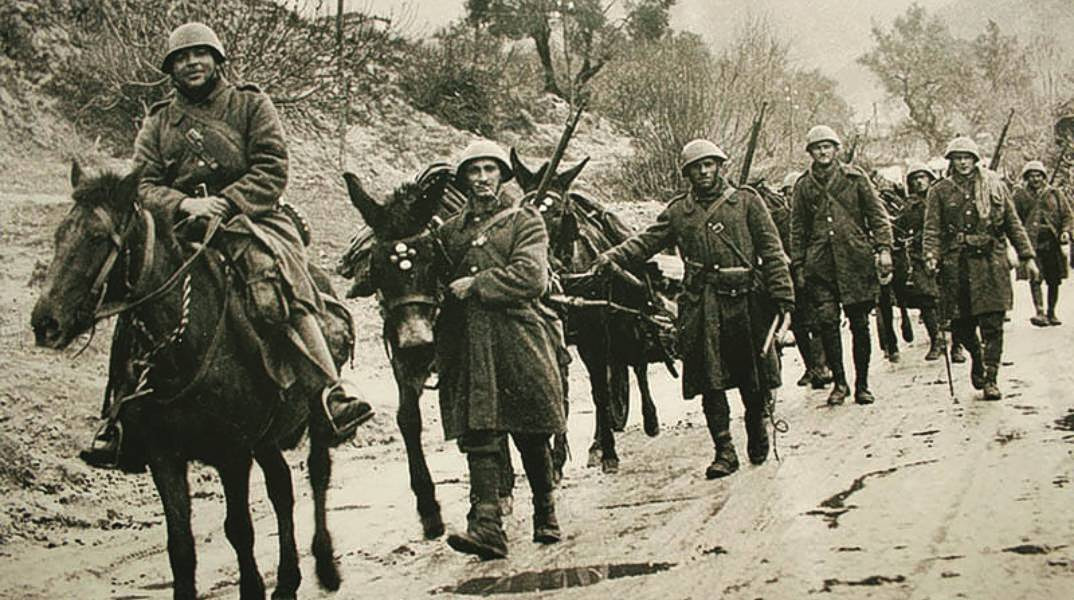
The article refers to the heroic resistance of the Greek people against the Italian invasion in 1940 and the tumultuous wartime situations at the Albanian front, highlighting the strength of the Greek spirit and the important role of women during the war. #Ελλάδα #Ιστορία #Ελευθερία (translated)

The exhibition of Efthymios Varlamis for Mount Athos, inaugurated by the Patriarchs Bartholomew and Daniel in Sofia, highlights the spiritual identity of Orthodoxy and includes portraits of Athonite monks, focusing on the inner dimension of the sacred space. #ΆγιονΌρος #ΕυθύμιοςΒαρλάμης #Πολιτισμός (translated)
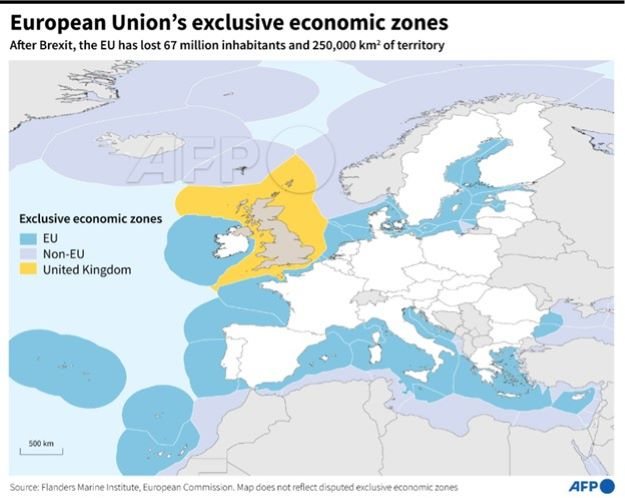
FLORENTIA stated that Turkey selectively used international law to contest the influence of the Greek islands and to claim greater control in the Eastern Mediterranean. She wrote that Kastellorizo had a crucial position, as it, according to her, connected the Greek and Cypriot Exclusive Economic Zones, and claimed that Ankara aimed to place Turkish continental shelf between Greece and Cyprus. Regarding Cyprus, FLORENTIA mentioned that Turkey argued to the west of the island that it was not entitled to a continental shelf, while to the east and south it invoked the rights of islands and signed delimitation agreements with the entity it referred to as a "pseudo-state." According to the post, these moves aimed to involve energy companies with the Turkish Cypriot side and to use natural gas as a means of pressure. FLORENTIA linked Turkish claims to the Turkey-Libya Memorandum and the doctrine of "Blue Homeland," arguing that the goal was for Turkey to gain a regulatory role in pipelines, cables, and investments towards Europe. She also criticized what she described as the contradiction between Turkey's non-accession to the UNCLOS and the invocation of judicial decisions based on it. Finally, she noted that an official European map showed a maritime zone between Crete, Kastellorizo, and Cyprus, which, according to her, Turkey presented as disputed. #Καστελόριζο #ΔιεθνέςΔίκαιο #Γεωπολιτική (translated)
Amalia challenged the leftist narrative regarding the participation of women in the Democratic Army of Greece (DSE) during the Civil War, arguing that their enlistment did not necessarily indicate emancipation. She cited data indicating that about 10,000 women served in the DSE, approximately a quarter of its total strength. Of these, she wrote, 30% participated in combat units while the rest worked in the rear. At the time of the posting, 3,000 of the women were "Slavo-Macedonians." Amalia mentioned that these women were connected to the Anti-Fascist Women’s Front of Macedonia (AFŽ), which was established in Skopje on December 14, 1944, and functioned as the women's section of the NOF. The NOF, she wrote, was founded in Skopje in April 1945 with the initiative and support of Tito and, after an agreement between the KKE and Tito, was incorporated into the DSE. She argued that these organizations aimed for the incorporation of Greek Macedonia into the "Yugoslav Republic of Macedonia." Amalia stated that after the Stalin-Tito split in 1948, the KKE established the Nationwide Democratic Women’s Union (PDEG), as it could no longer control the AFŽ. According to the posting, the first event of the PDEG took place on October 25, 1948, in Kallithea Prespa, with 44 women, seven of whom were "Slavo-Macedonians." Chrysa Chatzivassiliou was elected president, who, as she wrote, was described in a misogynistic manner by party officials. She also cited a report by Nikos Zachariadis to Stalin on October 17, 1950, regarding the condemnation of Chatzivassiliou by the 3rd Conference. Regarding the other 7,000 women, Amalia argued that the majority were forcibly recruited. She referenced Markos Vafeiadis's estimate that from mid-1947, recruitment into the DSE had become "entirely violent" and that volunteers did not exceed 10%. She also cited research by the author Tasoula Ververioti on the educational level of women, as well as testimonies about difficult living conditions, shortages of clothing and hygiene products, and health issues. She added that many had suffered sexual assaults. As sources, Amalia cited works by Tasoula Ververioti and Margarita Lazaridou, as well as material from the Philip Hiliou Archive at the ASKI. In the end, she mentioned Mirka Ginova (Irene Gkin), Katina Andrejeva (Andreopoulou), Afrodita Dovalovska, and Jordana Slatnikova, along with their places of origin. #Γυναίκες #Αριστερά #Ιστορία (translated)
The author wondered if it was about the Holy Trinity and mentioned God the Father, the Son, and the Holy Spirit. He repeated the phrase "almost, time" three times. #ΑγίαΤριάδα #Θεός #Πνεύμα (translated)
Dimitris Rodis posted a saying attributed to Abba Isaiah, according to which people should consider that everything they have comes from God and thank Him. https://t.co/SizCfUyYje #Θεός #Ευχαριστίες #Πνευματικότητα (translated)
Nikos Appelaios II accused a woman of returning with "fake patriotism" and accused her of distorting her statements. He wrote that she had expressed dissatisfaction with the National Anthem of the Greeks and had called for the liberation of Cyprus from all foreign powers, naming Turkey and Greece. According to him, she had also questioned the interest of Turkey, Greece, and the guarantor powers in Cyprus and had requested that propaganda for Turkish Cypriots and Greek Cypriots be removed from school textbooks. Appelaios claimed that her positions referred to Turkish positions and did not defend history and national rights. He criticized her for speaking about the Bizonal Bicommunal Federation and the heroes of EOKA, while, as he wrote, she had insulted their struggle and memory. He called her disrespectful, ungrateful, historically ignorant, and shameless. #Ελλάδα #Κύπρος #Πατριωτισμός (translated)
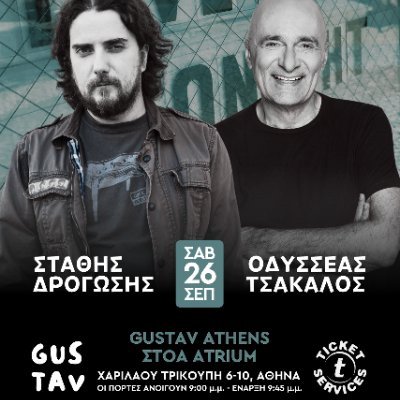
Stathis Drogosis argued that Nikos Karvelas would find it difficult to prohibit Anna Vissi from performing his songs. He wrote that he would have to prove in court that the singer, who originally performed them, no longer respected them, distorted their meaning, or questioned their authorship. Drogosis criticized journalists who commented on the issue without, in his opinion, knowing the legislation on intellectual and neighboring rights. #ΝίκοςΚαρβέλας #ΆνναΒίσση #ΠνευματικάΔικαιώματα (translated)
Faïlos Kranidiotis characterized him as a leader of international stature and mentioned that Greece, its culture, and its values were familiar to the American elite and constituted its spiritual cradle. #Ελλάδα #Πολιτισμός #Ηγεσία (translated)
Adonis Georgiadis said that he closely watched the speech of U.S. Secretary of State Marco Rubio at Pnyx, in front of the Acropolis, and described it as the most important political speech he had ever heard. According to him, Rubio spoke not only as the head of American diplomacy but also as a political representative of the people of the West, and his speech had historical significance. Georgiadis stated that he fully agreed with what Rubio said and that he felt proud of Rubio's admiration for Greek ancestors, as well as for the public recognition of Greece's credibility and success. He added that Greece, Rome, and Christianity represented, in his view, the foundations of Western civilization and argued that its decline needed to end so that the West could rediscover its roots, values, and spirit. Finally, he expressed his congratulations and gratitude to Rubio. #Πολιτική #ΔυτικόςΠολιτισμός #Ελλάδα (translated)
The American Secretary of State Marco Rubio is expected to speak about the future of Western civilization in his speech at Pnyx, calling on Americans and Europeans for a "great renaissance of the Western spirit," as announced by the US Assistant Secretary of State responsible. #Διπλωματία #ΕλλάδαΗΠΑ #ΣτρατηγικόςΔιάλογος (translated)
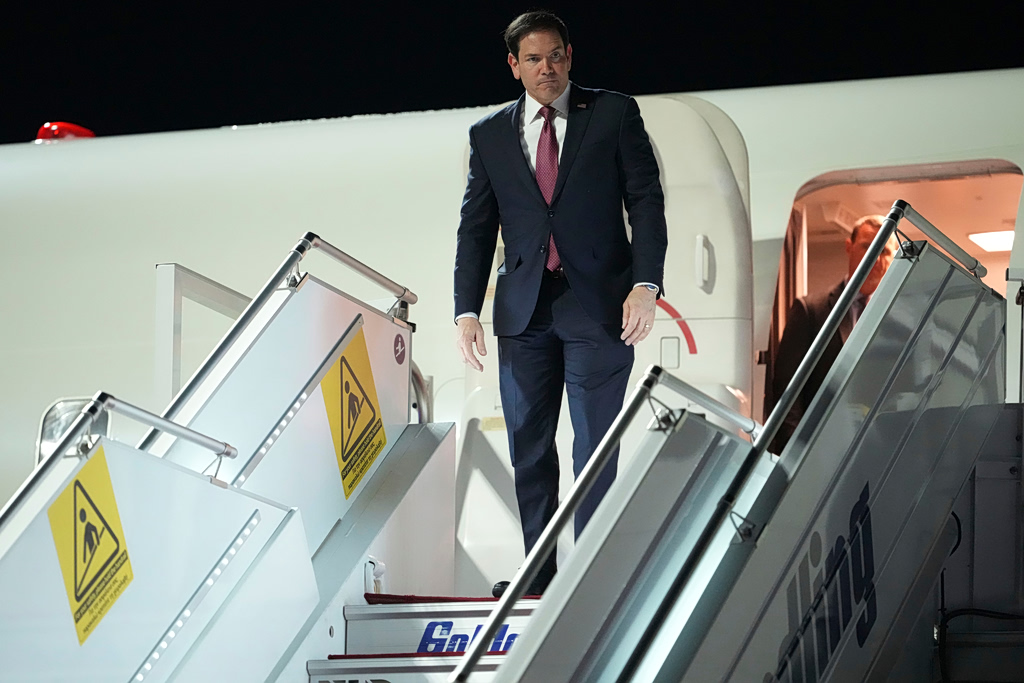
U.S. Secretary of State Marco Rubio is meeting in Athens with Greek officials as part of the 6th Strategic Dialogue, focusing on defense, energy, and geopolitical developments, while also delivering a speech at Pnyx on the revival of the Western spirit. #Διπλωματία #ΕλλάδαΗΠΑ #ΣτρατηγικόςΔιάλογος (translated)

Marco Rubio will speak against the backdrop of the Acropolis about the "rebirth of the Western spirit." #ΣτρατηγικόςΔιάλογος #ΜάρκοΡούμπιο #ΔυτικόςΠολιτισμός (translated)
The U.S. Secretary of State Marco Rubio is in Athens for the 6th Round of the Strategic Dialogue, focusing on energy, security, and cultural heritage, and will address Americans and Europeans with a speech about the need for a revival of the Western spirit. #ΣτρατηγικόςΔιάλογος #ΜάρκοΡούμπιο #ΔυτικόςΠολιτισμός (translated)
Lena Argiri wrote that Marco Rubio would call on Americans and Europeans in his speech to unite their forces for the revival of the spirit of the West. According to her, he would warn that a large part of culture has forgotten fundamental values and would urge the rejection of decay, the defense of common heritage, and a joint response to the challenges in the competition of great powers. #Δύση #Πολιτισμός #Αξίες (translated)
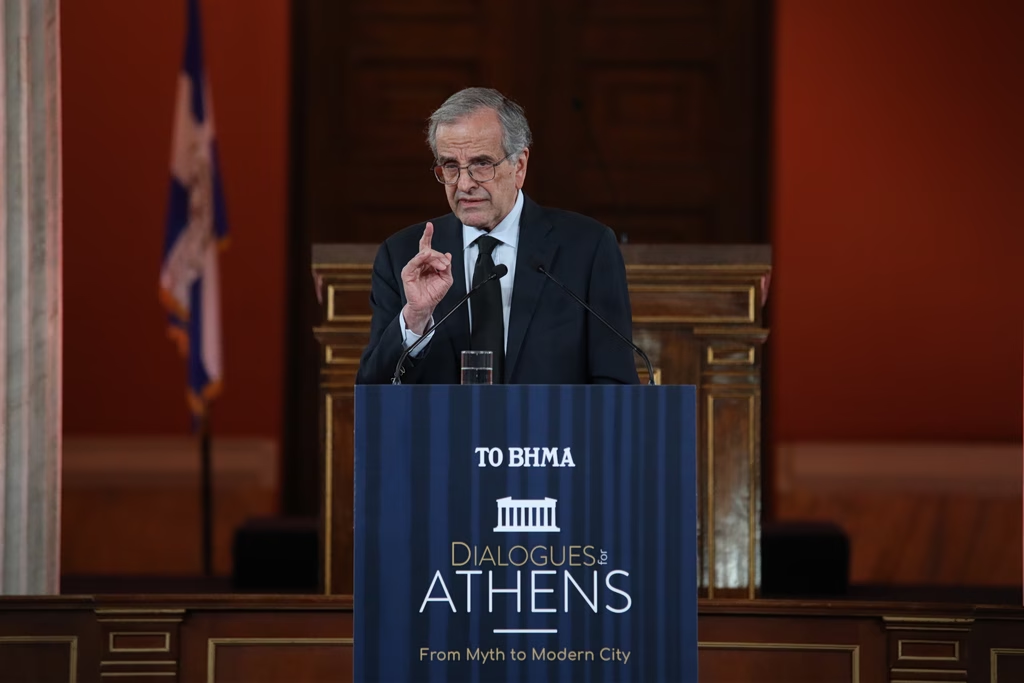
At the Conference of Vima, former Prime Minister Antonis Samaras emphasized the need to return to a politics of ideas and visions, expressing concerns about the social and spiritual decline that accompanies the creation of metropolises like Athens. #Σαμαράς #Πολιτική #Μεγαλούπολη (translated)

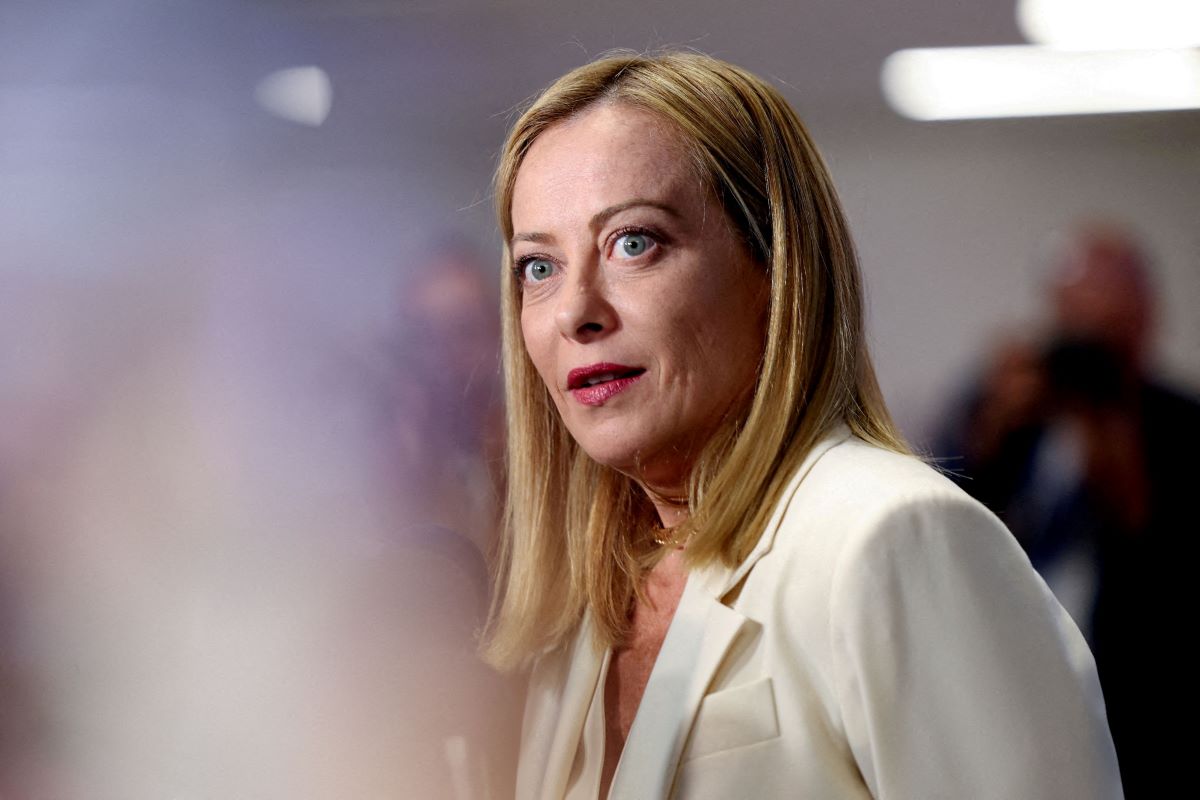
Giorgia Meloni has submitted a request to register her voice and protect it from illegal reproduction through artificial intelligence. #ΤεχνητήΝοημοσύνη #ΠνευματικήΙδιοκτησία #ΤζόρτζιαΜελόνι (translated)

Βρισκόμαστε στο Scriptorium (το γραφείο αντιγραφής) της Μονής Στουδίου, στην Κωνσταντινούπολη του 834 μ.Χ. Αδελφός Ιλαρίων, ένας νεαρός μοναχός και αντιγραφέας, αισθάνεται εξαντλημένος από την ορθοστασία και την προσπάθεια. Όμως δεν μπορεί να σταματήσει. Κάθε λίγο και λιγάκι σταματά από πάνω του ο Μάγιστρος Θεόδωρος, ο αυστηρός επιβλέπων (βασικά ο Βιβλιοφύλακας) του μοναστηριού. Το φως των κεριών τρεμοπαίζει. Ο Ιλαρίων έχει μπροστά του έναν αρχαίο, φθαρμένο πάπυρο του 4ου αιώνα π.Χ. γραμμένο σε συνεχή μεγαλογράμματη γραφή χωρίς κανένα κενό. Η αποστολή του είναι ιστορική: πρέπει να μεταφέρει το κείμενο σε μια νέα περγαμηνή, χρησιμοποιώντας τη νέα, γρήγορη μικρογράμματη γραφή και τοποθετώντας, για πρώτη φορά συστηματικά, τόνους και πνεύματα. Τα μάτια του είναι κόκκινα από την κούραση. Διαβάζει τη γεμάτη κεφαλαία σειρά: "...ΟΥΚΕΣΤΙΝΑΝΘΡΩΠΟΣ..." Το μυαλό του θολώνει. Πρέπει να πάρει μια απόφαση. Σκέφτεται το νόημα του κειμένου του Αριστοτέλη. Βουτάει την πένα στο μελάνι και γράφει στη νέα περγαμηνή: "οὐκ ἐστὶν ἄνθρωπος"... Ο Μάγιστρος Θεόδωρος στέκεται από πάνω του, παρατηρώντας τη σελίδα με ένα μικρό κερί. Ξαφνικά, το βλέμμα του παγώνει στο σημείο που μόλις χαράχτηκε. Κοιτάζει τον Ιλαρίωνα στα μάτια με αυστηρότητα, δείχνει με το δάχτυλό του τη λέξη και μένει σιωπηλός, περιμένοντας από τον νεαρό μοναχό να καταλάβει μόνος του τι έκανε. ---------------------- Ίσως να καταλάβατε τι λάθος έκανε ο κουρασμένος μοναχός που μόλις δυο μέρες πριν είχε γράψει απελπισμένος στην άκρη της περγαμηνής που δούλευε : "Ἡ γραφὴ αὕτη ἐστὶ βάσανος τῷ ἀναγινώσκοντι, ἀλλὰ τριπλή βάσανος τῷ γράφοντι· τό μελάνι κακό, τό πετσί σκληρό, κι ο τόνος πήγε στραβά. Ἐλέησόν με, Κύριε..." Στην κλασική αρχαιότητα, οι Έλληνες δεν χρησιμοποιούσαν τόνους. Η γραφή ήταν αποκλειστικά μεγαλογράμματη και συνεχής. Οι φυσικοί ομιλητές δεν χρειάζονταν σημάδια, διότι η αρχαία ελληνική δεν ήταν μια γλώσσα έντασης (όπως η σημερινή για παράδειγμα), αλλά μια μουσική γλώσσα. Όταν ένας αρχαίος Έλληνας διάβαζε ένα κείμενο, αυτό δεν λειτουργούσε απλώς ως γραφή, αλλά ως μια ιδιότυπη μουσική παρτιτούρα. Τα σημάδια που εφευρέθηκαν αργότερα δεν ήταν γραμματικοί κανόνες, αλλά μουσικές νότες που καθοδηγούσαν το ύψος της φωνής: - Η Οξεία ( ΄ ) ήταν μια ψηλή νότα, που ανέβαζε τη φωνή κατά ένα μουσικό διάστημα μιας πέμπτης καθαρής. - Η Βαρεία ( ̀ ) ήταν η βασική νότα, που κρατούσε τη φωνή στο χαμηλό, φυσικό της επίπεδο. - Η Περισπωμένη ( ͂ ) ήταν ένα μουσικό legato, ένας κυματισμός όπου η φωνή ξεκινούσε από ψηλή νότα και γλιστρούσε προς τα κάτω στην ίδια συλλαβή (γι' αυτό και έμπαινε μόνο σε μακρά φωνήεντα που είχαν τη χρονική διάρκεια να υποστηρίξουν αυτό το ηχητικό κύμα). Για να καταλάβουμε πώς λειτουργούσε η γλώσσα, αρκεί να δούμε τη λέξη που χρησιμοποιούσαν οι ίδιοι οι αρχαίοι για τον τονισμό: "Προσωδία" (από τις λέξεις προς + ᾠδή, που σημαίνει τραγούδι). Για τους αρχαίους Έλληνες, η προσωδία ήταν κυριολεκτικά "το τραγούδι που συνοδεύει τον λόγο". Αυτή η λεκτική μελωδία δεν ήταν ίδια σε όλη την Ελλάδα. Κάθε διάλεκτος είχε τη δική της "παρτιτούρα". Η διάλεκτος των Σπαρτιατών (η Δωρική) ακουγόταν στους υπόλοιπους Έλληνες ως η πιο βαριά και τραχιά. Οι Σπαρτιάτες είχαν την τάση να κρατούν τη φωνή τους χαμηλά και να "σπρώχνουν" τη μουσική τους νότα προς το τέλος της λέξης (π.χ. έλεγαν ανθρώποι αντί για άνθρωποι ή πατερώ̃ν αντί για πατέρων), δίνοντας στην ομιλία τους έναν ρυθμό που έμοιαζε με στρατιωτικό εμβατήριο. Όταν λοιπόν οι λόγιοι μιλούσαν για τους κανόνες της προσωδίας, δεν αναφέρονταν σε ξερούς γραμματικούς κανόνες, αλλά στους κανόνες της λεκτικής μελωδίας. Με τις κατακτήσεις του Μεγάλου Αλεξάνδρου, η Ελληνική έγινε η διεθνής γλώσσα (Lingua Franca δηλαδή). Εκατομμύρια ξένοι έπρεπε να τη μάθουν, αλλά αδυνατούσαν να "τραγουδήσουν" τις λέξεις χωρίς οδηγό. Γύρω στο 200 π.Χ., ο Αριστοφάνης ο Βυζάντιος, διευθυντής της Βιβλιοθήκης της Αλεξάνδρειας, σχεδίασε για πρώτη φορά αυτές τις "νότες" πάνω στο χαρτί. Στόχος του ήταν να δώσει στους ξένους μια οπτική παρτιτούρα για να μην καταστρέφουν τη μελωδία της γλώσσας, αλλά και να διασώσει την απαγγελία των ομηρικών επών, καθώς η γλώσσα είχε αρχίσει ήδη να χάνει τη μουσικότητά της. Οι Ρωμαίοι αριστοκράτες μάθαιναν τα Ελληνικά ως σύμβολο ανώτερης μόρφωσης. Στη δική τους γλώσσα (τα Λατινικά) δεν είχαν τόνους, καθώς είχαν δυναμικό τόνο. Τι εννοώ; Χτυπούσαν κατά κάποιο τρόπο τη συλλαβή με την ένταση, περίπου όπως κάνουμε και εμείς σήμερα. Για να καταφέρουν να διαβάσουν τα ελληνικά κείμενα, βασίζονταν απόλυτα στην παρτιτούρα των τόνων του Αριστοφάνη. Ωστόσο, η δυσκολία τους να πετύχουν το ελληνικό τόνο ήταν παροιμιώδης, και συχνά οι Έλληνες λόγιοι σχολίαζαν τη "βαριά" λατινική τους προφορά. Κατά τον 9ο αιώνα, οι Βυζαντινοί μοναχοί προχώρησαν στον μεταχαρακτηρισμό, δηλαδή τη μεταφορά όλων των αρχαίων κειμένων από τα κεφαλαία στα μικρά γράμματα (μικρογράμματη γραφή). Αυτό έγινε για λόγους οικονομίας χώρου (η περγαμηνή ήταν πανάκριβη τότε) αλλά και ταχύτητας.Σε αυτή τη φάση, οι τόνοι και τα πνεύματα ενσωματώθηκαν υποχρεωτικά σε κάθε λέξη. Η διαδικασία αυτή οδήγησε σε συχνά λάθη: - Λέξεις που χωρίς τόνους έμοιαζαν ίδιες, αλλά άλλαζαν νόημα ανάλογα με τον τονισμό σαν το παράδειγμα που σας έδωσα στην αρχή, ή σαν το ὅρος = κανόνας / ὄρος = βουνό. Λέξεις δηλαδή που ήταν "Ομόγραφες". - Λόγω της κούρασης από τη συνεχή ανάγνωση των κολλημένων γραμμάτων, οι γραφείς μπέρδευαν γραμμές που τελείωναν με την ίδια λέξη, παραλείποντας ολόκληρες παραγράφους. "Ομοιοτέλευτο" όπως λέει και η ίδια η λέξη! Παρά το γεγονός ότι η ελληνική γλώσσα είχε χάσει τη μουσικότητά της και είχε γίνει "δυναμική" ήδη από την ύστερη αρχαιότητα, το πολυτονικό σύστημα επιβίωσε για πάνω από 1.000 χρόνια. Αυτό συνέβη επειδή η τυπογραφία του 15ου αιώνα αντέγραψε πιστά τα βυζαντινά χειρόγραφα, αλλά και επειδή το πολυτονικό θεωρήθηκε το οπτικό "DNA" της ιστορικής συνέχειας του ελληνισμού. Το σύστημα καταργήθηκε οριστικά τον Ιανουάριο του 1982 με την ψήφιση του μονοτονικού, κυρίως για την απλοποίηση της σχολικής εκπαίδευσης και τις τεχνικές ανάγκες της σύγχρονης τυπογραφίας και των υπολογιστών. ---------------------- Ορμώμενη από τη συζήτηση που συμμετείχα χθες (στην οποία ομολογουμένως πήγα τελείως απροετοίμαστη για το ύφος της και είπα τα "δικά μου" και εντυπωσιάστηκα από τα αρχεία του κ.Κεχρή - συγγνώμη, δεν έχω αναζητήσεις για να τον προσθέσω - και τον μεστό λόγο του διοργανωτή) είπα να σας δώσω σήμερα αυτό το κορυφαίο επίτευγμα εφαρμοσμένης γλωσσολογίας, που θα το χαρακτήριζα ως "κοσμοϊστορική πολιτισμική κιβωτό"... Καλημέρα σε όλους! #Γλωσσολογία #ΑρχαίαΕλλάδα #Πολιτισμός