WRLD

Search

#1940
Corneille Nangaa 2d

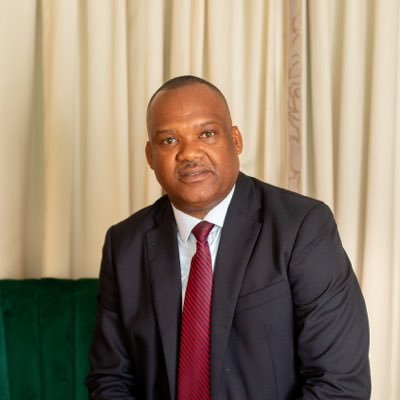
Corneille Nangaa criticized the Coalition Article 64 (C64) for straying, in his view, from its initial mission of defending the Constitution by favoring dialogue and then mediation. He asked the movement on whose behalf and between which parties it intended to act as arbitrators. Nangaa stated that a way out of the crisis could be negotiated, but that one should not put the Constitution and those who violated it on the same level. He also rejected any compromise with individuals he accused of wanting to tear apart the fundamental law to obtain a third mandate. He presented Goma as a place of Congolese resistance and indicated that bishops from CENCO and ECC, representatives of the United Nations and the European Union, as well as former heads of state engaged in African Union efforts, had been received there. He invited members of the C64 to go there, calling on them to defend the law rather than to arbitrate between the Constitution and those who violated it. Nangaa compared the situation to Charles de Gaulle's call for resistance in 1940 and argued that the Constitution should remain a limit imposed on power, rather than a bargaining chip. #Constitution #Résistance #RDC (translated)
3000
Gérard Araud 3d

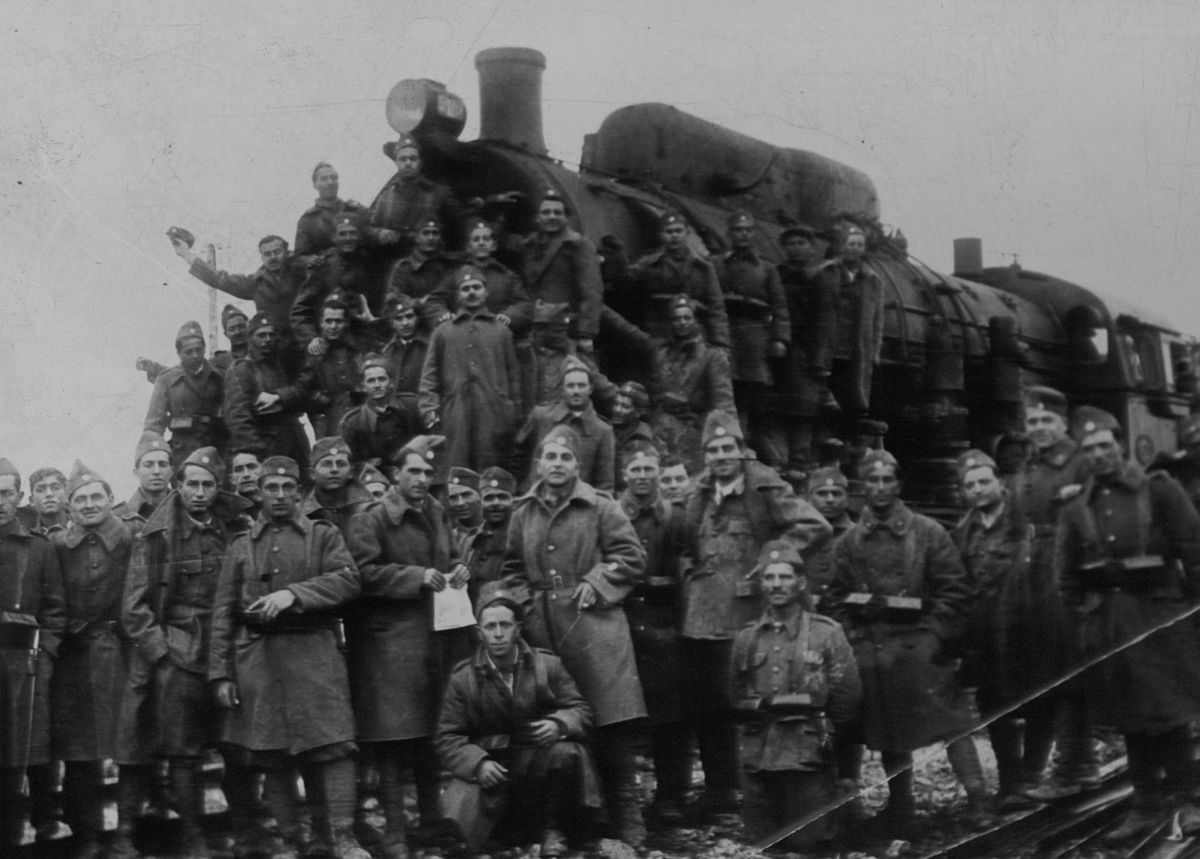
The author wished a good "NO" (OXI) day to his Greek friends. He recalled that the Greeks had opposed this refusal to Italian fascism on October 28, 1940, and then resisted their enemies until the Nazi intervention in spring 1941, describing this resistance as heroic and victorious. #OxiDay #Histoire #Résistance #GR #IT #DE (translated)

2902

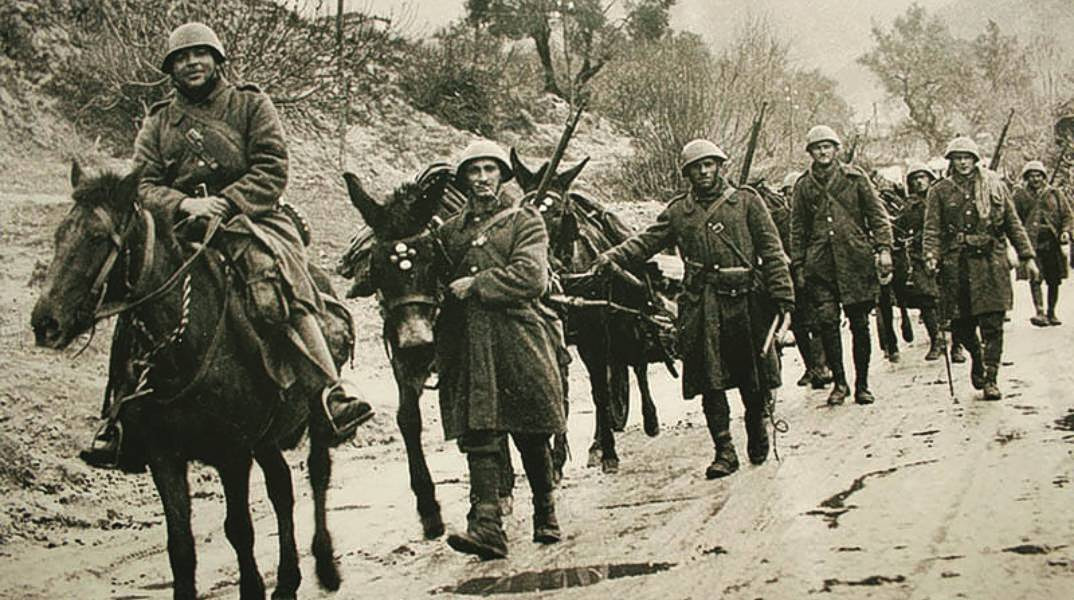
The author congratulated the children who, as he wrote, marched despite the rain in honor of the heroes of the epic of 1940. He mentioned that the fighters in the mountains of Northern Epirus proved that victory did not depend solely on the superiority of an army, but also on the values for which they fought. He closed with wishes for many years to come. https://t.co/UfkOfA1znY #1940 #Ελλάδα #Ηρώες #GR (translated)

2680
ert.gr 3d

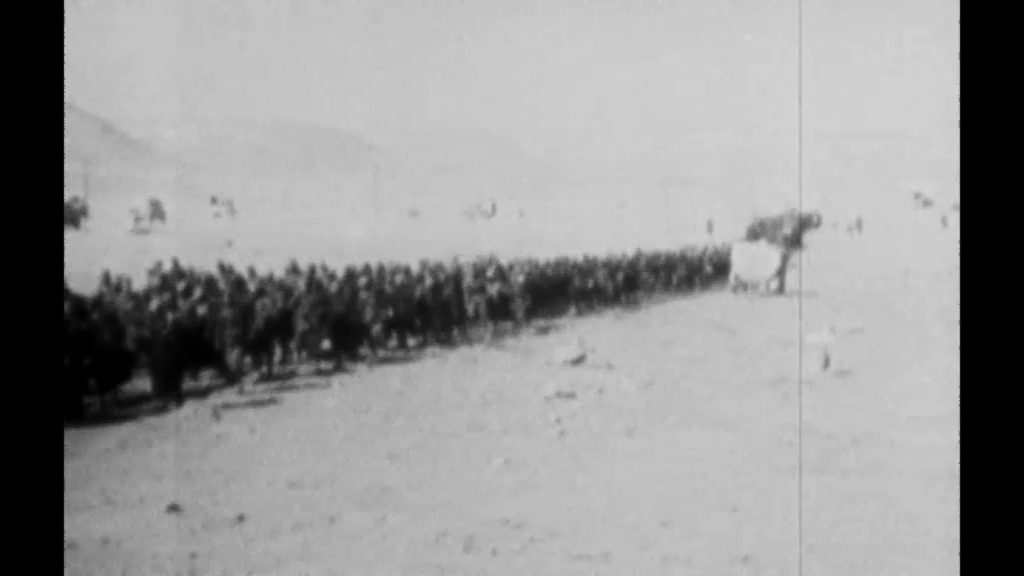
The documentary by Kostas Vakkas analyzes the Italian invasion of Greece in 1940, examining the fascist propaganda and the strategic reasoning behind the Greco-Italian War, through testimonies and interviews with politicians and historians. #28ηΟκτωβρίου #ΕλληνοΙταλικόςΠόλεμος #Φασισμός (translated)

www.ert.gr
Η Ελλάδα μπαίνει στο Β’ Παγκόσμιο Πόλεμο – 28 Οκτωβρίου 1940
1677
L
Leif Rasmussen 3d

It seems reasonable that both Finland and Norway have contacted Putin and are trying to find a solution to the war that Putin started against Ukraine through dialogue. But before criticizing Mette Frederiksen for the contact made by Finland and Norway, one must understand the history. Just as one cannot reason with a mad dog, one cannot reason with Putin; politicians tried that with economic cooperation until 2014, and history clearly shows that the regime in Russia does not seek peace and dialogue. A little historical fact: The Soviet Union (then Russia) joined the Allies' side on June 22, 1941, when Nazi Germany (under Adolf Hitler's leadership) invaded the country. Until then, the Soviet Union and Germany had a non-aggression pact, which meant they were not fighting on the same side but had divided Eastern Europe between them, leading to the mass extermination of Polish officers. November 1939. The Soviet Union (under Joseph Stalin) attacked Finland. The war ended with the Moscow Peace Treaty on March 13, 1940. Finland preserved its independence but had to give up about 13% of its territory. After World War II, the Soviet Union (where Russia was the dominant power) took over and occupied several countries in Europe. These included directly annexed areas and states that were made into communist vassal states behind the Iron Curtain. The following countries and territories were directly or indirectly under Soviet control and occupation: Countries directly annexed/subjugated: Estonia, Latvia, and Lithuania. These were incorporated into the Soviet Union as Soviet republics (the Baltic states). Vassal states (the Eastern Bloc): Poland, Czechoslovakia, Hungary, Romania, Bulgaria, Albania, and the Soviet occupation zone in Germany (later East Germany). Other European countries: The eastern part of Austria was also occupied by Soviet forces until 1955, after which the country became neutral. Other wars/attacks started by Russia/Soviet Union: The most notable wars and attacks include: The Hungarian Revolution (1956): Soviet forces invaded Hungary to brutally quell a popular and political uprising. Prague Spring in Czechoslovakia (1968): The Soviet Union and Warsaw Pact allies invaded Czechoslovakia to stop political reforms. The Soviet-Afghan War (1979-1989): The Soviet Union invaded Afghanistan to support the communist government against Islamic insurgents. The First Chechen War (1994-1996): Russia invaded the breakaway republic of Chechnya to prevent its secession, resulting in significant civilian casualties. The Second Chechen War (1999-2009): Renewed Russian invasion and extensive military operations in Chechnya, leading to the region coming under Russian control again. The War in Georgia (2008): After prolonged tensions, Russia carried out a military attack and invasion in Georgia following unrest in the Russian-backed breakaway regions of South Ossetia and Abkhazia. The annexation of Crimea (2014): Russian special forces and military (without identifiable insignia) moved in and occupied the Ukrainian peninsula of Crimea, which subsequently led to an illegal annexation. The Russian-Ukrainian War (2022-present): On February 24, Russia launched a comprehensive and unprovoked invasion attack on Ukraine, a war that escalated an ongoing conflict. Additionally, Russian forces and mercenaries (such as the Wagner group) have carried out smaller military interventions and support operations, including in the Syrian civil war (since 2015) and in Transnistria (Moldova) in the early 1990s. The war must of course be stopped with a fair agreement for Ukraine and Europe. This is likely only achievable if the resistance against Putin, due to poor living conditions in Russia and loss of Russian lives, becomes sufficiently large to force the criminal Putin to make concessions to the Russian populace. (translated)

224

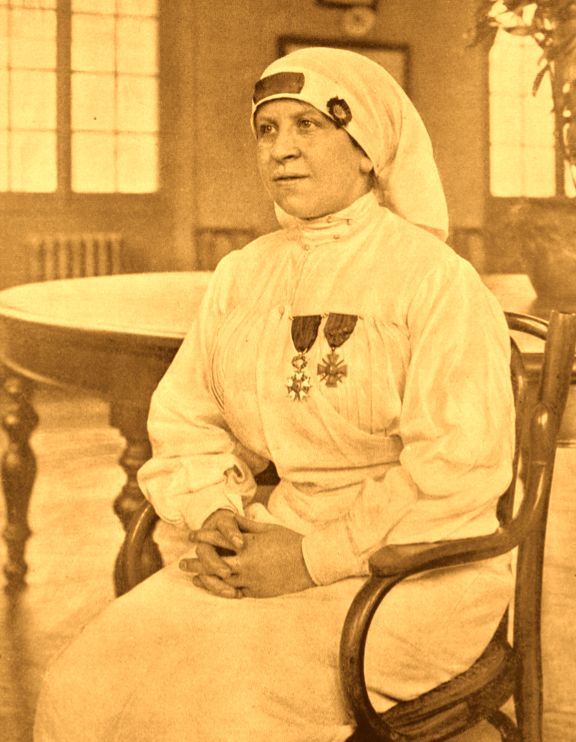
The Combatants of Liberation presented Marcelle Semmer as a nurse who had already risked execution by firing squad in 1914 for her deeds. The report stated that she had requested to be shot by French weapons. It added that in 1940, as History repeated itself in his view, she could only add the Medal of Resistance to those she had already received. https://t.co/frLcl4DS6b #Histoire #Résistance #Infirmière (translated)

2908

The author of the post characterized October 28, 1940, as a day of faith, courage, and sacrifices in the history of Hellenism. He also mentioned that Orthodoxy honored the Holy Shelter of the Most Holy Theotokos, a feast that, as he wrote, was connected in Greece with the national anniversary of "NO" and the events of 1940. https://t.co/iyicDqLM7r #28ηΟκτωβρίου #Ελληνισμός #Ορθοδοξία #GR (translated)

3356
Γεάδης Γεάδη 3d

The author of the post quoted words attributed to Ioannis Metaxas, according to which for the Greeks glory was superior to victory. He also commemorated the anniversary of the "No" of October 28, 1940, and wished many years to Greece. https://t.co/TqDrwSzMvN #Ελλάδα #28Οκτωβρίου #Νίκη #GR (translated)

3356

The author of the post mentioned that the "No" of October 28, 1940, had become a symbol of freedom and national dignity. https://t.co/i8pcuZPxUB #Ελευθερία #ΕθνικήΑξιοπρέπεια #Ιστορία #GR (translated)

2685

The author referred to October 28, 1940, stating that the day has been recorded in the history of Hellenism with faith, courage, and sacrifices. He characterized the ancestors' "No" as a timeless symbol of freedom, dignity, and love for the homeland, and mentioned that it reminded everyone who the Greeks are when they remain united. He added that the anniversary represented a duty for today's Greeks. https://t.co/e8DkCM3QO6 #Ελευθερία #Ιστορία #Ελλάδα #GR (translated)

3133

The article refers to the heroic resistance of the Greek people against the Italian invasion in 1940 and the tumultuous wartime situations at the Albanian front, highlighting the strength of the Greek spirit and the important role of women during the war. #Ελλάδα #Ιστορία #Ελευθερία (translated)

www.tovima.gr
Επιστολικές μαρτυρίες από το αλβανικό μέτωπο
2350
Vassilis Kikilias 3d

The author of the post described October 28th as a constant reminder that freedom, dignity, and national independence are not taken for granted but are achieved through courage, unity, and sacrifices. He mentioned that the "No" of 1940 encapsulated the solidarity and determination of an unconquered and unbound people. https://t.co/k6yRdVueiq #Ελευθερία #Ανεξαρτησία #28ηΟκτωβρίου #GR (translated)

2910
ert.gr 3d

The documentary by Kostas Vakkas analyzes the fascist regime and the conditions of the Italian invasion of Greece on October 28, 1940, through testimonies and interviews with Italian and German politicians and historians. #28ηΟκτωβρίου #ΕλληνοϊταλικόςΠόλεμος #Ιστορία (translated)

www.ert.gr
Η Ελλάδα μπαίνει στο Β’ Παγκόσμιο Πόλεμο – 28 Οκτωβρίου 1940
1679

On October 28, 1940, the Italian ambassador submits an ultimatum to dictator Ioannis Metaxas, requesting Greek territory, with Metaxas's response being a denial and general mobilization being sought in anticipation of war. #Ελλάδα #Πόλεμος #Ιστορία (translated)

www.tovima.gr
28 Οκτωβρίου 1940: Οι πρώτες ώρες του πολέμου όπως τις κατέγραψε το «ΕΛΕΥΘΕΡΟΝ ΒΗΜΑ»
1680
Nikos Dendias 4d

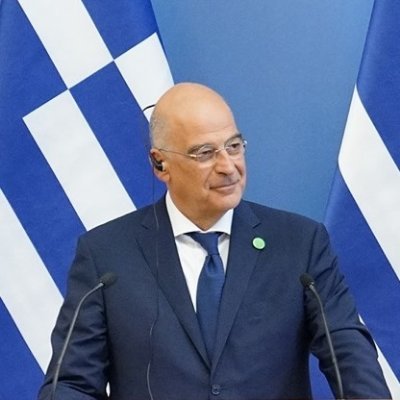
The author stated that October 28th was not just a pinnacle moment in national history, but an opportunity to honor the Greeks who, as he wrote, defended the freedom and independence of the homeland in 1940 against the fascist and, later, the Nazi threat. He also mentioned a parade that was to take place, referring to a relevant link. https://t.co/iQaLdDyA6n #28ηΟκτωβρίου #Ελευθερία #Ιστορία #GR (translated)

3372

The Fighters of Liberation presented Jean de Launoy as a pioneer and an insurance agent engaged in the struggle since the summer of 1940. On October 27, 1942, he had written to his children that they should love France, their homeland, as he himself had loved it "to the point of sacrifice." According to the account, he had been executed shortly thereafter, at the age of 41. https://t.co/VuN0icPHgR #Histoire #France #Résistance (translated)

3373
Kasjopea 5d

Cassiopeia thanked for about 400 wishes she received on the occasion of her 36th birthday. She then addressed Mateusz Morawiecki, Przemysław Czarnek, Krzysztof Bosak, and the Institute of National Remembrance, asking why — as she claimed — for the past 10 years, as the only person on platform X, she has been effectively engaging in a historical debate with the embassies of Germany, Israel, and recently Ukraine, without receiving support from Polish state institutions. She described the situation as a manifestation of falsehood and hypocrisy. She also directed a post to the German ambassador, asking about the "Deutsche Kulturtage" organized by the Germans in occupied Warsaw on October 25, 1940. She requested a description of what — in her opinion — German culture looked like in occupied Poland after September 1, 1939, and an explanation of what happened to the children shown in the attached photo. #NiemieckieZbrodnie https://t.co/uYX0ELCMFj #urodziny #historia #Polska (translated)

3495

The Fighters of Liberation mentioned André Verchuren and a promising career starting in 1940, interrupted according to the account by his assistance to Allied aviators, his arrest, torture, and Dachau. He also recalled that in 1945, when France needed celebrations, Verchuren struggled to play the accordion before embarking on a very successful career. https://t.co/t7PZgA4rDp #Histoire #Musique #Résilience (translated)

2944

The Fighters for Liberation wrote that the handshake between Pétain and Hitler on October 24, 1940, prompted Jacqueline Fleury to join the Resistance at the age of 16. The account noted that this led to her imprisonment, torture, and deportation, and that she was always there to remind that "there are moments when one cannot accept anything." https://t.co/Z1zTsSnqIr #Résistance #Histoire #Mémoire (translated)

3406
Auschwitz Memorial 7d

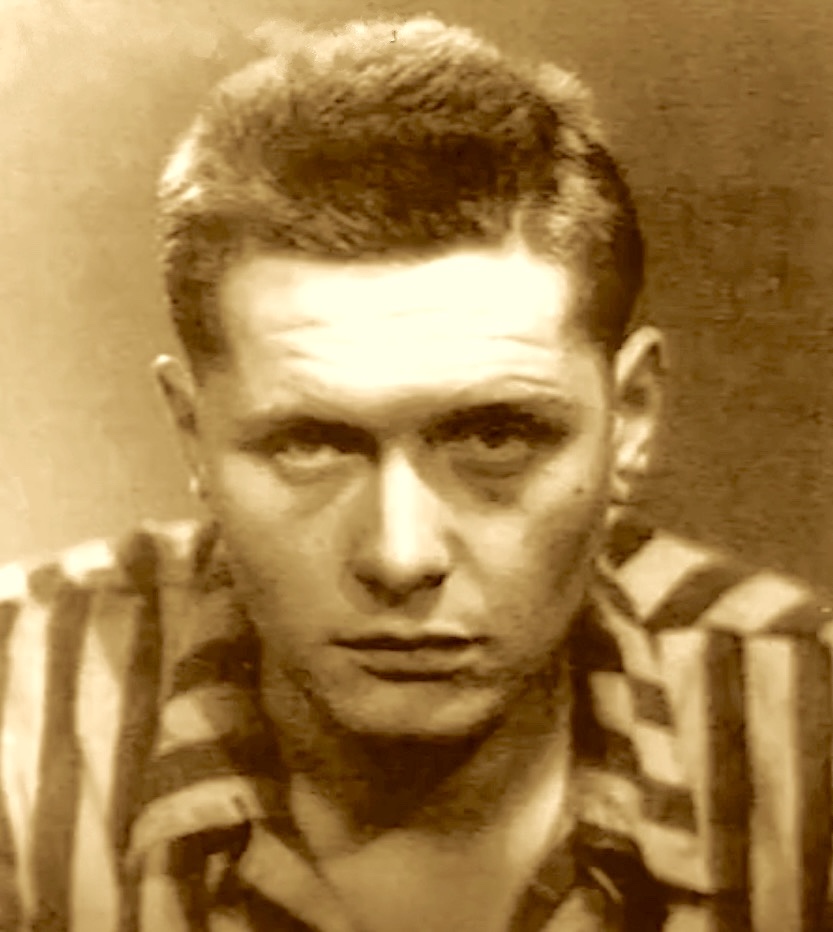
The Auschwitz Memorial reported that Józef Lichtenberg, a Polish teacher, was born in Sanok on 24 October 1914. It said he arrived at Auschwitz on 20 June 1940 as prisoner no. 988 and was shot in the camp on 25 January 1943. The post also linked to an online lesson titled “Poles at KL Auschwitz.” https://t.co/cQHmqJ4wQw https://t.co/xUMhhFwiKu #Auschwitz #Historia #Polska (translated)

2952