WRLD

Search

#1944

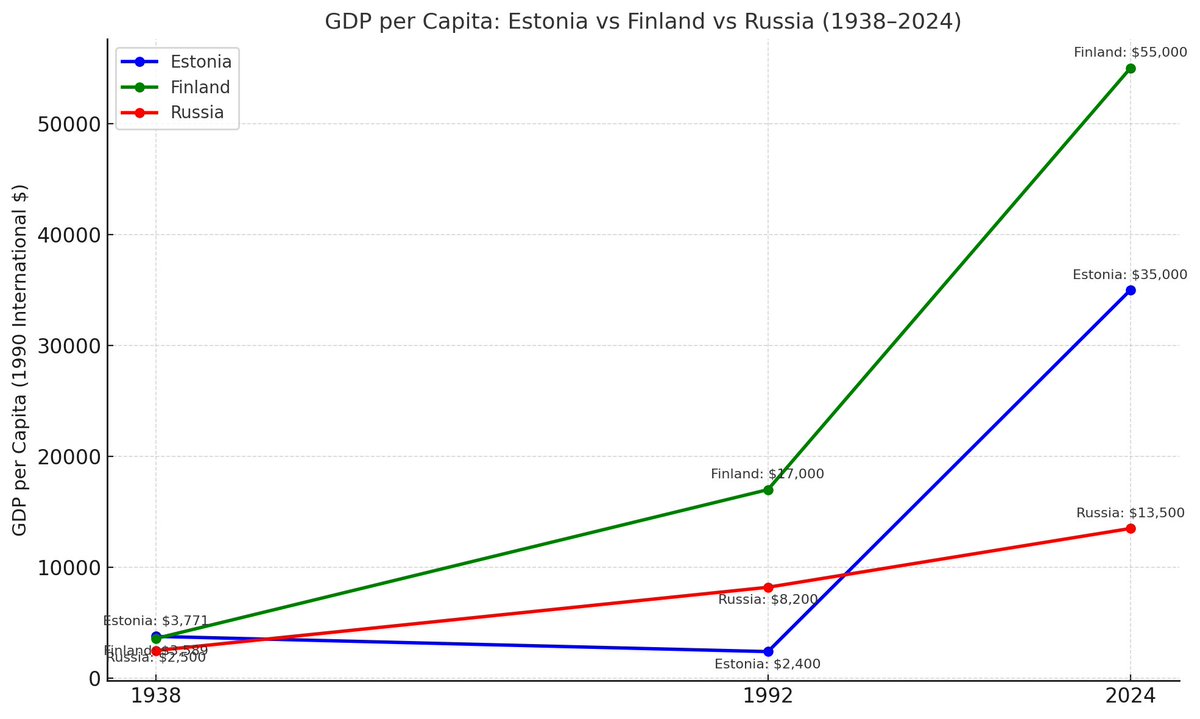
The author argued that countries conquered by Moscow became impoverished, polluted and destroyed, citing Estonia as an example. They wrote that Estonia was wealthier than Finland in 1938 and compared its economy with Finland’s during the Soviet occupation from 1944 to 1991. The post’s final sentence was cut off after referring to “10.” https://t.co/X3jEsrC5Sz #Estonia #SovietOccupation #History #EE #FN #RU
3174
Stefania Maurizi 5d

The writer compared Sofia Liguori to Joseph Rotblat, saying she had resigned from DeepMind because she objected to AI being used to kill. The post said Rotblat left the Manhattan Project in November 1944 after discovering that Hitler did not have the bomb. https://t.co/8mpe6DlDFg #AI #Ethics #Technology #US #GB

3389
wiadomosci.wp.pl 6d

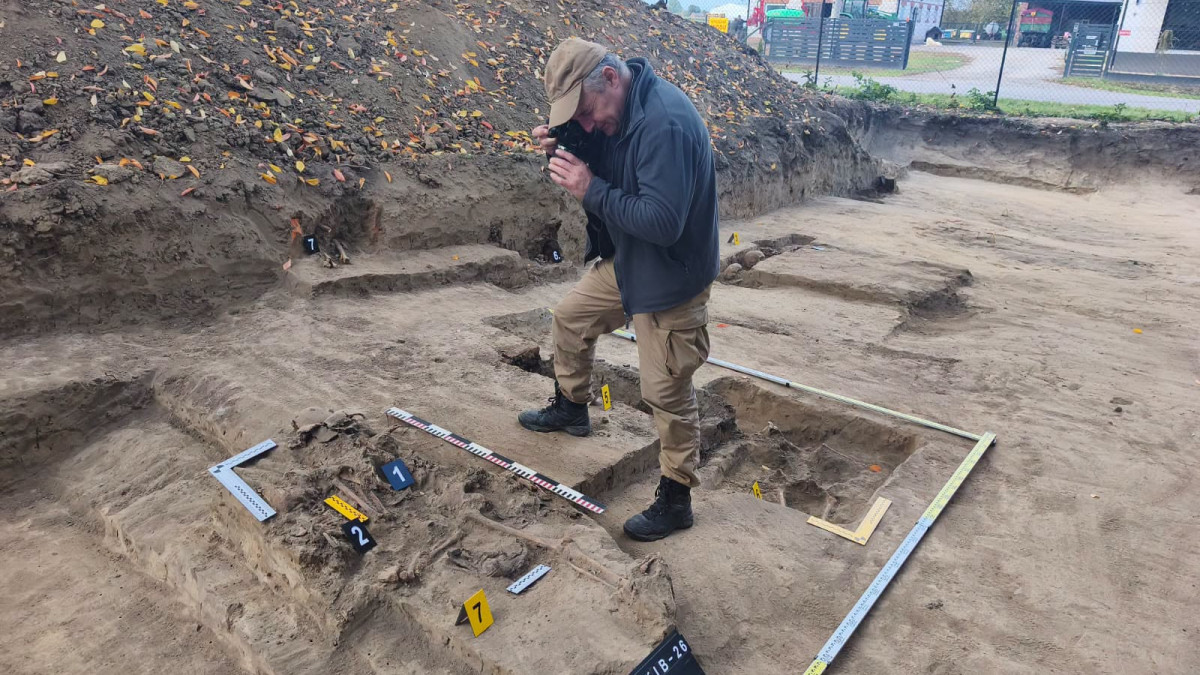
In Łasków, mass graves have been discovered containing the remains of more than 40 Ukrainians murdered in 1944. #masowegroby #Ukraina #InstytutPamięciNarodowej (translated)

wiadomosci.wp.pl
Masowe groby w Łaskowie. Odkryto szczątki ponad 40 Ukraińców
2494
Roberto Vannacci 7d

Roberto Vannacci recalled the boys and girls, the teachers, and the school staff who died in the Anglo-American bombing of the Francesco Crispi elementary school in Gorla on October 20, 1944. He wrote that the victims were 184 and expressed solidarity with their families and the community of Gorla, adding that FN would not forget. https://t.co/fQNbkwlwdt #Gorla #Memoria #1944 (translated)

3061
rmf24.pl 7d

The Ukrainian Institute of National Memory has concluded the search in Łasków, discovering the remains of over 40 people in mass graves, who are victims of the mass murder of Ukrainians from March 1944. #Łasków #historiamasowegoMordu #Ukraina (translated)

www.rmf24.pl
Ukraińcy zakończyli poszukiwania na Lubelszczyźnie. „Szczątki kobiet, dzieci i mężczyzn”
2494
Frenchie 7d

Frenchie wrote that the war memorials in French villages reminded us that men with different political and religious convictions had died for the same land. He believed that their descendants no longer spoke to each other and that "forty years of short-sighted policies" had dug a chasm between two Frances that held each other mutually responsible for their misfortunes. He compared this division to the conflicts between Armagnacs and Burgundians, the Wars of Religion, the Dreyfus Affair, and the Occupation, asserting that France had always risen when the French had prioritized what united them. He mentioned Marc Bloch, executed by the Gestapo in 1944, and Albert Camus, then called on his generation to make difficult decisions and prevent the country from falling apart. According to him, future generations would judge whether they had allowed France to fall apart or contributed to its recovery. #France #Histoire #Patrimoine (translated)

3403
Marco Setaccioli 1w

Marco Setaccioli challenged Marco Travaglio's calculations on European and Russian military spending, stating that Travaglio had indicated 450 billion euros for Europe and 150 for Russia and had argued that Russia had reason to fear Europe, which had invaded it four times in the last 200 years. According to Setaccioli, in the current year Russia would have spent around 17 trillion rubles on defense, equivalent to 181 billion euros, a figure indicated, according to him, by most analysts. He noted that the nominal comparison did not take purchasing power into account: applying indices developed by specialized research centers, Russian spending would rise to 574 billion international dollars, compared to about 700 billion for the entire EU. He added that the EU would have three and a half times the population of Russia and a GDP nine times greater. Setaccioli argued that the Russian federal budget did not show all military costs. He cited studies by economist Craig Kennedy, according to which part of the spending would be financed through subsidized loans and would thus remain on the banks' balance sheets. He also recalled an investigation by Dozhd', which, according to him, had documented pressures on private companies to hire people before signing contracts with the military and to supplement salaries with corporate funds. He added that at least three militias would be linked to Gazprom, which would cover part of the costs. For these reasons, he dismissed as false the claim that Russia spent less than the EU. Historically, Setaccioli criticized Travaglio's reconstruction, according to which the Napoleonic and Nazi invasions, along with interventions in Crimea and support for the Bolsheviks, would justify Russian fears toward Europe. Setaccioli listed Russian troop interventions in Poland in 1939, Finland in 1939-1940, Lithuania, Latvia, Estonia, and Romania in 1940, Bulgaria in 1944, Hungary in 1956, Czechoslovakia in 1968, Moldova in 1992, Georgia in 2008, and Ukraine in 2014 and 2022. He stated that there were no Russian regions occupied by European countries, while eight regions—one in Moldova, two in Georgia, and five in Ukraine—would be under Russian control. Finally, Setaccioli accused Travaglio of presenting a selective and misleading reconstruction to make Russia appear not dangerous, portray Europe as a threat, and argue that rearmament was unnecessary and risky. In his view, that reasoning could legitimize a potential Russian attack on Europe and constituted a form of collaborationism. #Russia #Europa #Difesa (translated)

3647
Kasjopea 1w

Cassiopeia responded to the descriptions that she is "exalted," pointing out that for years she has been engaged in a debate on platform X with key Israeli politicians. She wrote that in an interview for tvn24, Prime Minister Naftali Bennett spoke about the involvement of Poles in the murder and handing over of Jews and about members of his family — his mother and two children — who were said to have been killed by Polish teenagers in Łuków near Siedlce in November 1944 after five years of fleeing from the Germans. Bennett also reportedly spoke about around 200,000 similar families. Cassiopeia stated that she checked the history of the Łuków county. According to her, on 4 and 7 September 1939, the bombing of Łuków killed about 260 Poles and Jews, and on 18 September 1939, the Wehrmacht, in retaliation for alleged shots fired at a German car, executed 34 people in Narutowicz Square and on the streets, and set houses on fire. She also wrote that on 5 October 1940, in Serokomla and Hordzieża, the Wehrmacht and SS executed 28 farmers from Serokomla and 4 Polish soldiers. She described the pacification that took place on 14 April 1940, conducted in retaliation for the alleged murder of the German settler Adolf Käsner's family. The SS, Gestapo from Radzyń and Lublin, and Selbstschutz, including local German colonists, were said to have gathered the residents of Józefów, Bronisławów, Zakęp, Serokomla, Hordzieża, Bielany, Rudy, Wólka, and other villages. According to Cassiopeia, about 215 Poles, including women and children, were executed, and 27 farms were burned. Cassiopeia attributed the extermination of Jews in Łuków county in 1942-43 to the Germans and Ukrainian auxiliary formations. She stated that during the operation from 5-8 October 1942, the gendarmerie, the 101st Reserve Police Battalion, Ukrainians, Latvians, and Lithuanians surrounded the ghetto, and about 4,000 to 5,000 people were gathered at the marketplace on Międzyrzecka Street. About 500 people were said to have died on the spot, including patients from the hospital; children were thrown from the floors onto the pavement, and the rest were taken to Treblinka. She also mentioned the executions in Malcanów on 7 November 1942, including 80-200 children under 5-6 years old, and the execution of 500-600 Jews in December 1942 "to reduce employment." According to her entry, on 2 May 1943, the ghetto in Łuków was liquidated, part of the buildings were set on fire, and 2,000-3,000 people were taken to Treblinka; those hiding were shot for weeks afterward. Cassiopeia also described the liquidation of the ghetto in Stoczek Łukowski on 12 September 1942, where about 3,500 people were to be involved in the action, and about 200 were murdered in the march to Parysów. In Serokomla on 22 September 1942, according to her, about 200-300 Jews were shot at the gravel pit; on 15 October in Krzywda, about 150-240 people died, in the fall of 1942 in Okrzeja about 90-113, on 10 October in Grochówka about 70, and on 28 December in Wola Okrzejska 36, mostly women and children. She added that Jews from Adamów, Wojcieszków, Tuchowicz, Gułów, Stanin, Ulan, and other places were driven to Łuków or shot on the spot, especially the elderly, sick, and those hiding. Among the executions of Poles for helping the AK and NSZ and hiding Jews from 1942-1944, she mentioned the killing of 24 people, including small children, in Budziska and Krzówka on 22 September 1942; 29 people, including 9 children aged from 2 months to 14 years, in Gręzówka on 28 December 1942; and 38 people, including 8 children, in Lędza Wielka on 5 February 1943. She also pointed out crimes in Oszczepalin, Rola, Wojcieszków, Feliksin, Wola Kisielska, Jamielnik, and other places where from a few to several people were dying. She wrote that on 24 July 1944, the Germans bombed Łuków for a week during their retreat, destroying the town center, Cieszkowizna, and Glinki, burning a large part of the city and causing the death of over 200 Poles. She stated that in the materials she cited, she found no information about "Polish teenagers" mentioned by Bennett. In the end, Cassiopeia wrote that although — as she assessed — half of Poland does not feel obliged to support her school, she hopes that at least some people will appreciate her work as a history teacher, which she has been doing for a decade. https://t.co/uYX0ELCMFj #Historia #Polska #Holokaust (translated)

3422
Owen 1w

Owen wrote that the police were urgently driving through the streets of Paris and that an estimated 5,000 officers were deployed, including members of the CRS. He described the CRS as specialized units of the French Police Nationale, established in December 1944, with the main task of maintaining public order. https://t.co/VCt3PXO1rW #Parijs #Politie #Veiligheid (translated)

3083
Bjarne Kim Pedersen 1w

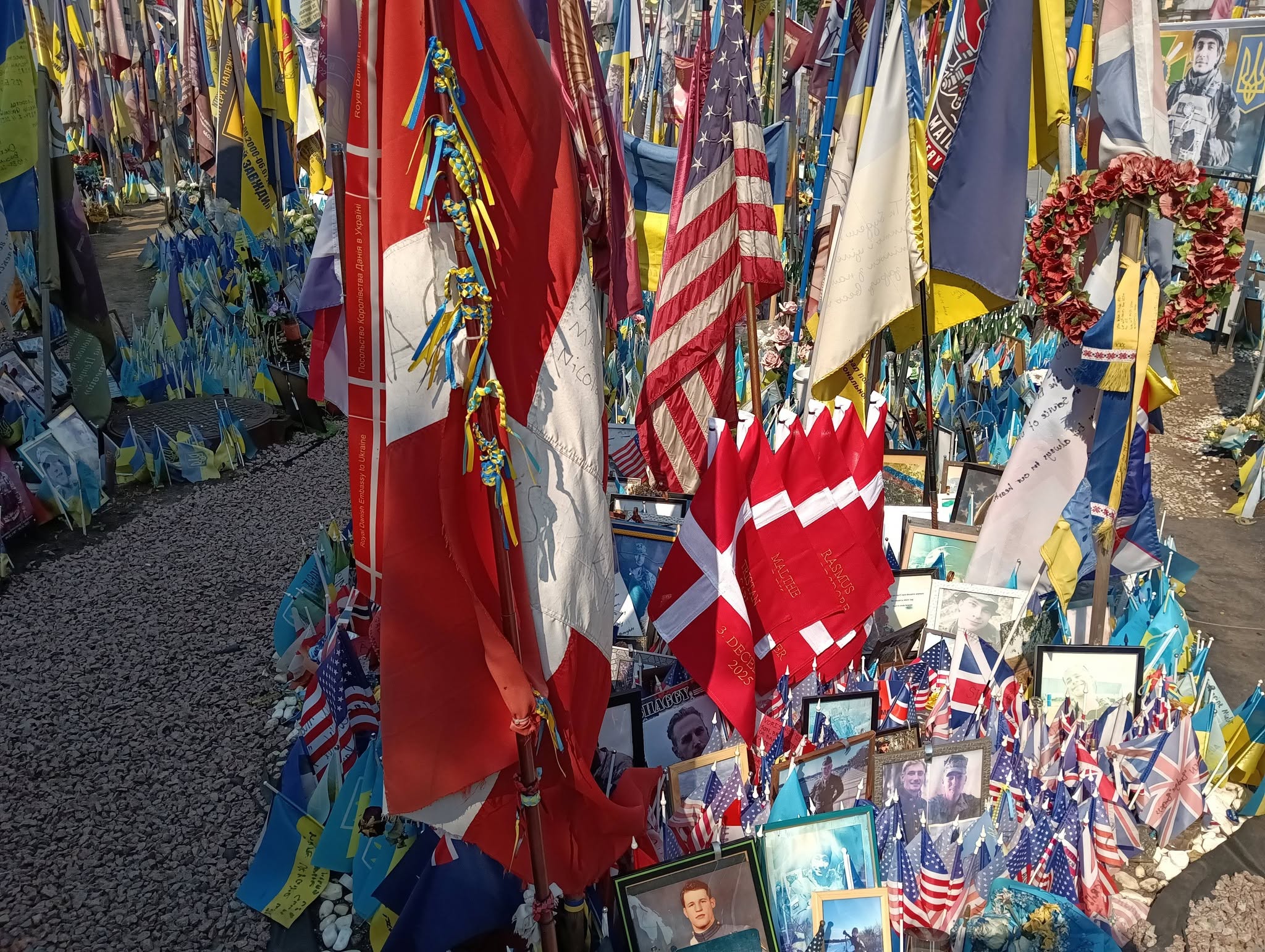
https://bjarnekimpedersen.blogspot.com/2026/10/17102026-frihed-og-fred.html 17.10.2026 FRIHED OG FRED Udsigt fra Klelund plantage; seksogtyve over jorden kan vi se langt. Men tankerne rækker længere. Mens de andre finder svampe går jeg til mindestenen over de dræbte allierede flyvere. Det var dengang vi stod sammen for at bekæmpe det onde de dræbte kom fra: Canada Skotland England New Foundland. "Ukendt i mørket de styrtede ned Husk at de faldt for vor frihed og fred" Det tænker jeg på i dag det er ukrainerne der kæmper for deres og vores frihed og fred. Dengang i 1944 stod USA også sammen med os og ofrede sig for frihed og fred. Netop nu har Trump stillet sig på den forkerte side på krigsforbrydersiden mod alle os der kæmper for frihed og fred. Jer der kæmper hårdest og ofrer mest Slava Ukraini Heroyam Slava (Maidanbillede: Morten Lillelund Lindholt)

bjarnekimpedersen.blogspot.com
17.10.2026 FRIHED OG FRED
1142
Αμαλία🇬🇷 2w

Amalia challenged the leftist narrative regarding the participation of women in the Democratic Army of Greece (DSE) during the Civil War, arguing that their enlistment did not necessarily indicate emancipation. She cited data indicating that about 10,000 women served in the DSE, approximately a quarter of its total strength. Of these, she wrote, 30% participated in combat units while the rest worked in the rear. At the time of the posting, 3,000 of the women were "Slavo-Macedonians." Amalia mentioned that these women were connected to the Anti-Fascist Women’s Front of Macedonia (AFŽ), which was established in Skopje on December 14, 1944, and functioned as the women's section of the NOF. The NOF, she wrote, was founded in Skopje in April 1945 with the initiative and support of Tito and, after an agreement between the KKE and Tito, was incorporated into the DSE. She argued that these organizations aimed for the incorporation of Greek Macedonia into the "Yugoslav Republic of Macedonia." Amalia stated that after the Stalin-Tito split in 1948, the KKE established the Nationwide Democratic Women’s Union (PDEG), as it could no longer control the AFŽ. According to the posting, the first event of the PDEG took place on October 25, 1948, in Kallithea Prespa, with 44 women, seven of whom were "Slavo-Macedonians." Chrysa Chatzivassiliou was elected president, who, as she wrote, was described in a misogynistic manner by party officials. She also cited a report by Nikos Zachariadis to Stalin on October 17, 1950, regarding the condemnation of Chatzivassiliou by the 3rd Conference. Regarding the other 7,000 women, Amalia argued that the majority were forcibly recruited. She referenced Markos Vafeiadis's estimate that from mid-1947, recruitment into the DSE had become "entirely violent" and that volunteers did not exceed 10%. She also cited research by the author Tasoula Ververioti on the educational level of women, as well as testimonies about difficult living conditions, shortages of clothing and hygiene products, and health issues. She added that many had suffered sexual assaults. As sources, Amalia cited works by Tasoula Ververioti and Margarita Lazaridou, as well as material from the Philip Hiliou Archive at the ASKI. In the end, she mentioned Mirka Ginova (Irene Gkin), Katina Andrejeva (Andreopoulou), Afrodita Dovalovska, and Jordana Slatnikova, along with their places of origin. #Γυναίκες #Αριστερά #Ιστορία (translated)

3087
Péter Magyar 2w

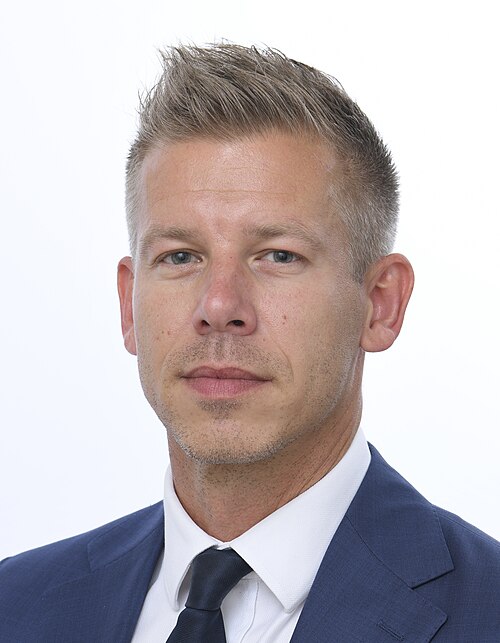
I welcomed the political agreement between Hungary and Ukraine to strengthen the rights of the Hungarian minority in Transcarpathia. As a first step towards restoring mutual trust, we assessed that the Ukrainian parliament adopted a law on minority education and that the Ukrainian side immediately began its implementation. Hungary also thanked the Ukrainian parliament for acknowledging in its September resolution that crimes were committed against Hungarians in Transcarpathia through forced labor and mass deportations between 1944 and 1946. #Maďarsko #Ukrajina #vztahy (translated)

Magyar se v Bruselu poprvé osobně setkal se Zelenským
www.novinky.cz
3659
Postimees 2w

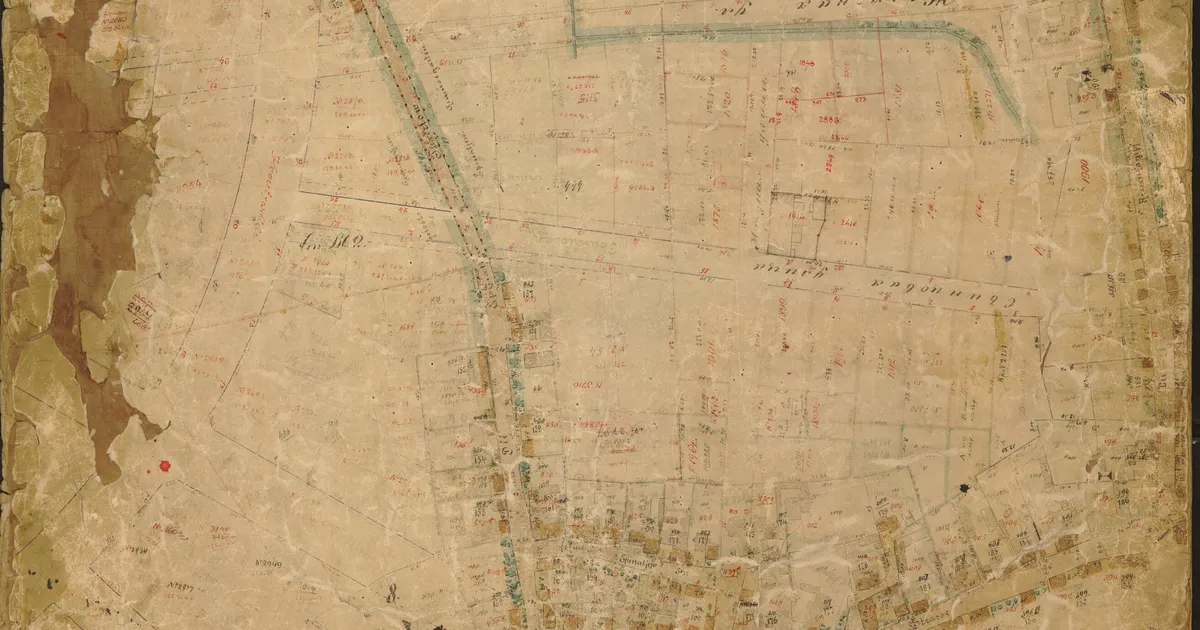
The National Archive has digitized one million frames of Estonia's real estate history, making historical land registers and books easily accessible from the 18th century to 1944. #EestiAjalugu #Digitiseerimine #Kinnistusregistrid (translated)

pmo.ee
Rahvusarhiiv digiteeris miljon kaadrit Eesti kinnisvara ajaloost
3088
Grzegorz Braun 2w

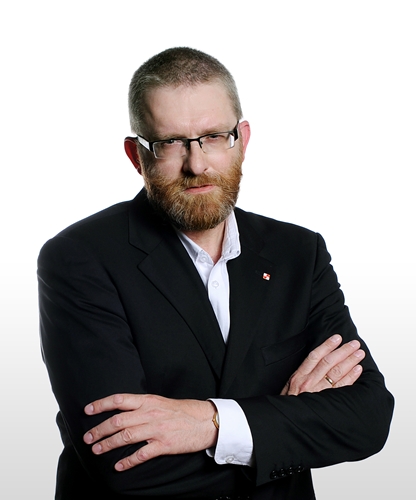
Right after leaving the interrogation at the investigative department of the Institute of National Remembrance, as emphasized by the prosecutor's office, Braun, in a live-streamed speech, denied the crimes of genocide committed by officials of the Third Reich from 1941 to 1944, including the mass murder of Polish citizens and citizens of other occupied European countries, mainly of Jewish nationality, using gas chambers. #GrzegorzBraun #immunitet #AuschwitzBirkenau (translated)

"Immunitet nie chroni kłamców". Żurek idzie po Brauna
wiadomosci.wp.pl
3203
Gesichter des Krieges 2w

Faces of War reported that all three sons of the Baumgartner family from Blachendorf in the Bavarian Forest had died on the Eastern Front within a year. Franz-Xaver fell on October 16, 1943, six weeks after his brother Josef; Rupert died the following year. Josef and Rupert were 23 years old, and Franz-Xaver Baumgartner was 20. #NieWiederKrieg #WirVergessenNicht #OTD #NieWiederKrieg #WirVergessenNicht #Geschichte (translated)

3203
Dan Tanasă 2w

The author wrote that, on October 14, 1944, on St. Paraskeva's Day, Horthy's Hungarian troops killed 29 Romanians in the Moisei massacre, describing the killings as particularly brutal. https://t.co/Ut7ZuSeDry #istorie #românia #memorie #RO #HU (translated)

3208
Il Sole 24 ORE 2w

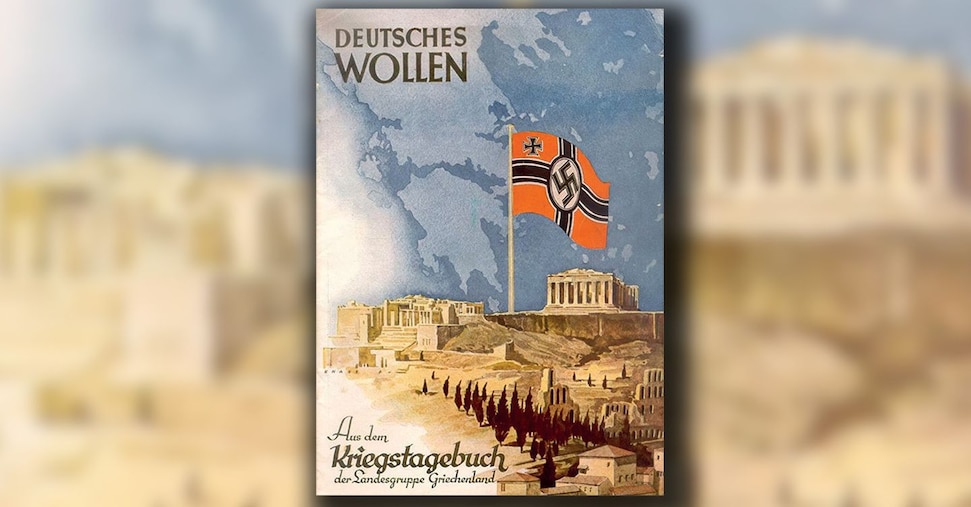
The conference Archaeology and Occupation. Greece 1941–1944 in Athens explores how the Italian, German, and Bulgarian occupiers sought to appropriate not only Greek land but also its cultural and archaeological heritage during World War II. #Archeologia #Occupazione #Grecia (translated)

www.ilsole24ore.com
Gli antenati dell’occupante
2292
Αμαλία🇬🇷 2w

Amalia claimed that the Bulgarian occupation in Eastern Macedonia and Thrace continued from September 9 to October 26, 1944, with the complicity of the EAM. She wrote that this period was omitted by leftist historiography and that, after the communist-controlled Patriotic Front took power in Bulgaria, the Bulgarian forces did not withdraw from the Greek areas that had been ceded by the Germans. According to her, the EAM followed a "brotherhood" line with the occupiers and had agreed to the annexation of Eastern Macedonia and Thrace to Bulgaria. She also claimed that Soviet officers and soldiers had arrived in Komotini, Xanthi, and Drama, saying they were waiting for units for operations in Thessaloniki. Amalia stated that George Papandreou informed Churchill, who requested from Moscow and Sofia the complete withdrawal of the Bulgarian troops; according to the post, they left on October 26. Amalia added that Bulgaria attempted in July 1946, at the Paris Peace Conference, to claim Western Thrace with the support of the USSR, but the British rejected the request. As sources, she cited works by V. Kontis and S. Sfetas, Andreas Papandreou, Vasileios Kontis, and Chris Woodhouse. #Βουλγαρία #Ιστορία #Κατοχή (translated)

3325
Gesichter des Krieges 2w

The account "Faces of the War" wrote that officers involved in the coup attempt of July 20, 1944, had been excluded from the Wehrmacht so that they would appear before the People's Court and not in uniform before a military tribunal. Civilians were also deliberately presented without ties; Helmuth James von Moltke found this degrading. Priests were prohibited from wearing collars. This was intended to strip the defendants of their dignity and professional as well as personal identity. The picture shows Colonel Georg Schulze-Büttger, a close confidant of Henning von Tresckow. He was sentenced to death on October 13, 1944, and hanged on the same day in Plötzensee. A few days earlier, he had turned 40 years old. #NieWiederKrieg #WirVergessenNicht #NieWiederKrieg #WirVergessenNicht #Geschichte (translated)

2983

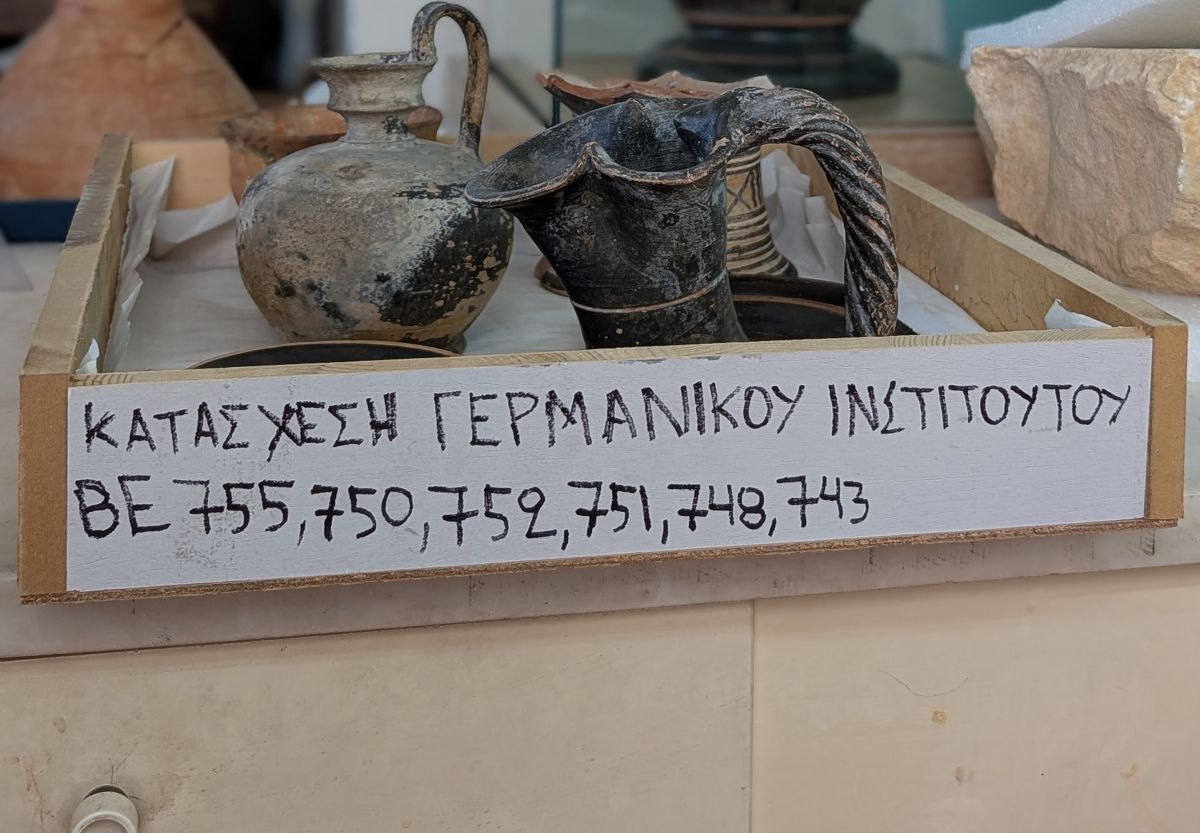
The exhibition "Divided Past" at the National Archaeological Museum explores the relationships between Greek and German archaeologists, revealing the history of over 1000 archaeological finds and the process of confiscation of the German Archaeological Institute in 1944. #ΕθνικόΑρχαιολογικόΜουσείο #ΓερμανικήΚατοχή #Αρχαιολογία (translated)

www.tovima.gr
Εθνικό Αρχαιολογικό Μουσείο: Οι αρχαιότητες που αφηγούνται τη σκοτεινή ιστορία της γερμανικής Κατοχής
2986