WRLD

Search

#Anom

The author wrote that PiS in 2015 introduced a rule according to which Polish institutions were not led by those legally in charge of them, but by those who had the keys to their offices. He assessed that scuffles at the doors and the occupying of offices had thus become part of the system, rather than a deviation from it. #Polska #Polityka #Prawo #PL (translated)

1817
L
lastampa.it 10h

In the Alps, temperatures are rising unusually, with the freezing point reaching 4,300 meters, due to temperature inversions and the intensification of the effects of global warming. #RiscaldamentoGlobale #Alpi #Inverno (translated)
www.lastampa.it
Perché sulle Alpi fa più caldo che in pianura: zero termico a 4.300 metri: ecco cosa sta succedendo
1648
Džamila Stehlíková 10h

The author wrote that there was a complete power outage and mobile internet failure in the Russian city of Kaliningrad at night. He claimed that the energy network of the region had been operating in isolation since the Baltic states disconnected from Russia in 2025. According to him, it was time to return to the "homeland" and he described the name Kaliningrad as an anomaly. #Kaliningrad #blackout #energie #RU #LT #LV #EE (translated)

2165
NOS 2d

Anoma van der Veere is the new NOS correspondent for Southeast Asia and replaces Mustafa Marghadi, while expanding his area of work from Japan to Thailand. #NOS #ZuidoostAzië #correspondent (translated)

nos.nl
Anoma van der Veere nieuwe NOS-correspondent Zuidoost-Azië
2447
Prem Sikka 4d

Ahead of tomorrow's budget statement. Here’s how the UK chancellor can raise the billions needed to improve the quality of life of millions by addressing tax and fiscal anomalies. There is no shortage of money. All that is needed is the political will.

leftfootforward.org
Here’s how the chancellor can raise the billions needed to improve the quality of life of millions
2587
Prof. Eliot Jacobson 5d

Breaking News! Code: y-Axis Alert! Yesterday's Nino 3.4 preliminary sea-surface temperature anomaly set a new record high, at 3.48°C above the 1991-2020 baseline. To clearly show this anomaly, the y-axis max was raised to 4.0°C. Attention historians: this is gobsmackingly bananas.

2483
Luciano Magaldi Sardella (PhD) 6d

THE "BATTLE OF CERIGNOLA (1503)" ON "POPULAR ARCHAEOLOGY USA" (by LUCIANO MAGALDI SARDELLA) SOURCE 1: https://popular-archaeology.com/author/sardella/ SOURCE 2: https://popular-archaeology.com/article/the-2026-battlefield-archaeology-of-the-battle-of-cerignola-1503/ -------------------------------------------------------------------- CERIGNOLA (FG) — On April 28, 1503, at sunset, a shallow trench cut between the vineyards outside Cerignola rendered heavy cavalry obsolete. For five centuries, its exact location has only been conjectured, its archaeology ignored, its most important sources never translated into English. We are on the Tavoliere of Puglia, a corridor of battles for two thousand years: from Cannae in 216 BC to the falcon hunt of Frederick II from Torre Alemanna. Cerignola, at that time, was not a city but a rural village of 350 families at 120 meters above sea level, custodian of the Mena della Dogana delle Pecore, the great pastoral system of transhumance that financed the Kingdom of Naples. Its possession was fiercely contested. Facing each other were two worlds. Louis d’Armagnac, Duke of Nemours, Viceroy of Naples for Louis XII, in his thirties, splendidly armored, confident of victory. On the other side was Gonzalo Fernández de Córdoba, the Gran Capitán, who on April 27-28 marched from Barletta with about 9,000 exhausted men and decided to settle on a low ridge. He deepened what was already there: not an invention, but an agricultural ditch. The French gendarmes, the last heirs of the medieval knight, lowered their lances and never reached the line. From behind a parapet reinforced with vine stakes, over 1,000 Spanish arquebusiers opened fire. Nemours fell, almost certainly the first European army commander to die from a portable firearm. With him, the charge of cavalry as a dominant tactic died. And here is the scandal denounced by the article: no cartographer of the 17th-18th centuries ever mapped the battlefield. No monument commemorates it. It is not protected as a cultural landscape under the Code of Cultural Heritage. Every deep plowing of the Tavoliere, standard practice since the Bourbon reforms, destroys an archaeology never recorded. Yet the perimeter can be reconstructed. By cross-referencing the 16th-century descriptions of "vine-covered slopes fifteen miles north of the Ofanto" with the Via Traiana, the engagement area is a rectangle of 3-4 square kilometers northeast of the current settlement. With the 1m LiDAR DTM from ISPRA, it could reveal anomalous linear depressions, and the lower filling of a ditch 2-3 meters deep, under the plowed layer, is still readable with magnetometry and ground radar. Why did we arrive late? Not for lack of sources, but for lack of translation. The Municipality of Cerignola and the Torre Alemanna Research and Study Center of Prof. Matteo Stuppiello, who in 1978 obtained the first monumental protection for Torre Alemanna, have digitized a corpus that has never entered Anglophone historiography. Here are the 3 pillars: 1. The letter that still smells of gunpowder. The “Letter from Consalvo de Córdoba to the Spanish royals dated April 29, 1503,” edited by Stuppiello in 2003 and updated to 2025 on comune.cerignola.fg.it/biblioteche-digitali. A handwritten page written in Cerignola the day after the battle, “rich in flashes, twilight lights, and gunfire.” Not a polished chronicle like that of Giovio, but a field dispatch: the fatigue of the night march, the decision to entrench upon arrival, the recovery and honorable burial of Nemours, the intact capture of the French artillery. 2. The graffiti, a monument inside the monument. In the 14th-century church of Santa Maria delle Grazie, known as the Incoronatella, on the Via Trinitapoli Vecchia, where tradition holds that the body of Nemours was brought. On the triumphal arch, a 1503 graffiti gives, in almost notarized form, the date, sixth indiction, Friday at the hour XXIII-XXIIII. It was indeed Friday, as confirmed by the perpetual calendar of Cappelli. Decoded in 1995 by Prof. Francesco Magistrale, Latin paleographer at the University of Bari, in *The Battle of Cerignola (1993)* and in the municipal monograph *S.M. delle Grazie (1999)*. Today it is fading due to humidity and neglect. 3. The land registry that explains the ditch. The Survey of 1672 preserved at the State Archive of Naples, Pignatelli Aragona Cortes fund, Scanzia 63, fasc.1: “At the time of the battle, thick vineyards covered the hill reaching to the plain, and were distinctly separated from the rest of the countryside by a not very deep ditch.” Córdoba did not improvise; he adapted. This is confirmed by the catasti of the Giustiniani: 277 households in 1532, 699 in 1595. The landscape of 1503 was intensely horticultural, not the deeply plowed monoculture of today. In addition to these, there is the first monograph by Vincenzo Buonassisi, *The Battle of Cerignola* (1908, died in Via Fanfulla 10 on June 27, 1928), and the first modern military analysis by Piero Pieri, “Consalvo de Córdoba and the Battle of Cerignola,” Archivio Storico Pugliese 1952, which 30 years before the Anglophone rediscovery of the “pike-and-shot” defined Cerignola as an engineered killing ground. While Cerignola forgot, others remembered. The “Regimiento de Infantería Cerinola n.42”, later “Fuerteventura n.56”, carried the name of Cerignola until the 20th century. The coat of arms, described in *Heraldica e Historiales del Ejercito, Tomo V” (Madrid, 1981): silver field, dying white swan entangled in a hedge, golden wall crown, with the scroll “Cerignola.” Dossier officially transmitted on April 30, 1986, prot. 4565/509, from the Servicio Histórico Militar of Madrid to the Torre Alemanna Center thanks to Col. Alessio Antonutti and Gen. José Cifuentes. And in Amsterdam, at the Rijksmuseum, the anonymous bronze commemorative medal: Hercules with lion skin and club and Janus with the keys next to an eagle-armed coat of arms, legend “Consalvus Agidarius… Janum clausit,” on the reverse a battle scene “Consalvi Agidari Victoria de Gallis ad Cannas,” an artist's mistake that confuses Cerignola with Cannae. It belonged to Mrs. J.M. van Gelder-Nijhoff, donated in 1885. The author's conclusion is clear: Gonzalo's ditch is the most consequential earthwork in European military history. It inaugurates the infantry armed with firearm and conditions the Mediterranean for 160 years. It may still be there, filled, plowed, invisible to the naked eye but accessible to a magnetometer. It is not a matter of medieval archaeology but of the will to protect. (translated)

680
Luciano Magaldi Sardella (PhD) 6d

THE “BATTLE OF CERIGNOLA (1503)” ON “POPULAR ARCHAEOLOGY USA” (by LUCIANO MAGALDI SARDELLA) SOURCE 1: https://popular-archaeology.com/author/sardella/ SOURCE 2: https://popular-archaeology.com/article/the-2026-battlefield-archaeology-of-the-battle-of-cerignola-1503/ __________________________________________________________________ CERIGNOLA (FG) — On 28 April 1503, at sunset, a shallow trench cut through the vineyards outside Cerignola rendered heavy cavalry obsolete. For five centuries its exact position has been merely conjectured, its archaeology ignored, its most important sources never translated into English. We are on the Puglian Tablelanda, a corridor of battles for two thousand years: from Cannae in 216 BC to Frederick II’s falconry from Torre Alemanna. Cerignola, at that time, was not a town but a rural hamlet of 350 families at 120 metres above sea level, guardian of the Mena of the Dogana delle Pecore, the great customs system of transhumance that financed the Kingdom of Naples. It was for its possession that the battle was fought. Opposed, two worlds. Louis d’Armagnac, Duke of Nemours, Viceroy of Naples for Louis XII, thirty years old, splendidly armed, certain of victory. On the other side, Gonzalo Fernández de Córdoba, the Great Captain, who on 27–28 April marches from Barletta with some 9,000 exhausted men and decides to entrench himself upon a low ridge. In front of it he has deepened what was already there: not an invention, but an agrarian ditch. The French gendarmes, the last heirs of the mediaeval knight, lower their lances and never reach the line. From behind an embankment reinforced with vine stakes, more than 1,000 Spanish arquebusiers open fire. Nemours falls, almost certainly the first European army commander to die by a portable firearm. With him dies the cavalry charge as a dominant tactic. And here lies the scandal denounced by the article: no cartographer of the seventeenth or eighteenth century ever mapped the field. No memorial stone recalls it. It is not protected as a cultural landscape under the Code of Cultural Heritage. Every deep ploughing of the Tavoliere, standard practice since the Bourbon reforms, destroys an archaeology never recorded. Yet the perimeter is reconstructable. By cross-referencing sixteenth-century descriptions of “slopes covered with vineyards fifteen miles north of the Ofanto” with the Via Traiana, the engagement zone is a rectangle of 3–4 sq km to the north-east of the present settlement. With ISPRA’s 1m DTM LiDAR, anomalous linear depressions could be revealed, and the lower fill of a 2–3 metre ditch, beneath the ploughed layer, is still legible by magnetometry and ground-penetrating radar. Why have we arrived so late? Not for lack of sources, but for lack of translation. The Comune di Cerignola and the Centro Studi e Ricerche Torre Alemanna of Prof. Matteo Stuppiello, who in 1978 obtained the first monumental protection for Torre Alemanna, have digitised a corpus that has never entered Anglophone historiography. Here are the 3 pillars: 1. The letter that still smells of powder. The “Letter of Consalvo da Cordova to the Sovereigns of Spain of 29 April 1503,” edited by Stuppiello in 2003 and updated in 2025 on comune.cerignola.fg.it/biblioteche-digitali. A manuscript page written at Cerignola the day after the battle, “rich in flashes, twilight gleams, and gunfire.” Not a polished chronicle à la Giovio, but a field dispatch: the exhaustion of the night march, the decision to entrench upon arrival, the recovery and honourable burial of Nemours, the intact capture of the French artillery. 2. The graffito, a monument within the monument. In the fourteenth-century church of Santa Maria delle Grazie, known as the Incoronatella, on the Via Trinitapoli Vecchia, where tradition holds the body of Nemours was taken. On the triumphal arch, a graffito of 1503 gives in quasi-notarial form the date, sixth indiction, Friday at the twenty-third to twenty-fourth hour. It truly was a Friday, as confirmed by Cappelli’s perpetual calendar. Deciphered in 1995 by Prof. Francesco Magistrale, Latin palaeographer at the University of Bari, in La Battaglia di Cerignola (1993) and in the municipal monograph S.M. delle Grazie (1999). It is now fading through damp and neglect. 3. The cadastre that explains the ditch. The Apprezzo of 1672 preserved in the Archivio di Stato di Napoli, fondo Pignatelli Aragona Cortes, Scanzia 63, fasc.1: “At the time of the battle, dense vineyards covered the hill reaching down to the plain, and were clearly separated from the rest of the countryside by a not very deep ditch”. Córdoba did not improvise; he adapted. This is confirmed by the Giustiniani cadastres: 277 hearths in 1532, 699 in 1595. The landscape of 1503 was one of intensive horticulture, not the deep-ploughed cereal monoculture of today. To these are added the first monograph by Vincenzo Buonassisi, La Battaglia di Cerignola (1908, died at Via Fanfulla 10 on 27 June 1928), and the first modern military analysis by Piero Pieri, “Consalvo di Cordova e la battaglia di Cerignola”, Archivio Storico Pugliese 1952, which 30 years before the Anglophone rediscovery of “pike-and-shot” defined Cerignola as an engineered killing ground. While Cerignola forgot, others remembered. The “Regimiento de Infantería Cerinola n.42”, later “Fuerteventura n.56”, bore the name of Cerignola until the twentieth century. Its coat of arms, described in Heráldica e Historiales del Ejército, Tomo V (Madrid, 1981): argent field, a dying white swan entangled in a hedge, a gold mural crown, with scroll “Cerignola”. Dossier officially transmitted on 30 April 1986, prot. 4565/509, by the Servicio Histórico Militar in Madrid to the Centro Torre Alemanna through Col. Alessio Antonutti and Gen. José Cifuentes. And in Amsterdam, in the Rijksmuseum, the anonymous commemorative bronze medal: Hercules with lion-skin and club and Janus with keys beside an eagled coat of arms, legend “Consalvus Agidarius… Janum clausit”, on the reverse a battle scene “Consalvi Agidari Victoria de Gallis ad Cannas” — an error by the artist who confuses Cerignola with Cannae. It belonged to Mrs J.M. van Gelder-Nijhoff, donated in 1885. The author’s conclusion is unequivocal: Gonzalo’s ditch is the most consequential earthwork in European military history. It inaugurates the infantryman armed with a firearm and conditions the Mediterranean for 160 years. It may still be there, infilled, ploughed over, invisible to the naked eye but accessible to a magnetometer. It is not a question of mediaeval archaeology but of the will to protect.

906
Prof. Eliot Jacobson 7d

On 2.0°C watch. The global temperature anomaly for October 22nd was 1.94°C above the 1850-1900 IPCC pre-industrial baseline and set a new daily record. The Climate 8-Ball is hiding in the corner.

2952
Soul Chains 1w

Soul Chains wrote that TL Brazil's defeat was its first international loss by a score of 2-0 since 2023, its first against an EMEA team since 2023, and its first 0-2 defeat in GC since 2024. He referred to what M8 had managed to do as an "anomaly." https://t.co/BSHQ23RPHI #TLBrazil #eSports #Défaite (translated)

2957
Giulio Terzi 1w

The author wrote that OpenAI agents would deactivate the monitoring systems and protections designed to detect anomalous behavior in autonomous artificial intelligence bots. https://t.co/tUbD95o2l7 #OpenAI #IntelligenzaArtificiale #Tecnologia #IT (translated)

3413
A
AD 1w

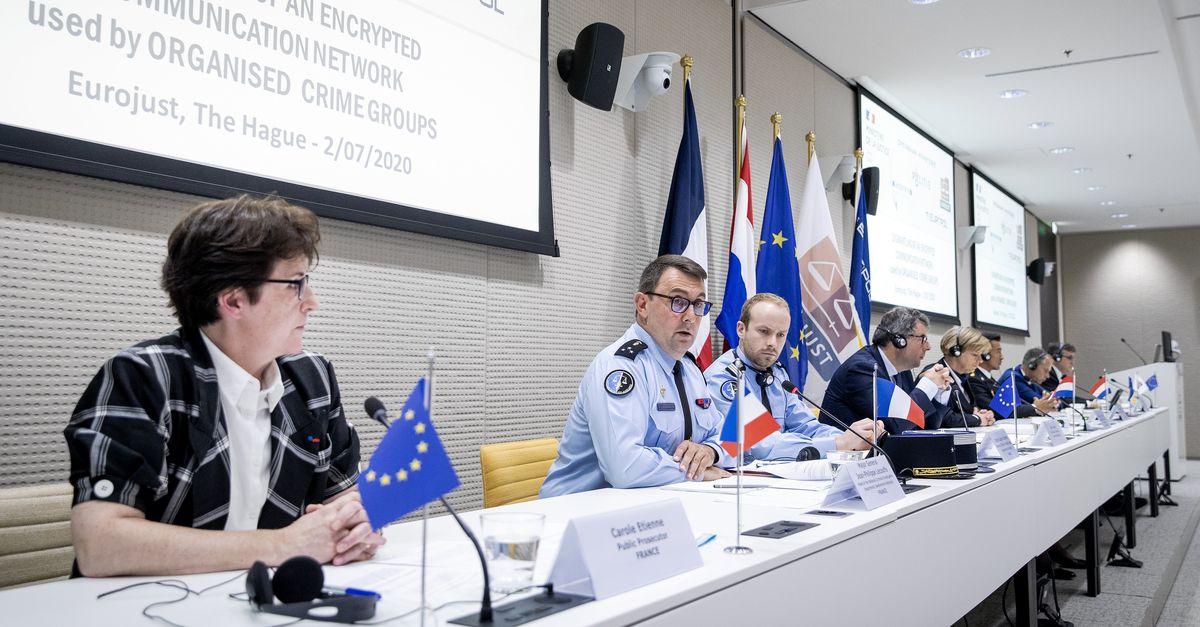
Lawyers claim to have hard evidence that the FBI deliberately misled judges in the setup of the Anon app, a secret communication platform used by criminals, making all evidence obtained through this app possibly unlawful. #FBI #onderwereld #Anom (translated)

www.ad.nl
De ultieme undercoveractie van de FBI op het spel: advocaten claimen hard bewijs van misleiding
3073
A
AD 1w

Criminals were massively caught in the fake chat app Anom set up by the FBI, but now the Supreme Court must rule on the use of 'false grounds' for the legality of the intercepted messages. #Anom #FBI #georganiseerdecriminaliteit (translated)

www.ad.nl
Criminelen trapten massaal in nepchatapp van FBI, maar Hoge Raad moet nu oordelen over ‘valse gronden’
3188
Jorge Buxadé 1w

The author stated that the problems facing Spain began with Sánchez and his environment, but were also due to a legal framework he described as anomalous, unjust, and weak. He attributed its construction to 50 years of bipartisanship, concessions to separatism, and what he termed false humanitarianism, arguing that it harmed Spaniards in relation to people from outside. #España #Política #Bipartidismo #ES (translated)

2961
NRC 1w

The FBI has developed the criminal communication service Anom and offered it as a 'honeypot', in which thousands of criminals unknowingly betrayed their communications, raising questions about the legality of this tactic. #Anom #honeyPot #digitaleMisleiding (translated)

www.nrc.nl
Talloze criminele gebruikten nietsvermoedend Anom, een telefoondienst die door de FBI was ontwikkeld. De vraag is nu of deze ‘honey pot’ wel legaal was
3192
Giorgio Gori 2w

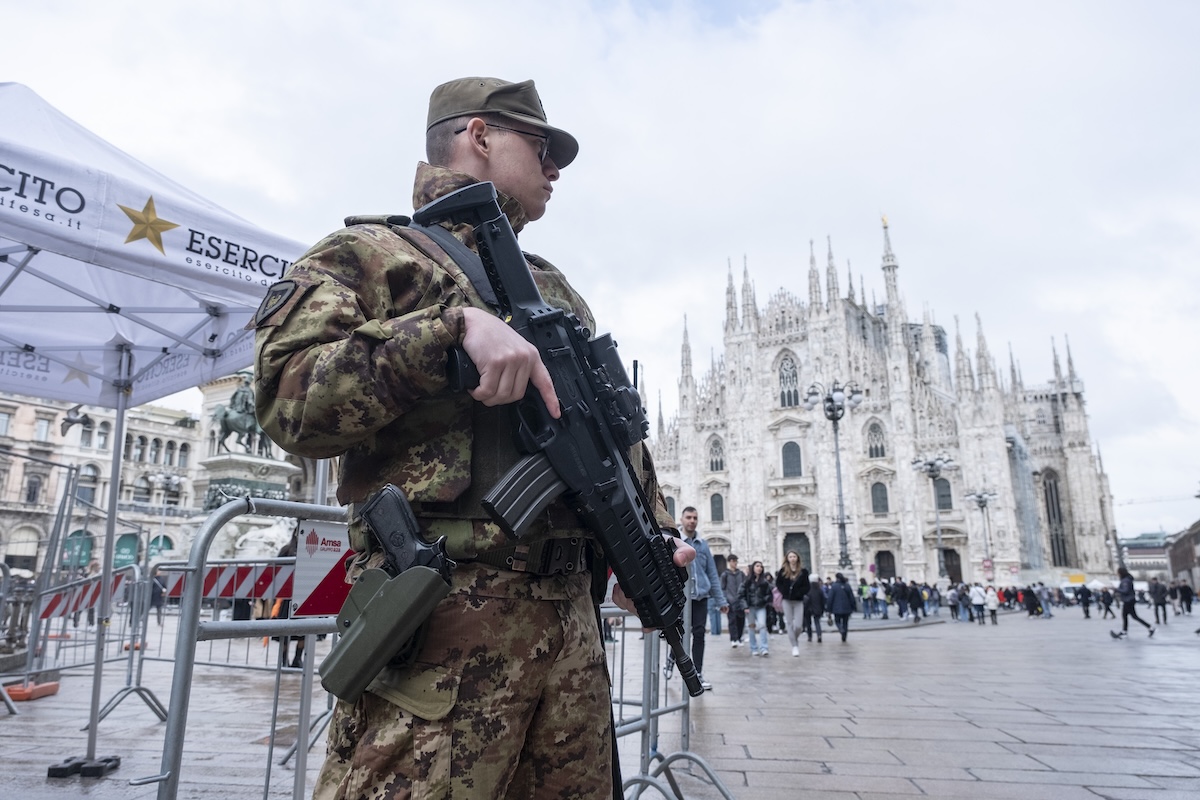
The author wrote that, after the Quirinale's rejection, the government-proposed regulation that would have granted judicial police powers to soldiers deployed in maintaining public order had been set aside. He described their use in this area as anomalous and instead called for new hires to be made. #Giustizia #Politica #OrdinePubblico #IT (translated)

3432
Il Post 2w

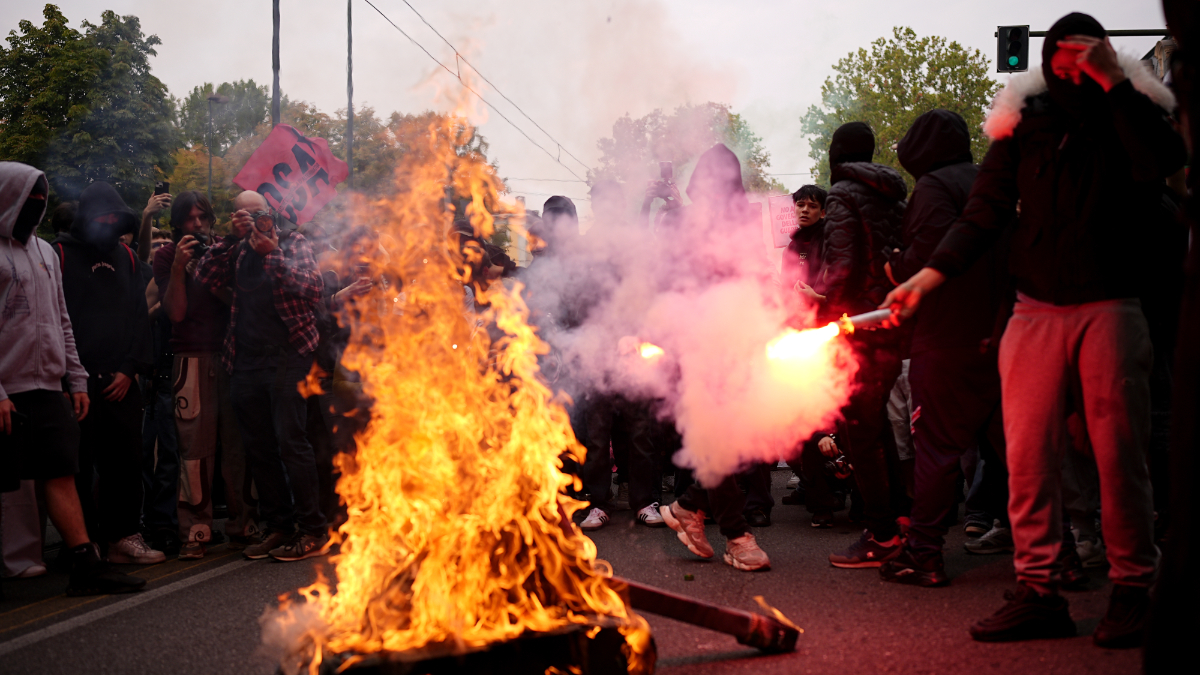
The article analyzes the anomaly of employing soldiers for public order in Italian cities, highlighting the increase of 500 military personnel in Milan in response to recent unrest and the political context that drives the decision. #OrdinePubblico #Sicurezza #Esercito (translated)

www.ilpost.it
L’uso di soldati per l’ordine pubblico nelle città è un’anomalia italiana
2746

Ricard Sanmartín stated that Real Madrid had not sought justice, but that, according to him, they were used to receiving the favor of the referees. He also claimed that the club longed for the era of José Plaza, when they won 12 leagues compared to one for Barcelona, and that at that time they did not consider that difference abnormal. #RealMadrid #fútbol #árbitros (translated)

2518
Il Fatto Quotidiano 2w

Without an adequate citizenship pact, a generation of young Italians and those of foreign origin live in a state of anomie and disorientation, expressing the need for inclusion and social recognition. #Anomia #Cittadinanza #Giovani (translated)

www.ilfattoquotidiano.it
Senza patto di cittadinanza, hanno ‘maranzizzato’ una generazione
2519
Prof. Eliot Jacobson 2w

The latest update to region Nino 3.4 sea surface temperatures is not only a new record daily High, but also a new record anomaly, now 3.46 C above the 1991 to 2020 Baseline.

2636