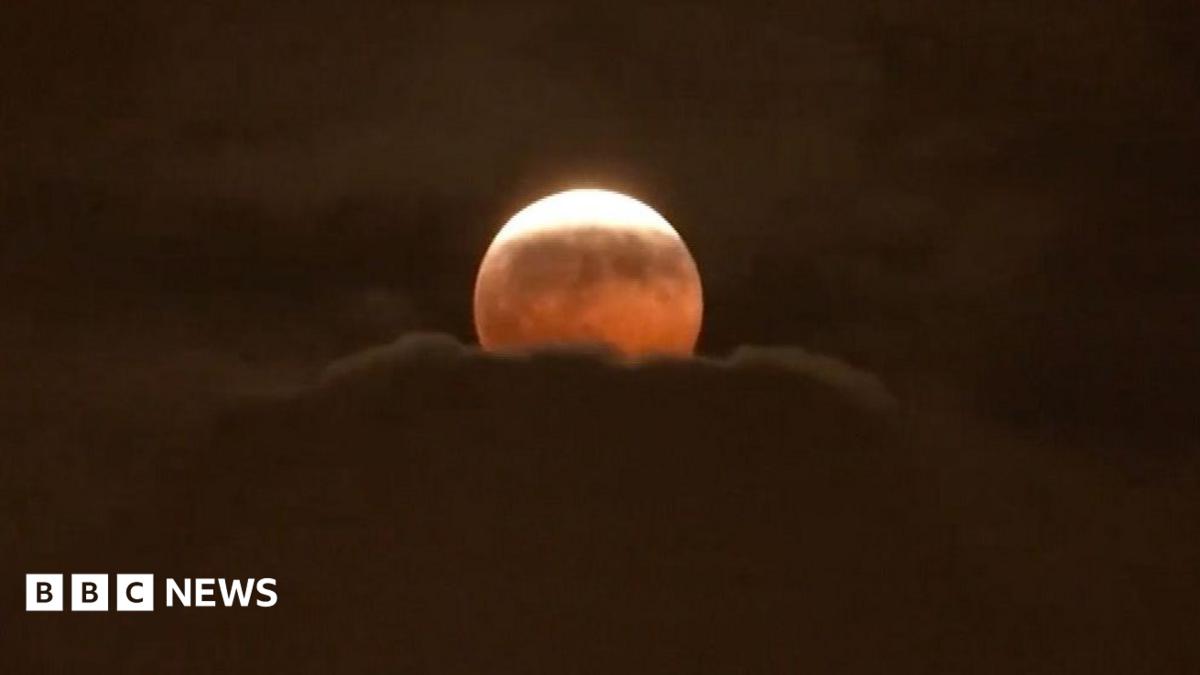
The post said new data about the Milky Way were incompatible with both dark matter and modified gravity.
The post said new data about the Milky Way were incompatible with both dark matter and modified gravity.

K Pauknerovu "zda byste se Turkovi smáli, i kdyby varoval, že na Zemi letí meteorit": Kdyby to nejprve změnil, že to není meteorit, ale Perseidy, pak řekl, že hvězdný prach, který by se meteoritem mohl stát a nakonec se ukázalo, že půl roku nemluvil s astronomy, tak ano, smáli. #meteority #Perseidy #astronomie
A group of astronomers claim they have evidence for alien spacecraft on the moon https://t.co/vtHog5sl3n #AlienEvidence #MoonMystery #Astronomy #Nospecificcountriesarementionedinthetweet.
Fascinating zoom into the surface of the sun at unprecedented resolution. For the first time we can see the turbulence at the borders of convection cells! Video credit: NSF/NSO/AURA/MPS Press release: https://t.co/i4elUEBeRa https://t.co/3L4NlLDuY3 #Sun #Astronomy #ScienceExploration #Nospecificcountriesarementionedinthetweet.

🚨🌍 FLASH – Des scientifiques ont confirmé que la Terre tourne de cette manière. https://t.co/5kCPAKW1rJ #Science #Earth #Astronomy


Uues uurimuses järeldatakse, et Maa võib siiski ellu jääda, isegi kui Päike ühe päeva pärast oma elu lõppu meie naaberplaneete hävitab. #Maa #Päike #astronomy
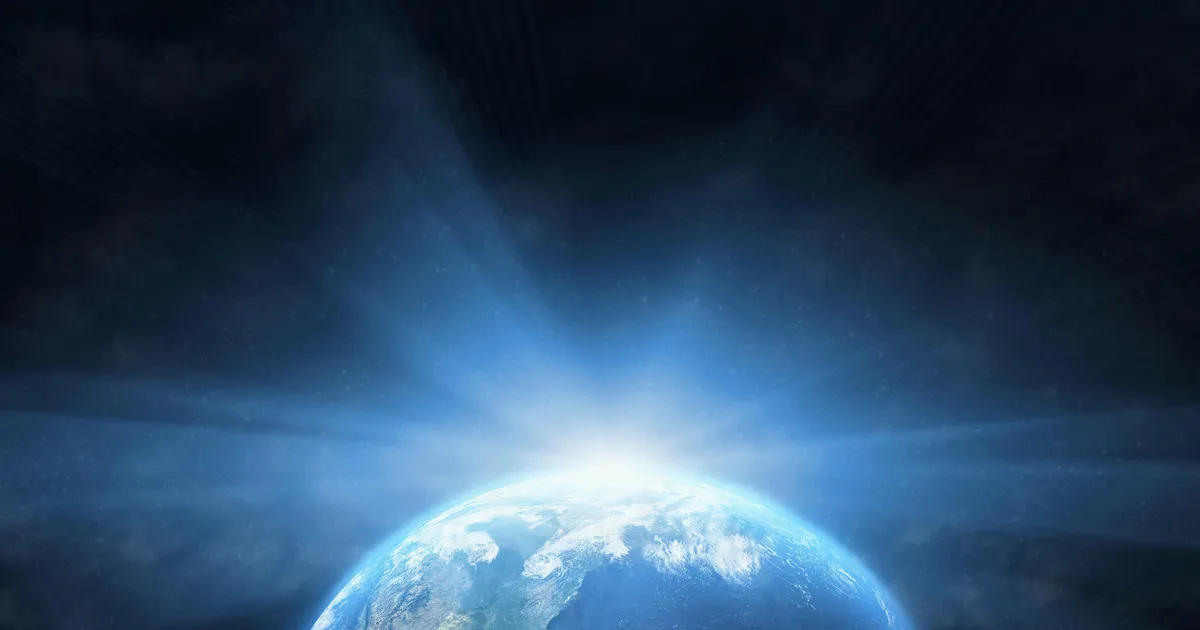

Jour 146, orbite 2264 – Période d’angle bêta élevé : explications en vidéo ! L’actuelle période d’angle bêta élevé prendra fin le 12 juillet… On me dit que la Station est particulièrement brillante vue depuis la Terre ; ce qui est certain, c’est qu’elle est visible plus souvent et plus longtemps depuis le sol. Consultez l’application Spot the Station et faites-nous signe lorsque nous passerons au-dessus de chez vous ! 👋🛰️ Quand je regarde par la fenêtre, je fais très souvent coucou à vous tous qui êtes sur Terre 🤗🫶 🎥 @esa / @NASA #εpsilon • @esaspaceflight • @Space_Station • @NASAJohnson • @ESA_fr • @CNES #SpaceStation #Astronomy #NASA

A new computer analysis confirms that our solar system lost one or two giant planets. https://t.co/Grz9mD3OZY #SolarSystem #GiantPlanets #Astronomy #Therearenospecificcountriesmentionedinthetweet.

Un nuovo studio pubblicato su Astronomy & Astrophysics suggerisce che la Terra potrebbe evitare di essere inghiottita dal Sole morente, contrariamente alle convinzioni precedenti, mentre Mercurio e Venere sono già condannati. #Terra #SistemaSolare #Astronomia
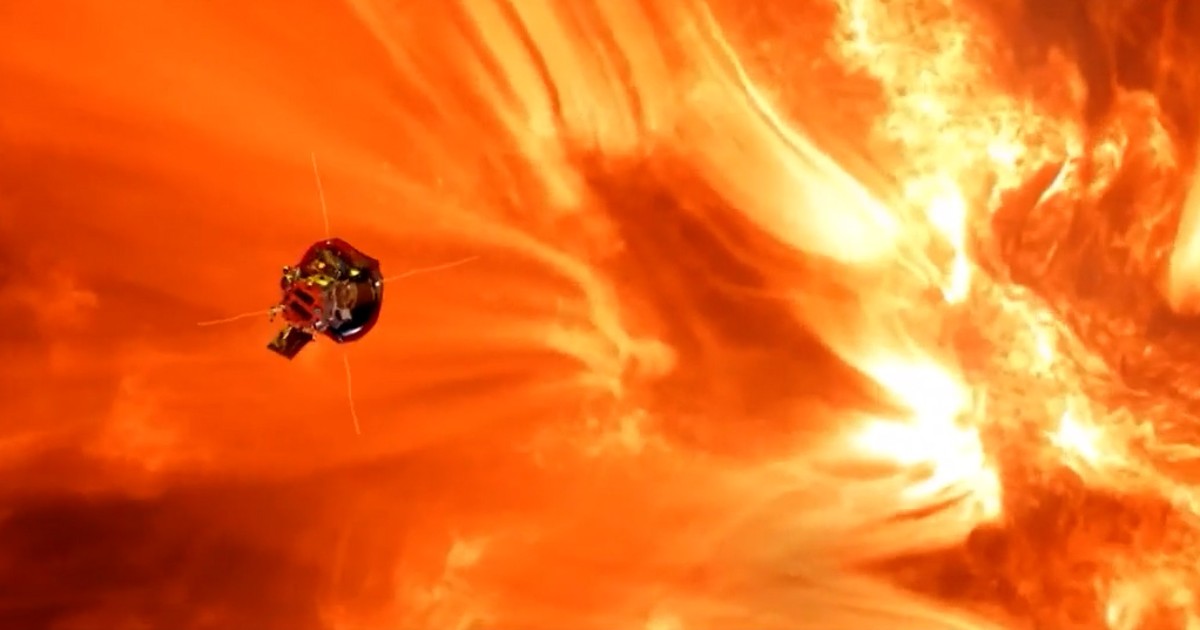

Międzynarodowy zespół naukowców odkrył, że niektóre egzoplanety, zwane ultragorącymi Jowiszami, mogą posiadać silne pola magnetyczne, co może wpływać na dynamikę ich atmosfer i otwiera nowe możliwości badawcze dotyczące warunków sprzyjających życiu na tych odległych ciałach niebieskich, a wyniki ich badań zostały opublikowane w prestiżowym czasopismu Nature Astronomy. #egzoplanety #pólmagnetyczne #badaniaastronomiczne
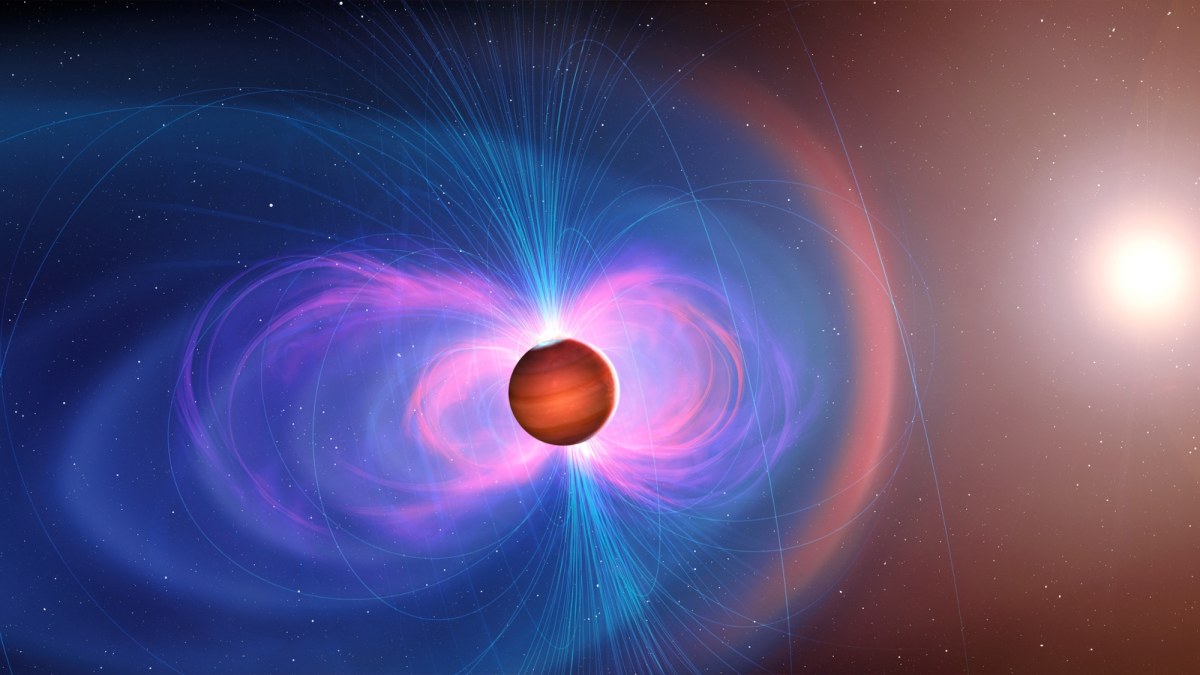

L'astrobiologa Loes ten Kate mette in guardia nel suo studio su Nature Astronomy riguardo ai potenziali rischi che le attuali missioni nella ricerca di vita extraterrestre non siano in grado di riconoscere indizi cruciali a causa di un approccio limitato, con il rischio di falsi negativi che potrebbero portare a conseguenze deleterie come lo sfruttamento prematuro di risorse su altri pianeti. #Astrobiologia #VitaExtraterrestre #FalsiNegativi
RT @AstronomyVibes: 🚨: Chinese quantum computer just did 2.6 billion years of work in 4 minutes flat. https://t.co/l1xHtQjb1M #QuantumComputing #China #SpaceScience #CN


The Dark Energy Spectroscopic Instrument (DESI), equipped with 5,000 optical eyes, has unveiled a new map of the universe, revealing over 47 million galaxies and quasars, challenging existing theories about dark energy and suggesting it may evolve rather than remain constant, potentially altering our understanding of the cosmos fundamentally. #DarkEnergy #Cosmology #Astronomy #US #CO #KR
The Dark Energy Spectroscopic Instrument (DESI), equipped with 5,000 optical eyes, has unveiled a new map of the universe by capturing over 47 million galaxies and quasars, challenging existing knowledge about dark energy and suggesting it may not be a constant, leading to potential radical changes in our understanding of the universe's expansion and its future. #DarkEnergy #Cosmology #Astronomy #US #CO #KR
The Dark Energy Spectroscopic Instrument (DESI), with its 5,000 optical eyes, has created a new map of the universe that challenges current understanding of dark energy by capturing images of over 47 million galaxies and quasars, providing insights into galaxy formation and suggesting that dark energy might not be a constant, as previously believed. #DarkEnergy #Cosmology #Astronomy #US #CO #KR
The Dark Energy Spectroscopic Instrument (DESI), equipped with 5,000 optical eyes, has unveiled a new map of the universe by capturing over 47 million galaxies and quasars, challenging existing knowledge about dark energy and suggesting it may evolve rather than remain constant, potentially altering our understanding of the universe's expansion and its ultimate fate. #DarkEnergy #Cosmology #Astronomy #US #CO #KR
The article explores the concept of light and its longevity, revealing that while light can be perceived as transient, it actually persists indefinitely within the universe, transforming but never vanishing, with recent discoveries of ancient light from primordial galaxies and the Cosmic Microwave Background serving as crucial evidence of both the universe's age and the immutable nature of energy. #CosmicDiscovery #Astronomy #LightYear #GB
The article explores the concept of light, discussing how our understanding of distances in the universe, particularly light-years, reveals astonishing insights into cosmic events, such as the Cosmic Microwave Background radiation, which dates back to shortly after the Big Bang, and touches on the permanence of light as it travels through space, ultimately asserting that while light may change forms, it never truly ceases to exist. #CosmicDiscovery #Astronomy #LightTime #GB
The article discusses the nature of light, exploring its incredible journey through space and time, and posits that while light may change forms or interact with matter, it does not have an expiration date, ultimately remaining a persistent form of energy that can transform but never entirely ceases to exist. #CosmicDiscovery #Astronomy #LightYears #GB #US