The coordination between the presidential palace and Macy Sall to give him a "glorious" welcome by crowds he was still shooting at yesterday with live ammunition is confirmed by the provision of the military airport. We are witnessing the beginnings of a coup d'état. (translated)
At the Palestine Donor Group Ministerial Meeting in Brussels, I welcomed the EU’s renewed support for Gaza and coordination with the @BoardOfPeace. Both @AliShaathNCAG and I stressed that survival must become recovery, and recovery must become reconstruction at scale. That https://t.co/PVUrPwbM3j #GazaSupport #EUinGaza #Reconstruction #PS #BE #EU

🎆 Retour sur une belle soirée du 13 au 14 juillet à Pierrefitte-sur-Seine. À l’occasion de la Fête nationale, de très nombreux habitants se sont réunis pour assister au magnifique feu d’artifice tiré depuis le stade Fréville, dans une ambiance festive, conviviale et familiale. Aux côtés des élus de la majorité municipale, nous avons également eu le plaisir de saluer les artificiers, dont le professionnalisme et le savoir-faire ont permis d’offrir un spectacle de grande qualité. Au cours de la nuit, j’ai effectué une tournée de la ville afin d’aller à la rencontre des équipes mobilisées sur le terrain. J’ai tenu à remercier chaleureusement les policiers municipaux, les policiers nationaux ainsi que les sapeurs-pompiers pour leur engagement, leur professionnalisme et leur présence constante au service de la sécurité de nos habitants. Je souhaite également saluer les équipes d’astreinte des bailleurs sociaux, de Plaine Commune et de l’ensemble des services mobilisés. Leur disponibilité et leur réactivité ont contribué au bon déroulement de cette nuit. J’ai par ailleurs constaté que les consignes visant à faire rentrer les conteneurs à déchets avaient été très largement respectées par la majorité des bailleurs. Cette mobilisation collective a permis de limiter les risques et de prévenir un certain nombre d’incidents. Seuls quelques bailleurs se sont écartés de ces consignes, ce qui rappelle l’importance d’une mobilisation de tous. Grâce à cette coordination entre les différents acteurs et au civisme des habitants, les quelques incidents survenus, notamment deux feux de véhicules, ont été rapidement maîtrisés. Le nombre d’incidents constatés est en nette diminution par rapport à la même période l’an dernier, témoignant de l’efficacité du dispositif déployé. Merci à toutes celles et tous ceux qui ont contribué, chacun à leur niveau, à faire de cette soirée un moment de fête, de partage et de sérénité. 🇫🇷 Vive la République, vive la France ! 💙 Vive la commune nouvelle de Saint-Denis / Pierrefitte-sur-Seine ! #PierrefitteSurSeine #SaintDenis #CommuneNouvelle #14Juillet #FêteNationale #StadeFréville #FeuDArtifice #PoliceMunicipale #PoliceNationale #SapeursPompiers #PlaineCommune #BailleursSociaux #ServicePublic #Sécurité #Convivialité #FêteNationale #14Juillet #Sécurité


‼️ Le Dr Abderahmane Alfred Fédiore est inscrit inscrit au Tableau de l’Ordre National des Médecins du Sénégal (2025), sous la spécialité Médecine du Sport 🔹 Titulaire d’un DES en Médecine et Biologie du Sport (Faculté de Médecine de l’UCAD) ; 🔹 Médecin-chef de l’équipe nationale A du Sénégal depuis 2017 ; 🔹 Participation à 5 Coupes d’Afrique des Nations (Gabon, Égypte, Cameroun, Côte d’Ivoire et Maroc) ; 🔹 Participation à 3 Coupes du monde (Russie 2018, Qatar 2022 et États-Unis/Canada/Mexique 2026) ; 🔹 Ancien médecin-chef du département de kinésithérapie de l’Hôpital de Fann ; 🔹 Médecin de clubs de football, de handball, de natation et de cyclisme ; 🔹 Officier médical CAF et FIFA, chargé de la coordination médicale de nombreuses compétitions internationales. #MédecineDuSport #Sénégal #Sport
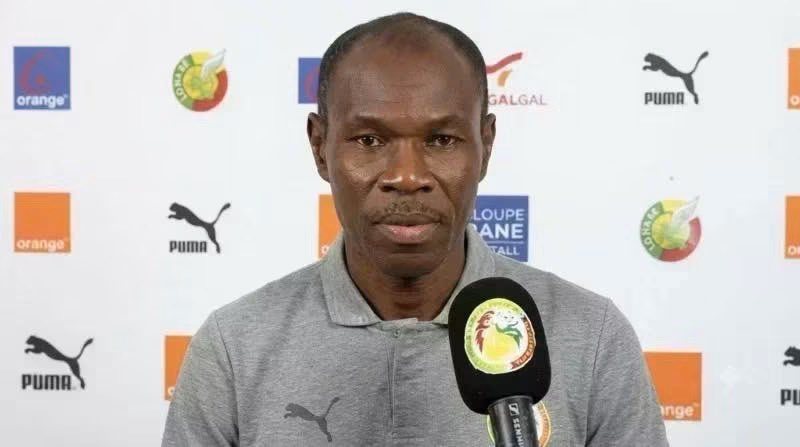

L’arrogance a en perdre la raison : ce 11 juillet à Couthures sur Garonne lors du festival du journalisme, l’inénarrable Sandrine Rousseau a été confrontée à des agriculteurs et éleveurs de la coordination rurale. L’un d’eux lui lance : « Vous n’êtes pas agricultrice et vous savez mieux que nous comment il faut faire » Ce à quoi elle a répondu sur un ton qui devait définitivement asseoir sa supériorité : « Non, mais je suis économiste » 😳 Excel ne fait pas pousser le blé mais visiblement il donne confiance. L’économie, c’est quand tout marche sur le papier. L’agriculture, c’est quand la réalité vous rappelle à l’ordre. #Agriculture #Économie #FestivalDuJournalisme

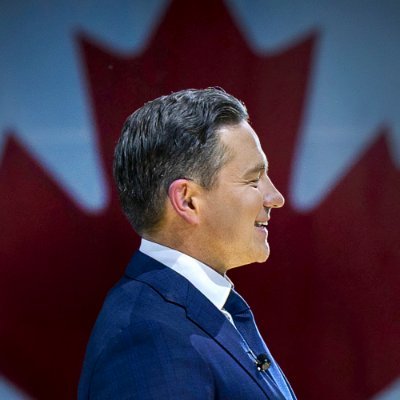
Mark Carney s'est rendu en Arabie saoudite pour mettre en place un « conseil de coordination ». Mais pour coordonner quoi ? Apparemment, d'autres ententes de principe qui ne veulent rien dire, des illusions de plus. Multiplier les séances photos ne fera pas baisser les prix et ne donnera pas de meilleurs chèques de paie. Il faut offrir de vrais bons emplois aux Canadiens en donnant le feu vert aux 500 projets en attente d’approbation fédérale et en éliminant toutes les lois et taxes libérales anti-développement qui sont en place. C’est par là qu’il faut commencer la « coordination ». #ArabieSaoudite #Emplois #DéveloppementÉconomique

À Yaoundé, en marge de notre mission, j’ai eu le grand plaisir de rencontrer, aux côtés de mes collègues de PASTEF, les vaillants membres du bureau de PASTEF Cameroun. Ce fut un moment fort de fraternité, d’engagement et de communion autour de notre idéal commun et de notre ambition partagée pour le Sénégal. J’ai eu l’honneur de leur transmettre les salutations fraternelles du Président Ousmane Sonko, leader de notre parti, dont la vision, le courage et le leadership continuent d’inspirer bien au-delà de nos frontières. Nos échanges ont porté sur les activités de la coordination, les défis à relever ainsi que les perspectives qui s’offrent à notre parti. J’ai été particulièrement marqué par leur détermination, leur sens de l’organisation et leur engagement indéfectible au service du Projet. Partout où vivent des Sénégalais, la flamme du patriotisme demeure vivante. Notre diaspora constitue une force essentielle dans la consolidation de notre engagement collectif et reste pleinement mobilisée pour promouvoir les valeurs de souveraineté, de justice, de transparence et de bonne gouvernance portées par PASTEF. Je remercie chaleureusement les camarades de PASTEF Cameroun pour leur accueil, leur disponibilité et leur engagement sans faille au service de notre vision commune. Vive le Sénégal ! 🇸🇳 Vive l’Afrique ! Vive PASTEF ! #Senegal #PASTEF #Patriotisme

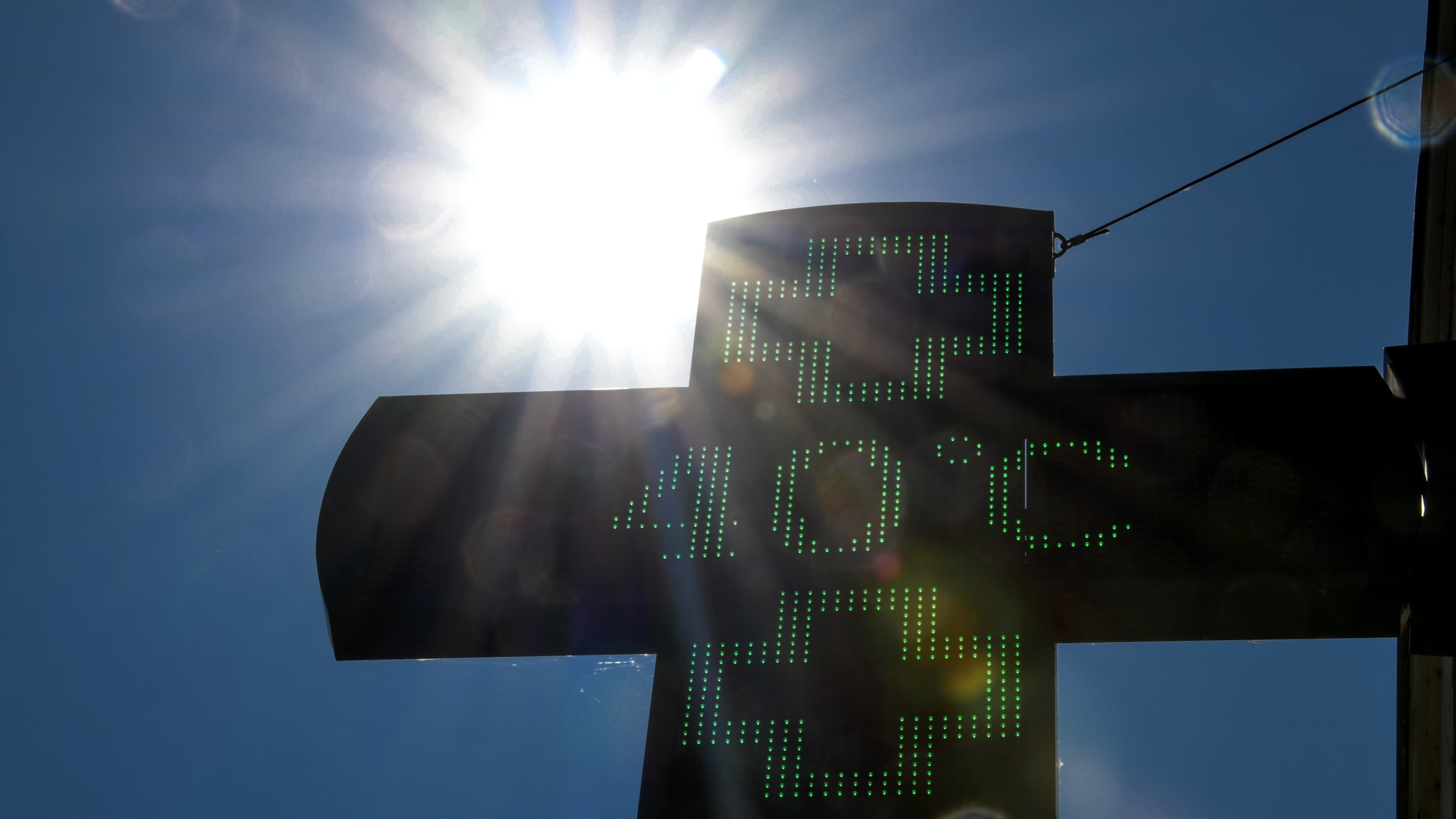
Le gouvernement français a annoncé le déclenchement pour la première fois du plan Orsec chaleurs extrêmes pour protéger les populations vulnérables des canicules, impliquant une coordination renforcée des services publics et la création de centres de protection dans les départements affectés. #Canicule #PlanOrsec #ChaleursExtrêmes

Bruxelles a pris des mesures pour renforcer la vigilance face à un nouvel épisode de fortes chaleurs, incluant une coordination avec les administrations et des initiatives pour protéger les populations vulnérables, conformément aux recommandations du Risk Management Group, tandis que les responsables de la santé publique appellent à des gestes préventifs. #Bruxelles #FortesChaleurs #SantéPublique

The European Parliament voted today with 511 votes in favour on the new rules for EU social security coordination. For millions of Europeans working across borders, this means stronger protection of their social security rights, fairer posting rules, more portable unemployment #EuropeanParliament #SocialSecurity #CrossBorderWorkers #EU #BE #FR #DE #IT #ES #PT #NL #AT #SE #DK #FI #IE #LU #CZ #PL #HU #RO #BG #SK #EE #LT #LV #SI #HR #MT

🚨🚨🚨 NOUVEAU COMMUNIQUÉ DE L’UNION BELGE 👇👇 : « À la suite de sa précédente communication, l'URBSFA souhaite expliquer publiquement les événements des dernières heures. Après avoir appris, par voie de presse, la décision de la FIFA de lever la suspension automatique du joueur Folarin Balogun, l’URBSFA a adressé un courrier à la FIFA afin d'obtenir une copie de cette décision, des explications sur la procédure suivie et de faire connaître sa position quant à l'application des règlements en vigueur. En guise d'unique réponse, la FIFA a informé l’URBSFA, par courrier, qu'elle considérait cette correspondance comme un appel, qu'un juge avait été désigné et que l’URBSFA ne disposait que de quelques heures pour compléter cet appel. Aucune autre information n'a été communiquée par la FIFA. Or, les propres règlements de la FIFA prévoient que, pour qu'un appel soit recevable, la décision motivée doit d'abord être notifiée à la partie appelante. Alors que l’URBSFA ne faisait que solliciter des explications légitimes, la FIFA a elle-même transformé cette demande en appel, tout en veillant immédiatement à ce que celui-ci soit déclaré irrecevable. Dans le même temps, la FIFA a refusé de répondre aux demandes d'informations parfaitement légitimes de l’URBSFA. Par ailleurs, lors de la réunion de coordination du match, la FIFA a délibérément retiré de sa présentation la partie consacrée à la suspension automatique des joueurs. Pourtant, ce point figurait systématiquement à l'ordre du jour des réunions organisées avant chacune des quatre rencontres précédentes. L’URBSFA a interrogé la FIFA, tant oralement que par écrit, sur les raisons de cette modification, sans obtenir la moindre réponse. À ce jour, l’URBSFA n'a toujours reçu ni la décision de la FIFA, ni la moindre explication concernant ce dossier. Dans ces circonstances, elle n'a d'autre choix que de contester l'éligibilité du joueur pour le prochain match. Indépendamment de l'issue sportive de cette rencontre, l’URBSFA est profondément préoccupée par le déroulement des événements et poursuivra, dans les heures, les jours et les mois à venir, ses démarches afin de défendre les principes fondamentaux d'éthique, d'équité sportive et les intérêts du football dans son ensemble. » #Football #FIFA #URBSFA


🔴 Nouveau communiqué de la RBFA concernant l'affaire Balogun : « Suite à sa précédente déclaration, la RBFA souhaite expliquer publiquement le déroulement des événements de ces dernières heures. Après avoir appris par voie de presse la décision de la FIFA de lever la suspension automatique du joueur Balogun, la RBFA a adressé un courrier à la FIFA pour en demander une copie ainsi que des explications sur la procédure suivie, tout en exposant sa position au regard de la réglementation applicable. En guise de seule réponse, la FIFA a informé la RBFA qu'elle considérait ce courrier comme un recours, qu'un juge avait été désigné et que la RBFA ne disposait que de quelques heures pour finaliser ce recours. Aucune information n'a été communiquée par la FIFA. Pour qu'un recours soit recevable, le règlement de la FIFA stipule que la décision motivée doit préalablement avoir été notifiée au requérant. Alors que la RBFA sollicitait simplement des explications légitimes, la FIFA a elle-même qualifié la démarche de recours tout en veillant immédiatement à ce qu'elle soit déclarée irrecevable. Tout cela s'est produit alors que, parallèlement, la FIFA refusait de répondre aux demandes légitimes de la RBFA. Par ailleurs, lors de la réunion de coordination du match, la FIFA a délibérément retiré de sa présentation la section relative à la suspension automatique des joueurs. Ce point avait pourtant été abordé lors de toutes les réunions similaires précédant les quatre rencontres précédentes. La RBFA a interrogé la FIFA, tant oralement que par écrit, sur les raisons de ce changement, sans toutefois obtenir de réponse. Il convient de préciser qu'à ce jour, la RBFA n'a toujours reçu aucune décision ni aucune explication de la part de la FIFA à ce sujet. Elle n'a donc d'autre choix que de contester l'éligibilité du joueur pour le match à venir. Indépendamment de l'issue sportive de cette rencontre, la RBFA est vivement préoccupée par le déroulement des événements et continuera de se battre, dans les heures, jours et mois à venir, pour défendre les principes fondamentaux d'éthique et d'équité sportive, ainsi que les intérêts du football dans son ensemble. » (Officiel) #Football #FIFA #Éthique


🚨🚨 LA FÉDÉRATION BELGE 🇧🇪 RÉAGIT SUITE À L’ANNULATION DU CARTON ROUGE DE BALOGUN 🇺🇸 PAR LA FIFA ! 😤 « La Fédération belge de football est STUPÉFAITE de la décision de la FIFA de déclarer le joueur américain, Folarin Balogun, éligible pour jouer dans le match USA–Belgique ! La FIFA fonde sa décision sur l'article 27 du Code disciplinaire de la FIFA. Cette disposition stipule que la Commission de discipline de la FIFA peut décider de suspendre l'exécution d'une sanction disciplinaire précédemment imposée. Cependant, l'article 66.4 du même Code disciplinaire de la FIFA prévoit clairement qu'un carton rouge (expulsion) entraîne automatiquement une suspension pour le match suivant de l'équipe, comme cela a été le cas pour tous les cartons rouges précédents prononcés lors de cette Coupe du Monde. De plus, indépendamment de ce qui précède, cette décision est en contradiction directe avec les dispositions du Règlement de la Compétition de la Coupe du Monde FIFA 2026, telles que prévues à l'article 10.5 : « Si un joueur ou un officiel d'équipe est expulsé en raison d'un carton rouge direct ou indirect (deuxième avertissement), il sera automatiquement suspendu du match suivant de son équipe. De plus, des sanctions supplémentaires peuvent être imposées. » Le caractère automatique d'une telle suspension a également été réaffirmé explicitement dans la Circulaire n° 16 de la Coupe du Monde FIFA 2026, qui a été distribuée à toutes les associations membres participantes le 12 mai 2026. La même règle est répétée à chaque réunion de coordination des matchs de la Coupe du Monde FIFA 2026 avant chaque match et est incluse dans toutes les présentations des règles de la Coupe du Monde FIFA 2026. Afin de sauvegarder les droits légitimes de toutes les équipes participantes et de protéger les principes fondamentaux du fair-play dans notre sport, tant lors de cette Coupe du Monde FIFA que lors des éditions futures du tournoi, nous examinons toutes les options potentielles. » 🗞️ communiqué #FIFA #Football #CoupeDuMonde
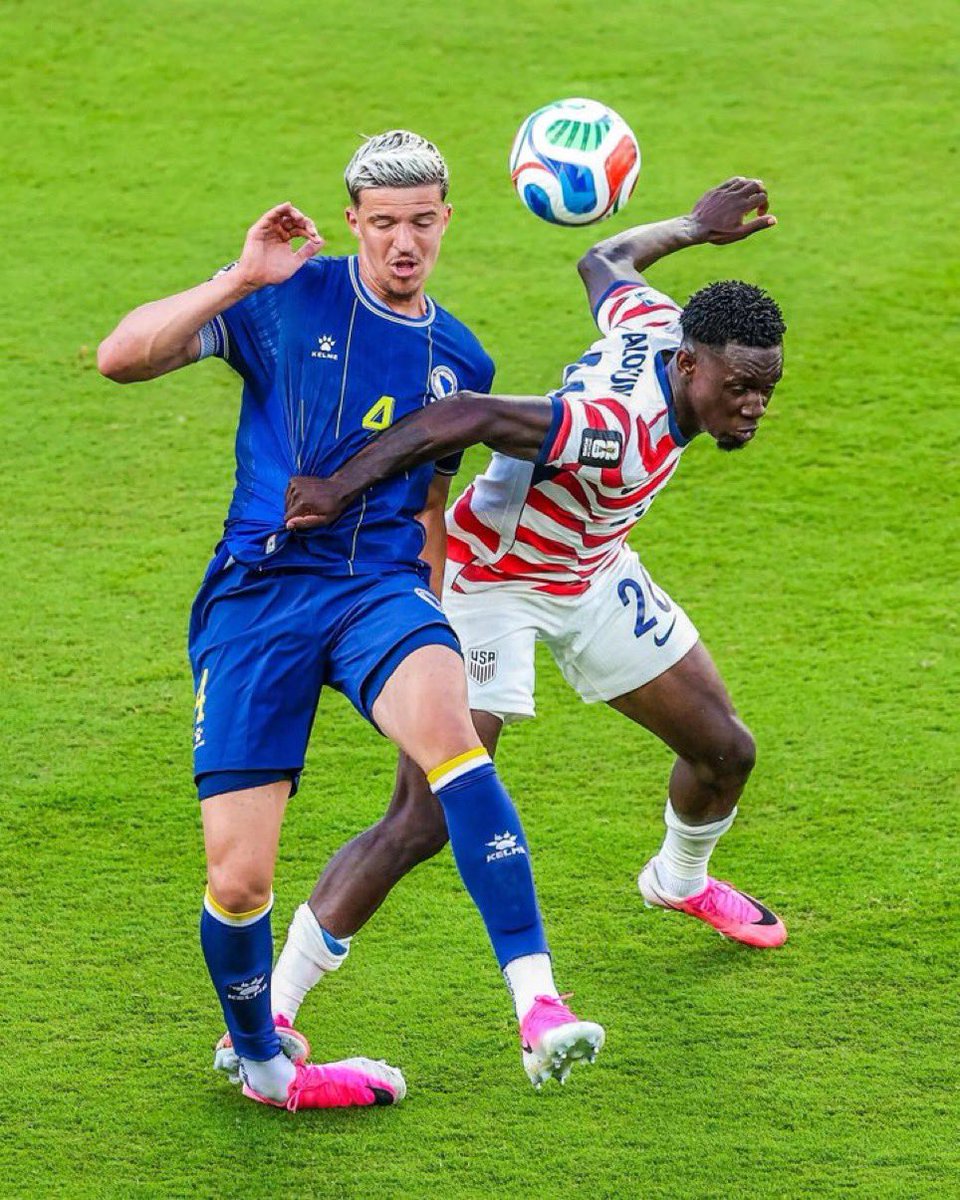
🔴 Communiqué officiel de la RBFA en réaction au sursis accordé par la FIFA à Folarin Balogun : « La RBFA est stupéfaite de la décision de la FIFA de déclarer le joueur américain suspendu Folarin Balogun éligible pour jouer dans le match USA–Belgique de lundi, 6 juillet à 17 h 00 (heure de Seattle). La FIFA fonde sa décision sur l'article 27 du Code disciplinaire de la FIFA. Cette disposition stipule que la Commission de discipline de la FIFA peut décider de suspendre l'exécution d'une sanction disciplinaire précédemment imposée. Cependant, l'article 66.4 du même Code disciplinaire de la FIFA prévoit clairement qu'un carton rouge (expulsion) entraîne automatiquement une suspension pour le match suivant de l'équipe, comme cela a été le cas pour tous les cartons rouges précédents prononcés lors de cette Coupe du Monde FIFA. De plus, indépendamment de ce qui précède, cette décision est en contradiction directe avec les dispositions du Règlement de la Compétition de la Coupe du Monde FIFA 2026, telles que prévues à l'article 10.5 : « Si un joueur ou un officiel d'équipe est expulsé en raison d'un carton rouge direct ou indirect (deuxième avertissement), il sera automatiquement suspendu du match suivant de son équipe. De plus, des sanctions supplémentaires peuvent être imposées. » Le caractère automatique d'une telle suspension a également été réaffirmé explicitement dans la Circulaire n° 16 de la Coupe du Monde FIFA 2026, qui a été distribuée à toutes les associations membres participantes le 12 mai 2026. La même règle est répétée à chaque Réunion de coordination des matchs de la Coupe du Monde FIFA 2026 avant chaque match et est incluse dans toutes les présentations des ateliers de la Coupe du Monde FIFA 2026. Afin de sauvegarder les droits légitimes de toutes les équipes participantes et de protéger les principes fondamentaux du fair-play dans notre sport, tant lors de cette Coupe du Monde FIFA que lors des éditions futures du tournoi, la RBFA examine toutes les options potentielles. » (Officiel) #FIFA #Football #FairPlay

Met with Dr Ali Shaath of @NCAG in Cairo today to discuss the next steps for Gaza's early recovery. Under the Gaza Peace Plan and UN Security Council Resolution 2803, the deployment of Gaza's transitional structures is essential. Access to Gaza, close coordination with the https://t.co/ddsNTb6KK2 #GazaRecovery #PeacePlan #UNResolution #EG #PS

The #GHRI builds on #EUGlobalHealthStrategy to make health systems more sustainable, resilient & better able to prevent, detect & respond. These priorities will guide our work: 1️⃣ stronger coordination 2️⃣ stronger health security 3️⃣ better tracking of global health investment. #GlobalHealth #HealthSecurity #EUStrategy #GH #EU
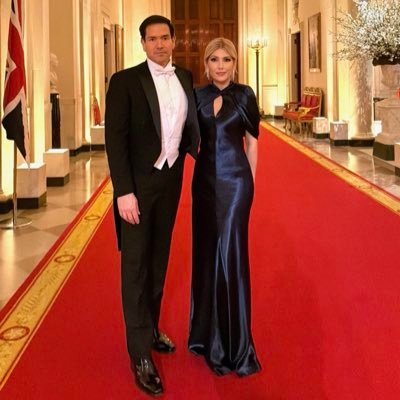
J'annonce une aide humanitaire immédiate de 100 millions de dollars, en coordination avec les Nations unies, ainsi qu'un versement de plus de 30 millions de dollars aux forces armées libanaises en faveur d'une paix durable au Liban.

Face à une canicule exceptionnelle et à une pression croissante sur le système de santé, le gouvernement français a activé le niveau 3 du plan Orsan pour renforcer les capacités hospitalières et assurer une meilleure coordination entre les différents secteurs de la santé. #Canicule #Santé #PlanOrsan