WRLD

Search

#Divided
Rishi Sunak Wrld summary 11h
Former Prime Minister of the United Kingdom from 2022 to 2024 and Leader of the Conservative Party (2022–2024)

Several former Conservative prime ministers, including Rishi Sunak, Boris Johnson, Theresa May, and David Cameron, warned against reopening a debate that deeply divided the country. #Brexit #UKEUdeal #Education (translated)

UK government to submit EU deal for parliament's approval
timesofmalta.com

2364
Euronews English 4d

Democrats have secured their largest US House of Representatives majority in more than three decades, dealing a crushing blow to President Donald Trump and setting the stage for two years of divided government, political confrontation and ambitious legislative battles. #Midterms2026 #DemocraticMajority #PoliticalChange

www.euronews.com
Midterms: US Democrats secure biggest House majority in decades
3372
Paul Murphy 🇵🇸 Wrld summary 4d
Irish politician

The author said the issue dated back further than 23 years, to the country’s struggle for independence. They argued that the world was again divided into rival imperial camps and invoked the slogan “Neither King nor Kaiser”, urging people to get involved to save the Triple Lock.

2923
Luciano Magaldi Sardella (PhD) 5d

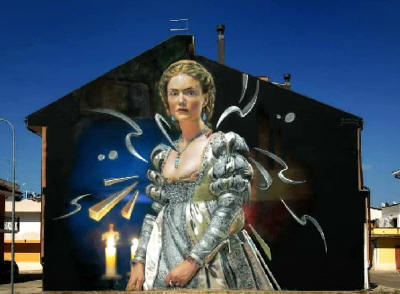
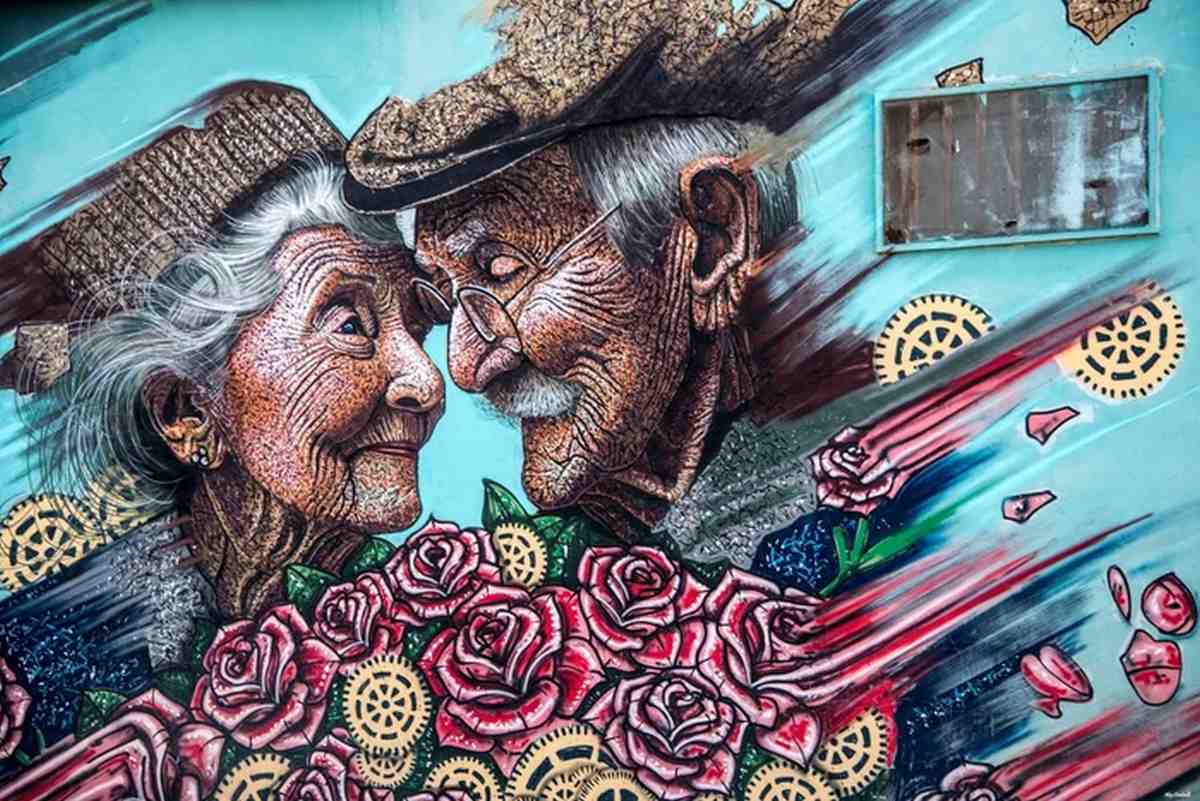
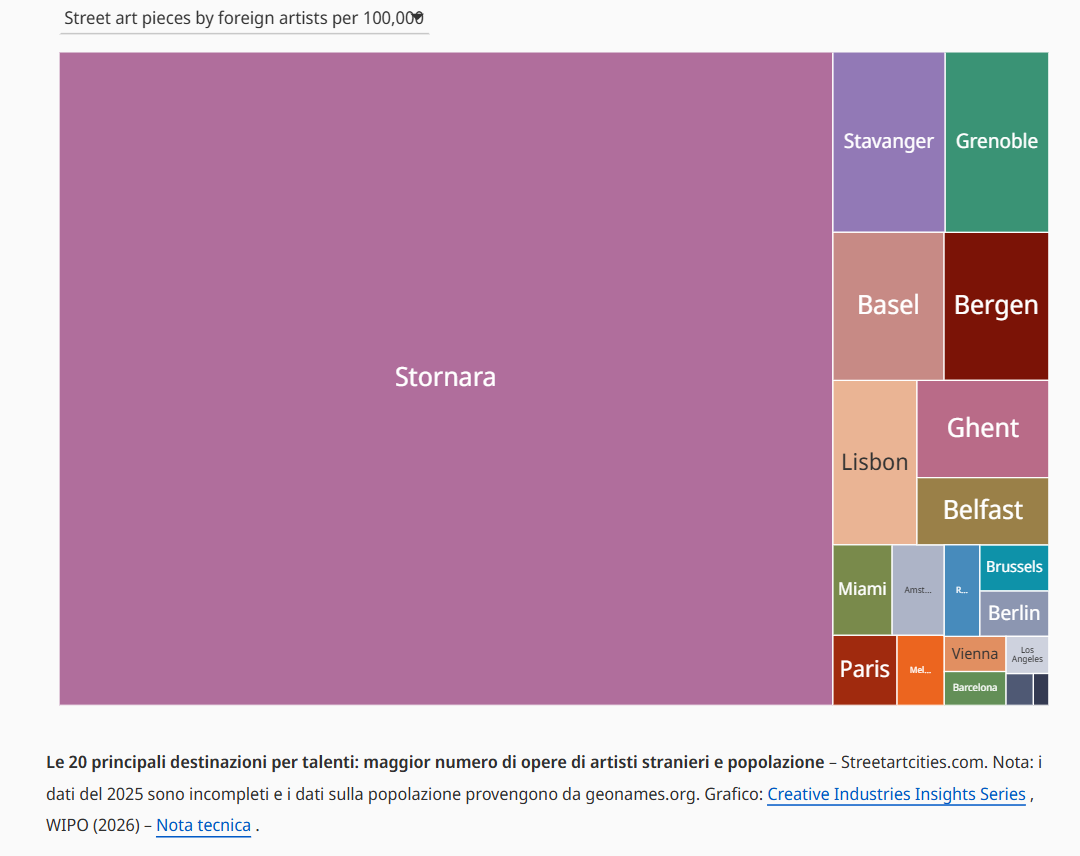
BOSS STREET ART — THE BOSS OF THE STREET": STORNARA IN THE WIPO "GLOBAL TOP 20": THE VILLAGE OF 6,000 INHABITANTS THAT BEATS THE METROPOLISES SOURCE: https://www.bosstr.it/blog/stornara-nella-global-top-20-della-wipo-il-borgo-di-6000-abitanti-che-batte-le-metropoli -------------------------------------------------------------------- STORNARA (FG) — The report of the "World Organisation for Intellectual Property (WIPO)" cites Stornara (Foggia) alongside New York and Berlin. Merit of Stramurales: 173 murals, 50 international, and a density of foreign art unreachable for the megalopolises. Stornara enters the history of world street art. La Gazzetta di San Severo reports that the small municipality in the province of Foggia has been included in the "Global Top 20" of the WIPO report (World Organisation for Intellectual Property), the United Nations agency headquartered in Geneva. A recognition that places it alongside New York, Los Angeles, Berlin, Paris, London and Melbourne: the world capitals of urban art. -------------------------------------------------------------------- What happened The report is entitled "From Local Scenes to Global Recognition: Talent Mobility in Street Art" and was published at the end of May 2026 in the Creative Industries Insights series. The authors, the economists Egbert Amoncio, Alexander Cuntz and Alessio Muscarnera, analysed about 74,000 geolocalised works on the "Street Art Cities" platform to map the migratory flows of global mural talents. The questions were simple: where is street art born? Who are the artists who travel to paint? Which cities manage to attract creatives from abroad? The answers surprised. The research dismantles a commonplace: street art is a profoundly local phenomenon. Only one artist in five works outside national borders. But among those who cross borders, almost 40% build an international artistic brand while keeping their roots in the territory: the cases of Banksy, Os Gemeos and Invader. The authors define this phenomenon as "glocal": rooted in the territory but capable of generating global circuits of talent. In this scenario dominated by metropolises and capitals, Stornara emerges as an Italian, Puglian, Foggian exception. An agricultural village of about 6,000 inhabitants which since 2018 has become a destination for international mural talents. -------------------------------------------------------------------- The work and the artist: Stramurales The merit is of the annual festival "Stramurales International Street Art Festival", born in 2017 from the will of the social promotion association "Stornara Life APS", founded by Lino Lombardi and by the local "Banda dei Fischietti (=The Whistling Gang"). The objective was to combat the urban and socio-economic decline of the town. In a few years, Stornara has accumulated over 173 murals. About fifty are works by high-level foreign artists. "Google Trends" data from 2017 show a remarkable interest in the destination: the festival has captured national and international attention. The project has also attracted the world scientific community. It has become the first monographic academic case study on a street art festival: the study "Street Art as Public Health Infrastructure," signed by the Puglian researchers Luciano Magaldi Sardella and Matteo Mantuano, was published in the Harvard Health and Human Rights Journal of Harvard University. -------------------------------------------------------------------- Where to see it: the secret of density Stornara is reached in the province of Foggia, in Capitanata. The town, once little accustomed to visitors, today welcomes international tourists, groups and school parties come to see the murals. The figure that has ignited local pride is this: the absolute volume does not count, the proportion counts. The organisers propose a simple indicator: the works by foreign artists divided by the inhabitants, multiplied by 100,000. With over 50 international murals and a population of a few thousand residents, Stornara reaches several hundred foreign works per 100,000 inhabitants. It is a value that the metropolises, with millions of residents, cannot approach. Nobody maintains that Stornara has more foreign murals than New York. The point is that, in relation to scale, few places in the world concentrate so much international art per inhabitant. The impact does not disperse in a megalopolis: it settles in every street, on every facade, in the everyday life of those who live there. -------------------------------------------------------------------- The global model The WIPO report underlines that the value of street art extends well beyond the painted surfaces. Cities like Stornara demonstrate how urban art attracts tourism, generates media coverage and stimulates local commercial activities, strengthening the sense of community and restoring psychosocial well-being. But the authors add a precious warning: success depends on careful implementation and on the involvement of the artistic communities. Initiatives imposed from above risk being perceived as "predatory" by artists who have street credibility at heart. Stramurales seems to have avoided the pitfall. The model is based on walls donated spontaneously by residents, artist residencies and open dialogue on social themes. A lesson from below which WIPO recognises as a concrete response to the depopulation of the inland areas of the Mezzogiorno. (translated)

www.bosstr.it
Stornara nella Global Top 20 della WIPO: il borgo di 6.000
790
Otherland Bookshop Berlin 6d

A Trade of Blood - Ana and Din Mysteries #3 by Robert Jackson Bennett Brilliant detective Ana Dolabra must prove a man's innocence to stop a civil war in the third book of the series that began with The Tainted Cup, named an Edgar, Hugo, and World Fantasy Award Finalist and one of the best books of the year (New York Times Book Review, NPR, Elle)—from the bestselling author of The Founders Trilogy. In the canton of Sapirdad, two of the Empire’s most powerful families are moments away from going to war with each other, their hundreds of retainers gathered with swords drawn. If blood is spilt, the whole of the empire may be plunged into starvation and chaos. To de-escalate matters, someone must do the impossible: prove that one family’s eldest son is innocent of a gruesome and unforgivable murder, despite the incontrovertible evidence against him. It is with this undertaking that the great detective Ana Dolabra is tasked, her assistant Din at her side—and the two find themselves racing with great speed and little dignity to the scene. As ever, the impossible proves little obstacle for the deadly combination of Ana’s intellect and Din’s keen eye, and mere hours after riding into the dusty town, Ana glimpses the greater pattern behind the crime. A deeper, subtler web of death is being woven in plain sight, by a mastermind with an ancient magical technology at his disposal. But even Ana's uncanny insight is of little use when each new suspect she uncovers ends up dead--with each new killing calculated to bring tensions between the two rival clans past the boiling point. And as Din pursues their adversary through the canton's wild ranges, sprawling ranches, and reeking slaughterhouses, he finds his loyalties divided in unexpected ways.

678
Jaunius Varnas 6d

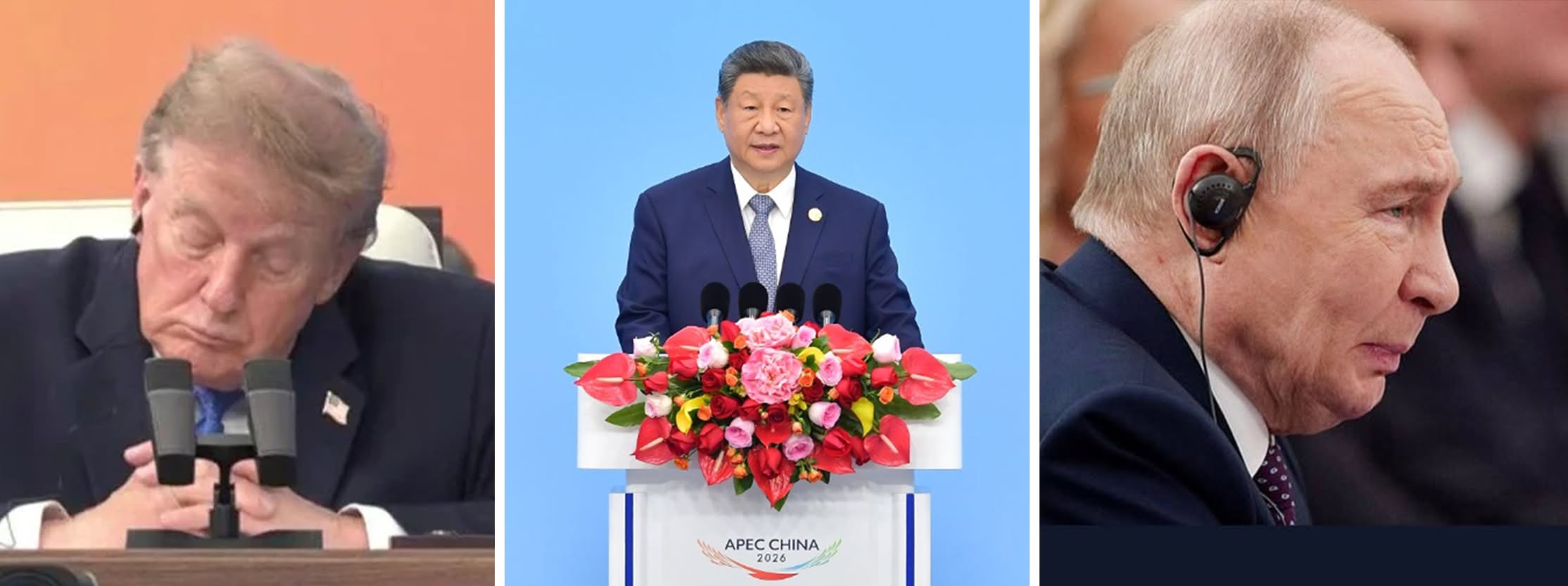
TRAPS FOR FOOLS This little collection of photos pretty much sums up the entire meeting of the three... Everyone was worried they would divide up the world. BUT the fake tsar was HUMILIATED and pushed into a corner, while the "master" of the art of the deal himself FELL ASLEEP and made a fool of himself. Only the Chinese guy was left standing. Xi once warned trump about the Thucydides Trap. Well, this meeting made it crystal clear which two FORMER empires are losing their power... But seriously... nobody divided anything up, and they didn't really agree on anything significant either. BECAUSE these three characters have far too many conflicting goals and see the world in completely different ways. P.S. I really liked how Polish Prime Minister Donald Tusk described trump after his bear hug with putin at this meeting: "God, protect us from such friends."

1133
Joe 6d

Under Trump, America is deeply divided, many supporters credit sharply lower border crossings and falling crime; critics point to tariffs, high living costs and claims of executive overreach. Voters actual citizens need to decide which story wins. #USA #Trump #Politics

680
Oberlé Daniel 7d

Four major names in public health call on the candidates of 2027: 22 priorities to shift from care to prevention, regulate alcohol, tobacco, and gambling, and give back a voice to citizens. Faithful to the Ottawa Charter? Partly. And why aim for only 5% for prevention? Analysis. For the presidential candidates: A manifesto for health: 22 priorities divided into 4 axes, detailed in approximately 110 to 115 recommendations. 4 public health doctors — Bernard Basset (former DGS, INPES, addictions), François Bourdillon (former DG of Santé publique France, InVS, INPES), Serge Hercberg (epidemiologist, former president of the PNNS, creator of the Nutri-Score), Philippe Quénel (epidemiologist, former president of the Scientific Council of SpF, president of AIRPARIF). Audio Capsules of Health Practices. Analysis of Health Practices and link to the source. This manifesto directly concerns you if you work in prevention, health promotion or in social and medico-social fields. It proposes to make prevention a real policy over ten years, to give territories the responsibility for the health of their entire population and to act on food, the environment, work, and addictions. These are your areas of action. Reading it will help you identify what could change for your missions and funding, measure the gap with the Ottawa Charter, and prepare your arguments to engage the candidates of 2027. #SantéPublique #PromotionDeLaSanté #Prévention #ChartedOttawa #Présidentielle2027 #InégalitésDeSanté #DéterminantsDeSanté #AccèsAuxSoins #DémocratieEnSanté #ManifestePourLaSanté (translated)

www.youtube.com
Pour les candidats aux présidentielles : Un manifeste pour la santé : 22 priorités en 4 axes
568
Jon Cooper 1w

A Dec. 11 government shutdown is looking more likely. A growing number of Democrats want to use the funding deadline to cut off money for Trump’s unauthorized war in Iran, even if it means risking a shutdown. House and Senate Democrats are divided over that strategy, and the fight has become a

3302
Scott Horton 1w

Stephen Miller's foreign policy vision profiled in the Daily Telegraph: he's an enemy of the special US-UK relationship and of NATO. He wants the world divided into three spheres, with the Russians getting Europe, China getting Asia, and the US getting the Americas. A uniquely Russian vision.

2628
Luciano Magaldi Sardella (PhD) 1w

"PUGLIA LIVE": "THE STRAMURALES OF STORNARA IN THE 'GLOBAL TOP 20' OF THE UNITED NATIONS (WIPO) REPORT" https://www.puglialive.net/lo-stramurales-di-stornara-nella-global-top20-del-rapporto-delle-nazioni-unite-wipo/?fbclid=IwY2xjawVnuqxleHRuA2FlbQIxMABwZG9mAWJyaWQRMHE3R3FDUWVMVnBtN1NiRGRzcnRjBmFwcF9pZBAyMjIwMzkxNzg4MjAwODkyAAEfni1MQUzX2dzoWLqtWWHtMYqwUPhHeEq7K6Bd4vgL94rnoP1BSa7Ym7l1FfU_aem_eXw5MR6pm0H_OojUfdq2CA -------------------------------------------------------------------- STORNARA (FG) – There is a southern Italy that does not make little noise. It stands between the wheat fields and the rural roads of the Capitanata, far from the great routes of mass tourism. Until a few years ago Stornara, in the province of Foggia, was the typical town that statistics dismiss with a cruel adjective: "peripheral". Today its name appears in an analysis by "WIPO", the "World Intellectual Property Organization", agency of the United Nations of Europe based in Geneva, alongside Berlin, New York, Los Angeles, Paris and Melbourne. -------------------------------------------------------------------- A Report That Looks at the Walls of the World The text is titled "From Local Scenes to Global Recognition: Talent Mobility in Street Art". It bears the signature of three WIPO economists, Egbert Amoncio, Alexander Cuntz and Alessio Muscarnera, and it was published at the end of May 2026 in the series "Creative Industries Insights". To construct it the authors started from the data of the platform "Street Art Cities". The technical note speaks of about 74,000 geolocalized works, collected and shared by street art enthusiasts all over the world. The underlying questions are simple. Where is street art born? Who travels to paint it? Which cities manage to attract talent from outside? The first answer dismantles a commonplace. Street art is a profoundly local phenomenon. About one artist in five also works abroad, while the great majority paints in its own city or in those nearby. Among the few who cross borders, almost 40 per cent is "highly mobile": it constructs an international artistic brand without severing the roots. They are the cases of Banksy, Os Gemeos and Invader, whose walls appear on more than one continent. The authors use an effective term: street art is "glocal", rooted in its own territory but capable of generating global circuits of talent and recognition. -------------------------------------------------------------------- The "Magnets" of the World When one asks which cities attract foreign artists most, the map is fascinating. North America weighs by size, with New York, Los Angeles and Miami. Western Europe offers a dense network of opportunities, from Berlin to Amsterdam, from Vienna to Ghent, from Basel to Rotterdam, favoured by the festival circuit and by freedom of movement in the Schengen area. Lisbon and Barcelona have focused on municipal policies of support. Melbourne is the only representative of Oceania, and Northern Europe relies on Bergen, London, Belfast and Stavanger. In this scenario of capitals and metropolises, the report inserts an Italian exception, Apulian, from Foggia: Stornara, a small agricultural town of about 6,000 souls, since 2018 is a destination of mural talents. It shows how street art can trigger the rebirth of a community: thanks to the annual festival "Stramurales International Street Art Festival", born in 2017 from the iron will to fight urban and socio-economic decline on the part of the founders of the social promotion association "Stornara Life APS", Lino Lombardi and his Stornarese "Banda dei Fischietti", it has accumulated over 173 murals. About fifty are works by high-level international artists, with Google Trends data that since 2017 have shown a remarkable interest for the tourist-mural destination, a sign that the international festival has by now captured national and international attention. Having also become the first monographic academic case study in the world on a street art festival, "Street Art as Public Health Infrastructure", published in the prestigious world-level academic journal, the "Harvard Health and Human Rights Journal" of Harvard University, by the researcher Luciano Magaldi Sardella of Orta Nova and the professor Matteo Mantuano of Lucera, all this corresponds to the demonstration that an idea, an association and the availability of a community can change the identity of a place "forgotten by God". It is also told by those who have followed the affair from outside: the town, once little accustomed to visitors, today welcomes international tourists, individuals, groups and school parties come to see its over 173 murals. -------------------------------------------------------------------- The Secret Is in Density The datum that has lit Stornarese pride is this: volume does not count, proportion counts. The organizers propose a simple indicator: the works of foreign artists divided by inhabitants, multiplied by 100,000. With about over 50 international works and a population of a few thousand residents, at Stornara one arrives at several hundred foreign works per 100,000 inhabitants. It is a value that the metropolises, with millions of residents, cannot approach. The meaning must be read with precision, and precisely here lies the beauty of the thing. Nobody maintains that Stornara has more foreign murals than New York. The point is that, in relation to its scale, few places in the world concentrate so much international art per inhabitant. The impact does not disperse in a megalopolis: it deposits itself in every street, on every façade, in the everyday life of those who live there. The most interesting part of the report is the one that looks beyond the ranking. The authors write that the value of street art extends well beyond the painted surfaces. Cities like Stornara demonstrate how urban art attracts tourism, generates media coverage and can stimulate local commercial activities strengthening the sense of community and restoring the psychosocial well-being that would drive away the imperishable southern decline. The report adds however a precious warning: success depends on a careful implementation and on the involvement of the artistic communities. Initiatives dropped from above risk being perceived as "predatory" by artists who have street credibility at heart. The global Stramurales model seems to have avoided the pitfall. Field studies tell of walls donated by residents, one-week artist residencies and public discussion on the themes to be addressed. -------------------------------------------------------------------- The Lesson of an ex-"Ghost Town" The report closes with an idea that is valid for Stornara as much as for Berlin: the vitality of street art sinks its roots in local roots. It is born from communities, speaks of their problems, is made by artists immersed in their urban contexts. The artistic family of "Stornara Life APS" understood it before many regional and local politicians, making of its own walls an open-air museum, a promise, and it opened them to the world without ceasing to be itself. In this official report of the Geneva agency of the United Nations of Europe that measures the capacity to attract talent, this turns out to be, probably, the most precious result: to be cited alongside the great capitals of urban art and to remain, after all, a rural provincial town in which every wall tells a multicoloured world of glocal stories.

www.puglialive.net
“LO STRAMURALES DI STORNARA NELLA “GLOBAL TOP20″ DEL RAPPORTO DELLE NAZIONI UNITE (WIPO)”
1143
Luciano Magaldi Sardella (PhD) 2w

"GAZZETTA H24": STREET ART, STORNARA ENTERS THE WIPO REPORT ALONGSIDE THE GREAT CITIES OF THE WORLD SOURCE: https://www.gazzettah24.it/street-art-stornara-entra-nel-rapporto-wipo-accanto-alle-grandi-citta-del-mondo/ -------------------------------------------------------------------- From 'ghost town' to global model cited in Geneva: the cultural wager of Stornara Life APS wins the attention of WIPO. STORNARA (FG) - There is a Southern Italy that makes no little noise. It stands among the wheat fields and the rural roads of the Capitanata, far from the great routes of mass tourism. Until a few years ago Stornara, in the province of Foggia, was the typical town that statistics dismiss with a cruel adjective: 'peripheral'. Today its name appears in an analysis by WIPO, the 'World Intellectual Property Organization', the United Nations Agency of Europe headquartered in Geneva. 'Stornara Life APS' alongside Berlin, New York, Los Angeles, Paris, and Melbourne. -------------------------------------------------------------------- A report that looks at the walls of the world The text is entitled 'From Local Scenes to Global Recognition: Talent Mobility in Street Art'. It bears the signature of three WIPO economists, Egbert Amoncio, Alexander Cuntz, and Alessio Muscarnera, and was published in the series 'Creative Industries Insights'. To build it the authors started from the data of the platform 'Street Art Cities'. The technical note speaks of about 74,000 geolocalized works, collected and shared by street-art enthusiasts all over the world. The underlying questions are simple. Where is street art born? Who travels to paint it? Which cities manage to attract talent from outside? The first answer dismantles a commonplace. Street art is a profoundly local phenomenon. About one artist in five also works abroad, whereas the great majority paints in its own city or in those nearby.  Among the few who cross the borders, almost 40 per cent are 'highly mobile': they build an international artistic brand without severing their roots. They are the cases of Banksy, Os Gemeos, and Invader, whose walls appear on more than one continent. The authors use an effective term: street art is 'glocal', rooted in its own territory but capable of generating global circuits of talent and recognition. ---------------------------------------------------------------- The magnets of the world When one asks which cities attract foreign artists most, the map is fascinating. North America weighs by size, with New York, Los Angeles, and Miami. Western Europe offers a dense network of opportunities, from Berlin to Amsterdam, from Vienna to Ghent, from Basel to Rotterdam, favoured by the festival circuit and by freedom of movement of the Schengen area. Lisbon and Barcelona have staked on municipal policies of support. Melbourne is the sole representative of Oceania, and Northern Europe relies on Bergen, London, Belfast, and Stavanger. In this scenario of capitals and metropolises, the report inserts an Italian, Apulian, Foggian exception: Stornara, a small agricultural town of about 6,000 souls, since 2018 has been a destination for mural talent. It shows how street art can trigger the rebirth of a community: thanks to the annual festival 'Stramurales International Street Art Festival', born in 2017 from the iron will to combat urban and socio-economic decline on the part of the founders of the social promotion association 'Stornara Life APS', Lino Lombardi and his Stornarese 'Banda dei Fischietti', it has accumulated more than 173 murals. About fifty of them are works by high-level international artists, with Google Trends data which since 2017 have shown a remarkable interest in the tourist-mural destination, a sign that the international festival has by now captured national and international attention. It has also become the first monographic academic case study in the world on a street-art festival, 'Street Art as Public Health Infrastructure', published in the prestigious journal of world academic standing, the 'Harvard Health and Human Rights Journal' of Harvard University. Through the work of the researcher Luciano Magaldi Sardella of Orta Nova and of Professor Matteo Mantuano of Lucera, all this corresponds to the demonstration that an idea, an association, and the availability of a community can change the identity of a place 'forgotten by God'. He who has followed the affair from outside also tells it: the town, once little accustomed to visitors, today welcomes international tourists, individuals, groups, and school parties come to see its more than 173 murals. -------------------------------------------------------------------- The secret is in density The datum which has kindled Stornarese pride is this: volume does not count, proportion counts. The organizers propose a simple indicator: works by foreign artists divided by inhabitants, multiplied by 100,000.  With about over 50 international works and a population of a few thousand residents, at Stornara one arrives at several hundred foreign works per 100,000 inhabitants. It is a value which the metropolises, with millions of residents, cannot approach. The meaning must be read with precision, and precisely here stands the beauty of the thing. No one maintains that Stornara has more foreign murals than New York. The point is that, in relation to its scale, few places in the world concentrate so much international art per inhabitant.  The impact does not disperse itself in a megalopolis: it deposits itself in every street, on every façade, in the everyday life of those who inhabit it. The most interesting part of the report is that which looks beyond the ranking. The authors write that the value of street art extends well beyond the painted surfaces. Cities such as Stornara demonstrate how urban art attracts tourism, generates media coverage, and can stimulate local commercial activities, strengthening the sense of community and restoring the psychosocial well-being which would distance the imperishable southern decline.  The report adds, however, a precious warning: success depends on careful implementation and on the involvement of the artistic communities. Initiatives dropped from above risk being perceived as 'predatory' by artists who have street credibility at heart. The global Stramurales model seems to have avoided the snare. Field studies tell of walls donated by residents, one-week artists' residencies, and public discussion of the themes to be addressed. ----------------------------------------------------------------- The lesson of a town The report closes itself with an idea which holds for Stornara as much as for Berlin: the vitality of street art sinks in local roots. It is born from communities, speaks of their problems, is made by artists immersed in their urban contexts. The artistic family of 'Stornara Life APS' understood it before many regional and local politicians, making of its own walls an open-air museum, a promise, and opening them to the world without ceasing to be itself. In this official report of the Genevan Agency of the United Nations of Europe which measures the capacity to attract talent, this turns out to be, probably, the most precious result:. To be cited alongside the great capitals of urban art and to remain, after all, a rural provincial town in which every wall tells a variegated world of glocal stories.

www.gazzettah24.it
Street art, Stornara entra nel rapporto WIPO accanto alle grandi città del mondo
803
Luciano Magaldi Sardella (PhD) 2w

"VIVERE PUGLIA": STRAMURALES: STORNARA IN THE “GLOBAL TOP 20” OF THE REPORT BY THE UNITED NATIONS AGENCY IN EUROPE” From “ghost town” to global model cited in Geneva: the cultural gamble of Stornara Life APS wins the attention of WIPO There is a southern Italy that is making quite a noise. It lies among the wheat fields and rural roads of the Capitanata, far from the great routes of mass tourism. Until a few years ago Stornara, in the province of Foggia, was the typical town that statistics dismiss with a cruel adjective: “peripheral”. Today its name appears in an analysis by WIPO, the “World Intellectual Property Organization”, a United Nations agency in Europe based in Geneva. So Stornara alongside Berlin, New York, Los Angeles, Paris, and Melbourne. A report that looks at the walls of the world The text is entitled “From Local Scenes to Global Recognition: Talent Mobility in Street Art. It is signed by three WIPO economists, Egbert Amoncio, Alexander Cuntz, and Alessio Muscarnera, and was published in the “Creative Industries Insights” series. To construct it, the authors started from data from the “Street Art Cities” platform. The technical note speaks of about 74,000 geolocated works, collected and shared by street art enthusiasts around the world. The underlying questions are simple. Where is street art born? Who travels to paint it? Which cities succeed in attracting talent from outside? The first answer dismantles a commonplace. Street art is a profoundly local phenomenon. About one artist in five also works abroad, while the great majority paint in their own city or in nearby ones. Among the few who cross borders, almost 40 per cent are “highly mobile”: they build an international artistic brand without severing their roots. These are the cases of Banksy, Os Gemeos, and Invader, whose walls appear on several continents. The authors use an effective term: street art is “glocal”, rooted in its own territory but capable of generating global circuits of talent and recognition. The magnets of the world When one asks which cities most attract foreign artists, the map is fascinating. North America weighs in by size, with New York, Los Angeles, and Miami. Western Europe offers a dense network of opportunities, from Berlin to Amsterdam, from Vienna to Ghent, from Basel to Rotterdam, favoured by the festival circuit and by freedom of movement in the Schengen area. Lisbon and Barcelona have focused on supportive municipal policies. Melbourne is the sole representative of Oceania, and Northern Europe relies on Bergen, London, Belfast, and Stavanger. In this scenario of capitals and metropolises, the report inserts an Italian, Apulian, Foggia exception: Stornara, a small agricultural town of about 6,000 souls, has since 2018 been a destination for mural talent. It shows how street art can trigger the rebirth of a community: thanks to the annual festival “Stramurales International Street Art Festival”, born in 2017 from the iron will to combat urban and socio-economic decline on the part of the founders of the social promotion association Stornara Life APS, Lino Lombardi and his Stornara-based Banda dei Fischietti, it has accumulated more than 173 murals. About fifty of them are works by high-level international artists, with Google Trends data since 2017 having shown remarkable interest in the tourist-mural destination, a sign that the international festival has now captured national and international attention. Having also become the world’s first single-case academic study on a street art festival, “Street Art as Public Health Infrastructure”, published in the prestigious world-level academic journal, the “Harvard Health and Human Rights Journal” of Harvard University, by the researcher Luciano Magaldi Sardella from Orta Nova and Professor Matteo Mantuano from Lucera, all this amounts to proof that an idea, an association, and the willingness of a community can change the identity of a place “forgotten by God”. Those who have followed the story from outside tell it too: the town, once little accustomed to visitors, today welcomes international tourists, individuals, groups, and school parties who have come to see its more than 173 murals. The secret lies in density The figure that has ignited Stornara pride is this: volume does not count, proportion does. The organizers propose a simple indicator: works by foreign artists divided by inhabitants, multiplied by 100,000. With more than 50 international works and a population of a few thousand residents, Stornara reaches several hundred foreign works per 100,000 inhabitants. It is a value that metropolises, with millions of residents, cannot approach. The meaning must be read precisely, and precisely here lies the beauty of the thing. Nobody claims that Stornara has more foreign murals than New York. The point is that, in relation to its scale, few places in the world concentrate so much international art per inhabitant. The impact is not dispersed in a megalopolis: it settles in every street, on every façade, in the daily life of those who live there. The most interesting part of the report is the one that looks beyond the ranking. The authors write that the value of street art extends far beyond painted surfaces. Cities like Stornara show how urban art attracts tourism, generates media coverage, and can stimulate local commercial activities, strengthening the sense of community and restoring psychosocial well-being that would drive away the perennial southern decline. The report adds, however, a valuable warning: success depends on careful implementation and on the involvement of artistic communities. Top-down initiatives risk being perceived as “predatory” by artists who care about street credibility. The global Stramurales model seems to have avoided the pitfall. Field studies tell of walls donated by residents, week-long artist residencies, and public discussion of the themes to be addressed. The lesson of a town The report closes with an idea that holds for Stornara as much as for Berlin: the vitality of street art is rooted in local roots. It is born from communities, speaks of their problems, and is made by artists immersed in their urban contexts. The artistic family of Stornara Life APS understood this before many regional and local politicians, making its own walls an open-air museum, a promise, and opening them to the world without ceasing to be itself. In this official report by the Geneva-based United Nations agency in Europe that measures the capacity to attract talent, this turns out to be, probably, the most precious result: to be cited alongside the great capitals of urban art and to remain, after all, a rural provincial town in which every wall tells a colourful world of glocal stories. (translated)

919
Luciano Magaldi Sardella (PhD) 2w

"IL SIPONTINO": STRAMURALES: STORNARA IN THE 'GLOBAL TOP 20' OF THE REPORT OF THE UNITED NATIONS AGENCY IN EUROPE. SOURCE: https://www.lagazzettadisansevero.it/stramurales-stornara-nella-global-top-20-del-rapporto-dellagenzia-delle-nazioni-unite-deuropa/?fbclid=IwY2xjawVibZVleHRuA2FlbQIxMABwZG9mAWJyaWQRMHE3R3FDUWVMVnBtN1NiRGRzcnRjBmFwcF9pZBAyMjIwMzkxNzg4MjAwODkyAAEfJpk9OBrbzNPPuzmmZTsbvjf1RRRRwgltWvqpPTryHt2mv-Z5rTEy1ifxBXU_aem_ciFpxVBzVKZmCZU0twovqQ From 'ghost town' to global model cited in Geneva: the cultural gamble of Stornara Life APS wins the attention of WIPO. There is a Southern Italy that is making quite a noise. It lies among the wheat fields and the rural roads of the Capitanata, far from the great routes of mass tourism. Until a few years ago Stornara, in the province of Foggia, was the typical town that statistics dismiss with a cruel adjective: 'peripheral'. Today its name appears in an analysis by WIPO, the World Intellectual Property Organization, the United Nations agency in Europe based in Geneva, alongside Berlin, New York, Los Angeles, Paris, and Melbourne. A report that looks at the walls of the world The text is entitled From Local Scenes to Global Recognition: Talent Mobility in Street Art. It is signed by three WIPO economists, Egbert Amoncio, Alexander Cuntz, and Alessio Muscarnera, and was published at the end of May 2026 in the Creative Industries Insights series. To build it, the authors started from the data of the Street Art Cities platform. The technical note speaks of around 74,000 geolocated works, collected and shared by street art enthusiasts all over the world. The underlying questions are simple. Where is street art born? Who travels to paint it? Which cities manage to attract talent from outside? The first answer dismantles a commonplace. Street art is a profoundly local phenomenon. Around one artist in five also works abroad, while the great majority paint in their own city or in those nearby. Among the few who cross borders, almost 40 per cent are 'highly mobile': they build an international artistic brand without severing their roots. Such are the cases of Banksy, Os Gemeos, and Invader, whose walls appear on several continents. The authors use an effective term: street art is 'glocal', rooted in its own territory but capable of generating global circuits of talent and recognition. The magnets of the world When one asks which cities attract foreign artists most, the map is fascinating. North America weighs in by size, with New York, Los Angeles, and Miami. Western Europe offers a dense network of opportunities, from Berlin to Amsterdam, from Vienna to Ghent, from Basel to Rotterdam, favoured by the festival circuit and by freedom of movement in the Schengen area. Lisbon and Barcelona have bet on supportive municipal policies. Melbourne is the only representative of Oceania, and Northern Europe relies on Bergen, London, Belfast, and Stavanger. In this scenario of capitals and metropolises, the report inserts an Italian, Apulian, Foggian exception: Stornara, a small agricultural town of around 6,000 souls, since 2018 a destination for mural talents. It shows how street art can trigger the rebirth of a community: thanks to the annual Stramurales International Street Art Festival, born in 2017 from the iron will to fight urban and socio-economic decline on the part of the founders of the social promotion association Stornara Life APS, Lino Lombardi and his Stornara Banda dei Fischietti, it has accumulated more than 173 murals. Around fifty of them are works by high-level international artists, with Google Trends data that since 2017 have shown considerable interest in the tourist-mural destination, a sign that the international festival has now captured national and international attention. Having also become the world's first monographic academic case study on a street art festival, 'Street Art as Public Health Infrastructure', published in the prestigious world-level academic journal, the 'Harvard Health and Human Rights Journal' of Harvard University, by the researcher Luciano Magaldi Sardella from Orta Nova and Professor Matteo Mantuano from Lucera, all this amounts to proof that an idea, an association, and the willingness of a community can change the identity of a place 'forgotten by God'. Those who have followed the story from outside also tell it: the town, once little accustomed to visitors, today welcomes international tourists, individuals, groups, and school parties who have come to see its more than 173 murals. The secret lies in density The figure that has ignited Stornara pride is this: volume does not count, proportion counts. The organizers propose a simple indicator: works by foreign artists divided by inhabitants, multiplied by 100,000. With around more than 50 international works and a population of a few thousand residents, in Stornara one reaches several hundred foreign works per 100,000 inhabitants. It is a value that metropolises, with millions of residents, cannot approach. The meaning must be read precisely, and precisely here lies the beauty of it. Nobody claims that Stornara has more foreign murals than New York. The point is that, relative to its scale, few places in the world concentrate so much international art per inhabitant. The impact is not dispersed in a megalopolis: it settles in every street, on every façade, in the daily life of those who live there. The most interesting part of the report is the one that looks beyond the ranking. The authors write that the value of street art extends far beyond the painted surfaces. Towns like Stornara demonstrate how urban art attracts tourism, generates media coverage, and can stimulate local commercial activities, strengthening the sense of community and restoring the psychosocial well-being that would drive away the perpetual southern decline. The report adds, however, a valuable warning: success depends on careful implementation and on the involvement of artistic communities. Top-down initiatives risk being perceived as 'predatory' by artists who care about street credibility. The global Stramurales model seems to have avoided the pitfall. Field studies tell of walls donated by residents, one-week artist residencies, and public discussion of the themes to be addressed. The lesson of a town The report closes with an idea that holds for Stornara as much as for Berlin: the vitality of street art is rooted in local roots. It is born from communities, speaks of their problems, and is made by artists immersed in their urban contexts. The artistic family of Stornara Life APS understood this before many regional and local politicians, making its own walls an open-air museum, a promise, and opening them to the world without ceasing to be itself. In this official report of the Geneva agency of the United Nations in Europe that measures the capacity to attract talent, this turns out to be, probably, the most precious result: to be cited alongside the great capitals of urban art and to remain, after all, a rural provincial town in which every wall tells a colourful world of glocal stories. (translated)

www.lagazzettadisansevero.it
Stramurales: Stornara nella “Global Top 20” del Rapporto dell’Agenzia delle Nazioni Unite d’Europa - La Gazzetta di San Severo - News di Capitanata
460
Luciano Magaldi Sardella (PhD) 2w

“LA GAZZETTA DI SAN SEVERO”: STRAMURALES: STORNARA IN THE ‘GLOBAL TOP 20’ OF THE REPORT OF THE UNITED NATIONS AGENCY IN EUROPE SOURCE: https://www.lagazzettadisansevero.it/stramurales-stornara-nella-global-top-20-del-rapporto-dellagenzia-delle-nazioni-unite-deuropa/?fbclid=IwY2xjawVibZVleHRuA2FlbQIxMABwZG9mAWJyaWQRMHE3R3FDUWVMVnBtN1NiRGRzcnRjBmFwcF9pZBAyMjIwMzkxNzg4MjAwODkyAAEfJpk9OBrbzNPPuzmmZTsbvjf1RRRRwgltWvqpPTryHt2mv-Z5rTEy1ifxBXU_aem_ciFpxVBzVKZmCZU0twovqQ From ‘ghost town’ to global model cited in Geneva: the cultural gamble of Stornara Life APS wins the attention of WIPO. There is a Southern Italy that is making quite a noise. It lies among the wheat fields and the rural roads of the Capitanata, far from the great routes of mass tourism. Until a few years ago Stornara, in the province of Foggia, was the typical town that statistics dismiss with a cruel adjective: ‘peripheral’. Today its name appears in an analysis by WIPO, the World Intellectual Property Organization, the United Nations agency in Europe based in Geneva, alongside Berlin, New York, Los Angeles, Paris, and Melbourne. A report that looks at the walls of the world The text is entitled From Local Scenes to Global Recognition: Talent Mobility in Street Art. It is signed by three WIPO economists, Egbert Amoncio, Alexander Cuntz, and Alessio Muscarnera, and was published at the end of May 2026 in the Creative Industries Insights series. To build it, the authors started from the data of the Street Art Cities platform. The technical note speaks of around 74,000 geolocated works, collected and shared by street art enthusiasts all over the world. The underlying questions are simple. Where is street art born? Who travels to paint it? Which cities manage to attract talent from outside? The first answer dismantles a commonplace. Street art is a profoundly local phenomenon. Around one artist in five also works abroad, while the great majority paint in their own city or in those nearby. Among the few who cross borders, almost 40 per cent are ‘highly mobile’: they build an international artistic brand without severing their roots. Such are the cases of Banksy, Os Gemeos, and Invader, whose walls appear on several continents. The authors use an effective term: street art is ‘glocal’, rooted in its own territory but capable of generating global circuits of talent and recognition. The magnets of the world When one asks which cities attract foreign artists most, the map is fascinating. North America weighs in by size, with New York, Los Angeles, and Miami. Western Europe offers a dense network of opportunities, from Berlin to Amsterdam, from Vienna to Ghent, from Basel to Rotterdam, favoured by the festival circuit and by freedom of movement in the Schengen area. Lisbon and Barcelona have bet on supportive municipal policies. Melbourne is the only representative of Oceania, and Northern Europe relies on Bergen, London, Belfast, and Stavanger. In this scenario of capitals and metropolises, the report inserts an Italian, Apulian, Foggian exception: Stornara, a small agricultural town of around 6,000 souls, since 2018 a destination for mural talents. It shows how street art can trigger the rebirth of a community: thanks to the annual Stramurales International Street Art Festival, born in 2017 from the iron will to fight urban and socio-economic decline on the part of the founders of the social promotion association Stornara Life APS, Lino Lombardi and his Stornara Banda dei Fischietti, it has accumulated more than 173 murals. Around fifty of them are works by high-level international artists, with Google Trends data that since 2017 have shown considerable interest in the tourist-mural destination, a sign that the international festival has now captured national and international attention. Having also become the world’s first monographic academic case study on a street art festival, ‘Street Art as Public Health Infrastructure’, published in the prestigious world-level academic journal, the ‘Harvard Health and Human Rights Journal’ of Harvard University, by the researcher Luciano Magaldi Sardella from Orta Nova and Professor Matteo Mantuano from Lucera, all this amounts to proof that an idea, an association, and the willingness of a community can change the identity of a place ‘forgotten by God’. Those who have followed the story from outside also tell it: the town, once little accustomed to visitors, today welcomes international tourists, individuals, groups, and school parties who have come to see its more than 173 murals. The secret lies in density The figure that has ignited Stornara pride is this: volume does not count, proportion counts. The organizers propose a simple indicator: works by foreign artists divided by inhabitants, multiplied by 100,000. With around more than 50 international works and a population of a few thousand residents, in Stornara one reaches several hundred foreign works per 100,000 inhabitants. It is a value that metropolises, with millions of residents, cannot approach. The meaning must be read precisely, and precisely here lies the beauty of it. Nobody claims that Stornara has more foreign murals than New York. The point is that, relative to its scale, few places in the world concentrate so much international art per inhabitant. The impact is not dispersed in a megalopolis: it settles in every street, on every façade, in the daily life of those who live there. The most interesting part of the report is the one that looks beyond the ranking. The authors write that the value of street art extends far beyond the painted surfaces. Towns like Stornara demonstrate how urban art attracts tourism, generates media coverage, and can stimulate local commercial activities, strengthening the sense of community and restoring the psychosocial well-being that would drive away the perpetual southern decline. The report adds, however, a valuable warning: success depends on careful implementation and on the involvement of artistic communities. Top-down initiatives risk being perceived as ‘predatory’ by artists who care about street credibility. The global Stramurales model seems to have avoided the pitfall. Field studies tell of walls donated by residents, one-week artist residencies, and public discussion of the themes to be addressed. The lesson of a town The report closes with an idea that holds for Stornara as much as for Berlin: the vitality of street art is rooted in local roots. It is born from communities, speaks of their problems, and is made by artists immersed in their urban contexts. The artistic family of Stornara Life APS understood this before many regional and local politicians, making its own walls an open-air museum, a promise, and opening them to the world without ceasing to be itself. In this official report of the Geneva agency of the United Nations in Europe that measures the capacity to attract talent, this turns out to be, probably, the most precious result: to be cited alongside the great capitals of urban art and to remain, after all, a rural provincial town in which every wall tells a colourful world of glocal stories.

www.lagazzettadisansevero.it
Stramurales: Stornara nella “Global Top 20” del Rapporto dell’Agenzia delle Nazioni Unite d’Europa - La Gazzetta di San Severo - News di Capitanata
575
Luciano Magaldi Sardella (PhD) 2w

"FROM A “GHOST TOWN” TO GENEVA "EUROPEAN UNITED NATIONS" CASE STUDY: LINO LOMBARDI’S STRAMURALES AND “STORNARA LIFE APS” CONQUER THE UNITED NATIONS OF EUROPE" ----------------------------------------------------------------- SOURCE: https://www.upov.int/en/web/economics/w/blogs/from-local-scenes-to-global-recognition-talent-mobility-in-street-art By virtue of the Stramurales of Lino Lombardi (Stornara Life APS), Stornara now ranks FIRST IN THE WORLD for intensity of foreign murals per inhabitant. Original title: “From Local Scenes to Global Recognition: Talent Mobility in Street Art (Dalle Scene Globali al Riconoscimento: La Mobilità dei Talenti nella Street Art).” ----------------------------------------------------------------- SOURCE 1: https://www.wipo.int/en/web/about-wipo SOURCE 2: https://www.upov.int/.../from-local-scenes-to-global... SOURCE 3: https://www.linkedin.com/.../the-world-intellectual.../ By Egbert Amoncio, Alexander Cuntz, Alessio Muscarnera. ------------------------------------------------------------------ Dr Egbert Amoncio: Bachelor of Science in Statistics at the University of the Philippines, Diliman, Master of Science in Quantitative Economics, PhD at Goethe University Frankfurt. Dr Alexander Cuntz: PhD in Innovation Economics, Technische Universität Berlin; Head of Creative Economy Section, WIPO at the European United Nations, Geneva. Dr Alessio Muscarnera: PhD in Economics and Finance at Tor Vergata University of Rome, Research Fellow at WIPO, WIPO at the European United Nations, Geneva. — — — — — — — — — — — — — — — — — — — — — — — — — — — — — — — — — — — — — STORNARA (FG), The World Intellectual Property Organization (WIPO) has placed Stornara, through the “Stramurales International Street Art Festival” of the founder, president and artistic director of Stornara Life APS, Lino Lombardi, in the GLOBAL TOP 20 of the first twenty cities most important in the world in the field of street art that attract most strongly the most eminent street artists of the six continents. And it is the FIRST IN THE WORLD for density of murals per inhabitant. This is what their site states: “The World Intellectual Property Organization (WIPO) is the European United Nations Agency, based in Geneva, at the service of innovators and creators throughout the world, which ensures that their ideas reach the market in safety and improve the life of all. We do this by providing services that enable creators, innovators and entrepreneurs to protect and promote their intellectual property (IP) beyond borders and by acting as a forum to address the most pressing questions in matters of IP. Our data and our information on IP guide decision makers throughout the world. And our impact oriented projects and our technical assistance ensure that IP brings benefit to all, everywhere.” WIPO has utilised the data of the international street art platform, “Street Art Cities”, for their extensive research project upon the driving forces that are guiding global street art, based upon the comparison between global talents versus local talents of world street art. While the cities of the whole world promote themselves ever more as attractive tourist destinations and places with an elevated quality of life, the competition and the race to secure the finest global talents and the most celebrated artists, who shall embellish the streets and the urban aspect, intensify. It is therefore fundamental to choose where itinerant artists decide to operate and to find the favourable conditions for creating new works. An analysis of the data upon street art conducted by WIPO reveals a picture of an art form fundamentally “glocal”, that is to say, a crossroads between the global and the local: predominantly local in practice, but capable of generating global circuits of talent, influence and recognition. To comprehend this duality is essential in order to understand where street art flourishes and why. ------------------------------------------------------------------ LOCAL STREET ART: MY HOME IS MY CASTLE The majority of street artists create their own works in their native city or in the place in which they live. More than 80 per cent of artists create in one or more cities within a single country, without ever realising works abroad. This means that only about 20 per cent of street artists have created one or more works abroad. Almost 40 per cent of this group of itinerant artists may be considered highly “mobile”, practising their art in diverse countries and building their global digital credibility and their artistic brand, besides their local roots. This pattern is consistent with that of international street artists of high profile such as Banksy, Os Gemeos or Invader, whose celebrated works appear upon the walls of many continents. ------------------------------------------------------------------ GLOBAL POLES OF ATTRACTION: THE CITIES THAT ATTRACT INTERNATIONAL STREET ARTISTS Global flows of talent depend upon geographical, cultural and linguistic proximity between the countries of origin and of destination. Countries that share borders, culture or language are more easily accessible and less costly for artists, and for this reason they often register a greater influx of talent. Moreover, individual artists may seek opportunities abroad and obtain support from city festivals, cultural exchange programmes, international galleries, or rely upon their own personal networks and upon the community of reference when they transfer. For artists who cross national borders, certain cities reveal themselves as powerful poles of attraction for international street art. The analysis of the 20 global cities with the greatest number of street art works realised by foreign artists reveals a fascinating geography of creative centres that transcend the confines of their national artistic scenes to become global destinations. North America dominates in terms of magnitude, with New York, Los Angeles and Miami representing important poles of attraction for foreign street artists. The combination of art market infrastructures, cultural diversity and the role of cradle of the street art movement in these cities attracts international artists desirous of leaving their mark upon the American urban panorama. Western Europe offers a dense network of opportunities, with Berlin standing forth as one of the principal destinations, together with Paris, Amsterdam, Vienna, Ghent, Brussels, Basel, Grenoble and Rotterdam. This concentration reflects the vibrant European circuit of street art festivals and the ease of movement within the Schengen area, which permits artists to visit several cities contemporaneously. Lisbon, capital of Portugal, together with Barcelona, in Spain, have strategically positioned themselves as destinations for street art thanks to supportive municipal policies and festivals of high profile. ON THE CONTRARY, STORNARA, A SMALLER TOWN AND A POLE OF TALENT, EXEMPLIFIES HOW STREET ART MAY CATALYSE THE REBIRTH OF THE COMMUNITY. THANKS TO ITS ANNUAL “STRAMURALES” FESTIVAL, LAUNCHED IN 2017, THIS PUGLIESE TOWN IN DIFFICULTY HAS ACCUMULATED MORE THAN 150 MURALS, OF WHICH APPROXIMATELY 50 WERE REALISED BY INTERNATIONAL ARTISTS. THE DATA OF GOOGLE TRENDS REVEAL A REMARKABLE INTEREST FOR STORNARA, IN DEMONSTRATION OF THE SUCCESS OF THE FESTIVAL IN CAPTURING ATTENTION BOTH NATIONAL AND INTERNATIONAL. THIS FURNISHES ANECDOTAL PROOF OF THE FACT THAT STREET ART INITIATIVES MAY GENERATE A MEASURABLE CULTURAL AND TOURISTIC IMPACT EVEN IN PERIPHERAL AND ECONOMICALLY DISADVANTAGED PLACES. Meanwhile, Melbourne distinguishes itself as the sole representative of Oceania, in testimony to the vibrant culture of Australian street art and to the reputation of the city as one of the most favourable destinations in the world for street artists. Northern Europe contributes Bergen, London, Belfast and Stavanger, in demonstration of how cities of diverse dimensions may attract international artists thanks to the right mixture of policies and favourable conditions. ------------------------------------------------------------------ BUT WHAT DOES THIS SIGNIFY FOR THE “STRAMURALES INTERNATIONAL STREET ART FESTIVAL”? IT MEANS THAT STORNARA IS NOT FIRST FOR TOTAL NUMBER OF FOREIGN MURALS, BUT IT IS FIRST IN THE WORLD FOR DENSITY. AND THIS DIFFERENCE IS EVERYTHING. THE FORMULA, THE INDICATOR IS THIS: (WORKS BY FOREIGN ARTISTS IN A CITY / INHABITANTS OF THAT CITY) X 100,000. IT SERVES TO COMPARE CITIES THAT ARE NOT COMPARABLE IN ABSOLUTE TERMS: NEW YORK WITH 8 MILLION INHABITANTS AND STORNARA WITH APPROXIMATELY 6,000. WHY STORNARA PREVAILS THUS: IN THE WIPO TEXT STORNARA IS CITED WITH MORE THAN 150 TOTAL MURALS, OF WHICH APPROXIMATELY 50 BY INTERNATIONAL ARTISTS, THANKS TO THE ANNUAL STRAMURALES FESTIVAL. IF ONE MAKES THE CALCULATION WITH THOSE NUMBERS: 50 FOREIGN WORKS / 6,000 INHABITANTS X 100,000 = APPROXIMATELY 833 FOREIGN WORKS PER 100,000 INHABITANTS. THE GREAT GLOBAL CITIES OF THE TOP 20, SUCH AS NEW YORK, LOS ANGELES, MIAMI, BERLIN, PARIS, AMSTERDAM, IN ABSOLUTE TERMS HAVE MANY MORE FOREIGN WORKS, BUT DIVIDED BY MILLIONS OF INHABITANTS THEIR VALUE PER 100,000 INHABITANTS COLLAPSES TO A FEW POINTS. IN PRACTICE, IN STORNARA EVERY RESIDENT “SHARES” MANY MORE FOREIGN WORKS THAN IN ANY OTHER CITY OF THE CLASSIFICATION. IT DOES NOT MEAN: “STORNARA HAS MORE FOREIGN MURALS THAN NEW YORK” BUT IT SIGNIFIES THAT, IN PROPORTION TO ITS DIMENSIONS, NO CITY IN THE WORLD IN THE TOP 20 ATTRACTS SO MANY FOREIGN ARTISTS AS STORNARA. IT IS AN INDICATOR OF INTENSITY AND OF RELATIVE CAPACITY OF ATTRACTION, NOT OF VOLUME. AND IT IS MOST POWERFUL FOR A SMALL RURAL TOWN, BECAUSE IT DEMONSTRATES THAT THE IMPACT OF STREET ART THERE IS NOT DILUTED IN A METROPOLIS, BUT IS CONCENTRATED IN EVERY STREET, IN EVERY INHABITANT. --------------------------------------------------------------- GLOBAL STREET ART Street art remains profoundly rooted in local communities and territories. Although approximately one artist in five is itinerant and has realised works abroad, the overwhelming majority creates in their native city or in neighbouring cities. Yet, for those who cross borders, clear patterns emerge in the global race for artistic talent: certain cities attract many creators, regional networks facilitate movements and personal bonds connect artistic communities across continents. To comprehend global flows of talent is fundamental, since their impact extends well beyond painted surfaces. Street art generates potential multiplier effects, catalysing broader economic, social and cultural transformations. CITIES SUCH AS STORNARA DEMONSTRATE HOW STREET ART ATTRACTS TOURISM, GENERATES MEDIA COVERAGE AND MAY STIMULATE LOCAL COMMERCIAL ACTIVITIES. THIS EXPLAINS WHY MUNICIPAL ADMINISTRATIONS INCREASINGLY CONSIDER STREET ART AS A STRATEGIC CULTURAL INFRASTRUCTURE AND AN INVESTMENT, WHOSE BENEFITS MANIFEST THEMSELVES IN AN IMPROVEMENT OF THE IMAGE OF THE CITY AND IN THE REVITALISATION OF NEIGHBOURHOODS. However, success depends upon careful implementation and upon greater involvement of the artistic communities, since otherwise public initiatives might be perceived as “predatory” by artists who privilege credibility in the urban context. The predominantly local nature of global street art reflects the essential character of this art form: it is born from local communities, addresses local problematics and is created by artists profoundly rooted in their urban contexts. International mobility may reveal the global bonds between street artists and the capacity of places to attract talent, but the true vitality of this art form resides in its local roots. -------------------------------------------------------------------- SOURCE: World Intellectual Property Organization (WIPO),EUROPEAN UNITED NATIONS AGENCY, Geneva, Switzerland. “From local scenes to global recognition: Talent mobility in street art: https://www.upov.int/.../from-local-scenes-to-global...

www.upov.int
From Local Scenes to Global Recognition: Talent Mobility in Street Art
920
Stephen Bush 2w

Social media has further skewed the incentives at PMQs towards “ask a question that allows you to put Kemi Badenoch DESTROYS Ed Miliband” on YouTube and away from “Labour is divided on its dreadful plans to ruin rural policing. Ask about that and have an alternative”.

2186
BBC 3w

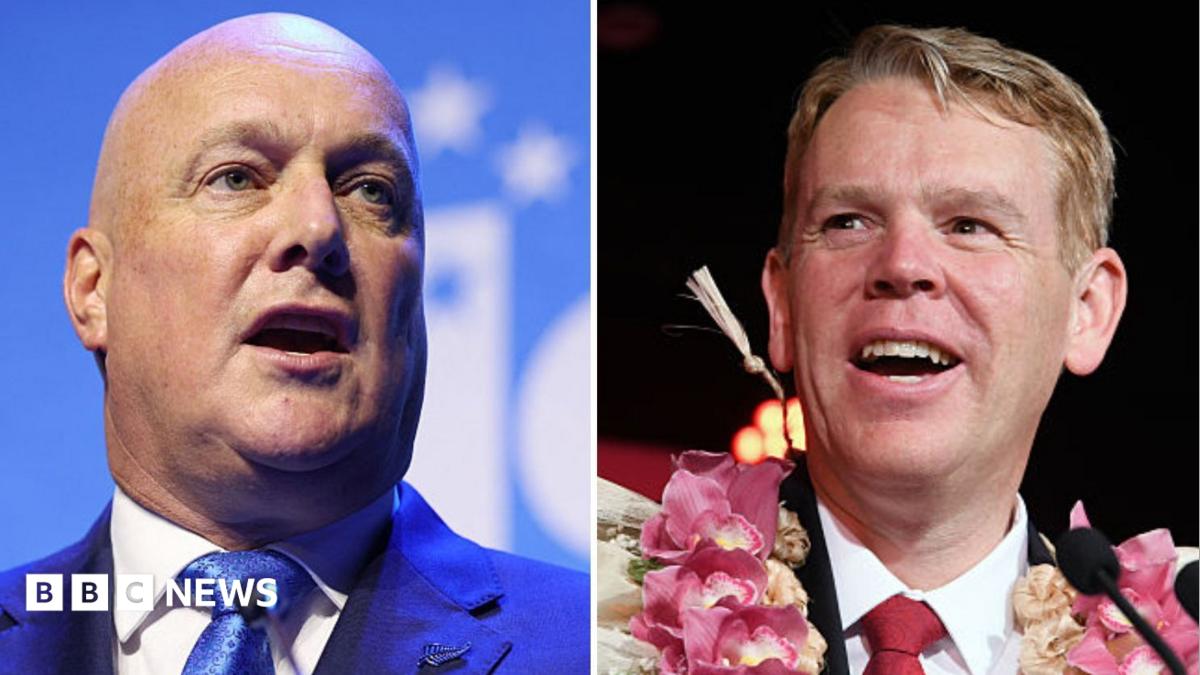
Weeks of coalition talks could follow after preliminary results pointed to a highly divided national parliament. #NewZealandElection #CoalitionGovernment #PoliticalNegotiations

www.bbc.co.uk
No clear winner after tight New Zealand general election
3466
Maarten Boudry Wrld summary 3w
Belgian philosopher

The author wrote that ordinary Americans existed in large numbers, but said relentless partisanship could divide them and repeated accusations and manufactured scandals could drive them into jaded apathy. #politics #partisanship #apathy #US

3011
Peter Geoghegan 3w

‘Plans to turn British Library’s science and social sciences reading rooms into pay-to-use co-working spaces have divided those who use the space’ As a regular BL user, gonna say this hasn’t ‘divided’ anyone. It’s an awful idea that shouldn’t come to pass But that it’s even mooted speaks volumes

2318