WRLD

Search

#Frequency
T
The Mystic 1d

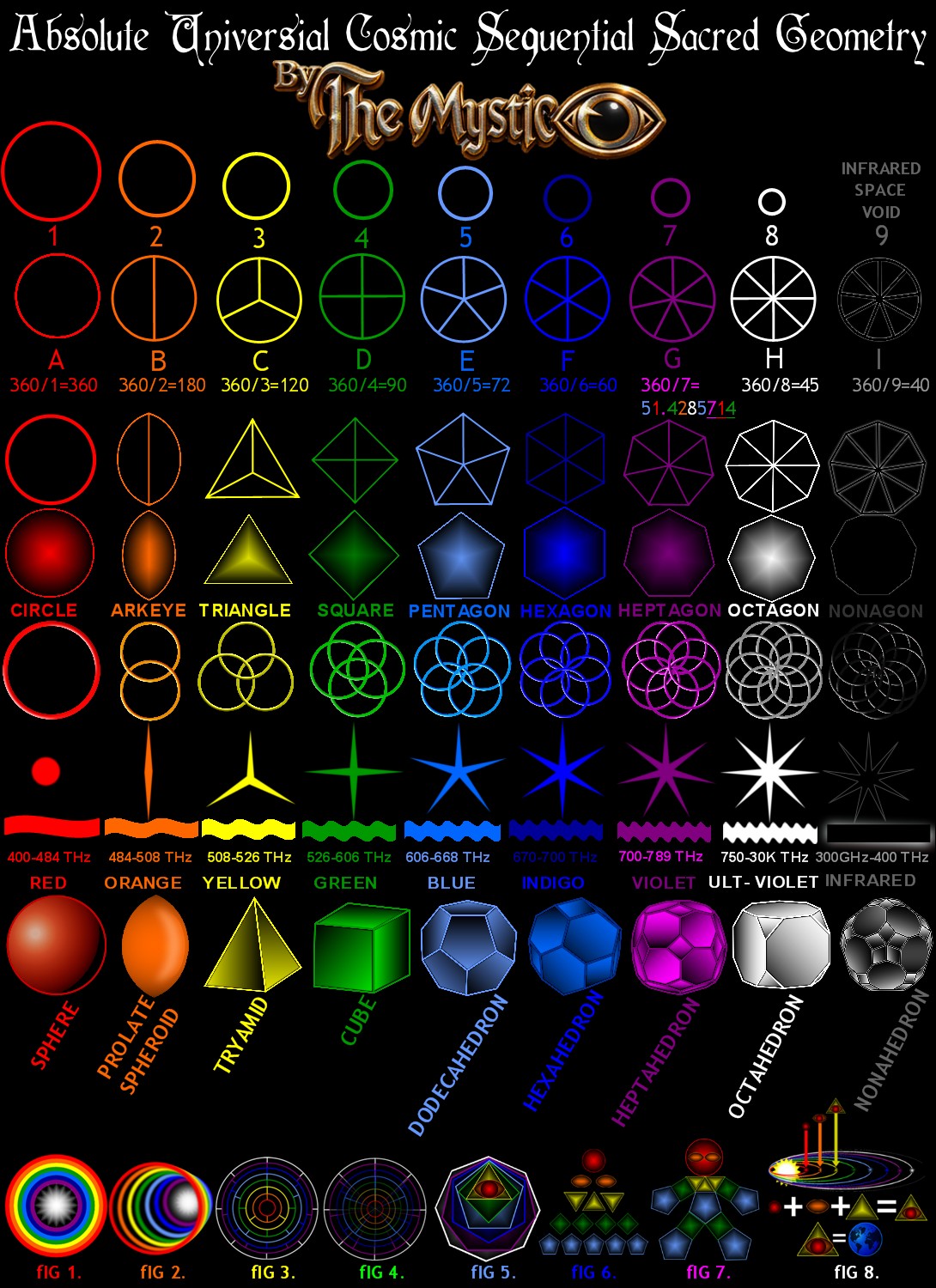
Now, for the first time in perhaps thousands of years, the mystery of True Sacred Geometry has been solved! As what was once a chaotic mess of confusion and misunderstanding has finally been put into the correct absolute order, revealing what can only be described as a masterful chart which presents an elegant visual explanation of origin, as well as the relationship within and between sacred geometry, light, color, form, shape, frequency, number and letter. No, this has never been achieved in known recorded history, and supposed experts will be beside themselves as they nervously attempt to criticise what is absolute and irrefutable, sending supposed expert academic and amateur enthusiasts alike in sacred geometry scrambling and scouring the internet in search of one singular piece of evidence of one singular work equivalent to this masterpiece. #TrueSacredGeometry #SacredGeometry #SacredGeometries #SacredKnowledge #UniversalGeometry #DivineGeometry #AncientWisdom #HiddenKnowledge #UniversalTruth #GeometryOfCreation #OriginOfCreation #CosmicOrder #DivineOrder #SacredScience #GeometryOfLight #LightAndColor #FrequencyAndVibration #NumbersAndLetters #UniversalPatterns #MathematicsOfTheUniverse #AncientMysteries #GeometryOfTheUniverse #BlueprintOfCreation #MysteriesOfTheUniverse #SecretsOfTheUniverse #SacredWisdom #SacredPatterns #SacredSymbols #SacredMathematics #CosmicGeometry #GeometryOfExistence #GeometryOfLife #GeometryOfSound #GeometryOfConsciousness #TheLanguageOfCreation #GeometryOfEverything #GeometryOfNature #AncientKnowledge #LostKnowledge #ForgottenKnowledge #EsotericKnowledge #EsotericWisdom #OccultKnowledge #Mysticism #Metaphysics #MetaphysicalScience #SpiritualScience #SpiritualAwakening #SpiritualDiscovery #Consciousness #HigherConsciousness #UniversalConsciousness #CosmicConsciousness #ExpandedConsciousness #Awakening #Enlightenment #HigherKnowledge #AncientCivilizations #AncientTeachings #LostCivilizations #AncientScience #SacredTraditions #HermeticWisdom #HermeticPrinciples #UniversalLaws #LawsOfNature #NaturalOrder #MathematicalMysteries #UniversalMathematics #SacredNumbers #Numerology #NumberMysteries #GeometryAndMathematics #MathematicalPatterns #NumericalPatterns #Symbolism #SacredSymbolism #SymbolicLanguage #LanguageOfTheUniverse #UniversalLanguage #Frequency #Frequencies #Vibration #VibrationalFrequency #EnergyAndFrequency #UniversalEnergy #EnergyPatterns #Resonance #Harmonics #HarmonicResonance #SoundAndFrequency #SoundGeometry #Cymatics #Light #LightFrequency #LightAndFrequency #NatureOfLight #SpectrumOfLight #ElectromagneticSpectrum #VibrationalUniverse #WaveFrequency #WavePatterns #FormAndShape #SacredForms #GeometricForms #GeometricPatterns #GeometricDesign #GeometricShapes #Fractals #FractalGeometry #FractalPatterns #SelfSimilarity #GoldenRatio #DivineProportion #FibonacciSequence #FibonacciSpiral #PhiRatio #FlowerOfLife #SeedOfLife #FruitOfLife #TreeOfLife #MetatronsCube #Merkaba #VesicaPiscis #SriYantra #PlatonicSolids #PlatonicGeometry #ArchimedeanSolids #Torus #ToroidalGeometry #FlowerOfCreation #SeedOfCreation #SacredCircles #SacredTriangles #SacredSpirals #HexagonalGeometry #Hexagons #PentagonalGeometry #ThreeDimensionalGeometry #DimensionalGeometry #HigherDimensions #Multidimensional #QuantumGeometry #QuantumPhysics #QuantumScience #UnifiedTheory #TheoryOfEverything #UniversalConnections #EverythingIsConnected #Interconnectedness #CosmicPatterns #CosmicDesign #IntelligentDesign #OrderFromChaos #PatternsInNature #NatureIsMathematical #MathematicsInNature #ScienceAndSpirituality #ScienceMeetsSpirituality #ArtAndScience #GeometryAndArt #VisualMathematics #VisualKnowledge #KnowledgeIsPower #NewDiscoveries #GroundbreakingDiscovery #RevolutionaryKnowledge #NewUnderstanding #ParadigmShift #BeyondTheOrdinary #BeyondConventionalThinking #ThinkBeyond #ExploreTheUnknown #QuestionEverything #SeekTheTruth #TruthSeekers #KnowledgeSeekers #OpenYourMind #ExpandYourMind #MindBlowingDiscoveries #CosmicMysteries #TheGreatMystery #TheMasterPattern #TheMasterKey #TheMissingLink #TheUltimateConnection #TheGrandDesign #TheGrandPattern #TheUniversalBlueprint #Masterpiece #GeometryMasterpiece #SacredGeometryChart #GeometryChart #VisualExplanation #VisualDiscovery #KnowledgeUnveiled #MysterySolved #AncientMysterySolved #TheBigPicture #DiscoverTheTruth #ExploreSacredGeometry #SacredGeometryCommunity #SacredGeometryArt #SacredGeometryDesign #SacredGeometryStudy #SacredGeometryResearch #SpiritualCommunity #ConsciousCommunity #MetaphysicalCommunity #EsotericCommunity #AlternativeKnowledge #AlternativeScience #IndependentResearch #IndependentDiscovery #DeepResearch #UniversalUnderstanding #OriginAndCreation #LightColorFrequency #FormShapeFrequency #NumberAndLetter #TheScienceOfCreation #TheArtOfCreation #CosmicUnderstanding #InfinitePatterns #InfiniteGeometry #InfiniteWisdom #InfinitePossibilities #BeyondTheVisible #UncoveringTheUnknown #HiddenInPlainSight #KnowledgeWithoutLimits #DiscoverSomethingNew #ShareKnowledge #MindExpanding #AncientAndModernWisdom #Spirituality #Science #Mathematics #Art #Cosmos #Universe #MindBlowing #TruthRevealed #KnowledgeRevealed #Metaphysics #GeometryOfLight #GoldenRatio #FibonacciSequence #PlatonicSolids #FractalGeometry #CosmicOrder #DivineProportion #QuantumGeometry #AncientScience #UniversalEnergy #TheUniversalBlueprint #TheMissingLink #MysterySolved #EverythingIsConnected #PatternsInNature #GeometryOfTheUniverse #BlueprintOfCreation #HigherConsciousness #AncientMysteries #EsotericKnowledge #SpiritualAwakening #DivineGeometry #SacredScience #HiddenKnowledge #UniversalTruth #LanguageOfCreation #NumbersAndLetters #FrequencyAndVibration #LightAndColor #GeometryOfCreation #OriginOfCreation #AncientWisdom #KnowledgeIsPower #ExploreTheUnknown #ParadigmShift #GroundbreakingDiscovery #MindBlowingDiscoveries #TruthSeekers #TheMasterKey #TheGrandDesign #SacredGeometryArt #SacredGeometryDesign #SacredGeometryResearch #GeometryMasterpiece #GeometryChart #VisualDiscovery #TheBigPicture #DiscoverTheTruth #UniversalPatterns #UniversalConnections #CosmicPatterns #CosmicDesign #OrderFromChaos #MathematicsOfTheUniverse #SacredMathematics #GeometryAndMathematics #SacredNumbers #Numerology #Symbolism #VibrationalFrequency #HarmonicResonance #Cymatics #WavePatterns #GeometricPatterns #GeometricForms #GoldenRatio #FlowerOfLife #SeedOfLife #MetatronsCube #Merkaba #VesicaPiscis #SriYantra #Torus #ToroidalGeometry #HigherDimensions #Multidimensional #TheoryOfEverything #ScienceMeetsSpirituality #ArtAndScience #VisualMathematics #AncientCivilizations #AncientTeachings #HermeticWisdom #UniversalLaws #NaturalOrder #SpiritualScience #CosmicConsciousness #ExpandedConsciousness #Enlightenment #Awakening #OpenYourMind #ExpandYourMind #MindExpanding #HiddenInPlainSight #BeyondTheVisible #InfinitePossibilities #InfiniteWisdom #AncientAndModernWisdom
Jaunius Varnas 2w

MUCH ADO ABOUT NOTHING Okey, this is NEW to me. NEW that I'm trying a fresh European social network, which I hope will succeed and NEW to me that I'm trying to write english analysis. I'm a geopolitics writer from Lithuania who has a dedicated reader base on facebook and growing my base on youtube. So this is just me trying to reach a bigger European audience. Hope you like it. Now with my post: Have you noticed that we've gone right back to early 2025? And how quickly regimes change their propaganda narratives whenever the situation shifts or they see an opportunity? We've just had two weeks that really felt like a repeat of early 2025. Suddenly, there's pressure to end the war AGAIN. Suddenly, concessions to Russia and excuses for its actions AGAIN. Pressure on Ukraine AGAIN. The same fake negotiators travelling to meet the fake tsar and sucking up to him AGAIN. Military aid to Ukraine being blocked AGAIN. New/same proposals to end the war AGAIN. And suddenly, kremlin propaganda is treating the americans as friends AGAIN. AND NOTHING... Nothing will change, because it always hits the same wall. russia demands territories that never belonged to it, that it does not control and that it cannot conquer. The Americans want Ukraine to accept this condition because trump simply wants the war to end, no matter the terms. Well... Ukraine refuses to be blackmailed. Once again. Okay, there is one small difference. In early 2025, trump was trying to show that he was delivering on his promises AFTER the election. In late 2026, he's trying to convince the next wave of voters that he's still relevant BEFORE the election. The really interesting part is that Ukraine is in a much better position today than it was in early 2025. Back then, Trump told Zelensky that he had no cards. Now he's asking Zelensky not to play the entire hand of cards he actually holds. YES, there was a bit of panic among all of us. It's certainly not pleasant when the USA starts throwing obstacles in Ukraine's way. The good thing is that these episodes have always been temporary. Because the whole world quickly finds out what the americans have done, and eventually they run out of room to manoeuvre. First, because it becomes embarrassing. Second, because they often end up creating problems for themselves. Every restriction on intelligence sharing, every starlink restriction and every suspension of weapons deliveries is seen around the world for what it is: blackmail. And after every trump-style act of blackmail, America suddenly starts losing economic partners and arms customers, while Europe accelerates the development of its own systems and works to free itself from dependence on the United States. And this latest attempt by trump to portray putin as the saviour of the US economy and Zelensky as the man to blame for high diesel prices? I'd say it has backfired spectacularly. Trump's approval rating has fallen to 31%. Meanwhile, Zelensky's approval rating has surged AGAIN, reaching 57% in polls towards the end of October. Well... as I've said before. Every time trump attacks Zelensky, and especially every time he starts shouting that Zelensky should be removed from office, Zelensky refuses to back down and stands up for Ukraine. And the Ukrainian people rally behind him. So, after all this déjà vu nonsense, trump himself revealed two days ago that musk had restricted starlink operations in Ukraine and had supposedly been asked to restore the connection. (The fact is, both of them had a hand in this.) And the news media quickly started reporting that everything was back to normal. BUT... no. Nothing has actually been fixed. Yesterday, trump once again started saying that if the restrictions are still in place, he will most definitely sort everything out. In other words, we're seeing the same stalling tactics as with the restrictions on intelligence sharing. In short, musk got angry because Ukraine is striking russian data centres. And trump is probably just as angry for exactly the same reason. Because these attacks undermine his election propaganda campaign. Speaking of data centres, today the Ukrainians struck a particularly SIGNIFICANT one. The target was a data centre belonging to russia's federal xax service. Why does this matter? It stores and processes tax records and other government information. If the damage is extensive, this could cause the russian authorities far more trouble than a disruption to online payments. Unfortunately, all we know so far is that the building's exterior was damaged. Whether the interior was affected remains unclear. Now, back to those boomerangs coming back to hit America after its blackmail tactics. European telecommunications companies are ALREADY discussing how to join forces and strengthen a common European mobile communications network. To make this possible, the European Commission decided earlier this year that, once certain agreements with foreign partners expire, some frequencies used by European satellites would be allocated to European companies rather than foreign ones. Well... put simply, spaceX and its starlink service could lose access to certain frequency bands in Europe. And the Americans are furious about it. Meanwhile, following all this starlink nonsense, the Ukrainians are joining forces with Finland's NOKIA and ICEYE to develop their own domestic satellite communications system. And this brings us to the main point: trump's blackmail tactics are coming back to hurt him and his best friend, the fake tsar, in a big way. russia will NOT get territories that never belonged to it and should never belong to it. Instead, it will ultimately destroy itself in this senseless war. By trying to pressure Ukraine, trump has effectively thrown a spanner in the republicans' works just before the elections. Europe has started calling trump what he is: a traitor. And Ukraine, together with Europe, is moving even further away from America's hostile administration while gaining greater independence. It will be a very strange period if, as we hope, America really does experience a Blue Wave in the elections. The Democrats, with a majority in Congress, will try to rebuild relations with Europe and help Ukraine, while a politically isolated president will probably obstruct their efforts out of spite over his election defeat. Either way, we still have a long way to go before the elections. And as the rift between Europe and America continues to widen, we're also seeing growing US pressure on Europe and attempts to interfere in our internal affairs. Returning to starlink, trump and musk are already publicly ranting that Europe will face consequences if it tries to restrict the activities of American companies on our continent. And this interference in European affairs is also clearly visible in Trump's comments about the protests taking place across Europe. I'll be publishing several detailed articles about that over the weekend. Meanwhile, several significant decisions concerning Ukraine were made in Europe this week: 1) Ukraine has been allowed to purchase weapons through NATO's procurement agency. In other words, procurement should become faster and more cost-effective. 2) EU leaders have expressed support for Ukraine's steps towards EU membership. More and more negotiating clusters are being opened. 3) The EU has also unanimously rejected the idea of territorial concessions. 4) There is also increasingly serious discussion about a new, additional €70 billion aid package for Ukraine for 2027. Once again, there are cautious references to those frozen russian assets. It's probably an unlikely option, but it would certainly be nice to see it happen. I won't try to come up with some magical conclusion. The point is simply that we shouldn't worry too much that some Trump might suddenly force Ukraine into capitulation or somehow make it accept concessions. And we shouldn't expect the war to end just yet, either. Not because we don't desperately want this nightmare of terror to end, but because russia simply isn't ready to stop fighting. All those Kremlin statements about being willing to negotiate are nothing more than an attempt to extract concessions in advance. So, once again, this is a good time to support Ukrainian soldiers' fundraising campaigns. Still, I can at least wish you all a good weekend. --------- P.S. I use capital letters for those that I respect, and small letters to those that I have no respect. You get it. Follow me for more in-depth articles about Europe, Ukraine, USA, war with russia, war with Iran, Middle East, China and all kinds of interesting geopolitics topics. The following ones will be about the ongoing protests/riots in Europe.

801

The author argued that some people dismissed the possibility of consciousness in large language models because they operated in turns rather than continuously. They said human consciousness only appeared continuous, claiming that human minds also worked in discrete steps, but at a higher frequency.

2999
Margus Tsahkna Sep 26

Russia’s provocations, cyberattacks, and acts of sabotage have, due to their high frequency over the past years, become almost routine. Their aim is to induce fear and division. At the same time, I don’t see any signs that Russia is planning a full-scale military invasion. The #Russia #Cybersecurity #Provocations #RU

234
Luciano Magaldi Sardella (PhD) Sep 19

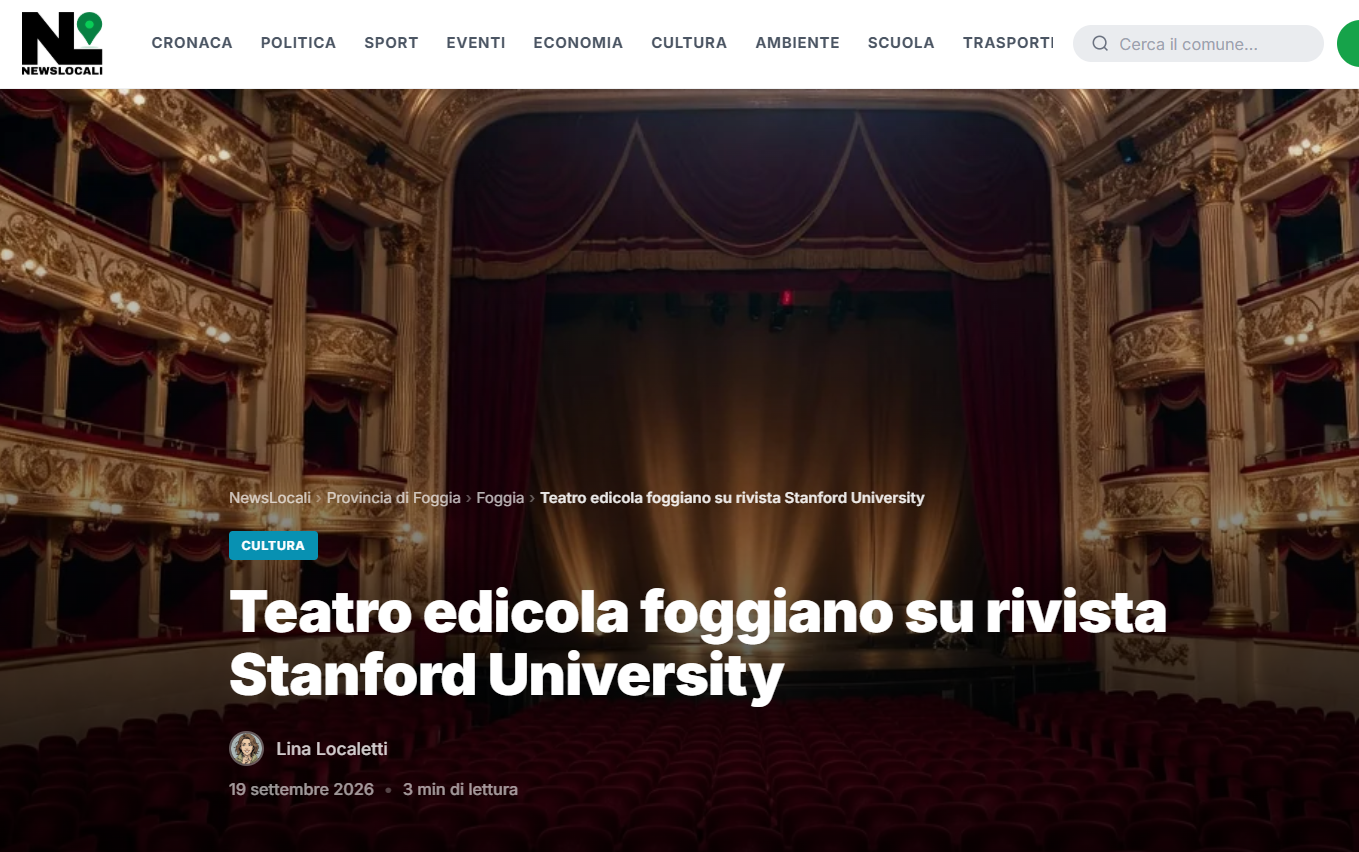
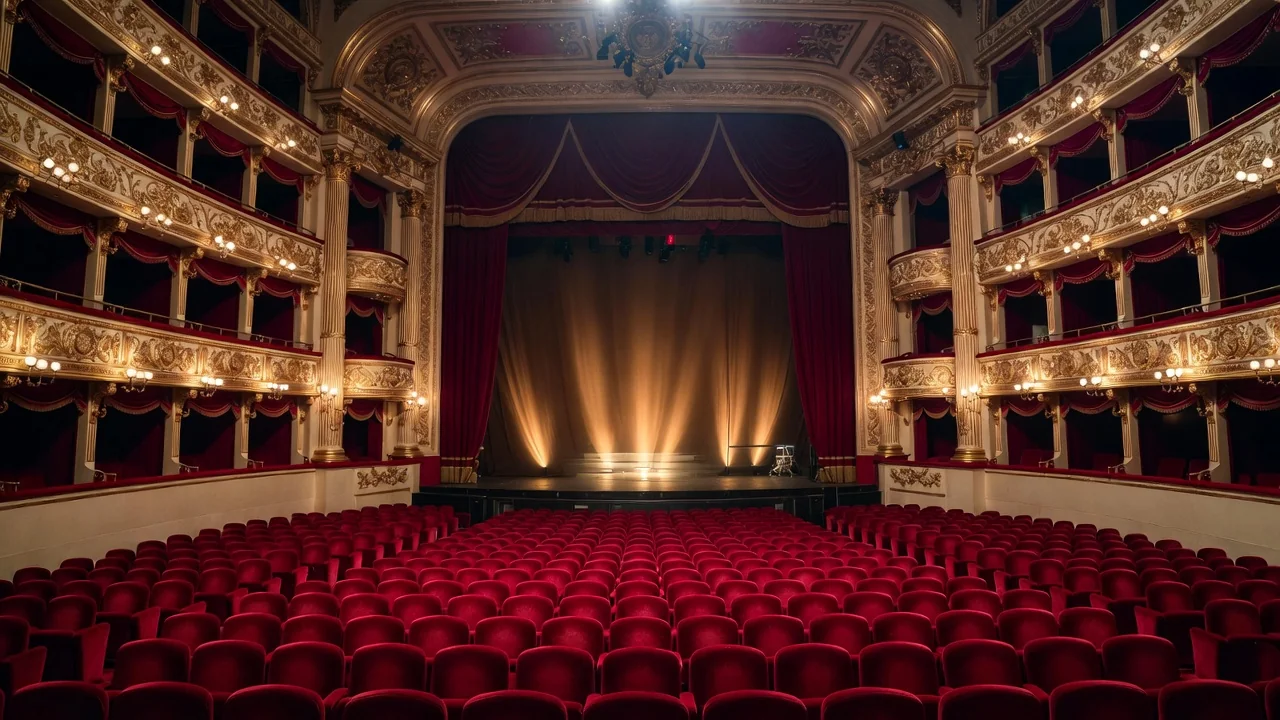
"LOCAL NEWS": FOGGIA-PROVINCE-BASED NEWSSTAND THEATRE IN A STANFORD UNIVERSITY REVIEW SOURCE: https://www.newslocali.it/foggia/teatro-edicola-foggiano-su-rivista-stanford-university SAN SEVERO (FG) - The 'smallest theatre in the world' in San Severo becomes an international case study. Its singularity has been chronicled in the prestigious journal of Stanford University, thereby commanding global attention. A diminutive theatre conquers Stanford University The innovative teatro edicola of San Severo, in the Province of Foggia, has attained an extraordinary milestone. This space, styled the 'smallest theatre in the world', is now the subject of academic study. Its history and operational model have been expounded in a publication of considerable international repute. The journal Stanford Social Innovation Review (SSIR), renowned for its much-lauded analyses of global solutions, has devoted attention to the initiative. The article, entitled "Six-Seat Revolution", was authored by the Foggian researcher Luciano Magaldi Sardella. Editorial supervision was entrusted to David V. Johnson. The piece appears in the 'Dispatches' section of the review. This publication constitutes a point of reference for social innovations and impact strategies. The success of the model and future prospects Francesco Gravino, artistic director of the theatrical company Foyer 97, has expressed profound satisfaction. "It is an achievement that rewards our labour," Gravino declared. The notion of transfiguring a disused site into a cultural centre has met with resounding success. The newsstand theatre model has generated requests for replication from sundry Italian cities. Amongst these, Lucca and Rome have evinced interest. The objective was to create a cultural enterprise within a derelict space. Gravino advocates for regional legislation that would facilitate the reconversion of disused areas. These might become veritable 'cultural outposts' for communities. The Foyer 97 company is already labouring upon its forthcoming programme. The coming year shall mark a significant anniversary for the company. It shall indeed celebrate 30 years of activity. This milestone shall be commemorated with sundry novelties. A success with public and critics alike The newsstand theatre is distinguished by its diminutive dimensions. It comprises but six chairs and occupies less than two square metres. Notwithstanding its limited space, performances are reprised every 15 minutes. This frequency ensures a substantial influx of spectators, with consistently sold-out houses. The experiment has captured the interest of young and old alike. It has also aroused curiosity within the world of entertainment. A significant episode occurred between late July and early August. During a stop of his tour in Lucera, the singer Biagio Antonacci paid a surprise visit. Antonacci paused at the newsstand theatre and performed his song 'Iris'. "It was truly a most beautiful encounter," Gravino remarked. The event captivated the attention of passers-by, demonstrating the capacity of the diminutive theatre to engender memorable moments. Questions and Answers What is the newsstand theatre of San Severo? The newsstand theatre of San Severo is a cultural space of exceedingly reduced dimensions, defined as 'the smallest theatre in the world'. It affords a mere six seats and offers continuous reprises of performances. Why was the newsstand theatre published in the Stanford University journal? The newsstand theatre was the subject of a study published in the Stanford Social Innovation Review by virtue of its innovative model for reconverting disused spaces into successful cultural centres. The article The Six-Seat Revolution analyses its uniqueness and its impact.

www.newslocali.it
Teatro edicola foggiano su rivista Stanford University
1173
Luciano Magaldi Sardella (PhD) Sep 5

"RadioText-RadioSoftware (1983–1989)": Il Primo Programma Radiofonico (dimenticato) della Divulgazione Informatica in Italia SOURCE: https://www.linkedin.com/pulse/radiotext-radiosoftware-19831989-il-primo-programma-sardella-ph-d--hkcpf/ Radiosoftware costituisce il pioniere italiano in assoluto della divulgazione via etere di alfabetizzazione digitale nel Belpaese Abstract Il presente contributo ricostruisce la storia di Radiosoftware, il prilo programma radiofonico italiano che ha anticipato di oltre un decennio la divulgazione della microtelematica, dell'informatica e del digitale, e le moderne modalità di distribuzione digitale del software. Nato nel 1983 presso Radio Popolare e successivamente sviluppato come iniziativa nazionale su Rai Radio 3 dal 1984 al 1989, Radiosoftware rappresenta il primo radioprogramma italiano con divulgazione e trasmissione via etere di software eseguibile per home computer. Attraverso l'analisi della sua evoluzione tecnica, dei contenuti didattici e dell'impatto culturale, questo articolo dimostra come l'iniziativa abbia costituito un precedente significativo nell'alfabetizzazione informatica nazionale, nella democratizzazione dell'accesso al software e nello sviluppo di comunità di programmatori amatoriali, ponendosi come capostipite di un ecosistema mediale dedicato alla divulgazione tecnologica che si è esteso fino all'era contemporanea. Keywords: storia dell'informatica italiana, divulgazione tecnologica, broadcasting digitale, alfabetizzazione informatica, Radio Popolare Introduzione: L'Alba della Divulgazione Informatica in Italia Nel panorama della storia dei media digitali italiani, un capitolo fondamentale rimane poco esplorato dalla letteratura accademica: quello della divulgazione informatica attraverso il mezzo radiofonico negli anni Ottanta. In un'epoca caratterizzata dall'assenza di connettività di rete e da barriere economiche e geografiche nell'accesso alle tecnologie informatiche, la radio si configurò come strumento democratico per la diffusione della cultura digitale nascente. Radiosoftware emerge in questo contesto come iniziativa pionieristica assoluta in Italia, anticipando non solo analoghe esperienze italiane, ma posizionandosi tra i primi esperimenti europei di trasmissione di software via etere. La sua genesi presso Radio Popolare nel 1983 e la successiva evoluzione come programma nazionale su Rai Radio 3 testimoniano un percorso di innovazione tecnica e pedagogica che merita un'analisi approfondita. Contenuto dell’articolo La Fase Originaria: Radio Popolare (1983) La nascita di Radiosoftware presso Radio Popolare nel 1983 costituisce il momento fondativo della divulgazione informatica radiofonica in Italia. In un periodo in cui i personal computer rappresentavano ancora oggetti di nicchia, il programma si propose di esplorare sistematicamente linguaggi di programmazione, architetture hardware e applicazioni pratiche dell'informatica domestica, rivolgendosi a un pubblico eterogeneo composto da studenti, insegnanti, hobbisti e professionisti. Questa prima incarnazione stabilì i paradigmi concettuali che avrebbero caratterizzato l'intera tradizione successiva: accessibilità linguistica, vocazione didattica, attenzione alle dimensioni sociali e culturali della tecnologia, promozione della partecipazione attiva degli ascoltatori. Contenuto dell’articolo L'Evoluzione Nazionale: da Radiotext a Radiosoftware (1984–1989) L'esperienza maturata presso Radio Popolare trovò sviluppo sistematico nell'iniziativa nazionale coordinata da Rai Radio 3. La fase pilota, denominata Radiotext, prese avvio l'11 maggio 1984 come segmento sperimentale all'interno del programma di attualità Un certo discorso, condotto da Pasquale Santoli. Otto episodi da 30 minuti, trasmessi il venerdì alle 16:00 con repliche domenicali, testarono la fattibilità tecnica e l'interesse del pubblico verso la trasmissione di software eseguibile attraverso segnali audio. Curata da Luigi Grimaldi e Giovanni Sighele della Lega Informatica di Firenze, in collaborazione con Arci Media, la fase pilota dimostrò la viabilità del concetto. Nell'autunno del 1984, il formato si consolidò con la denominazione definitiva Radiosoftware, espandendosi a episodi di un'ora e mantenendo la collocazione all'interno di Un certo discorso. Contenuto dell’articolo La terza stagione, inaugurata il 7 febbraio 1986, introdusse una strutturazione tematica articolata in tre segmenti distintivi: "Hard & soft news" (aggiornamenti e recensioni), "Studiare con il computer" (applicazioni didattiche) e "Radio + informatica" (intersecazioni sperimentali tra broadcasting e informatica). Questa fase evidenziò una crescente sofisticazione pedagogica e una maggiore attenzione alle applicazioni educative formali. Nel tardo 1986, il programma acquisì autonomia editoriale, trasformandosi in trasmissione indipendente con collocazione notturna nei weekend. Il 1987 segnò un'innovazione tecnica significativa con l'introduzione dell'interfaccia hardware a 4800 bit/s sviluppata dal Centro Ricerche RAI di Torino, che consentiva la connessione diretta alla porta seriale RS-232, superando i limiti del metodo audio-cassetta. La fase conclusiva, dal febbraio al giugno 1989, adottò un formato quotidiano breve (10 minuti, dal lunedì al venerdì alle 19:45), concentrandosi su software compatibile MS-DOS. Nonostante l'annuncio di un ciclo per il 1990, nessuna trasmissione nazionale è documentata oltre il giugno 1989. Contenuto dell’articolo Il Metodo Audio-Cassetta (1984–1987) La metodologia iniziale replicava i meccanismi di caricamento da cassetta tipici degli home computer degli anni Ottanta. I programmi venivano codificati come sequenze di impulsi audio—rumori elettronici incomprensibili all'orecchio umano—che gli ascoltatori registravano su audiocassette vergini collegando un registratore all'uscita audio della radio. La cassetta registrata veniva successivamente riprodotta attraverso l'interfaccia cassetta del computer, che decodificava i segnali caricando il software in memoria. Questo approccio, basato su tecniche di modulazione simili al frequency-shift keying (FSK), garantiva compatibilità con piattaforme eterogenee quali ZX Spectrum 48K, Commodore 64, Olivetti M10, successivamente estese ad Apple II, MSX, BBC Micro, Olivetti M24 e M28. Ogni episodio trasmetteva sequenzialmente versioni specifiche per ciascuna piattaforma. Sebbene accessibile e rivoluzionario per la distribuzione di massa nell'Italia pre-Internet, questo metodo presentava limitazioni significative: bassa velocità di trasmissione, suscettibilità agli errori indotti da interferenze radio o rumore ambientale, necessità di precise regolazioni di volume e timing. Contenuto dell’articolo L'Interfaccia Hardware RAI-Radiosoftware (1987) Nel 1987, il Centro Ricerche RAI di Torino sviluppò un'interfaccia avanzata documentata nei rapporti CCIR come sistema RAI-Radiosoftware. L'innovazione principale consisteva nella trasmissione diretta a 4800 bit/s utilizzando modulazione bifase organizzata in pacchetti, consentendo la connessione alla porta seriale RS-232 del computer senza intermediazione di cassette. L'interfaccia era progettata per l'indipendenza dal sistema operativo, con software di gestione adattabile per MS-DOS, CP/M e potenziali estensioni future a Macintosh. Per i computer Olivetti M24 e M28 era disponibile una versione con scheda interna. Il Centro Ricerche sviluppò inoltre software di gestione, cassette di test e manuali, considerando una commercializzazione iniziale a circa 90.000 lire. Questa evoluzione tecnica rappresentò un significativo avanzamento in termini di velocità, affidabilità e usabilità, pur mantenendo in parallelo il metodo audio-cassetta per garantire l'accesso universale. Contenuto dell’articolo Tipologie di Software Trasmesso Il catalogo di software distribuito attraverso Radiosoftware rifletteva un'ampia gamma di applicazioni: utilità pratiche (database tematici su moda, musica, itinerari, diete personalizzate), strumenti educativi (programmi didattici per scuole medie, superiori e conservatori), software ludico (giochi come il pentathlon olimpico per Commodore 64), dimostrazioni grafiche e strumenti creativi (basi per composizione musicale, fumetti digitali). Particolarmente significativa fu l'introduzione, dalla terza stagione, di software didattico sviluppato in collaborazione con il Ministero della Pubblica Istruzione, progettato specificamente per l'utilizzo scolastico in diverse discipline, non limitato all'informatica. Contenuto dell’articolo Partecipazione Comunitaria: La Sezione ORSA L'Osservatorio Radiofonico del Software Autoprodotto (ORSA), riproposto nella terza stagione dal febbraio 1986, costituì uno spazio dedicato alla trasmissione di programmi creati dagli ascoltatori. Questa rubrica trasformò Radiosoftware in una piattaforma bidirezionale, anticipando logiche collaborative che caratterizzeranno decenni dopo le comunità open source e le culture partecipative digitali. La sezione "posta degli ascoltatori" in "Hard & soft news" facilitava inoltre un dialogo continuo con il pubblico, integrando feedback, domande e suggerimenti nella programmazione. Questionari distribuiti alla fine dei cicli e indagini condotte da riviste specializzate come Sperimentare con l'elettronica e il computer fornivano ulteriori meccanismi di valutazione e orientamento editoriale. Contenuto dell’articolo Collaborazioni Istituzionali e Esperimenti Scolastici Nel 1987, Radiosoftware collaborò con l'ITIS Enrico Fermi di Roma per produrre una serie di trasmissioni dedicate allo sviluppo e all'applicazione di software didattico in contesti scolastici. L'iniziativa coinvolse centri di ricezione sperimentali in 60 scuole italiane, dove studenti e insegnanti utilizzavano le interfacce specializzate sviluppate dal Centro Ricerche RAI per catturare e caricare direttamente il software trasmesso. Questi esperimenti posizionarono Radiosoftware come strumento operativo di innovazione pedagogica, estendendo il suo impatto oltre l'utenza hobbistica verso l'integrazione formale nel sistema educativo nazionale. Contenuto dell’articolo Confronto con Esperienze Europee Sebbene Radiosoftware rappresenti la prima iniziativa nazionale italiana, non fu il primo esperimento europeo di trasmissione radiofonica di software. Nei Paesi Bassi, il programma Hobbyscoop dell'emittente pubblica NOS iniziò a trasmettere programmi informatici via radio intorno al 1979-1980, sviluppando successivamente lo standard Basicode (dal 1982). Questo formato standardizzato utilizzava un sottoinsieme ristretto di comandi BASIC e routine di traduzione specifiche per piattaforma, garantendo portabilità attraverso architetture eterogenee mediante modulazione FSK a 1200 bps. Contenuto dell’articolo Nel Regno Unito, The Chip Shop di BBC Radio 4, condotto da Barry Norman e lanciato nel 1984, includeva un servizio "takeaway" che trasmetteva programmi Basicode in orario notturno su VHF. Contenuto dell’articolo Differenziazione Tecnica e Culturale Diversamente dagli approcci basati su Basicode, che privilegiavano la portabilità a livello di linguaggio interpretato, Radiosoftware trasmetteva file eseguibili specifici per piattaforma, spesso in codice macchina, codificati come toni audio analoghi ai segnali di caricamento da cassetta. Questa scelta rifletteva priorità differenti: massimizzare le prestazioni e le capacità specifiche di ciascuna architettura piuttosto che garantire compatibilità universale attraverso un linguaggio standardizzato. L'introduzione successiva dell'interfaccia a 4800 bit/s con connessione RS-232 rappresentò un'ulteriore differenziazione, bypassando completamente la registrazione su cassetta. Queste specificità tecniche testimoniano un percorso di sviluppo autonomo, orientato alle caratteristiche del mercato e dell'ecosistema informatico italiano. Contenuto dell’articolo Transizione verso il Telesoftware Tra il 1988 e il 1989, Radiosoftware fu progressivamente affiancato e superato dal telesoftware trasmesso attraverso Televideo, il sistema teletext di RAI. Definito tecnicamente dal Centro Ricerche RAI in collaborazione con Olivetti, il sistema divenne operativo nel 1989 dopo esperimenti scolastici coordinati con il Ministero della Pubblica Istruzione e Seleco nel 1988. Il telesoftware rappresentava un'evoluzione naturale che spostava la distribuzione dalla radio alla televisione, offrendo vantaggi in termini di capacità di banda e infrastruttura di ricezione già diffusa. Questa transizione rifletteva tendenze più ampie nella convergenza mediale e nell'evoluzione delle tecnologie di broadcasting digitale. Contenuto dell’articolo Obsolescenza e Ascesa di Internet L'emergere di Internet negli anni Novanta rese obsoleti sia i metodi di distribuzione software basati su radio che quelli basati su teletext. Le reti digitali bidirezionali offrivano velocità, scalabilità e interattività incomparabili, trasformando radicalmente i paradigmi di accesso e distribuzione del software. Tuttavia, l'eredità concettuale di Radiosoftware persiste: l'idea di distribuzione massiva di contenuti digitali eseguibili attraverso canali di broadcasting anticipò logiche che riemergono nelle moderne distribuzioni over-the-air di firmware e aggiornamenti software per dispositivi mobili e IoT. Contenuto dell’articolo L'Ecosistema della Divulgazione Informatica Radiofonica Italiana 📻 TIMELINE COMPLETA Dalla nascita della divulgazione informatica in radio all'ecosistema digitale contemporaneo 🟦 1983 — L'ORIGINE Radiosoftware – Radio Popolare (1983) Il primo programma italiano interamente dedicato all'informatica, ai linguaggi di programmazione e ai personal computer. Capostipite assoluto della tradizione italiana di divulgazione tecnologica radiofonica. 🟦 ANNI '80 — I PRIMI EREDI 1984–1989 — Bit, Byte & Musica – Radio Popolare Tecnologia, elettronica, prime reti, cultura hacker. Prosegue lo spirito pionieristico di Radiosoftware, esplorando le dimensioni controculturali e comunitarie dell'informatica nascente. 11987–1990 — Decoder / Cyberpunk – Radio Popolare Prime discussioni sistematiche su BBS, crittografia, telematica alternativa, anticipando tematiche che diventeranno centrali nell'era Internet. 🟩 ANNI '90 — L'ERA INTERNET 1993 — Golem – Radio3 Riflessione critica su media e tecnologie digitali, inserendo la trasformazione tecnologica in un quadro culturale e filosofico più ampio. 1994 — Eta Beta – Radio1 Innovazione, società dell'informazione, trasformazione digitale. Divulgazione tecnologica per un pubblico generalista in fase di prima alfabetizzazione digitale. 1995 — Internetworkcity – Radio Deejay Condotto da Claudio Cecchetto e Marco Camisani Calzolari, rappresenta il primo programma pop-commerciale dedicato a Internet, introducendo email, siti web, chat e cultura cyber al grande pubblico con linguaggio accessibile e approccio divulgativo massificato. 1996–1999 — Mediamente (versione radiofonica) – RAI Divulgazione su Internet, reti, cultura digitale, con particolare attenzione alle implicazioni sociali e cognitive delle tecnologie emergenti. 1997–2000 — Cybernet / Tecnologie e Libertà – Radio Sherwood Software libero, diritti digitali, reti civiche. Prosecuzione della tradizione critica e comunitaria inaugurata da Radio Popolare, con focus su dimensioni politiche e libertarie della tecnologia. Questa timeline evidenzia come Radiosoftware non rappresenti un fenomeno isolato, ma il punto di origine di una tradizione continuativa che ha attraversato oltre quattro decenni. Dai linguaggi di programmazione e dalla trasmissione di software via etere degli anni Ottanta, attraverso le esplorazioni delle BBS e della telematica alternativa, fino all'alfabetizzazione di massa su Internet negli anni Novanta e alle riflessioni critiche su software libero e diritti digitali, si delinea un filo conduttore che testimonia il ruolo del mezzo radiofonico come spazio privilegiato per la mediazione culturale delle tecnologie emergenti. Contenuto dell’articolo Riconoscimento Contemporaneo e Preservazione Archivistica In anni recenti, Radiosoftware ha acquisito rinnovata attenzione come iniziativa pioneristica nella storia dell'informatica italiana. Nel 2024, contributi di studiosi come Andrea Fortuna hanno descritto il programma come capitolo affascinante nella diffusione del personal computing in Italia, sottolineando il suo approccio innovativo alla distribuzione di software eseguibile nell'era pre-Internet. La RAI ha preservato selezioni dalla fase iniziale del programma attraverso piattaforme digitali come RaiPlay Sound, dove una playlist dedicata nella serie "Via Asiago 10" include diversi episodi pilota del 1984, originariamente trasmessi su Rai Radio 3. Sforzi di preservazione da parte di appassionati hanno ulteriormente contribuito a mantenere accessibili porzioni dell'eredità del programma, con registrazioni audio parziali e interviste agli ascoltatori disponibili su siti dedicati. Radiosoftware costituisce un caso di studio significativo per molteplici prospettive disciplinari. Dal punto di vista della storia dei media, rappresenta un'innovazione nell'utilizzo del mezzo radiofonico, estendendo le sue funzionalità oltre la trasmissione di contenuti audio verso la distribuzione di codice eseguibile. Nella storia dell'informatica, testimonia strategie di democratizzazione dell'accesso al software in contesti caratterizzati da scarsità di risorse e infrastrutture. Dal punto di vista pedagogico, anticipa modelli di apprendimento distribuito e comunitario che riemergono nelle moderne piattaforme educative online. La dimensione partecipativa incarnata dalla sezione ORSA prefigura dinamiche collaborative che caratterizzeranno le culture open source. La sua posizione come capostipite di un ecosistema mediale continuativo dedicato alla divulgazione tecnologica—da Radio Popolare attraverso le emittenti pubbliche nazionali fino alle esperienze degli anni Novanta—sottolinea il ruolo del broadcasting radiofonico come infrastruttura culturale essenziale nei processi di alfabetizzazione digitale nazionale. In un'epoca in cui la distribuzione over-the-air di aggiornamenti software è divenuta pratica ordinaria per miliardi di dispositivi connessi, Radiosoftware emerge non come curiosità antiquaria, ma come antecedente concettuale che illumina genealogie tecnologiche spesso trascurate. La sua riscoperta e preservazione archivistica costituiscono operazioni essenziali per una comprensione completa delle radici della cultura digitale italiana.

www.linkedin.com
"RadioText-RadioSoftware (1983–1989)": Il Primo Programma Radiofonico (dimenticato) della Divulgazione Informatica in Italia
942
Luciano Magaldi Sardella (PhD) Sep 5

"RadioText-RadioSoftware (1983–1989)": The First (Forgotten) Radio Programme of Computer Science Dissemination in Italy SOURCE: https://www.linkedin.com/pulse/radiotext-radiosoftware-19831989-first-forgotten-sardella-ph-d--eqief/ Radiosoftware represents Italy's absolute pioneer in broadcasting digital literacy education over the airwaves in the Belpaese. Abstract This paper reconstructs the history of Radiosoftware, the first Italian radio programme which anticipated by over a decade the dissemination of microtelematics, computing, and digital technology, as well as modern methods of digital software distribution. Established in 1983 at Radio Popolare and subsequently developed as a national initiative on Rai Radio 3 from 1984 to 1989, Radiosoftware represents the first Italian radio programme to broadcast educational content and transmit executable software for home computers over the airwaves. Through analysis of its technical evolution, educational content, and cultural impact, this article demonstrates how the initiative constituted a significant precedent in national computer literacy, the democratisation of access to software, and the development of amateur programming communities, establishing itself as the progenitor of a media ecosystem dedicated to technological dissemination that has extended into the contemporary era. Keywords: history of Italian computing, technological dissemination, digital broadcasting, computer literacy, Radio Popolare Introduction: The Dawn of Computing Dissemination in Italy In the landscape of Italian digital media history, a fundamental chapter remains little explored in academic literature: that of computing dissemination through radio broadcasting in the 1980s. In an era characterised by the absence of network connectivity and economic and geographical barriers to accessing computer technologies, radio configured itself as a democratic instrument for the diffusion of nascent digital culture. Radiosoftware emerges in this context as an absolutely pioneering initiative in Italy, anticipating not only analogous Italian experiences but also positioning itself amongst the first European experiments in software transmission over the airwaves. Its genesis at Radio Popolare in 1983 and subsequent evolution as a national programme on Rai Radio 3 bear witness to a trajectory of technical and pedagogical innovation that merits in-depth analysis. Contenuto dell’articolo The Original Phase: Radio Popolare (1983) The birth of Radiosoftware at Radio Popolare in 1983 constitutes the foundational moment of radio-based computing dissemination in Italy. In a period when personal computers still represented niche objects, the programme set out to systematically explore programming languages, hardware architectures, and practical applications of home computing, addressing a heterogeneous audience composed of students, teachers, hobbyists, and professionals. This first incarnation established the conceptual paradigms that would characterise the entire subsequent tradition: linguistic accessibility, pedagogical vocation, attention to the social and cultural dimensions of technology, and promotion of active listener participation. Contenuto dell’articolo The National Evolution: From Radiotext to Radiosoftware (1984–1989) The experience gained at Radio Popolare found systematic development in the national initiative coordinated by Rai Radio 3. The pilot phase, denominated Radiotext, commenced on 11 May 1984 as an experimental segment within the current affairs programme Un certo discorso, presented by Pasquale Santoli. Eight 30-minute episodes, broadcast on Fridays at 16:00 with Sunday repeats, tested the technical feasibility and public interest in the transmission of executable software through audio signals. Curated by Luigi Grimaldi and Giovanni Sighele of the Lega Informatica of Florence, in collaboration with Arci Media, the pilot phase demonstrated the viability of the concept. In autumn 1984, the format consolidated with the definitive denomination Radiosoftware, expanding to one-hour episodes and maintaining its placement within Un certo discorso. Contenuto dell’articolo The third season, inaugurated on 7 February 1986, introduced a thematic structuring articulated in three distinctive segments: "Hard & soft news" (updates and reviews), "Studiare con il computer" (educational applications), and "Radio + informatica" (experimental intersections between broadcasting and computing). This phase evidenced a growing pedagogical sophistication and greater attention to formal educational applications. In late 1986, the programme acquired editorial autonomy, transforming into an independent transmission with nocturnal weekend scheduling. 1987 marked a significant technical innovation with the introduction of the 4800 bit/s hardware interface developed by the RAI Research Centre in Turin, which enabled direct connection to the RS-232 serial port, overcoming the limitations of the audio-cassette method. The concluding phase, from February to June 1989, adopted a brief daily format (10 minutes, Monday to Friday at 19:45), concentrating on MS-DOS-compatible software. Despite the announcement of a cycle for 1990, no national transmission is documented beyond June 1989. Contenuto dell’articolo The Audio-Cassette Method (1984–1987) The initial methodology replicated the cassette loading mechanisms typical of 1980s home computers. Programmes were encoded as sequences of audio impulses—electronic noises incomprehensible to the human ear—which listeners recorded onto blank audiocassettes by connecting a tape recorder to the radio's audio output. The recorded cassette was subsequently played through the computer's cassette interface, which decoded the signals, loading the software into memory. This approach, based on modulation techniques similar to frequency-shift keying (FSK), guaranteed compatibility with heterogeneous platforms such as the ZX Spectrum 48K, Commodore 64, Olivetti M10, subsequently extended to the Apple II, MSX, BBC Micro, Olivetti M24 and M28. Each episode transmitted sequentially platform-specific versions for each system. Whilst accessible and revolutionary for mass distribution in pre-Internet Italy, this method presented significant limitations: low transmission speed, susceptibility to errors induced by radio interference or ambient noise, and the necessity for precise volume and timing adjustments. Contenuto dell’articolo The RAI-Radiosoftware Hardware Interface (1987) In 1987, the RAI Research Centre in Turin developed an advanced interface documented in CCIR reports as the RAI-Radiosoftware system. The principal innovation consisted of direct transmission at 4800 bits/s utilising biphase modulation organised in packets, enabling connection to the computer's RS-232 serial port without cassette intermediation. The interface was designed for operating system independence, with management software adaptable for MS-DOS, CP/M, and potential future extensions to Macintosh. For Olivetti M24 and M28 computers, a version with an internal card was available. The Research Centre additionally developed management software, test cassettes, and manuals, considering initial commercialisation at approximately 90,000 lire. This technical evolution represented a significant advancement in terms of speed, reliability, and usability, whilst maintaining the audio-cassette method in parallel to guarantee universal access. Contenuto dell’articolo Types of Software Transmitted The catalogue of software distributed through Radiosoftware reflected a broad range of applications: practical utilities (thematic databases on fashion, music, itineraries, and personalised diets), educational tools (didactic programmes for secondary schools, upper secondary schools, and conservatoires), recreational software (games such as the Olympic pentathlon for the Commodore 64), graphic demonstrations, and creative tools (bases for musical composition and digital comics). Particularly significant was the introduction, from the third season onwards, of educational software developed in collaboration with the Ministry of Public Education, designed specifically for scholastic use across various disciplines, not limited to computing. Contenuto dell’articolo Community Participation: The ORSA Section The Osservatorio Radiofonico del Software Autoprodotto (ORSA) [Radio Observatory of Self-Produced Software], reintroduced in the third season from February 1986, constituted a space dedicated to the transmission of programmes created by listeners. This feature transformed Radiosoftware into a bidirectional platform, anticipating collaborative logics that would characterise, decades later, open-source communities and participatory digital cultures. The "listeners' post" section within "Hard & soft news" additionally facilitated continuous dialogue with the public, integrating feedback, questions, and suggestions into the programming. Questionnaires distributed at the end of cycles and surveys conducted by specialist magazines such as Sperimentare con l'elettronica e il computer provided further mechanisms for evaluation and editorial orientation. Contenuto dell’articolo Institutional Collaborations and School Experiments In 1987, Radiosoftware collaborated with the ITIS Enrico Fermi in Rome to produce a series of transmissions dedicated to the development and application of educational software in scholastic contexts. The initiative involved experimental reception centres in 60 Italian schools, where students and teachers utilised the specialised interfaces developed by the RAI Research Centre to capture and load directly the transmitted software. These experiments positioned Radiosoftware as an operational instrument of pedagogical innovation, extending its impact beyond the hobbyist user base towards formal integration within the national education system. Contenuto dell’articolo Comparison with European Experiences Although Radiosoftware represents the first Italian national initiative, it was not the first European experiment in radio transmission of software. In the Netherlands, the programme Hobbyscoop on the public broadcaster NOS began transmitting computer programmes via radio around 1979–1980, subsequently developing the Basicode standard (from 1982). This standardised format utilised a restricted subset of BASIC commands and platform-specific translation routines, guaranteeing portability across heterogeneous architectures through FSK modulation at 1200 bps. Contenuto dell’articolo In the United Kingdom, The Chip Shop on BBC Radio 4, presented by Barry Norman and launched in 1984, included a "takeaway" service that transmitted Basicode programmes during nocturnal hours on VHF. Contenuto dell’articolo Technical and Cultural Differentiation Unlike approaches based on Basicode, which privileged portability at the interpreted language level, Radiosoftware transmitted platform-specific executable files, often in machine code, encoded as audio tones analogous to cassette loading signals. This choice reflected different priorities: maximising performance and the specific capabilities of each architecture rather than guaranteeing universal compatibility through a standardised language. The subsequent introduction of the 4800 bit/s interface with RS-232 connection represented a further differentiation, bypassing cassette recording entirely. These technical specificities bear witness to an autonomous development pathway, oriented towards the characteristics of the Italian computing market and ecosystem. Contenuto dell’articolo Transition towards Telesoftware Between 1988 and 1989, Radiosoftware was progressively accompanied and superseded by telesoftware transmitted through Televideo, RAI's teletext system. Technically defined by the RAI Research Centre in collaboration with Olivetti, the system became operational in 1989 following scholastic experiments coordinated with the Ministry of Public Education and Seleco in 1988. Telesoftware represented a natural evolution that shifted distribution from radio to television, offering advantages in terms of bandwidth capacity and already widespread reception infrastructure. This transition reflected broader trends in media convergence and the evolution of digital broadcasting technologies. Contenuto dell’articolo Obsolescence and the Rise of the Internet The emergence of the Internet in the 1990s rendered obsolete both radio-based and teletext-based methods of software distribution. Bidirectional digital networks offered incomparable speed, scalability, and interactivity, radically transforming the paradigms of software access and distribution. However, the conceptual legacy of Radiosoftware persists: the idea of mass distribution of executable digital content through broadcasting channels anticipated logics that re-emerge in modern over-the-air distributions of firmware and software updates for mobile devices and IoT. Contenuto dell’articolo The Ecosystem of Italian Radio-Based Computing Dissemination COMPLETE TIMELINE From the birth of computing dissemination on radio to the contemporary digital ecosystem 🟦 1983 — THE ORIGIN Radiosoftware – Radio Popolare (1983) The first Italian programme entirely dedicated to computing, programming languages, and personal computers. The absolute progenitor of the Italian tradition of radio-based technological dissemination. 🟦 THE 1980s — THE FIRST HEIRS 1984–1989 — Bit, Byte & Musica – Radio Popolare Technology, electronics, early networks, hacker culture. Continues the pioneering spirit of Radiosoftware, exploring the countercultural and communal dimensions of nascent computing. 1987–1990 — Decoder / Cyberpunk – Radio Popolare First systematic discussions of BBS, cryptography, alternative telematics, anticipating themes that would become central in the Internet era. 🟩 THE 1990s — THE INTERNET ERA 1993 — Golem – Radio3 Critical reflection on media and digital technologies, situating technological transformation within a broader cultural and philosophical framework. 1994 — Eta Beta – Radio1 Innovation, information society, digital transformation. Technological dissemination for a general audience in the phase of initial digital literacy. 1995 — Internetworkcity – Radio Deejay Presented by Claudio Cecchetto and Marco Camisani Calzolari, represents the first pop-commercial programme dedicated to the Internet, introducing email, websites, chat, and cyber culture to the mass public with accessible language and a massified educational approach. 1996–1999 — Mediamente (radio version) – RAI Dissemination on the Internet, networks, digital culture, with particular attention to the social and cognitive implications of emerging technologies. 1997–2000 — Cybernet / Tecnologie e Libertà – Radio Sherwood Free software, digital rights, civic networks. Continuation of the critical and communal tradition inaugurated by Radio Popolare, with focus on the political and libertarian dimensions of technology. This timeline evidences how Radiosoftware does not represent an isolated phenomenon, but rather the point of origin of a continuous tradition that has traversed over four decades. From the programming languages and over-the-air software transmission of the 1980s, through explorations of BBS and alternative telematics, to mass literacy on the Internet in the 1990s and critical reflections on free software and digital rights, a connecting thread emerges that testifies to the role of radio as a privileged space for the cultural mediation of emerging technologies. Contenuto dell’articolo Contemporary Recognition and Archival Preservation In recent years, Radiosoftware has acquired renewed attention as a pioneering initiative in the history of Italian computing. In 2024, contributions by scholars such as Andrea Fortuna have described the programme as a fascinating chapter in the diffusion of personal computing in Italy, underscoring its innovative approach to the distribution of executable software in the pre-Internet era. RAI has preserved selections from the initial phase of the programme through digital platforms such as RaiPlay Sound, where a dedicated playlist in the "Via Asiago 10" series includes several pilot episodes from 1984, originally broadcast on Rai Radio 3. Preservation efforts by enthusiasts have further contributed to maintaining accessible portions of the programme's legacy, with partial audio recordings and listener interviews available on dedicated websites. Radiosoftware constitutes a significant case study from multiple disciplinary perspectives. From the standpoint of media history, it represents an innovation in the utilisation of radio broadcasting, extending its functionalities beyond the transmission of audio content towards the distribution of executable code. In computing history, it testifies to strategies of democratisation of software access in contexts characterised by scarcity of resources and infrastructure. From a pedagogical standpoint, it anticipates models of distributed and community learning that re-emerge in modern online educational platforms. The participatory dimension embodied by the ORSA section prefigures collaborative dynamics that would characterise open-source cultures. Its position as progenitor of a continuous media ecosystem dedicated to technological dissemination—from Radio Popolare through national public broadcasters to the experiences of the 1990s—underscores the role of radio broadcasting as essential cultural infrastructure in the processes of national digital literacy. In an era when over-the-air distribution of software updates has become ordinary practice for billions of connected devices, Radiosoftware emerges not as an antiquarian curiosity, but as a conceptual antecedent that illuminates often-neglected technological genealogies. Its rediscovery and archival preservation constitute essential operations for a complete understanding of the roots of Italian digital culture.

www.linkedin.com
"RadioText-RadioSoftware (1983–1989)": The First (Forgotten) Radio Programme of Computer Science Dissemination in Italy
589
Nick Stefanov Aug 17

Cold Beer and Hot Showers - Not Kilowatt-Hours All That Consumers Want The energy sector spends an extraordinary amount of time talking about generation, transmission, storage, flexibility, markets, tariffs, balancing, ancillary services, carbon emissions, batteries, hydrogen, demand response, electrification pathways, system costs, capacity mechanisms, investment signals, market design and regulation. All of these things matter. Some of them matter enormously. But there is a simple question that often disappears somewhere between the conference room, the policy paper and the technical model: What does the customer actually want? The answer is surprisingly simple. Most people do not wake up in the morning thinking about kilowatt-hours. They do not dream about capacity markets. They do not worry about frequency stability. They do not spend their evenings comparing balancing mechanisms. They want cold beer and hot showers. They want a warm home in winter and a cool home in summer. They want the lights to turn on when they press the switch. They want their phone charged, their food refrigerated and their car ready when they need it. In other words, they do not want energy. They want what energy allows them to do. That distinction may sound trivial, but it changes almost everything. For more than a century, the energy industry has been organized around the production, transportation and sale of energy itself. Electricity became measured in kilowatt-hours. Gas became measured in cubic meters. Fuel became measured in litres or tonnes. Markets, regulations and business models were built around those units. The customer, however, never experienced life in kilowatt-hours. The customer experienced comfort. Convenience. Mobility. Reliability. Security. The units used by the industry and the outcomes desired by the customer were never the same thing. For a long time, this mismatch was not particularly important. Energy was relatively scarce, flexibility was limited, and the dominant challenge was supplying enough fuel to satisfy demand. The system could afford to focus on production because production was the central problem. Today the situation is changing. Electrification is transforming energy systems around the world. Renewable generation is increasing rapidly. Batteries are appearing in homes, businesses and vehicles. Buildings are becoming smarter. Heat pumps are replacing boilers. Electric vehicles are becoming mobile storage assets. Customers are increasingly able not only to consume energy but also to store it, shift it, manage it and sometimes even sell it. As this happens, the most valuable question is no longer simply how much energy is produced. The more important question becomes: How well is energy aligned with what people actually need? A family does not care whether its water heater operates at noon or at two in the afternoon if hot water is available when someone steps into the shower. A homeowner does not care whether a battery charges at 1 p.m. or 3 p.m. if electricity costs less and reliability improves. An electric vehicle owner does not care when charging occurs as long as the vehicle is ready when needed. The objective is not the kilowatt-hour. The objective is the service. This is why many of the most important developments in modern energy systems are not really about producing more energy. They are about matching energy to the service required, at the right time, in the right place and in the right form. The technical term for this is often hidden behind complicated language. Experts discuss flexibility, demand management, dynamic pricing, distributed energy resources and system optimization. Consumers experience something much simpler. They experience agency. They experience the ability to save money without sacrificing comfort. They experience the ability to make choices. They experience the ability to benefit from technologies that work for them rather than asking them to work for the technology. This is where many debates become confused. Consumers do not want to be coordinated. They want agency. Good energy systems do not force people to behave differently. They make beneficial behaviour easier, more natural and more rewarding. The best systems do not rely on control. They rely on alignment. When the customer’s interest aligns with the system’s interest, remarkable things become possible. Demand shifts naturally. Storage becomes useful. Flexibility appears. Costs decline. Reliability improves. The customer does not need to understand the complexity underneath. Just as nobody needs to understand how the internet routes packets around the globe in order to send a message, nobody should need to understand wholesale electricity markets in order to enjoy affordable energy services. Success is not measured by how much complexity consumers are asked to absorb. Success is measured by how much complexity the system absorbs on their behalf. The future energy system will undoubtedly involve more digital technology, more electrification, more storage, more automation and more coordination. But none of those are the destination. They are merely tools. The destination remains exactly what it has always been. Cold beer. Hot showers. Comfortable homes. Reliable mobility. Affordable bills. Everything else is infrastructure. And perhaps that is the simplest way to understand the energy transition. People do not want kilowatt-hours. They want the life that kilowatt-hours make possible.

237
Wassim Nasr Jun 10

#Mali generals promised peace and never delivered. Quoted in this @nytimes piece about the escalation of jihadi attacks in frequency and scope https://t.co/rv56R1IehE #Mali #peace #jihadism #ML

www.faz.net
Ronaldo über Karriereende: „Ich möchte ein spektakuläres Vermächtnis hinterlassen“
239
Rolf Degen Jun 9

India is the latest country to join the “sex recession,” with a marked decline in the frequency of sexual intercourse among men, and Japanese men are finding it increasingly difficult to achieve penile rigidity for penetration. International studies have shown a steady #SexRecession #India #HealthTrends #IN #JP

120
Christophe Barraud🛢🐳 Jun 1

🇨🇳 #China | Several high frequency indicators point to economic weakness including air traffic (Airportia data), which has been down YoY since April. https://t.co/3y3hZt9mQ3 #China #EconomicWeakness #AirTraffic #CN

120
Euronews English May 21

Northern India is currently facing a severe heat wave, with temperatures nearing 48°C, prompting authorities to establish cooling shelters and issue health warnings as extreme weather conditions disrupt daily life and highlight the increasing frequency of heat waves linked to climate change. #Heatwave #ClimateChange #India

www.euronews.com
Intensifying heat wave grips northern India as temperatures near 48°C
10187
BBC May 16

A large sculpture of E.coli was unveiled in Bristol as part of a national protest organized by Surfers Against Sewage to raise awareness of water pollution issues, particularly the discharge of raw sewage into UK waters, as public anger over the increasing frequency of pollution incidents grows, prompting calls for reform and nationalization of water companies. #WaterPollution #ArtForChange #EnvironmentalAwareness #GB #FR

www.bbc.com
Giant Like Jerram E.coli sculpture at Bristol sewage protest
8993
BBC May 16

More than a third of care homes in North East England have not been inspected by the Care Quality Commission since 2021, raising concerns about oversight and accountability in the sector, as the regulator acknowledges the need to increase the frequency of its assessments amidst a growing backlog. #CareQuality #HealthCare #SocialCare #GB

www.bbc.com
North East: More than a third of care homes not inspected since 2021
8993
BBC May 15

Two sisters claim their father, Glenn Perkins, would likely still be alive if he hadn't been able to repeatedly order alcohol through delivery apps, as they argue that these services failed to intervene despite his alcoholism and alarming order frequency. #AlcoholDelivery #AddictionAwareness #PublicSafety #GB

www.bbc.com
Dad 'would still be here' without Uber Eats alcohol deliveries
9594
The New York Times May 14

U.S. military and intelligence agencies have significantly increased surveillance flights around Cuba, aiming to send a clear message to Cuban authorities amid rising tensions, with the frequency of reconnaissance missions reaching levels not seen since the Cold War, according to U.S. officials. #Cuba #Surveillance #USMilitary #US #CW #VZ

www.nytimes.com
Aviones espía y drones de EE. UU. vigilan a Cuba
10195
R
Reuters May 13

SpaceX is exploring potential locations for new spaceports in the U.S. and abroad as it aims to increase the launch frequency of its fully reusable Starship rocket to thousands of flights annually, which is integral to Elon Musk's vision for Mars colonization and rapid global transportation. #SpaceX #Starship #RocketLaunch #US #IN

www.reuters.com
SpaceX eyes global spaceports as Starship launch ambitions grow ahead of IPO
8996
R
Reuters May 13

SpaceX is exploring potential locations for new "spaceports" in the U.S. and abroad to facilitate a high frequency of Starship rocket launches, as the company aims to achieve thousands of flights per year with its fully reusable rocket system, which is crucial for Musk's ambitions in Mars colonization and global transportation. #SpaceX #Starship #SpaceInnovation #US #IN

www.reuters.com
SpaceX eyes global spaceports as Starship launch ambitions grow ahead of IPO
8996
R
Reuters May 13

SpaceX is exploring potential locations for new "spaceports" as it prepares for the high-frequency launches of its reusable Starship rocket, which is central to Elon Musk's ambitious plans for Mars colonization and other global transportation initiatives, while also aiming for a significant IPO to raise up to $75 billion. #SpaceX #Starship #Spaceports #US #IN

www.reuters.com
SpaceX eyes global spaceports as Starship launch ambitions grow ahead of IPO
8396
R
Reuters May 13

SpaceX is exploring potential locations for new spaceports in the U.S. and abroad to support the anticipated high frequency of launches for its fully reusable Starship rocket, which is designed to facilitate thousands of annual flights for various missions including Mars colonization, while the company prepares for a major IPO expected to raise up to $75 billion. #SpaceX #Starship #RocketLaunches #US #FL #TX #IN

www.reuters.com
SpaceX eyes global spaceports as Starship launch ambitions grow ahead of IPO
8996