BETA nonprofit public democratic european moderated

Search

#Illuminate

Shawn Mendes contou ao Spotify o processo de criação de algumas músicas do “Illuminate”. #Illuminate10 “Estou superanimado com isso. E aí, pessoal? Vou falar sobre Illuminate. Esse álbum foi lançado na época em que eu não pensava demais nas coisas. Foi uma época muito especial, foi quando descobri que fazer música poderia ser algo terapêutico para mim. Lembro de quando fiz ‘Ruin’. A gente ficou tocando aquele loop de guitarra da música por umas três horas, repetidamente. E, até hoje, algumas das minhas músicas favoritas que já fiz estão naquele álbum, como ‘Three Empty Words’ e ‘Bad Reputation’. Lembro de ter feito ‘Bad Reputation’ pensando que estava fazendo a melhor música de todas. Eu estava me divertindo muito. ‘Treat You Better’. É louco pensar no que está acontecendo com ‘Treat You Better’ agora. E fico muito feliz que todo mundo esteja amando essa música novamente. E lembro de ter feito a música e de ter sentido imediatamente que era algo especial. E acho que, se eu pudesse conhecer novamente quem eu era naquela idade, teria muito o que aprender com ele como compositor. Então, amo vocês. Obrigado por tudo.” #ShawnMendes #Illuminate #Música

H

The Death of the Insult There was a time when being called an idiot was not a public-health emergency. You were called an idiot. You called the other person an idiot. Perhaps you argued, perhaps you fought, perhaps you laughed, had a beer and forgot about it. That may sound primitive. It was also a social technology. In traditional honor culture, an insult was a challenge: if someone attacked your status, you were expected to answer. Men in particular developed cultures of teasing, mockery and competitive abuse in which the ability to give and take an insult could itself demonstrate confidence. Then came dignity culture, with a liberating idea: you don’t have to care what everyone thinks of you. An insult does not necessarily diminish you. Someone else’s contempt does not become your inferiority simply because they express it. Now something else is emerging. Sociologists Bradley Campbell and Jason Manning describe victimhood culture, in which interpersonal offences increasingly become public grievances. The offended party seeks recognition, an audience and sometimes institutional intervention. The old question was: “Are you going to say that to my face?” The dignity question was: “Why should I care what you think?” The new question increasingly seems to be: “Who can I report this to?” This may illuminate an uncomfortable gender difference. Men have historically been more permitted to insult and confront one another directly, while women have often had greater incentives to avoid direct confrontation and use social pressure, criticism and complaint. Neither pattern is exclusively male or female, but cultural habits matter. The danger is a society so determined to protect people from offence that it forgets to teach them how to withstand it. There is a difference between being harmed and being insulted, between injustice and discomfort, and between demanding justice and demanding that nobody make you uncomfortable. We may have travelled from honor, to dignity, to grievance. And perhaps the most subversive sentence left is also the simplest: “Yes, he insulted you. So what?”

🚨 Shawn Mendes fará um evento especial com a Gucci para celebrar os 10 anos do “Illuminate” 💚 #Illuminate10 O evento acontece amanhã, na Gucci Milano Flagship, em Milão, às 13h45 (horário de Brasília). https://t.co/rIEWWNpXfb #ShawnMendes #Gucci #Milão

H

The Death of the Insult There was a time when being called an idiot was not a public-health emergency. You were called an idiot. You called the other person an idiot. Perhaps you argued, perhaps you fought, perhaps you laughed, had a beer and forgot about it. That may sound primitive. It was also a social technology. In traditional honor culture, an insult was a challenge: if someone attacked your status, you were expected to answer. Men in particular developed cultures of teasing, mockery and competitive abuse in which the ability to give and take an insult could itself demonstrate confidence. Then came dignity culture, with a liberating idea: you don’t have to care what everyone thinks of you. An insult does not necessarily diminish you. Someone else’s contempt does not become your inferiority simply because they express it. Now something else is emerging. Sociologists Bradley Campbell and Jason Manning describe victimhood culture, in which interpersonal offences increasingly become public grievances. The offended party seeks recognition, an audience and sometimes institutional intervention. The old question was: “Are you going to say that to my face?” The dignity question was: “Why should I care what you think?” The new question increasingly seems to be: “Who can I report this to?” This may illuminate an uncomfortable gender difference. Men have historically been more permitted to insult and confront one another directly, while women have often had greater incentives to avoid direct confrontation and use social pressure, criticism and complaint. Neither pattern is exclusively male or female, but cultural habits matter. The danger is a society so determined to protect people from offence that it forgets to teach them how to withstand it. There is a difference between being harmed and being insulted, between injustice and discomfort, and between demanding justice and demanding that nobody make you uncomfortable. We may have travelled from honor, to dignity, to grievance. And perhaps the most subversive sentence left is also the simplest: “Yes, he insulted you. So what?”

Se riconosci i pensieri nel momento in cui sorgono, essi non possono nuocerti. «Quando si osserva direttamente la mente stessa, all’inizio si vede un flusso continuo di pensieri che sorgono senza sosta, come particelle di polvere illuminate da un raggio di sole. Essi sorgono continuamente.Ma se la presenza consapevole rimane salda, se viene mantenuta senza interruzione, allora, per quanto numerosi possano essere i pensieri, essi perdono il loro potere: non riescono più a condizionarci in un senso o nell’altro. Appaiono, ma non possono arrecare alcun danno. È necessario familiarizzarsi con questo stato. Se riconosci i pensieri nel momento in cui sorgono, essi non possono nuocerti. Se invece rimangono non riconosciuti, privi della luce della consapevolezza, da questo nascerà tutta la sofferenza.» Davide Citton

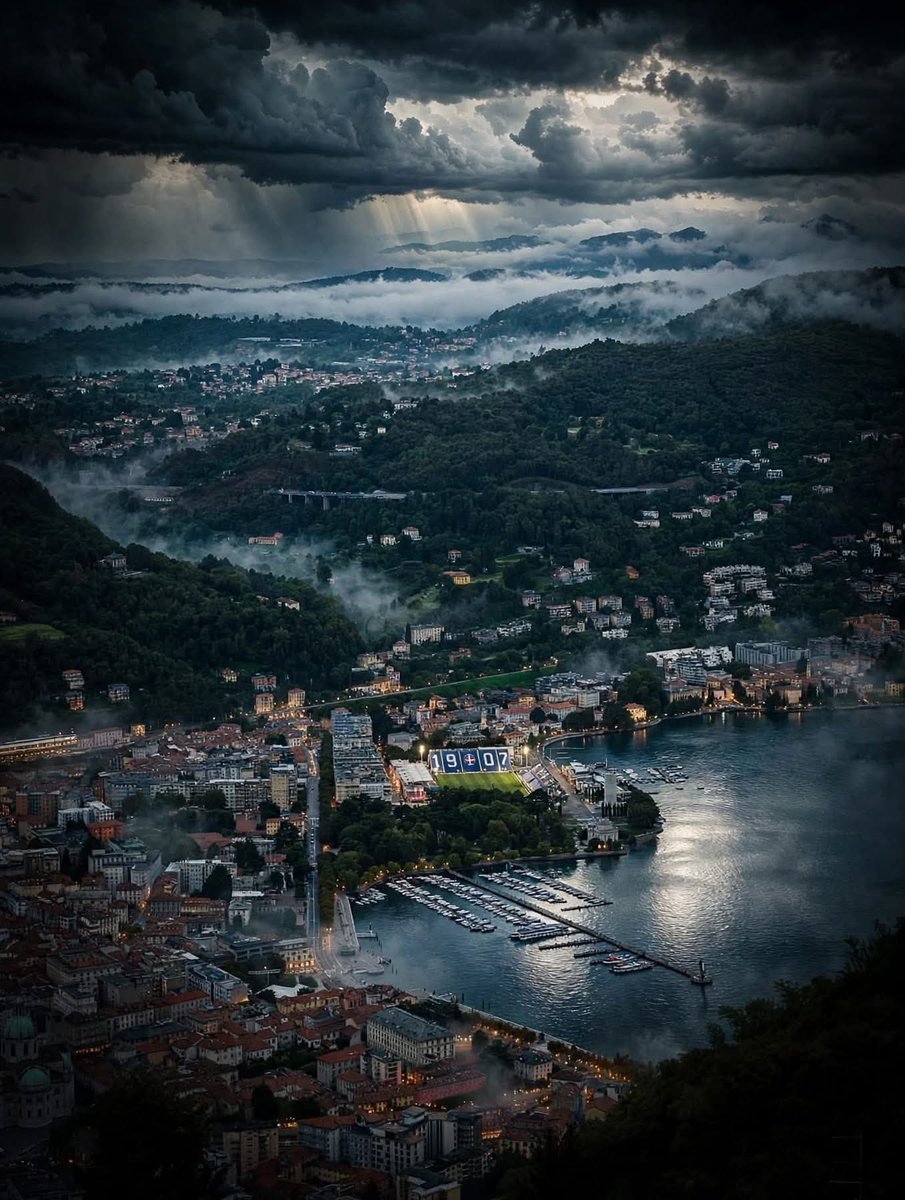
Ore 21, la prima storica volta del Como in Europa. Dalla Serie D alla Champions, 7 anni di scelte illuminate. (Como vista da Brunate, 📷 Alessandro Riccobono) https://t.co/P8NGMBRutu #Como #ChampionsLeague #Storia

“TG2 STORIE (RAI 2)” PRESENTS “TEATRO EDICOLA” BY FRANCESCO GRAVINO’S “FOYER’97 TEATRO”, SANSEVERO, PUGLIA, ITALY SOURCE: https://www.rainews.it/rubriche/tg2storieiraccontidellasettimana/video/2026/04/TG2-Storie-I-racconti-della-settimana---Puntata-del-18042026-05d944f6-117b-465d-b4cd-61d974750364.html?fbclid=IwY2xjawRRcj1leHRuA2FlbQIxMABicmlkETBQNUpVQ1lsUkZSU3FkaERhc3J0YwZhcHBfaWQQMjIyMDM5MTc4ODIwMDg5MgABHpBRvGV44HZ6t0PDugk5zvmF-EWCSKuxnI83onVvIaw5O33cojYfySFPPcJ4_aem_IG6gq-qCRd9f3mipgzoXLA At the stroke of midnight on 19 April 2026, the extraordinary adventure of Teatro Edicola will make its debut on Rai Due, within the “TG2 Storie” broadcast. Francesco Gravino, San Severo–born founder and artistic director of Foyer ’97, engaged in conversation with journalist Daniele Giannesi to illuminate the genesis, the vision, and the quiet audacity underpinning this singular project. It is a rare opportunity to discover how, in San Severo, within a former news kiosk graciously donated by Mr Pino Frau, a diminutive space of only a few square metres has been transformed into a workshop of proximity dramaturgy and urban poetics — a pulsating heart capable of resonating across Italy and beyond through its original and profoundly authentic narrative. A result that fills us with pride and reaffirms how culture born from the grassroots — even from the Province of Foggia, in the Alto Tavoliere at the foothills of the Gargano promontory— when genuine, can indeed transform both the places it inhabits and the people who embrace it.

TG2 Storie. I racconti della settimana - Puntata del 18/04/2026 ore 00:00 | Tg2 Storie. I racconti della settimana, Rubrica del Tg2

“TG2 STORIE (RAI 2)” PRESENTS “TEATRO EDICOLA” BY FRANCESCO GRAVINO’S “FOYER’97 TEATRO”, SANSEVERO, PUGLIA, ITALY SOURCE: https://www.rainews.it/rubriche/tg2storieiraccontidellasettimana/video/2026/04/TG2-Storie-I-racconti-della-settimana---Puntata-del-18042026-05d944f6-117b-465d-b4cd-61d974750364.html?fbclid=IwY2xjawRRcj1leHRuA2FlbQIxMABicmlkETBQNUpVQ1lsUkZSU3FkaERhc3J0YwZhcHBfaWQQMjIyMDM5MTc4ODIwMDg5MgABHpBRvGV44HZ6t0PDugk5zvmF-EWCSKuxnI83onVvIaw5O33cojYfySFPPcJ4_aem_IG6gq-qCRd9f3mipgzoXLA At the stroke of midnight on 19 April 2026, the extraordinary adventure of Teatro Edicola will make its debut on Rai Due, within the “TG2 Storie” broadcast. Francesco Gravino, San Severo–born founder and artistic director of Foyer ’97, engaged in conversation with journalist Daniele Giannesi to illuminate the genesis, the vision, and the quiet audacity underpinning this singular project. It is a rare opportunity to discover how, in San Severo, within a former news kiosk graciously donated by Mr Pino Frau, a diminutive space of only a few square metres has been transformed into a workshop of proximity dramaturgy and urban poetics — a pulsating heart capable of resonating across Italy and beyond through its original and profoundly authentic narrative. A result that fills us with pride and reaffirms how culture born from the grassroots — even from the Province of Foggia, in the Alto Tavoliere at the foothills of the Gargano promontory— when genuine, can indeed transform both the places it inhabits and the people who embrace it.

TG2 Storie. I racconti della settimana - Puntata del 18/04/2026 ore 00:00 | Tg2 Storie. I racconti della settimana, Rubrica del Tg2

“TG2 STORIE (RAI 2)” PRESENTS “TEATRO EDICOLA” BY FRANCESCO GRAVINO’S “FOYER’97 TEATRO”, SANSEVERO, PUGLIA, ITALY SOURCE: https://www.rainews.it/rubriche/tg2storieiraccontidellasettimana/video/2026/04/TG2-Storie-I-racconti-della-settimana---Puntata-del-18042026-05d944f6-117b-465d-b4cd-61d974750364.html?fbclid=IwY2xjawRRcj1leHRuA2FlbQIxMABicmlkETBQNUpVQ1lsUkZSU3FkaERhc3J0YwZhcHBfaWQQMjIyMDM5MTc4ODIwMDg5MgABHpBRvGV44HZ6t0PDugk5zvmF-EWCSKuxnI83onVvIaw5O33cojYfySFPPcJ4_aem_IG6gq-qCRd9f3mipgzoXLA At the stroke of midnight on 19 April 2026, the extraordinary adventure of Teatro Edicola will make its debut on Rai Due, within the “TG2 Storie” broadcast. Francesco Gravino, San Severo–born founder and artistic director of Foyer ’97, engaged in conversation with journalist Daniele Giannesi to illuminate the genesis, the vision, and the quiet audacity underpinning this singular project. It is a rare opportunity to discover how, in San Severo, within a former news kiosk graciously donated by Mr Pino Frau, a diminutive space of only a few square metres has been transformed into a workshop of proximity dramaturgy and urban poetics — a pulsating heart capable of resonating across Italy and beyond through its original and profoundly authentic narrative. A result that fills us with pride and reaffirms how culture born from the grassroots — even from the Province of Foggia, in the Alto Tavoliere at the foothills of the Gargano promontory— when genuine, can indeed transform both the places it inhabits and the people who embrace it.

TG2 Storie. I racconti della settimana - Puntata del 18/04/2026 ore 00:00 | Tg2 Storie. I racconti della settimana, Rubrica del Tg2

"RadioText-RadioSoftware (1983–1989)": The First (Forgotten) Radio Programme of Computer Science Dissemination in Italy SOURCE: https://www.linkedin.com/pulse/radiotext-radiosoftware-19831989-first-forgotten-sardella-ph-d--eqief/ Radiosoftware represents Italy's absolute pioneer in broadcasting digital literacy education over the airwaves in the Belpaese. Abstract This paper reconstructs the history of Radiosoftware, the first Italian radio programme which anticipated by over a decade the dissemination of microtelematics, computing, and digital technology, as well as modern methods of digital software distribution. Established in 1983 at Radio Popolare and subsequently developed as a national initiative on Rai Radio 3 from 1984 to 1989, Radiosoftware represents the first Italian radio programme to broadcast educational content and transmit executable software for home computers over the airwaves. Through analysis of its technical evolution, educational content, and cultural impact, this article demonstrates how the initiative constituted a significant precedent in national computer literacy, the democratisation of access to software, and the development of amateur programming communities, establishing itself as the progenitor of a media ecosystem dedicated to technological dissemination that has extended into the contemporary era. Keywords: history of Italian computing, technological dissemination, digital broadcasting, computer literacy, Radio Popolare Introduction: The Dawn of Computing Dissemination in Italy In the landscape of Italian digital media history, a fundamental chapter remains little explored in academic literature: that of computing dissemination through radio broadcasting in the 1980s. In an era characterised by the absence of network connectivity and economic and geographical barriers to accessing computer technologies, radio configured itself as a democratic instrument for the diffusion of nascent digital culture. Radiosoftware emerges in this context as an absolutely pioneering initiative in Italy, anticipating not only analogous Italian experiences but also positioning itself amongst the first European experiments in software transmission over the airwaves. Its genesis at Radio Popolare in 1983 and subsequent evolution as a national programme on Rai Radio 3 bear witness to a trajectory of technical and pedagogical innovation that merits in-depth analysis. Contenuto dell’articolo The Original Phase: Radio Popolare (1983) The birth of Radiosoftware at Radio Popolare in 1983 constitutes the foundational moment of radio-based computing dissemination in Italy. In a period when personal computers still represented niche objects, the programme set out to systematically explore programming languages, hardware architectures, and practical applications of home computing, addressing a heterogeneous audience composed of students, teachers, hobbyists, and professionals. This first incarnation established the conceptual paradigms that would characterise the entire subsequent tradition: linguistic accessibility, pedagogical vocation, attention to the social and cultural dimensions of technology, and promotion of active listener participation. Contenuto dell’articolo The National Evolution: From Radiotext to Radiosoftware (1984–1989) The experience gained at Radio Popolare found systematic development in the national initiative coordinated by Rai Radio 3. The pilot phase, denominated Radiotext, commenced on 11 May 1984 as an experimental segment within the current affairs programme Un certo discorso, presented by Pasquale Santoli. Eight 30-minute episodes, broadcast on Fridays at 16:00 with Sunday repeats, tested the technical feasibility and public interest in the transmission of executable software through audio signals. Curated by Luigi Grimaldi and Giovanni Sighele of the Lega Informatica of Florence, in collaboration with Arci Media, the pilot phase demonstrated the viability of the concept. In autumn 1984, the format consolidated with the definitive denomination Radiosoftware, expanding to one-hour episodes and maintaining its placement within Un certo discorso. Contenuto dell’articolo The third season, inaugurated on 7 February 1986, introduced a thematic structuring articulated in three distinctive segments: "Hard & soft news" (updates and reviews), "Studiare con il computer" (educational applications), and "Radio + informatica" (experimental intersections between broadcasting and computing). This phase evidenced a growing pedagogical sophistication and greater attention to formal educational applications. In late 1986, the programme acquired editorial autonomy, transforming into an independent transmission with nocturnal weekend scheduling. 1987 marked a significant technical innovation with the introduction of the 4800 bit/s hardware interface developed by the RAI Research Centre in Turin, which enabled direct connection to the RS-232 serial port, overcoming the limitations of the audio-cassette method. The concluding phase, from February to June 1989, adopted a brief daily format (10 minutes, Monday to Friday at 19:45), concentrating on MS-DOS-compatible software. Despite the announcement of a cycle for 1990, no national transmission is documented beyond June 1989. Contenuto dell’articolo The Audio-Cassette Method (1984–1987) The initial methodology replicated the cassette loading mechanisms typical of 1980s home computers. Programmes were encoded as sequences of audio impulses—electronic noises incomprehensible to the human ear—which listeners recorded onto blank audiocassettes by connecting a tape recorder to the radio's audio output. The recorded cassette was subsequently played through the computer's cassette interface, which decoded the signals, loading the software into memory. This approach, based on modulation techniques similar to frequency-shift keying (FSK), guaranteed compatibility with heterogeneous platforms such as the ZX Spectrum 48K, Commodore 64, Olivetti M10, subsequently extended to the Apple II, MSX, BBC Micro, Olivetti M24 and M28. Each episode transmitted sequentially platform-specific versions for each system. Whilst accessible and revolutionary for mass distribution in pre-Internet Italy, this method presented significant limitations: low transmission speed, susceptibility to errors induced by radio interference or ambient noise, and the necessity for precise volume and timing adjustments. Contenuto dell’articolo The RAI-Radiosoftware Hardware Interface (1987) In 1987, the RAI Research Centre in Turin developed an advanced interface documented in CCIR reports as the RAI-Radiosoftware system. The principal innovation consisted of direct transmission at 4800 bits/s utilising biphase modulation organised in packets, enabling connection to the computer's RS-232 serial port without cassette intermediation. The interface was designed for operating system independence, with management software adaptable for MS-DOS, CP/M, and potential future extensions to Macintosh. For Olivetti M24 and M28 computers, a version with an internal card was available. The Research Centre additionally developed management software, test cassettes, and manuals, considering initial commercialisation at approximately 90,000 lire. This technical evolution represented a significant advancement in terms of speed, reliability, and usability, whilst maintaining the audio-cassette method in parallel to guarantee universal access. Contenuto dell’articolo Types of Software Transmitted The catalogue of software distributed through Radiosoftware reflected a broad range of applications: practical utilities (thematic databases on fashion, music, itineraries, and personalised diets), educational tools (didactic programmes for secondary schools, upper secondary schools, and conservatoires), recreational software (games such as the Olympic pentathlon for the Commodore 64), graphic demonstrations, and creative tools (bases for musical composition and digital comics). Particularly significant was the introduction, from the third season onwards, of educational software developed in collaboration with the Ministry of Public Education, designed specifically for scholastic use across various disciplines, not limited to computing. Contenuto dell’articolo Community Participation: The ORSA Section The Osservatorio Radiofonico del Software Autoprodotto (ORSA) [Radio Observatory of Self-Produced Software], reintroduced in the third season from February 1986, constituted a space dedicated to the transmission of programmes created by listeners. This feature transformed Radiosoftware into a bidirectional platform, anticipating collaborative logics that would characterise, decades later, open-source communities and participatory digital cultures. The "listeners' post" section within "Hard & soft news" additionally facilitated continuous dialogue with the public, integrating feedback, questions, and suggestions into the programming. Questionnaires distributed at the end of cycles and surveys conducted by specialist magazines such as Sperimentare con l'elettronica e il computer provided further mechanisms for evaluation and editorial orientation. Contenuto dell’articolo Institutional Collaborations and School Experiments In 1987, Radiosoftware collaborated with the ITIS Enrico Fermi in Rome to produce a series of transmissions dedicated to the development and application of educational software in scholastic contexts. The initiative involved experimental reception centres in 60 Italian schools, where students and teachers utilised the specialised interfaces developed by the RAI Research Centre to capture and load directly the transmitted software. These experiments positioned Radiosoftware as an operational instrument of pedagogical innovation, extending its impact beyond the hobbyist user base towards formal integration within the national education system. Contenuto dell’articolo Comparison with European Experiences Although Radiosoftware represents the first Italian national initiative, it was not the first European experiment in radio transmission of software. In the Netherlands, the programme Hobbyscoop on the public broadcaster NOS began transmitting computer programmes via radio around 1979–1980, subsequently developing the Basicode standard (from 1982). This standardised format utilised a restricted subset of BASIC commands and platform-specific translation routines, guaranteeing portability across heterogeneous architectures through FSK modulation at 1200 bps. Contenuto dell’articolo In the United Kingdom, The Chip Shop on BBC Radio 4, presented by Barry Norman and launched in 1984, included a "takeaway" service that transmitted Basicode programmes during nocturnal hours on VHF. Contenuto dell’articolo Technical and Cultural Differentiation Unlike approaches based on Basicode, which privileged portability at the interpreted language level, Radiosoftware transmitted platform-specific executable files, often in machine code, encoded as audio tones analogous to cassette loading signals. This choice reflected different priorities: maximising performance and the specific capabilities of each architecture rather than guaranteeing universal compatibility through a standardised language. The subsequent introduction of the 4800 bit/s interface with RS-232 connection represented a further differentiation, bypassing cassette recording entirely. These technical specificities bear witness to an autonomous development pathway, oriented towards the characteristics of the Italian computing market and ecosystem. Contenuto dell’articolo Transition towards Telesoftware Between 1988 and 1989, Radiosoftware was progressively accompanied and superseded by telesoftware transmitted through Televideo, RAI's teletext system. Technically defined by the RAI Research Centre in collaboration with Olivetti, the system became operational in 1989 following scholastic experiments coordinated with the Ministry of Public Education and Seleco in 1988. Telesoftware represented a natural evolution that shifted distribution from radio to television, offering advantages in terms of bandwidth capacity and already widespread reception infrastructure. This transition reflected broader trends in media convergence and the evolution of digital broadcasting technologies. Contenuto dell’articolo Obsolescence and the Rise of the Internet The emergence of the Internet in the 1990s rendered obsolete both radio-based and teletext-based methods of software distribution. Bidirectional digital networks offered incomparable speed, scalability, and interactivity, radically transforming the paradigms of software access and distribution. However, the conceptual legacy of Radiosoftware persists: the idea of mass distribution of executable digital content through broadcasting channels anticipated logics that re-emerge in modern over-the-air distributions of firmware and software updates for mobile devices and IoT. Contenuto dell’articolo The Ecosystem of Italian Radio-Based Computing Dissemination COMPLETE TIMELINE From the birth of computing dissemination on radio to the contemporary digital ecosystem 🟦 1983 — THE ORIGIN Radiosoftware – Radio Popolare (1983) The first Italian programme entirely dedicated to computing, programming languages, and personal computers. The absolute progenitor of the Italian tradition of radio-based technological dissemination. 🟦 THE 1980s — THE FIRST HEIRS 1984–1989 — Bit, Byte & Musica – Radio Popolare Technology, electronics, early networks, hacker culture. Continues the pioneering spirit of Radiosoftware, exploring the countercultural and communal dimensions of nascent computing. 1987–1990 — Decoder / Cyberpunk – Radio Popolare First systematic discussions of BBS, cryptography, alternative telematics, anticipating themes that would become central in the Internet era. 🟩 THE 1990s — THE INTERNET ERA 1993 — Golem – Radio3 Critical reflection on media and digital technologies, situating technological transformation within a broader cultural and philosophical framework. 1994 — Eta Beta – Radio1 Innovation, information society, digital transformation. Technological dissemination for a general audience in the phase of initial digital literacy. 1995 — Internetworkcity – Radio Deejay Presented by Claudio Cecchetto and Marco Camisani Calzolari, represents the first pop-commercial programme dedicated to the Internet, introducing email, websites, chat, and cyber culture to the mass public with accessible language and a massified educational approach. 1996–1999 — Mediamente (radio version) – RAI Dissemination on the Internet, networks, digital culture, with particular attention to the social and cognitive implications of emerging technologies. 1997–2000 — Cybernet / Tecnologie e Libertà – Radio Sherwood Free software, digital rights, civic networks. Continuation of the critical and communal tradition inaugurated by Radio Popolare, with focus on the political and libertarian dimensions of technology. This timeline evidences how Radiosoftware does not represent an isolated phenomenon, but rather the point of origin of a continuous tradition that has traversed over four decades. From the programming languages and over-the-air software transmission of the 1980s, through explorations of BBS and alternative telematics, to mass literacy on the Internet in the 1990s and critical reflections on free software and digital rights, a connecting thread emerges that testifies to the role of radio as a privileged space for the cultural mediation of emerging technologies. Contenuto dell’articolo Contemporary Recognition and Archival Preservation In recent years, Radiosoftware has acquired renewed attention as a pioneering initiative in the history of Italian computing. In 2024, contributions by scholars such as Andrea Fortuna have described the programme as a fascinating chapter in the diffusion of personal computing in Italy, underscoring its innovative approach to the distribution of executable software in the pre-Internet era. RAI has preserved selections from the initial phase of the programme through digital platforms such as RaiPlay Sound, where a dedicated playlist in the "Via Asiago 10" series includes several pilot episodes from 1984, originally broadcast on Rai Radio 3. Preservation efforts by enthusiasts have further contributed to maintaining accessible portions of the programme's legacy, with partial audio recordings and listener interviews available on dedicated websites. Radiosoftware constitutes a significant case study from multiple disciplinary perspectives. From the standpoint of media history, it represents an innovation in the utilisation of radio broadcasting, extending its functionalities beyond the transmission of audio content towards the distribution of executable code. In computing history, it testifies to strategies of democratisation of software access in contexts characterised by scarcity of resources and infrastructure. From a pedagogical standpoint, it anticipates models of distributed and community learning that re-emerge in modern online educational platforms. The participatory dimension embodied by the ORSA section prefigures collaborative dynamics that would characterise open-source cultures. Its position as progenitor of a continuous media ecosystem dedicated to technological dissemination—from Radio Popolare through national public broadcasters to the experiences of the 1990s—underscores the role of radio broadcasting as essential cultural infrastructure in the processes of national digital literacy. In an era when over-the-air distribution of software updates has become ordinary practice for billions of connected devices, Radiosoftware emerges not as an antiquarian curiosity, but as a conceptual antecedent that illuminates often-neglected technological genealogies. Its rediscovery and archival preservation constitute essential operations for a complete understanding of the roots of Italian digital culture.

"RadioText-RadioSoftware (1983–1989)": The First (Forgotten) Radio Programme of Computer Science Dissemination in Italy
Tunite Music Jul 24

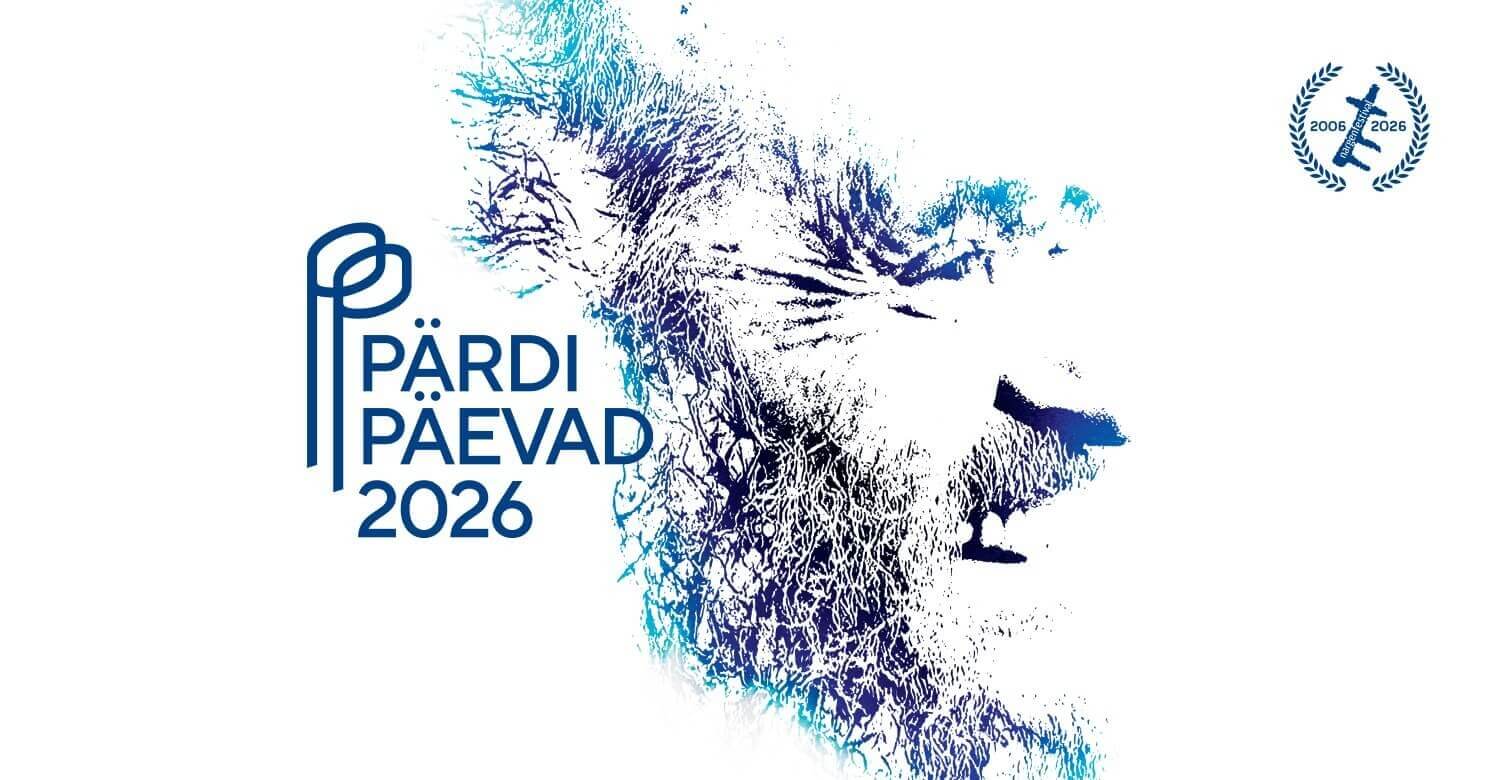
From 2 to 11 of September, Estonia will host a week‑long series of concerts under the banner of Pärt Days 2026. The program, carefully curated to illuminate different facets of Arvo Pärt’s oeuvre, will juxtapose his minimalist signatures with works from earlier musical epochs, fostering musical dialogues that span centuries. The Pärt Days tradition began in 2010 as part of the larger Pärt celebration weeks and has since become the dignified conclusion to the Nargen Festival season. This year’s editions will unfold in venues across the country, offering audiences an immersive experience of Pärt’s music from a spectrum of interpretative angles. #ArvoPärt #PärtDays2026 #EstoniaMusic #ConcertSeries #ClassicalMusic #MusicFestival #NargenFestival #ComposerDialogue #MusicHistory #Interpretation #ContemporaryMusic #WorldMusic #MusicReview #MusicMagazine #CulturalHeritage https://tunitemusic.com/post/part-days-2026-estonia-celebrates-arvo-parts-legacy/

Pärt Days 2026: Estonia Celebrates Arvo Pärt’s Legacy - Tunitemusic

Hier ist eine Liste aller NGOs, die den Postillon finanzieren (2/4): - George-Soros-Stiftung - Illuminaten - Elon Musk SpaceEx Trust Fund - Verband der Schnurrbartträger - Bill-Gates-Stiftung - Donald-Trump-Stiftung - Bill & Hillary Clinton Foundation - 666-Satanisten - ... #NGOs #Finanzierung #Satire

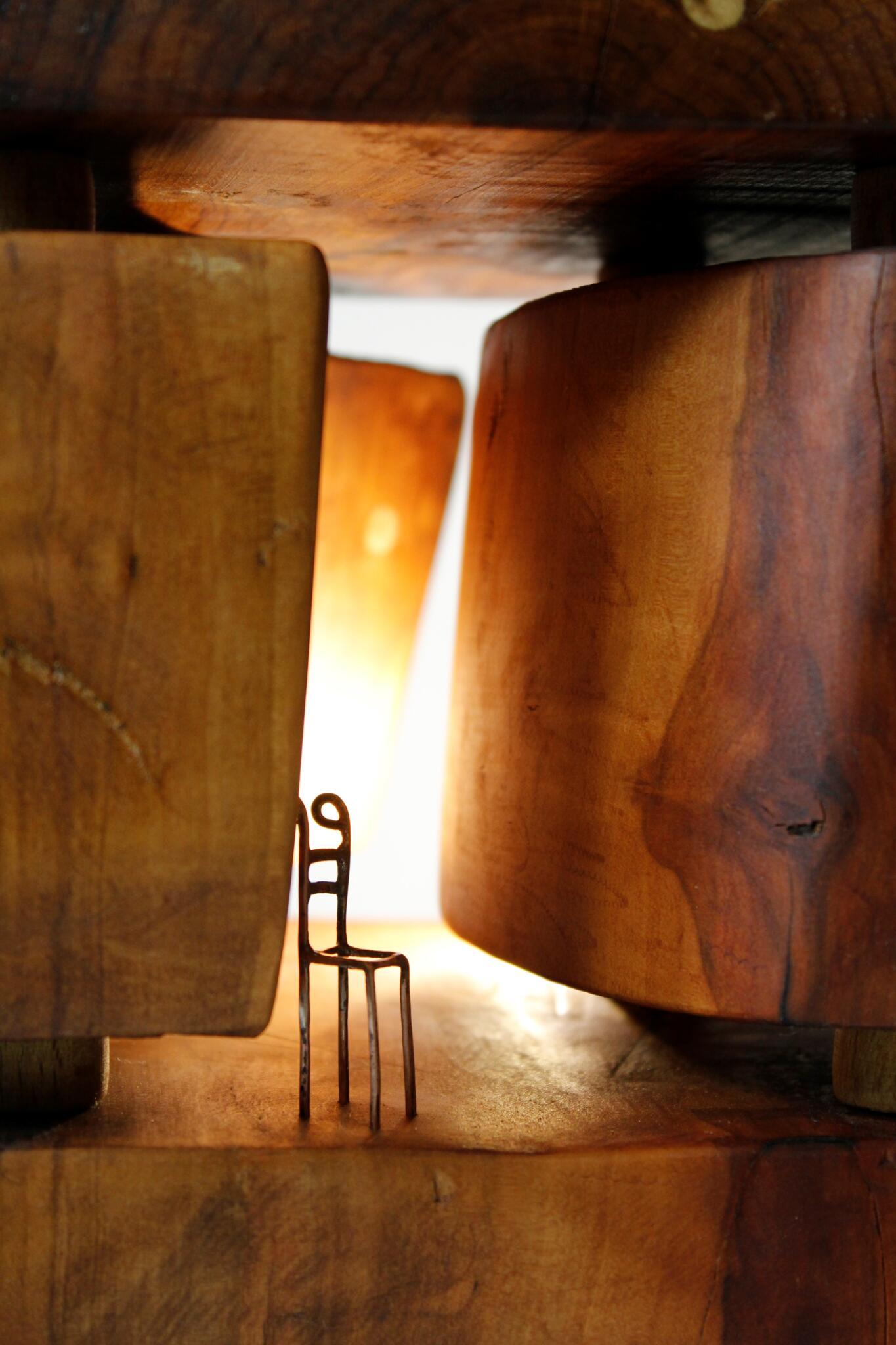
Taking a Breath Before the Journey Before every journey, there is a moment of stillness. A chair. A pause. A single breath. The light comes from behind. It does not show the way—it quietly illuminates what has shaped us. This sculptural lamp is an invitation to stop for a moment, breathe, and simply be. www.ivostamenov.com #SculpturalLighting #CollectibleDesign #ArtLamp #ContemporaryArt #Storytelling #LightAndShadow #FunctionalSculpture #HandmadeArt

On World Day to Combat Desertification & Drought, documentary heritage illuminates the need to act to prevent ecological disasters. The Aral Sea Archival Fonds, inscribed on the Memory of the World Register, give lessons from the past for future action. 📖https://t.co/MsLrcjdGke https://t.co/Ck3lgVrrIo #Desertification #EcologicalDisaster #AralSea #KZ #UZ

IndexHR Jun 13

Palestinsko-čileanska pjevačica Elyanna nastupila je na ceremoniji otvaranja Svjetskog prvenstva u Torontu, gdje je izvela pjesmu Illuminate s kanadskom kantautoricom Jessie Reyez, čime je dodatno potvrdila svoj globalni uspjeh i značaj kulturnog povezivanja kroz glazbu. #Elyanna #SvjetskoPrvenstvo #FIFA

Pjevala je prije utakmice BiH i Kanade, a iza sebe već ima nastupe s Coldplayem
BBC May 13

In 1996, the discovery of human bones during renovations at Merced dos Anjos' home in Rio de Janeiro revealed an ancient cemetery that illuminated Brazil's dark history of slavery, prompting her to establish a research center dedicated to exploring the painful legacy of the region's role as a major slave port. #History #Slavery #Archaeology #BR #US #HT #MV

BBC Audio | Witness History | Uncovering a lost burial ground in Rio
BBC May 13

In 1996, a renovation project in Rio de Janeiro uncovered human bones, revealing a forgotten ancient cemetery that highlighted Brazil's dark history of slavery, particularly in relation to the Valongo Wharf, which served as a major port for African captives, prompting Merced dos Anjos to establish a research center to illuminate this painful past. #History #Slavery #Archaeology #BR #MD

BBC Audio | Witness History | Uncovering a lost burial ground in Rio
BBC Apr 13

Following a historic election that ousted Prime Minister Viktor Orbán after 16 years, Budapest's Chain Bridge was illuminated in the colors of the Hungarian flag as supporters celebrated Péter Magyar's victory and expressed hopes for a renewed Hungary, despite concerns over his alignment with Orbán's conservative nationalism and the need to address pressing domestic issues. #Hungary #Election2023 #PoliticalChange

Hungary election: Jubilation in Budapest will be felt in Europe but leaves Moscow cold

A team of researchers has proposed that the unique square cavities found in the northern walls of Pompeii, alongside larger circular damage from Roman artillery, may be evidence of the use of a primitive rapid-fire weapon known as a polybolos during the siege of 89 BC, suggesting that these ancient scars could illuminate the use of advanced war machinery in antiquity. #Pompeii #AncientHistory #RomanMilitary

Hallan en Pompeya huellas de una "ametralladora" romana