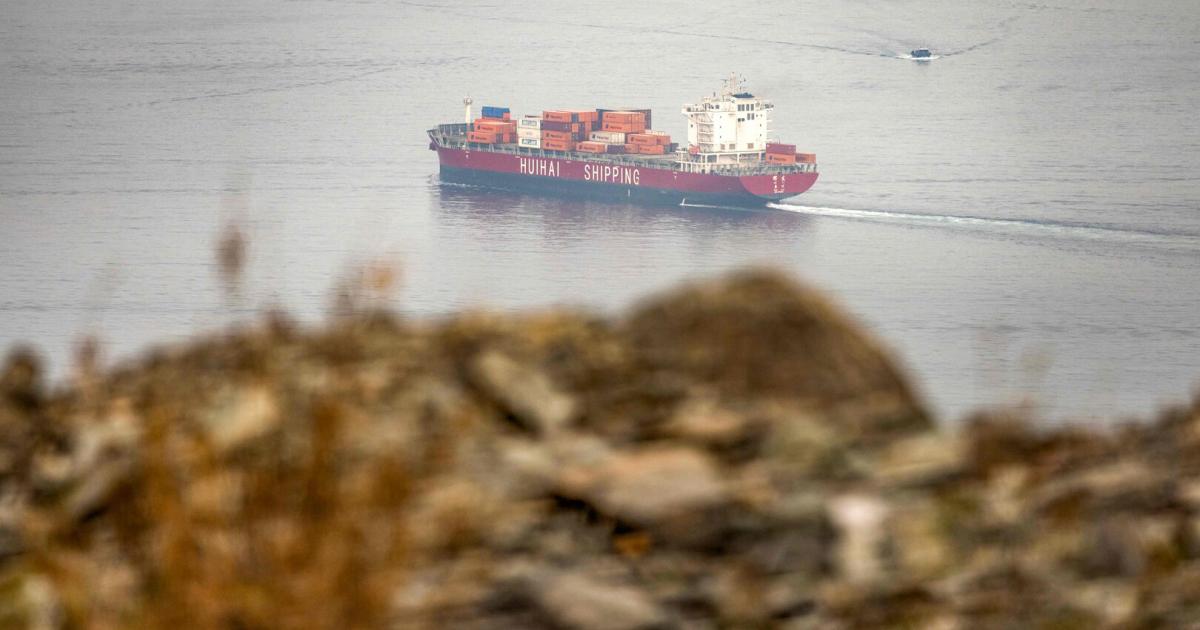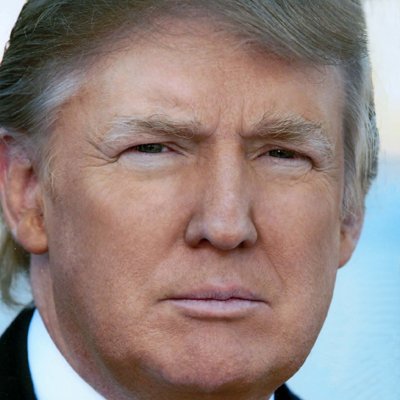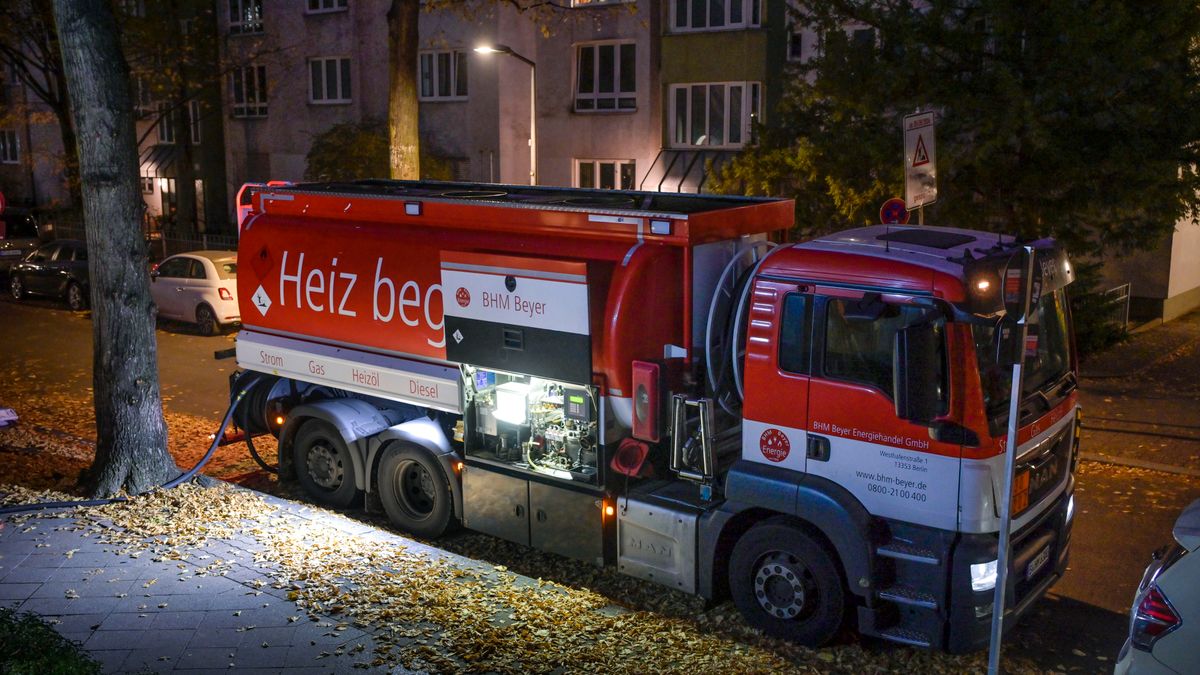
Regina Laska criticized that Donald Trump had suspended the Russia sanctions that he himself signed in mid-September and which were supposed to come into effect automatically the next day. She wrote that tariffs of up to 100 percent on large consumers of Russian oil and gas, levies of up to 500 percent on Russian goods, and measures against the shadow fleet and banks were planned. Two days before the deadline, Trump resorted to an exception that allowed for a waiver in the national interest; according to Laska, he did not provide a justification. As a possible background, Laska mentioned a diesel deal announced by Trump with Vladimir Putin. The U.S. Treasury Department had granted a license to Russian energy producers for that until April; furthermore, a U.S. government representative said that easing penalties against the shadow fleet was being considered. Laska connected this with the upcoming U.S. elections in two and a half weeks and high fuel prices. However, Trump blamed Ukraine for the prices, claiming they had attacked Russian refineries, she wrote. According to Laska, Kirill Dmitriev, Putin's representative for business with the U.S., was already talking about joint data centers and small nuclear power plants. Dmitriev reportedly said, "the ice is beginning to break." She also pointed out that Congress passed the sanctions by a large majority and that the law was named after Lindsey Graham, who had died in July. She wrote that seven Republican senators had urged Trump to reverse the diesel deal. Regarding Volodymyr Zelensky's reaction to the question in Brussels about whether Trump was making him a scapegoat, Laska wrote that he had remained silent for 15 seconds, grinned, and said, "That is my answer." Laska stated that she concurred with his reaction but refrained from grinning. #Trump #Ukraine #Sanktionen (translated)