WRLD

Search

#Promessa
Luciano Magaldi Sardella (PhD) 2d

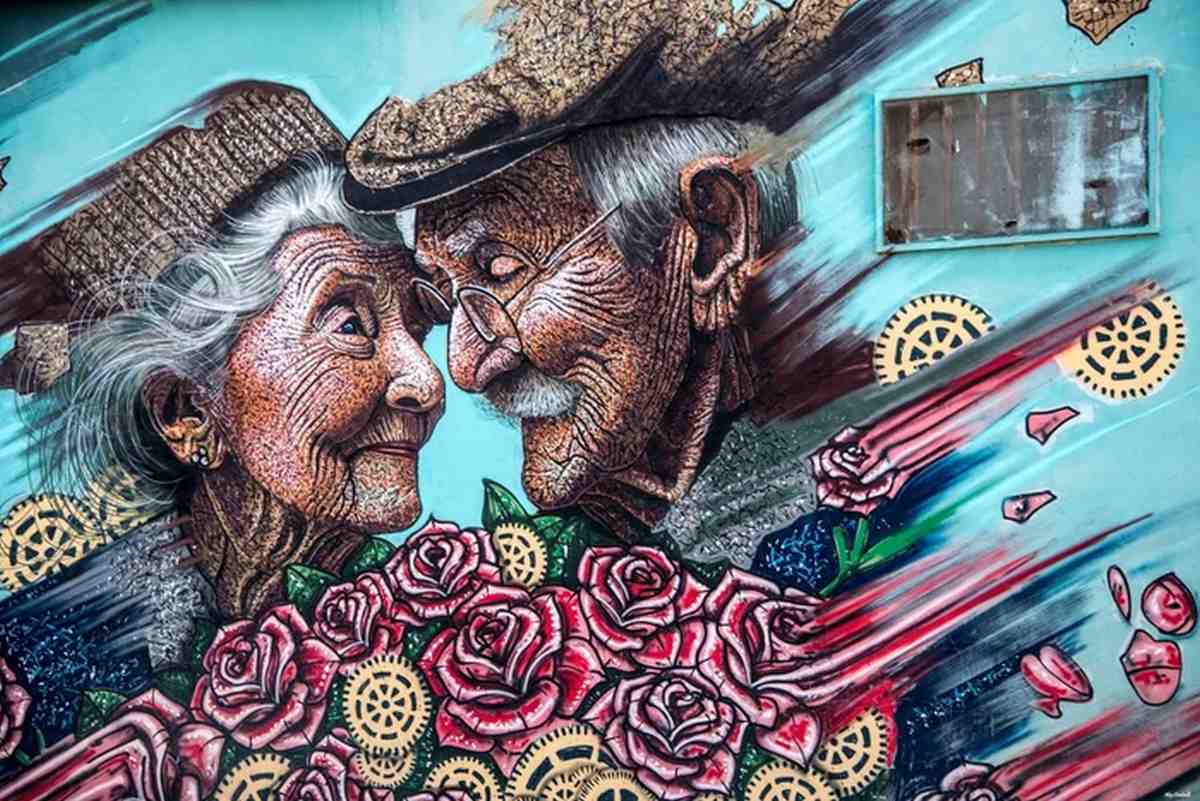
"GAZZETTA H24": STREET ART, STORNARA JOINS THE WIPO REPORT ALONGSIDE THE GREAT CITIES OF THE WORLD SOURCE: https://www.gazzettah24.it/street-art-stornara-entra-nel-rapporto-wipo-accanto-alle-grandi-citta-del-mondo/ ------------------------------------------------------------------- From "ghost town" to global model cited in Geneva: the cultural bet of Stornara Life APS captures the attention of WIPO. --------------------------------------------------------------------  STORNARA (FG) - There is a Southern Italy that makes little noise. It lies among the fields of wheat and rural roads of Capitanata, far from the main routes of mass tourism. Until a few years ago, Stornara, in the province of Foggia, was the typical town that statistics dismiss with a cruel adjective: "peripheral." Today, its name appears in an analysis from WIPO, the "World Intellectual Property Organization", the United Nations Agency in Europe based in Geneva. "Stornara Life APS" alongside Berlin, New York, Los Angeles, Paris, and Melbourne. ------------------------------------------------------------------ A report that looks at the walls of the world The text is titled "From Local Scenes to Global Recognition: Talent Mobility in Street Art". It is authored by three WIPO economists, Egbert Amoncio, Alexander Cuntz, and Alessio Muscarnera, and has been published in the "Creative Industries Insights" series. To build it, the authors started from data from the "Street Art Cities" platform. The technical note talks about approximately 74,000 geolocated works, collected and shared by street art enthusiasts worldwide. The fundamental questions are simple. Where does street art originate? Who travels to paint it? Which cities manage to attract outside talent? The first answer dismantles a common misconception. Street art is a profoundly local phenomenon. About one in five artists also works abroad, while the vast majority paint in their own city or in nearby ones. Among the few who cross borders, almost 40 percent are "highly mobile": they build an international artistic brand without severing their roots. These include the cases of Banksy, Os Gemeos, and Invader, whose walls appear on multiple continents. The authors use an effective term: street art is "glocal," rooted in its territory but capable of generating global circuits of talent and recognition. -------------------------------------------------------------------- The magnets of the world When asked which cities attract the most foreign artists, the map is fascinating. North America weighs heavily, with New York, Los Angeles, and Miami. Western Europe offers a dense network of opportunities, from Berlin to Amsterdam, from Vienna to Ghent, from Basel to Rotterdam, favored by the festival circuit and the freedom of movement within the Schengen area. Lisbon and Barcelona have focused on municipal support policies. Melbourne is the only representative from Oceania, and Northern Europe relies on Bergen, London, Belfast, and Stavanger. In this scenario of capitals and metropolises, the report includes an Italian exception, from Puglia, Foggia: Stornara, a small agricultural town of about 6,000 inhabitants, has been a destination for mural talents since 2018. It shows how street art can spark the rebirth of a community: thanks to the annual "Stramurales International Street Art Festival," born in 2017 from the strong will to combat urban and socio-economic decline by the founders of the social promotion association "Stornara Life APS,” Lino Lombardi and his local "Banda dei Fischietti," it has accumulated over 173 murals. About fifty of these are works by high-level international artists, with Google Trends data since 2017 showing notable interest in the mural tourism destination, indicating that the international festival has now captured national and international attention. It has also become the first academic case study in the world on a street art festival, "Street Art as Public Health Infrastructure," published in the prestigious academic journal "Harvard Health and Human Rights Journal" from Harvard University. Written by researcher Luciano Magaldi Sardella from Orta Nova and professor Matteo Mantuano from Lucera, this corresponds to the demonstration that an idea, an association, and the willingness of a community can change the identity of a place "forgotten by God." This is also recounted by those who have followed the story from the outside: the town, once little accustomed to visitors, now welcomes international tourists, individuals, groups, and schoolchildren who come to see its over 173 murals. ----------------------------------------------------------------- The secret is in density The data that has sparked pride in Stornara is this: it's not the volume that matters, it's the proportion. The organizers propose a simple indicator: works by foreign artists divided by the number of residents, multiplied by 100,000. With about over 50 international works and a population of a few thousand residents, Stornara reaches several hundred foreign works for every 100,000 inhabitants. This is a value that metropolises, with millions of residents, cannot approach. The meaning must be read accurately, and this is where the beauty of the matter lies. No one claims that Stornara has more foreign murals than New York. The point is that, in relation to its scale, few places in the world concentrate so much international art per inhabitant. The impact does not disperse in a megalopolis: it settles in every street, on every facade, in the daily life of those who live there. The most interesting part of the report looks beyond the ranking. The authors write that the value of street art extends well beyond the painted surfaces. Cities like Stornara demonstrate how urban art attracts tourism, generates media coverage, and can stimulate local businesses while strengthening community bonds and restoring the psychosocial well-being that could counter the perpetual Southern decline. However, the report adds a valuable warning: success depends on careful implementation and the involvement of artistic communities. Top-down initiatives risk being perceived as "predatory" by artists who care about the credibility of street art. The global model Stramurales appears to have avoided this pitfall. Field studies tell of walls donated by residents, week-long artist residences, and public discussions on the themes to be addressed. -------------------------------------------------------------------- The lesson of a town The report concludes with an idea that holds true for both Stornara and Berlin: the vitality of street art sinks its roots in local contexts. It arises from communities, speaks of their problems, and is made by artists immersed in their urban environments. The artistic family of "Stornara Life APS" understood this before many regional and local politicians, creating their walls into an open-air museum, a promise, and opening them to the world without ceasing to be themselves. In this official report from the Geneva Agency of the United Nations in Europe that measures the ability to attract talent, this results in, perhaps, the most precious value. Being cited alongside the great capitals of urban art while remaining, after all, a rural provincial town where every wall tells a colorful world of glocal stories. (translated)

www.gazzettah24.it
Street art, Stornara entra nel rapporto WIPO accanto alle grandi città del mondo
223
Luciano Magaldi Sardella (PhD) 3d

“VIVERE PUGLIA”: STRAMURALES: STORNARA IN THE “GLOBAL TOP 20” OF THE REPORT OF THE UNITED NATIONS AGENCY OF EUROPE SOURCE: https://www.viverepuglia.it/2026/11/12/stramurales-stornara-nella-global-top-20-del-rapporto-dellagenzia-delle-nazioni-unite-deuropa/207030/ ------------------------------------------------------------------- From “ghost town” to global model cited in Geneva: the cultural bet of Stornara Life APS captures the attention of WIPO There is a South Italy that does not make much noise. It lies among the wheat fields and rural roads of Capitanata, far from the main routes of mass tourism. Until a few years ago, Stornara, in the province of Foggia, was the typical town that statistics dismiss with a cruel adjective: “peripheral.” Today its name appears in a WIPO analysis, the “World Intellectual Property Organization,” a United Nations agency in Europe based in Geneva. So, Stornara stands alongside Berlin, New York, Los Angeles, Paris, and Melbourne. ------------------------------------------------------------------- A report that looks at the walls of the world The text is titled From Local Scenes to Global Recognition: Talent Mobility in Street Art. It is authored by three WIPO economists, Egbert Amoncio, Alexander Cuntz, and Alessio Muscarnera, and has been published in the “Creative Industries Insights” series. To build it, the authors started from data from the “Street Art Cities” platform. The technical note discusses about 74,000 geolocated works collected and shared by street art enthusiasts worldwide. The underlying questions are simple. Where does street art originate? Who travels to paint it? Which cities manage to attract talent from outside? The first answer dismantles a common misconception. Street art is a profoundly local phenomenon. About one in five artists also works abroad, while the vast majority paint in their own city or nearby ones. Among the few who cross borders, nearly 40 percent is “highly mobile”: they build an international artistic brand without severing their roots. These include cases like Banksy, Os Gemeos, and Invader, whose works appear on multiple continents. The authors use an effective term: street art is “glocal,” rooted in its territory yet capable of generating global circuits of talent and recognition. -------------------------------------------------------------------- The magnets of the world When asked which cities most attract foreign artists, the map is fascinating. North America weighs in terms of size, with New York, Los Angeles, and Miami. Western Europe offers a dense network of opportunities, from Berlin to Amsterdam, from Vienna to Ghent, from Basel to Rotterdam, fueled by the festival circuit and the freedom of movement within the Schengen area. Lisbon and Barcelona have focused on municipal support policies. Melbourne is the only representative from Oceania, while Northern Europe relies on Bergen, London, Belfast, and Stavanger. In this landscape of capitals and metropolises, the report includes an Italian, Apulian, Foggian exception: Stornara, a small agricultural town of about 6,000 residents, has been a destination for mural talent since 2018. It shows how street art can trigger a community's revival: thanks to the annual “Stramurales International Street Art Festival,” born in 2017 from the determined will to combat urban and socio-economic decline by the founders of the social promotion association Stornara Life APS, Lino Lombardi and his local Banda dei Fischietti, it has accumulated over 173 murals. About fifty are works by high-level international artists, with Google Trends data since 2017 showing a remarkable interest in the tourism-mural destination, indicating that the international festival has now captured national and international attention. It has also become the first monographic academic case study in the world on a street art festival, “Street Art as Public Health Infrastructure,” published in the prestigious global academic journal “Harvard Health and Human Rights Journal” of Harvard University, by researcher Luciano Magaldi Sardella from Orta Nova and professor Matteo Mantuano from Lucera. All this corresponds to the demonstration that an idea, an association, and a community's willingness can change the identity of a place “forgotten by God.” This is also told by those who have followed the story from the outside: the town, once unaccustomed to visitors, now welcomes international tourists, individuals, groups, and school classes coming to see its over 173 murals. ----------------------------------------------------------------- The secret lies in density The data that has ignited pride in Stornara is this: it’s not the volume that matters, but the proportion. The organizers propose a simple indicator: the works of foreign artists divided by the population, multiplied by 100,000. With about over 50 international works and a population of a few thousand residents, Stornara reaches several hundred foreign works per 100,000 inhabitants. It’s a value that metropolises, with millions of residents, cannot approach. The significance must be read accurately, and here lies the beauty of the thing. No one claims that Stornara has more foreign murals than New York. The point is that, relative to its scale, few places in the world concentrate so much international art per inhabitant. The impact does not dissipate in a megalopolis: it settles in every street, on every façade, in the daily lives of those who live there. The most interesting part of the report looks beyond the ranking. The authors note that the value of street art extends well beyond painted surfaces. Cities like Stornara demonstrate how urban art attracts tourism, generates media coverage, and can stimulate local commercial activities while strengthening community bonds and restoring the psychosocial well-being that could fend off enduring southern decline. However, the report adds a valuable warning: success depends on careful implementation and the involvement of artistic communities. Top-down initiatives risk being perceived as “predatory” by artists who care about street credibility. The global Stramurales model seems to have avoided this pitfall. Field studies recount walls donated by residents, week-long artist residencies, and public discussions on issues to address. ----------------------------------------------------------------- The lesson from a town The report concludes with an idea that applies to Stornara as much as to Berlin: the vitality of street art is rooted in local foundations. It arises from communities, speaks of their problems, and is made by artists immersed in their urban contexts. The artistic family of Stornara Life APS understood this before many regional and local politicians, turning their walls into an open-air museum, a promise, and opened them to the world while remaining true to themselves. In this official report from the Geneva-based United Nations agency in Europe that measures the capacity to attract talent, this is likely the most valuable outcome: being mentioned alongside the great capitals of urban art while remaining, after all, a rural provincial town where every wall tells a colorful world of glocal stories. (translated)

559
Observador 4d

The Spanish Parliament approved the Maricarmen decree, which limits evictions until 2030 and controls rent increases, with the promise from the Popular Party to repeal it if they win the elections on November 29. #DecretoMaricarmen #Habitação #Espanha (translated)

observador.pt
Parlamento espanhol aprova medidas para a habitação
3591
Luciano Magaldi Sardella (PhD) 4d

"THE SIPPONTINO": STORNARA IN THE "GLOBAL TOP 20" OF THE REPORT FROM THE UNITED NATIONS AGENCY FOR EUROPE From "ghost town" to global model cited in Geneva: the cultural bet of Stornara Life APS captures the attention of WIPO. There is a Southern Italy that doesn’t make much noise. It lies between the wheat fields and rural roads of Capitanata, far from the major routes of mass tourism. Until a few years ago, Stornara, in the province of Foggia, was the typical town that statistics dismiss with a cruel adjective: "peripheral." Today, its name appears in an analysis from WIPO, the World Intellectual Property Organization, a United Nations agency in Europe based in Geneva, alongside Berlin, New York, Los Angeles, Paris, and Melbourne. A report that looks at the walls of the world The document is titled "From Local Scenes to Global Recognition: Talent Mobility in Street Art." It is authored by three WIPO economists, Egbert Amoncio, Alexander Cuntz, and Alessio Muscarnera, and was published at the end of May 2026 in the Creative Industries Insights series. To construct it, the authors began with data from the "Street Art Cities" platform. The technical note discusses around 74,000 geolocated works, collected and shared by street art enthusiasts worldwide. The underlying questions are simple. Where does street art originate? Who travels to paint it? Which cities can attract talents from afar? The first answer dismantles a common misconception. Street art is a deeply local phenomenon. About one in five artists also works abroad, while the vast majority paint in their own city or nearby. Among the few who cross borders, nearly 40 percent is "highly mobile": they build an international artistic brand without severing their roots. These include the cases of Banksy, Os Gemeos, and Invader, whose works appear on multiple continents. The authors use an effective term: street art is "glocal," rooted in its local territory but capable of generating global circuits of talent and recognition. The magnets of the world When asked which cities attract the most foreign artists, the map is fascinating. North America is significant in size, with New York, Los Angeles, and Miami. Western Europe offers a dense network of opportunities, from Berlin to Amsterdam, from Vienna to Ghent, from Basel to Rotterdam, favored by the festival circuit and the freedom of movement of the Schengen area. Lisbon and Barcelona have focused on municipal support policies. Melbourne is the only representative from Oceania, while Northern Europe relies on Bergen, London, Belfast, and Stavanger. In this landscape of capitals and metropolises, the report includes an Italian exception, from Puglia, Foggia: Stornara, a small agricultural town of about 6,000 souls, has been a destination for mural talent since 2018. It shows how street art can trigger the revival of a community: thanks to the annual "Stramurales International Street Art Festival," founded in 2017 out of a strong desire to combat urban and socio-economic decline by the founders of the social promotion association "Stornara Life APS," Lino Lombardi, and his Stornara-based Fischietti Band, over 173 murals have been created. About fifty are works by high-level international artists, with Google Trends data since 2017 showing a remarkable interest in the mural tourism destination, indicating that the international festival has already captured national and international attention. It has also become the first monographic case study in the world on a street art festival, "Street Art as Public Health Infrastructure," published in the prestigious academic journal "Harvard Health and Human Rights Journal" of Harvard University, by researcher Luciano Magaldi Sardella from Orta Nova and Professor Matteo Mantuano from Lucera, all demonstrating that an idea, an association, and a community's willingness can change the identity of a place "forgotten by God." It is a sentiment echoed by those who have followed the story from the outside: the town, once unaccustomed to visitors, now welcomes international tourists, individuals, groups, and school classes who come to see its over 173 murals. The secret is in the density The data that has ignited Stornara's pride is this: it’s not the volume that counts, but the proportion. The organizers propose a simple indicator: the works by foreign artists divided by the inhabitants, multiplied by 100,000. With around 50 international works and a population of a few thousand residents, Stornara achieves several hundred foreign works per 100,000 inhabitants. It is a value that metropolises, with millions of residents, cannot approach. The meaning should be read precisely, and therein lies the beauty of the thing. No one claims that Stornara has more foreign murals than New York. The point is, in relation to its scale, few places in the world concentrate so much international art per inhabitant. The impact does not disperse in a megacity: it settles in every street, on every facade, in the daily life of those who live there. The most interesting part of the report looks beyond the ranking. The authors write that the value of street art extends well beyond the painted surfaces. Cities like Stornara demonstrate how urban art attracts tourism, generates media coverage, and can stimulate local businesses while reinforcing the sense of community and restoring the psychosocial well-being that could keep the eternal Southern decline at bay. However, the report adds a valuable warning: success depends on careful implementation and the involvement of artistic communities. Top-down initiatives risk being perceived as "predatory" by artists who care about street credibility. The global Stramurales model seems to have avoided this pitfall. Field studies describe walls donated by residents, one-week artist residencies, and public discussions on the themes to be addressed. The lesson of a place The report concludes with an idea that holds true for Stornara as much as for Berlin: the vitality of street art is rooted in local roots. It arises from communities, speaks of their problems, and is made by artists immersed in their urban contexts. The artistic family of Stornara Life APS understood this before many regional and local politicians, turning their walls into an open-air museum, a promise, and opened them to the world without ceasing to be themselves. In this official report from the Geneva-based United Nations agency in Europe that measures the capacity to attract talent, this appears to be, perhaps, the most valuable outcome: to be cited alongside the major capitals of urban art while still remaining, after all, a rural provincial town where every wall tells a vibrant world of glocal stories. (translated)

www.lagazzettadisansevero.it
Stramurales: Stornara nella “Global Top 20” del Rapporto dell’Agenzia delle Nazioni Unite d’Europa - La Gazzetta di San Severo - News di Capitanata
674
Luciano Magaldi Sardella (PhD) 4d

"THE GAZETTE OF SAN SEVERO" STRAMURALES: STORNARA IN THE "GLOBAL TOP 20" OF THE UNITED NATIONS AGENCY REPORT FOR EUROPE SOURCE: https://www.lagazzettadisansevero.it/stramurales-stornara-nella-global-top-20-del-rapporto-dellagenzia-delle-nazioni-unite-deuropa/?fbclid=IwY2xjawVibZVleHRuA2FlbQIxMABwZG9mAWJyaWQRMHE3R3FDUWVMVnBtN1NiRGRzcnRjBmFwcF9pZBAyMjIwMzkxNzg4MjAwODkyAAEfJpk9OBrbzNPPuzmmZTsbvjf1RRRRwgltWvqpPTryHt2mv-Z5rTEy1ifxBXU_aem_ciFpxVBzVKZmCZU0twovqQ From "ghost town" to a global model cited in Geneva: the cultural bet of Stornara Life APS captures the attention of WIPO. There is a Southern Italy that makes little noise. It is nestled among the wheat fields and rural roads of Capitanata, far from the major routes of mass tourism. Until a few years ago, Stornara, in the province of Foggia, was the typical town that statistics dismissed with a cruel adjective: "peripheral." Today, its name appears in an analysis by WIPO, the World Intellectual Property Organization, a United Nations agency for Europe based in Geneva, alongside Berlin, New York, Los Angeles, Paris, and Melbourne. A report that looks at the walls of the world The text is titled From Local Scenes to Global Recognition: Talent Mobility in Street Art. It is signed by three WIPO economists, Egbert Amoncio, Alexander Cuntz, and Alessio Muscarnera, and was published at the end of May 2026 in the Creative Industries Insights series. To construct it, the authors started from data from the Street Art Cities platform. The technical note discusses approximately 74,000 geolocated works, collected and shared by street art enthusiasts worldwide. The fundamental questions are simple. Where does street art originate? Who travels to paint it? Which cities manage to attract talents from outside? The first response dismantles a common misconception. Street art is a profoundly local phenomenon. About one in five artists also works abroad, while the vast majority paint in their own city or nearby. Among the few who cross borders, nearly 40 percent is "highly mobile": they build an international artistic brand without severing their roots. These include the cases of Banksy, Os Gemeos, and Invader, whose walls appear on multiple continents. The authors use an effective term: street art is "glocal," rooted in its territory but capable of generating global circuits of talent and recognition. The magnets of the world When asked which cities attract the most foreign artists, the map is fascinating. North America is significant in size, with New York, Los Angeles, and Miami. Western Europe offers a dense network of opportunities, from Berlin to Amsterdam, from Vienna to Ghent, from Basel to Rotterdam, favored by the festival circuit and the freedom of movement of the Schengen area. Lisbon and Barcelona have focused on municipal support policies. Melbourne is the only representative from Oceania, and Northern Europe relies on Bergen, London, Belfast, and Stavanger. In this scenario of capitals and metropolises, the report includes an Italian, Apulian, Foggian exception: Stornara, a small agricultural town of about 6,000 souls, has been a destination for muralist talents since 2018. It shows how street art can trigger the revival of a community: thanks to the annual Stramurales International Street Art Festival, born in 2017 from the strong will to combat urban and socio-economic decline by the founders of the Stornara Life APS social promotion association, Lino Lombardi, and his Stornara-based Banda dei Fischietti, it has accumulated over 173 murals. About fifty are works by high-level international artists, with Google Trends data showing a remarkable interest in the tourist-mural destination since 2017, indicating that the international festival has now captured national and international attention. Also becoming the first monographic academic case study in the world on a street art festival, "Street Art as Public Health Infrastructure," published in the prestigious global academic journal "Harvard Health and Human Rights Journal" of Harvard University, by researcher Luciano Magaldi Sardella from Orta Nova and professor Matteo Mantuano from Lucera, all of this corresponds to the demonstration that an idea, an association, and the availability of a community can change the identity of a place "forgotten by God." Those who have followed the story from the outside also report this: the town, once unaccustomed to visitors, now welcomes international tourists, individuals, groups, and school classes who come to see its over 173 murals. The secret is in density The data that has ignited Stornara’s pride is this: it is not about volume, it is about proportion. The organizers propose a simple indicator: the works of foreign artists divided by the residents, multiplied by 100,000. With about 50 international works and a population of a few thousand residents, Stornara arrives at several hundred foreign works per 100,000 inhabitants. It is a value that metropolises, with millions of residents, cannot approach. The meaning must be read precisely, and this is where the beauty lies. No one claims that Stornara has more foreign murals than New York. The point is that, relative to its scale, few places in the world concentrate as much international art per inhabitant. The impact does not disperse in a megalopolis: it settles in every street, on every facade, in the daily life of those who live there. The most interesting part of the report looks beyond the ranking. The authors write that the value of street art extends well beyond the painted surfaces. Cities like Stornara demonstrate how urban art attracts tourism, generates media coverage, and can stimulate local commercial activities while strengthening the sense of community and restoring the psychosocial well-being that would distance itself from the perpetual southern decline. However, the report adds a valuable warning: success depends on careful implementation and the involvement of artistic communities. Top-down initiatives risk being perceived as "predatory" by artists who care about street credibility. The Stramurales global model seems to have avoided this pitfall. Field studies tell of walls donated by residents, week-long artist residencies, and public discussions on the topics to address. The lesson from a town The report concludes with an idea that applies to Stornara as much as to Berlin: the vitality of street art is rooted in local roots. It arises from the communities, speaks of their problems, and is made by artists immersed in their urban contexts. The artistic family of Stornara Life APS understood this before many regional and local politicians, turning their walls into an open-air museum, a promise, and opened them to the world without ceasing to be themselves. In this official report from the Geneva-based United Nations agency for Europe that measures the capacity to attract talents, this is likely the most precious outcome: being cited alongside the major capitals of urban art and remaining, after all, a rural provincial town where every wall tells a colorful world of glocal stories. (translated)
www.lagazzettadisansevero.it
Stramurales: Stornara nella “Global Top 20” del Rapporto dell’Agenzia delle Nazioni Unite d’Europa - La Gazzetta di San Severo - News di Capitanata
562
Observador 5d

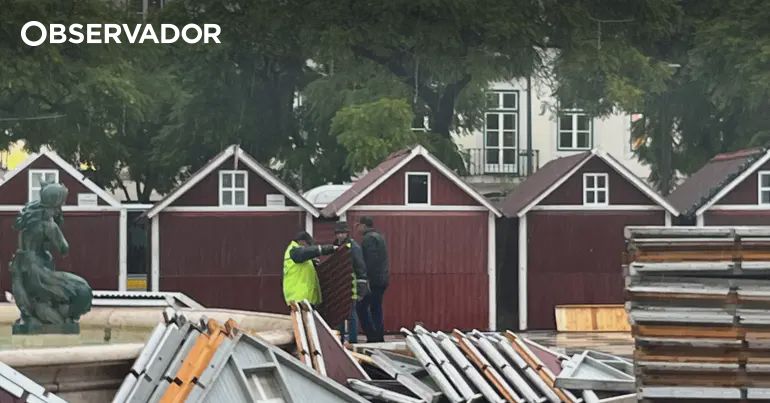
Despite the Charles storm, workers set up the Christmas market in Rossio, Lisbon, even after the closure of non-essential services and the promise of the mayor, Carlos Moedas, that operations would be halted. #MauTempo #MercadoDeNatal #Lisboa (translated)

observador.pt
Mercado de Natal montado em plena tempestade Charles
2593
Donald J. Trump 5d
President of the United States (2017–2021; since 2025)

In fact, with the vivid memory of a series of failed external interventions (notably the humiliating withdrawal from Afghanistan under the Biden Administration), Trump and Vance's promise to keep the U.S. out of wars in the Middle East, avoiding repeating the mistakes of the past, was an important point of differentiation not only from the Democratic Party but also from the previously dominant neoconservative wing of the Republican Party. #EleiçõesIntercalares #GuerraIrão #PartidoRepublicano (translated)

2485
Marco Setaccioli 1w

Marco Setaccioli wrote that he found himself in Munich and had visited the building that, according to his report, had housed the University of Music and Theater since 1957. He added that for about a decade it had been the seat of Amerika-Haus and that it had previously hosted the Führerbau, Hitler's representative office in the city. Setaccioli recalled that in 1938, in the presence of Mussolini, Neville Chamberlain, and Édouard Daladier, the agreement on the Sudetenland had been reached there. According to his account, Hitler had demanded control of it, claiming that Czechoslovakia was oppressing the German-speaking population of the region, and the country to which the territory belonged had not been invited to the conference. Setaccioli stated that the agreement had been presented as a way to avoid war, but that the concessions had shown weakness and, in his opinion, preceded the beginning of World War II by less than a year. The author argued that a similar pattern was repeating itself today and criticized those who urged Ukraine to cede territories to Russia that, in his view, did not belong to it. He warned that yielding to a dictator's demands would reinforce the law of the stronger and questioned whether those supporting that position would be willing to cede part of their home to an armed and violent neighbor or accept that their children would be forced to choose between oppression and oppressors. #Storia #Pace #Libertà (translated)

2964
Luciano Magaldi Sardella (PhD) 1w

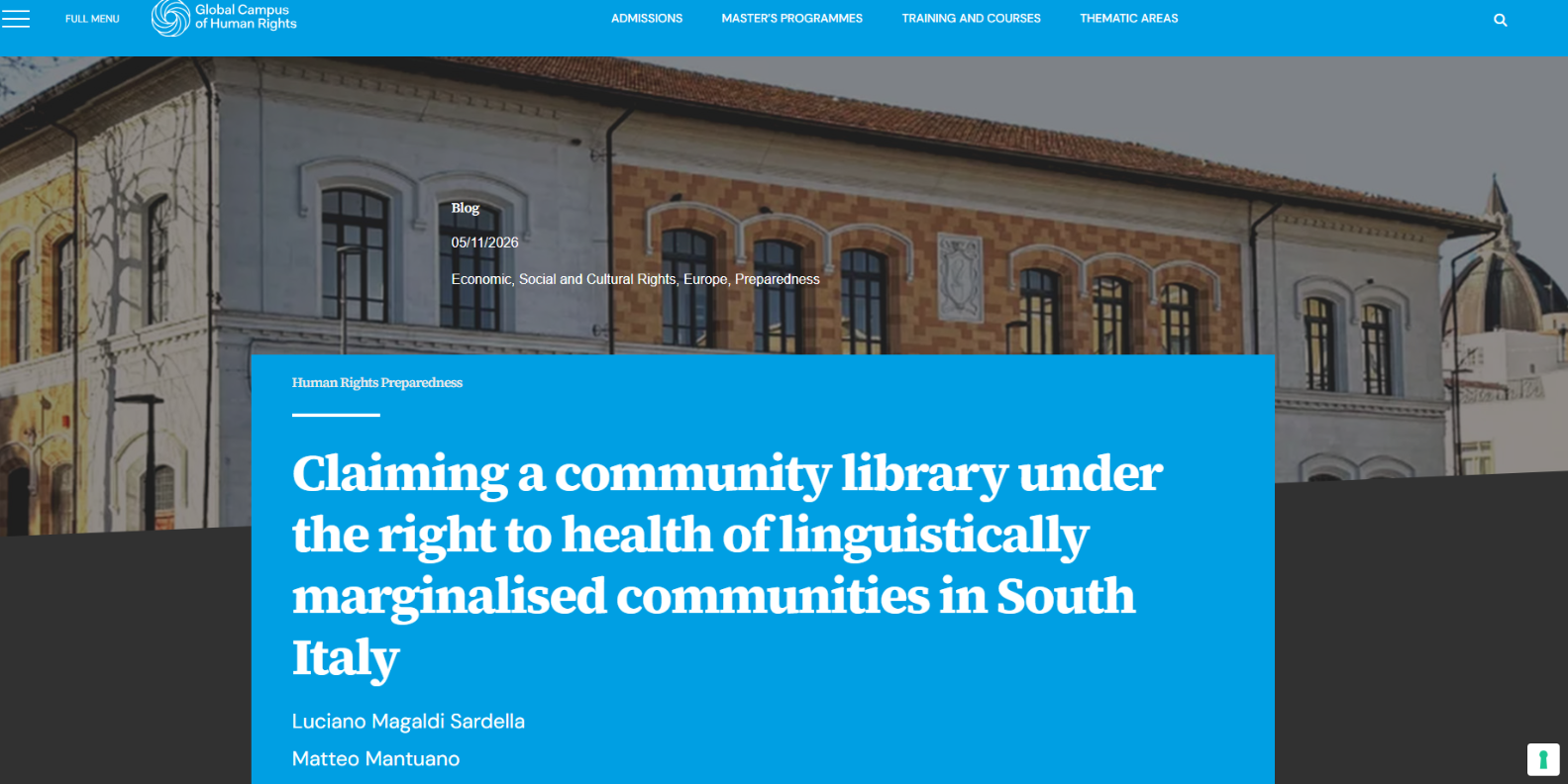
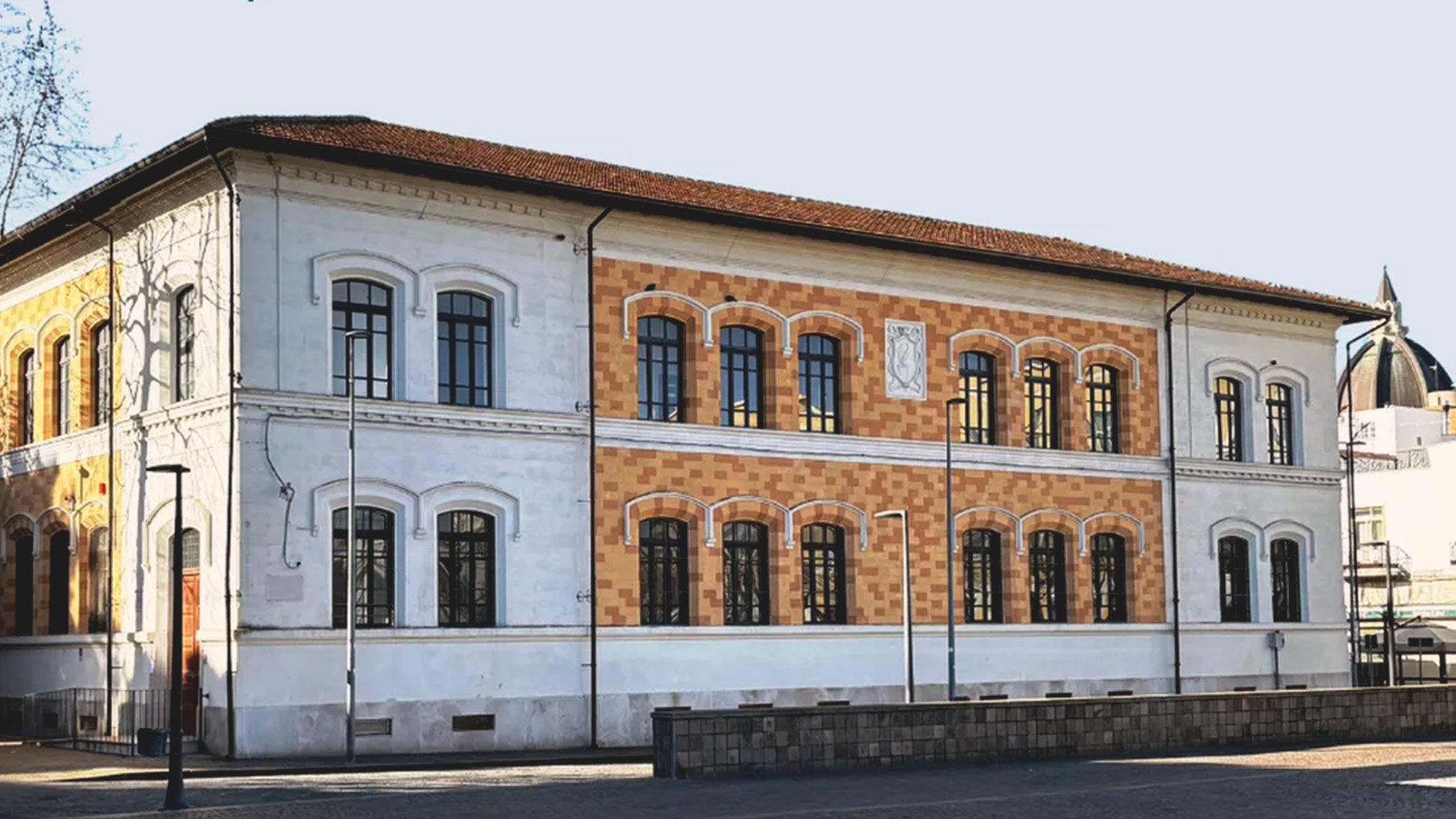
THE COMMUNITY LIBRARY AND DICTIONARY "NICOLA ZINGARELLI" ON THE PRESTIGIOUS "GLOBAL CAMPUS OF HUMAN RIGHTS" And if the health of a community began not in a clinic, but among the shelves of a library? Cerignola, March 13, 2026. A chain of hands crosses the city. From the old municipal library to the new home, built in the renovated schools, books pass from hand to hand. A man hands a volume, a little girl receives it, an elderly person passes it on. It’s not a move but a declaration. The new Community Library, in a city of 57,700 inhabitants in the heart of Puglia, bears the name of Nicola Zingarelli, the founder of one of Italy's most beloved dictionaries. And to every user, it offers the use of that very dictionary. As the “Community Dictionary”. Here lies the point that questions us, as jurists and as citizens. In Italy, many elderly people in the South and many migrants live daily in another language: dialect, mother tongue, Romance varieties. Law 482/1999 protects historical linguistic minorities, not these varieties. When a leaflet, an informed consent, a prescription remains only partially understood, the quality and safety of care are compromised. Not due to negligence. Due to linguistic distance. The dictionary of the great philologist and purist Nicola Zingarelli does not translate dialects and does not replace interpreters and cultural mediators. Let it be clear: it is a monolingual dictionary of standard Italian. Its strength, in terms of human rights, lies elsewhere. It removes economic and symbolic barriers to access to standard language and creates what we have called a “linguistic common resource”: a common space where anyone, regardless of income and education, can check the meaning of a diagnosis, a prescription, an administrative form. This is what we mean by “public bibliotherapy”. The right to health, as interpreted by the Committee on Economic, Social and Cultural Rights in General Comment No. 14, includes the right to health information. General Comment No. 21 recalls that libraries are cultural institutions whose accessibility is a priority. Article 32 of the Constitution protects health as a fundamental right and collective interest. Article 12 of the International Covenant on Economic, Social and Cultural Rights obliges states to ensure services that are available, accessible, acceptable, and of good quality, with accessibility expressly including information. Yet almost half of Europeans, according to a 2024 Council of Europe report, have limited health literacy. In Chisinau, on March 26, 2026, it was reiterated that this is a major obstacle to the implementation of Article 11 of the European Social Charter. Reading, understanding, choosing: without these abilities, the right to health remains an abstract promise. Cerignola responds concretely. And the first three months tell this story with numbers, not slogans: more than 7,500 new visitors, 526 new members, 1,293 participants in workshops. A study from Yale University in 2016, on 3,635 participants over 50 followed for 12 years, observed that those who read books died on average 20 percent less frequently than those who did not read. It is not proof that reading extends life but a strong hint that reading contributes to health. Not every library is a clinic, nor do we want it to become one. But a boxed collection, in transit, cannot be borrowed, consulted, shared. And an inaccessible collection does not benefit anyone's health. The human chain in Cerignola has restored availability and accessibility, transforming a stored inventory into a vibrant public service. England has integrated social prescribing into its National Health Service since 2019. The UNESCO Manifesto for Public Libraries promotes them as social and health hubs. When a library is forced to close, the issue is not just the cost. It is the legitimacy of a regressive measure, for which the state must bear the burden of proof. From here, four steps to ensure Cerignola is not an exception. First: integrate health literacy into national planning, with information in clear language and, where appropriate, in dialects and migrant languages, disseminated through libraries. Second: recognize public libraries as relevant infrastructure for the right to health, with stable funding and a human rights impact assessment before any closure. Third: support the Coalition for Health Literacy and Human Rights and the Rome Declaration, which the Council of Europe will discuss in Rome on December 4, 2026, and measure health literacy with ISTAT data disaggregated by language and age. Fourth: rigorously assess community libraries, not for attendance but for health literacy and access to services. Rights, like the books of Cerignola, if left boxed do not heal anyone. They must come out of boxes, pass from hand to hand, become comprehensible words. If you believe that a library can also be a health hub, spread this story. Cerignola has shown the way. Now it is up to the institutions to follow it. (translated)

www.gchumanrights.org
Claiming a community library under the right to health of linguistically marginalised communities in South Italy
571
Donald J. Trump 1w
President of the United States (2017–2021; since 2025)

The results of the mid-term exams were not what we expected, I will be honest with you. But the fight for our country has never been easy. When I took office, I made a promise: I will never give up. I will never back down and I will never stop fighting to make America great again. I simply wasn't on the ballot. If I had been, we would have won in a landslide! #Trump2024 #ElezioniUSA #PoliticaAmericana (translated)

3082
ilBiancoNero 1w

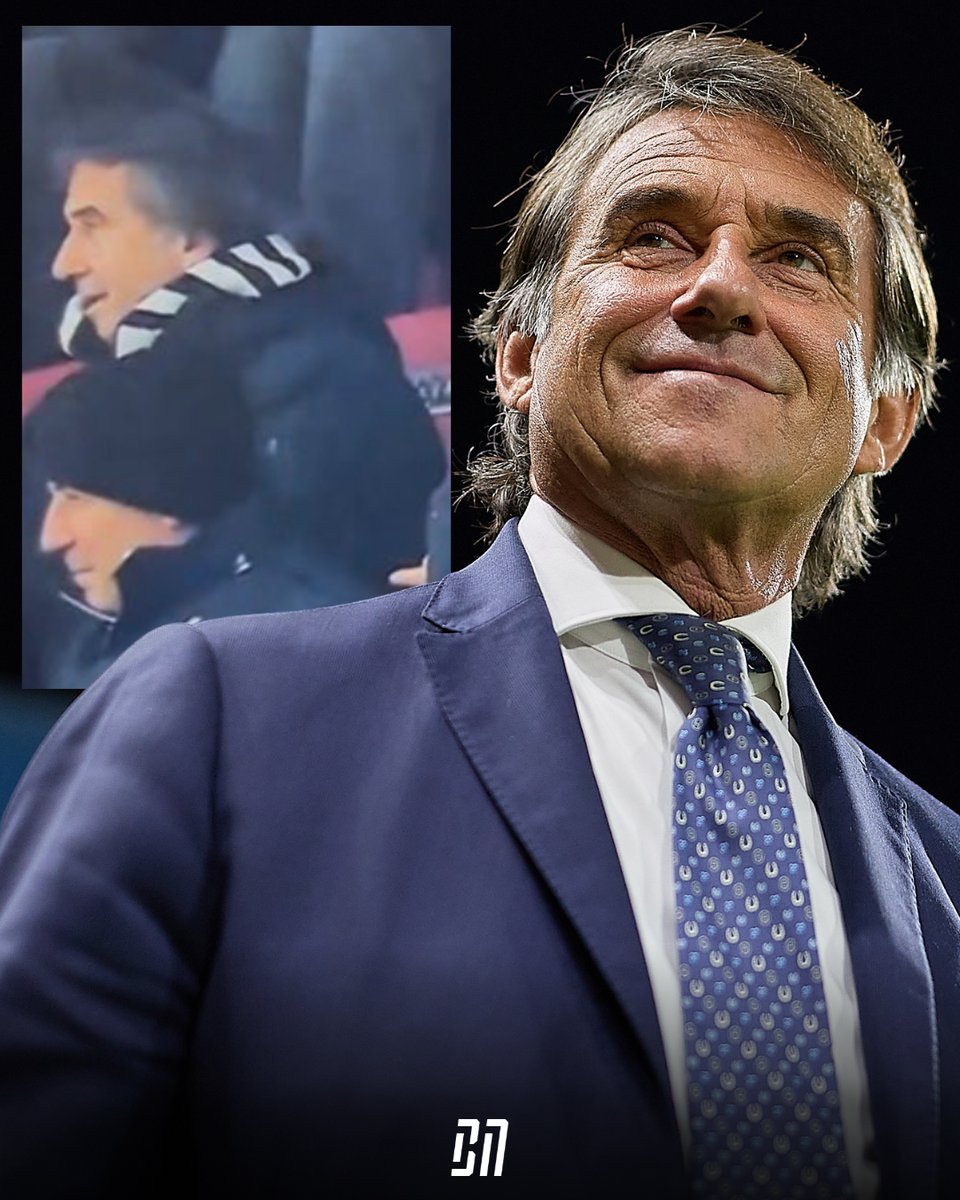
ilBiancoNero wrote that Giovanni Carnevali had kept the promise made to a shareholder, who during the Assembly had asked him to wear a Juventus scarf. According to the author, the CEO had shown it for the first time in the stands in Alkmaar, perhaps also because of the Dutch cold, a few days after receiving it as a gift. https://t.co/Zr5vedz1vw #Juventus #Calcio #Sport (translated)

3198
Observador 1w

Miguel Vargas's article discusses the death of ideology in Brazilian politics, highlighting the contradiction between campaign promises and the realities of the policies proposed by candidates like Lula and Flávio Bolsonaro. #PolíticaBrasil #Lula #FlávioBolsonaro (translated)

observador.pt
Brasil, a ideologia está morta
3085
Observador 1w

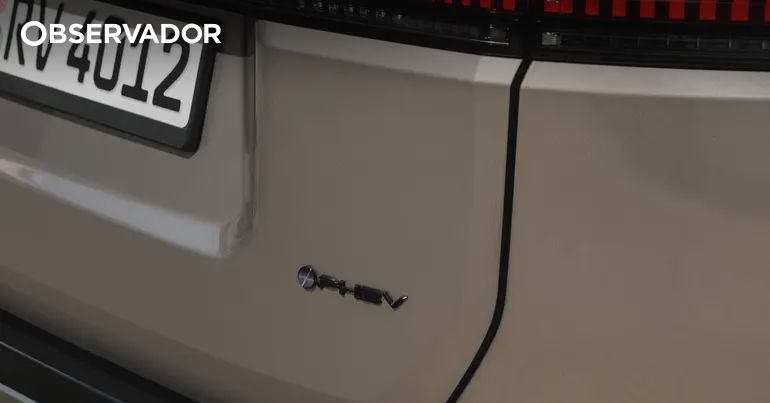
T&E proposes that Europe limit the fuel tank capacity of plug-in hybrid vehicles (PHEVs) to 15 liters, aiming to encourage electric charging and reduce emissions, after findings that these vehicles often do not meet efficiency promises. #HíbridosPlugIn #EmissõesDeCO2 #MobilidadeSustentável (translated)

observador.pt
Europa obriga PHEV a depósito de gasolina com só 15 litros?
2971
Péter Magyar 1w

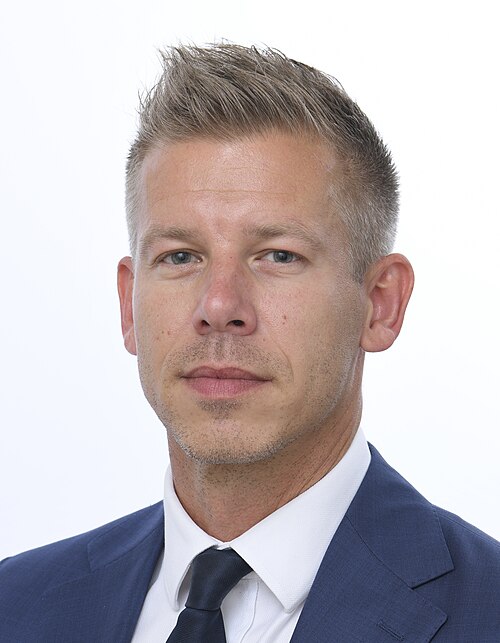
"After 36 years, we have finally fulfilled one of the fundamental promises of the regime change of 1990, a promise that was later reneged," declared Hungarian Prime Minister Peter Magyar, 45, who defeated nationalist Viktor Orbán in the April parliamentary elections. #Hungria #ArquivosSecretos #HistóriaComunista (translated)

3772
Il Fatto Quotidiano 2w

Morta Aeyavarin Pradubyart, a 15-year-old golf prodigy, has died after being struck by lightning during a tournament in Thailand, raising concerns about the safety management of the event. #Golf #Thailandia #SicurezzaSportiva (translated)

www.ilfattoquotidiano.it
Morta Aeyavarin Pradubyart, 15enne promessa del golf: è stata colpita da un fulmine mentre giocava. La mamma: “Non c’era l’ambulanza”
2058
Observador 2w

On the 70th anniversary of the Hungarian uprising of 1956, Jaime Nogueira Pinto's article reflects on the historical significance of this antifascist journey and the current repetition of its rhetoric in a context of growing disillusionment with promises of social transformation. #Hungria1956 #Antifascismo #História (translated)

observador.pt
Budapeste 1956: os 70 anos de uma velha jornada antifascista
2404
Observador 2w

Support for Trump is criticized by Republicans like Matt Kufta, who believe that his failure to fulfill promises, especially regarding the reduction of the cost of living, contributed to the party's defeat in the Congressional elections amid rising inflation and increasing fuel prices. #AméricaDividida #PartidoRepublicano #Trump (translated)

observador.pt
“Republicanos perdem porque Trump não cumpriu promessas”
2750
Jornal Expresso 2w

The article analyzes Donald Trump's economic promises in light of the upcoming elections, questioning their impact and achievements so far. #JavaScript #AdBlocker #WebDevelopment (translated)

expresso.pt
Eleições à porta: o que é feito das promessas económicas de Trump?
2752
Observador 2w

A 48-year-old woman, wanted by the justice system of Moldova for human trafficking, was arrested by the Judicial Police in Beja after recruiting a victim with false job promises to subject her to sexual exploitation in 2014. #TráficoDeSeresHumanos #Beja #Justiça (translated)

observador.pt
Beja. Detida mulher procurada na Moldova por tráfico humano
2871
Observador 2w

The article by Eduardo Alferes Conceição criticizes the illusion of housing policies in Portugal, highlighting the lack of homes and workers in the construction industry, while society is immersed in empty promises and centralism. #habitação #construção #imigração (translated)

observador.pt
A grande ilusão do betão: quem pega na colher de pedreiro?
2880