WRLD

Search

#Servitude
Vincent Bolloré 4w

4) Faire remonter les salaires  La hausse des salaires de ceux qui travaillent est un objectif essentiel.    Aujourd’hui le pouvoir d’achat est insuffisant. Le salaire médian (2.190 € nets par mois en 2024) ne permet pas de vivre décemment ou d’épargner.  Il faut aussi rendre plus attractif le passage de l’inactivité à un emploi davantage rémunéré.    Cela bénéficiera à l’ensemble de l’économie en dynamisant la consommation, tout en augmentant les recettes fiscales de l’État.    Enfin, l’augmentation des salaires est un facteur essentiel pour la paix sociale.    Cette hausse des salaires dans notre pays profitera aussi aux personnes immigrées arrivées récemment qui ne peuvent toutes vivre dignement. La réduction de la part des emplois à très bas coût, qui sont essentiellement proposés à une main d’œuvre immigrée et fragile, et pèsent sur les grilles de salaires, jouera en faveur de la croissance des salaires.    Pour renforcer la cohésion sociale et la valeur du travail, la différence entre la rémunération de ceux qui travaillent et ceux qui ne travaillent pas devra être suffisamment significative.      5) Travailler plus pendant les 3 années du redressement    La situation désastreuse de la France demande un effort particulier et temporaire :      •    Augmenter la durée du temps de travail hebdomadaire de 35h à 38h durant les 3 ans de redressement ;      •    Passer l’âge du départ à la retraite – comme les principaux pays européens – à 67 ans ou après 44 années de travail.      6) Remettre au travail ceux qui ne travaillent pas assez et en souffrent    Le chômage et l’assistanat ne privent pas seulement d’un revenu : ils entraînent une perte d’estime de soi, une marginalisation sociale, une fragilisation des familles et un sentiment d’inutilité qui minent la dignité. Le travail n’est pas une servitude mais une source d’accomplissement : il permet de contribuer, de créer, de se sentir reconnu et d’accéder à une véritable autonomie. Changer la vision du travail comme contrainte, pour le redécouvrir comme vecteur de liberté et d’épanouissement, est donc essentiel pour renforcer à la fois la vitalité économique et la cohésion sociale. Il faut donc mettre fin à la culture de l’assistanat, notamment en réformant les mécanismes d’aides sociales qui rendent moins avantageux le retour à l’emploi que le maintien en situation de chômage.      7) Fournir l’eau et l’énergie à des coûts compétitifs    Dans le domaine de l’énergie, il est nécessaire de fournir l’électricité et l’eau aux Français au prix de revient bas qu’autorisait le système construit par nos prédécesseurs (nucléaire, barrages, infrastructures…). Sur la question de l’électricité, cela suppose de s’affranchir du marché européen de l’énergie et de lancer un moratoire sur les énergies renouvelables subventionnées. L’énergie nucléaire est la seule qui puisse à la fois répondre aux besoins croissants du pays (voiture électrique, data centers), réduire l’utilisation des énergies fossiles émettrices de CO2, et garantir la souveraineté énergétique de la France.  À suivre #Salaires #PouvoirDachat #Emploi

12650
AuBonTouiteFrançais 🍾🍾🍾 4w

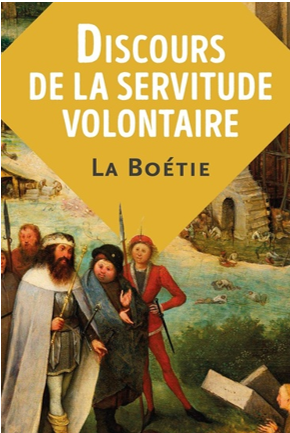
Discours de la servitude volontaire Vous vous souvenez ? "Un tyran n'est puissant que parce que le peuple lui donne sa force, qui repose surtout sur : - L'habitude des gens à obéir. - La pyramide des dépendances. Conclusion : On ne renverse pas un tyran". On arrête de le servir. https://t.co/mXpfETHzPl #ServitudeVolontaire #Liberté #Résistance

15215
S
Sandfeen 4w

“Socialism Was Good in Theory” That assumes socialism’s theory was never seriously challenged. It was—long before the Soviet Union, Lenin, or any national-scale experiment. Five thinkers attacked its foundations from different directions. Tocqueville: Equality Can Become Servitude In 1848, Alexis de Tocqueville distinguished democracy from socialism. Both pursued equality, but democracy sought it while preserving individual freedom. Socialism risked achieving equality by expanding state power. Equality, he warned, is not automatically liberty. Bastiat: Redistribution Can Become Plunder In 1850, Frédéric Bastiat examined what happens when the state takes from some to give to others in the name of justice. He called this “legal plunder.” His concern was that politics could become a permanent struggle to control redistribution. Nietzsche: Equality Can Become Resentment Nietzsche attacked socialism psychologically. He saw egalitarianism as potentially rooted in resentment toward exceptional individuals, ambition, strength, and hierarchy. The danger was a culture that treated excellence as morally suspect—not lifting people upward, but bringing the exceptional downward. Böhm-Bawerk: Challenge the Economics In 1896, Eugen von Böhm-Bawerk attacked Marx’s economic theory, arguing that Marx’s labor theory of value could not adequately explain the relationship between labor values and actual prices. He challenged socialism’s claim to a scientific economic foundation. Mises: The Calculation Problem In 1920, Ludwig von Mises asked a devastating question: even if socialism is morally desirable, how would planners know what to produce? The sequence is clear: Tocqueville challenged the political premise. Bastiat challenged redistribution. Nietzsche challenged egalitarian psychology. Böhm-Bawerk challenged Marxian economics. Mises challenged central planning. All of them preceded the Soviet experiment. So “socialism was good in theory, but bad in practice” is not an argument. It is a historical claim that requires explaining why these objections were wrong.

582
Luciano Magaldi Sardella (PhD) Sep 5

Freeman della City di Londra: Onoreficenza Ordinaria per Tutti, Onoraria per Pochi. SOURCE: https://www.linkedin.com/pulse/freeman-della-city-di-londra-dal-1996-unonoreficenza-sardella-ph-d--qlt0f/ Abstract La Freedom della City of Londra è un'istituzione di origini medievali documentata fin dal 1237, originariamente concepita per garantire ai cittadini liberi protezione dai vincoli feudali, diritto al commercio e proprietà fondiaria entro le mura della Square Mile (la denominazione del territorio della City londinese). Progressivamente trasformatasi da privilegio economico concreto a riconoscimento civico e simbolico, essa ha mantenuto nel tempo la propria rilevanza attraverso successive riforme normative (notevolmente l'apertura a tutte le nazionalità nel 1996) e conta oggi circa 1.800-2.000 nuove ammissioni annue. Il presente articolo esamina l'evoluzione storico-giuridica del titolo, illustra le molteplici vie di accesso previste dalla normativa vigente (servitù per apprendistato, patrimonio, riscatto per nomina diretta, presentazione tramite le Livery Company (o Compagnie di Livrea) e iscrizione al registro elettorale), e analizza il profilo contemporaneo dei Freemen alla luce di ammissioni recenti a figure di spicco dei mondi della finanza, della cultura, dello sport e delle istituzioni. Contrariamente all'immagine elitaria che circonda molte onorificenze britanniche, la Freedom ordinaria si rivela accessibile a qualsiasi persona, indipendentemente da nazionalità o condizione economica, a fronte di requisiti minimi e di una quota amministrativa di £180-185. Il contributo conclude riflettendo sul significato contemporaneo dell'istituzione: non nei privilegi residuali ormai perlopiù simbolici, ma nella sua funzione identitaria, civico-partecipativa e di connessione con la lunga storia della città più antica e autorevole d'Europa. Parole chiave: Freedom of the City of London; Livery Companies; City of London Corporation; onorificenze britanniche; identità civica urbana. Contenuto dell’articolo Introduzione Nel panorama delle onorificenze storiche britanniche, poche istituzioni evocano un immaginario così ricco come la Freedom della City di Londra. Menzionata in film, romanzi e articoli di costume con toni di esclusività e mistero, essa appare frequentemente associata a figure di altissimo profilo: sovrani, capi di Stato, comandanti militari di ritorno dalle guerre. Eppure, a uno sguardo più ravvicinato e metodicamente documentato, emerge un quadro assai diverso: quello di un titolo che, nella sua dimensione ordinaria e non onorifica, è oggi accessibile a un numero considerevole di persone ogni anno, senza che siano richiesti meriti straordinari né mezzi economici elevati. Il presente contributo si propone di esaminare l'istituzione nella sua duplice valenza, storica e contemporanea, con l'obiettivo di sfatare l'equivoco più diffuso: quello che confonde la Freedom ordinaria con la Honorary Freedom (o Freeedom onoraria) quest'ultima effettivamente rara e riservata a figure di standing internazionale. L'articolo ripercorre le origini medievali e l'evoluzione normativa (§ 2), illustra le vie di accesso vigenti (§ 3), discute requisiti, costi e procedimento (§ 4), analizza la composizione contemporanea del corpo dei Freemen (§ 5), esamina diritti, privilegi e obblighi (§ 6), passa in rassegna i destinatari più illustri degli ultimi decenni (§ 7), e conclude con alcune riflessioni sul significato odierno dell'istituto (§ 8). Origini e Sviluppo Storico dell'Istituzione La Freedom della City di London è documentata fin dal 1237, durante il regno di Enrico III, come forma di status civico che designava gli individui non soggetti a un signore feudale e quindi titolari delle protezioni garantite dalle carte della City. In questa accezione originaria, il termine freeman indicava l'uomo libero in senso pieno: colui che poteva commerciare liberamente nel perimetro della Square Mile, il Miglio Quadrato, possedere beni e aderire alle corporazioni di mestiere senza interferenze esterne. I privilegi pratici erano di portata concreta e direttamente funzionali all'economia medievale: esenzione da determinati pedaggi, tra cui il celebre diritto di condurre greggi di pecore attraverso il London Bridge senza pagamento, concessione radicata nel commercio della lana che dominava l'economia inglese, protezione contro l'arresto arbitrario fuori dalla giurisdizione della City, e accesso ai mercati regolamentati dalle corporazioni. Come confermato dalle successive riemissioni della Magna Carta da parte di Enrico III nel 1225, tali libertà erano intrinsecamente legate all'autogoverno della City, che le difendeva dall'ingerenza regia e baronale. La progressiva codificazione dell'istituzione avvenne attraverso ordinanze regie a partire dal XIV secolo: nel 1319 Edoardo II emanò costituzioni che limitavano l'accesso alla Freedom ai membri delle corporazioni di mestiere, vietando l'ammissione di estranei non affiliati e formalizzando così la "servitù per apprendistato" come via principale per i nuovi entrati, mentre la via patrimoniale garantiva la continuità per le famiglie già stabilite. I monarchi successivi , da Edoardo III in poi, confermarono ripetutamente le libertà cittadine attraverso carte concesse spesso in cambio di prestiti finanziari, consolidando l'autonomia della City e il suo ruolo di creditore della Corona. Nel XIX secolo, con l'industrializzazione e l'espansione demografica di Londra, il controllo corporativo sul commercio si rivelò sempre meno applicabile: il Municipal Corporations Act del 1835 ampliò l'eligibilità a chiunque vivesse, lavorasse o avesse un legame significativo con Londra, sganciando parzialmente il titolo dall'appartenenza corporativa e trasformandolo progressivamente in una distinzione onorifica a carattere civico. Nel corso del Novecento ulteriori riforme inclusivizzarono l'accesso: le donne, già ammesse informalmente come vedove ereditiere in epoche precedenti, ma formalmente escluse dalle vie standard, videro riconosciuto il diritto all'ammissione ordinaria, con Angela Burdett-Coutts che aveva già ricevuto la Honorary Freedom (Freeedom Onoraria) nel 1872 e Florence Nightingale nel 1908, mentre la parità formale si consolidò nel XX secolo. Infine, nel 1996, fu abolito il requisito della cittadinanza britannica o del Commonwealth, aprendo il titolo a qualsiasi nazionalità. Le Vie di Accesso: Quadro Normativo Vigente La normativa vigente, gestita dalla Corte del Ciambellano della City of London Corporation, prevede cinque principali modalità di accesso alla Freedom della City londinese, che riflettono i diversi legami storici tra l'individuo e le istituzioni cittadine. Per servitù (by servitude) conferisce il titolo al completamento di un apprendistato formale secondo la Consuetudine di Londra, tradizionalmente della durata di sette anni, presso un maestro freeman di una Compagnia di Livrea (Livery Company). Questa via, la più antica e di maggior portata storica, verifica il merito attraverso la competenza pratica e la lealtà alla corporazione; gli apprendisti finali vengono ammessi senza necessità di approvazione della Court of Common Council qualora iscritti al registro elettorale della City da almeno un anno, e in tal caso non è previsto alcun contributo economico. Per patrimonio (by patrimony) conferisce l'eligibilità automatica ai figli di Freemen, purché il genitore detenesse questo titolo al momento della nascita del candidato e sia fornita adeguata documentazione. Storicamente limitato ai figli maschi, fu esteso alle figlie con il Municipal Corporations Act del 1835. Il candidato doveva aver compiuto il diciottesimo anno di età, non essere un "fallito non riabilitato" e non avere condanne penali rilevanti. Per riscatto (by redemption) costituisce la via aperta a chiunque: il candidato presenta domanda alla Corte del Ciambellano, supportato da due garanti, i Consiglieri Comunali, Aldermen o Liverymen con almeno un anno di atttvità che attestano la sua reputazione, e la pratica è esaminata dal Vicecomitato delle Ammissioni alla Freedom (Freedom Applications Sub-Committee) e approvata dalla Corte del Consiglio Comunale. La quota amministrativa (Freedom Fine) ammonta a £180 dalla revisione tariffaria del 1° aprile 2024 (£185 nella modalità per nomina diretta). Per i candidati iscritti al Ward List, il registro elettorale della City, la procedura è gratuita. La presentazione tramite Compagnia di Livrea (Livery Company) è la via più frequentemente percorsa nella prassi contemporanea: il candidato diviene dapprima membro della propria corporazione di riferimento, a sèguito di una procedura variabile per ciascuna delle 113 Compagnie di Livrea attualmente attive, e successivamente invia la domanda online alla Corte del Ciambellano per il passaggio alla Freedom della City, con approvazione nella quasi totalità dei casi di carattere routinario. Requisiti, Costi e Procedimento I requisiti per l'accesso alla Freedom ordinaria sono di una semplicità sorprendente rispetto all'aura di esclusività del titolo. Il candidato deve aver compiuto diciotto anni, non essere un "fallito non ristabilito" e non avere condanne penali non ancora estinte ai sensi del Rehabilitation of Offenders Act del 1974. Non è previsto alcun requisito di nazionalità, residenza, livello di istruzione o stato patrimoniale. La documentazione richiesta è di carattere anagrafico standard: certificato di nascita integrale, eventuale certificato di matrimonio o documento attestante il cambio di nome, e se mediante presentazione, il certificato di appartenenza della corporazione di riferimento. La domanda viene inoltrata online tramite il portale della City of London Corporation. La cerimonia di ammissione si svolge alla Guildhall di Londra, nell'Aula Tribunalizia del Ciambellano, ogni giorno feriale tra le 10:30 e le 12:00 e tra le 14:00 e le 15:30. Il neo-Freeman è invitato a leggere ad alta voce la Dichiarazione di un Freeman (Declaration of a Freeman) e a firmare il Registro delle Ammissioni, ricevendo al termine il certificato calligrafato su pergamena e una copia delle Regole di Condotta di Vita (Rules for the Conduct of Life), il documento settecentesco di orientamento morale che invita il titolare a condurre una vita retta, compassionevole e socialmente attiva. Per chi non possa recarsi fisicamente a Londra, la City Corporation ha mantenuto la possibilità di svolgere la cerimonia in modalità virtuale, introdotta durante la pandemia e successivamente conservata. Composizione Contemporanea del Corpo dei Freemen Un dato empirico significativo contribuisce a ridimensionare la dimensione elitaria del titolo: ogni anno vengono ammesse tra le 1.800 e le 2.000 nuove persone, in un corpo complessivo che conta oltre 300.000 ammissioni documentate nel corso dei secoli. Come rileva la stessa City of London Corporation, i Freemen contemporanei comprendono "un'ampia sezione trasversale della popolazione", includendo professionisti, studenti, artigiani, imprenditori, personale militare e cittadini stranieri. Il crescente apporto di studenti universitari, spesso presentati in gruppi dalle proprie istituzioni accademiche e di professionisti internazionali, ha ulteriormente ampliato la base demografica. La cerimonia di gruppo del 2024, in cui 40 individui provenienti da settori che spaziano dalla scienza alla medicina, dall'imprenditoria alle iniziative per la diversità, hanno ricevuto il titolo simultaneamente, esemplifica questa apertura. Va ribadita, tuttavia, una distinzione fondamentale: la Freedom Onoraria della City di Londra costituisce un'istituzione del tutto separata e di portata radicalmente diversa. Concessa dalla Corte of Consiglio Comunale con una risoluzione speciale, è riservata a figure di eccezionale statura internazionalte tipicamente meno di una dozzina di concessioni annue e rappresenta, nelle parole della stessa City Corporation, il massimo onore che essa possa conferire. È questa la Freedom di cui hanno goduto Winston Churchill, la regina Elisabetta II e, più di recente, la presentatrice televisiva Rachel Riley (ottobre 2025) per il suo impegno nell'educazione alla Shoah e nella lotta all'antisemitismo. La confusione tra le due forme è la principale responsabile della percezione distorta dell'istituto nel dibattito pubblico. Il Significato Contemporaneo: tra Identità e Partecipazione Se la quasi totalità dei privilegi pratici un tempo associati alla condizione di Freeman è oggi scomparsa o ridotta a forma cerimoniale solenne, ciò che persiste è il potente valore simbolico e identitario del titolo. La cerimonia conserva elementi di solennità rituale la lettura della Dichiarazione, la firma sullo storico Registro delle Ammissioni, il ricevimento del certificato calligrafato su pergamena, che inscrivono il nuovo Freeman in una catena di continuità di quasi otto secoli, collegando figure eterogenee attraverso un legame condiviso con la storia del Miglio Quadrato (o Square Mile). La nobile istituzione londinese svolge altresì una funzione di coesione nell'ecosistema della City e delle Compagnie di Livrea: le 113 corporazioni attive hanno erogato collettivamente oltre 81 milioni di sterline in attività benefiche nel 2024, con programmi di formazione professionale, borse di studio e apprendistati tecnici che preservano competenze specializzate in settori economicamente rilevanti. Essere Freeman costituisce un prerequisito formale per l'avanzamento a Liveryman, e quindi per l'esercizio dei diritti elettorali nella governance della City: un residuo di democrazia corporativa che, per quanto distante dai modelli di suffragio universale, mantiene una sua logica istituzionale nell'architettura giuridica unica del Miglio Quadrato londinese. Critici di orientamento progressista hanno rilevato che il sistema favorisce reti consolidate e accessi per via ereditaria o professionale, potenzialmente escludendo strati più ampi della popolazione londinese con un bacino di Freemen viventi ben inferiore all'1% dei nove milioni di residenti nella Grande Londra (Great London). Tuttavia, i dati sulle ammissioni recenti, con riconoscimenti che spaziano dall'imprenditoria africana allo sport comunitario, dalla radiofonia alla medicina, suggeriscono una traiettoria di apertura progressiva che, pur senza raggiungere la piena rappresentatività demografica, testimonia la volontà istituzionale di mantenere l'istituto come tradizione viva piuttosto che reliquia esclusiva. Conclusioni L'analisi condotta permette di formulare alcune considerazioni conclusive. La Freedom della City, quella ordinaria, è oggi un'onorificenza accessibile a una platea ben più ampia di quanto l'immaginario collettivo suggerisca: i requisiti di ammissione sono minimi, i costi contenuti, le procedure relativamente snelle e aperte a qualsiasi nazionalità. La persistente confusione con la Freedom Onoraria, riservata a figure di eccezionaleelevatura internazionale, è la principale responsabile di una percezione distorta che merita di essere corretta. Il valore contemporaneo del titolo non risiede nei privilegi residuali, ormai perlopiù solenni e cerimoniali, ma in tre dimensioni complementari: quella identitaria, che connette il titolare a quasi otto secoli di storia istituzionale; quella civico-partecipativa, che attraverso l'accesso alle Livery Companies e al sistema elettorale della City inserisce il Freeman in reti realmente operative; e quella comunitaria, che attraverso i meccanismi di riconoscimento onorifico celebra contributi di portata e provenienza sempre più eterogenee. In questo senso, la Freedom rappresenta un caso di studio istruttivo su come le istituzioni storiche possano reinventarsi senza perdere autenticità, mantenendo vivo il proprio significato attraverso l'inclusione piuttosto che l'esclusione. Riferimenti e Fonti: City of London Corporation. (2024). Freedom of the City of London. https://www.cityoflondon.gov.uk/about-us/law-historic-governance/freedom-of-the-city Guild of Freemen of the City of London. (2025). Freedom of the City. https://www.guild-freemen-london.co.uk/freedom-of-the-city Livery Committee. (2025). Freedom of the City. https://liverycommittee.org/about/membership-freedom-and-livery-clothing/freedom-of-the-city/ Municipal Corporations Act 1835. UK Parliament. Rehabilitation of Offenders Act 1974. UK Parliament. Grokipedia. (2025). Freedom of the City of London. https://grokipedia.com/page/Freedom_of_the_City_of_London City Solicitors' Educational Trust. (2025). Applying for the Freedom of the City of London. LondradaVivere.com. (2025). La "Freedom of the City of London": un'antica libertà ancora viva. City of London Corporation. (2023). Livery Companies: Charitable Activities Report 2024. ONS / City of London Corporation. (2023). Financial Services Contribution to UK GDP.

www.linkedin.com
Freeman della City di Londra: Onoreficenza Ordinaria per Tutti, Onoraria per Pochi.
351
Luciano Magaldi Sardella (PhD) Sep 5

Freeman of the City of London: An Ordinary Honour for All, an Honorary One for Few SOURCE: https://www.linkedin.com/pulse/freeman-city-london-ordinary-honour-all-honorary-one-sardella-ph-d--m1alf/ Abstract The Freedom of the City of London is an institution of mediaeval origin, attested as far back as 1237, originally conceived to afford freeborn citizens protection from feudal obligations, the right to trade, and the ownership of property within the bounds of the Square Mile — the territory of the City of London proper. Having evolved progressively from a concrete economic privilege into a civic and symbolic distinction, it has preserved its relevance over the centuries through successive legislative reforms — most notably the extension of eligibility to all nationalities in 1996 — and today records approximately 1,800 to 2,000 new admissions annually. The present article examines the historical and juridical evolution of the title, sets out the several routes of access provided by current regulation (by servitude through apprenticeship, by patrimony, by redemption through direct nomination, by presentation through the Livery Companies, and by registration on the electoral roll), and analyses the contemporary profile of the Freemen in the light of recent admissions of prominent figures from the worlds of finance, culture, sport, and public life. Contrary to the elitist image surrounding many British honours, the ordinary Freedom proves accessible to any person whatsoever, regardless of nationality or financial standing, upon the satisfaction of minimal requirements and the payment of an administrative fee of £180–185. The article concludes by reflecting upon the contemporary significance of the institution: not in the residual privileges, now largely ceremonial, but in its identity-forming, civic-participatory function and its connection to the long history of the oldest and most venerable city in Europe. Keywords: Freedom of the City of London; Livery Companies; City of London Corporation; British honours; urban civic identity. Contenuto dell’articolo Introduction Amongst the historic honours of Britain, few institutions evoke an imaginative world as rich as the Freedom of the City of London. Cited in films, novels, and articles on manners and custom with tones of exclusivity and mystery, it is frequently associated with figures of the very highest standing: sovereigns, heads of state, military commanders returning from the wars. Yet, upon closer and more methodical scrutiny, a markedly different picture emerges: that of a title which, in its ordinary and non-honorary dimension, is today accessible to a considerable number of persons each year, without the requirement of extraordinary merit or elevated financial means. The present contribution aims to examine the institution in its twofold aspect, historical and contemporary, with the object of dispelling the most prevalent misconception: that which confounds the ordinary Freedom with the Honorary Freedom — the latter genuinely rare and reserved for figures of international standing. This article traces the mediaeval origins and legislative evolution (§ 2), sets out the current routes of access (§ 3), discusses requirements, costs, and procedure (§ 4), analyses the contemporary composition of the body of Freemen (§ 5), examines rights, privileges, and obligations (§ 6), reviews the most distinguished recipients of recent decades (§ 7), and concludes with some reflections upon the contemporary significance of the institution (§ 8). Origins and Historical Development of the Institution The Freedom of the City of London is attested from 1237, during the reign of Henry III, as a form of civic status designating individuals not subject to a feudal lord, and therefore entitled to the protections guaranteed by the City's charters. In this original sense, the term freeman denoted the free man in the fullest sense of the word: one who might trade freely within the perimeter of the Square Mile, hold property, and join the trade guilds without external interference. The practical privileges were of concrete scope and directly functional to the mediaeval economy: exemption from certain tolls, including the celebrated right to drive flocks of sheep across London Bridge without payment — a concession rooted in the wool trade that dominated the English economy — protection against arbitrary arrest beyond the jurisdiction of the City, and access to the markets regulated by the guilds. As confirmed by the subsequent reissues of Magna Carta by Henry III in 1225, such liberties were intrinsically bound to the self-governance of the City, which defended them against royal and baronial interference. The progressive codification of the institution took place through royal ordinances from the fourteenth century onwards. In 1319, Edward II issued constitutions restricting access to the Freedom to members of the trade guilds, prohibiting the admission of unaffiliated outsiders, and thereby formalising servitude through apprenticeship as the principal route for new entrants, whilst the patrimonial route ensured continuity for established families. Subsequent monarchs, from Edward III onwards, repeatedly confirmed the civic liberties through charters granted often in exchange for financial loans, consolidating the City's autonomy and its role as creditor to the Crown. In the nineteenth century, with industrialisation and the demographic expansion of London, corporate control over trade proved increasingly unenforceable. The Municipal Corporations Act of 1835 extended eligibility to any person living, working in, or having a significant connection with London, partially detaching the title from corporate membership and progressively transforming it into an honorary distinction of a civic character. During the twentieth century, further reforms rendered access more inclusive. Women, already admitted informally as widows by inheritance in earlier periods but formally excluded from the standard routes, saw their right to ordinary admission recognised — Angela Burdett-Coutts having already received the Honorary Freedom in 1872, and Florence Nightingale in 1908 — while formal equality was consolidated in the twentieth century. Finally, in 1996, the requirement of British or Commonwealth citizenship was abolished, opening the title to any nationality whatsoever. Routes of Access: The Current Regulatory Framework The current regulations, administered by the Court of the Lord Chamberlain of the City of London Corporation, provide for five principal modes of access to the Freedom of the City of London, each reflecting different historical ties between the individual and the City's institutions. By servitude confers the title upon the completion of a formal apprenticeship under the Custom of London, traditionally of seven years' duration, under a master freeman of a Livery Company. This route, the oldest and of the greatest historical significance, verifies merit through practical competence and loyalty to the guild. Completing apprentices are admitted without the need for approval by the Court of Common Council, provided they have been registered on the City's electoral roll for at least one year, and in such cases no financial contribution is required. By patrimony confers automatic eligibility upon the children of Freemen, provided the parent held the title at the time of the candidate's birth and appropriate documentation is furnished. Historically restricted to sons, it was extended to daughters by the Municipal Corporations Act of 1835. The candidate must have attained the age of eighteen, must not be an undischarged bankrupt, and must not have relevant unspent criminal convictions. By redemption constitutes the route open to any person whatsoever. The candidate submits an application to the Court of the Lord Chamberlain, supported by two sponsors — Common Councillors, Aldermen, or Liverymen of at least one year's standing who attest to their reputation — and the matter is examined by the Freedom Applications Sub-Committee and approved by the Court of Common Council. The administrative fee (the Freedom Fine) amounts to £180 following the tariff revision of 1 April 2024 (£185 in the case of direct nomination). For candidates registered on the Ward List, the City's electoral roll, the procedure is free of charge. By presentation through a Livery Company is the route most frequently taken in contemporary practice. The candidate first becomes a member of their relevant guild, following a procedure that varies amongst each of the 113 Livery Companies currently active, and subsequently submits an online application to the Court of the Lord Chamberlain for admission to the Freedom of the City, with approval in the vast majority of cases being a matter of routine. Requirements, Costs, and Procedure The requirements for access to the ordinary Freedom are of a simplicity that may well surprise, given the aura of exclusivity surrounding the title. The candidate must have attained the age of eighteen, must not be an undischarged bankrupt, and must not have unspent criminal convictions within the meaning of the Rehabilitation of Offenders Act of 1974. No requirement of nationality, residence, educational attainment, or financial standing is imposed. The documentation required is of a standard biographical character: a full birth certificate, a marriage certificate or name-change document where applicable, and, where admission is by presentation, the certificate of membership issued by the relevant Livery Company. The application is submitted online through the City of London Corporation's portal. The admission ceremony is held at the Guildhall in London, in the Court Room of the Lord Chamberlain, on every working day between 10.30 and 12.00, and between 14.00 and 15.30. The newly admitted Freeman is invited to read aloud the Declaration of a Freeman and to sign the Admissions' Book, receiving upon its conclusion a calligraphed certificate on vellum and a copy of the Rules for the Conduct of Life — the eighteenth-century document of moral guidance that enjoins the holder to lead a life of rectitude, compassion, and social engagement. For those unable to attend in person, the City Corporation has retained the option of conducting the ceremony virtually, a facility introduced during the pandemic and subsequently preserved. The Contemporary Composition of the Body of Freemen One significant empirical datum serves to diminish the elitist dimension of the title: between 1,800 and 2,000 new persons are admitted each year, within a body that counts over 300,000 documented admissions across the centuries. As the City of London Corporation itself observes, contemporary Freemen comprise 'a broad cross-section of the population', encompassing professionals, students, craftspeople, entrepreneurs, military personnel, and foreign nationals. The growing contribution of university students, frequently presented in groups by their academic institutions, and of international professionals, has further broadened the demographic base. The group ceremony of 2024, in which 40 individuals drawn from fields ranging from science and medicine to entrepreneurship and diversity initiatives received the title simultaneously, is illustrative of this openness. A fundamental distinction must, however, be emphasised. The Honorary Freedom of the City of London constitutes an entirely separate institution of radically different scope. Granted by the Court of Common Council by special resolution, it is reserved for figures of exceptional international stature — typically fewer than a dozen conferred annually — and represents, in the words of the City Corporation itself, the highest honour it is able to bestow. It is this Freedom that has been enjoyed by Winston Churchill, Her Majesty Queen Elizabeth II, and, more recently, the television presenter Rachel Riley (October 2025), in recognition of her commitment to Holocaust education and the combating of antisemitism. The confusion between the two forms is the principal source of the distorted public perception of the institution. The Contemporary Significance: Between Identity and Participation While the great majority of the practical privileges once associated with the condition of Freeman have today disappeared or been reduced to solemn ceremonial form, what persists is the powerful symbolic and identity-forming value of the title. The ceremony retains elements of ritual solemnity — the reading of the Declaration, the signing of the historic Admission Register, the receipt of the calligraphed certificate on vellum — which inscribe the new Freeman within a chain of continuity of nearly eight centuries, linking diverse figures through a shared bond with the history of the Square Mile. This venerable London institution also performs a cohesive function within the ecosystem of the City and the Livery Companies. The 113 active guilds collectively disbursed over £81 million in charitable activities in 2024, through programmes of vocational training, scholarships, and technical apprenticeships that preserve specialist skills in economically significant sectors. Being a Freeman constitutes a formal prerequisite for advancement to Liveryman, and therefore for the exercise of voting rights in the governance of the City: a vestige of corporate democracy which, however distant from the models of universal suffrage, retains its own institutional logic within the unique legal architecture of the London Square Mile. Critics of a progressive persuasion have observed that the system favours established networks and access by hereditary or professional routes, potentially excluding broader strata of the London population, with the pool of living Freemen well below one per cent of the nine million residents of Greater London. Nevertheless, the data on recent admissions — encompassing recognition spanning African entrepreneurship, community sport, broadcasting, and medicine — suggest a trajectory of progressive opening which, whilst falling short of full demographic representativeness, attests to the institutional will to maintain the institution as a living tradition rather than an exclusive relic. Conclusions The foregoing analysis permits the formulation of several concluding observations. The Freedom of the City — the ordinary Freedom — is today an honour accessible to a far wider audience than the collective imagination suggests. The admission requirements are minimal, the costs modest, the procedures relatively streamlined and open to any nationality. The persistent confusion with the Honorary Freedom, reserved for figures of exceptional international eminence, is the principal source of a distorted perception that merits correction. The contemporary value of the title resides not in the residual privileges, now largely solemn and ceremonial, but in three complementary dimensions: the identity-forming, which connects the holder to nearly eight centuries of institutional history; the civic-participatory, which through access to the Livery Companies and the City's electoral system inserts the Freeman into genuinely operative networks; and the communitarian, which through the mechanisms of honorary recognition celebrates contributions of an ever more varied scope and provenance. In this respect, the Freedom represents an instructive case study in how historic institutions may reinvent themselves without losing authenticity, preserving their significance through inclusion rather than exclusion. References and Sources: City of London Corporation. (2024). Freedom of the City of London. https://www.cityoflondon.gov.uk/about-us/law-historic-governance/freedom-of-the-city Guild of Freemen of the City of London. (2025). Freedom of the City. https://www.guild-freemen-london.co.uk/freedom-of-the-city Livery Committee. (2025). Freedom of the City. https://liverycommittee.org/about/membership-freedom-and-livery-clothing/freedom-of-the-city/ Municipal Corporations Act 1835. UK Parliament. Rehabilitation of Offenders Act 1974. UK Parliament. Grokipedia. (2025). Freedom of the City of London. https://grokipedia.com/page/Freedom_of_the_City_of_London City Solicitors' Educational Trust. (2025). Applying for the Freedom of the City of London. LondradaVivere.com. (2025). La 'Freedom of the City of London': un'antica libertà ancora viva. City of London Corporation. (2023). Livery Companies: Charitable Activities Report 2024. ONS / City of London Corporation. (2023). Financial Services Contribution to UK GDP.

www.linkedin.com
Freeman of the City of London: An Ordinary Honour for All, an Honorary One for Few
935
S
Sandfeen Sep 2

“Socialism Was Good in Theory” That sentence assumes the theory was never seriously challenged. It was. Long before the Soviet Union existed, before Lenin seized power, and before socialism had been tested on a national scale, major thinkers were already attacking its foundations—from very different directions. Five of them stand out. Tocqueville: Equality Can Become Servitude In 1848, Alexis de Tocqueville drew a sharp distinction between democracy and socialism. Both spoke about equality. But Tocqueville believed they pursued it in fundamentally different ways. Democracy, in his view, sought equality while preserving individual freedom. Socialism risked achieving equality by expanding the power of the state over the individual. His warning was essentially this: equality is not automatically liberty. A society can pursue equality so aggressively that it begins sacrificing the independence that makes political freedom meaningful. Bastiat: Follow Where Redistribution Leads Two years later, Frédéric Bastiat attacked socialism from a different direction. His question was deceptively simple: What happens when the state acquires the authority to take from some people and give to others in the name of justice? Bastiat called this “legal plunder.” His concern was not merely that redistribution might be expensive. It was that once government becomes the instrument through which competing groups obtain benefits from one another, politics can turn into a permanent struggle over who controls the machinery of redistribution. The problem, therefore, wasn’t simply how much the state redistributed. It was the principle that made redistribution legitimate in the first place. (bastiat.org⁠) Nietzsche: Equality Can Become Resentment Nietzsche approached socialism neither as an economist nor as a constitutional theorist. He attacked its psychology. He saw modern egalitarian movements as part of a much older moral impulse: resentment toward exceptional individuals and suspicion of strength, ambition and hierarchy. For Nietzsche, the danger was not simply that everyone might become economically equal. It was that a culture could begin treating excellence itself as something morally suspect. The goal would cease to be lifting people upward. It would become bringing the exceptional downward. Böhm-Bawerk: Challenge the Economics Then came Eugen von Böhm-Bawerk. In 1896, he turned his attention specifically toward Marx’s economic system. His criticism was not primarily moral or political. It was technical. Böhm-Bawerk argued that Marx’s theory of value did not adequately explain how the labor values developed in Capital could be reconciled with the actual prices Marx subsequently needed to explain. In other words, he attacked socialism where it claimed to possess a scientific economic foundation. The argument became one of the central criticisms of Marxian economics and helped launch a debate that would continue for generations. Mises: The Calculation Problem Then, in 1920, Ludwig von Mises attacked an even more fundamental question: Even if socialism is morally desirable, how would a socialist economy actually know what to produce? A functioning economy has millions of competing uses for scarce resources. Build a bridge or a hospital? Use steel here or there? Produce more machinery or more consumer goods? Under private ownership and markets, prices for capital goods provide information about relative scarcity and opportunity costs. Mises argued that abolishing private ownership of the means of production also removes the genuine market prices necessary for rational economic calculation. The problem wasn’t simply that socialist planners might make bad decisions. It was that the system deprived them of the very economic signals required to systematically compare those decisions. (Mises Institute⁠) And that was the sequence. Tocqueville challenged the political premise. Bastiat challenged the moral and legal mechanism of redistribution. Nietzsche challenged the psychology behind egalitarianism. Böhm-Bawerk challenged Marx’s economic theory. Mises challenged the possibility of rational central economic calculation. Five different thinkers. Five different objections. And all of them came before the Soviet Union had demonstrated what large-scale socialist government would actually look like. So “socialism was good in theory, but bad in practice” is not an argument. It is a historical claim that requires you to explain why these theoretical objections were wrong. The interesting question isn’t whether socialism had critics. It did. The interesting question is whether socialism ever adequately answered them” - ChatGPT

702
S
Sandfeen Aug 28

Why Good Times Make Weak People The pinnacle of tyranny is a society in which people are controlled without force because they love their servitude. Aldous Huxley’s Brave New World explored this idea. Unlike Orwell’s 1984, its citizens are controlled not through terror but pleasure. Soma provides instant relief from discomfort—a “holiday from the facts.” Huxley’s people are not prisoners but satisfied customers: the State produces children, promiscuity is normalized, and entertainment fills every empty moment. As Neil Postman observed, Orwell feared that truth would be hidden from us, while Huxley feared that we would become so distracted that we would no longer care about it. The Softening of Man Good times can make bad times possible. When safety and luxury become normal, people can lose sight of the struggles that created them. Andrew Lobaczewski argued that prosperity can weaken profound reflection. Pleasure becomes dominant, while uncomfortable truths are dismissed because thinking about them requires effort. Those who think critically may even be ridiculed. This creates a dangerous cycle: societies lose the capacity for psychological reasoning and moral criticism, allowing catastrophe to develop unnoticed. Sterilizing Genius Nietzsche understood that comfort, elevated above all else, can destroy the qualities that made civilization possible. Struggle, ambition, discipline, passion, and courage helped create prosperity—but prosperity can weaken the virtues that produced it. The Odyssey illustrates this. The Lotus-Eaters simply lose the desire to return home. Odysseus must drag his men back while they weep to remain. He rejects Calypso’s offer of immortality and endless comfort, choosing the difficult path home. We admire that choice because comfort without purpose is not a life worth admiring. Nietzsche imagined the endpoint in Thus Spoke Zarathustra: a society where safety and sameness become the highest ideals, producing “no shepherd, and one herd.” Anyone who seeks greatness becomes an aberration.

469
S
Sandfeen Aug 28

Why Weak Societies Choose Tyranny The pinnacle of tyranny would be a system that allows politicians, elites, and bureaucrats to control a population without force or coercion because the people love their servitude. Aldous Huxley wrote Brave New World, an eerily relatable dystopian novel, with this idea at the forefront. Unlike Orwell’s 1984, there is no overt oppression. The state does not have to stamp on human faces with its jackboots or erect an inescapable surveillance state. Rather, the people of Brave New World happily chain themselves with meaningless pleasure and distractions. The authorities do not rule through terror and rage, the central elements of 1984, but instead give the people everything they ever wanted. A pharmaceutical called Soma becomes the opiate of the masses. Mustapha Mond, the World Controller, likens it to Christianity without tears. While religion requires years of moral training, Soma allows citizens to achieve peace simply by swallowing tablets. It is the perfect escape from reality, a holiday from the facts. Lenina, the female counterpart to the protagonist Bernard, cannot comprehend why he refuses Soma, preferring discomfort to something that can remove it. When Bernard states, “I’d rather be myself, myself and nasty, not somebody else, however jolly,” Lenina sees this as a sort of pathology and repeatedly encourages him to take the wonder drug. Bernard explains, “I want to know what passion is.” He understands that there is more to life than merely being content, craving genuine experience, including suffering and intensity, rather than being emotionally regulated by the World State. Lenina’s bewilderment stems from her conditioning to regard unhappiness as a technical problem, encapsulated in the society’s common saying that “a gram is better than a damn.” The people of Brave New World are not captives but satisfied customers. Children are produced by the scientific state, relieving people of the responsibility of parenthood. This grants them the ability to engage in promiscuity, where everyone belongs to everyone else, while filling their free time with cheap entertainment and endless sporting events—what would be referred to as slop today. As Neil Postman observed, Orwell saw totalitarianism through the lens of fear, while Huxley saw it through pleasure. There was no need to ban a book in Brave New Worldbecause there was no one who wanted to read one. An abundance of low-quality information rendered censorship unnecessary because no one could hear the truth through all the noise. Huxley threw shade at civil libertarians who passionately opposed tyranny because they failed to take into account man’s almost infinite appetite for distractions. Humanity in its rawest form is portrayed by John the Savage, an outsider free from the World State’s conditioning. Upon coming face-to-face with this spiritually neutered society, he completely rejects it: “I don’t want comfort, I want God, I want poetry, I want real danger, I want freedom, I want goodness, I want sin.” Huxley’s dystopia is not imposed on an unwilling population but instead requested by a hollow one. Which leads us to the question: How do people become so weak that they get on their knees and beg for totalitarianism? Good times make bad times possible. Once a certain level of luxury and safety is achieved, people start to resemble the hobbits from the Shire. They are so far removed from evil that they forget it even exists and become defenseless in the face of it. Andrew Lobaczewski, who studied the psychology of totalitarianism from inside Poland’s communist takeover, wrote: “During good times, people progressively lose sight of the need for profound reflection. They lose the capacity to differentiate human nature, and emotion begins to dominate intellect. Once a critical mass starts operating on the pleasure principle, any excess mental effort seems like pointless labor.” Lobaczewski warned that it is not as simple as some people losing the ability to think rationally. It is worse, because those people then shame anyone capable of doing so. A clever, liberal, and merry individual is a good sport. A more far-sighted person predicting dire results becomes a wet blanket, a killjoy. The ability to have uncomfortable conversations without emotion taking over is, in Lobaczewski’s view, an indicator of whether a society’s future will be good or bad. It is easier to think about pleasant things. This leads people to eliminate any data or facts that cause them discomfort. That becomes a habit and eventually a custom accepted by society at large. Once the general populace accepts that inconvenient truths should be left unsaid, it becomes incapable of reaching correct conclusions. After all, how could you ever describe a picture that you refuse to look at? “Catastrophe waits in the wings of the communities that lose the capacity for psychological reason and moral criticism,” Lobaczewski wrote. “It is on the other side of this weakening of thought that the processes of the generation of evil are intensified at every social scale until they give rise to bad times.” It is precisely man’s dreams of happiness that can lead to chaos and suffering. This hedonistic view of happiness contains the seeds of misery, feeding the eternal cycle whereby good times give birth to bad times. Friedrich Nietzsche viewed socialism as demanding comfort for the greatest number of people possible. To question whether it is good for the masses to live in comfort has become a form of heresy. This reveals the spiritual atrophy that so many suffer from. Considering only the weak believe comfort to be a virtue, it is what Carl Jung would describe as the infantile dream state of mass dependency: the desire to gently slip back into the kingdom of childhood, into the paradise of parental care. Except this lack of friction has consequences. The perfect state destroys the soil in which great intellect grows. Genius, struggle, passion, strength, and wisdom are required to build a safe and abundant society. Yet once a certain level of comfort is achieved, it can destroy the very virtues required to obtain it. Nietzsche observed that it is the warmest heart that aims to alleviate suffering and hardship but fails to realize that it thereby wills the destruction of its own foundation. Comfort breeds mediocrity, which is then called good. Small people want one thing above all: that no one hurt them. We have taken this pathology to such a degree that we now obsess over hurt feelings and call this virtue. Pleasure, in its proper place, is a byproduct of meaningful goals, not a goal in itself. Aristotle saw that pleasure and comfort distort perception and proper judgment. While they do not cause us to misjudge something like geometry or mathematics, they can destroy our ability to decide what is worth pursuing and, therefore, what to do. Consider The Odyssey. Homer depicts Odysseus’ men on the island of the Lotus-Eaters, where they taste the fruit and lose all desire to go home. Much like Huxley’s Brave New World, they are not imprisoned. Rather, they simply stop wanting anything more. Odysseus has to drag his men back to the ships while they weep to stay. This is what comfort can do to men. It empties them of purpose. We intuitively understand this but fail to apply it to our own lives. We must make the same choice as Odysseus when he refuses Calypso’s offer of endless comfort and immortality. He knows she is more beautiful than his wife Penelope waiting at home. He knows that he and Penelope will grow old and die, a fate he could avoid by staying with Calypso. No one who reads these stories wishes he had stayed. We want him to choose the hard way home because if he took the offer, he would stop being admirable. Yet staying is exactly what our modern society asks of us. We are told that the island is the good life. But what happens to the man who caves to this temptation? In Thus Spoke Zarathustra, Nietzsche imagines a risk-averse society taken to its logical endpoint. The elimination of all struggle produces a man so diminished that he fails to possess even self-contempt or higher aspiration. Safety and sameness become the highest goals, creating “no shepherd in one herd.” Anyone who seeks to be anything more than normal becomes an aberration to be dealt with. Or, as Nietzsche puts it, they have “made the wolf a dog in man himself, man’s best domestic animal.”

1055
S
Sandfeen Aug 28

The Pinnacle of Tyranny The pinnacle of tyranny would allow politicians, elites, and bureaucrats to control a population without force or coercion—because the people love their servitude. Aldous Huxley’s *Brave New World* explores this idea through an eerily relatable dystopian society. Unlike Orwell’s *1984*, Huxley’s world contains no obvious oppression. The state does not need to “stamp on a human face—forever.” Instead, citizens willingly chain themselves to pleasure and distraction. Authorities do not rule through terror, but by giving people everything they think they want. Soma, a government-approved drug, becomes the opiate of the masses. Mustafa Mond, the World Controller, compares it to Christianity without the suffering. By swallowing a few tablets, citizens can escape reality—a temporary holiday from the facts. Lenina cannot understand why Bernard refuses Soma, preferring discomfort to something that can remove it. When Bernard says, “I’d rather be myself, myself and nasty, not somebody else, however jolly,” Lenina views his desire for authenticity as a kind of illness. Bernard wants to experience passion and recognizes that life involves more than contentment. He craves genuine experience, including suffering and intensity, rather than emotional regulation by the World State. Lenina’s confusion results from her conditioning, which teaches her to view unhappiness as a technical problem. This belief is captured by the saying, “A gram is better than a dam.” The citizens of *Brave New World* are not captives but satisfied customers. Children are produced by the state, relieving people of the responsibilities of parenthood. Their free time is filled with promiscuity, cheap entertainment, and endless sporting events—what might be called “slop” today. As Neil Postman observed, Orwell saw totalitarianism through fear, while Huxley imagined a society where oppression would be unnecessary because people would willingly surrender themselves to pleasure. There would be no need to ban books, because no one would want to read them. An abundance of low-quality information would make censorship unnecessary; the truth would be drowned out by noise. Huxley warned that people’s “almost infinite appetite for distractions” could make tyranny not only possible, but welcome.

938
Adham Hasanin Jul 21

| JULY 2026 | The Guard State How the largest Arab nation became a security contractor at the gates of its own people By Adham Hasanin Egyptian journalist and political writer, based in the Netherlands In June 2025, hundreds of activists from forty countries landed at Cairo airport. Doctors from France, lawyers from Australia, students from the United States, pensioners from the Netherlands. They carried no weapons and no banned slogans; they carried backpacks, walking shoes, and a single intention: to march from Arish to the Rafah crossing — entirely on Egyptian soil — to demand that food be allowed through to a people starving behind the gate. Not one of them reached Rafah. More than two hundred were detained before the march could begin. Around five hundred foreign nationals were deported from airports, hotels, and checkpoints. Passports were confiscated, activists were pulled out of downtown Cairo cafés, and the Global March to Gaza was cancelled on 16 June without taking its first step. And the world watched. This was no secret operation in a dark basement; it happened in the open, documented by the deportees’ own phone cameras, carried by every international news agency. The world watched an Arab state arrest Europeans, Americans, and Africans for wanting to walk towards Palestine. A state guarding the gate of a siege — from the side that was supposed to be the side of rescue. Hold that image, because it is the key to everything that follows. This was not an aberration in Egyptian policy, nor an isolated security decision. It is the function — the complete function around which the Egyptian state has been redefined over the past decade, and which it is time to call by its proper name: the Guard State. I. The Name — What Do We Mean by the Guard State? Political economy has long described states that live off the rent of their location rather than the production of their people. But what has crystallised in Egypt over the past decade goes beyond traditional geographic rent — the Suez Canal, say — into something far graver: the conversion of sovereignty itself into a commodity for hire. The Guard State does not sell its location; it sells its function. It collects its wages not for what it produces, but for what it prevents: it prevents the refugee from reaching Europe, the activist from reaching Gaza, its own people from reaching politics, and the resistance’s weapons from reaching their destination. Four gates, guarded by a single machine, whose wages are paid in loans, deposits, and perpetually renewed rescue packages. This is not a rhetorical metaphor; it is an economic structure with numbers attached. When the Egyptian economy collapsed in 2024, it was rescued not by productive reform but by a single deal whose subject was location: Ras el-Hekma — thirty-five billion dollars for a stretch of coastline. And whenever negotiations with the IMF stall, the tranches are unlocked by explicit European pressure whose subject is migration: nine billion euros from the European Union in the 2024 “Strategic Partnership,” whose own documents place “migration management” at its core. Europe does not pay Egypt to prosper. It pays Egypt to guard. Thus the model is complete: income in exchange for prevention, external legitimacy in exchange for guarding, and international silence about domestic tyranny in exchange for keeping the gates controlled. To see how the model works on the ground, consider the bloodiest gate of all: the gate of Gaza. II. The Gaza Gate — The Guard Who Is Himself Searched The first paradox must be nailed down with facts: Egypt is not a sovereign guard of its own crossing; it is a searched guard. Egyptian relief trucks — ninety-two thousand food parcels in a single convoy this month — are subject to Israeli inspection before entering the Strip: from Egyptian soil, through a crossing that bears an Egyptian name. The state that guards the gate does not hold its key. It owns the threshold, but not the door. Then the October 2025 truce added a new layer to the function. Under the fifteen-point roadmap sponsored by the international envoy together with the “guarantor states” — Egypt foremost among them — Cairo is to train the civilian police force that will replace Hamas in administering the Strip, under the slogan of “one authority, one law, one weapon.” Let us call things by their names: the state that could not — or would not — deliver a loaf of bread without Israeli permission is now qualifying to graduate the security apparatus that will oversee the disarming of the resistance. From guarding the siege to administering what comes after the siege — a promotion within the same project. And meanwhile, what is happening behind the guarded gate? Since the truce, more than one thousand one hundred Palestinians have been killed by Israeli fire — the latest, just two days ago, a ten-year-old boy named Motaz Abu Shaar, carried to his grave in Khan Younis by his mother, Warda. A United Nations commission of inquiry has concluded that Israel is “deliberately targeting children in an ongoing genocide.” This is what the guarantors’ official language calls a “ceasefire.” What meaning is left in the word “guarantor”? A guarantor that the gate stays firmly shut — however high the dead pile up behind it. III. The Mediterranean Gate — The Guard Europe Pays For The second gate faces north. Since 2016, Cairo has boasted — through its officials at every European forum — that “not a single irregular migration boat has departed from Egyptian shores.” This is very nearly true. But the forbidden question is: at what political price has this “efficiency” become an instrument of mutual blackmail? Europe — which condemns Egypt’s human rights record in its parliamentary resolutions — is the same Europe that signed the nine-billion-euro partnership, and the same Europe that stays silent about sixty thousand political prisoners because the alternative, in its calculations, is boats that never stop. And Cairo understands the game and has mastered it: whenever human rights pressure intensifies, the official discourse turns up the volume on “Egypt hosts millions of refugees” and “the last line of defence.” The result is a perfect structure of mutual blackmail: Europe buys its conscience’s silence, the regime sells its location, and the people — Egyptian and refugee alike — are the commodity in the transaction. The democracies that lecture on values are financing the guard who keeps the victims from knocking on their doors. This is not passing hypocrisy; it is a structural partnership in the Guard State model — one that makes Brussels and Berlin shareholders in everything this state produces, from domestic repression to external siege. IV. The Interior Gate — Guarding the People Against Politics But the most dangerous gate is not on any border; it is inside. The Guard State cannot perform its external function unless it first guards an internal gate: the people’s gate to politics. The function requires a people that does not ask: why are we guarding the siege of our brothers? Why are our trucks searched on our own soil? Why are guests deported for coming to walk in peace? To guarantee the question is never asked, the largest silencing machine in the country’s history was built: sixty thousand prisoners of opinion, a press ranked 166th out of 180 worldwide, and a state security case number waiting for anyone who writes. I write these lines from experience, not from reading reports. When I continued writing from my Dutch exile, the machine reached me across continents: accounts shut down by coordinated mass-reporting campaigns, documented threats, a family harassed inside Egypt as leverage — and my name entered into Case 1282 of 2024, not for any act I committed, but for opinions written from free European soil. This is not a personal complaint; it is a job description: the Guard State guards even beyond its borders, because the free word — wherever it is written — threatens the entire contract of guardianship. The logic is perfectly self-consistent: a regime that sells “stability” abroad cannot tolerate a voice revealing that the stability on offer is the stillness of graveyards. This is why the arrest of the foreign activists in June 2025 was inevitable, not incidental: a peaceful march reaching Rafah would have revealed, before the world’s cameras, that the gate opens when it is wanted open — and that the one keeping it shut is a partner, not a mediator. V. What Has Egypt Lost? — The Guard’s Bill An apologist might argue: what is the harm? A state monetising its location as Norway monetises its oil. The answer lies in the essential difference: Norway sells a resource; Egypt leases its will. And the difference between the two is the difference between trade and bondage. Let us tally what Egypt has paid for this model, in bare facts. It lost its water sovereignty: the Renaissance Dam was completed and filled without the state — owner of “the largest defence headquarters in the world” — daring anything beyond statements of concern; for the guard does not make trouble for the international order that employs him. It lost its regional standing: in the Iran–America war halted just weeks ago, Cairo was neither party nor mediator nor even consultant — Pakistan brokered the deal, while Egypt absorbed the economic shrapnel of Hormuz’s closure like a bystander caught in a battle whose parties it does not know. It lost its place in the conscience of its nation: the state that liberated its land in 1973 and led the Arab world for a century has become, in the eyes of the Arab street from the Atlantic to the Gulf, the gatekeeper of the siege. This loss, specifically, no loan or deposit can repay — because it is the only capital that cannot be printed. And it lost — here is the crux — the very national security in whose name the guarding is justified. The model proved its fragility at the moment of testing: when Israel feared an Iranian response last year, it cut off Egypt’s gas by unilateral decision within hours. The guard who believed himself a partner discovered he was merely a hireling whose wages stop the moment danger arrives. VI. The Alternative Is Not a Slogan — It Is the Recovery of the Original Function I will not close with an essay on “the solution lies in Arab unity”; worn-out words kill more surely than silence. The alternative is specific, and it begins with redefining the function. The state is not a guard; the state is the agent of its people’s will. Every foreign policy not derived from that will is — by definition — functional servitude, however it is wrapped in the language of wisdom and moderation. And the Egyptian will is known and needs no referendum: no people in this region accepts that its country serve as warden of the siege of Gaza, or as Europe’s border post. Practically, the recovery begins with three measurable steps. Open the Rafah crossing fully and sovereignly, by purely Egyptian decision — that alone would overturn the equation of the siege. Break the negotiating bondage by linking any cooperation on migration to concrete European positions on Palestine, not statements of concern. And open the interior gate — release the prisoners and lift the hand from the written word — because a state that fears an article will never dare face an occupier. I know the current regime will do none of this; guarding is its founding contract and its financial artery. But this article is not written for the regime. It is written for memory, and for the generation that will inherit the gates — so that it knows that what is presented to it today as “the fate of geography” is no fate at all. It is an employment contract, signed by a regime without a mandate from its people. And contracts, however long they run, end when one of their parties does. And the world — I return to where I began — is a witness that requires no further proof. It watched the deportees at Cairo airport; it watched the searched trucks; it watched Warda Abu Shaar carry her son to his grave behind a firmly guarded gate. The question is no longer: what is happening? The only question left is: who dares to name it? This article is a naming. Adham Hasanin is an Egyptian journalist and political writer based in the Netherlands, covering Arab and European political affairs.

474
Ivan Rioufol ن Jul 14

A peine était-il annulé que le #QRCode, imposé pour accéder aux Champs Elysées ce 14 juillet, était rétabli par le Conseil d'Etat ! Avec le #Covid, les Français avaient accepté une servitude au nom de la sécurité sanitaire. Désormais tous les prétextes seront bons pour le pouvoir #QRCode #Covid #SécuritéSanitaire #FR

Shakti D Jun 23

A large country like India needs to have demonstrable superiority in certain physical and biological activities and sports. Humans are not fact machines but sentimental beings who imagine and belong. I am not really a fan of number correlation when it comes to sports achievements. For the fun of it. India is the most populous country in the world. So of course, all the 48 countries in FIFA world cup have less population than India. Even China didn't qualify. The second most populous country. One of the many reasons is the qualifiers for Asian countries has been tough. But the Chinese have significant other achievements in sports, clearly asserted in Olympics. Of the 48 countries, remove the top 5 and the rest 43 together have less population than India. India has been consumed by glorifying mediocrity as the highest cultural achievement pushed from the most powerful and privileged. And eventually this will throw country back to servitude. India needs to get its story right. And not surrender it to inferiority plagued criminals. #india #indiansports #indiafootball #sportsprideindia #populationpower

357
Hermann Tertsch May 8

They are creating a society of dependents that is ultimately the voluntary servitude that all tyrants dream of. (Original: Están creando una sociedad de dependientes que son finalmente la servidumbre voluntaria con la que todos los tiranos sueñan.) #Dependence #Servitude #Tyranny #Therearenospecificcountriesmentionedinthearticle.

599